
The best apple season food ideas for cozy food moments use apples for more than pie. Crisp tart apples shine raw in salads and snack plates, firm apples hold their shape in skillet dinners and bakes, and softer apples are perfect for apple butter, cider reductions, sauces, and freezer filling packs.
Apple season is generous in the best way, until the counter starts filling with fruit that needs a plan. Some apples are crisp enough for cheddar plates and slaws, some are sturdy enough for pork chops or sheet-pan dinners, and a few softer ones are quietly waiting to become apple butter.
This guide to apple season food ideas for cozy food moments is meant to stretch the harvest across snacks, breakfasts, dinners, salads, desserts, cider glazes, lunch cups, and freezer prep. The point is not to make everything taste like cinnamon pie. It is to use apples where their crunch, acidity, sweetness, or slow-cooked depth actually improves the dish.

AAWP Recommended Products


You Might Also Like These Blog Posts
- Back to School Breakfast Ideas
- Back to School Snack Ideas
- Farm Stand Dinner Ideas
- Peach Season Food Ideas
- Pumpkin Season Food Ideas
Apple season cooking gets better when you match the apple to the job. Use crisp, tart apples for raw plates and slaws; firm apples for roasting, skillet dinners, and galettes; and softer or bruised apples for slow-cooked spreads, cider-simmered sauces, and freezer packs.
1. Apple Cheddar Snack Plate
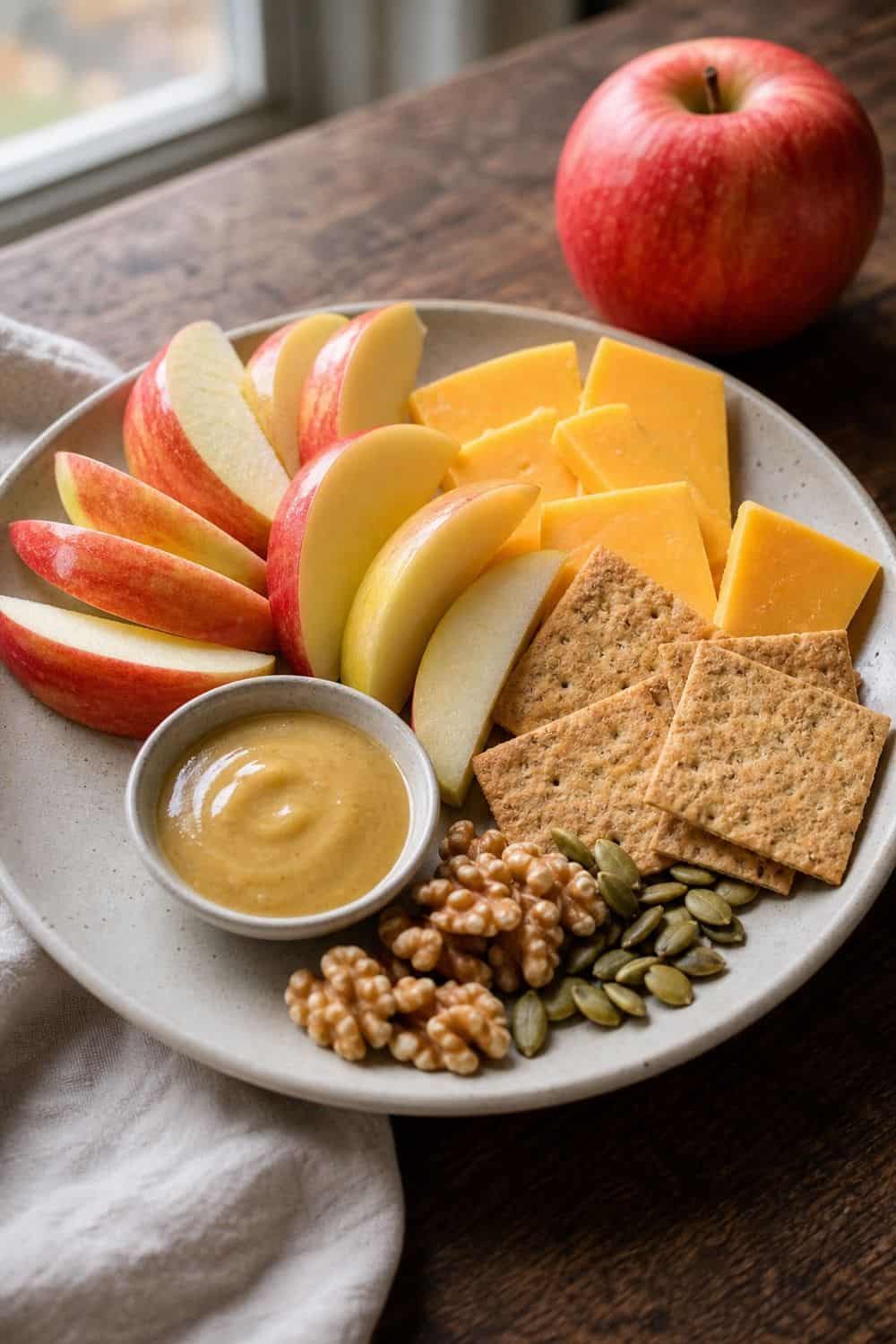
A crisp apple, sharp cheddar, crackers, pumpkin seeds or walnuts, and a little honey mustard make one of the easiest apple-season snacks. Tart apples work especially well because their acidity cuts through the richness of the cheese instead of making the whole plate taste sweet. For a sharper plate, choose Granny Smith or Pink Lady. For a sweeter one, use Honeycrisp and add extra mustard or salted seeds for balance.
An apple slicer helps when you want even wedges quickly, especially for an after-school plate or casual lunch. Slice close to serving, or dip the apples briefly in lemon water if the plate needs to sit for a few minutes. Avoid soft, mealy apples here because a snack plate needs snap; save softer fruit for apple butter, muffins, or freezer filling instead.
2. Honey Sage Apple Pork Chops
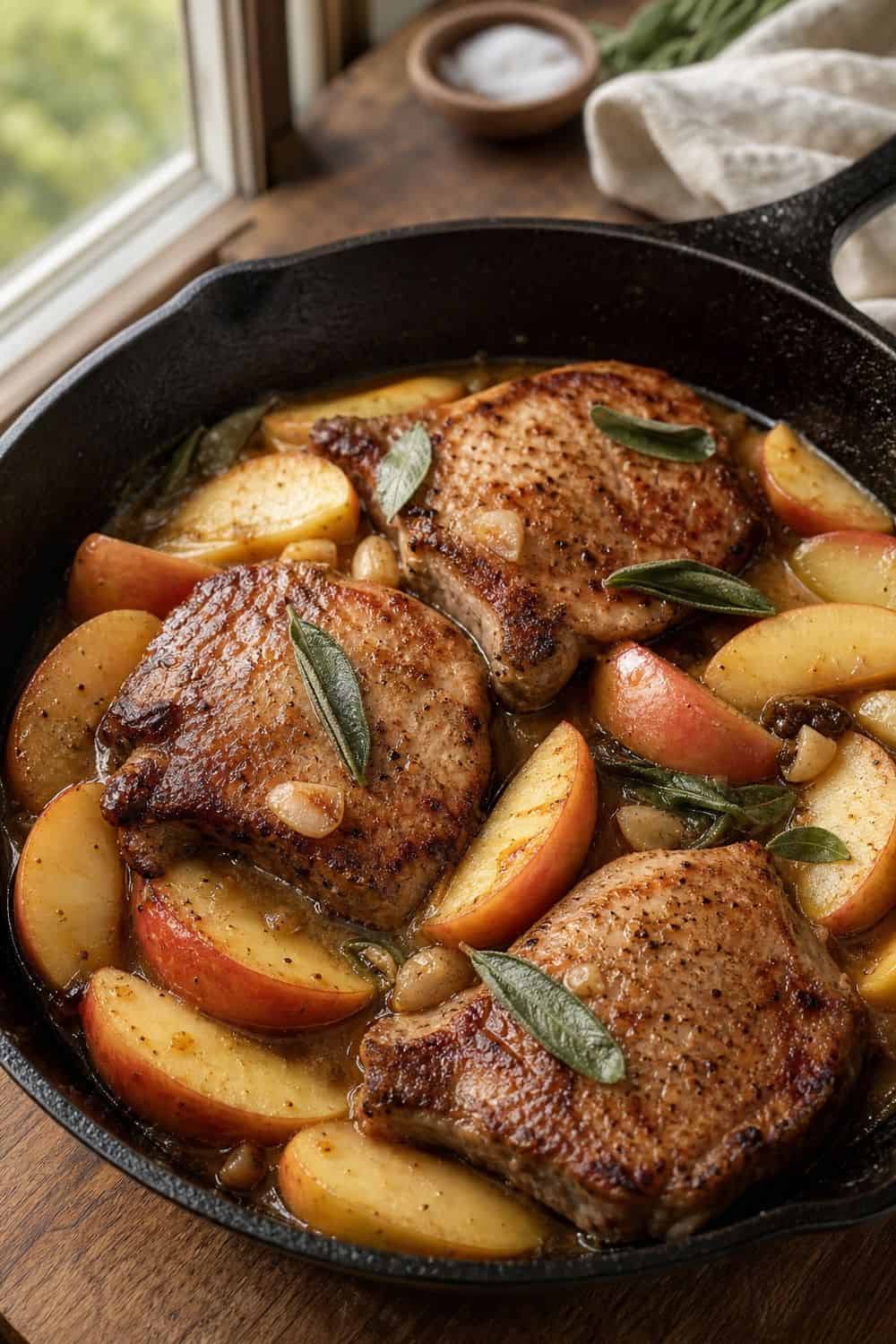
Pork chops and apples belong together because the fruit brings acidity and sweetness to a rich cut of meat. Sear the pork, then cook firm apple wedges with garlic, honey, sage, and a splash of vinegar or stock until the pan sauce turns glossy. A cast iron skillet gives the pork a proper sear and leaves enough browned bits behind to flavor the sauce.
Choose apples that hold their shape, such as Honeycrisp, Pink Lady, Braeburn, or another firm tart-sweet variety. Do not slice them too thin, or they will collapse before the sauce reduces. Serve the chops with mashed potatoes, roasted cabbage, or green beans so the apple pan sauce has somewhere savory to land.
3. Baked Stuffed Apples
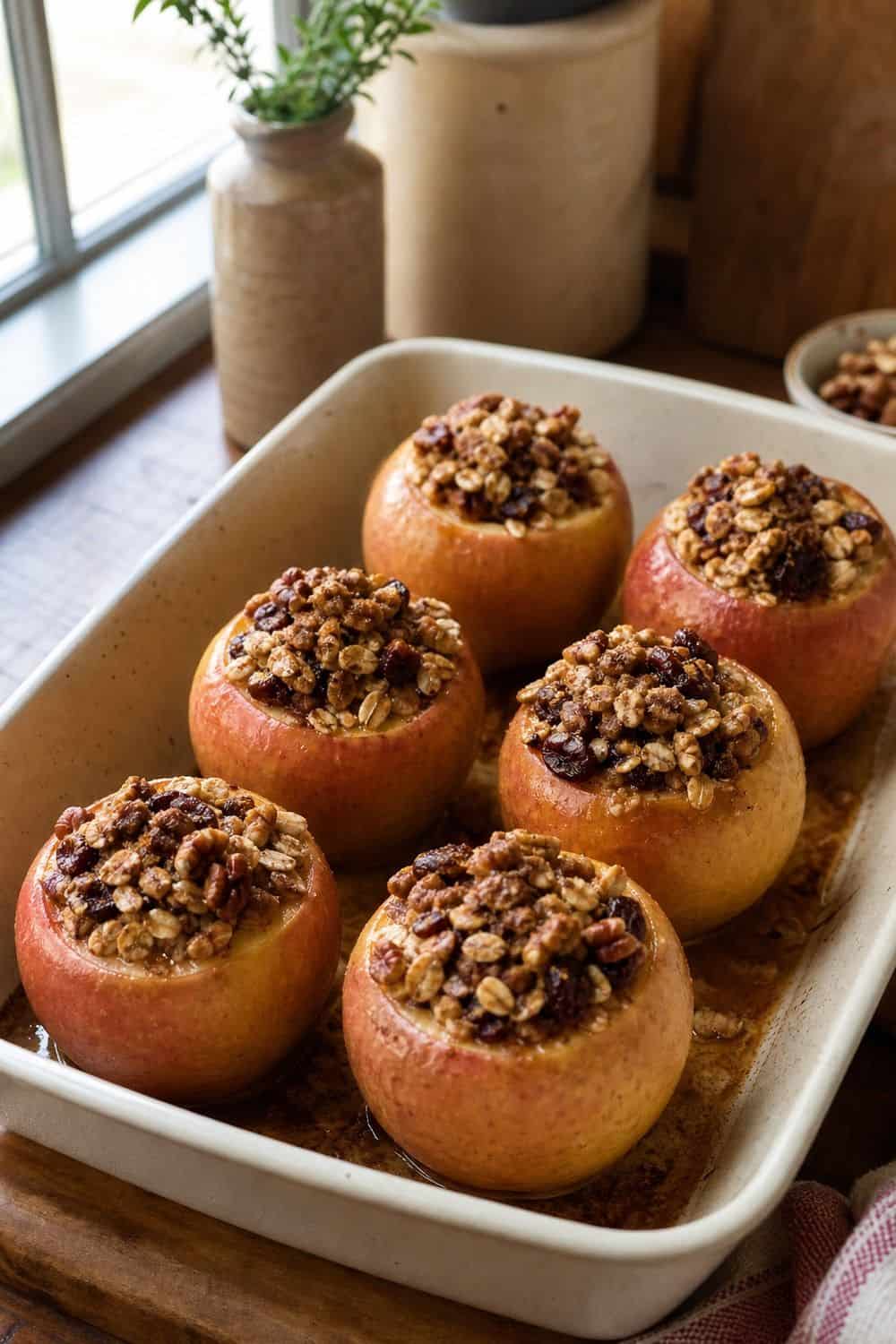
This cozy baked idea can lean dessert or breakfast depending on the filling. Use firm apples filled with oats, nuts, dried fruit, cinnamon, butter, and a modest amount of maple or brown sugar. An apple corer makes the prep cleaner, but leave the base intact so the filling stays inside instead of leaking into the baking dish.
Choose apples that feel heavy and firm, such as Honeycrisp, Braeburn, or Pink Lady, because softer apples can collapse before the oat filling has time to toast at the edges. If the apples wobble, trim a thin slice from the bottom without cutting into the hollow center so they bake evenly and serve cleanly.
4. Apple Cinnamon Overnight Oats
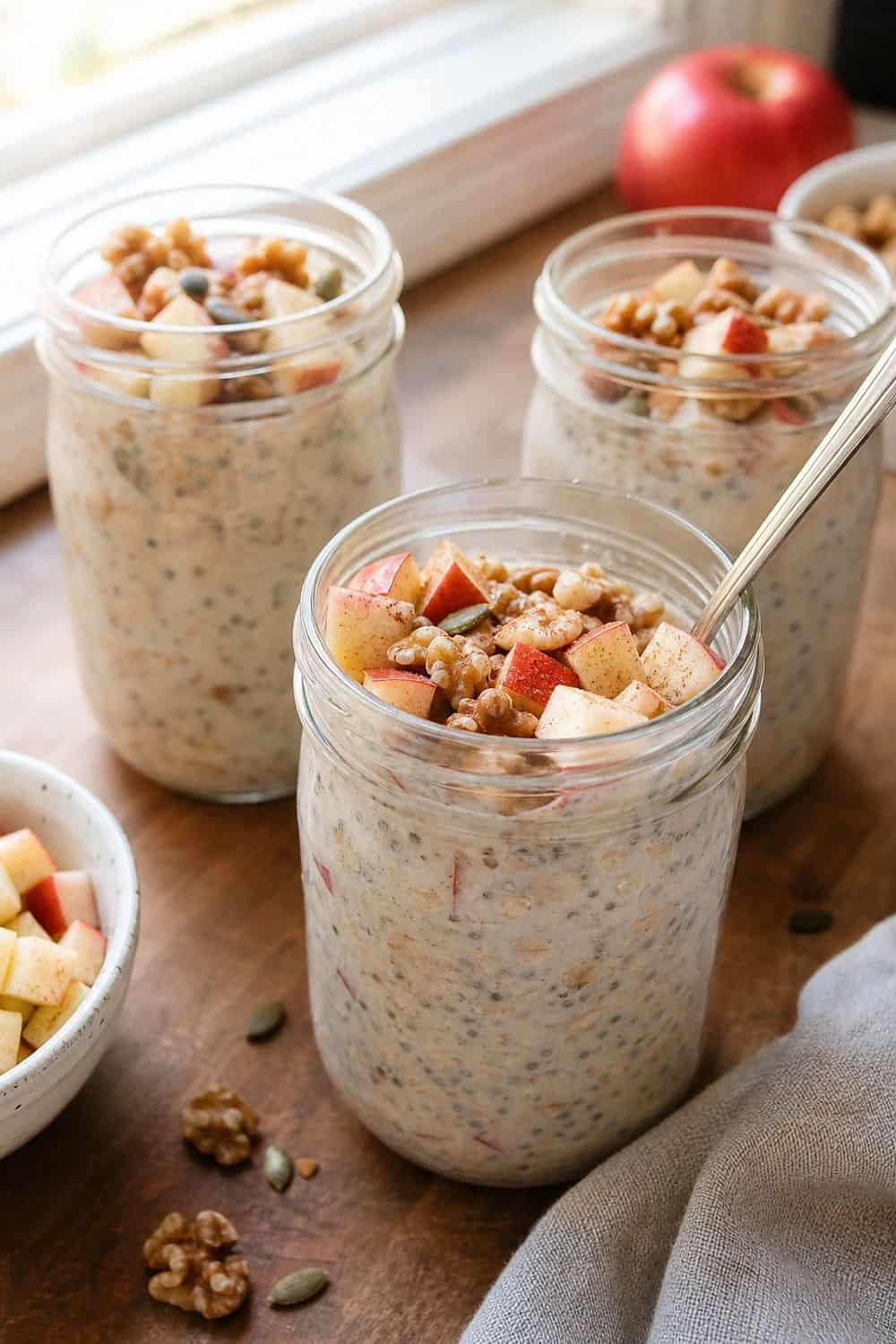
Diced apples make overnight oats feel seasonal without requiring a warm breakfast. Stir oats with Greek yogurt, milk, chia, cinnamon, and small apple pieces, then add walnuts or pumpkin seeds if you want more texture. The apples bring crunch and fiber, while the oats make the jar steady enough for a school or work morning. Overnight oats jars keep portions tidy and make it easy to prep two or three breakfasts at once. Dice the apples small so every spoonful gets fruit instead of a few large chunks. For the best texture, stir in a little fresh apple in the morning so the jar does not feel flat.
5. Apple Squash Pasta
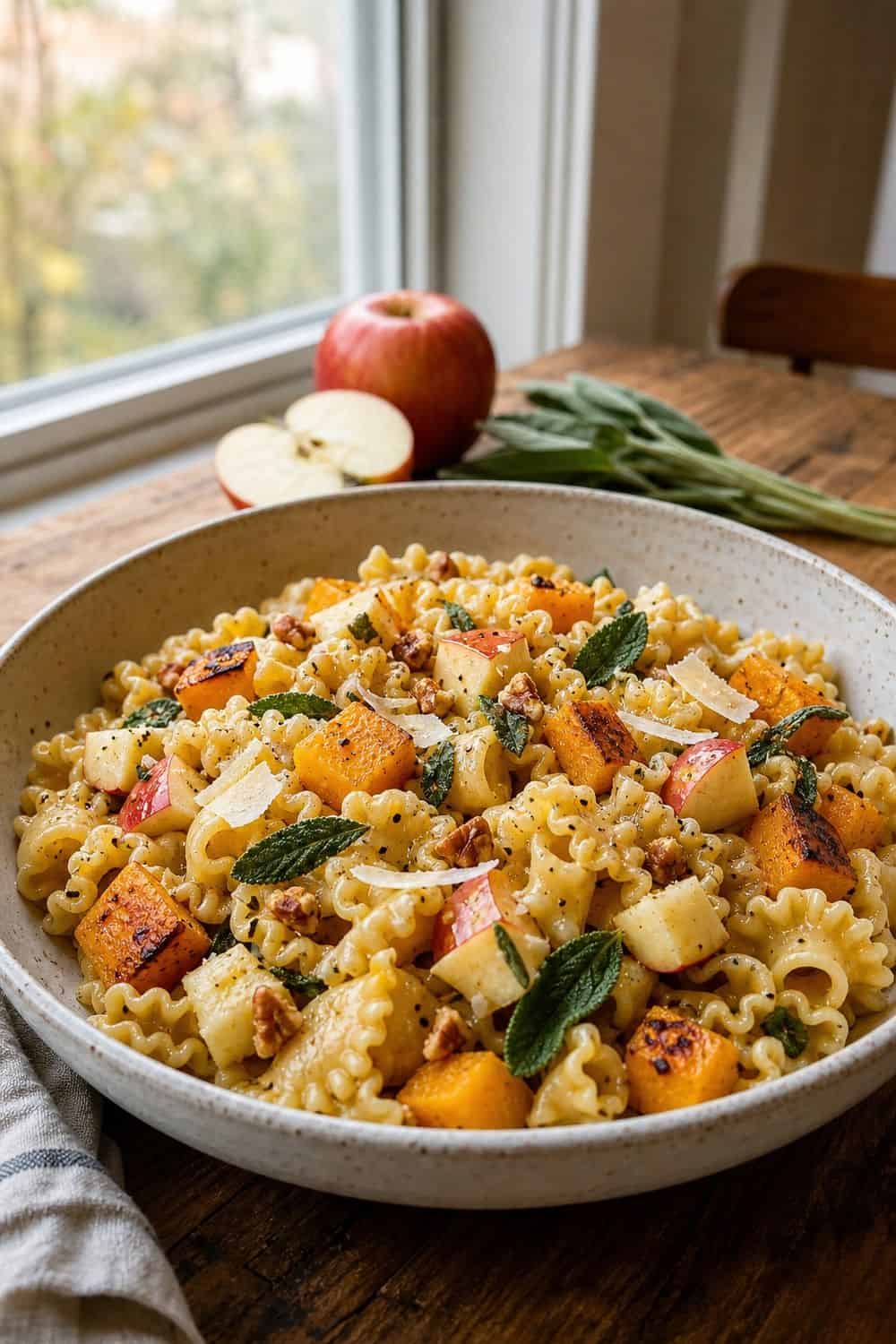
This savory fall pasta moves apple season well beyond dessert. Toss pasta with roasted winter squash, apple slices or cubes, sage, Parmesan, browned butter or olive oil, and toasted nuts. The apples should brighten the bowl, not make it taste like dessert, so skip heavy cinnamon and lean on sage, black pepper, lemon, and salty cheese.
A wide pasta serving bowl helps distribute the squash, apples, and nuts so the fruit does not sink into one sweet pocket. Use firm apples with a little tartness, and cut them small enough to mix through the pasta without disappearing. If the squash is very sweet, finish with lemon to keep the dish balanced.
6. Apple Arugula Goat Cheese Salad

Thin apple slices make a fall salad feel crisp and lively. Pair them with arugula, goat cheese, cranberries, pumpkin seeds, and cider vinaigrette so peppery greens and tangy cheese keep the apples from pushing the salad too sweet. Slice the apples thin enough to bend with the greens, not thick like snack wedges. A salad spinner helps because wet greens flatten quickly once apples and vinaigrette join the bowl. Dry arugula gives the dressing something to cling to and keeps the salad bright. Choose crisp raw apples and dress the salad just before serving, since early dressing or soft apples can dull the whole texture.
7. Sheet-Pan Sausage Apples and Onions
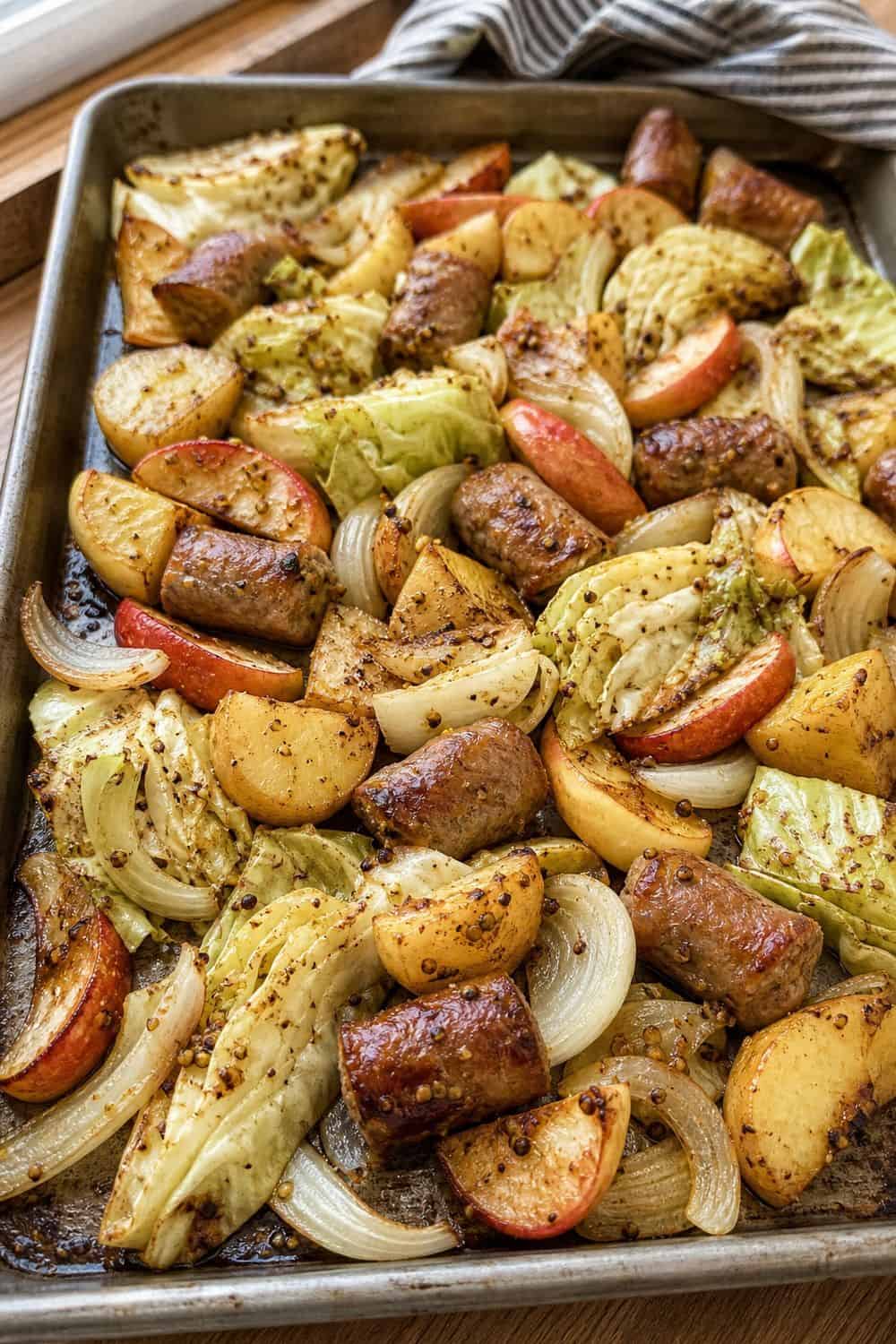
Apples roast into a sweet-savory side when they share a pan with sausage, onions, potatoes, cabbage, mustard, and herbs. The sausage makes the tray dinner-worthy, while the apples bring enough brightness to keep the meal from feeling too heavy. Mustard is the bridge here, especially when whisked with oil and herbs before roasting. A heavy duty sheet pan gives the ingredients room to brown instead of steam. Cut apples into thick wedges so they soften at the edges without burning or collapsing into the onions. Use a firm variety, and add the apples slightly later if your sausage or potatoes need a longer roast.
8. Rustic Apple Galette

A galette gives you the feeling of apple pie with less pressure. Roll pastry into a rough circle, layer thin apple slices with lemon and a little cinnamon sugar, then fold the edges over the fruit. The charm is in the relaxed shape, but the apples still need to be arranged evenly so the center bakes through.
A rolling pin helps keep the dough even enough that the center cooks at the same pace as the edges. Use apples that soften but do not dissolve, and slice them thinly so they cook before the crust gets too dark. If the apples are very juicy, toss them with a little flour or ground almonds before arranging.
9. Apple Butter Toast Board
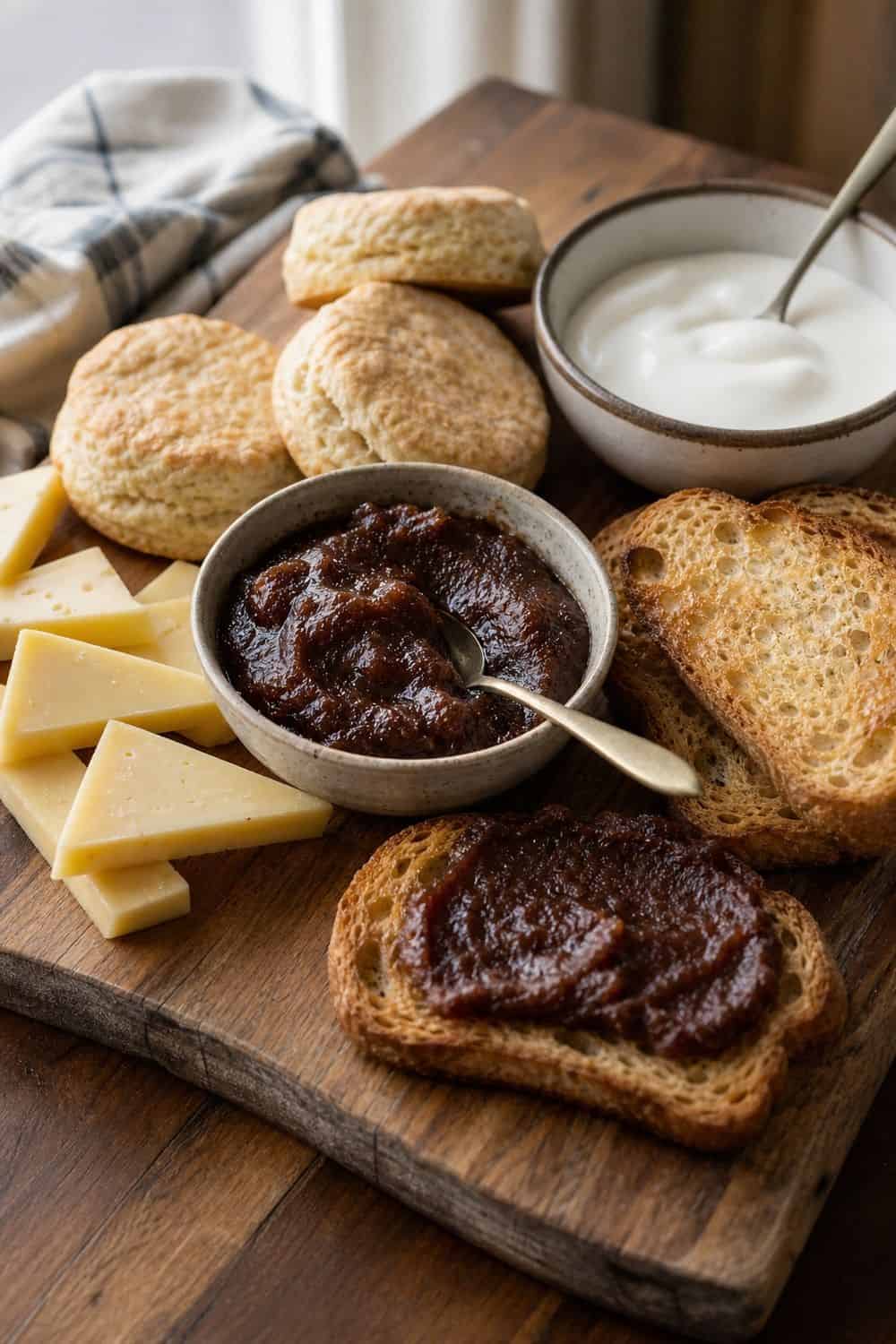
Apple butter is one of the best uses for softer, bruised, or slightly tired apples. Cook apples slowly with cinnamon, cloves, cider, and a little sugar or maple until they become dark, concentrated, and spreadable. Then serve it with toast, biscuits, yogurt, or sharp cheese in small amounts because the flavor is intense.
A slow cooker makes the process low-effort and lets the apples break down gently. This is where texture matters in the opposite direction: apples that are too soft for salad can still become a rich spread. Keep storage advice simple unless you are following tested canning instructions; refrigerate what you will use soon and freeze extra portions.
10. Green Apple Tuna Salad Cups
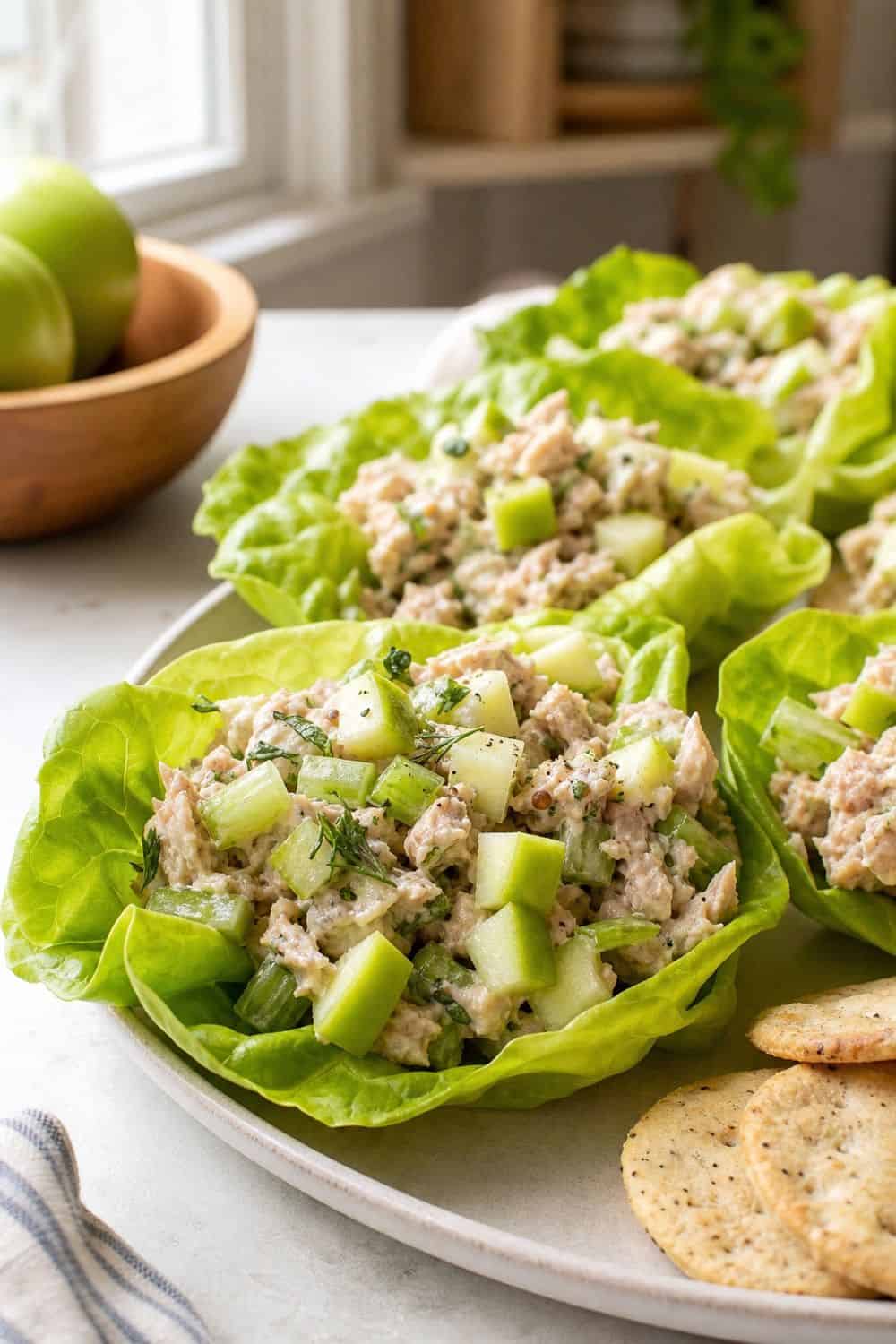
Tart green apple brings crunch and brightness to tuna or chicken salad, especially when the base is creamy. Dice the apple with celery, yogurt or mayo, mustard, and herbs, then serve the salad in lettuce cups or with crackers. The point is contrast: creamy filling, crunchy apple, savory mustard, and a clean lettuce cup or cracker.
Glass prep bowls with lids are useful because this lunch filling benefits from chilling but still needs to stay fresh. Dice the apples small so they distribute through the salad instead of landing in a few sharp bites. If making it ahead, stir in the apple closer to serving or toss the dice with lemon first.
11. Apple Cider Glazed Chicken
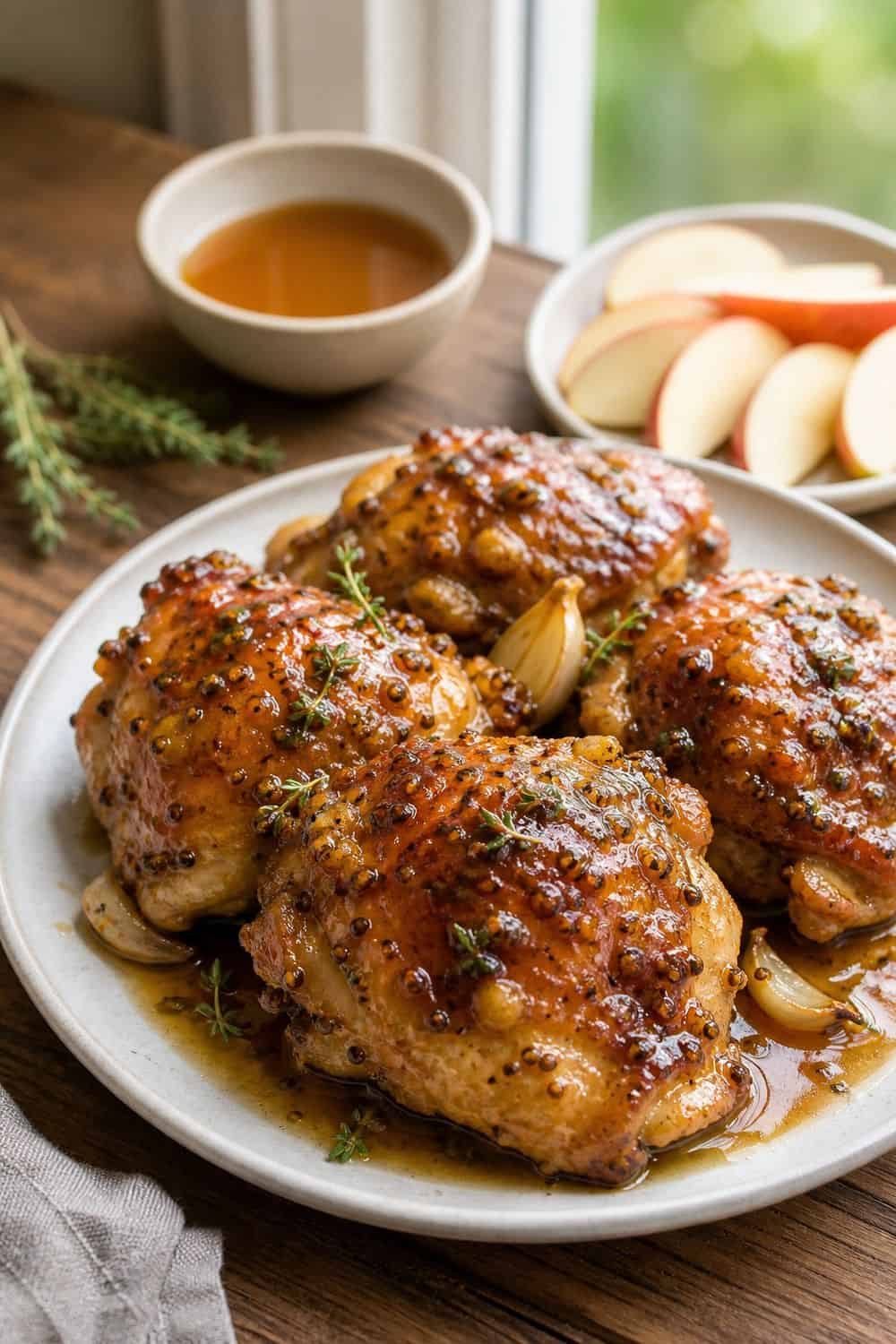
Apple cider glaze gives chicken concentrated apple flavor without adding fruit chunks to the plate. Simmer cider with mustard, garlic, thyme, and a little vinegar until it reduces into a glossy sauce for chicken thighs or breasts. Use fresh cider rather than a heavily spiced drink mix so the glaze tastes like apple, not melted candy.
A small saucepan is better than a wide pan for reducing a modest amount of cider. It gives you more control and makes it easier to see when the liquid moves from thin and bright to syrupy and intense. Taste before brushing it on the chicken; a splash of vinegar or mustard can pull a too-sweet glaze back into dinner territory.
12. Apple Nachos Dessert Plate
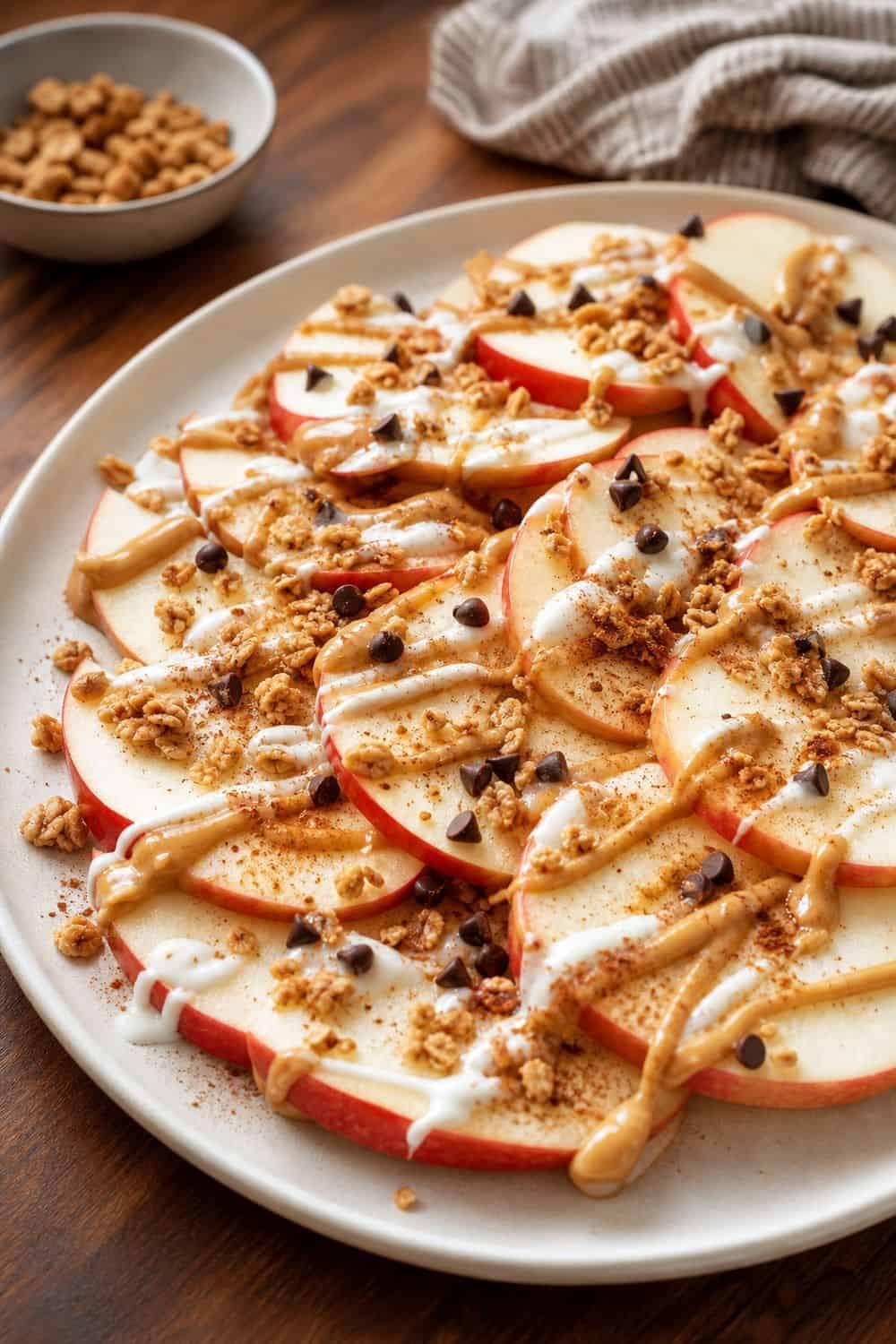
Apple nachos are a fast apple-season dessert plate for kids, after-school snacks, or casual movie nights. Layer apple slices with peanut butter or sunflower butter, yogurt drizzle, granola, cinnamon, and a few mini chocolate chips. Use crisp apples and slice them slightly thicker than salad apples so they can hold toppings.
A divided dessert platter helps if you want toppings on the side instead of covering every slice. That keeps the apple visible and lets people choose how sweet or crunchy each bite should be. The apple still needs to be the main ingredient; if the plate turns into a pile of chocolate, caramel, and granola, the fresh flavor disappears.
13. Apple Fennel Slaw
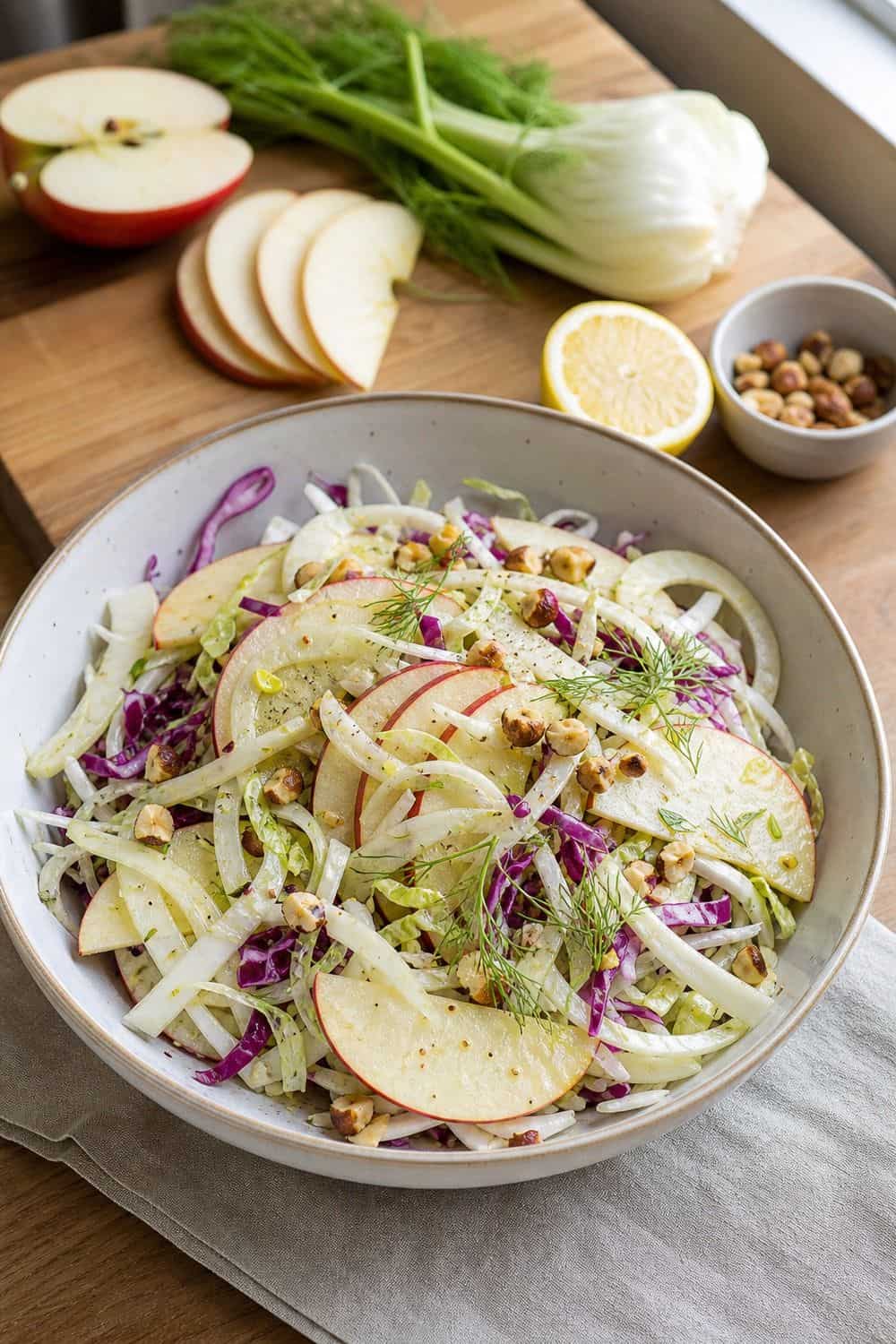
This crisp slaw is sharp, refreshing, and useful alongside richer dinners. Thinly slice apples, fennel, and cabbage, then dress with lemon, olive oil, herbs, and toasted nuts. Tart apples keep the slaw fresh instead of sweet, and more apple than fennel can soften the anise flavor if fennel is new to your table. A mandoline slicer with guard can make the slaw delicate and even, and the guard is important because apples and fennel both get slippery. Serve the slaw with roast chicken, pork, fish, sandwiches, or grain bowls. Avoid heavy creamy dressing if you want the apple and fennel to stay bright.
14. Apple Cider Doughnut Muffins
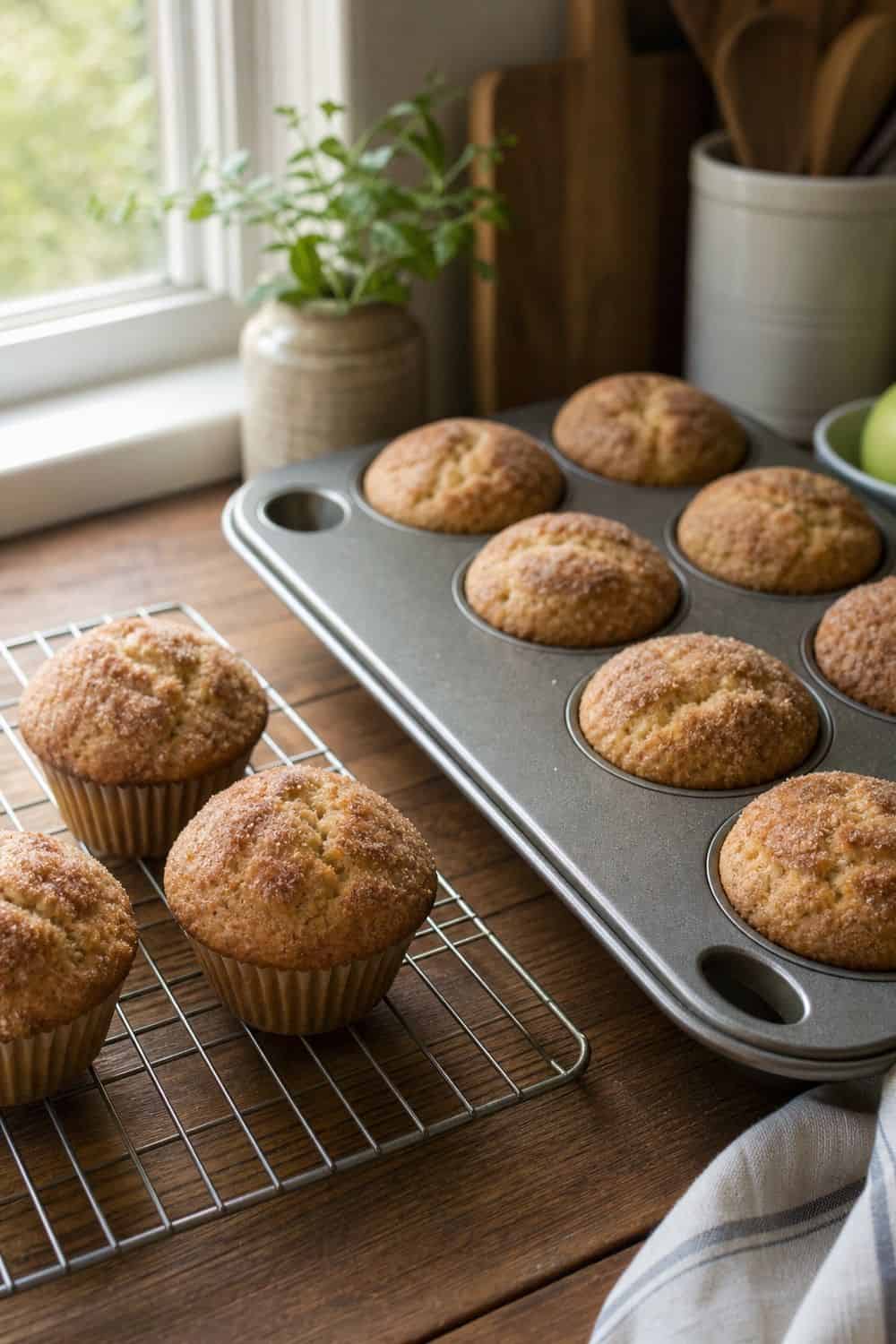
Cider doughnut-style muffins bring the cider-mill feeling home without frying. Use reduced cider, cinnamon, nutmeg, applesauce, and a cinnamon-sugar finish to make muffins that taste clearly apple-seasonal without requiring doughnut equipment. Simmered-down cider gives a stronger apple note because regular cider can disappear into the batter.
A muffin tin keeps the portions easy for breakfast, snacks, or lunchbox treats. Do not make the topping so sweet that the apple flavor gets buried; a light cinnamon-sugar finish is enough when the cider and applesauce carry the flavor. Let the muffins cool before finishing so they stay tender instead of sticky.
15. Freezer Apple Pie Filling Packs
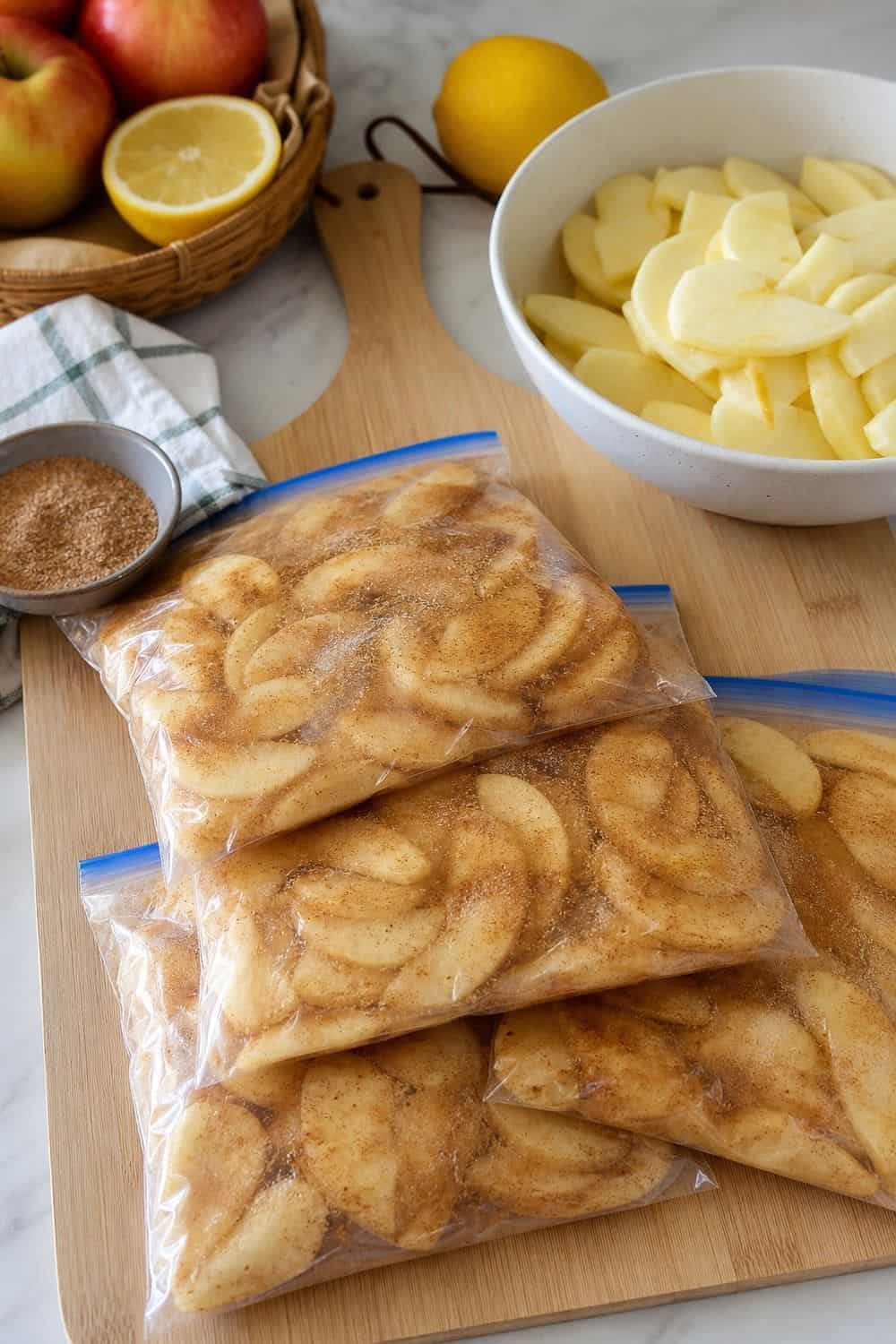
Freezer filling packs are how you save apple season for a colder day. Slice firm apples and toss them with lemon, sugar, cinnamon, and a thickener, then freeze the mixture flat for future crisps, galettes, oatmeal, or pies. Choose apples that hold their shape, such as Granny Smith, Honeycrisp, Braeburn, or Pink Lady. Freezer storage bags make the packs easy to stack once they are frozen flat. Label the apple variety, date, and intended use so you are not guessing months later. Press the bags flat before freezing so they stack neatly and thaw faster when you want a quick baked dessert or oatmeal topping.
Other Topics to Cover Before Cooking Through Apple Season
Different apple textures belong in different places. Crisp tart apples are best raw in snack plates, slaws, and salads. Firm apples work well baked, roasted, sauteed, and frozen. Softer or bruised apples are better for applesauce, apple butter, cider-simmered fillings, or muffins where structure matters less.
To keep sliced apples from browning, use lemon water, a little citrus juice, or slice them close to serving. For savory dishes, balance apples with salt, acid, herbs, cheese, pork, chicken, oats, and nuts so the fruit adds brightness instead of pushing every dish toward dessert.
Apple cider, apple butter, and applesauce are helpful shortcuts. Cider can reduce into a glaze, apple butter can anchor toast boards or yogurt bowls, and applesauce can add moisture to muffins. Just watch the sweetness, because apple flavor can get lost when sugar becomes the loudest ingredient.
The main mistakes are mushy apples in salads, under-seasoned savory dishes, too much cinnamon in every recipe, and desserts that become more complicated than enjoyable. Apple-season food should feel abundant, but each idea still needs a clear reason for the apple to be there.
FAQs
What can I make during apple season?
During apple season, make snack plates, pork chops with apples, baked stuffed apples, overnight oats, squash pasta, apple salads, sausage sheet-pan dinners, galettes, apple butter, tuna or chicken salad cups, cider-glazed chicken, apple nachos, fennel slaw, cider muffins, and freezer pie filling packs.
What savory foods can you make with apples?
Savory apple ideas include honey sage pork chops, apple squash pasta, sausage apples and onions, green apple tuna or chicken salad cups, apple cider glazed chicken, apple fennel slaw, apple arugula goat cheese salad, and cheddar apple snack plates. Tart or firm apples usually work best.
What apples are best for baking?
The best baking apples are firm enough to hold their shape and flavorful enough to stay noticeable after heat. Granny Smith, Honeycrisp, Braeburn, Pink Lady, Jonagold, and similar firm tart-sweet apples are useful for galettes, baked apples, muffins, and freezer filling.
How do you keep apple slices from browning?
Keep apple slices from browning by tossing them with lemon juice, dipping them briefly in lemon water, or slicing close to serving. For snack plates, use crisp apples and keep them covered until needed. Browning is harmless, but fresher-looking slices are more appealing.
What can I do with too many apples?
If you have too many apples, sort them by texture. Use crisp apples for salads and snack plates, firm apples for baking and roasting, and softer apples for apple butter, applesauce, muffins, cider reductions, or freezer filling packs. Bruised spots can be trimmed before cooking.
Can you freeze apple pie filling?
Yes, you can freeze apple pie filling. Slice firm apples, toss them with lemon, sugar, cinnamon, and a thickener, then freeze flat in labeled bags. Use the filling later for pies, crisps, galettes, oatmeal, or quick skillet desserts.
What cheese goes best with apples?
Sharp cheddar, goat cheese, blue cheese, brie, and aged gouda all pair well with apples. Tart apples balance rich cheeses, while sweeter apples work with sharper or saltier cheese. For an easy snack plate, start with crisp apples, cheddar, crackers, and nuts or pumpkin seeds.
What dinners go well with apples?
Apples work well with pork chops, chicken, sausage sheet-pan dinners, squash pasta, grain bowls, roast chicken, and savory slaws. Use firm apples for cooked dinners so they soften without falling apart, and balance their sweetness with mustard, herbs, vinegar, cheese, or browned butter.
Final Thoughts
The best apple season food ideas for cozy food moments let apples do different kinds of work: crisp raw slices with cheddar, firm wedges in a pork chop skillet, tart matchsticks in slaw, reduced cider on chicken, and freezer packs for later. Once you match the apple texture to the recipe, the season opens up far beyond pie.
Last update on 2026-09-18 / Affiliate links / Images from Amazon Product Advertising API