The best back to school lunch boxes depend on your child’s age, appetite, lunch style, backpack space, cleaning routine, and whether food needs to stay cold or hot. Younger kids usually do well with easy-latch bento boxes, older kids may need larger containers, and perishable foods need an insulated lunch bag with cold sources. Hot lunches need a preheated insulated food jar that a child can open independently.
School lunch gear has to survive a very specific routine: rushed mornings, crowded backpacks, short lunch periods, cafeteria tables, lost pieces, and containers that come home sticky at the end of the day. A lunch box can look great online and still fail if a child cannot open it, if it leaks in a backpack, or if it takes too long to wash every night.
This guide focuses on back to school lunch boxes as buying decisions, not lunch-prep ideas. The aim is to match the box, bag, jar, ice pack, or container set to the real school-day job it needs to handle.
Top Recommended Products


You Might Also Like These Blog Posts
- School Lunch Prep
- Cold Lunch Meal Prep
- Lunch Meal Prep
- Lunch Packing Station Organization
- Back to School Meal Prep Ideas
Best Back to School Lunch Boxes Worth Buying
1. Leakproof Bento Lunch Box for Younger Kids
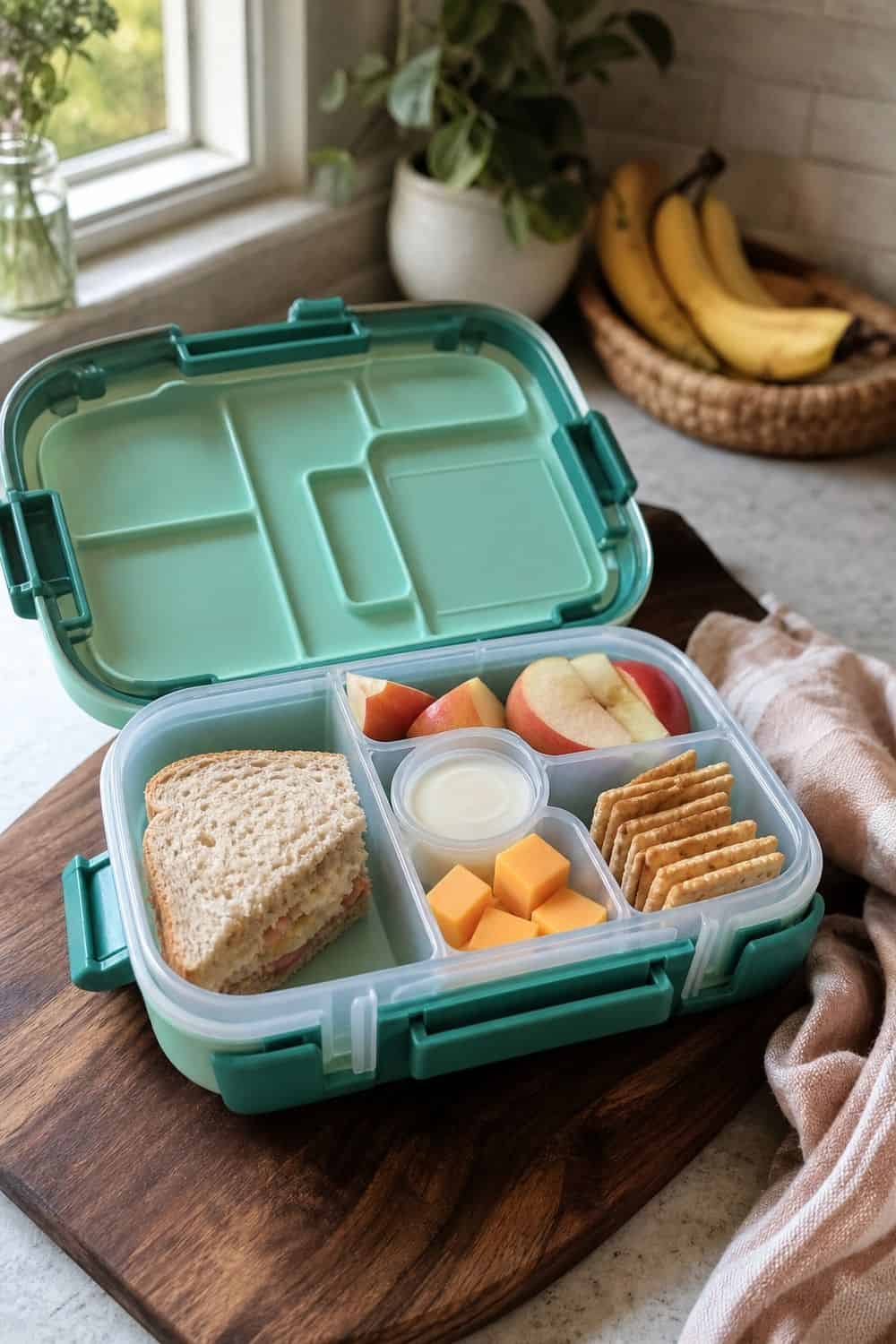
A kids bento lunch box is useful for younger kids because compartments make lunch choices visible fast. Small portions of fruit, crackers, sandwiches, cheese, and snacks stay separated, which helps kids who do not like foods touching. Before buying, check latch strength, tray capacity, leakproof claims, and whether the tray is dishwasher-safe. A box can be cute but still frustrating if a child needs adult help opening it at school. Practice with water in one compartment if you plan to pack juicy fruit or dip.
2. Stainless Steel Lunch Box for Lower-Plastic Packing
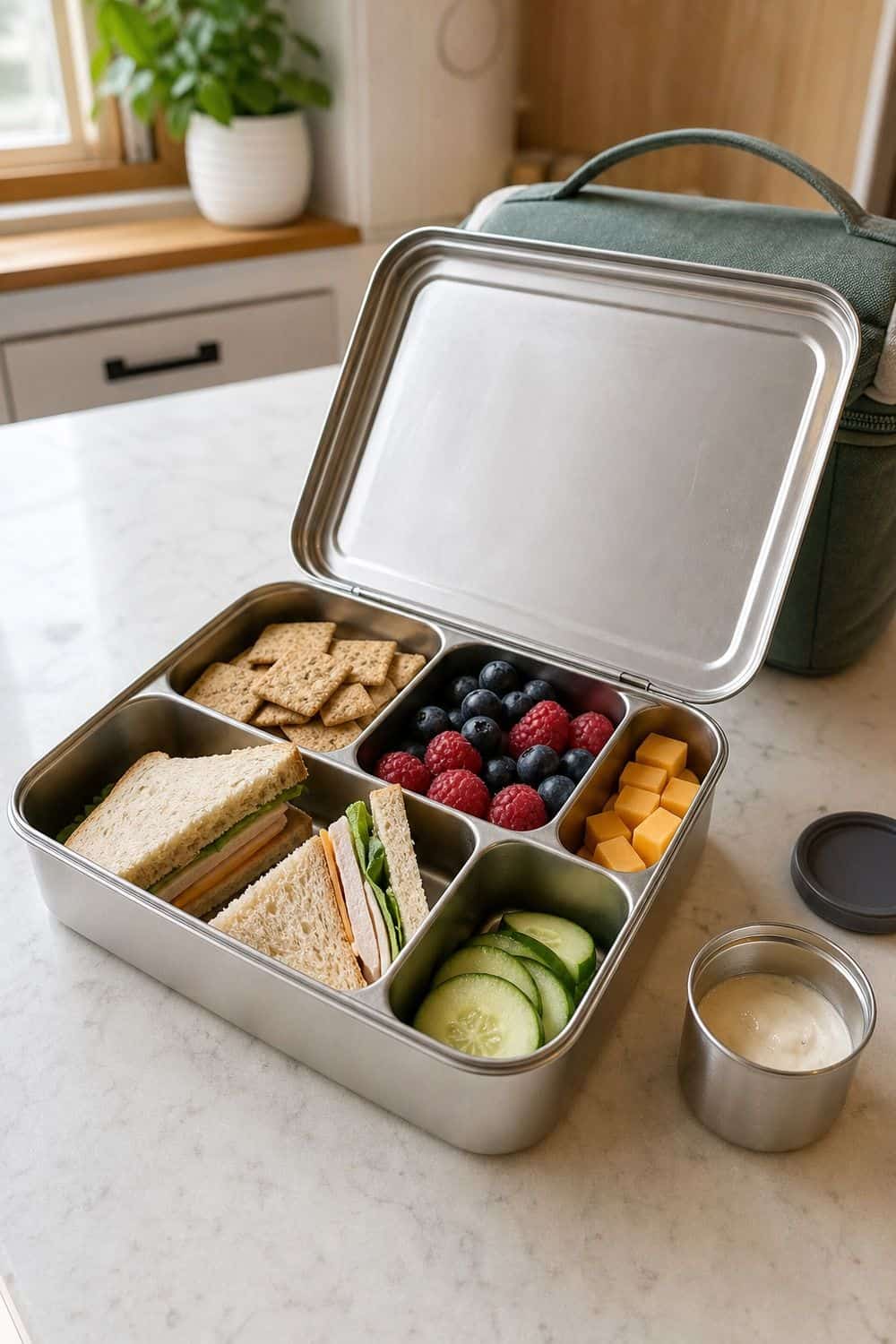
A stainless steel lunch box is a durable option for families trying to reduce plastic in daily lunch packing. It handles sandwiches, crackers, fruit, cheese, and dry snacks well, and it usually resists stains better than plastic. Look at weight, compartments, lid style, and cleaning instructions before buying. Stainless steel often needs an outer lunch bag and separate leakproof cups for yogurt, dip, dressing, or juicy fruit. It is a better fit for kids who can carry a slightly heavier box without dropping it.
3. Insulated Lunch Bag for Cold Perishables

An insulated lunch bag is essential when school lunches include yogurt, cheese, meat, cut fruit, leftovers, or other perishable foods. It should fit the lunch box, a cold source, a drink, napkins, and any side containers without crushing the food.
Choose a wipeable lining, sturdy zipper, easy handle, and clear place for a name label. The bag also needs to fit inside or beside the backpack your child actually carries.
Check the interior dimensions with the lunch box and ice pack together. A bag that barely closes will crush soft food and make zippers fail sooner.
4. Lunch Box Ice Packs That Actually Fit
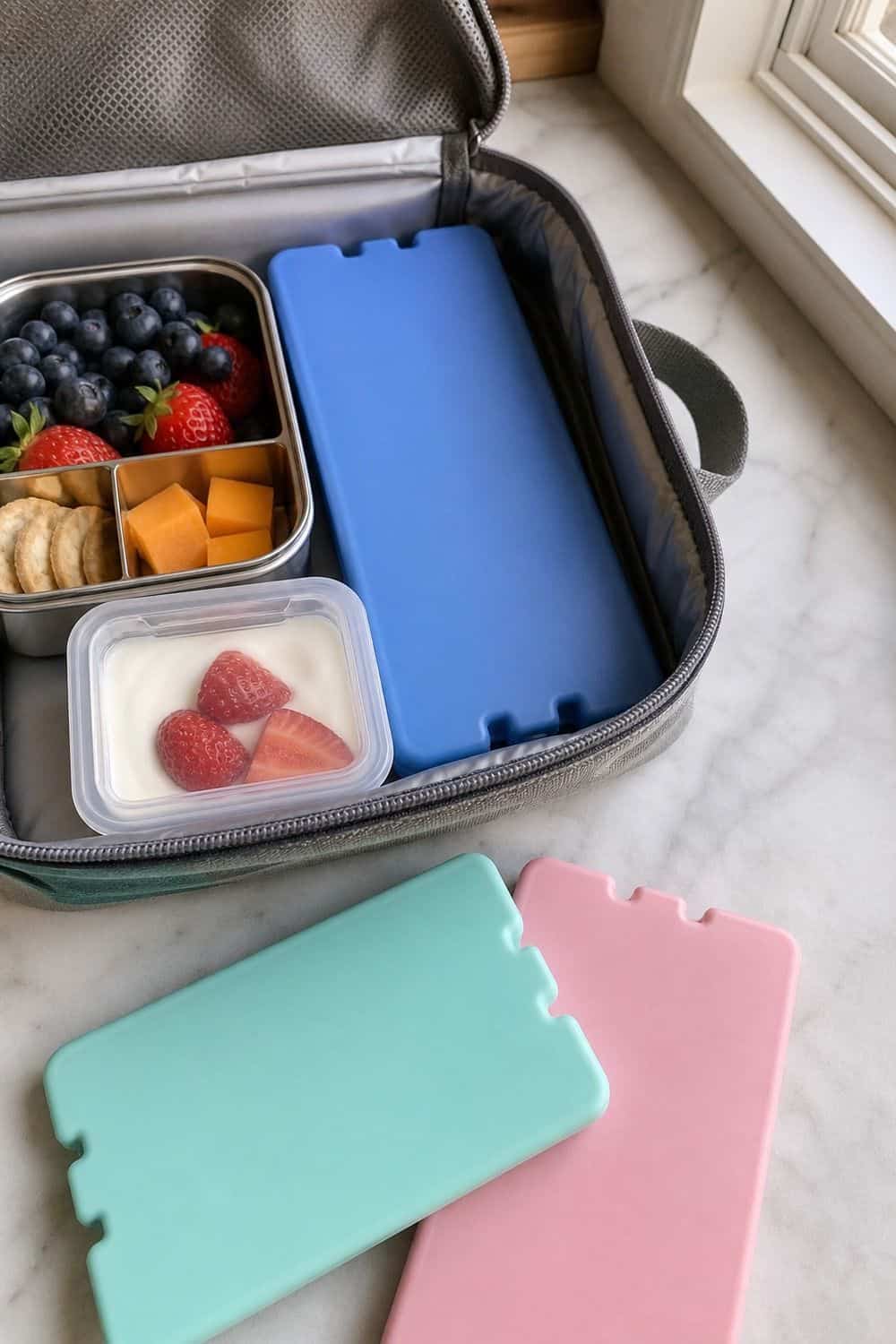
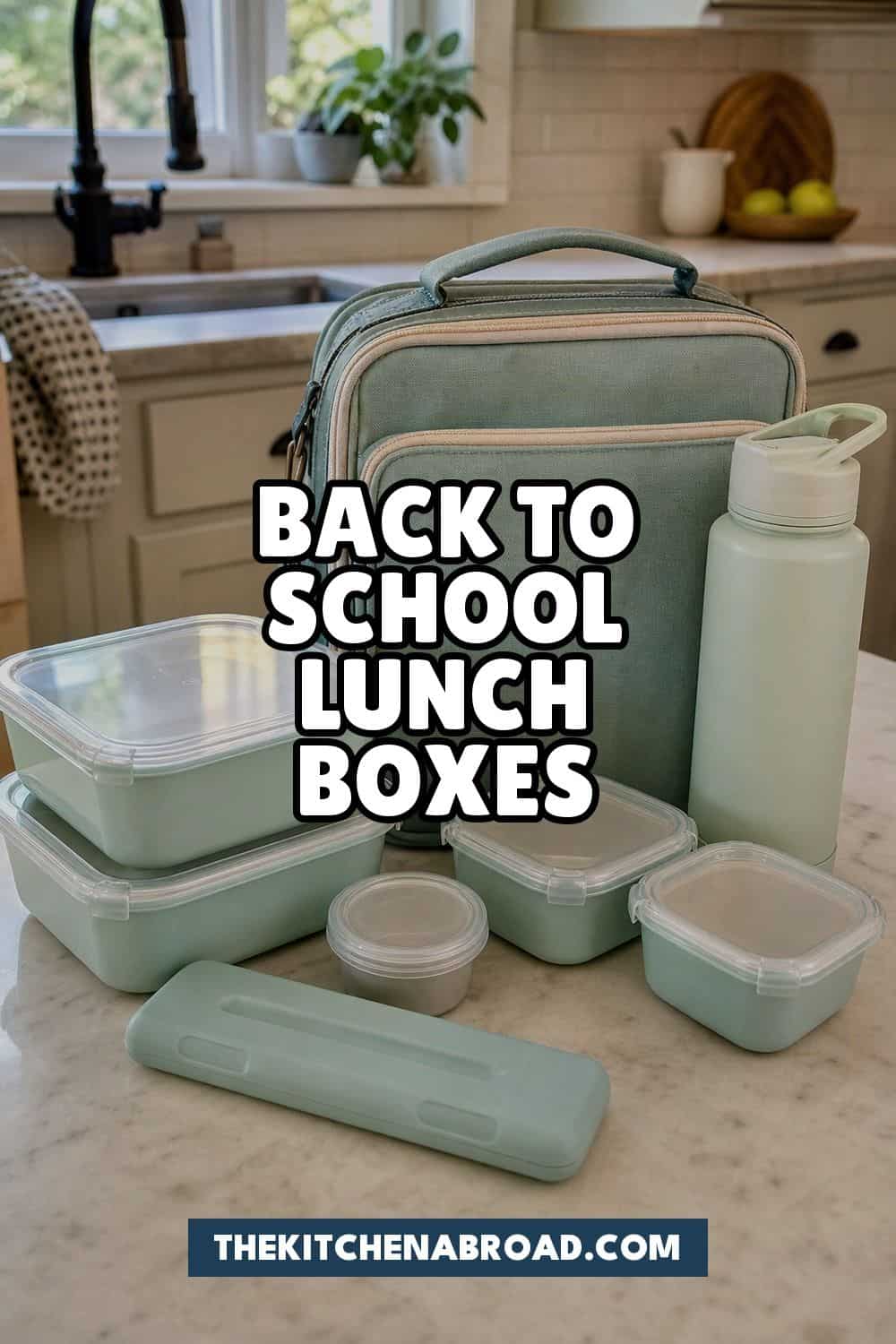
Lunch box ice packs only help if they fit the bag and sit close to perishable food. Flat, slim, flexible, or small packs are often better than bulky blocks that steal half the lunch space.
Choose a size your child can carry comfortably. For longer school days, use cold sources around yogurt, cheese, meat, or cut fruit instead of placing one tiny pack far from the food. Keep an extra set in the freezer so one forgotten pack does not break the routine.
5. Insulated Food Jar for Hot Lunches

An insulated food jar is the better choice for soups, pasta, rice, chili, oatmeal, or warm leftovers. Preheat the jar with hot water, empty it, then add hot food so the container starts warm.
Check capacity, spoon width, lid grip, and whether your child can open it alone. Hot food jars work best when the lid stays closed until lunch, so practice the routine before school starts. Wide-mouth jars are easier for pasta or rice than narrow jars made mostly for soup.
6. Adjustable Bento Box for Changing Lunches

An adjustable bento is helpful when lunches change from sandwiches to snack plates to leftovers during the week. Moveable pieces let one box handle bigger items one day and smaller portions the next. It is useful for families still learning what comes home uneaten.
Make sure removable dividers still seal well and do not create extra parts that vanish in the dishwasher. This style works best for families willing to wash and reassemble pieces consistently. If your child loses small parts often, a fixed-compartment box may be calmer.
7. Toddler Lunch Box With Easy Latches
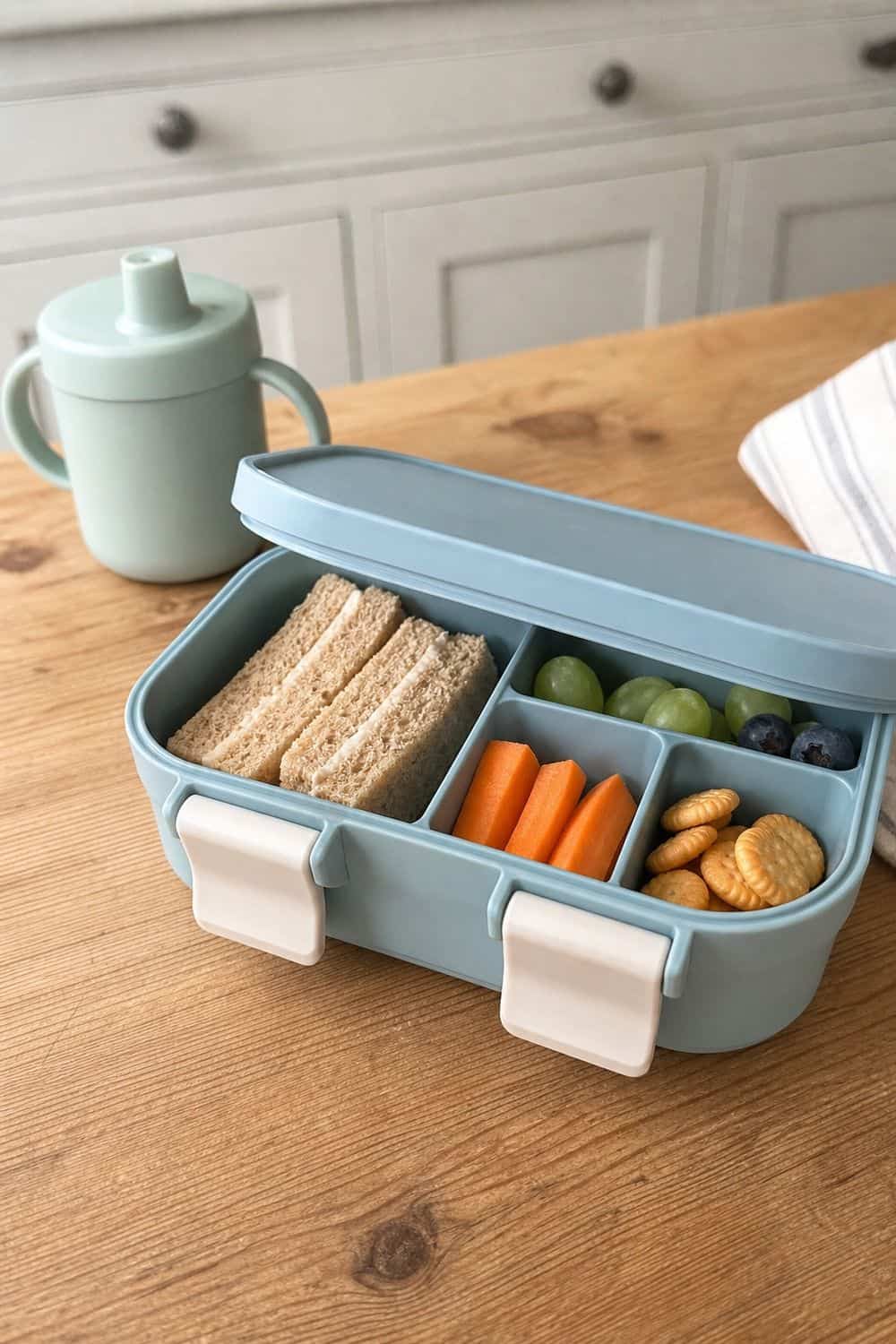
A toddler lunch box should be easy for preschool or kindergarten hands to open without spilling everything. Smaller portions, simple latches, rounded corners, and fewer loose pieces matter more than maximum capacity. Practice opening and closing the box at home before the first school week. If the latch is too stiff, lunch becomes stressful even when the food inside is familiar. Also check that the lid does not snap back onto little fingers, and avoid tiny cups that require careful reassembly.
8. Bigger Lunch Box for Older Kids

A large kids lunch box is useful for upper elementary, middle school, sports days, and kids who come home hungry after a standard bento. Look for enough sandwich depth, side space, and snack room without needing three separate containers.
Capacity still has to match the backpack. A bigger box that does not fit flat may turn sideways, leak, or crush softer foods before lunch. Look for enough depth for a full sandwich plus sides, not just a larger footprint. Older kids may also need space for a second snack.
9. Slim Lunch Box for Tight Backpacks

A slim lunch box helps when a backpack is already full of folders, tablets, water bottles, and extra clothes. It is especially useful for bus riders, walkers, or kids who carry everything in one bag.
Measure the backpack sleeve or main compartment before buying. Slim boxes may need denser foods, flatter sandwiches, wraps, or side containers because tall muffins and bulky fruit may not fit well.
This style is best for kids who value easy carrying over large portions. If lunch is bigger, pair the slim box with a separate snack pouch.
10. Sandwich Container for Simple Lunches

A sandwich container is enough for kids who usually take sandwiches, wraps, bagels, or simple mains. It protects bread from backpack pressure without forcing you to pack a full bento every morning.
Check depth, crust fit, and whether the lid snaps securely. Pair it with separate snack containers for fruit, crackers, vegetables, or treats so the sandwich does not absorb moisture from sides. This option also works well when the school lunch period is short and a full bento feels slow.
11. Divided Snack Container for Lunch Add-Ons

A divided snack container works as a sidecar to a sandwich, food jar, or simple lunch bag. Use it for fruit, crackers, cheese, small bites, dry cereal, vegetables, or a few sweet pieces.
Choose tight lids and sections that match actual snack portions. Oversized compartments invite overpacking, while tiny sections can make lunch feel fussy and hard to eat quickly. If the container rides beside books, test the lid before packing juicy fruit. A clear lid helps kids see the side without opening it first.
12. Leakproof Sauce Cups for Dips and Dressings
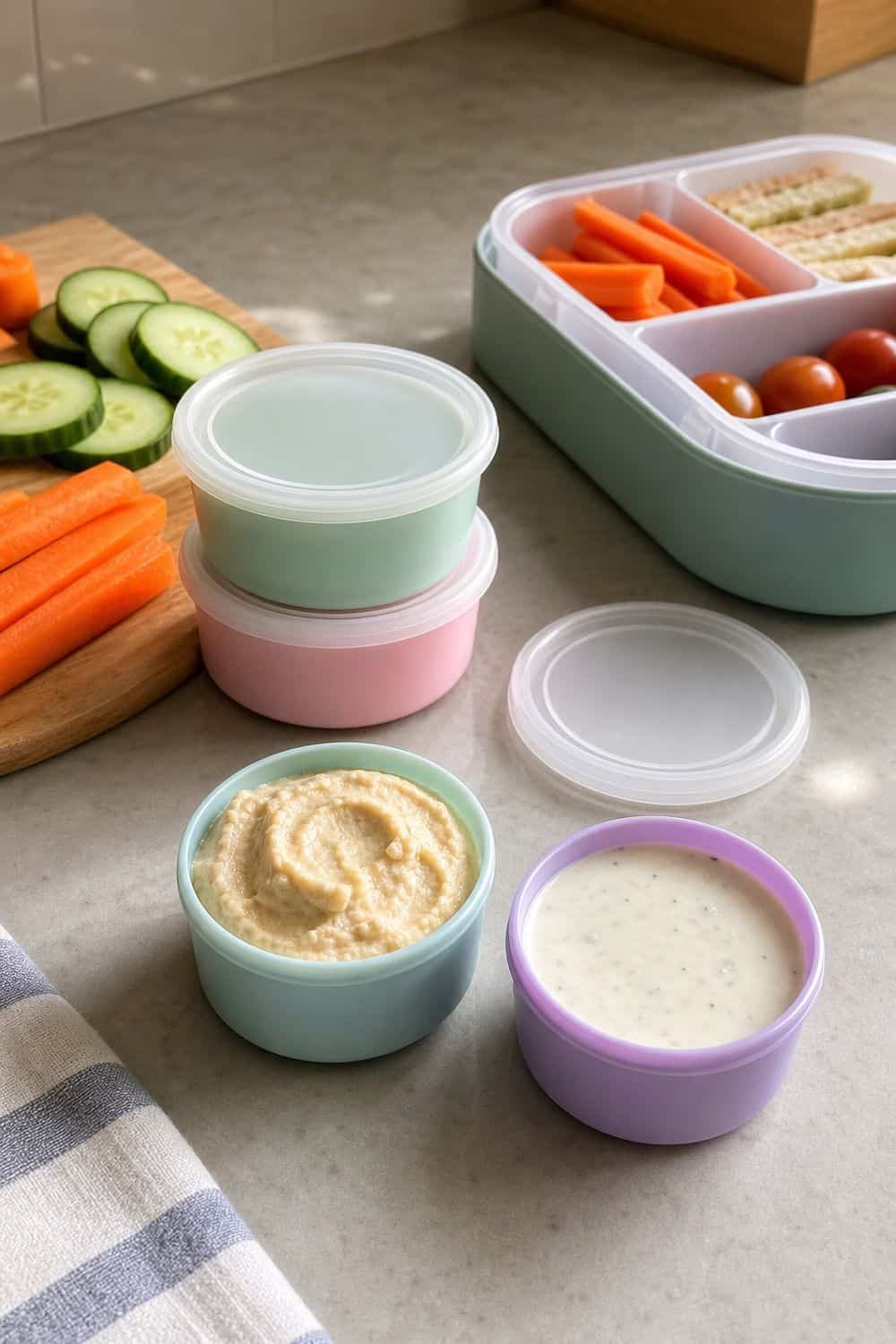
Leakproof sauce cups are the easiest way to pack hummus, ranch, yogurt dip, salsa, nut-free spreads, or dressing without soaking the rest of lunch. They are small, but they make many lunches more appealing.
Test the lid at home with water before trusting it in a backpack. Also check whether your child can open it without splashing dip across the lunch table.
Small lids are easy to lose, so choose cups that nest neatly or have a storage spot. Dishwasher-safe cups are helpful for daily dressings and dips.
13. Silicone Snack Bags for Reusable Extras

Silicone snack bags can replace disposable baggies for pretzels, crackers, fruit, muffins, after-school snacks, or dry extras. They are flexible, easy to tuck beside a lunch box, and useful when the main container is already full.
Dry them fully before storing so trapped moisture does not create odor. If bags go to school, label them clearly because reusable pieces can disappear quickly. Check whether the closure is easy for your child, especially with small hands or a short lunch period.
14. Lunch Box With Built-In Ice Pack
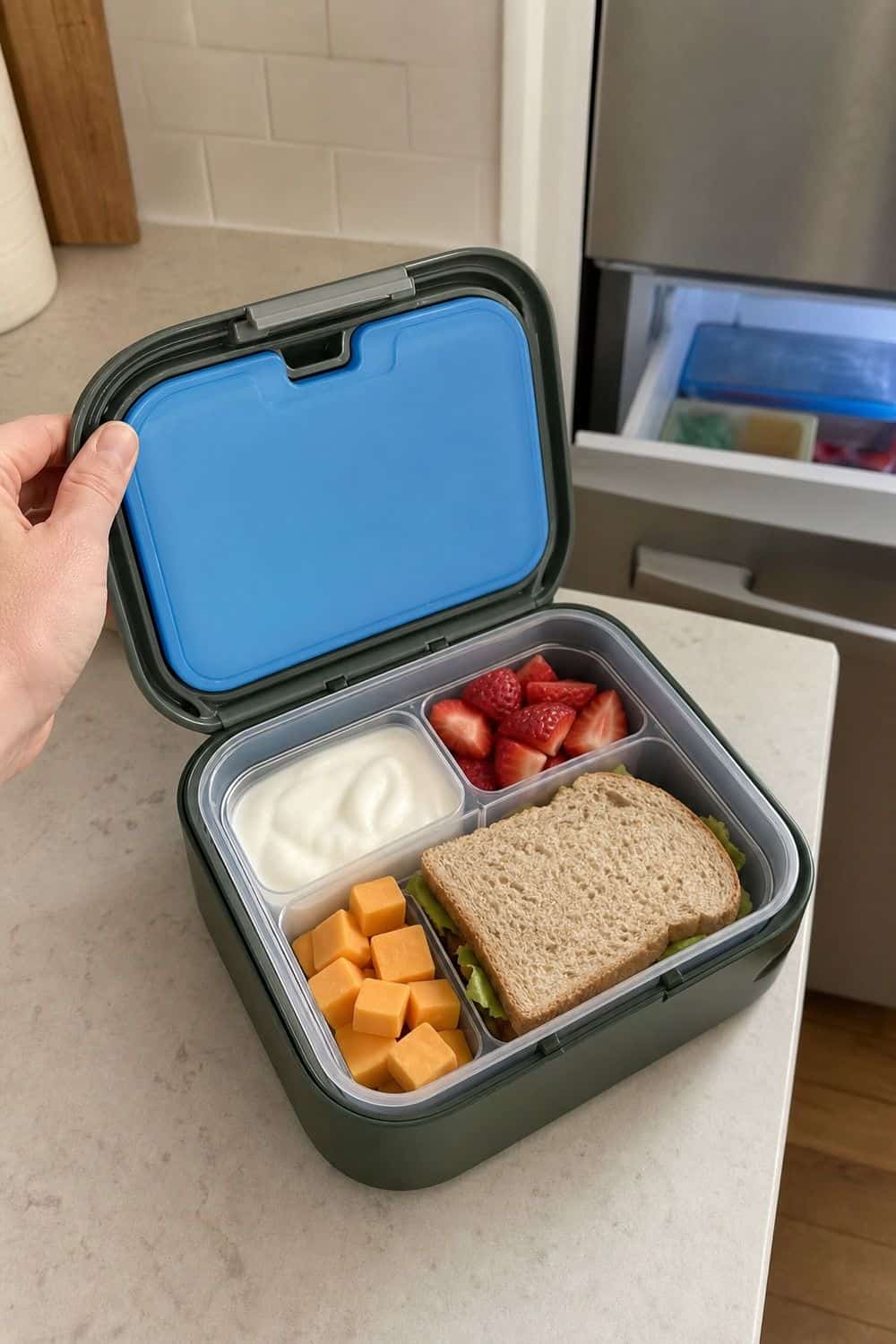
A lunch box with ice pack storage can reduce the chance that the cold source gets forgotten during busy mornings. This can be helpful for younger kids or anyone packing yogurt, cheese, meat, or chilled leftovers often.
Built-in systems can also limit flexibility. Check freezer space, replacement parts, weight, and whether the ice pack placement actually sits near the foods that need to stay cold. If the frozen piece is bulky, it may reduce the lunch capacity more than expected.
15. Lunch Bag With Water Bottle Pocket
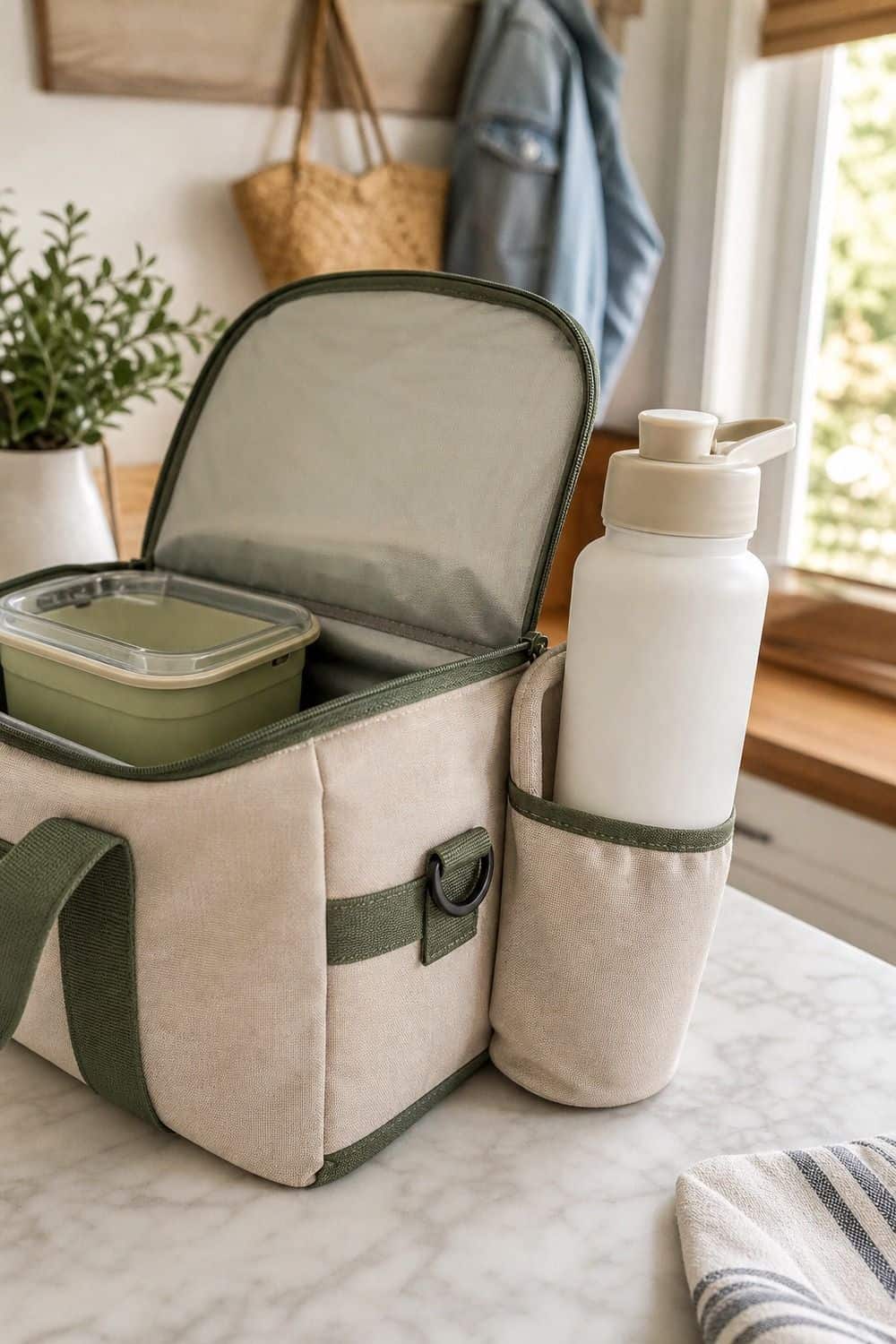
A lunch bag with water bottle holder helps keep lunch, snacks, and the drink together. It is useful for younger kids who lose loose bottles and older kids who carry lunch separately from the backpack.
Check pocket size with the actual bottle before buying. A tight pocket can be frustrating, while a loose one may tip the bottle sideways and leak into the lunch area. A separate bottle pocket also helps keep condensation away from crackers or paper napkins. Side pockets are best when the bag remains balanced.
16. Dishwasher Safe Lunch Box for Weeknight Cleanup
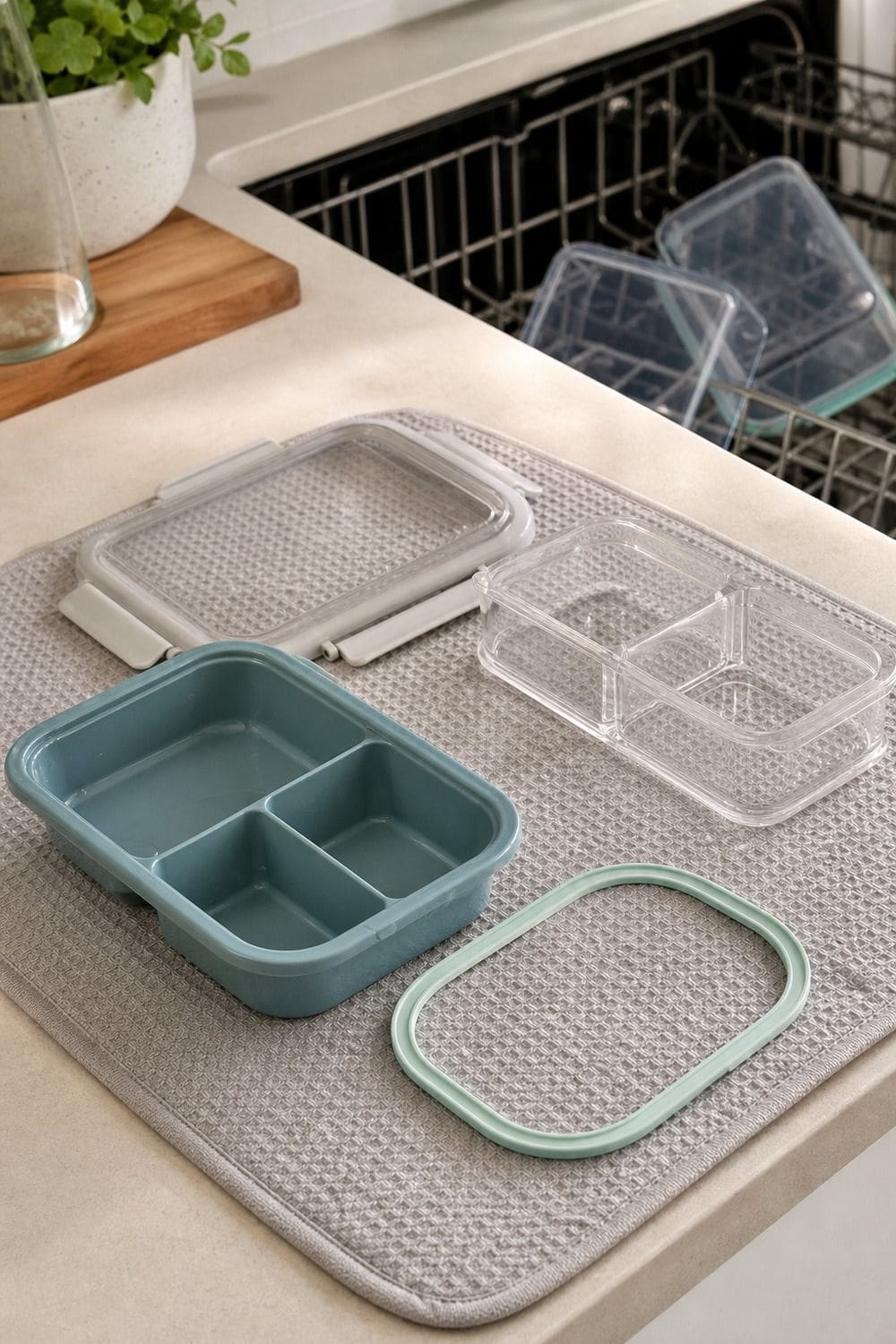
A dishwasher safe lunch box can make daily washing more realistic, but the details matter. Some boxes allow only the tray in the dishwasher, while lids, seals, or outer shells need hand washing.
Read the cleaning instructions before buying and dry seals fully before closing the box. Trapped moisture is one of the fastest ways for lunch gear to smell bad by midyear.
If only the tray is dishwasher-safe, decide whether hand-washing the lid every night is realistic. Cleanup rules matter as much as capacity when the same box has to be ready again by morning.
17. Lunch Box With Name Label
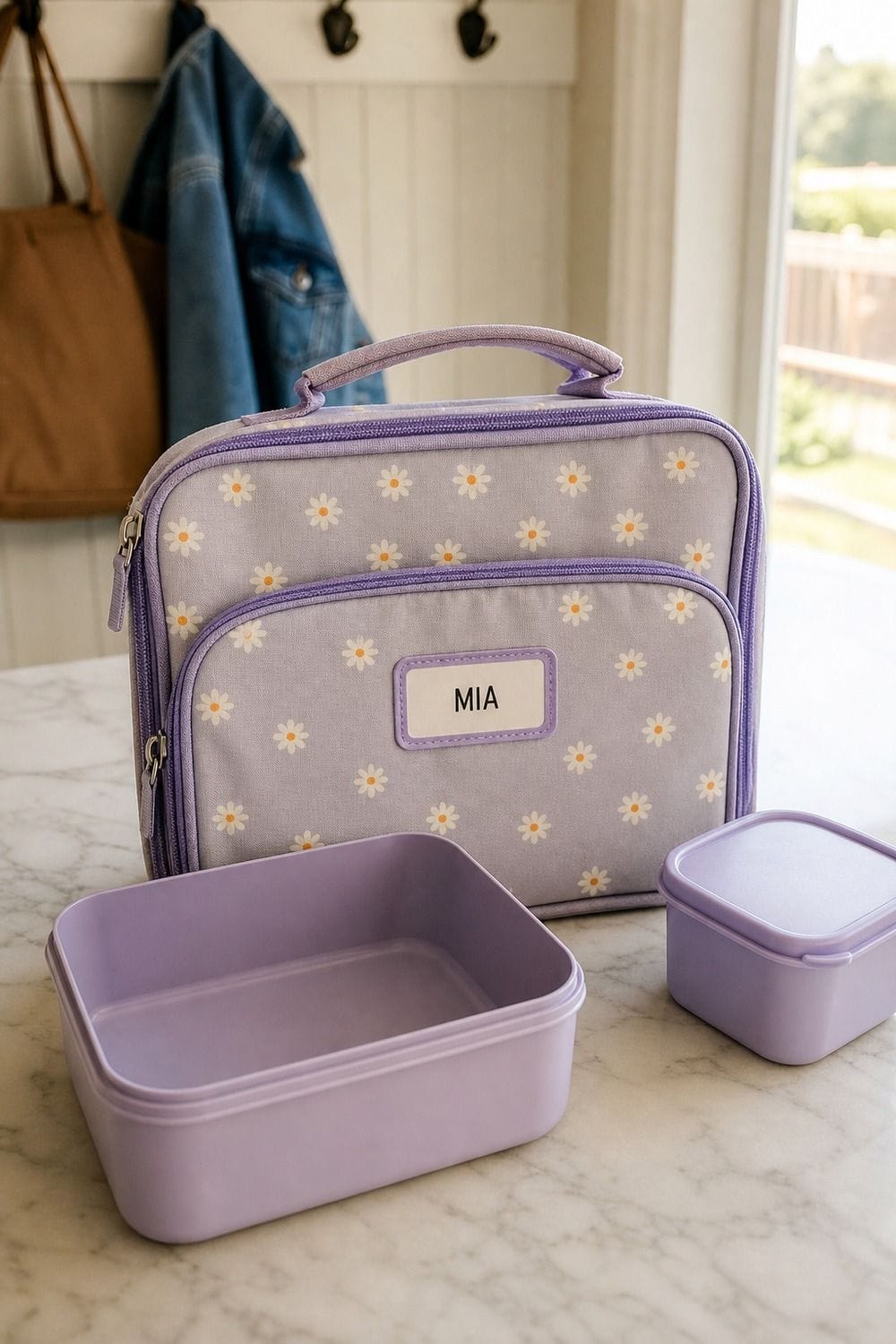
A personalized lunch box or label-friendly design can reduce lost lunch gear during the school year. Built-in name tags, stitched names, or smooth label spots all help when lunch boxes end up in lost and found. Put the name somewhere visible enough for school staff but not awkward for daily use. Hidden labels are tidy, but they do not help much when a box is sitting with twenty others. If the bag is dark, use a high-contrast label that is readable quickly.
18. Backpack Lunch Box for Hands-Free Carrying

A backpack lunch box can help walkers, bus riders, field-trip days, and kids carrying multiple bags. Hands-free lunch storage reduces dangling bags and makes it easier to keep everything together.
Look for insulation, strap comfort, and whether the food stays upright. If the box tips sideways inside the backpack, it still needs leakproof containers and carefully packed sauces. This style is best when the straps are comfortable enough for the walk from bus stop to classroom, especially on field-trip days.
19. Tiffin Lunch Box for Layered Meals

A stainless steel tiffin lunch box works for kids who like separated meal layers such as rice, curry, pasta, fruit, snacks, or leftovers. It can be especially useful when one flat bento does not suit the meal.
Check latch security, weight, and whether the school lunch period allows enough time for assembly. A tiffin may be better for older kids who can manage stacked pieces confidently. It is less ideal for a child who wants to open one lid and start eating immediately.
20. Lunch Box Set With Containers and Bag

A kids lunch box set can be useful when you are starting a new school routine and need the bag, containers, and accessories to work together. It can save decision fatigue before the year begins. Still check actual container sizes, ice pack fit, replacement parts, and whether every piece will be used. A set is only a bargain if it matches the lunches your family actually packs. Avoid sets where the bag is roomy but the containers are too small for your child’s appetite.
How to Choose Back to School Lunch Boxes
No single school lunch box works for every child. The right choice depends on age, appetite, school rules, lunch period length, backpack space, and whether the child can open the container independently.
For food-safety support, use insulated bags and cold sources for perishables, and use a preheated insulated food jar for hot lunches. Keep the focus on the gear: leakproof seals, dishwasher-safe parts, weight, lost pieces, replacement lids, name labels, and water-bottle fit.
Before buying, picture the actual morning routine. A lunch box that requires too many loose parts, special cleaning, or adult help at school may not be the best fit, even if it has excellent reviews.
Frequently Asked Questions
What is the best lunch box for back to school?
The best lunch box for back to school is one your child can open, carry, clean up from, and use during a short lunch period. For many kids, that means a leakproof bento box plus an insulated lunch bag and ice pack for cold foods.
Are bento lunch boxes good for kids?
Yes, bento lunch boxes are good for many kids because compartments keep portions visible and separate. They work especially well for younger kids, picky eaters, snack-style lunches, and lunches with several small foods. Check latch strength and cleaning instructions before buying.
Do school lunch boxes need to be insulated?
School lunches with perishable foods should go in an insulated lunch bag with cold sources. A basic container may be fine for shelf-stable snacks, but yogurt, cheese, meat, cut fruit, and leftovers need better temperature support during the school day.
How many ice packs should you put in a school lunch box?
The number depends on the bag size, school day length, and food packed. One flat ice pack may work for a small insulated bag, while larger lunches may need two cold sources placed near perishable foods. Choose packs that fit without crushing lunch.
What lunch box is best for younger kids?
Younger kids usually need a lunch box with easy latches, smaller portions, fewer loose parts, and visible compartments. A kid-friendly bento or toddler lunch box often works well, but practice opening it at home before school starts.
What lunch box is best for older kids?
Older kids often need a larger lunch box with more capacity for sandwiches, snacks, sports-day food, or longer school days. Backpack fit still matters. A large bento, slim container, insulated bag, or tiffin can work depending on what they eat.
Are stainless steel lunch boxes worth it?
Stainless steel lunch boxes can be worth it for durability, stain resistance, and lower-plastic packing. They can be heavier than plastic and may need separate sauce cups or an insulated bag, so check weight, compartments, and wet-food handling before buying.
How do you keep a school lunch box from leaking?
Use leakproof containers for wet foods, test sauce cups at home, keep containers upright, and avoid packing loose dips directly in a bento compartment unless the seal is designed for it. Check gaskets and lids regularly because worn seals can leak.
Final Thoughts
Back to school lunch boxes are worth choosing by routine rather than by looks alone. Think about your child’s age, appetite, latch strength, backpack fit, cleaning routine, and whether lunches need to stay cold or hot. With the right mix of bento box, insulated bag, ice pack, food jar, sauce cups, or snack containers, school lunch packing becomes easier to repeat every morning.
Last update on 2026-11-26 / Affiliate links / Images from Amazon Product Advertising API