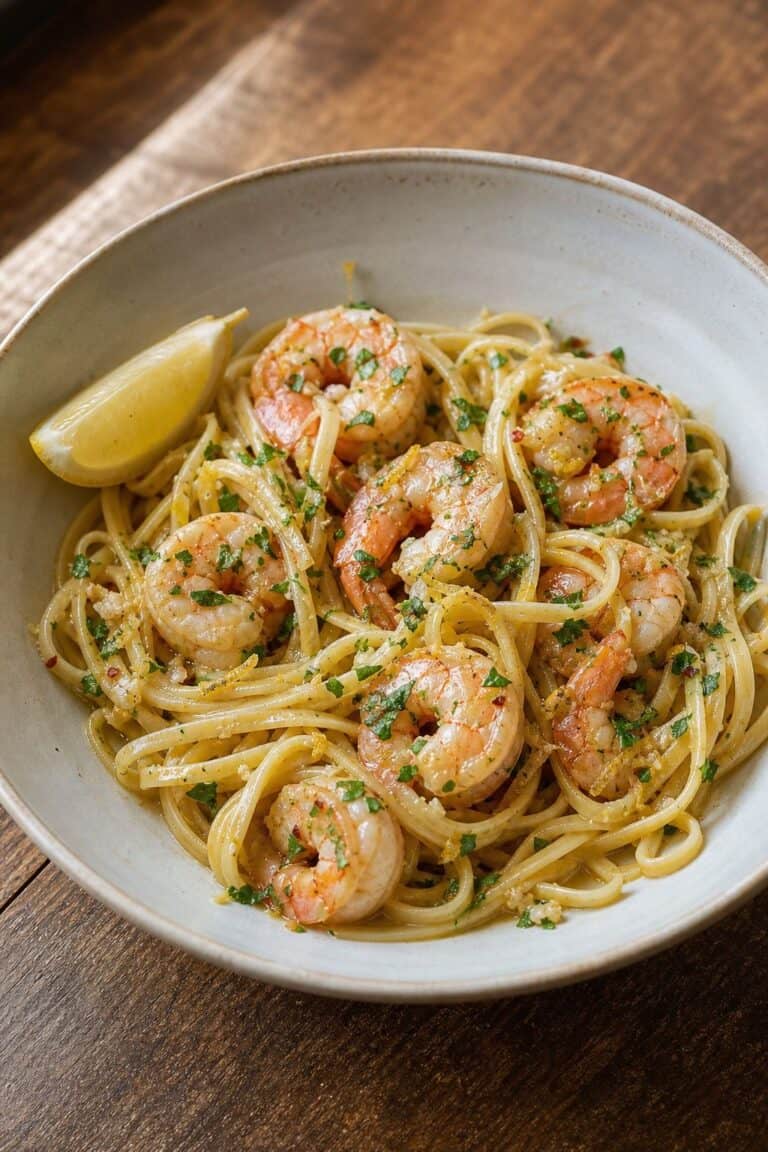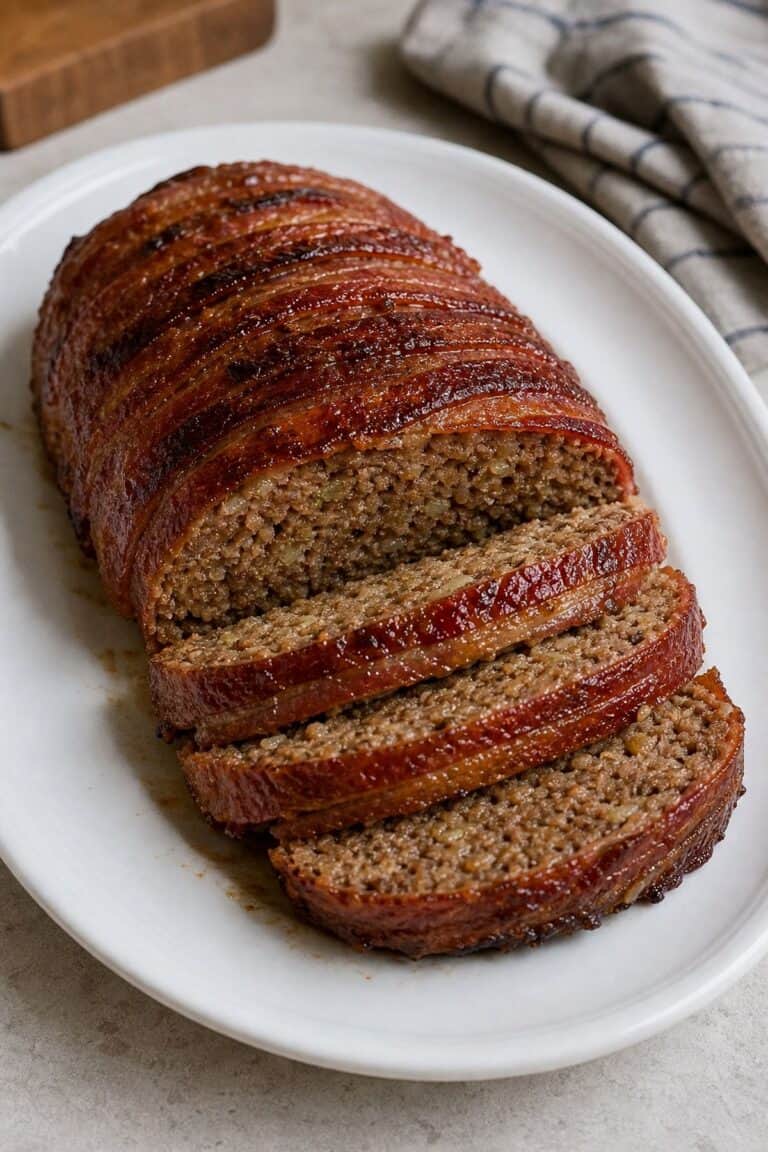
Round foods for money (12 grapes at midnight, 12 round fruits, lentils, black-eyed peas), long noodles for a long life (soba, pancit), pork and fish for moving forward, and greens and cornbread for wealth are the good luck foods most people eat on New Year’s. Chicken is the one most families skip, because it scratches backward.
Ask ten families what they eat on New Year’s and you get ten different plates. A Southern grandma swears by black-eyed peas and collards, a Spanish friend is choking down 12 grapes before the last bell, and a Filipino table (mine, for example) has a bowl of round fruits, a giant tray of pancit and absolutely no chicken anywhere near it. The funny part is that most good luck foods on New Year’s are trying to say the same few things: money, a long life, moving forward.
So this guide sorts 12 New Year’s food traditions by what they promise, explains where each one comes from, and gives you a dish to cook for each, with 7 short recipes I wrote for cooks who can’t always find the “right” ingredient. At the end there’s a full lucky menu with a timeline, so you can actually feed people instead of just reading about it.

The Lucky Kitchen Kit



A skillet for the cornbread, a heavy pot for the lentils and greens, a sheet pan for the pork, a deep sauté pan for tossing the noodles and one big platter for the pancit cover every recipe below.
What Foods Bring Good Luck on New Year’s?
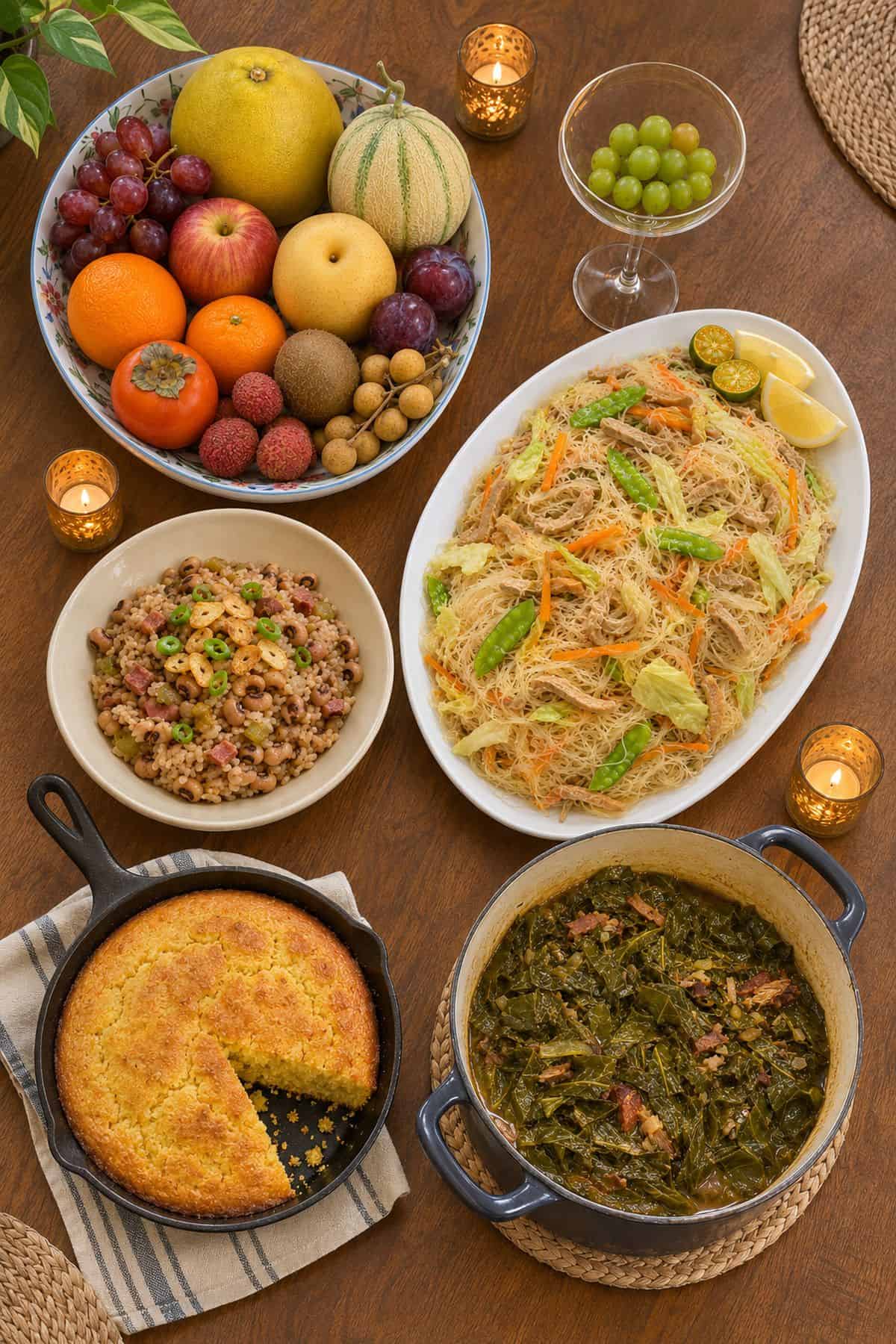
Twelve of them do most of the heavy lifting around the world. Here they are side by side, with what each one stands for and when it gets eaten, so you can scan for your family’s tradition (or steal someone else’s).
| Food | Where | What it means | When you eat it |
|---|---|---|---|
| 12 grapes | Spain | One sweet month per grape | Midnight, Dec 31 |
| 12 round fruits | Philippines | Coins, money all year | On the table at midnight |
| Lentils | Italy | Coins, prosperity | Late Dec 31 or Jan 1 |
| Black-eyed peas (Hoppin’ John) | US South | Pennies | Jan 1 |
| Toshikoshi soba | Japan | Letting go of the old year, long life | Dec 31 |
| Pancit | Philippines | Long life | Media Noche, midnight |
| Long noodles and dumplings | China | Long life, wealth | Lunar New Year, often borrowed on Jan 1 |
| Pork and sauerkraut | Germany, Pennsylvania Dutch | Moving forward, money | Jan 1 |
| Fish and herring | Northern Europe, China | Plenty, moving forward | Dec 31 or Jan 1 |
| Collard greens or cabbage | US South, Germany | Dollars, folded money | Jan 1 |
| Cornbread | US South | Gold | Jan 1 |
| Ring cakes and vasilopita | Greece, Netherlands, Germany | A full circle, a lucky coin | Dec 31 or Jan 1 |
Notice the pattern? Round means money, long means life, forward means progress. Once you see it, you can build a lucky plate from whatever your local shop actually sells.
Round Foods for Money: Grapes, Round Fruits, Lentils and Black-Eyed Peas
Anything coin-shaped counts. This is the biggest group, and it’s where most families start.
The 12 Grapes at Midnight (Spain)
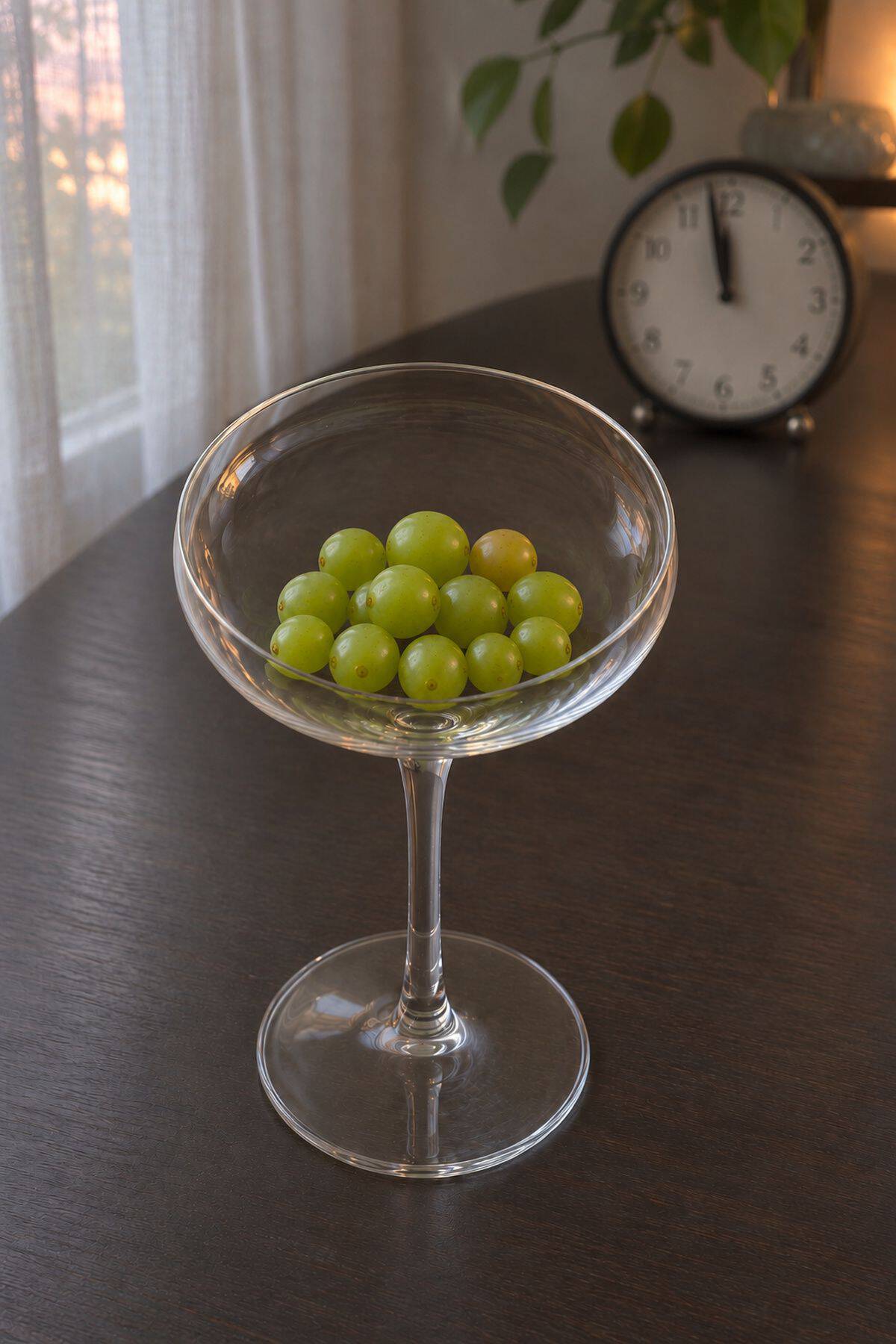
In Spain you eat one grape for every chime of the clock at midnight, and each grape stands for one month of the coming year. Madrid newspapers were already writing about the habit in the 1880s, and today the whole country does it in front of the TV. It sounds easy until you try it. The bells come fast, you have 12 grapes in your mouth, and everyone is laughing at you (hi, that’s the point). Buy small seedless grapes, wash and dry them in the afternoon, and count them into a little glass for each guest so nobody is fumbling with a bunch at 11:59. If you have kids, cut them in half.
12 Round Fruits on the Media Noche Table (Philippines)
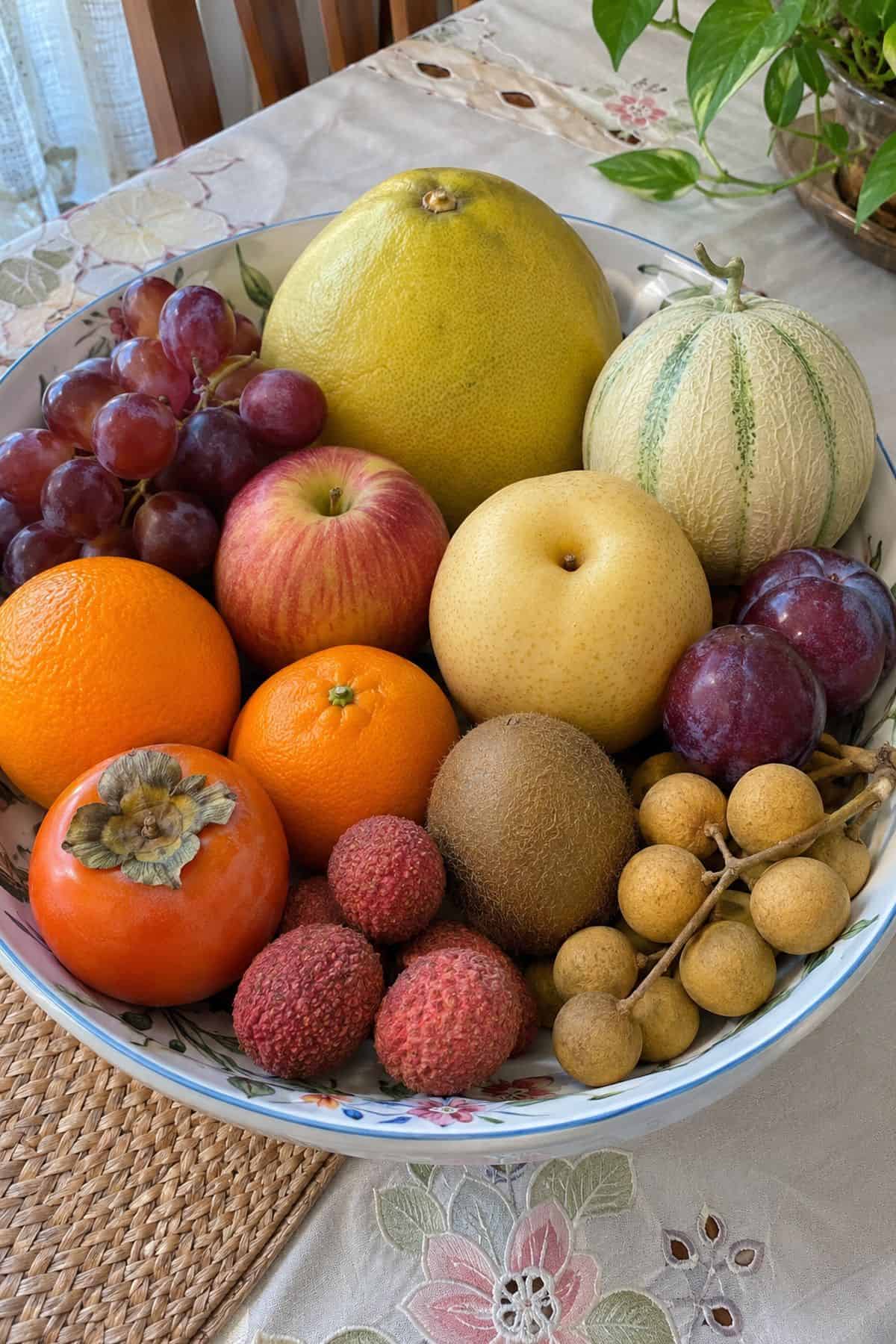
This is the one I’d fight you about. On Media Noche, the big midnight meal Filipino families share on New Year’s Eve, there has to be a bowl of 12 different round fruits, one for each month, because round shapes look like coins and coins mean money coming in. The habit has Filipino-Chinese roots, and you’ll see it in every Filipino household from Manila to Tampere, mostly because no one’s mom wants to explain a bad year. The rule people forget: skip thorny fruits like durian and pineapple, which stand for obstacles (and nobody needs more of those).
You don’t need anything fancy. These 12 are easy to find in most US and European supermarkets in December:
| Easy to find | Swap if you can’t |
|---|---|
| Grapes | Cherry tomatoes (yes, it’s a fruit) |
| Oranges | Clementines |
| Apples | Asian pears |
| Pears | Quince |
| Plums | Apricots or dried apricots |
| Kiwi | Gold kiwi |
| Melon | A small honeydew |
| Pomelo | Grapefruit |
| Lychee | Canned lychee in a bowl |
| Longan | Rambutan |
| Persimmon | Chico (sapodilla) if you’re lucky |
| Mandarins | Calamansi on a branch |
If calamansi is new to you, here’s what calamansi is and why Filipinos put it on everything. For more Filipino New Year habits, this INQUIRER.net USA guide to Filipino New Year traditions covers the polka dots and the jumping at midnight too.
Lentils With Sausage (Italy)
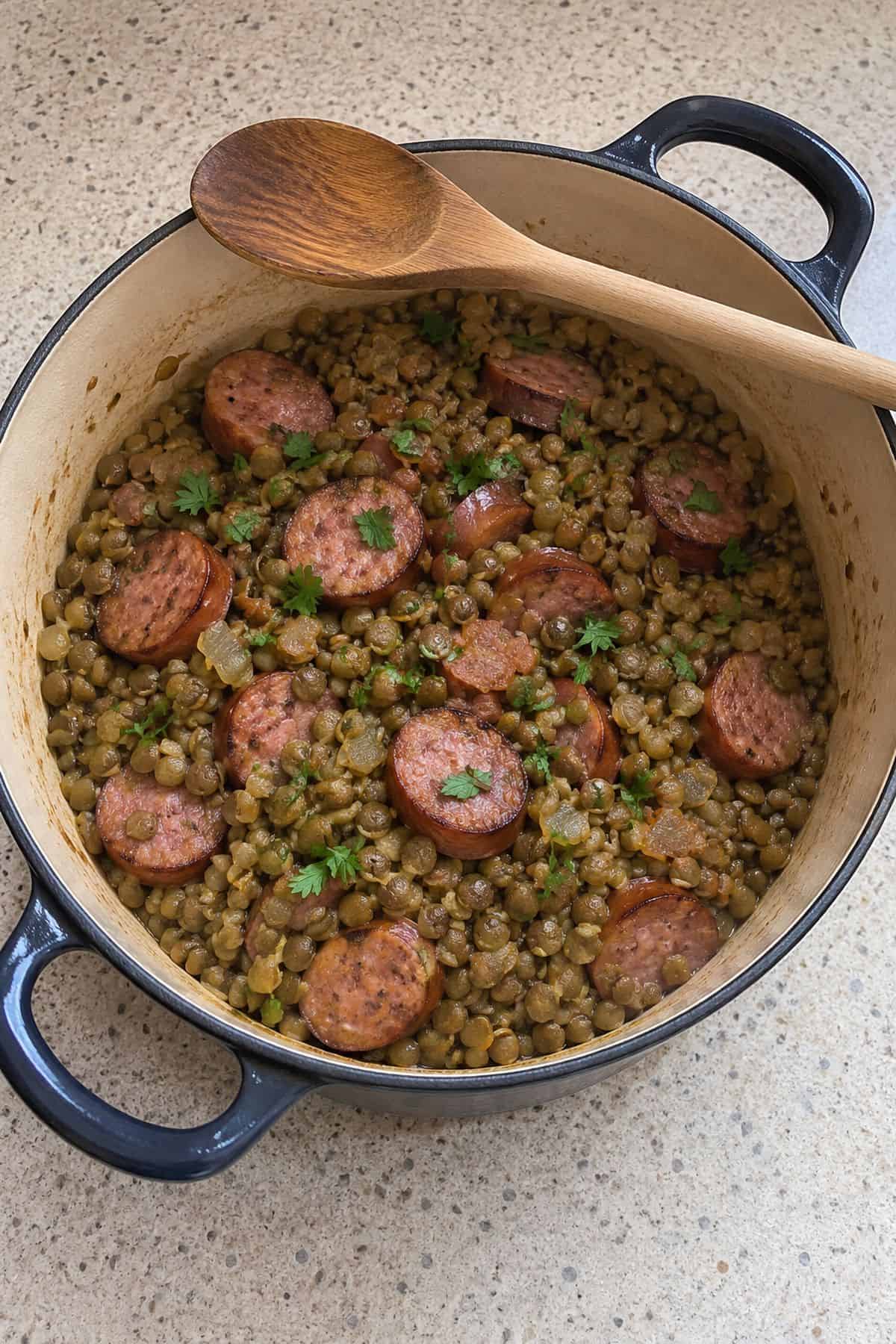
Italians eat lentils on New Year’s because each little lentil looks like a coin, and the classic plate is cotechino con lenticchie, a fat spiced pork sausage over lentils. Cotechino is hard to find outside Italy, so my version uses smoked ring sausage, the kind every Finnish supermarket sells as lenkkimakkara, or Polish kielbasa in the US. Slicing it into rounds gives you even more coins, which is either clever or greedy, you decide.
Recipe: Lentils With Smoked Sausage
- Prep time: 10 minutes
- Cook time: 30 minutes
- Total time: 40 minutes
- Servings: 4
- 1 cup (200 g) green or brown lentils, rinsed
- 1 tbsp olive oil
- 10 oz (300 g) smoked ring sausage or kielbasa, sliced into ½-inch coins
- 1 onion, diced
- 2 carrots, diced small
- 2 garlic cloves, chopped
- 1 tbsp tomato paste
- 3 cups (720 ml) low-salt stock
- 1 bay leaf
- 1 tbsp Dijon or Finnish sweet mustard
- 1 tsp red wine vinegar
- Salt, black pepper and chopped parsley
- Brown the sausage coins in the oil in a heavy pot over medium-high heat, about 4 minutes, until the edges curl and color. Lift them out.
- Lower the heat. Cook the onion and carrots in the sausage fat for 5 minutes, until soft.
- Stir in the garlic and tomato paste and cook 1 minute, until the paste darkens.
- Add the lentils, stock and bay leaf. Simmer uncovered for 20 to 25 minutes, until the lentils are tender but still hold their shape. Add a splash of water if it gets thick.
- Stir in the mustard, vinegar and sausage. Season, scatter parsley and serve.
Make it a day ahead if you like. Lentils thicken in the fridge, so loosen them with a little hot stock when you reheat.
Black-Eyed Peas and Hoppin’ John (US South)
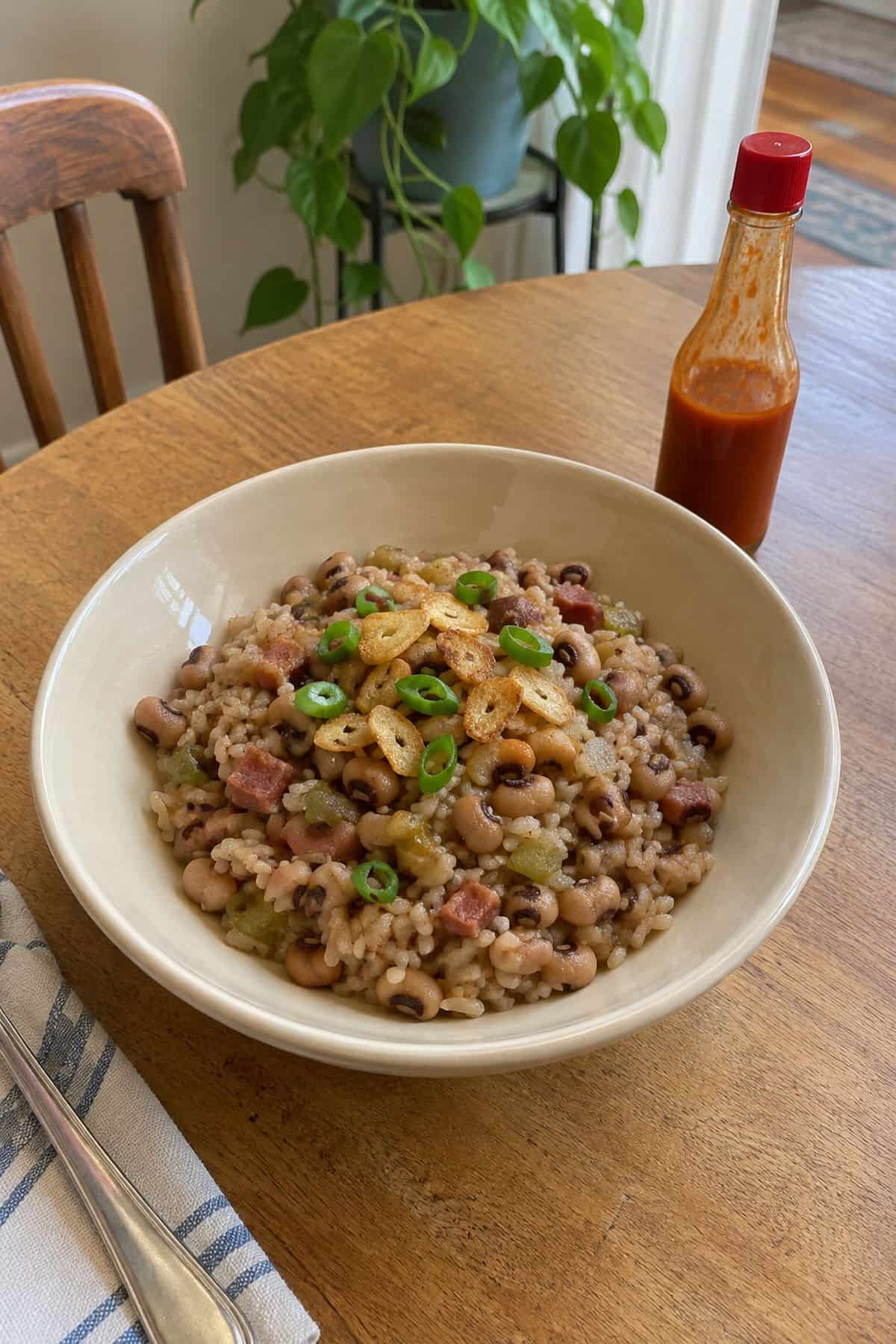
Peas for pennies. In the South, a bowl of black-eyed peas with rice on January 1 is the plate, usually with greens and cornbread on the side. The dish goes back to enslaved Africans in the South Carolina Low Country in the 1800s, and Hoppin’ John first showed up in print in an 1838 novel, according to History.com’s look at New Year’s food traditions. Dried black-eyed peas are hard to buy in a lot of countries, so mine starts from cans and cooks the rice right in the pea liquid, then gets a pile of crispy garlic chips on top, the way Filipino garlic fried rice does. Southern and Filipino at the same table. Why not.
Recipe: Hoppin’ John From Canned Peas
- Prep time: 10 minutes
- Cook time: 30 minutes
- Total time: 40 minutes
- Servings: 4
- 2 cans (15 oz / 400 g each) black-eyed peas, drained, liquid saved
- 4 slices bacon, chopped (or 4 oz / 115 g smoked ham, diced)
- 1 onion, diced
- 1 green bell pepper, diced
- 2 celery stalks, diced
- 1 cup (190 g) long-grain rice, rinsed until the water runs clear
- 1 tsp smoked paprika
- ½ tsp dried thyme
- A pinch of cayenne
- Salt
- For the garlic chips: 6 garlic cloves, thinly sliced, and 3 tbsp neutral oil
- To finish: sliced green onions and hot sauce
- Make the garlic chips first. Put the garlic and oil in a cold small pan, set it on low and stir until the slices turn pale gold, 5 to 7 minutes. Pour through a sieve, save the oil and drain the chips on paper.
- Cook the bacon in a heavy pot over medium heat until crisp, about 6 minutes.
- Add the onion, pepper and celery and cook 6 minutes, until soft.
- Stir in the rice, paprika, thyme and cayenne and toast 1 minute.
- Pour the saved pea liquid into a measuring cup and top it up with water to 1¾ cups (420 ml). Add it to the pot. Taste the liquid before you salt it, because canned pea liquid is already salty.
- Bring to a boil, cover, turn the heat to low and cook 18 minutes without lifting the lid.
- Tip the peas on top of the rice, cover again, take the pot off the heat and rest 5 minutes.
- Fluff, drizzle with a spoon of the garlic oil and top with the chips, green onions and hot sauce.
Long Foods for a Long Life: Soba, Pancit and Noodles
The rule here is simple and strict: never cut the noodles. Long noodles mean a long life, and chopping them short is basically asking for trouble.
Toshikoshi Soba (Japan)
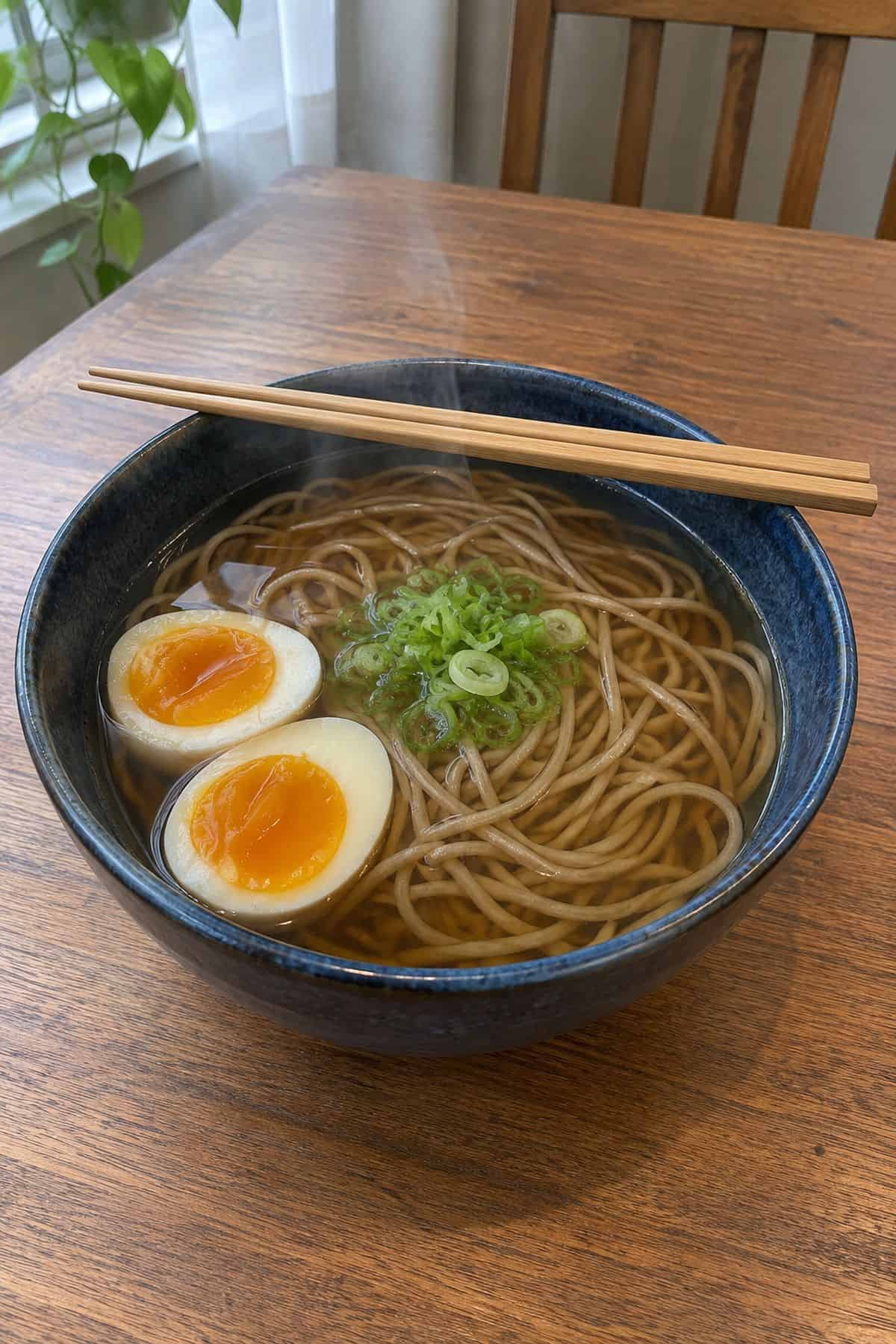
Toshikoshi means crossing over the year. In Japan, families eat a bowl of buckwheat soba on December 31, a habit that goes back to the Edo period. Because soba breaks so easily when you bite it, eating it means letting go of the year’s hardships, and the long strands stand for a long life. My bowl takes 15 minutes, which matters when you’re also cooking everything else on this page. If you need it gluten-free, check the label (a lot of soba has wheat in it) or follow my gluten-free soba noodles post.
Recipe: 15-Minute Toshikoshi Soba Bowl
- Prep time: 5 minutes
- Cook time: 10 minutes
- Total time: 15 minutes
- Servings: 2
- 7 oz (200 g) dried soba noodles
- 3 cups (720 ml) water
- 1 tsp instant dashi granules
- 2 tbsp soy sauce
- 2 tbsp mirin
- 1 tsp sugar
- 2 eggs
- 2 green onions, thinly sliced
- Shichimi togarashi or chili flakes, optional
- Lower the eggs into boiling water and cook 6½ minutes, then move them to ice water and peel.
- Heat the water, dashi, soy sauce, mirin and sugar in a pot until it just simmers. Keep it hot on the lowest heat.
- Cook the soba in a big pot of boiling water for the time on the pack, usually 4 to 5 minutes.
- Drain and rinse the noodles under cold water, rubbing them gently with your hands to wash off the starch, so they don’t turn gummy.
- Dip the noodles back in the hot noodle water for 10 seconds to warm them, drain and split between 2 bowls.
- Pour the hot broth over, add a halved egg to each bowl and top with green onions and shichimi.
Pancit for Media Noche (Philippines)
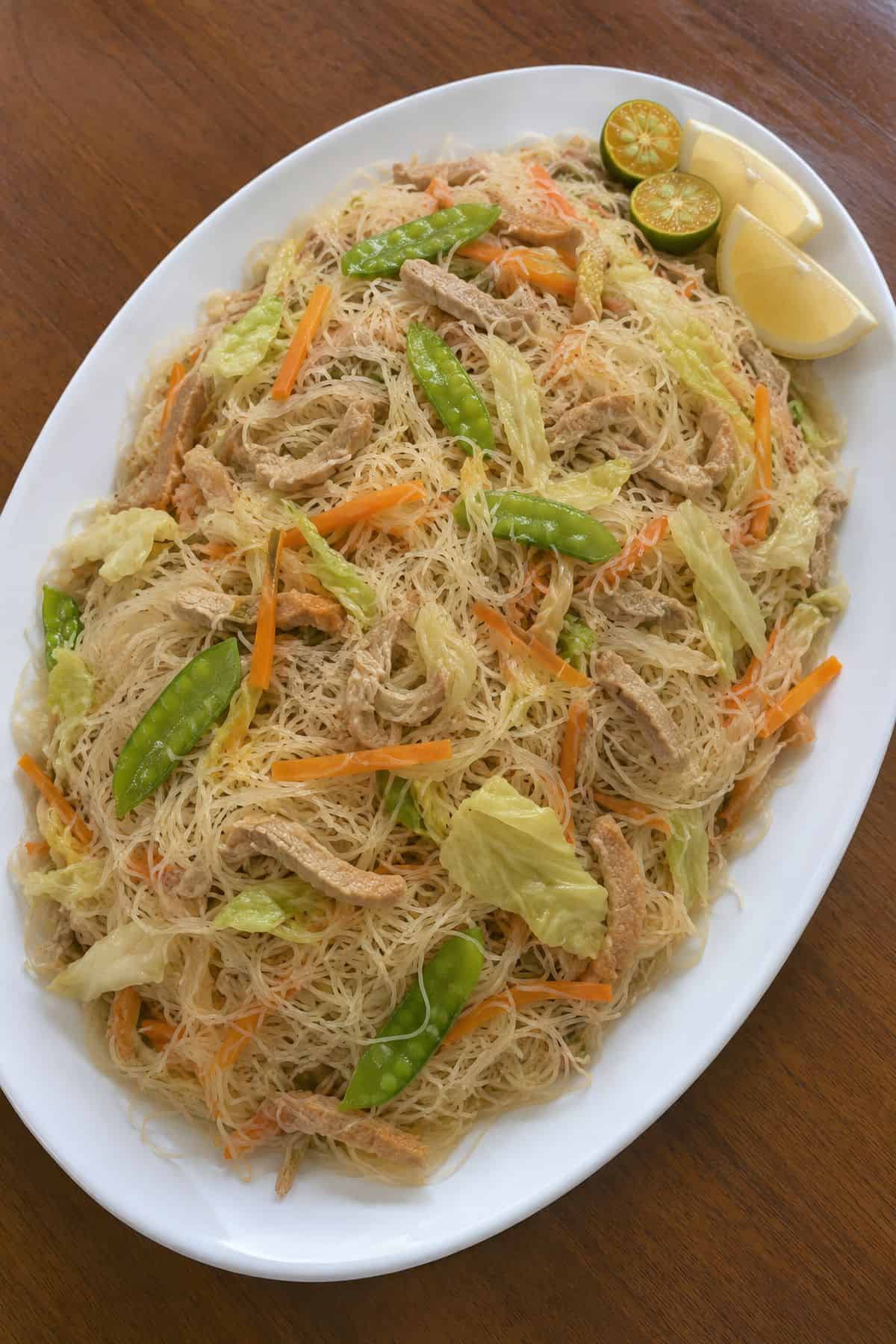
Pancit means long life on a Filipino table, so there’s always a mountain of it at midnight, and it’s always the first tray to go empty. Mine uses pork, cabbage and carrots, and pork stock instead of chicken stock, because chicken is the one meat a lot of Filipino families keep off the New Year’s table (more on that below). Some families also skip shrimp because it’s a bottom-feeder, so I left it out. Rice vermicelli (bihon) is sold in any Asian shop and most big supermarkets now, and lemon does the job if there’s no calamansi.
Recipe: Media Noche Pancit Bihon
- Prep time: 15 minutes
- Cook time: 20 minutes
- Total time: 35 minutes
- Servings: 6
- 8 oz (225 g) dried rice vermicelli (bihon)
- 12 oz (340 g) pork shoulder or belly, cut into thin strips
- 2 tbsp neutral oil
- 1 onion, sliced
- 4 garlic cloves, minced
- 2 carrots, cut into thin matchsticks
- 3 cups (about 200 g) shredded green cabbage
- 1 cup (100 g) snow peas or sliced green beans
- 2½ cups (600 ml) pork or vegetable stock
- ¼ cup (60 ml) soy sauce
- 2 tbsp oyster sauce
- ½ tsp black pepper
- To finish: sliced green onions and calamansi or lemon wedges
- Soak the bihon in warm water for 10 minutes, until bendy but not soft. Drain.
- Heat the oil in a wok or wide pan over high heat and fry the pork with a pinch of salt for 5 minutes, until browned.
- Add the onion and garlic and cook 1 minute, until fragrant.
- Add the carrots and cook 2 minutes.
- Pour in the stock, soy sauce and oyster sauce and bring to a boil.
- Add the noodles and toss with tongs (lifting, not cutting) until they drink up the liquid, 4 to 6 minutes.
- Fold in the cabbage, snow peas and pepper and cook 2 minutes more, until the cabbage just wilts.
- Pile it on a platter with green onions and citrus wedges on the side for squeezing.
Banquet-kitchen trick: if the pan is small, cook it in two batches. A crowded pan steams the noodles into a sticky brick.
Long-Life Noodles and Dumplings (China)
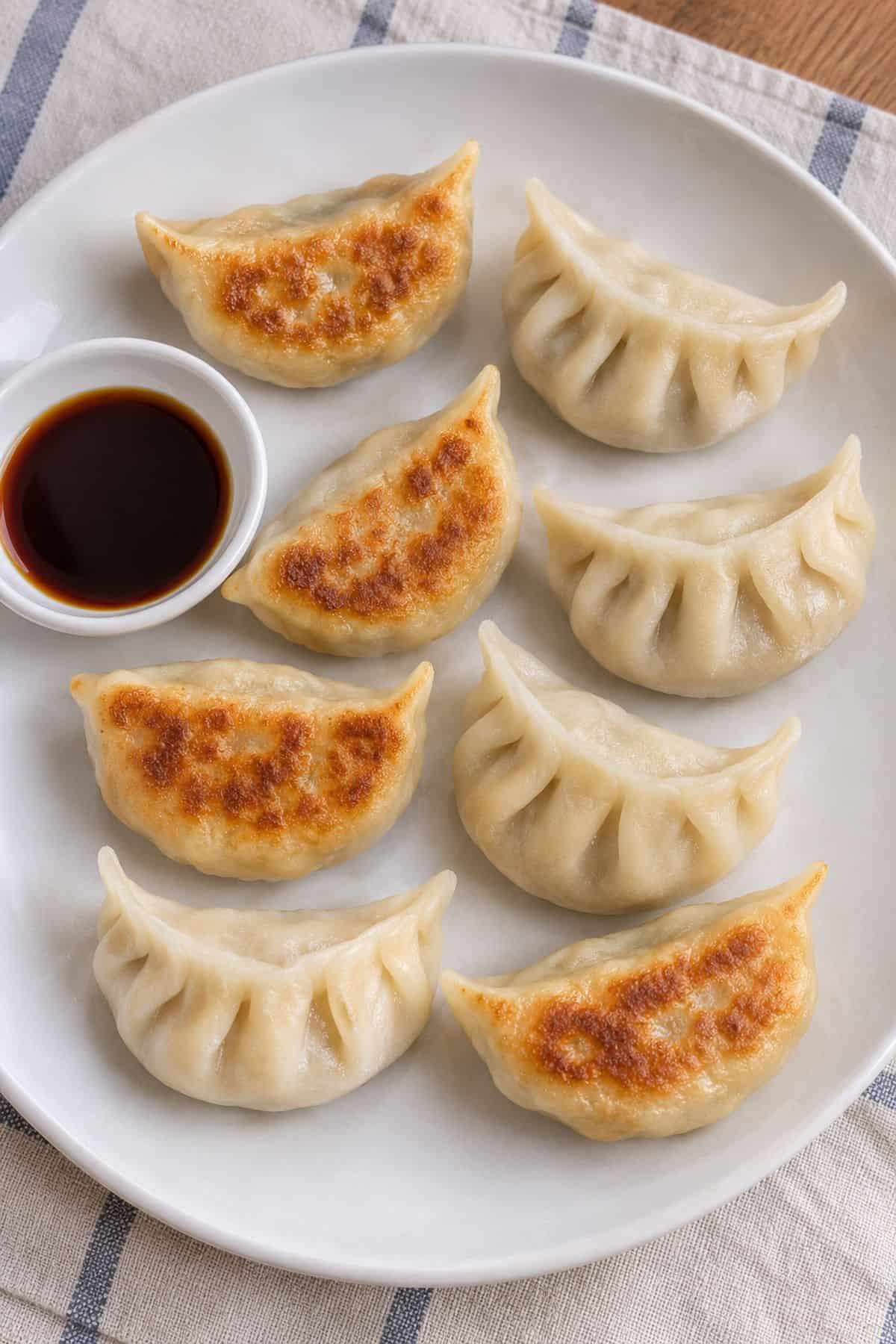
Chinese families eat these at Lunar New Year rather than on January 1, but a lot of people borrow the idea for both. The long noodles are slurped whole, and dumplings are folded to look like old gold ingots, so a plate of them is basically a plate of money. If you want to make your own, they’re in my Asian recipes you can make at home, and they freeze well, which means you can fold them this weekend and fry them straight from the freezer on the night.
Foods That Move You Forward: Pork and Fish
Pigs root forward with their snouts. Fish swim forward. That’s the whole logic, and it’s my favorite logic on this list.
Pork and Sauerkraut (Germany, Pennsylvania Dutch)

German settlers brought pork and sauerkraut to Pennsylvania, and it’s still the New Year’s Day meal across a big chunk of the American Northeast and Midwest. The pig roots forward into the new year, and the cabbage, like most greens on this list, stands for money. My version is one sheet pan, with grated apple and caraway to take the sour edge off the kraut. Want a Filipino pork dish for the table instead? A pot of Filipino pork sinigang counts too.
Recipe: Sheet-Pan Pork and Sauerkraut
- Prep time: 10 minutes
- Cook time: 55 minutes
- Total time: 1 hour 5 minutes
- Servings: 4
- 4 bone-in or boneless pork shoulder steaks, about ¾ inch thick (2 lb / 900 g total)
- 1 tbsp neutral oil
- 1 tsp salt
- 1 tsp smoked paprika
- ½ tsp black pepper
- 1 jar (about 24 oz / 680 g) sauerkraut, drained but not rinsed
- 1 onion, thinly sliced
- 1 tart apple, coarsely grated
- 1 tsp caraway seeds
- 1 tbsp brown sugar
- ½ cup (120 ml) apple cider or a light beer
- Heat the oven to 375°F (190°C).
- Mix the sauerkraut, onion, apple, caraway and brown sugar right on a rimmed sheet pan and spread it out. Pour the cider over.
- Rub the pork with oil, salt, paprika and pepper and lay the steaks on top of the kraut.
- Cover tightly with foil and roast 35 minutes.
- Uncover and roast 20 to 25 minutes more, until the pork is browned and a knife slides in easily and the kraut edges are caramelized.
- Rest 5 minutes before serving. Pork is safe at 145°F (63°C), but shoulder only turns tender well past that, so trust the knife.
Fish and Herring (Northern Europe and Chinese Tables)
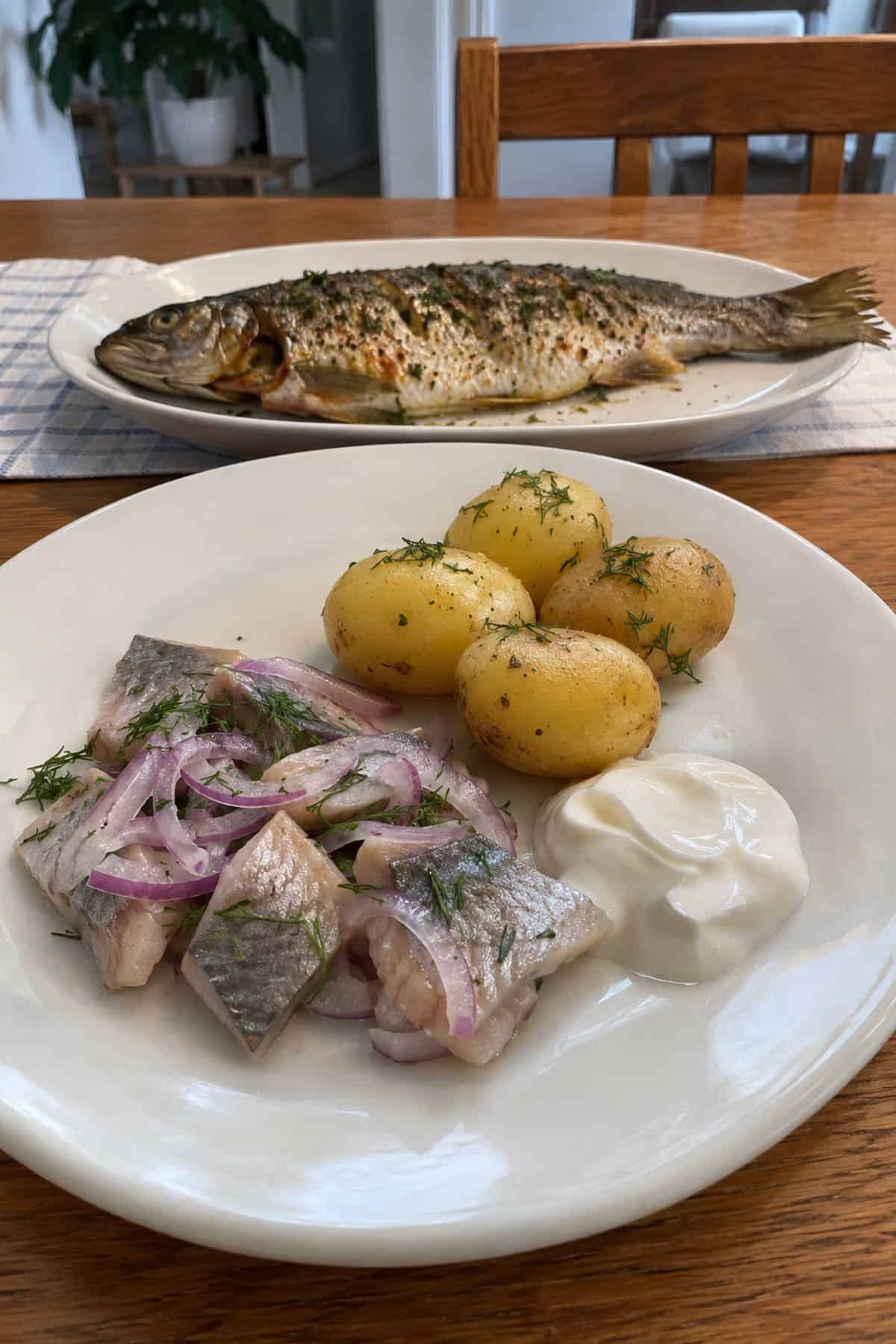
Fish brings luck two ways: it swims forward, and its scales look like coins. Herring has been on Scandinavian, Dutch and other Northern European tables since the Middle Ages, and pickled or creamed herring is still a New Year’s thing in plenty of Midwest homes. At Lunar New Year, Chinese families serve a whole fish because the word for fish sounds like the word for surplus, and a little is often left on the plate on purpose so the plenty carries over. Here in Finland, a jar of pickled herring with boiled potatoes and sour cream is the least effort lucky dish you’ll ever make (open jar, done). For a cooked fish, my easy seafood dinners have a few that work for a crowd.
Green and Gold: Collards, Cabbage and Cornbread
“Peas for pennies, greens for dollars and cornbread for gold” is the old Southern saying, and it’s the cleanest lucky menu there is.
Collard Greens (and the Swap for Kale or Cabbage)
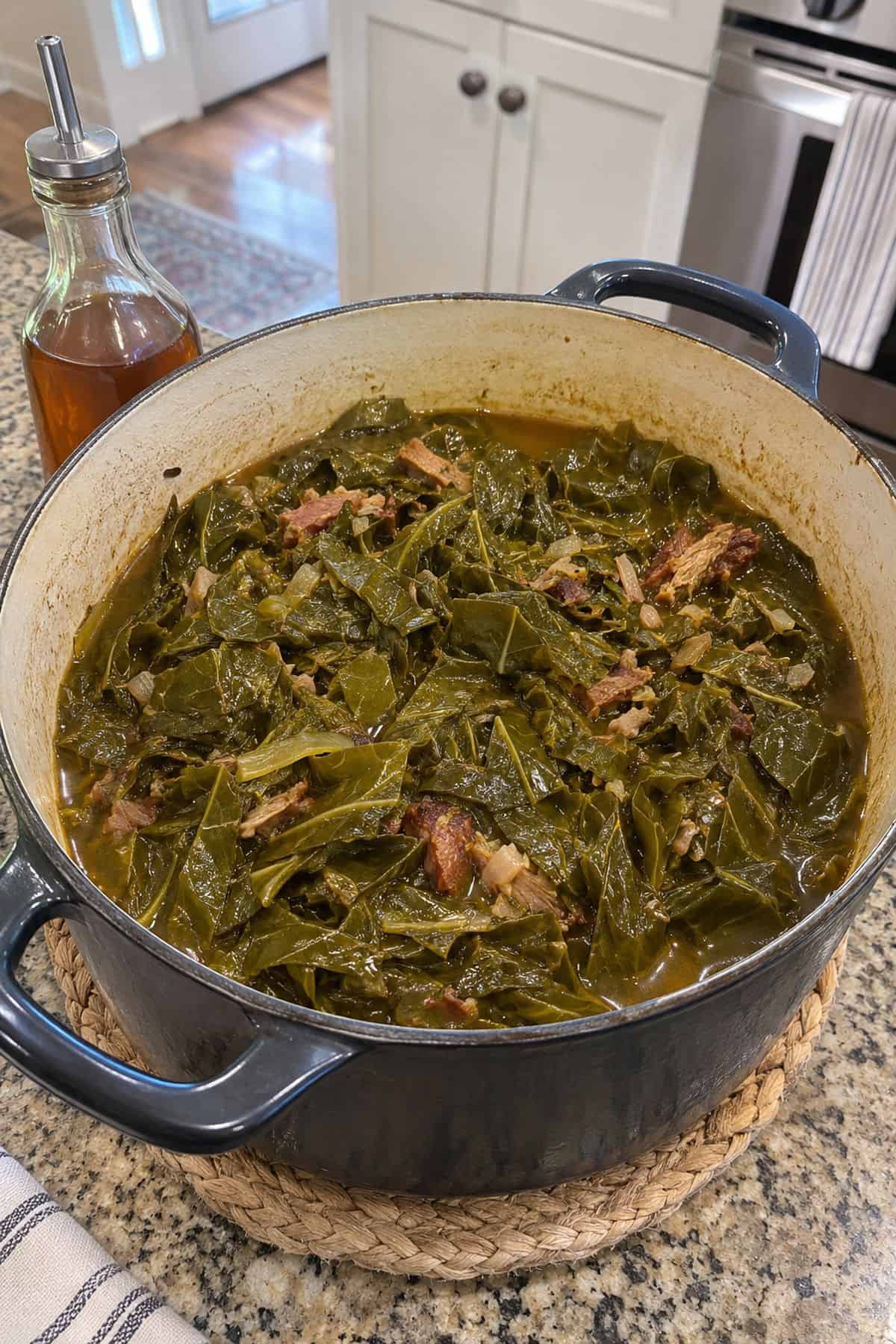
Greens look like folded money, so the more you eat, the richer the year. Collards are sold everywhere in the South and almost nowhere in Europe, which is why my version works with kale or savoy cabbage too. Only the cooking time changes. If you’re cooking with cabbage, my cabbage ideas have more ways to use the rest of the head.
Recipe: Lucky Braised Greens
- Prep time: 10 minutes
- Cook time: 15 to 40 minutes
- Total time: 25 to 50 minutes
- Servings: 4
- 2 lb (900 g) collard greens, or 1 lb (450 g) kale or savoy cabbage
- 4 oz (115 g) smoked pork: bacon, smoked ham or smoked sausage, chopped
- 1 onion, sliced
- 3 garlic cloves, sliced
- ½ tsp red pepper flakes
- 2 cups (480 ml) stock
- 1 tbsp apple cider vinegar
- 1 tsp sugar
- Salt
- Strip the leaves off the tough stems and cut them into wide ribbons. Wash well, because collards hold grit.
- Cook the smoked pork in a heavy pot over medium heat for 5 minutes, until the fat runs.
- Add the onion, garlic and pepper flakes and cook 3 minutes.
- Add the greens by the handful, letting each batch wilt, then pour in the stock.
- Cover and simmer: collards 35 to 40 minutes, kale 15 minutes, savoy cabbage 10 to 12 minutes, until silky.
- Stir in the vinegar and sugar, taste and salt. Serve with some of the broth (the Southern name for it is pot likker, and you should drink it).
Skillet Cornbread With “Coins”

Golden cornbread means gold, and the corn kernels I fold in are the coins. In Europe, Southern-style cornmeal is hard to find, so fine polenta does the job (not the instant kind). The thing that makes it is the hot skillet. You want to hear the batter sizzle when it goes in, because that’s what gives you the crisp edge.
Recipe: Skillet Cornbread With Corn Kernels
- Prep time: 10 minutes
- Cook time: 22 minutes
- Total time: 32 minutes, plus 10 minutes resting
- Servings: 8
- 1½ cups (210 g) cornmeal or fine polenta
- 1 cup (125 g) all-purpose flour
- 2 tbsp sugar
- 2 tsp baking powder
- ½ tsp baking soda
- 1 tsp salt
- 1½ cups (360 ml) buttermilk (or milk with 1 tbsp lemon juice, rested 5 minutes)
- 2 eggs
- 6 tbsp (85 g) butter, melted, divided
- 1 cup (150 g) corn kernels, thawed frozen or drained canned
- Put 2 tbsp of the butter in a 10-inch cast iron skillet and set it in the oven while it heats to 425°F (220°C).
- Whisk the cornmeal, flour, sugar, baking powder, baking soda and salt in a big bowl.
- In another bowl, whisk the buttermilk, eggs and the rest of the melted butter.
- Pour the wet into the dry and stir just until there’s no dry flour left. Fold in the corn. Lumps are fine.
- Carefully take out the hot skillet, swirl the butter and pour in the batter. It should sizzle.
- Bake 20 to 22 minutes, until deep golden and a skewer comes out clean.
- Rest 10 minutes in the pan, then cut into wedges.
Sweet Luck: Ring Cakes, Vasilopita and Oliebollen

Anything ring-shaped means the year coming full circle, and a few countries hide a coin inside for one lucky person. You don’t need a special recipe for these. Bake your favorite bundt cake, push a foil-wrapped coin into the batter (and warn people before they bite), and you’ve got the idea. My Christmas dessert ideas have a few bakes that work.
| Sweet | Where | The lucky part |
|---|---|---|
| Vasilopita | Greece, Cyprus | A coin baked inside; whoever finds it has the lucky year |
| Oliebollen | Netherlands | Fried dough balls with raisins, eaten on New Year’s Eve |
| Neujahrsbrezel | Germany | A sweet braided pretzel or wreath shared on New Year’s Day |
| Bundt or ring cake | Anywhere | Round shape for a full year; add a coin if you like |
What Not to Eat on New Year’s
Chicken, mostly. These are customs, not rules, so nobody is calling the luck police on your fried chicken. But if you’re cooking for a crowd that cares, here’s what tends to stay off the table:
| Food | Why it’s skipped | Who skips it |
|---|---|---|
| Chicken | Chickens scratch backward, so your year goes backward. Wings mean your luck can fly away. | Filipino families and many other New Year traditions |
| Lobster | Lobsters move backward | Families who follow the chicken rule |
| Flatfish and other bottom-feeders | Feeding at the bottom means a sinking fortune | Filipino families |
| Thorny fruits (durian, pineapple) | Spikes mean obstacles | The Filipino round-fruit bowl |
My take as a cook: if your family doesn’t care, eat what you love. If your lola cares, just make the pancit.
A Lucky New Year Menu You Can Cook Anywhere
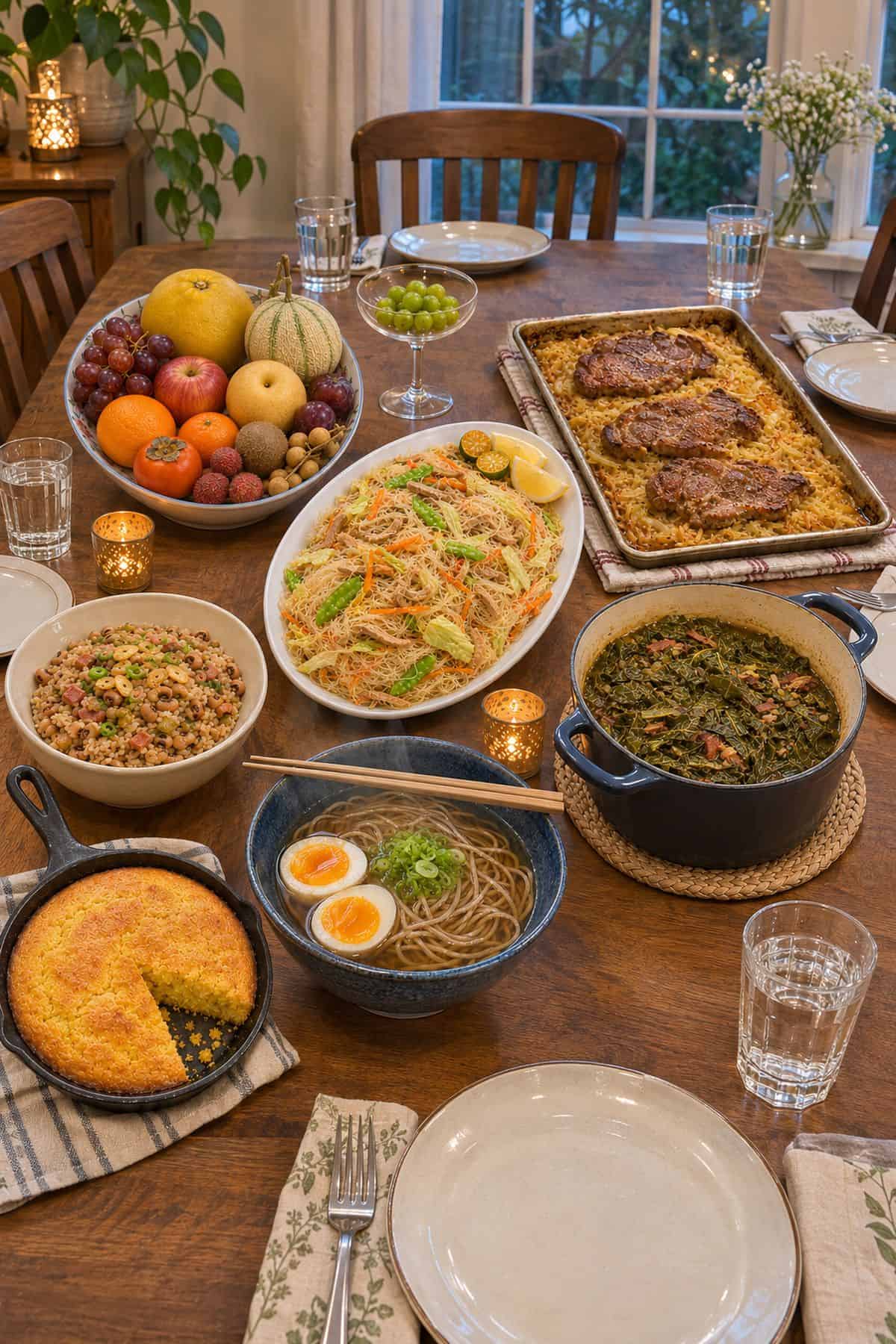
One dish from each group gives you a full lucky menu, and the order you cook in matters more than the recipes. In a banquet kitchen you cook the slow things first and the fast things last, so nothing sits around getting sad. Same here.
| When | What | From this post |
|---|---|---|
| Dec 30 | Lentils, braised greens, cornbread dry mix in a jar, garlic chips | Round, green |
| Dec 31, afternoon | Wash and count grapes, build the fruit bowl, soak the bihon | Round |
| Dec 31, evening | Pork and sauerkraut in the oven, then soba or pancit cooked last | Forward, long |
| Midnight | 12 grapes, round fruit bowl, ring cake | Round, sweet |
| Jan 1, lunch | Hoppin’ John, reheated greens, fresh cornbread | Round, green and gold |
Noodles go last, always, because they don’t wait for anyone. For drinks, my New Year’s Eve cocktails cover the toast, and my New Year’s Eve snack ideas keep people fed until midnight.
Can’t Find It Where You Live? Swaps for Lucky Foods Abroad
Living abroad means the lucky ingredient is often three countries away. These swaps keep the meaning (round, long, green, gold) even when the shop doesn’t have the original:
| If you can’t find | Use |
|---|---|
| Black-eyed peas | Canned black-eyed peas, or any small white bean |
| Collard greens | Kale or savoy cabbage |
| Soba | Any buckwheat noodle, or udon for kids |
| Rice vermicelli (bihon) | Any Asian shop, or online |
| Sauerkraut | Shredded cabbage tossed with salt and vinegar, rested an hour |
| Southern cornmeal | Fine polenta or coarse cornmeal |
| Calamansi | Lemon, or half lemon and half orange juice |
| Cotechino | Smoked ring sausage or kielbasa |
If you’re cooking in the Nordics like me, my classic Finnish recipes are full of things you can actually buy here.
Good Luck Foods FAQ
What is the luckiest food to eat on New Year’s?
It depends on your culture, but round foods are the most widespread: grapes, black-eyed peas, lentils and round fruits all stand for coins and money. Long noodles for a long life come a close second.
What are the 12 lucky fruits for the new year?
They are 12 different round fruits set on the Filipino Media Noche table, one for each month, such as grapes, oranges, apples, pears, plums, kiwi, melon, pomelo, lychee, longan, persimmon and mandarins. Skip thorny fruits like durian and pineapple.
What should you not eat on New Year’s Day?
Chicken is the food most traditions avoid, because chickens scratch backward and their wings let luck fly away. Lobster, which moves backward, and bottom-feeding fish are skipped in some families too.
Why do people eat black-eyed peas on New Year’s?
Black-eyed peas stand for pennies, so eating them on January 1 is meant to bring money. The tradition comes from the American South, with roots among enslaved Africans in the South Carolina Low Country.
Do you eat lucky foods on New Year’s Eve or New Year’s Day?
Both. The 12 grapes, toshikoshi soba and the Filipino Media Noche happen on December 31, while Hoppin’ John, greens, cornbread and pork and sauerkraut are New Year’s Day meals.
Key Takeaways
- Round foods mean money, long noodles mean a long life, pork and fish mean moving forward.
- Greens stand for dollars and cornbread for gold.
- Chicken and lobster are the foods most families leave off.
- Cook the slow dishes a day ahead and the noodles last.
My Lucky New Year Plate
If I had to pick just one thing from each group, it would be the round fruit bowl, a tray of pancit, the sheet-pan pork and a skillet of cornbread. Four dishes, every kind of luck covered, and only one of them needs you at the stove at the last minute.
Start with the timeline above, cook the lentils and greens on the 30th, and you’ll walk into New Year’s Eve with half the work done. That’s lucky enough for me.
Last update on 2026-11-19 / Affiliate links / Images from Amazon Product Advertising API