
The easiest Easter lunch hosting ideas start with one main dish, two make-ahead sides, one fresh salad, bread, dessert, a separate drink station, simple food labels, low table decor, a kid-friendly plan, and a quick post-lunch reset. Build the day around church timing, egg hunts, hot and cold food placement, and dishes guests can serve without crowding the kitchen.
Easter lunch can feel calm even when family arrives in waves, children are checking baskets, and the oven is full. The trick is planning the meal as a flow, not just a list of pretty dishes.
Use these Easter lunch hosting ideas to shape a relaxed Easter family meal with practical serving zones, make-ahead food, clear timing, low table decor, and enough structure for everyone to eat comfortably.
Top Recommended Products


You Might Also Like These Blog Posts
- Easter Brunch Ideas
- Easter Dessert Table Ideas
- Spring Brunch Ideas
- Spring Garden Brunch Hosting Ideas
- Grazing Table Ideas
Easter Lunch Hosting Ideas That Keep the Day Relaxed
A simple Easter lunch menu can follow one clear formula: one anchor main, two make-ahead sides, one fresh salad, bread or rolls, one dessert, and a drink station away from the food. Buffet service is helpful for larger groups, mixed arrival times, and guests bringing dishes. Family-style service feels cozier for a smaller table with fewer platters. Either way, keep hot dishes warm, cold dishes away from heat, and enough surface space for plates, sauces, refills, and dessert.
1. Easter Main Dish Anchor
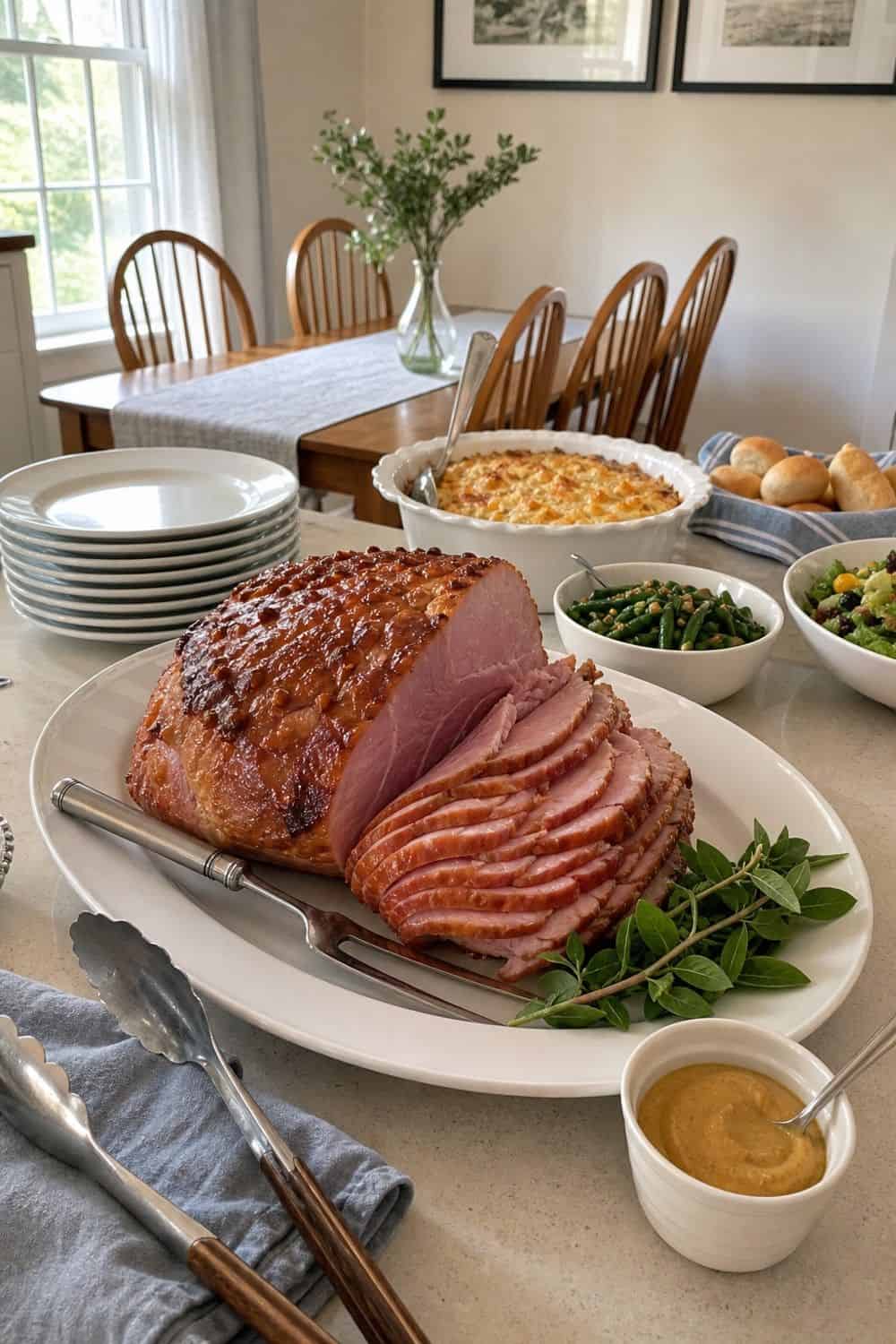
Start the Easter lunch menu with one anchor main before choosing sides or dessert. Ham, lamb, roast chicken, salmon, baked pasta, or a vegetable tart can all work, but the main dish should decide the rest of the table.
A sliced ham on a large platter points toward buffet service, while a roast chicken or tart may fit a smaller seated meal. Once the main is chosen, it becomes easier to plan oven space, sauces, carving, side count, and serving pieces without overloading the day.
2. Light Arrival Snack

A small arrival snack helps everyone settle while lunch finishes. Deviled eggs, radishes with butter, olives, cheese, crackers, or one spring dip can feed hungry relatives without turning the counter into a second meal.
Keep the snack on a tray near the entry or drink area so people are not wandering through the kitchen. This is especially useful when church runs late, the egg hunt starts early, or children need something before the main meal is served. Keep portions light so the lunch still feels like the center of the day.
3. Realistic Easter Lunch Timeline
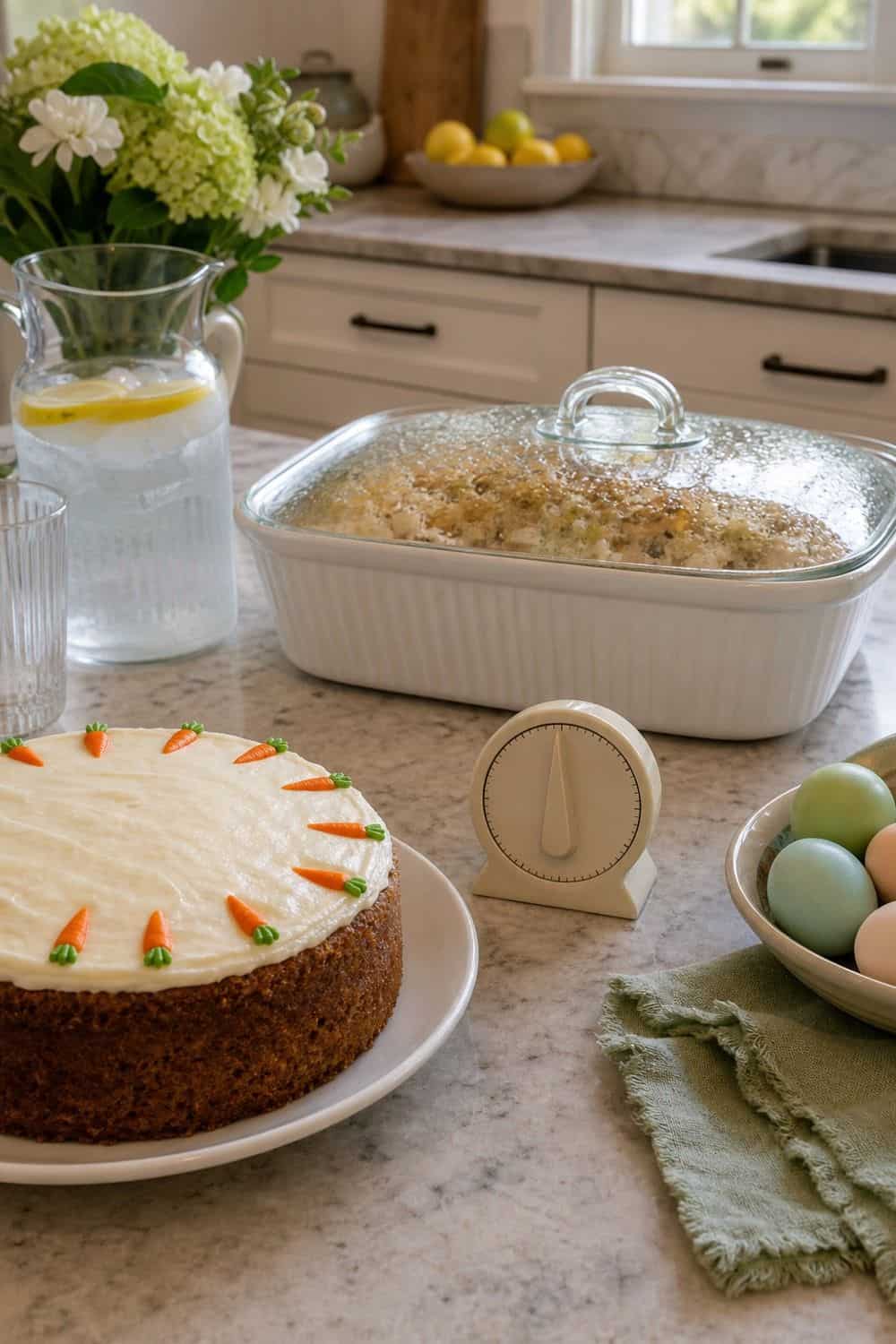
A practical timeline protects the host from trying to think through every task while family is arriving. Two days ahead, shop, confirm guest dishes, and check serving pieces. The day before, set the table, prepare casseroles, make dessert, and chill drinks.
Easter morning can handle reheating, salad prep, bread, and the drink station. One hour before lunch, set out cold dishes, warm the main, and arrange the buffet.
Fifteen minutes before serving, carve, uncover, garnish, and place serving utensils where guests can see them. The timeline should remove guesswork, not turn Easter into a minute-by-minute performance.
4. Two Make-Ahead Sides
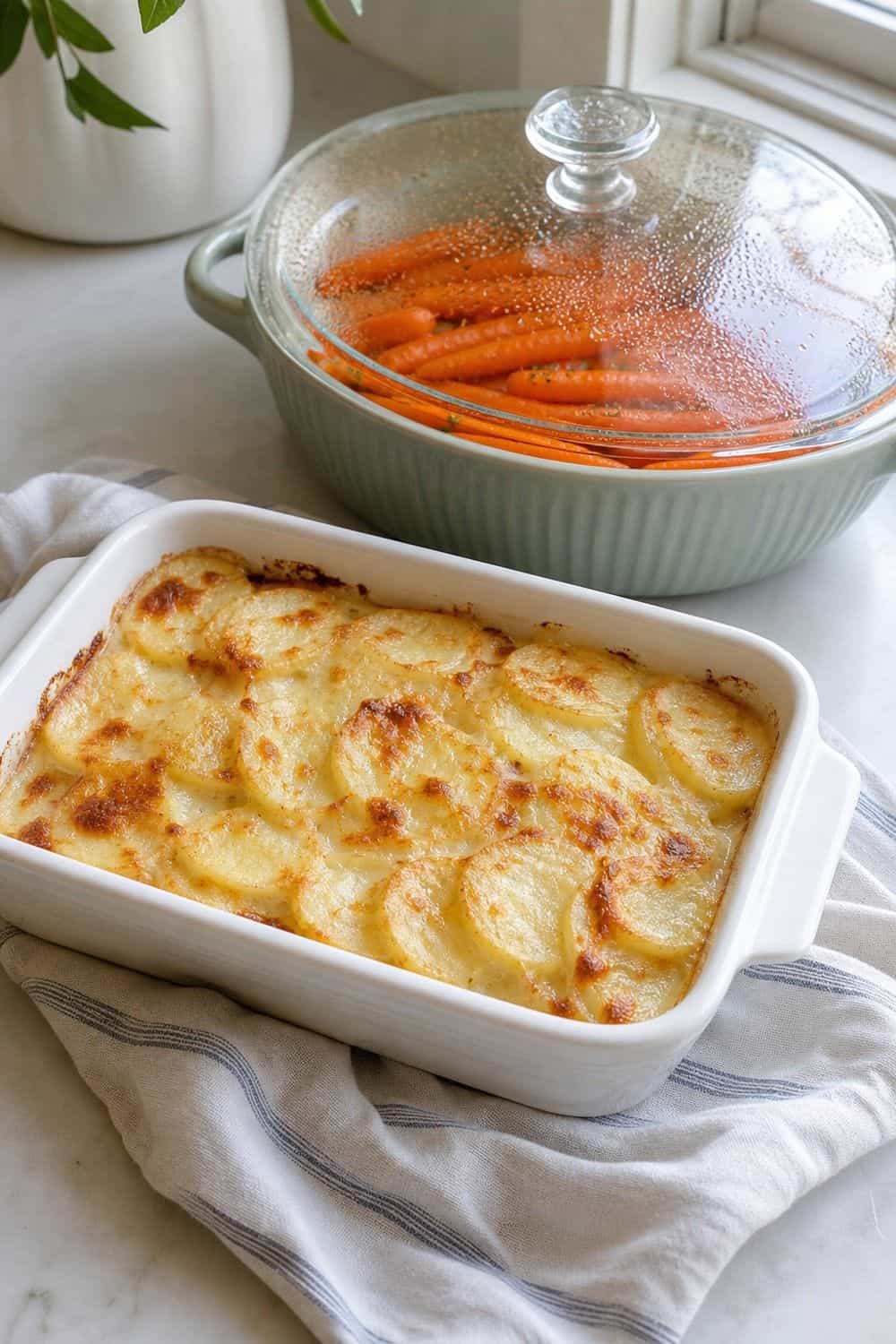
Two reliable make-ahead sides are easier than five dishes that all need attention at noon. Potato gratin, mac and cheese, glazed carrots, broccoli salad, pasta salad, roasted vegetables, or a simple casserole can be prepped earlier and finished close to lunch.
Choose sides that tolerate holding, reheating, or serving at room temperature for a short window. This keeps the Easter Sunday lunch from depending on perfect timing. It also leaves room for a fresh salad, bread, dessert, and any dish a guest brings.
5. One Fresh Spring Salad
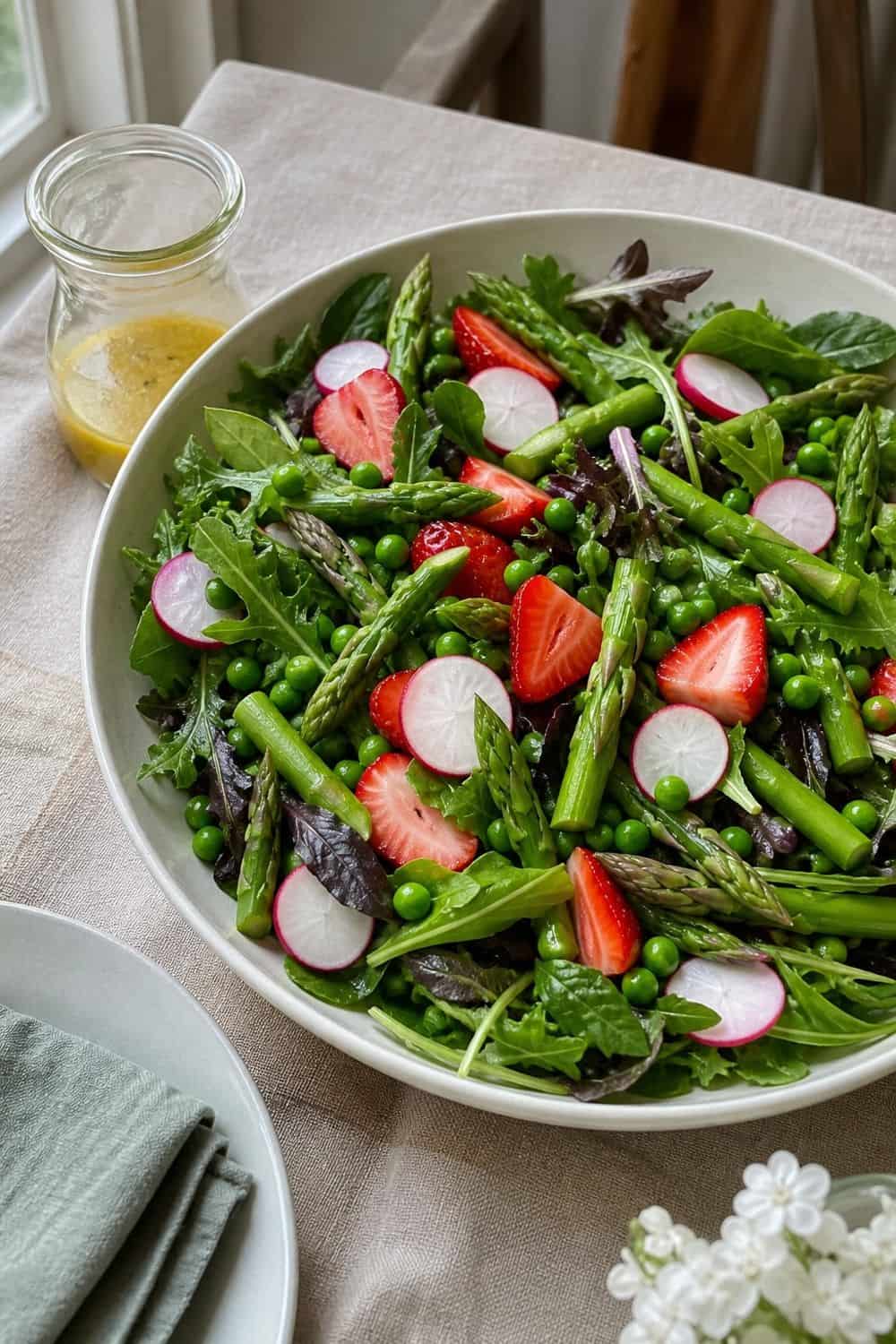
A fresh salad keeps a rich Easter family meal from feeling too heavy. Spring greens, asparagus, peas, radishes, strawberries, citrus, herbs, or shaved vegetables can brighten ham, casseroles, bread, and dessert.
Keep the dressing on the side until the last possible moment so the greens stay crisp. If the buffet is crowded, place salad away from hot pans and give it its own tongs. One generous salad is usually enough because it brings freshness, color, and crunch without adding another dish that needs oven space.
6. Warm Bread Basket
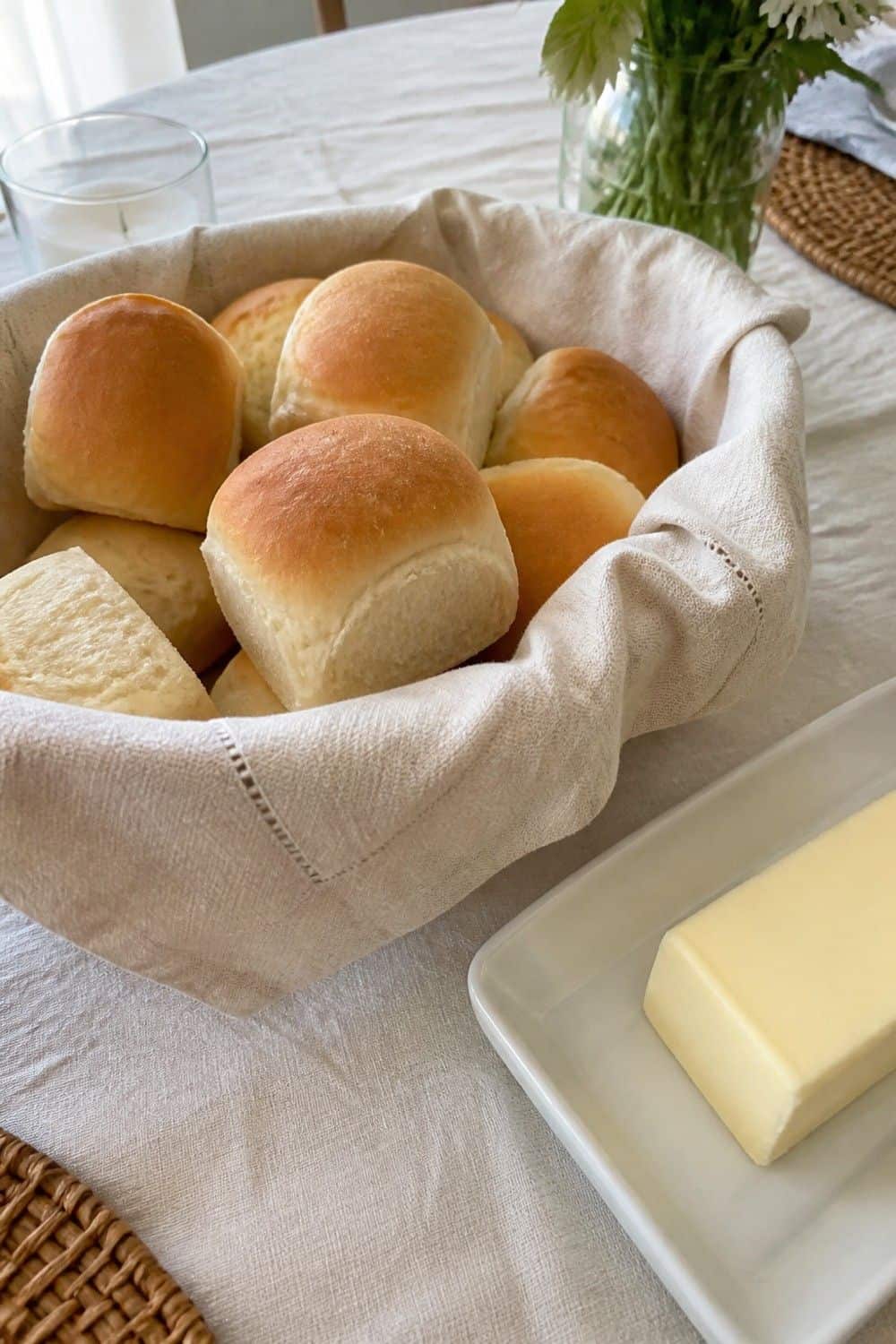
Bread stretches the menu and helps the whole lunch feel generous. Rolls, biscuits, hot cross buns, sliced bread, or soft dinner rolls can fill gaps if a side runs low or the main takes a few extra minutes.
Warm the bread close to serving, then tuck it into a lined basket with softened butter nearby. For kids, bread is often the easiest part of the meal. For adults, it makes ham, salad, soup, or sauces feel more complete without adding another complicated recipe to the Easter lunch checklist.
7. Buffet Starting Point With Plates
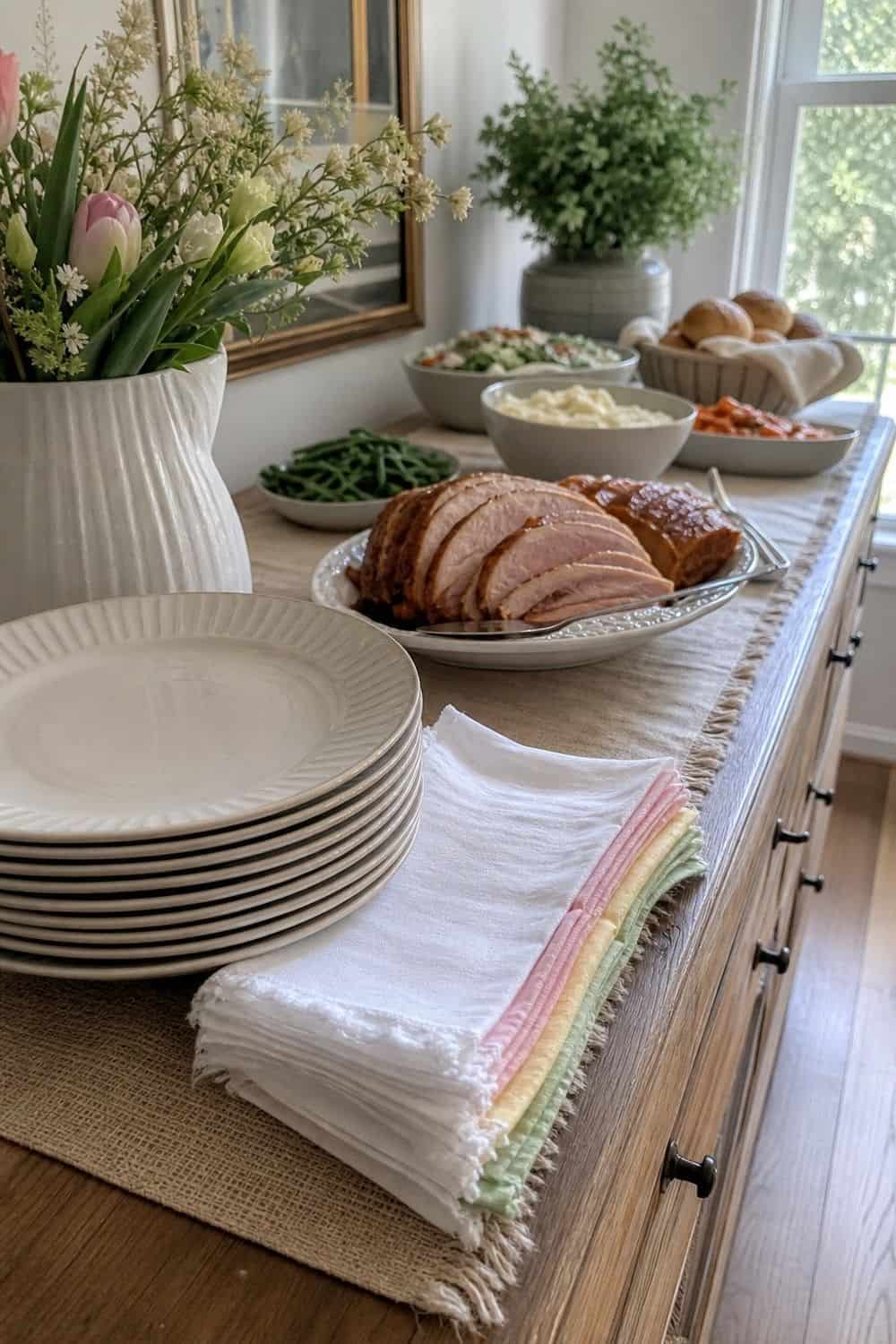
If you are using an Easter buffet, make the starting point obvious. Put plates and napkins first, then the main dish, sides, salad, sauces, and utensils. Leave a little empty surface so guests can set a plate down while serving themselves.
Avoid placing the line beside the oven, sink, or refrigerator, because those spots create traffic just when the host needs access. A clear buffet path keeps people moving and prevents everyone from gathering around the hottest, busiest part of the kitchen.
8. Hot Food Holding Plan
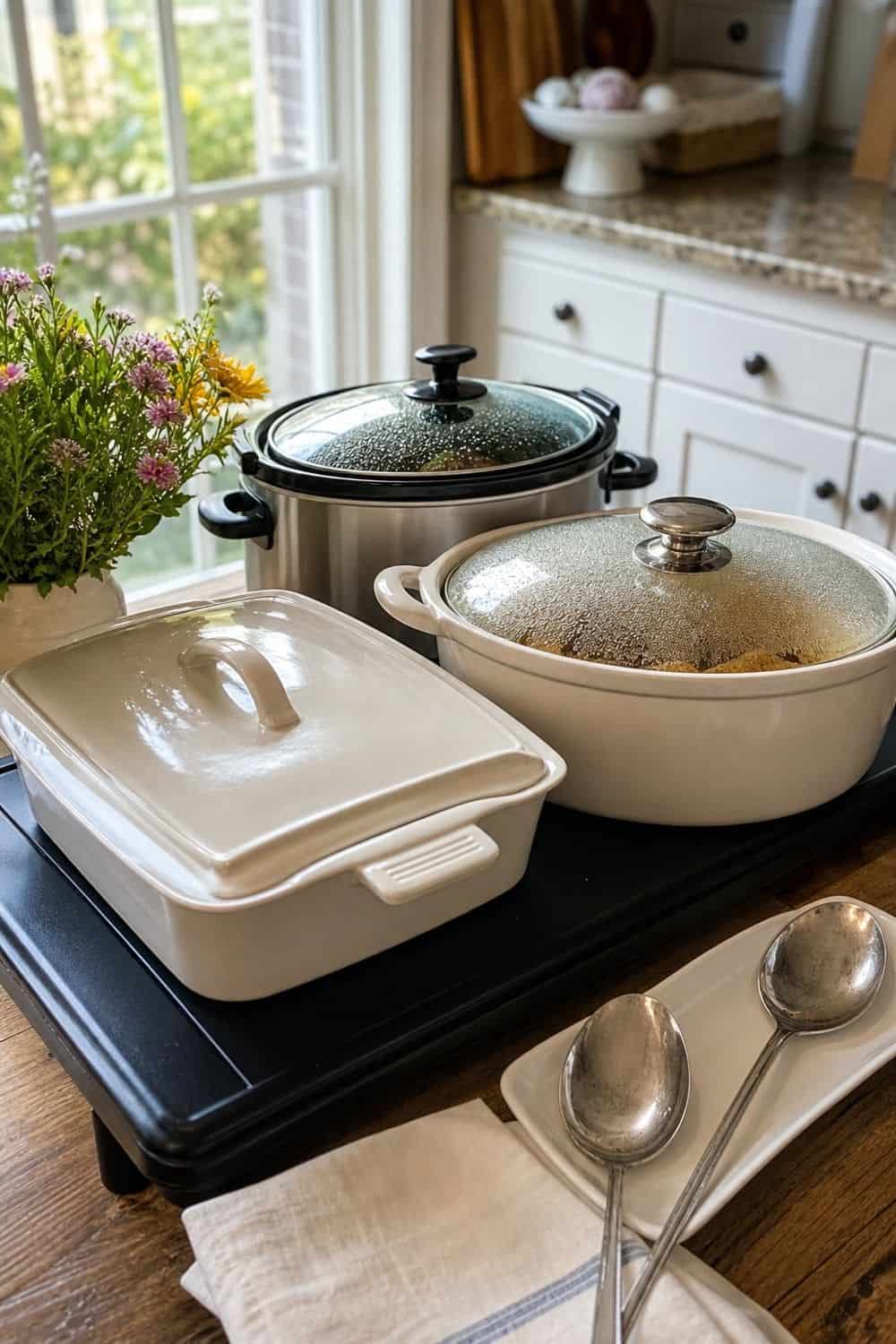
Hot dishes need a plan that does not require the host to stand beside them all afternoon. Covered casseroles, a warming tray, slow cooker inserts, or staggered refills can keep ham, potatoes, vegetables, or sauces pleasant through the first round of serving. Bring out smaller portions if the group eats slowly, then refill from the kitchen. Meat, dairy-heavy sides, and creamy sauces should not sit out for hours after lunch. A little temperature planning makes the meal feel relaxed while still keeping the food in good condition.
9. Cold Dish Landing Zone

Cold dishes deserve their own landing zone, especially on a holiday table full of warm pans. Deviled eggs, fruit, green salad, dips, chilled desserts, and creamy salads should sit away from the oven, warming tray, and hot casseroles. Use a dining table, sideboard, bar cart, or shaded counter so cold food is not trapped beside steaming dishes. Keep refills in the refrigerator until needed, then bring out smaller bowls. This protects texture and keeps delicate Easter lunch ideas from turning tired before everyone has eaten.
10. Casual Food Labels
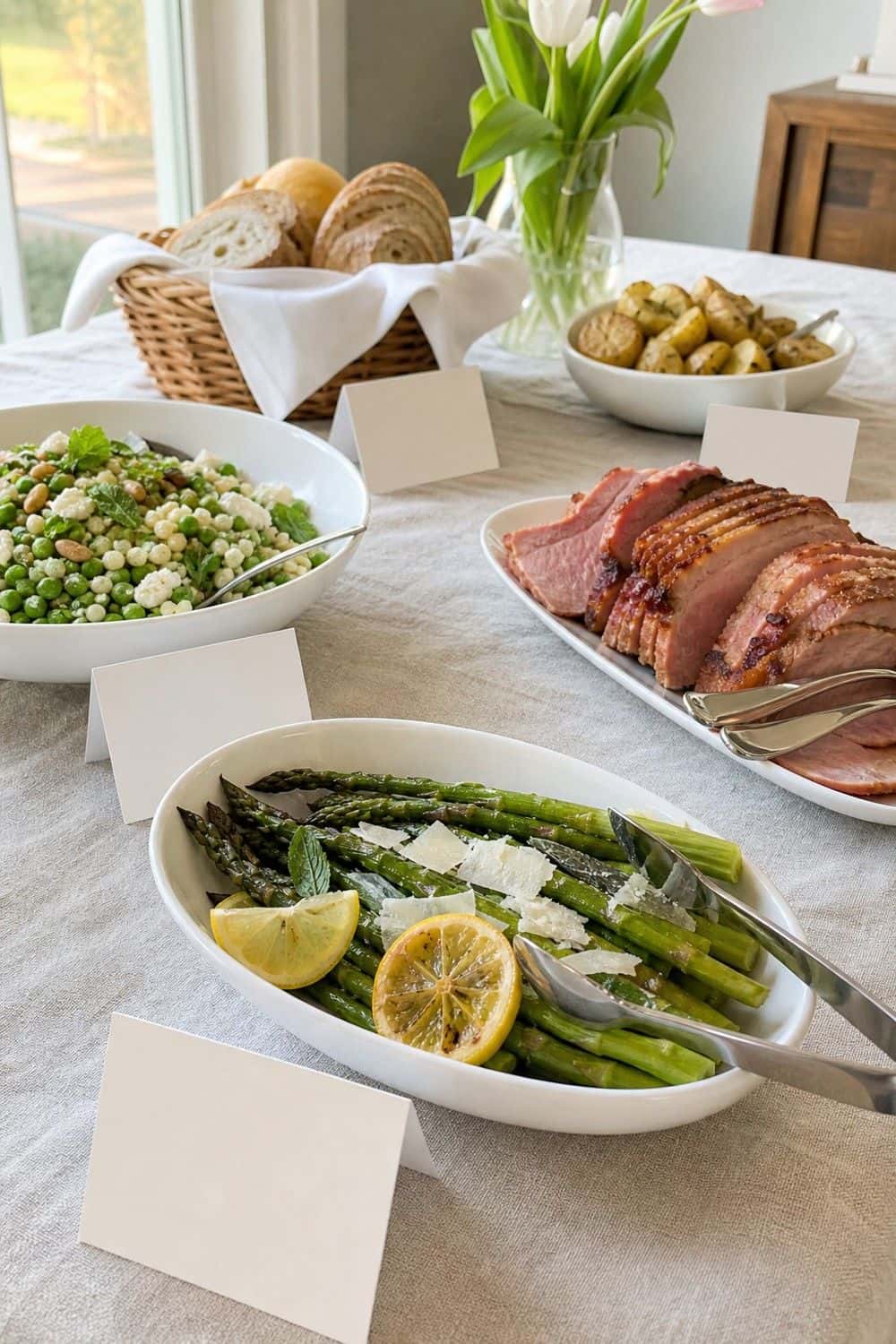
Simple labels help a family lunch more than people expect. Mark dishes with gluten, nuts, dairy, pork, vegetarian, or spicy notes, especially when guests bring food. Labels also reduce repeated questions while the host is carving, pouring drinks, or checking on children. Use folded cards, small signs, or painter’s tape on casserole lids if the meal is casual. Add serving utensils beside each dish so guests are not borrowing the same spoon for salad, sauce, and potatoes. Clear labels make the buffet feel thoughtful without becoming fussy.
11. Drink Station Away From the Buffet

A separate drink station reduces traffic around the lunch buffet. Set water, lemonade, iced tea, spring punch, wine, cups, ice, napkins, and bottle openers away from the main food line. A glass drink dispenser can hold water with citrus or a simple nonalcoholic punch, while wine or sparkling drinks can sit in a tub nearby.
If coffee will follow dessert, stage mugs and sugar on a separate tray. Guests can refill without blocking hot food, and the host can see when ice or cups need attention.
12. Low Spring Flowers

Low flowers make an Easter table feel seasonal without interrupting the meal. Tulips, daffodils, hyacinths, pansies, herbs, or clipped branches can sit in short vases, bowls, or small jars along the center of the table. Keep arrangements below eye level so guests can talk across platters and glasses. Strong scents are better near an entry than beside plates, especially if you are serving coffee, ham, or dessert. A few low flowers usually feel fresher than one tall arrangement that blocks faces and serving bowls.
13. Easter Details With Breathing Room
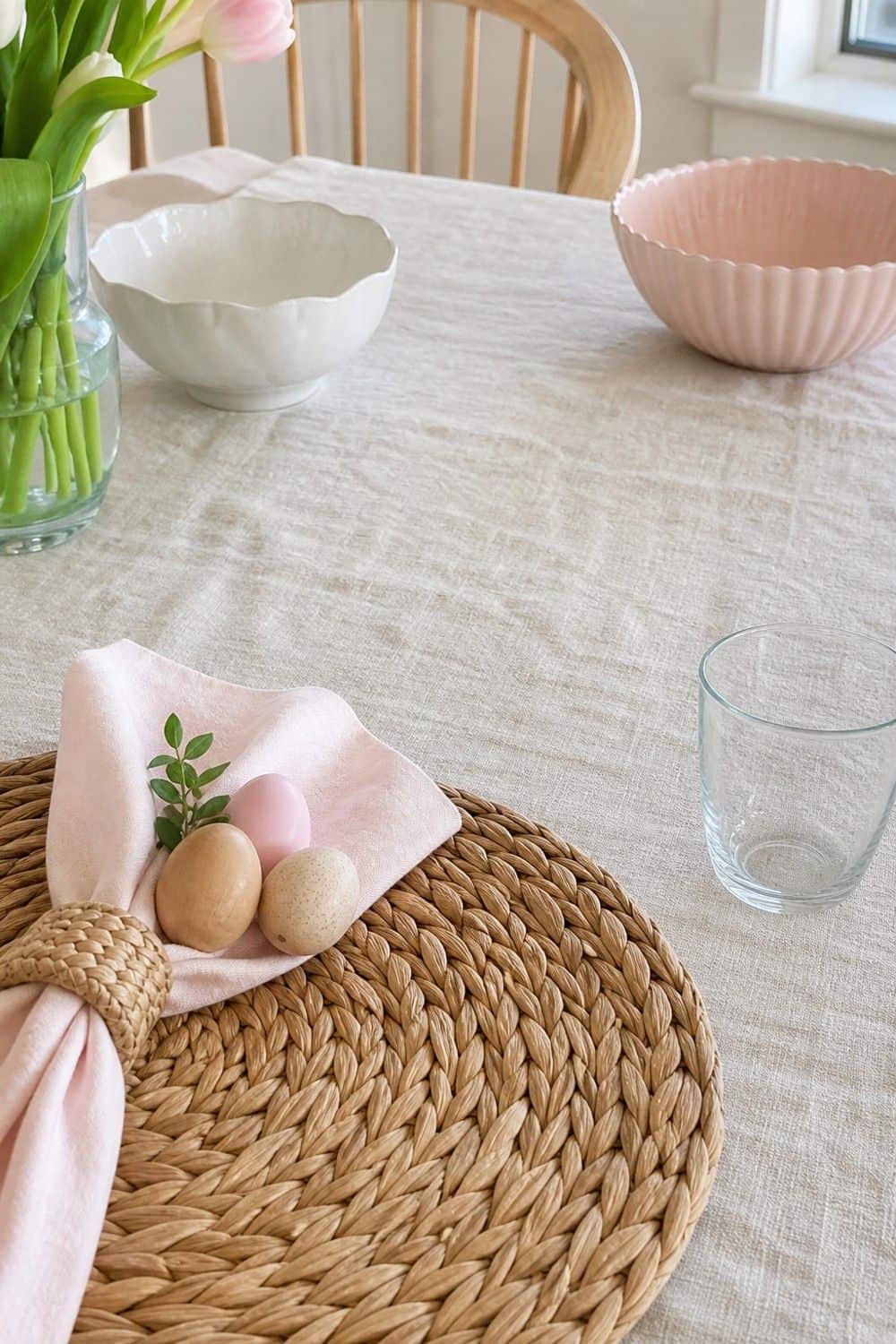
Easter decor should support the meal, not compete with it. A few wooden eggs, pastel napkins, small nests, bunny napkin rings, carrots, or woven chargers can make the table feel festive while leaving space for water glasses, elbows, and serving bowls. Keep fragile decor away from children’s plates and the buffet edge. If the table is serving as both dining and platter space, decorate only the center line or each place setting. The best seasonal touch is one that still lets people pass food comfortably.
14. Kids’ Lunch Spot

A kids’ lunch spot can make Easter lunch easier for everyone. Use a small table, booster seats, divided plates, spill-safe cups, plain rolls, fruit, and small portions of the main dish. If the adult meal will run long, feed younger children slightly early or give them a snack while hot dishes finish. Keep crayons, baskets, or quiet activities away from the buffet line so children are not underfoot during serving. A simple kid setup lets adults linger while children still feel included in the holiday meal.
15. Egg Hunt Timing Around Lunch

The egg hunt should fit the food schedule instead of pulling everyone away at the wrong moment. A hunt before lunch can help children burn energy while the main dish rests. A hunt after lunch can give adults time to reset plates before dessert.
If the weather is warm, keep chocolate-filled eggs out of direct sun and bring baskets inside after the hunt. Mark boundaries, separate age groups if needed, and have a rainy-day plan.
Clear timing keeps the meal from being interrupted halfway through serving. It also gives the host a better sense of when to uncover food, pour drinks, and set dessert nearby.
16. Clear Guest Dish Assignments
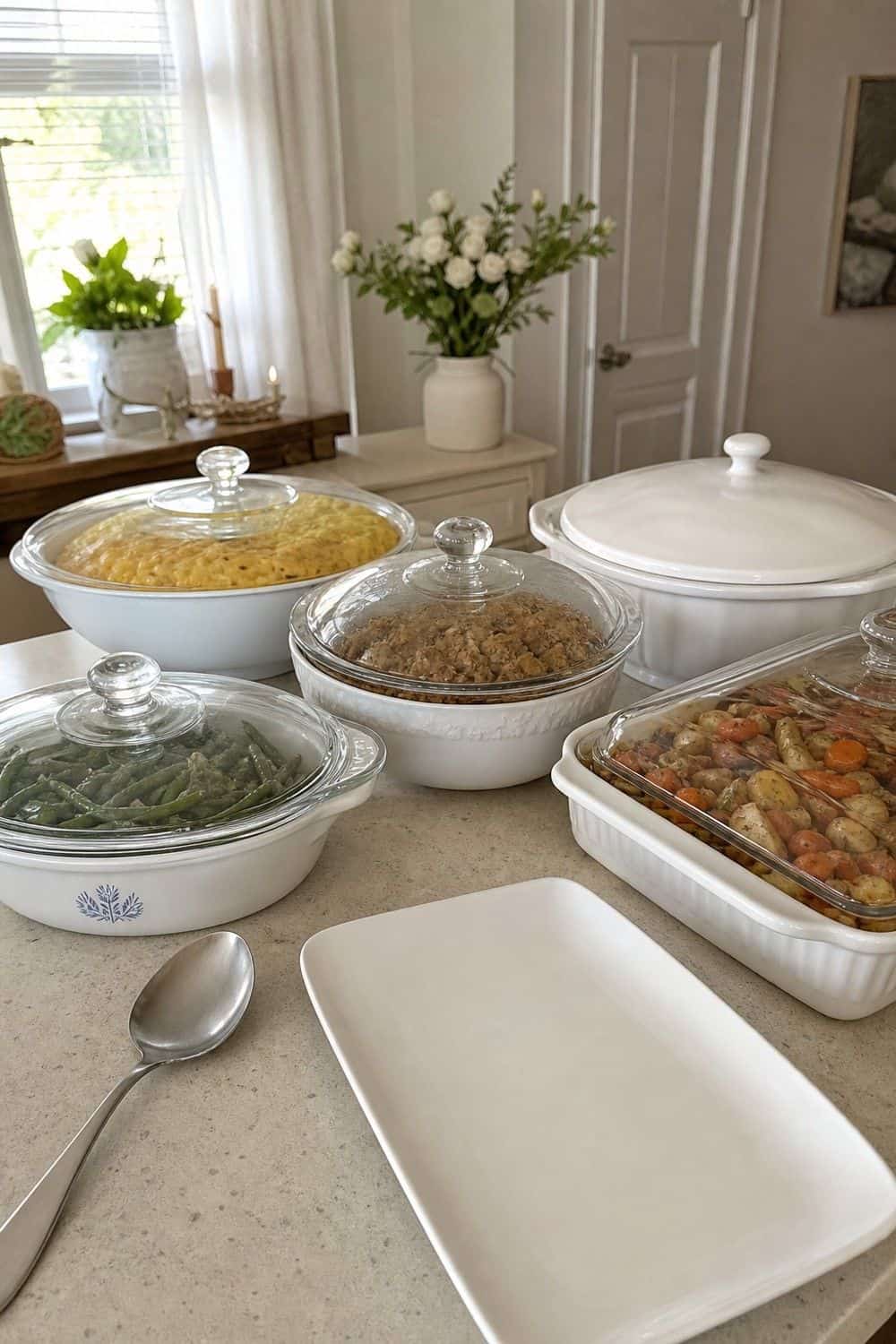
When guests offer to bring something, assign categories instead of saying anything is fine. Ask for one salad, one dessert, one bread, one drink, or one kid snack so the Easter lunch menu stays balanced. Confirm whether their dish needs oven time, refrigerator space, a serving spoon, or a platter. Ask about allergens before Easter morning so labels are easy. Clear assignments prevent three desserts, no salad, and a crowded oven. They also help guests contribute in a way that actually supports the meal.
17. Sauce Tray for the Buffet
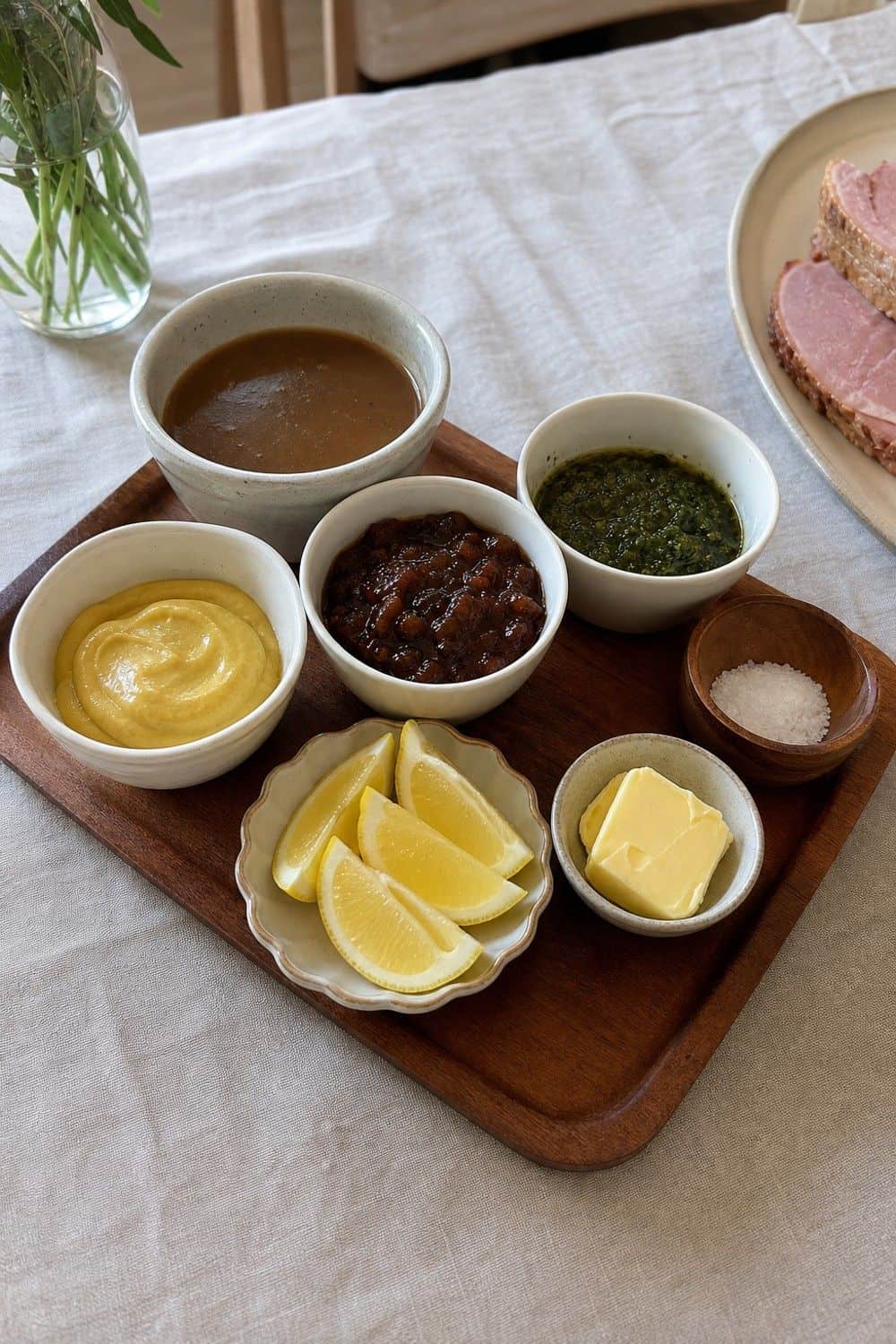
A sauce and condiment tray keeps the buffet tidy. For Easter lunch, that might include mustard, chutney, gravy, mint sauce, lemon wedges, butter, jam, salad dressing, or a small bowl of flaky salt. Place the tray after the main and sides so guests can finish plates without circling back through the line. Use small spoons and wipe drips during the first reset. Keeping sauces together also makes leftovers easier because the host can see what needs chilling, tossing, or storing after the meal.
18. One Easy Dessert
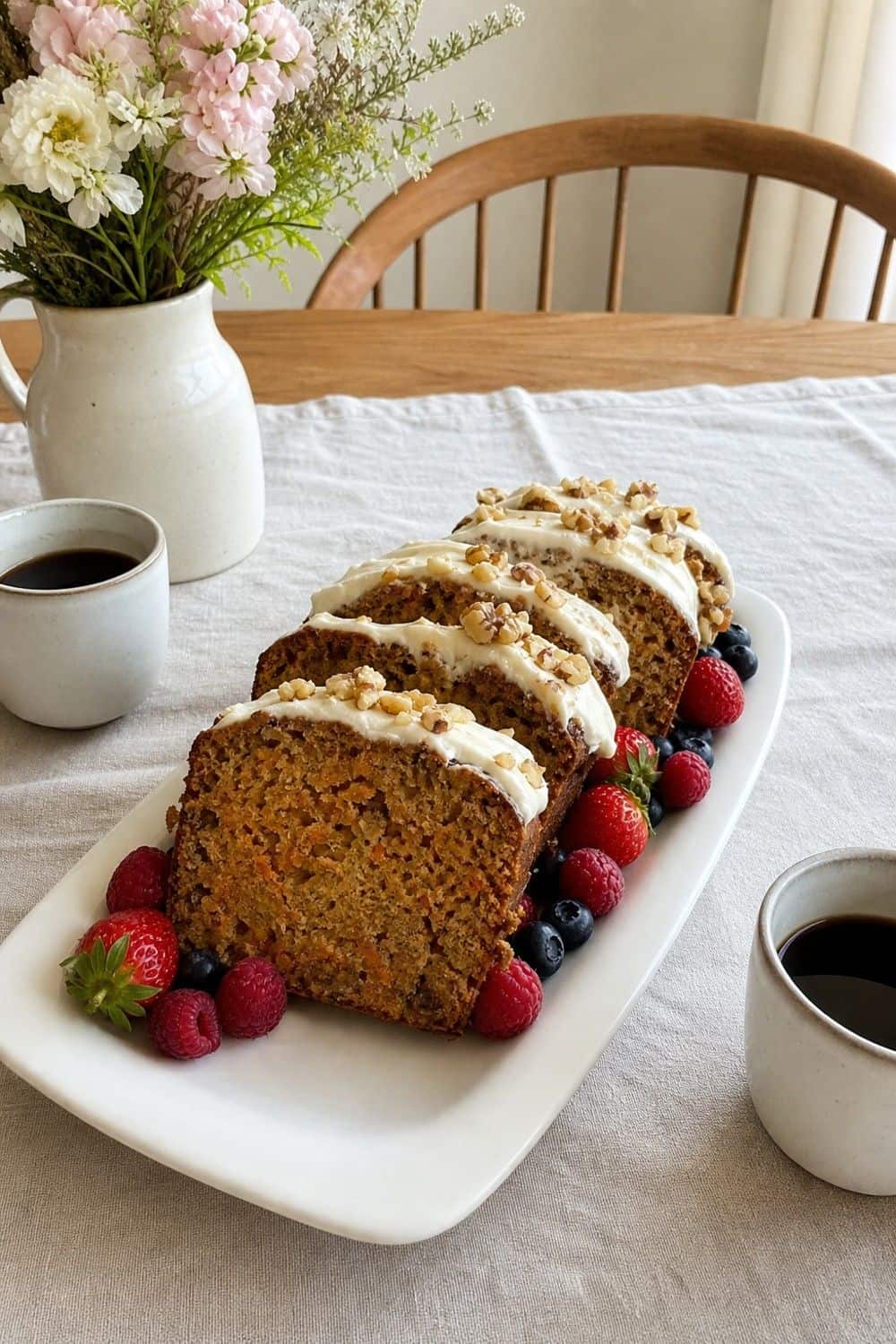
After a big lunch, dessert should be easy to serve and simple to enjoy. Carrot cake, lemon bars, berry pavlova, fruit tart, cookies, pound cake, or one store-bought cake dressed with berries can all feel special without creating a second buffet. Slice or portion dessert earlier if the table will be crowded. Keep cream-heavy desserts chilled until the plates clear. One good dessert with coffee or tea is usually more relaxing than several delicate sweets that need separate platters, toppings, and constant attention.
19. Coffee and Tea Setup Before Dessert

Set up coffee and tea before dessert so the host does not disappear into the kitchen just as everyone starts lingering. Gather mugs, teaspoons, milk, sugar, decaf, tea bags, lemon, honey, and a small dish for used packets or stirrers.
An electric kettle and a full coffee pot can sit on a side counter away from the lunch buffet. This turns dessert into a relaxed pause instead of another rush of questions.
It also gives older relatives and coffee drinkers an easy reason to settle in after eating. If the kitchen is crowded, keep the hot drinks near dessert rather than beside dirty dishes.
20. Sideboard for Overflow Platters
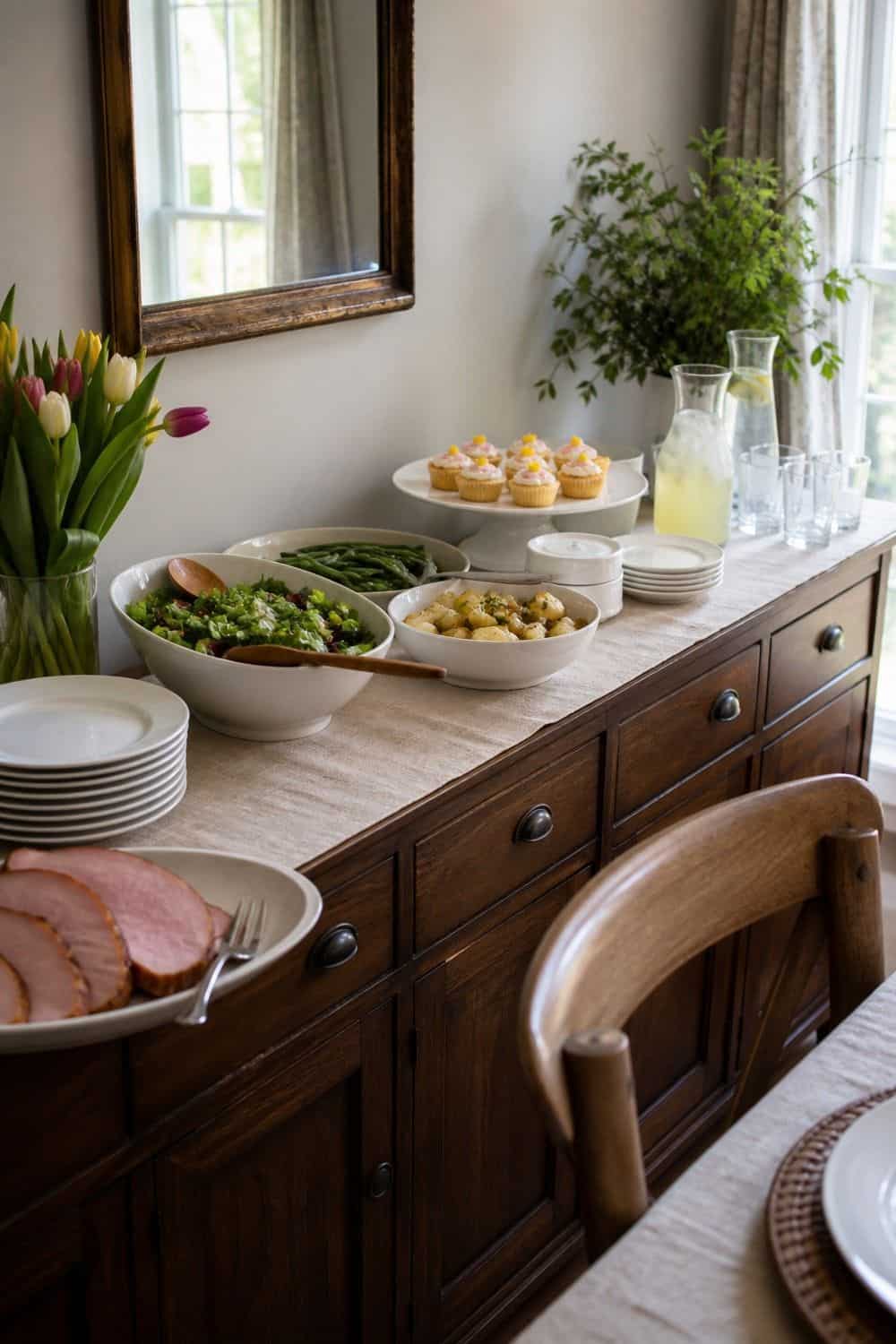
An overflow surface can save the dining table from feeling crowded. Use a sideboard, console, bar cart, kitchen island, or folding table for extra platters, refills, dessert, drinks, or clean plates. This is especially helpful when guests bring dishes and the exact number of bowls changes on Easter morning.
Keep the eating table comfortable enough for glasses, elbows, and conversation. A dedicated landing area also gives the host a place to move empty dishes without stacking everything in the sink during lunch.
21. Cleanup Bin Near the Kitchen

A cleanup bin gives helpful guests somewhere to put plates without filling the sink. Place a bus tub, tray, or sturdy bin near the kitchen entrance with a clear spot for utensils, cloth napkins, and glasses. Add separate trash and recycling if cans are not obvious.
This keeps the table from turning chaotic while dessert is still out. It also lets the host clear in small rounds instead of carrying one unstable stack of dishes after everyone leaves. A visible cleanup spot invites help without a speech.
22. Leftover Packing While Food Is Fresh
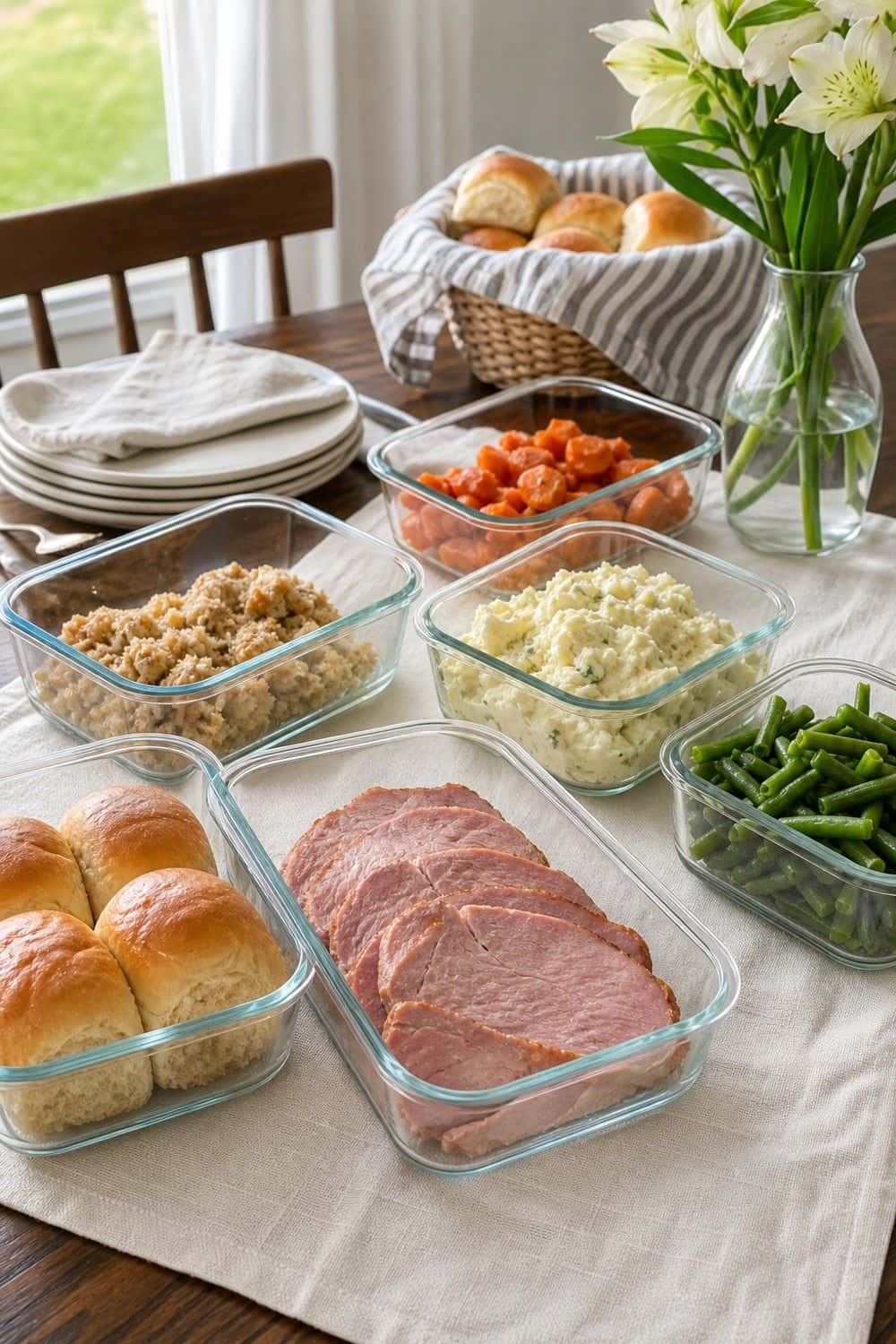
Leftovers are easier when they are handled before the afternoon drifts away. Pack ham slices, sides, salad components, rolls, and dessert portions into containers while food still looks fresh and safe to chill. Label anything going home with guests, and decide what stays with the host before platters start leaving randomly. Keep perishable food moving toward the refrigerator instead of sitting on the buffet. A few meal prep containers make it simple to send family home with food without losing your favorite serving bowls.
23. Spring Weather Backup Plan
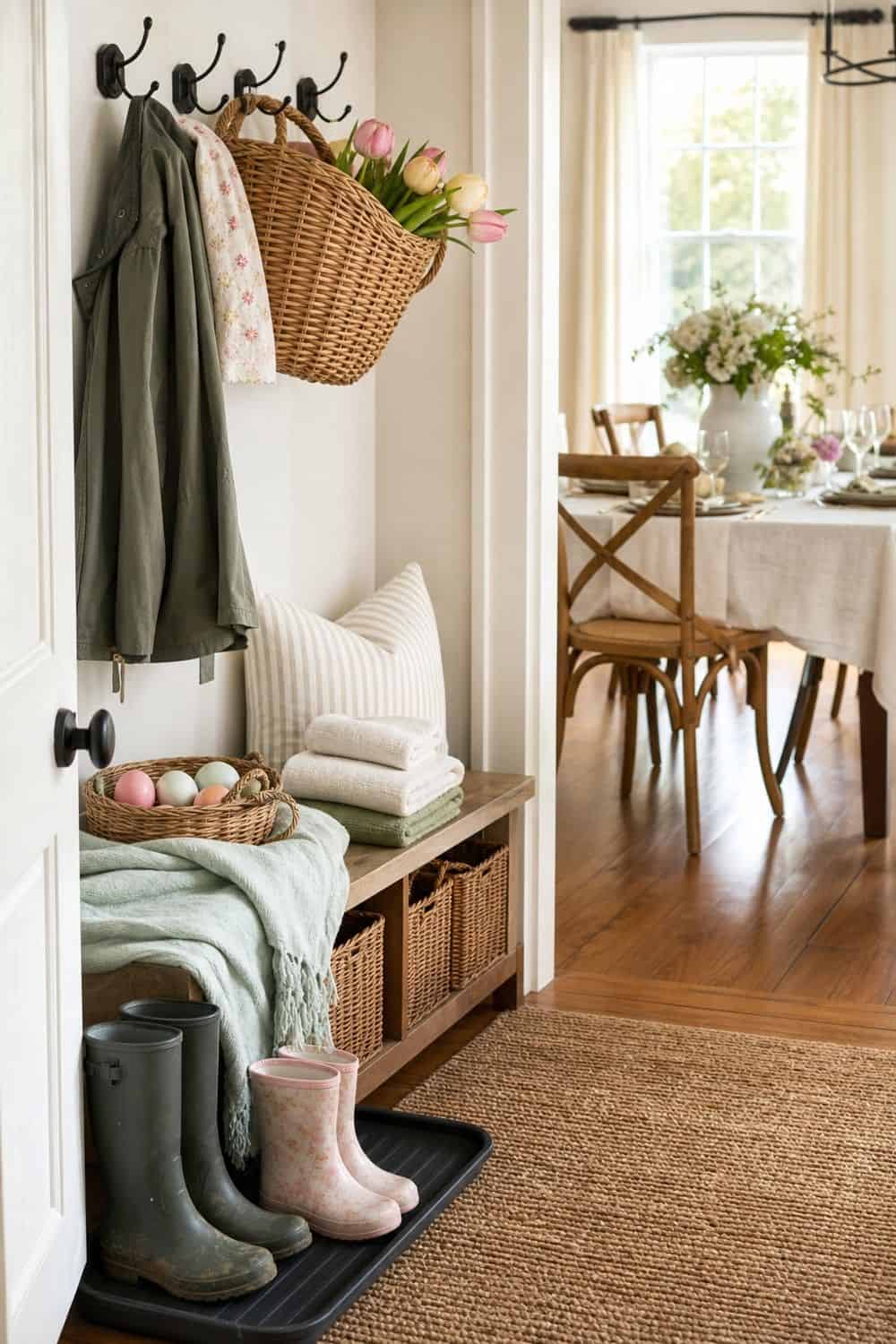
Spring weather can change quickly on Easter, even if the plan includes porch drinks, a garden egg hunt, or outdoor seating. Have an indoor table option, a place for muddy shoes, extra towels, and a backup for flowers or food if wind picks up.
If the day is chilly, keep drinks indoors and seat older relatives away from drafty doors. If it turns warm, move chocolate, dairy dishes, and salads out of sun.
A weather backup keeps the lunch steady without rebuilding the whole plan. It also gives coats, baskets, muddy shoes, and outdoor serving pieces a place to go before the table gets crowded.
24. One Take-Home Treat
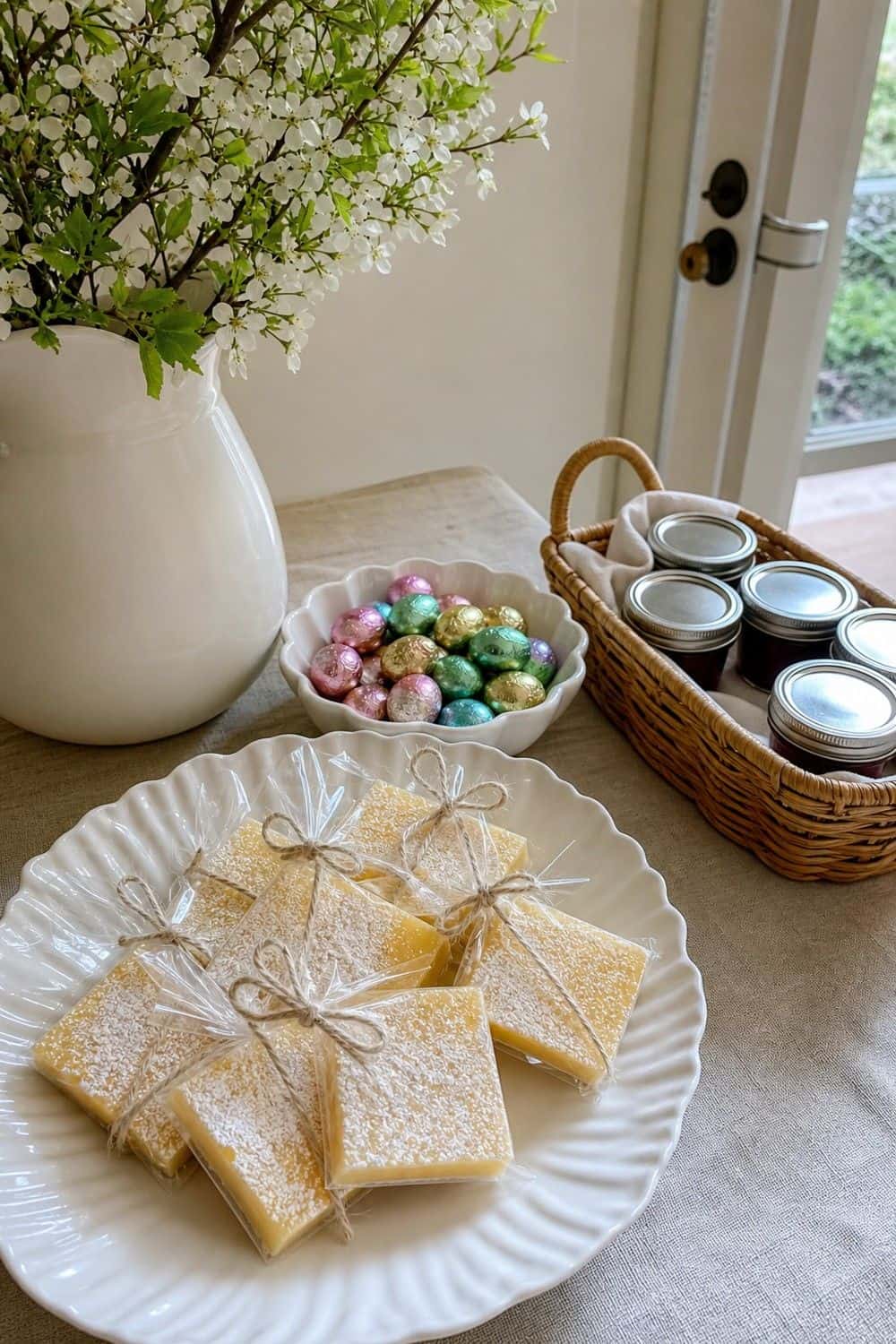
A small take-home treat can end Easter lunch on a generous note without adding a big project. Chocolate eggs, leftover cookies, seed packets, mini jam jars, extra rolls, or a few wrapped lemon bars are enough. Put treats near the door or leftover station so guests can take them as they leave. Keep the idea optional and low effort, especially if lunch already includes dessert and an egg hunt. A simple favor feels sweet when it comes from what you already have, not another complicated task.
25. Kitchen Reset Before the Host Rests
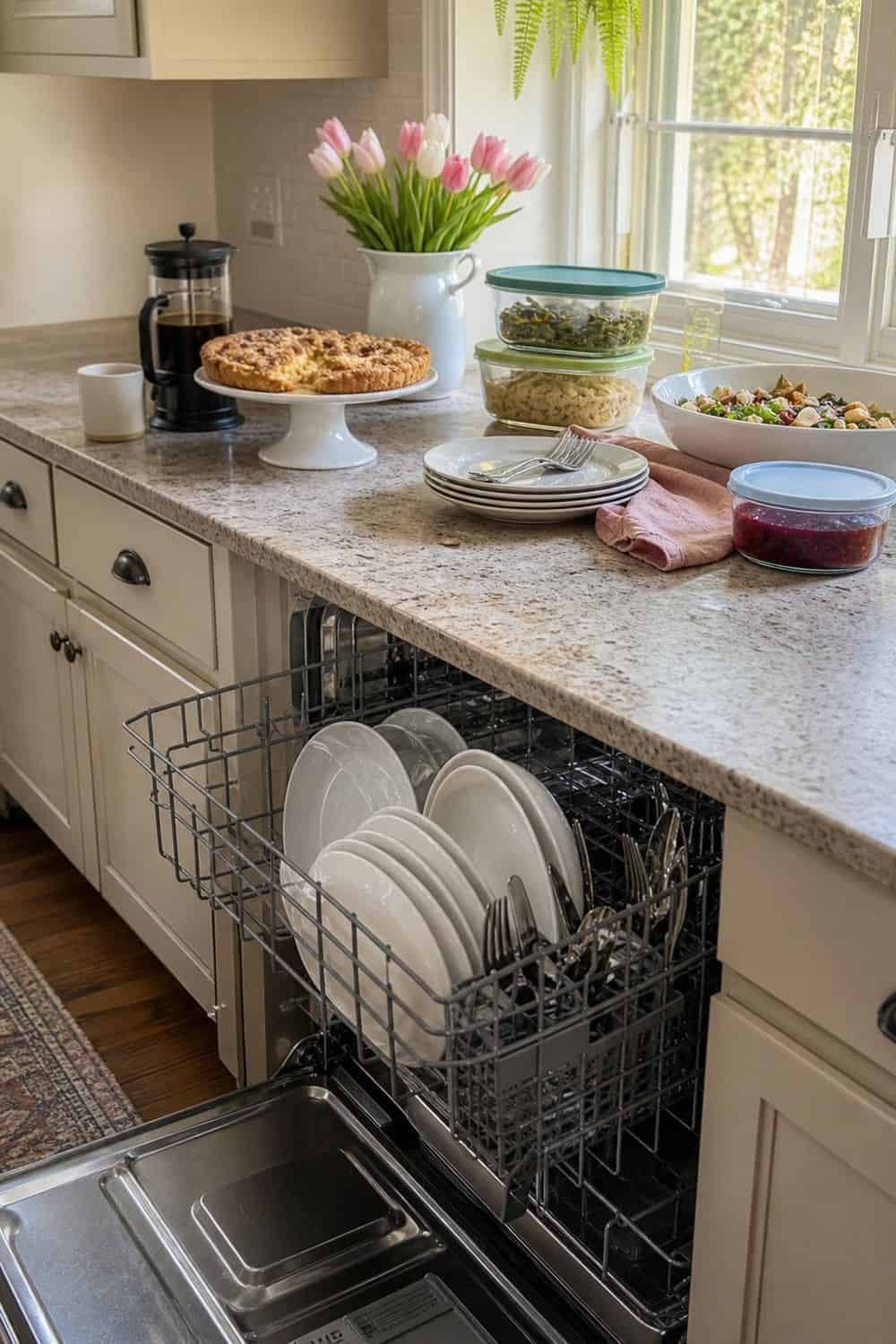
A short post-lunch reset protects the rest of the holiday. Clear perishables, soak casserole dishes, run the dishwasher, wipe the buffet, move leftovers to the refrigerator, and leave coffee or dessert available for anyone still lingering.
The reset does not have to be perfect; it just needs to stop the kitchen from becoming a full mess by evening. Ask one or two guests to carry plates, gather glasses, or fold linens while you handle food storage. Then you can sit down without facing every dish later.
Frequently Asked Questions
What should I serve for Easter lunch?
Serve one main dish, two sides, one fresh salad, bread, dessert, and drinks. Ham, lamb, salmon, roast chicken, baked pasta, or a vegetarian tart can anchor the meal, then add make-ahead sides and one crisp spring dish for balance.
How do I host Easter lunch without stress?
Keep the menu smaller, make sides ahead, set the table early, separate drinks from the food, label dishes, and write a timing plan. A relaxed Easter lunch depends more on flow and prep than on making many recipes.
What can I make ahead for Easter lunch?
Casseroles, potato dishes, desserts, chopped vegetables, deviled eggs, drinks, and salads with dressing kept separate can often be prepared ahead. Reheat hot dishes close to lunch and keep cold foods chilled until the buffet is ready.
Is Easter lunch better buffet-style or family-style?
Buffet-style service suits larger groups, mixed arrival times, and lots of side dishes. Family-style service suits a smaller seated meal with fewer platters. Choose the method that gives guests room to eat and the host room to serve.
How do you keep Easter buffet food warm?
Use covered dishes, warming trays, slow cookers, and smaller refills from the kitchen. Bring out hot food close to serving and avoid leaving meat, dairy sides, or creamy sauces on the buffet for the whole afternoon.
What are good Easter lunch ideas for kids?
Kids usually do well with rolls, fruit, plain vegetables, small portions of the main dish, divided plates, and an early snack if lunch is delayed. A timed egg hunt or simple activity can keep them included without crowding the buffet.
How do I decorate an Easter lunch table?
Use low flowers, pastel napkins, eggs, woven texture, and enough open space for platters and glasses. Keep tall arrangements, fragile pieces, and strong scents away from the main serving area so the table stays comfortable.
What time should Easter lunch be served?
Late morning to early afternoon usually fits Easter lunch, depending on church, travel, and egg hunt timing. If lunch will be closer to afternoon, offer a small arrival snack so guests and children are not waiting hungry.
Final Thoughts
The most useful Easter lunch hosting ideas make the day feel generous without making the host disappear. One main dish, make-ahead sides, a fresh salad, bread, simple labels, separate drinks, low flowers, kid-friendly timing, and a quick cleanup rhythm can turn Easter Sunday lunch into a calm family meal that still feels special.
Last update on 2026-09-18 / Affiliate links / Images from Amazon Product Advertising API