
The best summer fruit storage ideas start with sorting fruit by ripeness, keeping delicate fruit dry until eating, refrigerating the fruits that need cold storage, and freezing extras before they turn mushy or moldy. Berries, cherries, and grapes usually last best cold and dry, stone fruit and mangoes need time to ripen first, and cut melon or pineapple should go straight into covered containers in the fridge.
Summer fruit goes downhill fast when everything gets treated the same way. A hot kitchen, one crowded fruit bowl, a quick rinse that never dries fully, or a forgotten cut melon container can push peak fruit past its best window in a day or two.
These summer fruit storage ideas are meant to act like a decision map. Instead of memorizing a separate rule for every fruit, you can sort by moisture, ripeness, fruit type, cut-fruit safety, and freezer timing so your haul stays useful longer and less of it ends up as sticky mystery food.

Recommended Products for Summer Fruit Storage Ideas


You Might Also Like These Blog Posts
- How to Store Peaches
- How to Store Berries
- Produce Washing and Storage Routine
- Summer Fruit Ideas
- Summer Meal Prep
Summer Fruit Storage Basics That Matter Most
Summer fruit stays freshest when it is sorted by ripeness, kept dry until eating, stored by fruit type, refrigerated after cutting, and frozen before it gets overripe. Berries need cold dry airflow, stone fruit needs counter ripening followed by short fridge holding, grapes and cherries want cold dry storage, melons need rind washing before cutting and cold covered storage after cutting, and mangoes do best with counter ripening first.
Keep the fridge cold, watch for moldy, slimy, sour-smelling, leaking, fizzy, or badly bruised fruit, and remember that summer heat speeds everything up. Peak fruit is usually better frozen a little early than rescued too late.
1. Sort Summer Fruit by Ripeness First
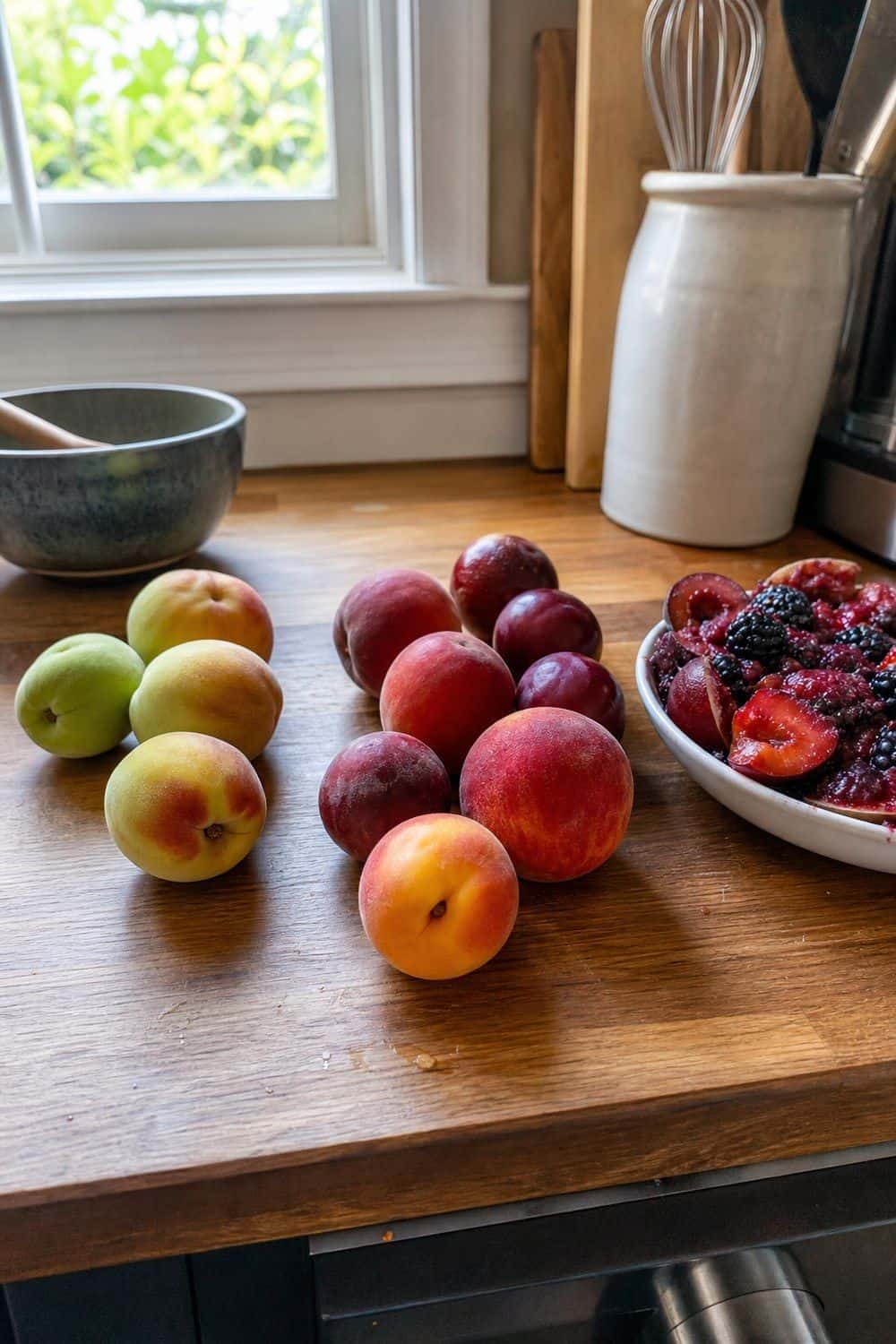
Sort fruit into three groups when it comes home: eat today, ripen on the counter, and chill or freeze soon. Keep soft peaches, fragrant mangoes, berries, grapes, and cut fruit separate so delicate pieces do not get buried under heavier fruit. That one pass gives you a real plan for snacks, smoothies, desserts, and freezer bags before the ripest fruit turns into a sticky emergency. If the counter looks crowded, move the chill-soon group first so the ripe fruit is not sitting in the warmest part of the kitchen.
2. Keep Most Fruit Unwashed Until Eating
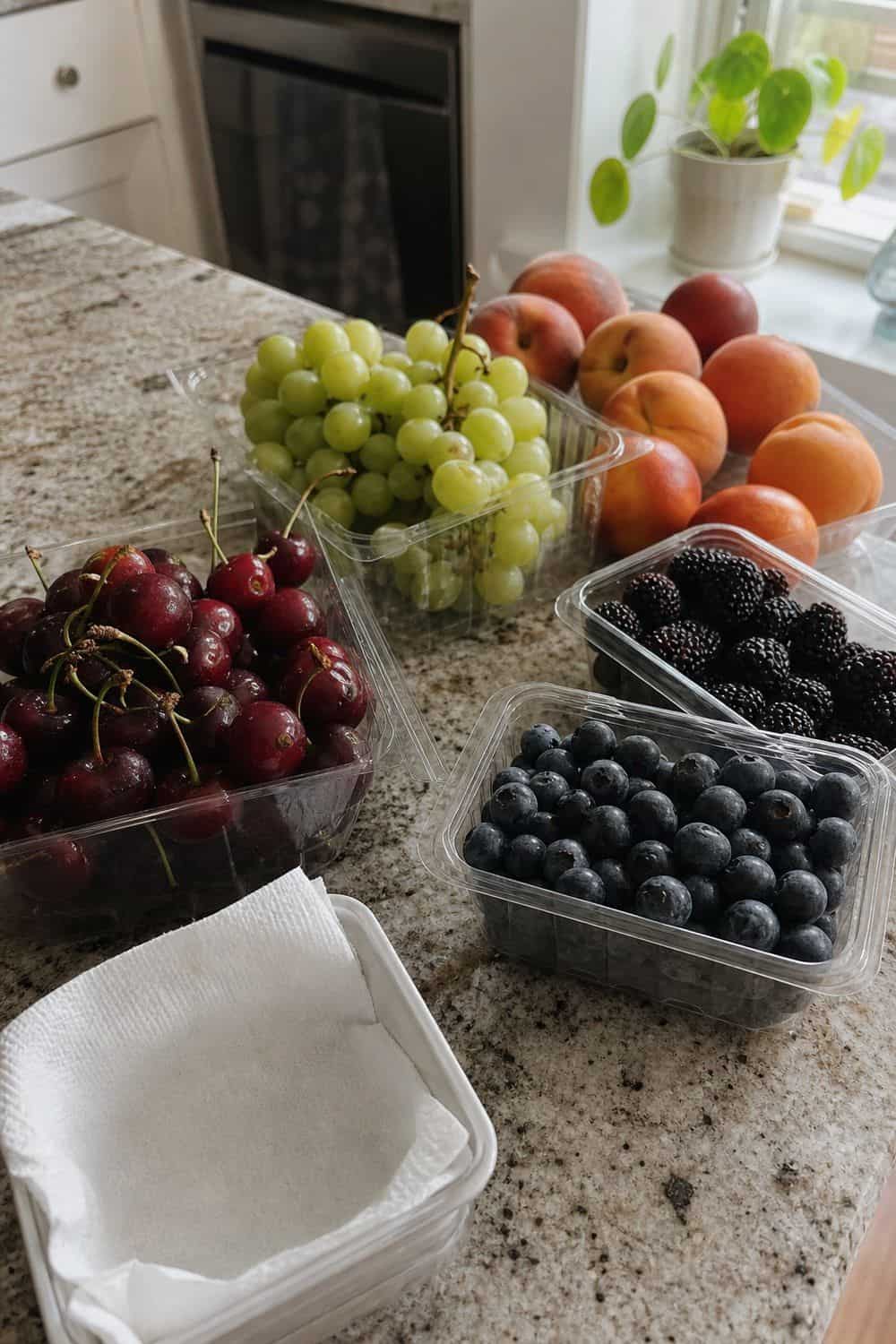
Leave most fruit unwashed until you are ready to eat it, especially berries, grapes, cherries, and stone fruit. Extra moisture encourages mold and soft spots, even when the fruit looks dry after a quick rinse. If you wash fruit ahead for convenience, dry it thoroughly and use a lined container so water does not sit against the skin. Washed fruit should be treated as eat-soon fruit, not something to forget for the week. This is especially helpful with mixed fruit hauls, where one rinsed berry basket can make the whole fridge drawer damp.
3. Separate Ethylene Producers From Fragile Fruit
Keep bananas, very ripe peaches, nectarines, and other ethylene-heavy fruit away from berries, grapes, and anything already fragile. You do not need a complicated setup; a separate bowl, shelf, or counter corner is enough.
This matters most after a farmers market trip, when everything looks beautiful but is not at the same stage. Move ripe pieces to the fridge or freezer before they start softening the fruit beside them. If you are unsure, keep the fragile fruit in the fridge and the ripening fruit on the counter until each group has a clear next step.

4. Give Stone Fruit a Counter Ripening Zone
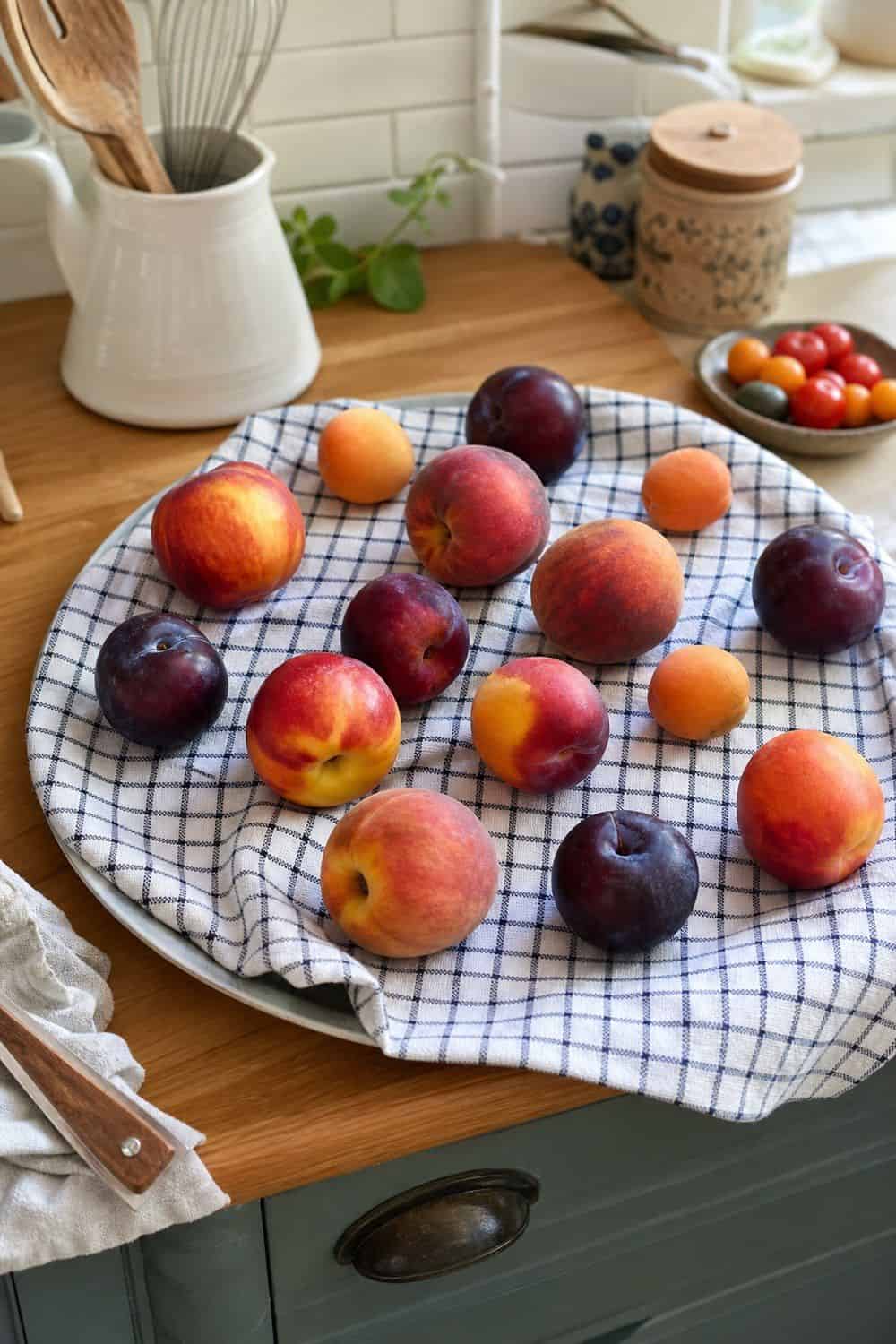
Give peaches, nectarines, plums, and apricots a single-layer counter spot while they finish ripening. A shallow bowl, plate, or towel-lined tray works better than a deep fruit bowl because pressure marks turn into bruises quickly. Check daily by aroma and gentle give near the stem, then chill ripe pieces you will not eat right away. Turn the fruit only when needed and avoid squeezing it repeatedly, because checking too aggressively can create the bruises you are trying to prevent. Leave a little air between pieces so one soft peach does not press into the next.
5. Move Ripe Stone Fruit to a Shallow Fridge Tray
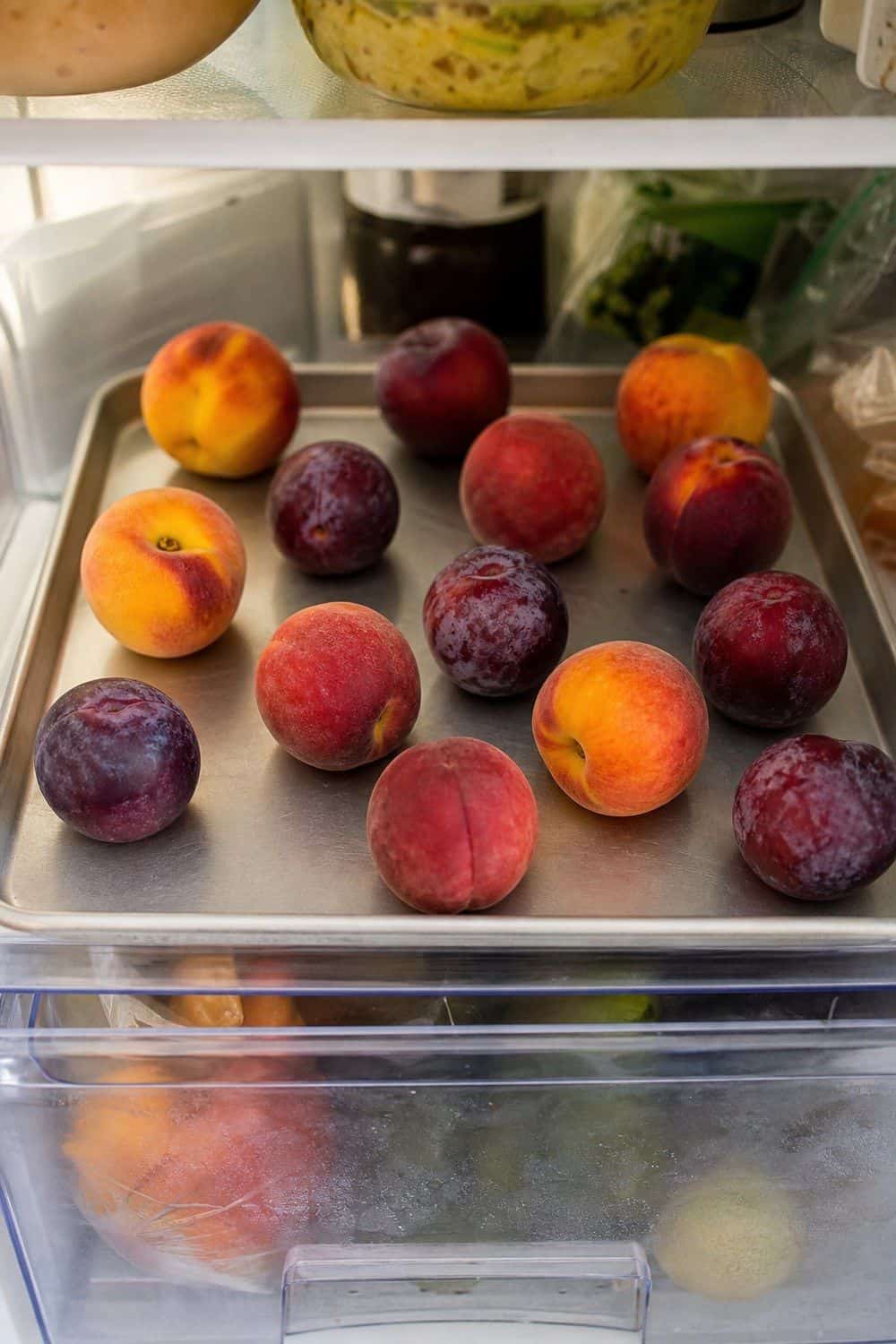
Move ripe stone fruit to the fridge only after it has softened and become fragrant. Use a shallow tray or container so peaches and plums are not stacked under heavier produce. Cold storage buys a little time, but it does not improve flavor.
Plan to eat, bake, grill, or freeze the fruit within a short window so it does not sit until the texture turns woolly or wet. A labeled tray also helps everyone know which fruit should be eaten first instead of reaching for the firmer pieces again.
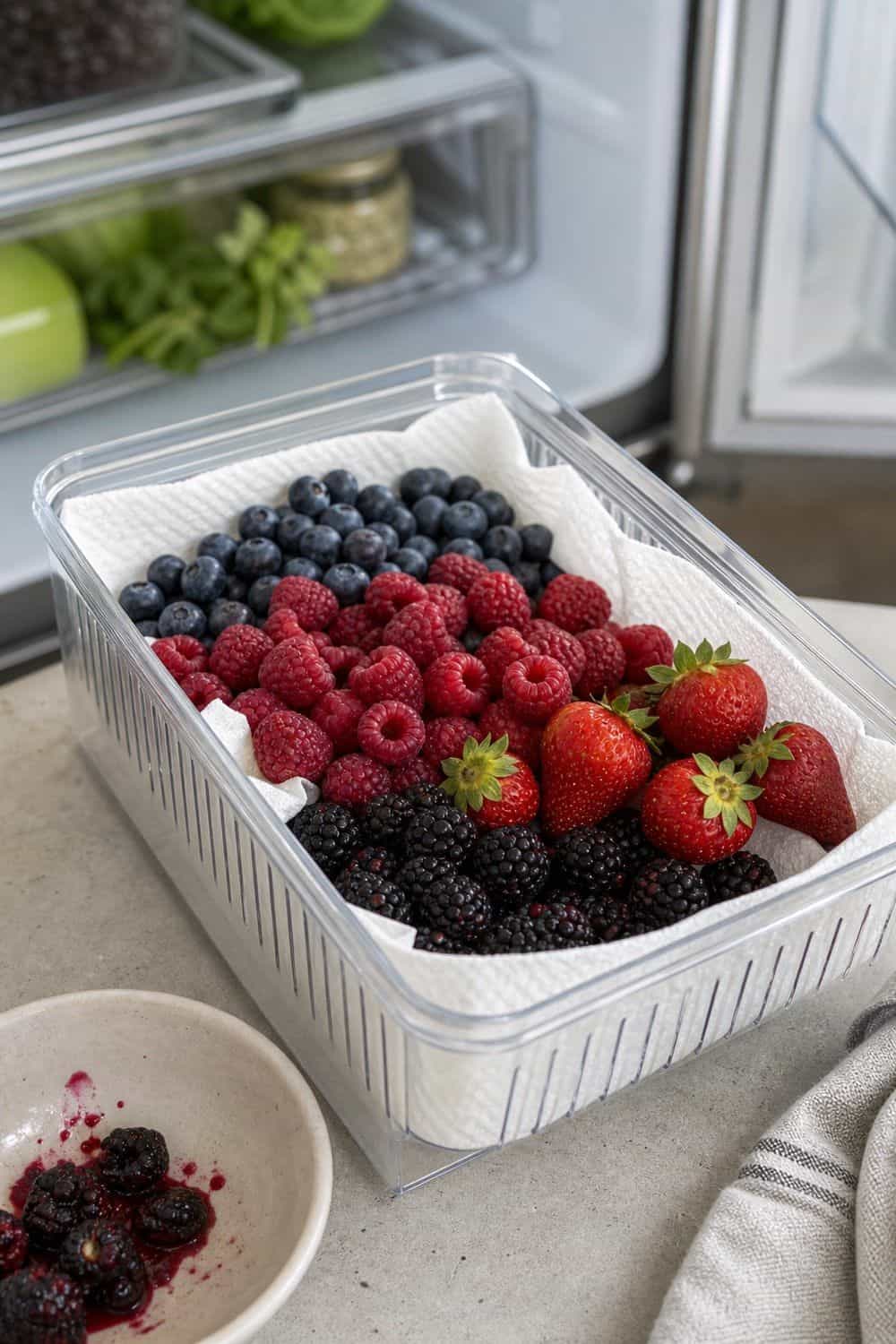
6. Store Berries Cold, Dry, and Lightly Ventilated
Keep berries cold, dry, and lightly ventilated, with crushed or moldy berries removed before the container goes into the fridge. A paper towel or clean cloth can catch extra moisture, but the berries still need airflow so they do not sweat.
Store them near the front, where they are easy to check and more likely to be eaten before sturdier fruit. If the original clamshell is wet, move the berries to a dry container rather than trusting the packaging to recover on its own.
7. Keep Cherries Stems-On Until Serving
Cherries keep better when they stay cold and dry, with stems left on until serving or pitting. The stems help reduce moisture loss and make it easier to spot fruit that is shriveling or soft. Rinse only the amount you need, then return the rest to a breathable bag or container. If a few cherries split or leak, pull them out before the juice spreads through the whole batch. For a snack board, chill the cherries first and rinse them just before they go out so the bowl stays glossy without sitting wet.

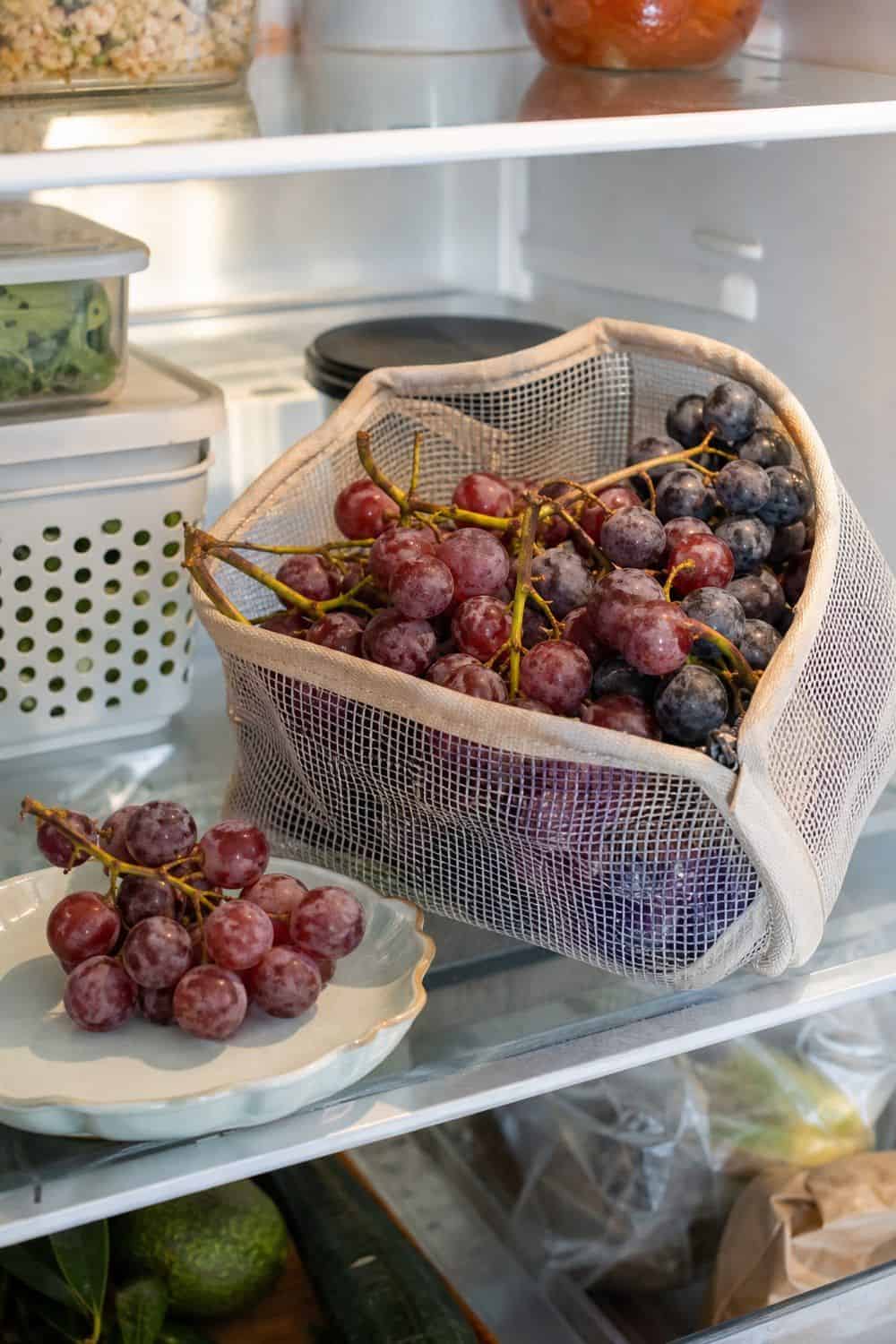
8. Store Grapes Unwashed in Ventilated Fridge Storage
Store grapes unwashed in a ventilated bag or container in the fridge, then rinse only the portion you plan to eat. Too much moisture in a sealed container can make grapes soften faster, especially if a few are already loose or split. Remove damaged grapes when you see them and keep the bunch away from foods with strong odors. If the bunch is large, break off smaller clusters for serving and leave the rest cold so the whole bag is not handled every time.
9. Hold Whole Watermelon in a Cool Dry Spot
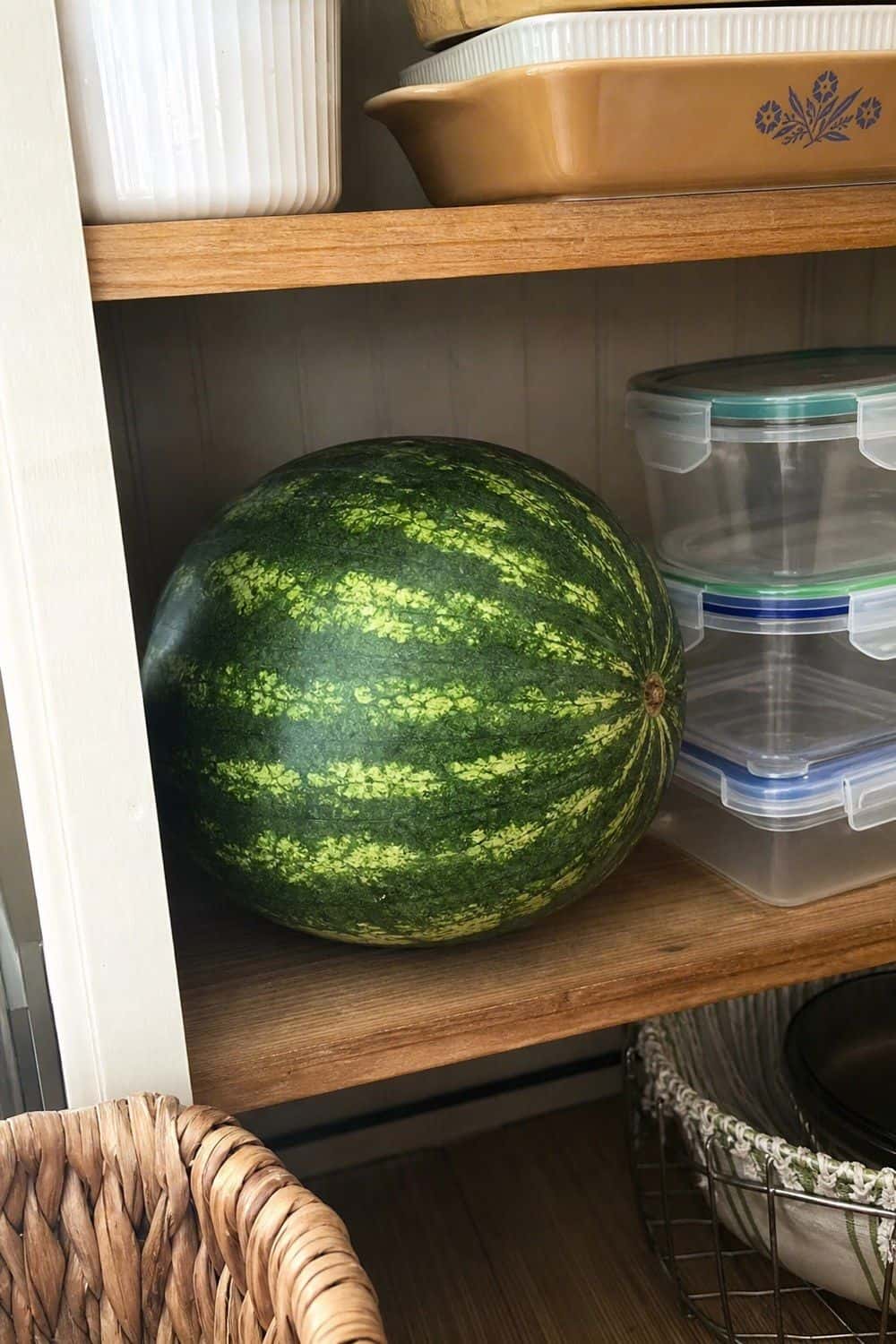
A whole watermelon can sit in a cool, dry spot if you plan to serve it soon and the kitchen is not overheated. Once it is cut, the storage rule changes completely: cover the pieces and refrigerate them promptly.
Plan the cutting time around fridge space. One whole melon may fit on the counter, but sliced watermelon suddenly needs containers, shelf room, and a clear eat-first plan. If you only need half, cut the other half into a container right away instead of leaving a wrapped wedge to drip on the shelf.
10. Refrigerate Whole Cantaloupe and Honeydew When They Are Ripe
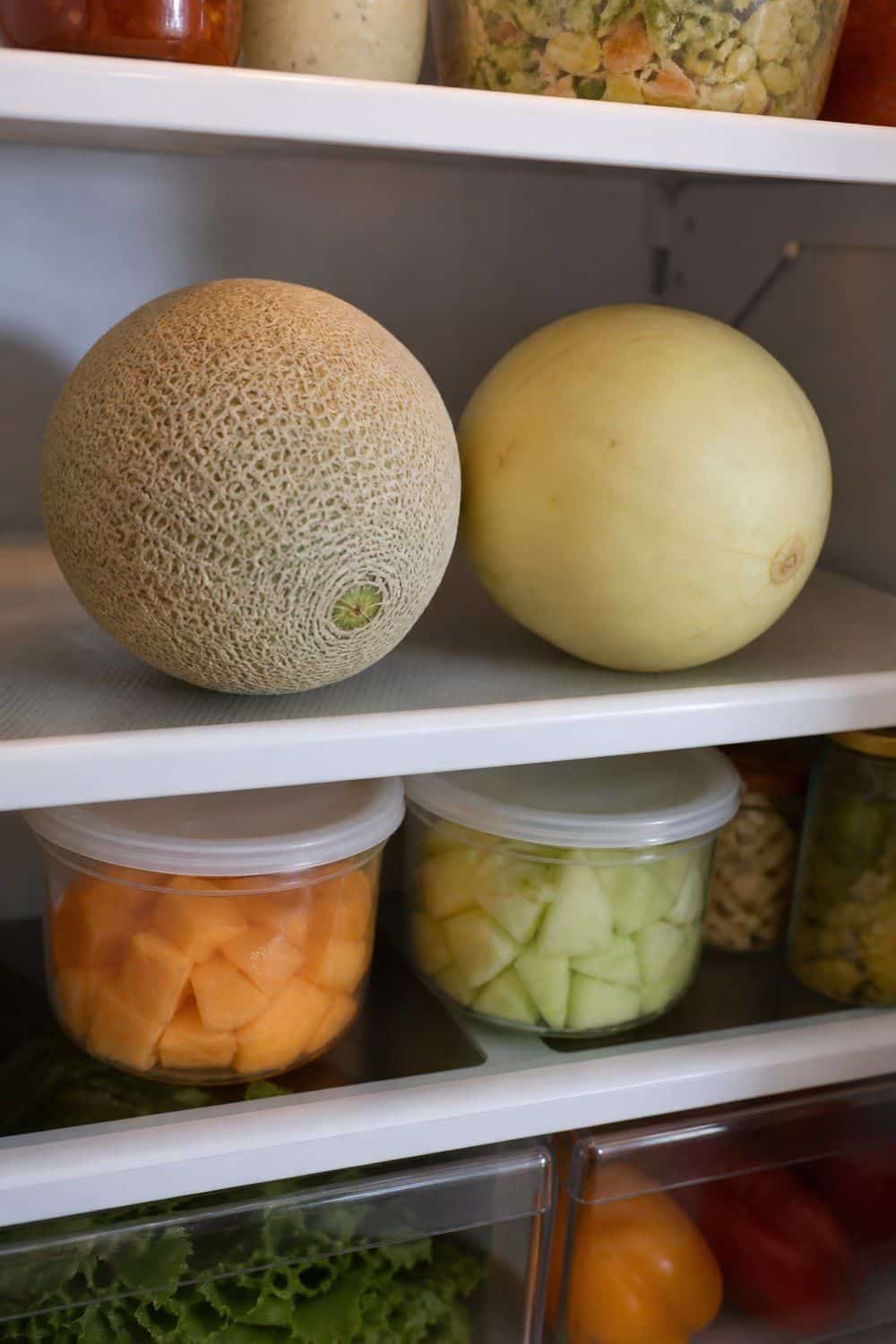
Let cantaloupe and honeydew finish ripening, then refrigerate them once they smell sweet and feel ready. Wash the rind before cutting so the knife does not drag surface dirt into the flesh. After cutting, store the melon in covered containers and keep it cold until serving, especially if it is headed for a picnic or snack plate. For fruit salad, keep melon separate until close to serving if you do not want its juice softening berries or stone fruit. This keeps the bowl cleaner and gives you more control over texture.
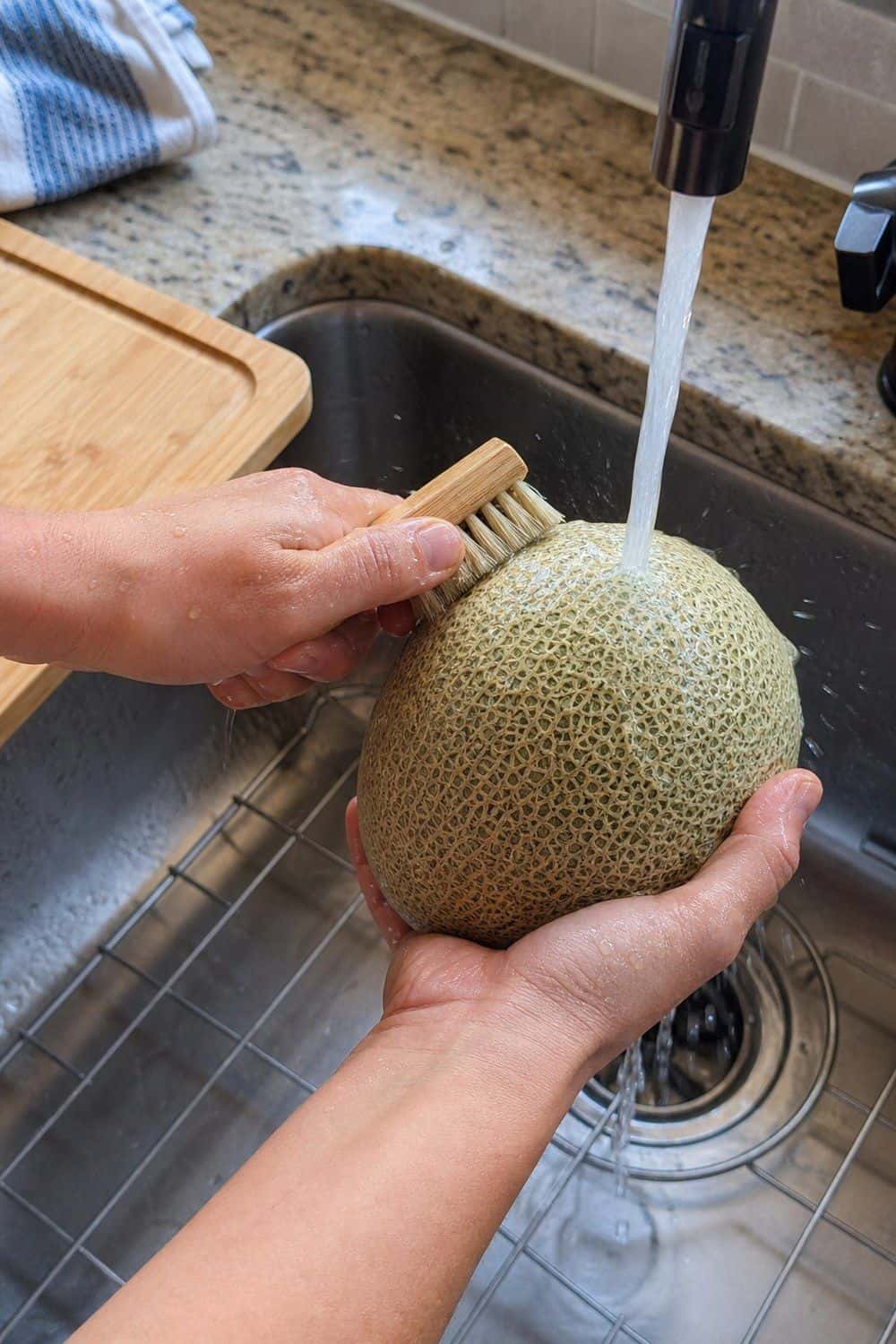
11. Scrub Melon Rinds Before Cutting
Scrub melon rinds under running water before cutting, even when you are not eating the peel. The knife travels from the outside into the fruit, so a quick wash matters more than how clean the rind looks. Dry the melon before slicing so it is less slippery on the cutting board. This is a small step, but it makes cut melon feel much less risky in a busy summer kitchen. Use a clean board after washing, not the same spot where the unwashed rind sat, so the prep step actually helps.
12. Store Cut Melon in Airtight Containers
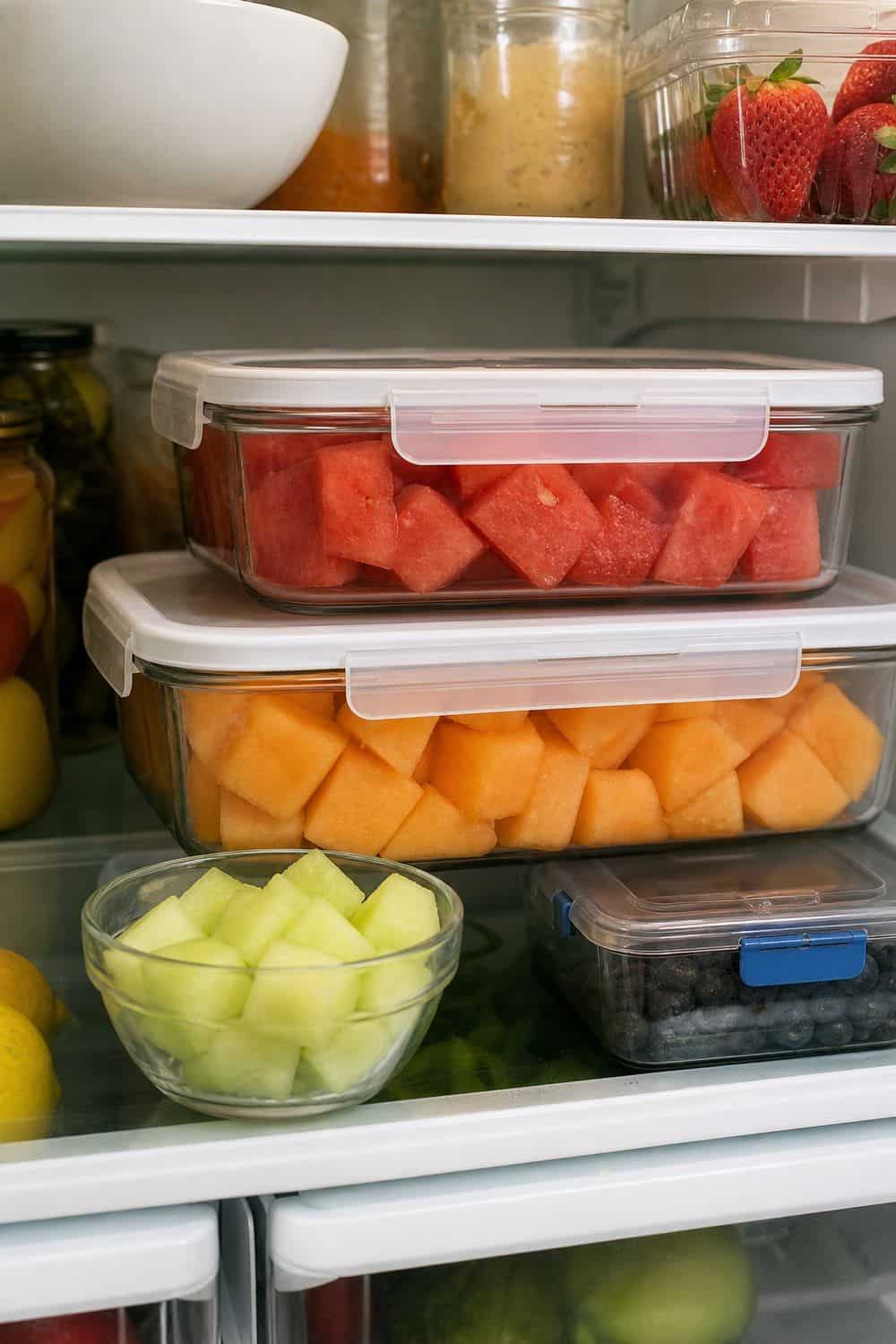
Store cut melon in covered containers in the fridge as soon as the cutting is done. Wide, shallow containers help the pieces hold their shape and keep extra juice from pooling too deeply. For parties, put out smaller chilled bowls and refill them instead of leaving the full batch on the table. The fruit looks fresher, and the backup portion stays cold. A quick date label is useful here because cut melon can look fine longer than it tastes fresh.
13. Ripen Mangoes on the Counter, Then Chill
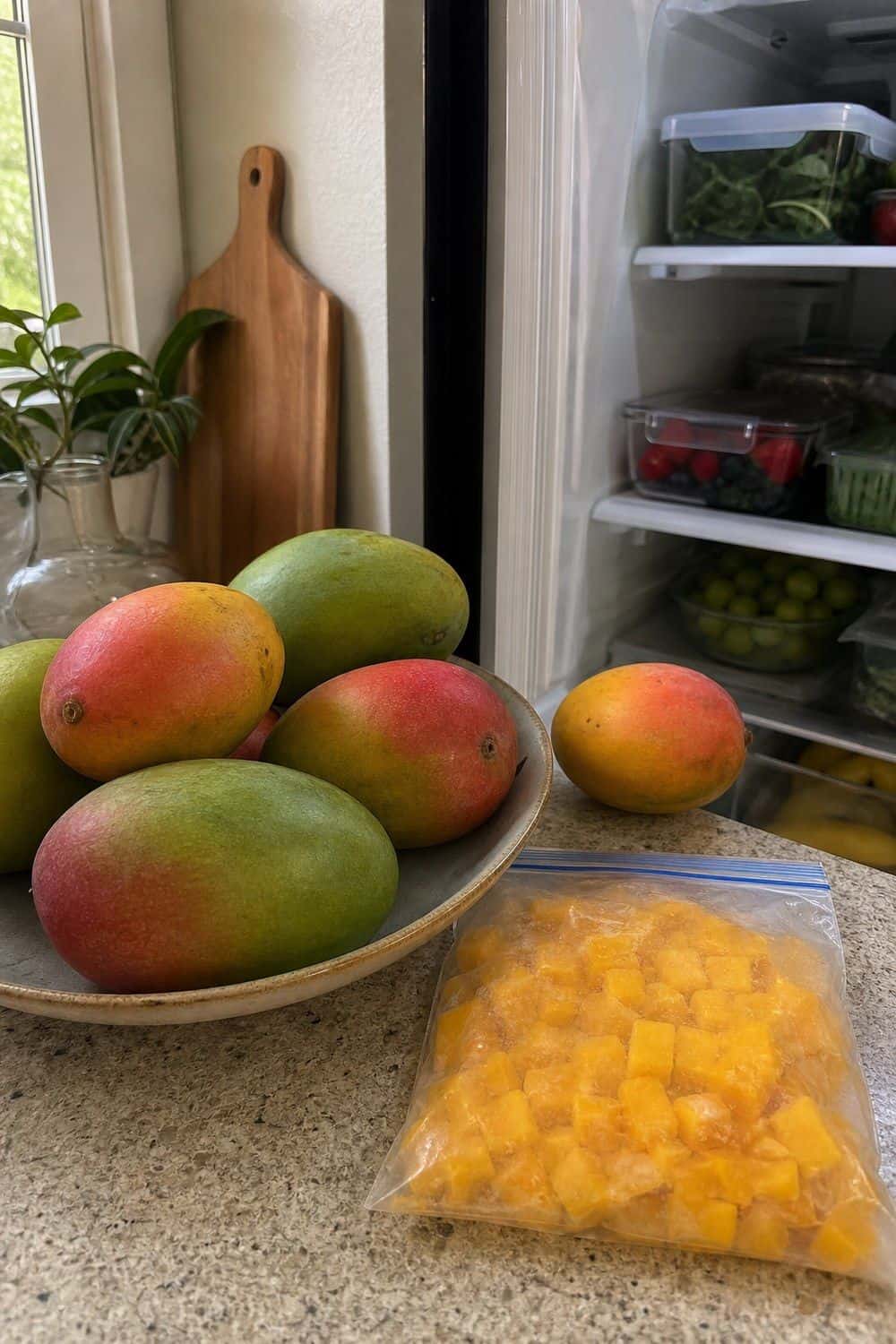
Ripen mangoes on the counter until they smell fruity and give slightly, then move ripe ones to the fridge. Do not judge only by color, because different varieties can stay green, red, or yellow while ripening. Once cut, mango belongs in a covered fridge container and should be used before it gets slippery or sour. For smoothies, cube ripe mango before freezing so you can use a handful at a time without thawing the whole container. A small flat bag is much easier to portion than a deep block.
14. Store Cut Mango and Pineapple Separately
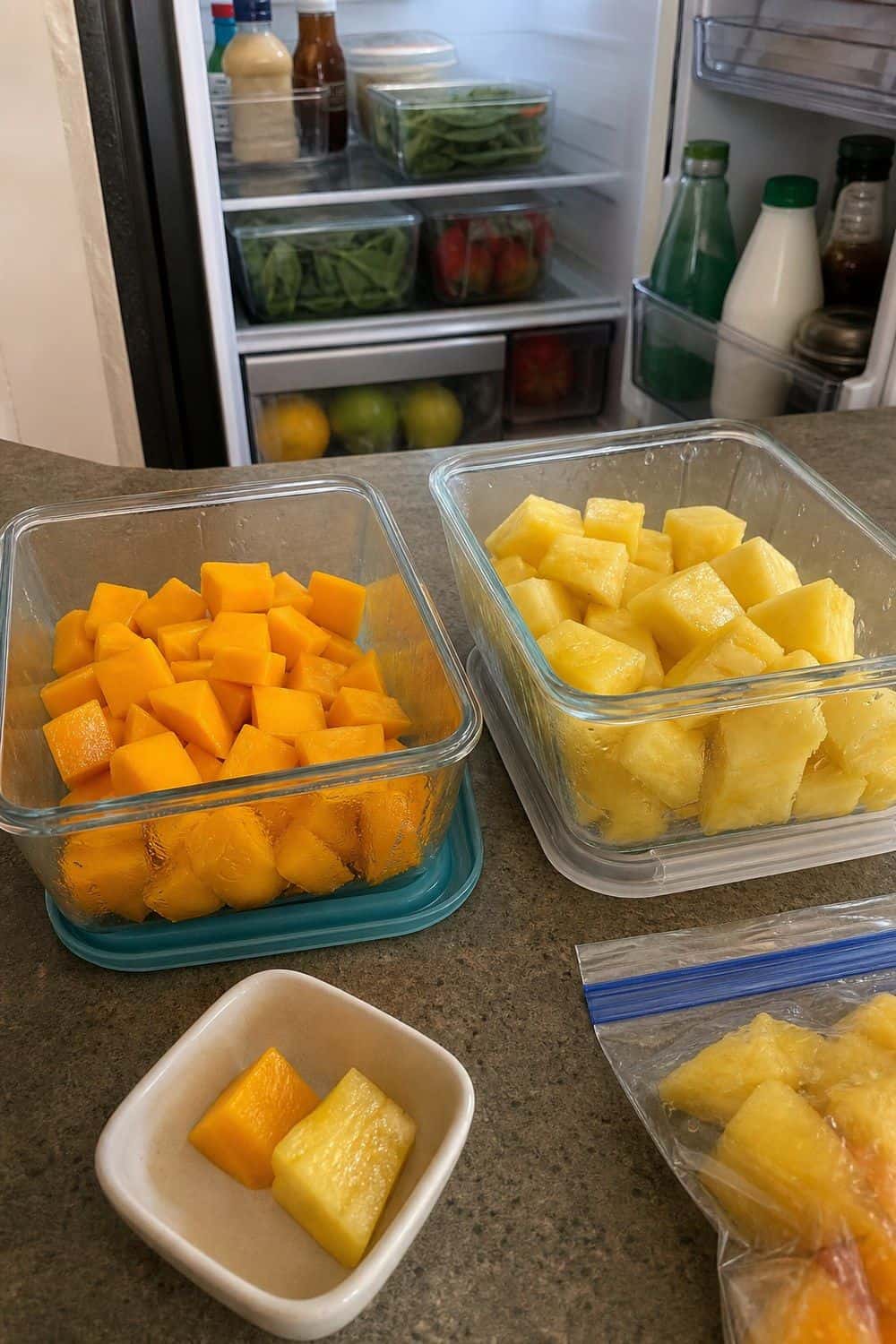
Store cut mango and pineapple in separate covered containers so their juices, aromas, and textures do not blur together. Pineapple can be sharp and juicy, while ripe mango softens quickly, so mixing them can make both feel tired sooner. Keep a small portion ready for snacking and freeze any extra before it turns syrupy. Separate containers also make it easier to use one fruit for salsa and the other for smoothies. This also gives you more options later, since pineapple can go into salsa or drinks while mango can go into yogurt or smoothies.
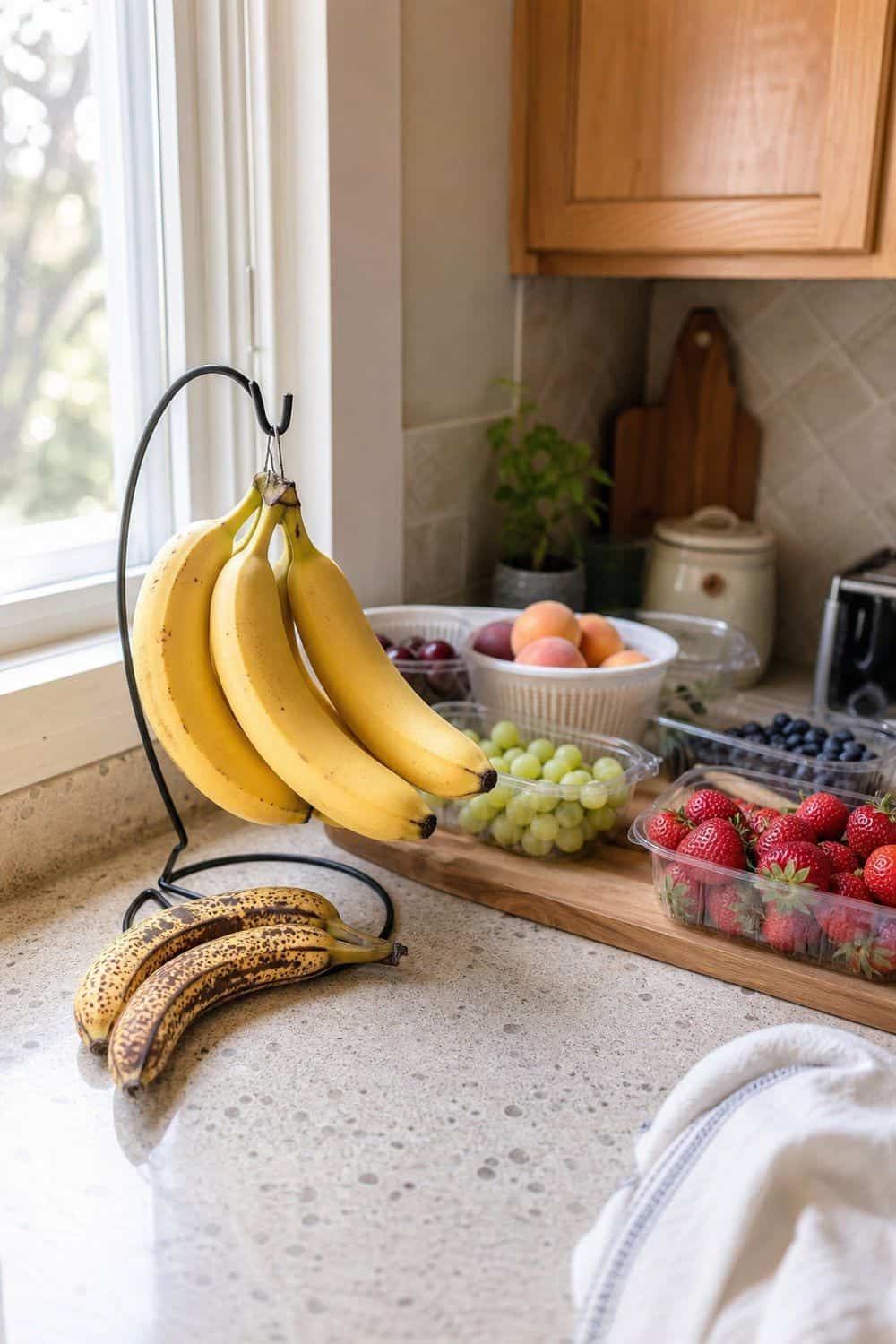
15. Hang Bananas Away From Other Fruit
Hang or separate bananas when you do not want them ripening everything nearby. They are useful when you want to speed up a paper bag of underripe fruit, but they are annoying beside berries, grapes, or peaches that are already close to ready.
Keep them in their own spot and move overripe bananas toward baking, smoothies, or the freezer. If the bananas are already speckled, peel and freeze them before they start perfuming everything else on the counter. Keep one fresh banana out only if you know it will be eaten soon.
16. Build an Eat-First Fruit Bin
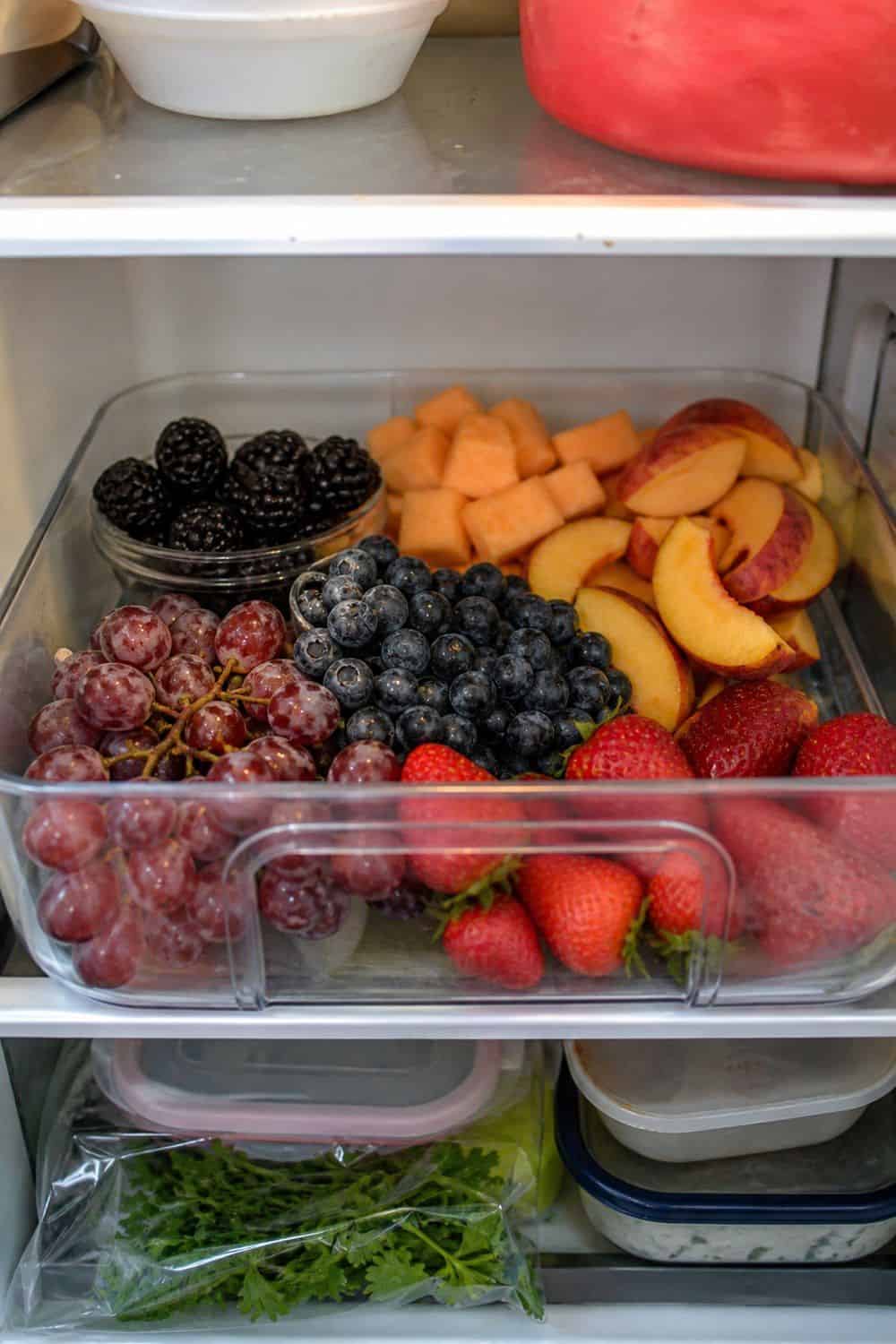
Build one eat-first fruit bin for pieces that are ripe, bruised, cut, or close to their last good day. Keep it near eye level so it becomes the first snack option instead of a hidden guilt pile. Use that bin for smoothies, yogurt bowls, toast, compote, or freezer prep before opening newer fruit. It makes waste prevention feel like a normal routine, not a rescue mission. Treat this as the household permission slip to eat the imperfect fruit first, not as a place where fruit goes to be ignored.
17. Add Lemon to Cut Fruit That Browns
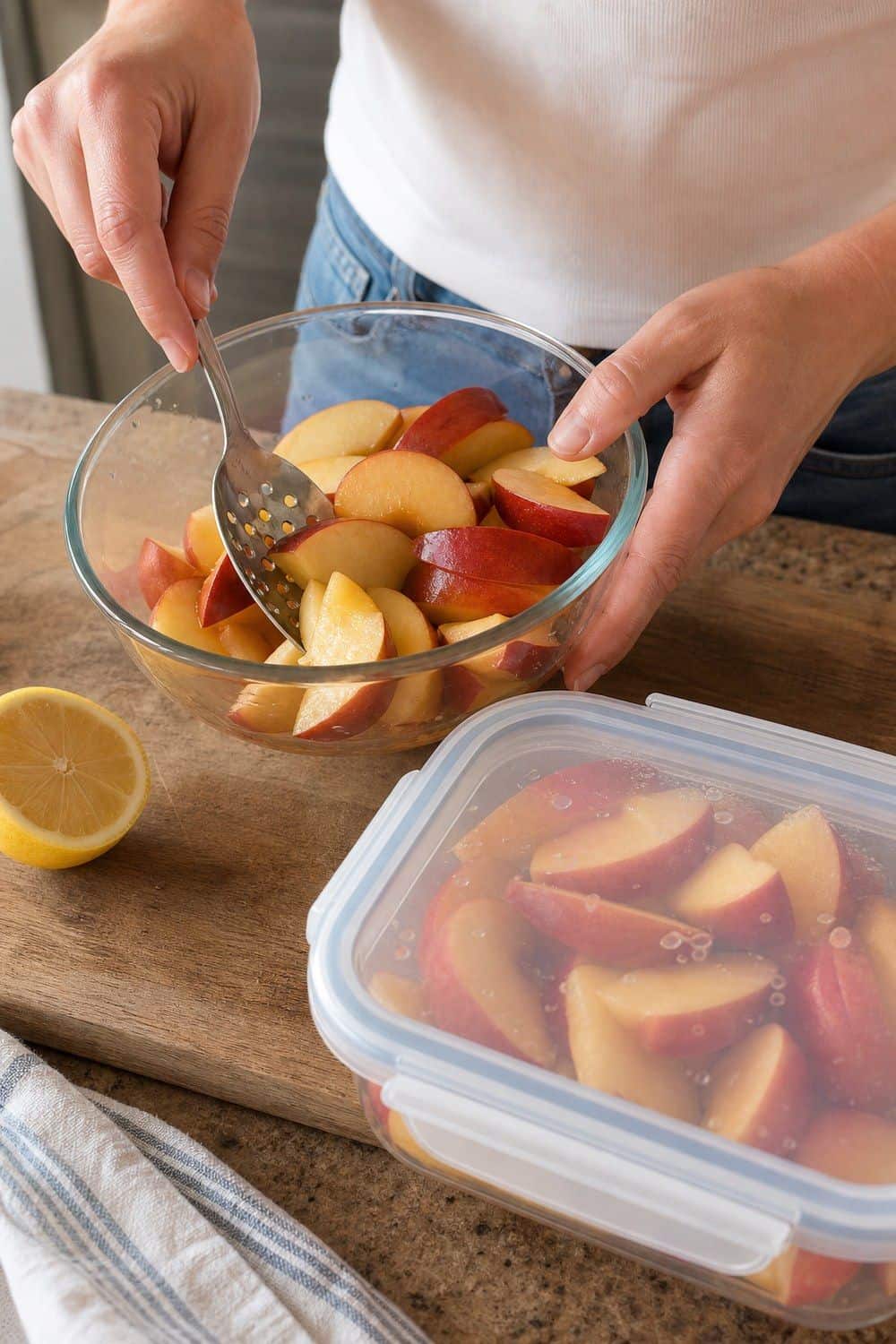
A little lemon juice helps cut fruit that browns, such as apples, pears, or some stone fruit slices. Toss gently instead of soaking the fruit, because too much acid can make a snack plate taste sharp.
For packed lunches, keep the fruit cold and sealed so the lemon helps color without turning the container wet. Drain any extra juice before packing, especially if the fruit is going beside crackers, sandwiches, or anything that should stay dry. A small fork or slotted spoon helps more than adding extra lemon.
18. Freeze Summer Fruit in a Single Layer
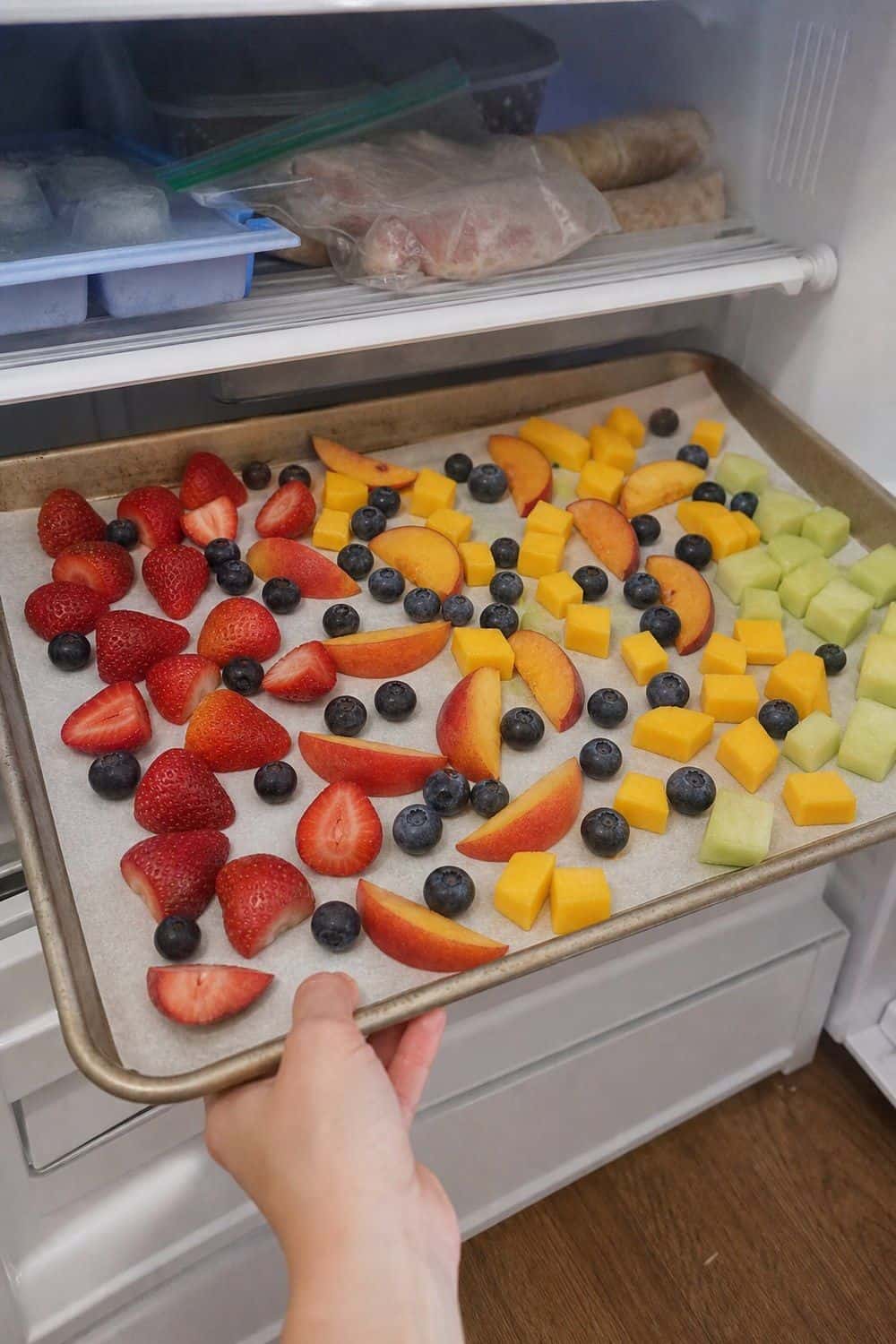
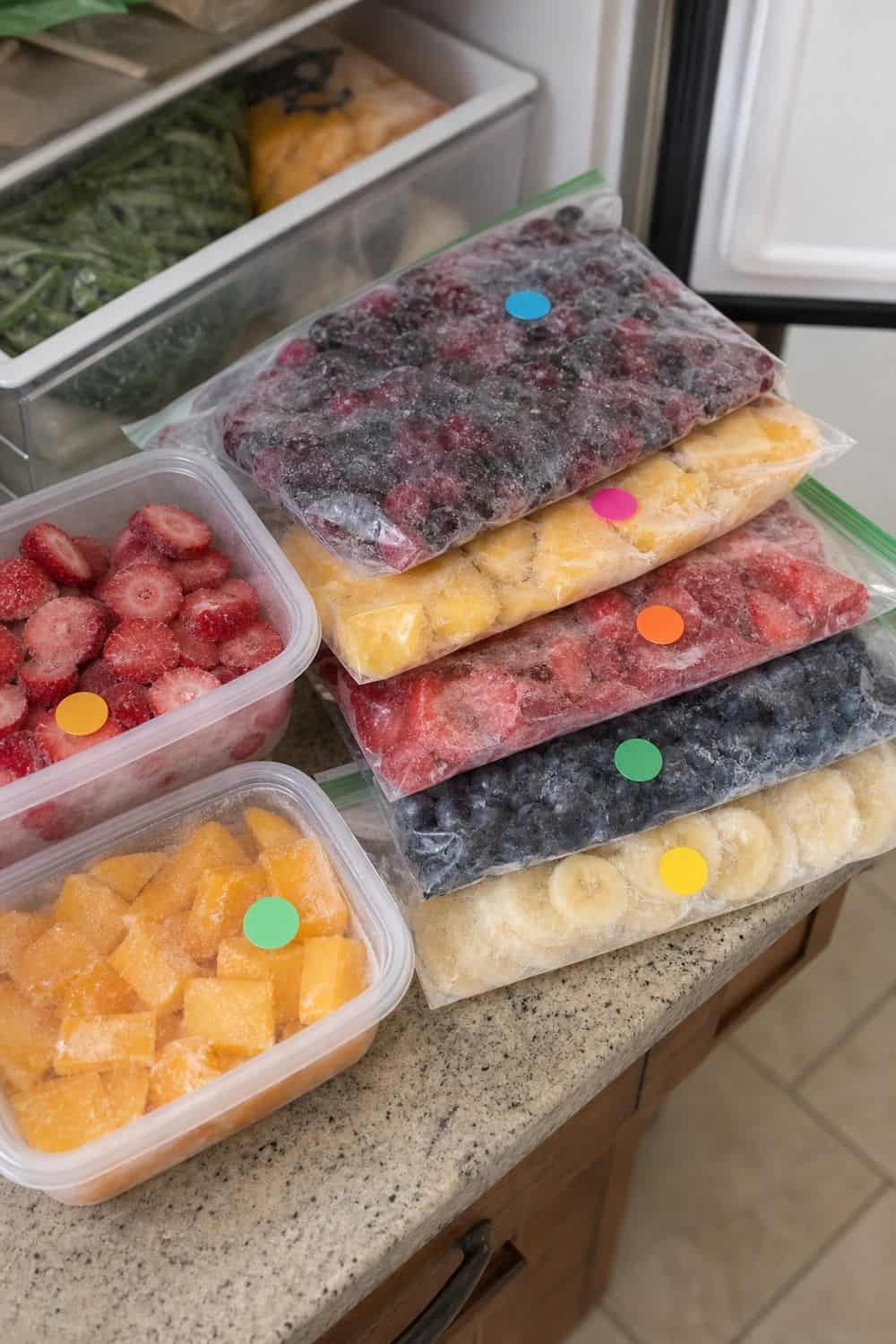
Freeze fruit in a single layer on a lined tray before moving it into bags or containers. This keeps berries, peach slices, mango cubes, and melon pieces from becoming one frozen block. Once the fruit is firm, pack it quickly, press out extra air, and label the bag with the fruit and date.
The tray step takes a little space, but it makes the freezer stash much easier to use. For very juicy fruit, pat pieces dry first so ice crystals do not glue the fruit to the tray.
19. Pack Frozen Fruit by Use
Pack frozen fruit by future use: smoothies, baking, compote, drinks, or sauces. Smaller bags thaw faster and keep you from breaking apart a large icy clump for one breakfast. Write the use on the label if the pieces are mixed, peeled, sugared, or cut in a way that matters later. Flat bags are easier to stack, but small rigid containers are better when the fruit is delicate or already saucy. Keep mixed fruit portions small so one thawed bag has a clear destination.
20. Label Summer Fruit Before It Becomes Mystery Food
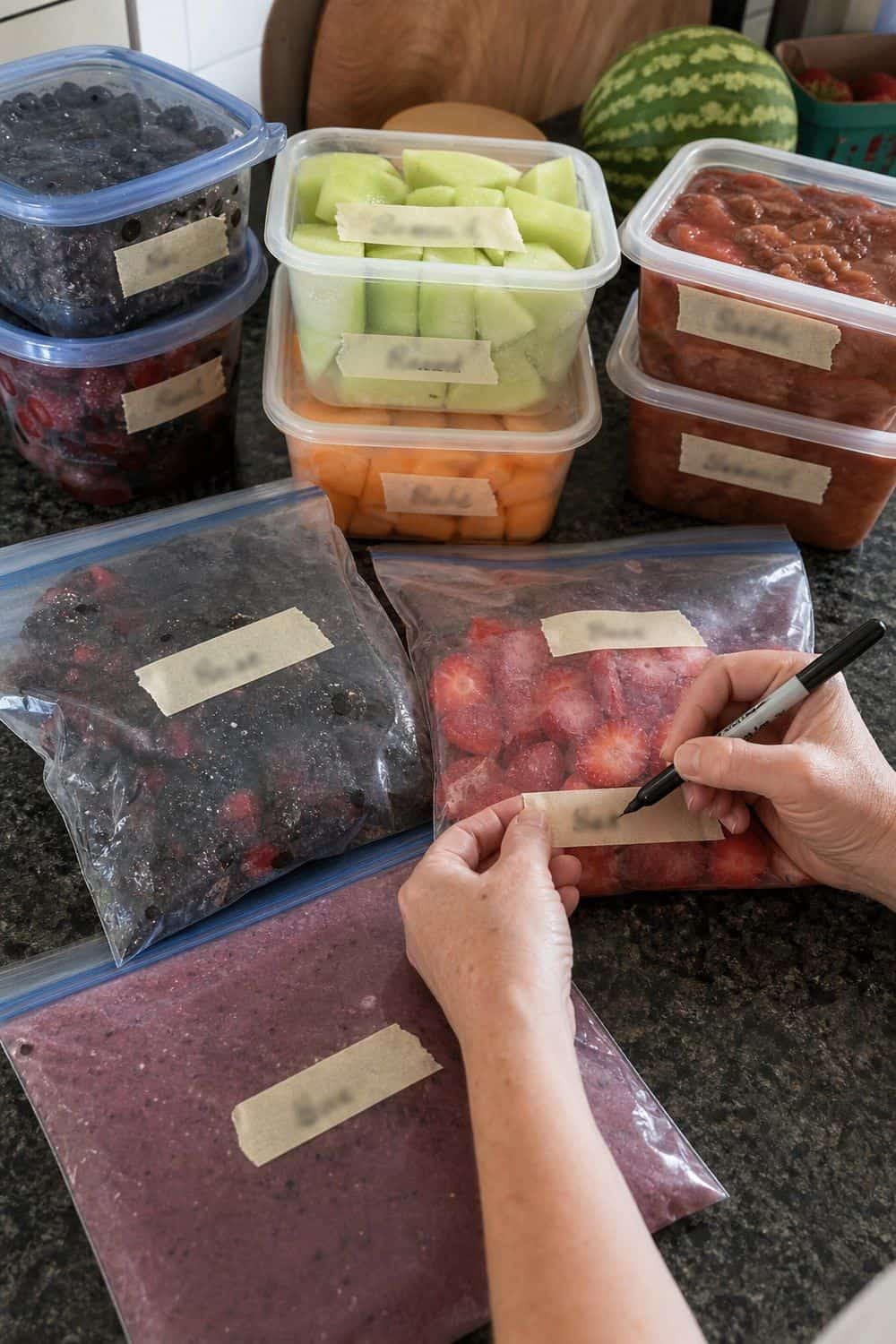
Label containers before summer fruit becomes anonymous in the fridge or freezer. Use the fruit name, date, and intended use, especially for cut melon, mixed berries, smoothie bags, or cooked fruit. A plain label is enough. The win is knowing what to eat first, what can wait, and which bag is meant for smoothies instead of pie. Keep the label on the side you see first in the freezer or fridge so the reminder works before the container gets pushed back.
Frequently Asked Questions
What are the best summer fruit storage ideas?
The best summer fruit storage ideas start with sorting fruit by ripeness, keeping it dry until eating, refrigerating the fruits that need cold storage, and freezing extras before they spoil. Matching the storage method to the fruit type usually works better than treating every fruit the same way.
Which summer fruits should be refrigerated?
Berries, cherries, grapes, ripe stone fruit that will not be eaten soon, ripe cantaloupe or honeydew, and all cut fruit should be refrigerated. Mangoes and peaches usually need room-temperature ripening first, but they can be chilled once ripe.
Which summer fruits should ripen on the counter?
Stone fruit such as peaches, nectarines, plums, and apricots usually ripen best on the counter first. Mangoes also tend to ripen at room temperature before they move to the fridge for a short holding period.
Should you wash summer fruit before storing it?
Usually no for delicate fruit. Most summer fruit lasts better when it stays dry in storage and gets washed right before eating or cutting, unless you are preparing it immediately for freezing or another same-day use.
How do you store cut watermelon and melon?
Wash and scrub the rind before cutting, then refrigerate the cut melon promptly in airtight containers. Once melon is cut, it is perishable and should not be left around like whole fruit.
How do you keep berries, cherries, and grapes fresh?
Keep them cold, dry, and unwashed until eating. Remove damaged fruit quickly, avoid crowding, and use containers that let moisture stay under control instead of trapping everything in a damp pile.
What summer fruit freezes well?
Berries, peaches, nectarines, plums, cherries, mango, pineapple, and banana all freeze well when they are dried, cut if needed, frozen in a single layer, and then packed into bags. They are usually best later in smoothies, baking, sauces, or frozen drinks.
How do you know when summer fruit has gone bad?
Mold, slime, sour smells, leaking juice, fizzing, or severe bruising are all signs that summer fruit has gone past safe or pleasant use. When fruit is clearly breaking down, it is better to discard it than try to trim around the problem.
Final Thoughts
The most useful summer fruit storage ideas are the ones that help you decide quickly: what stays dry, what needs cold storage, what should ripen first, what needs cutting safety, and what should head to the freezer now instead of next week. Once those decisions get easier, fruit waste usually drops with them.
If you only keep one rule in mind, make it this: sort fruit early and respect its clock. Summer fruit is at its best for a short time, and the right storage move at the right moment matters more than any perfect container ever will.
Last update on 2026-09-17 / Affiliate links / Images from Amazon Product Advertising API