
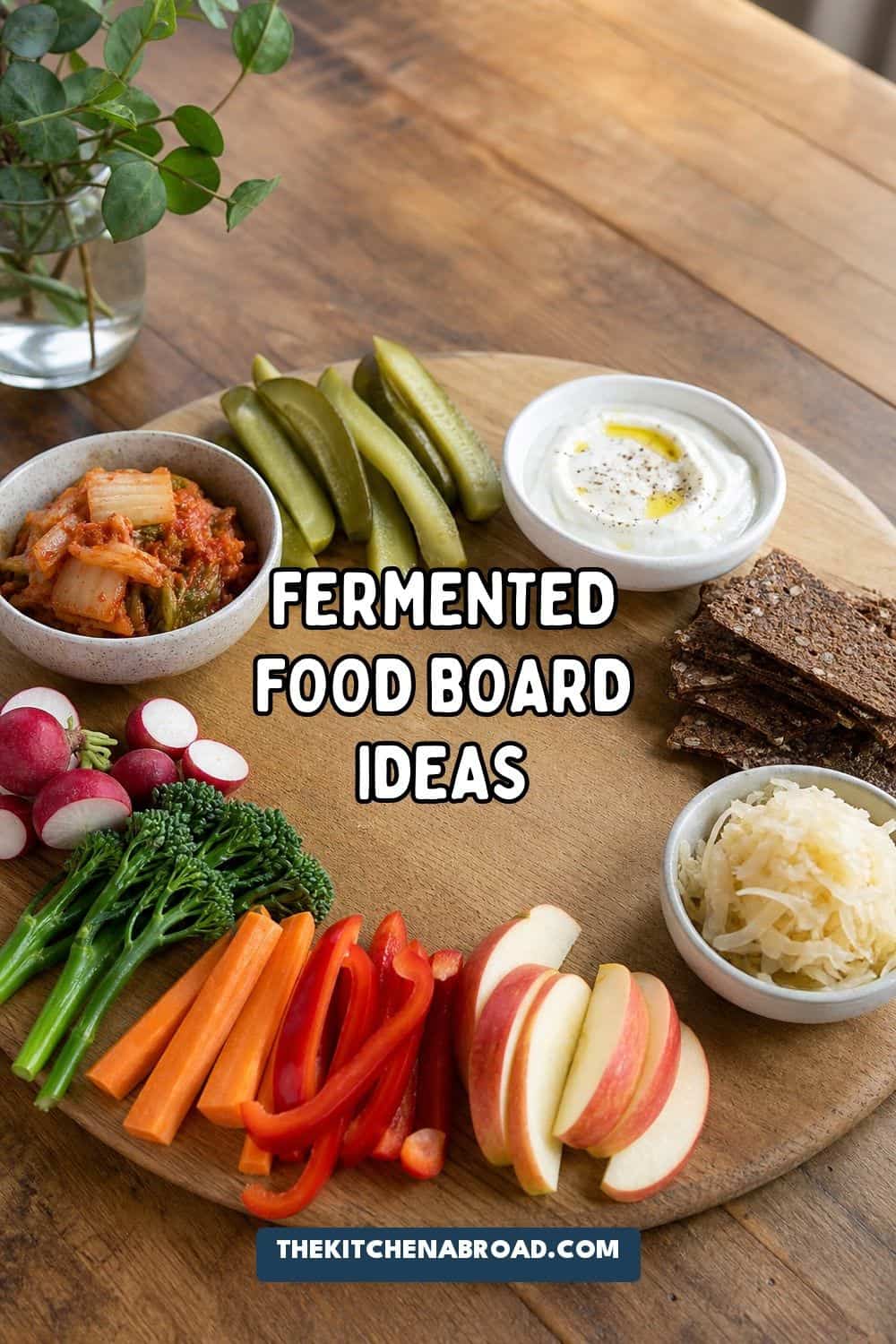
Fermented food board ideas for cozy food moments feel most inviting in small portions, with tangy, salty, creamy, fizzy, and umami foods balanced by crackers, vegetables, fruit, grains, nuts, and warm bites. Use bowls, jars, ramekins, tongs, and chilled platters to control brine, smell, moisture, and serving temperature.
A fermented food board lets you serve bold foods without making the whole snack table feel sour or intimidating. Kimchi, sauerkraut, kefir, miso, yogurt, tempeh, aged cheese, and fermented pickles all become easier to enjoy when they are paired with something crisp, creamy, rich, mild, or warm.
Keep portions small, especially for guests who are new to fermented foods. Fermented and vinegar-pickled foods are not always the same, and refrigerated live ferments are the better target when live cultures matter. For serving, think chilled dairy, drained brines, dedicated spoons, and tidy containers.
Top Recommended Products


You Might Also Like These Blog Posts
- Cabbage Food Ideas
- Probiotic Drink Station Ideas
- Healthy Snack Plate Ideas
- Winter Food Board Ideas
- Sunday Reset Food Ideas
Fermented Food Board Ideas for Tangy, Snackable Spreads
1. Kimchi Fried Rice Snack Board
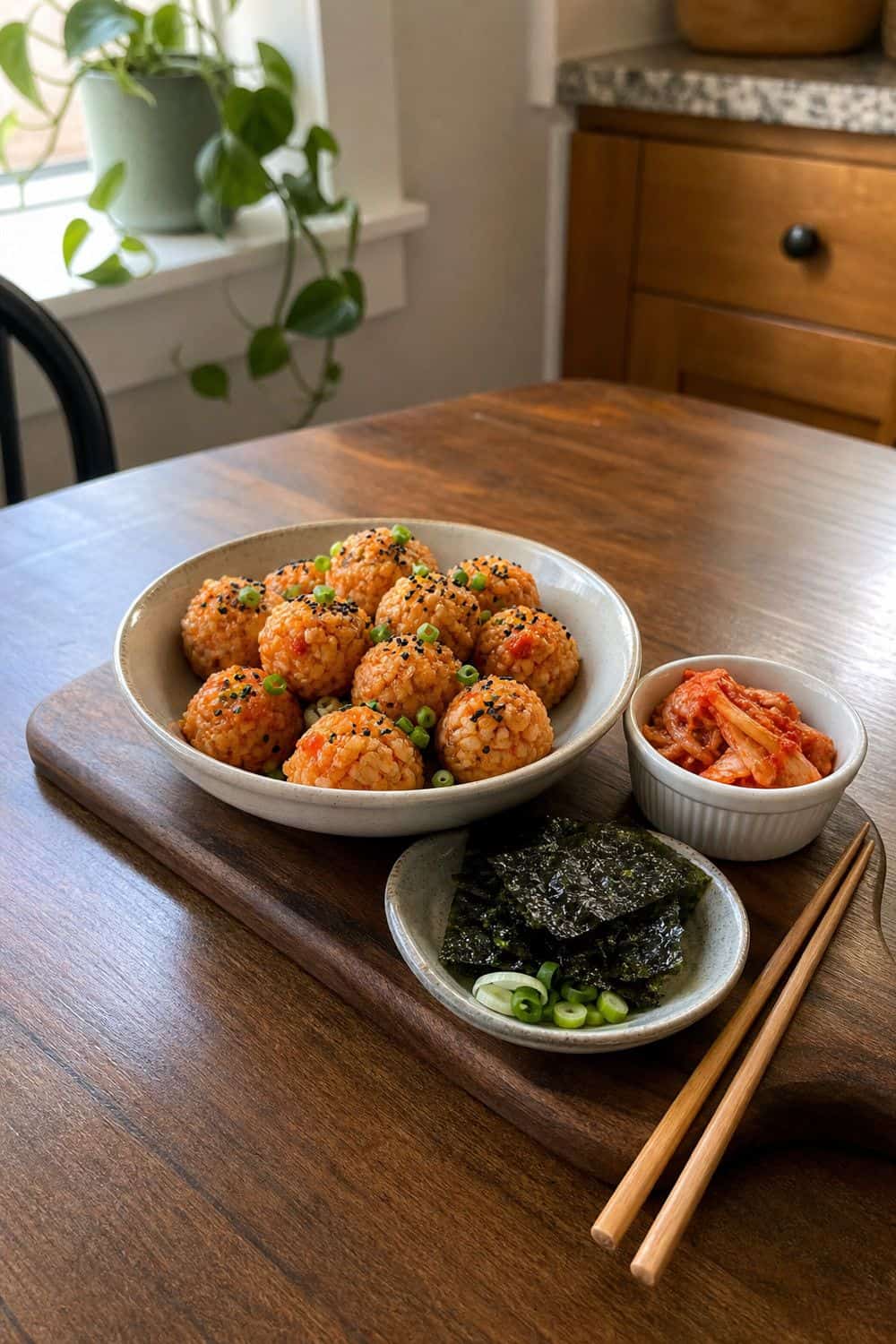
A small skillet of kimchi fried rice makes a warm, spicy center for a cozy fermented food board. Add cucumber slices, seaweed snacks, sesame seeds, scallions, and soft-boiled egg halves around it so the heat and tang have something cool and crisp beside them.
Drain extra kimchi liquid before frying so the rice stays glossy instead of wet. A small cast iron skillet keeps the warm center contained while the rest of the board stays snackable. Serve cucumber and seaweed on the side, not underneath the skillet, so the crisp pieces stay dry.
2. Sauerkraut Sausage and Rye Board
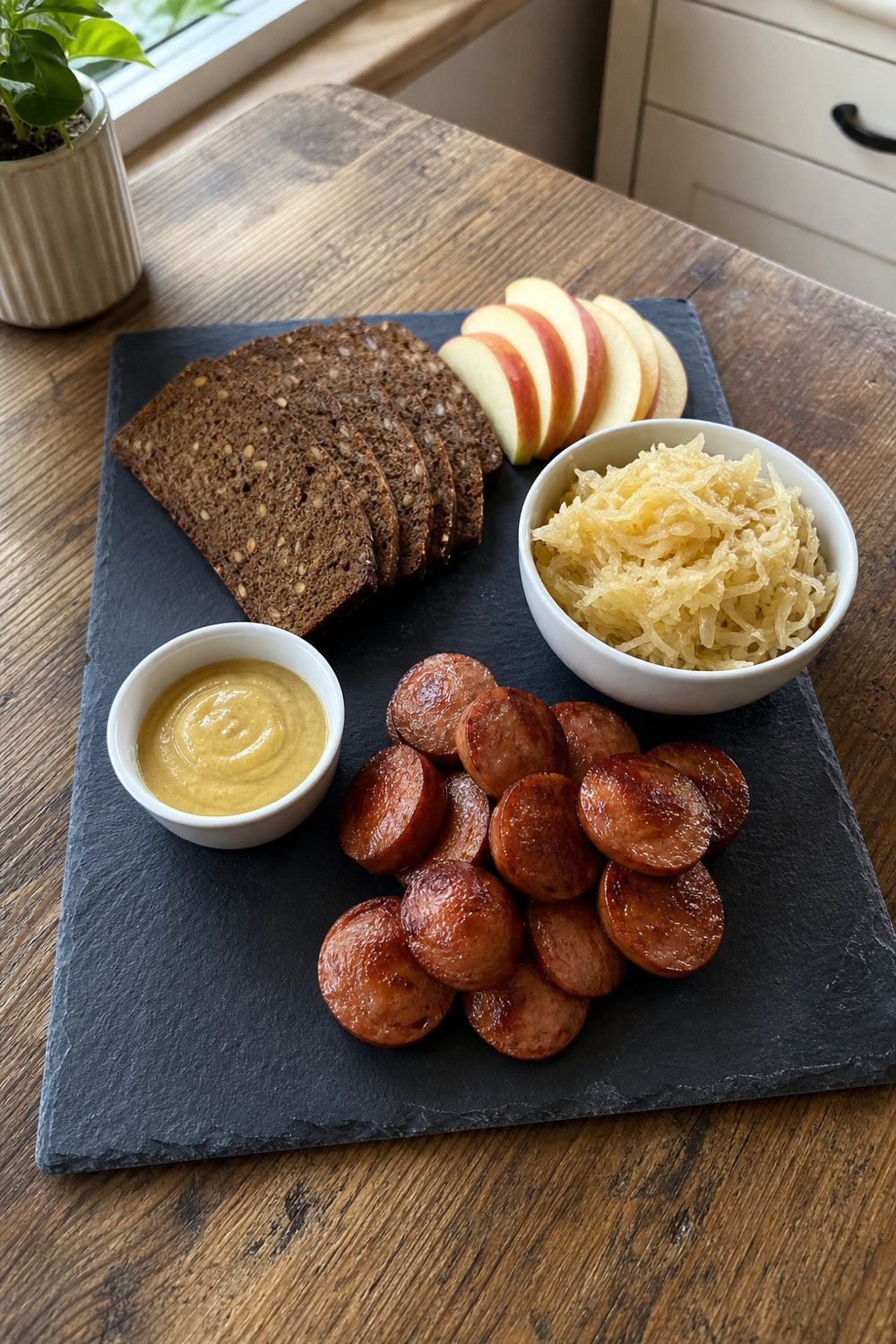
Sauerkraut, sliced sausage or vegetarian sausage, rye bread, mustard, apples, pickles, and aged cheddar create a sour-salty board that feels hearty without needing a full meal. Lightly drain the sauerkraut so it keeps its tang without soaking the bread. A divided ceramic serving tray is helpful because brine needs its own area, mustard needs a small well, and crackers need to stay dry until guests build each bite. Add apple slices for sweetness and crunch, plus napkins for juicy bites.
3. Miso Butter Radish Board
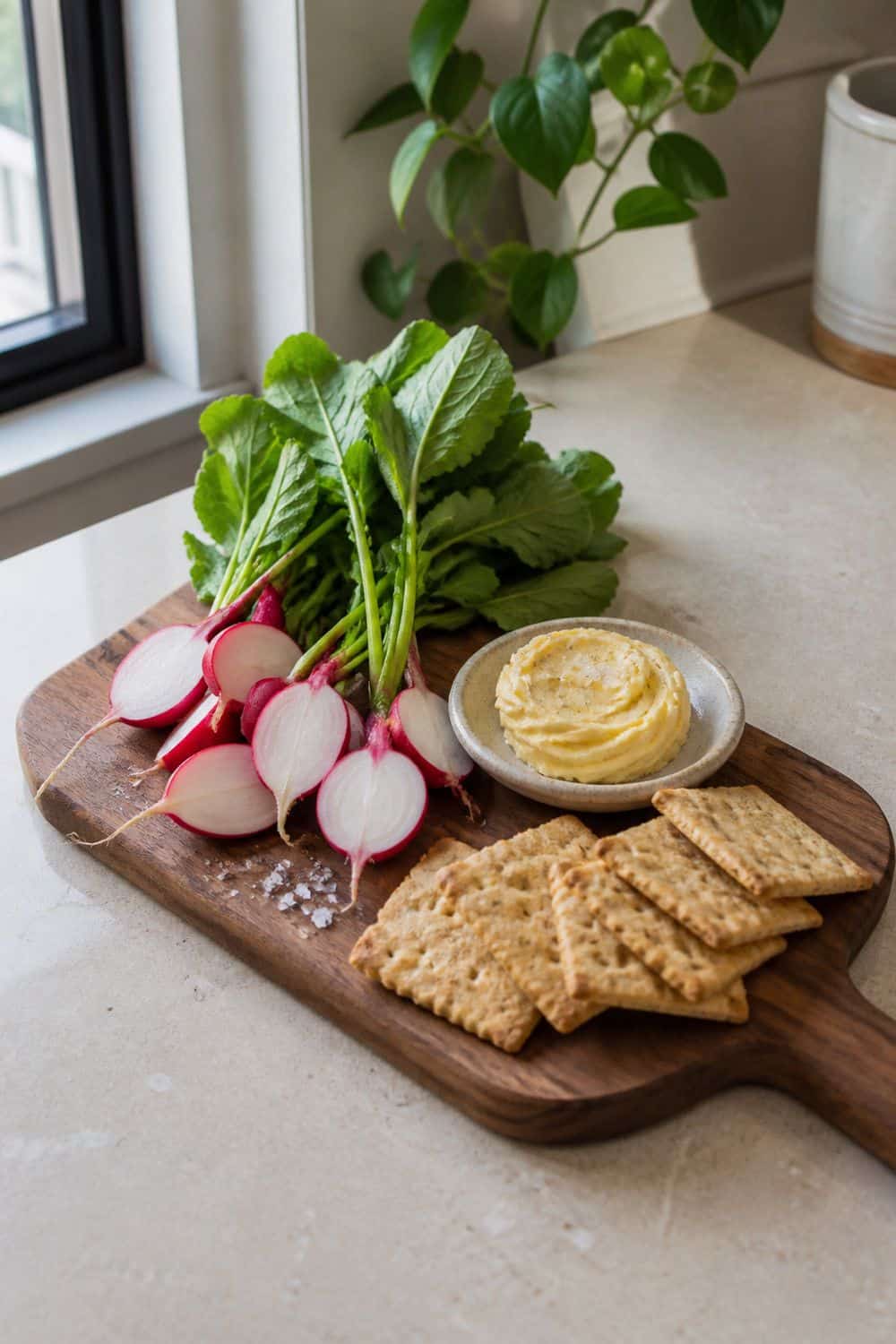
Miso butter turns a vegetable board into something savory and a little unexpected. Pair a small crock of miso butter with radishes, cucumbers, steamed baby potatoes, sourdough toast, scallions, and flaky salt. Because miso is salty and strong, a thin swipe is enough, especially when the board also has bread or potatoes.
A small butter crock keeps the spread neat and stops it from smearing across fresh vegetables. Put a tiny knife nearby so guests can control the amount and avoid dragging wet vegetables through the whole crock.
4. Kefir Smoothie Shooter Board
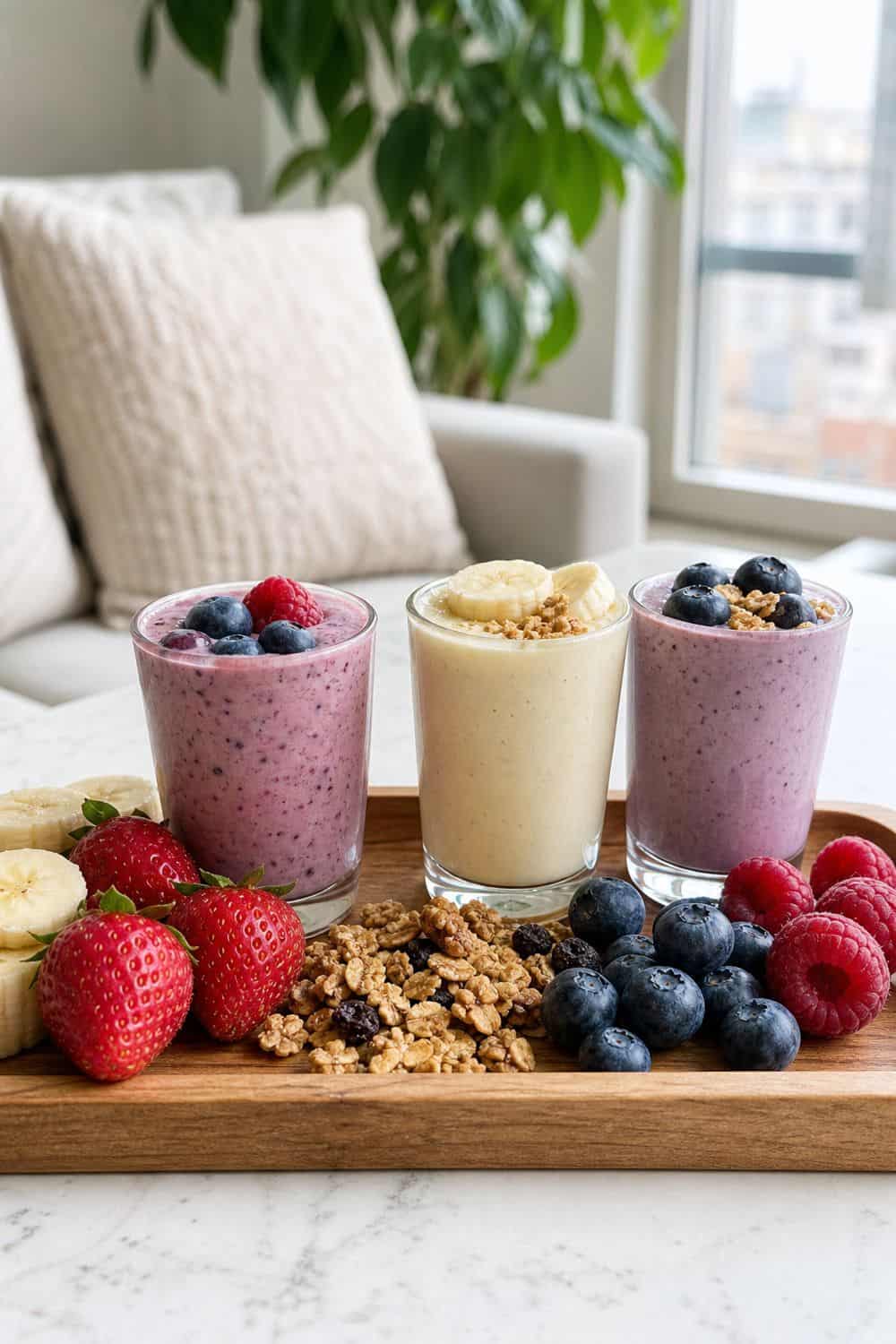
Kefir smoothie shooters are an easy way to make fermented dairy feel playful. Blend kefir with berries, banana, cinnamon, or nut butter, then pour small servings beside granola clusters, fruit, and nuts. The smaller portions are beginner-friendly because kefir can be tangy and filling. Mini glass bottles with lids help with chilling, shaking, and spill control, especially if the board is moving from the refrigerator to a coffee table or brunch tray with kids nearby. Add tiny cups if guests want samples.
5. Greek Yogurt Mezze Board
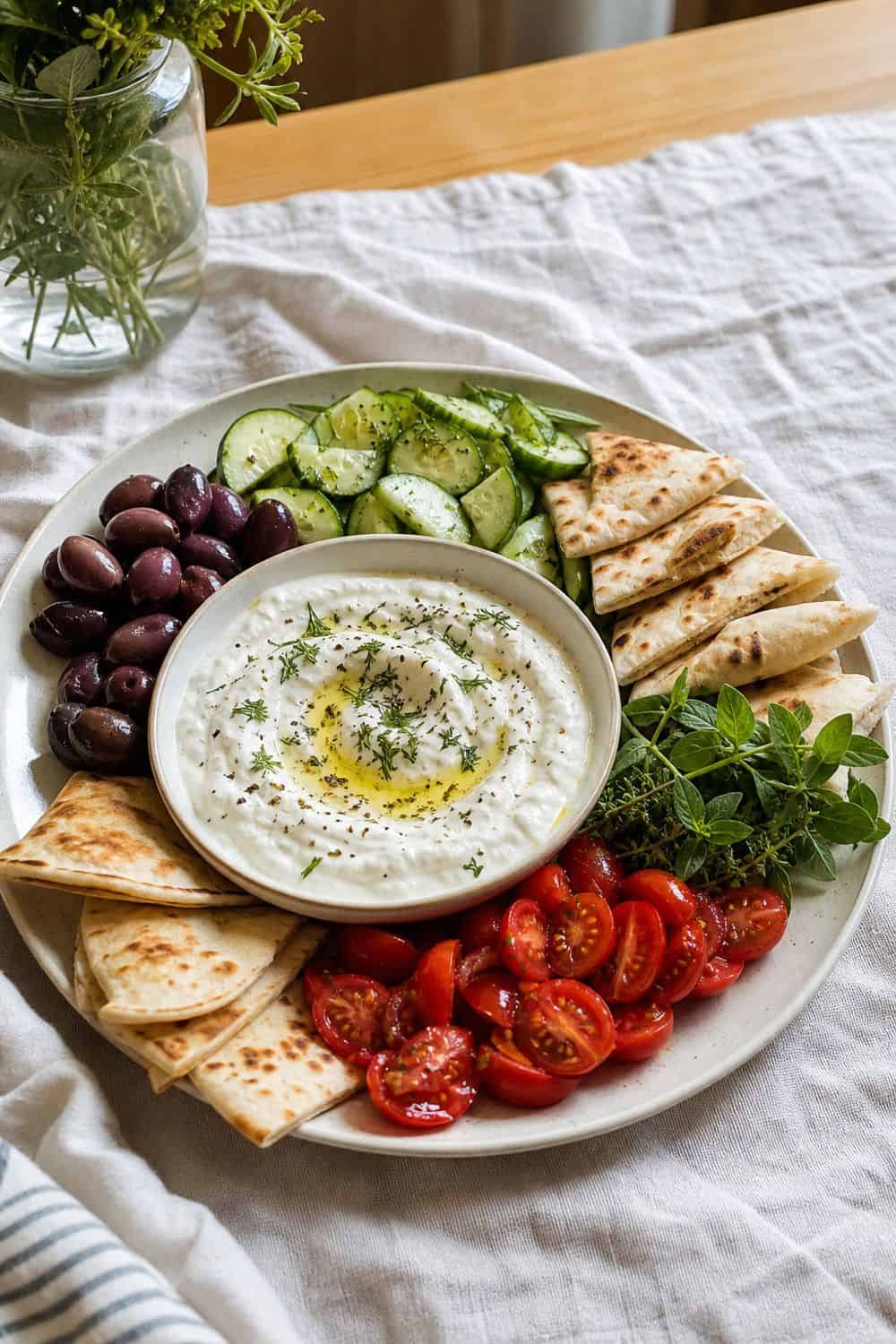
Plain live yogurt or labneh makes a creamy center for a mezze-style fermented board. Add olive oil, herbs, cucumbers, pita, olives, roasted chickpeas, tomatoes, and a little lemon. Choose plain yogurt with live cultures when that detail matters to the board, and keep the bowl chilled until serving. A shallow yogurt dip bowl keeps the creamy center scoopable and away from crackers. Set out a spoon so guests can add yogurt to plates instead of dragging pita through the whole bowl.
6. Tempeh Satay Bite Board
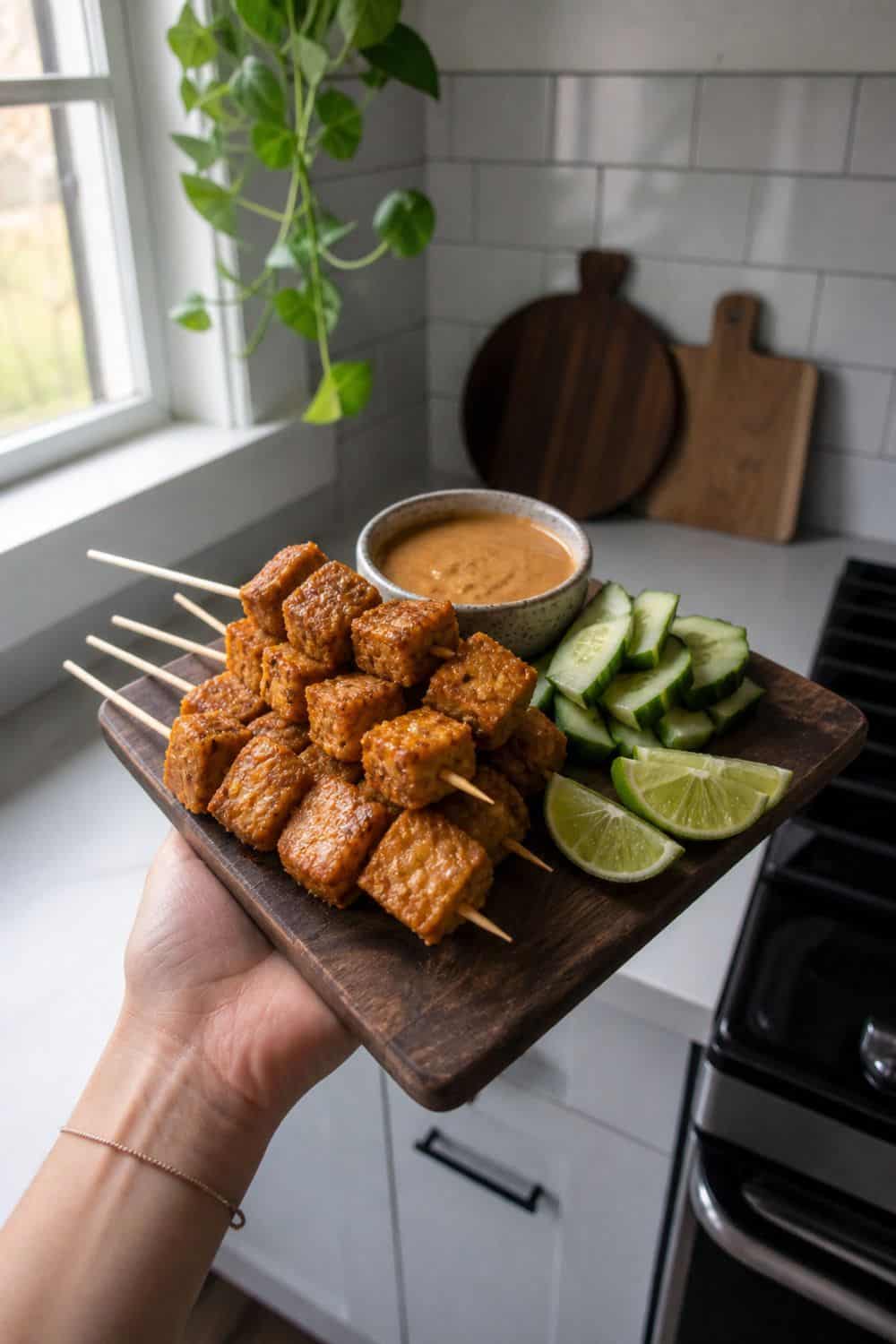
Tempeh brings a nutty fermented soy option to a snack board when it is browned or baked first. Cut it into cubes, brush with a satay-style marinade, and serve with cucumber, carrots, lime, cilantro, and rice crackers.
Bamboo appetizer skewers make the cubes cleaner to grab and easier to dip. A small bowl of peanut or tahini sauce keeps the crackers crisp and stops the board from turning sticky.
Add lime wedges for brightness and a fresh finish. Keep the tempeh pieces bite-size so guests can take one skewer, swipe through sauce, and move back to the board easily.
7. Fermented Pickle and Cheese Board
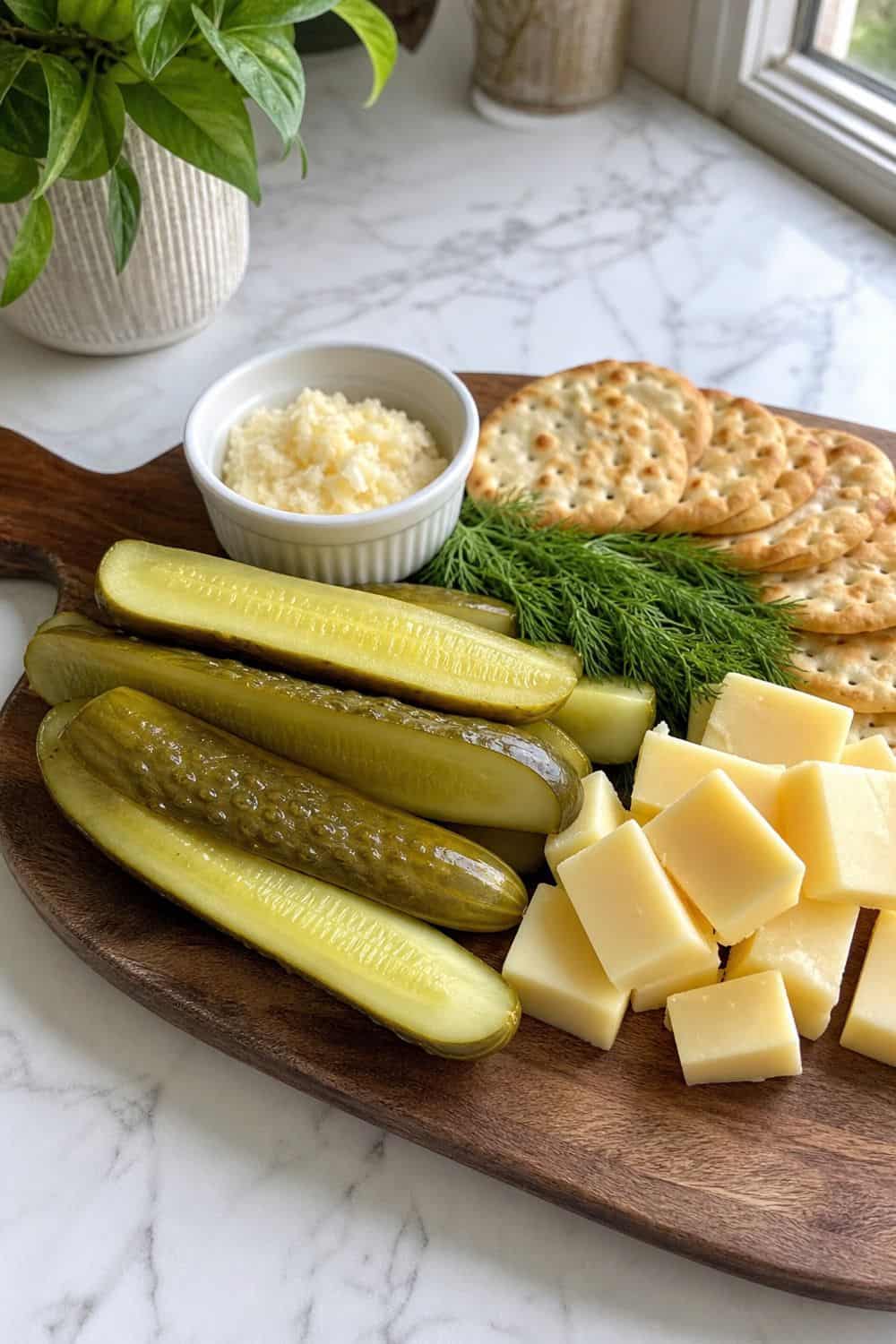
Naturally fermented pickles pair well with aged gouda or cheddar, crackers, grapes, mustard, and nuts. Vinegar pickles can be delicious too, but they are not the same as live fermented pickles, so check labels if that distinction matters for the board. Drain pickle spears or chips lightly before adding them. A pickle fork set gives wet pickles a dedicated tool and keeps fingers out of the brine. Place the pickles near cheese but away from crackers so the dry pieces keep their snap.
8. Kombucha and Popcorn Board

Kombucha and popcorn make a fizzy movie-night board that still feels special. Pair chilled kombucha with popcorn, roasted chickpeas, dark chocolate, berries, and almonds. The salty and crunchy snacks keep the kombucha from feeling too sharp on its own. Swing top glass bottles are useful for smaller servings or homemade kombucha that needs to stay chilled, and they make refills cleaner than pouring from one large bottle. Serve the popcorn in a dry bowl away from condensation and sticky bottles.
9. Aged Cheese and Apple Board
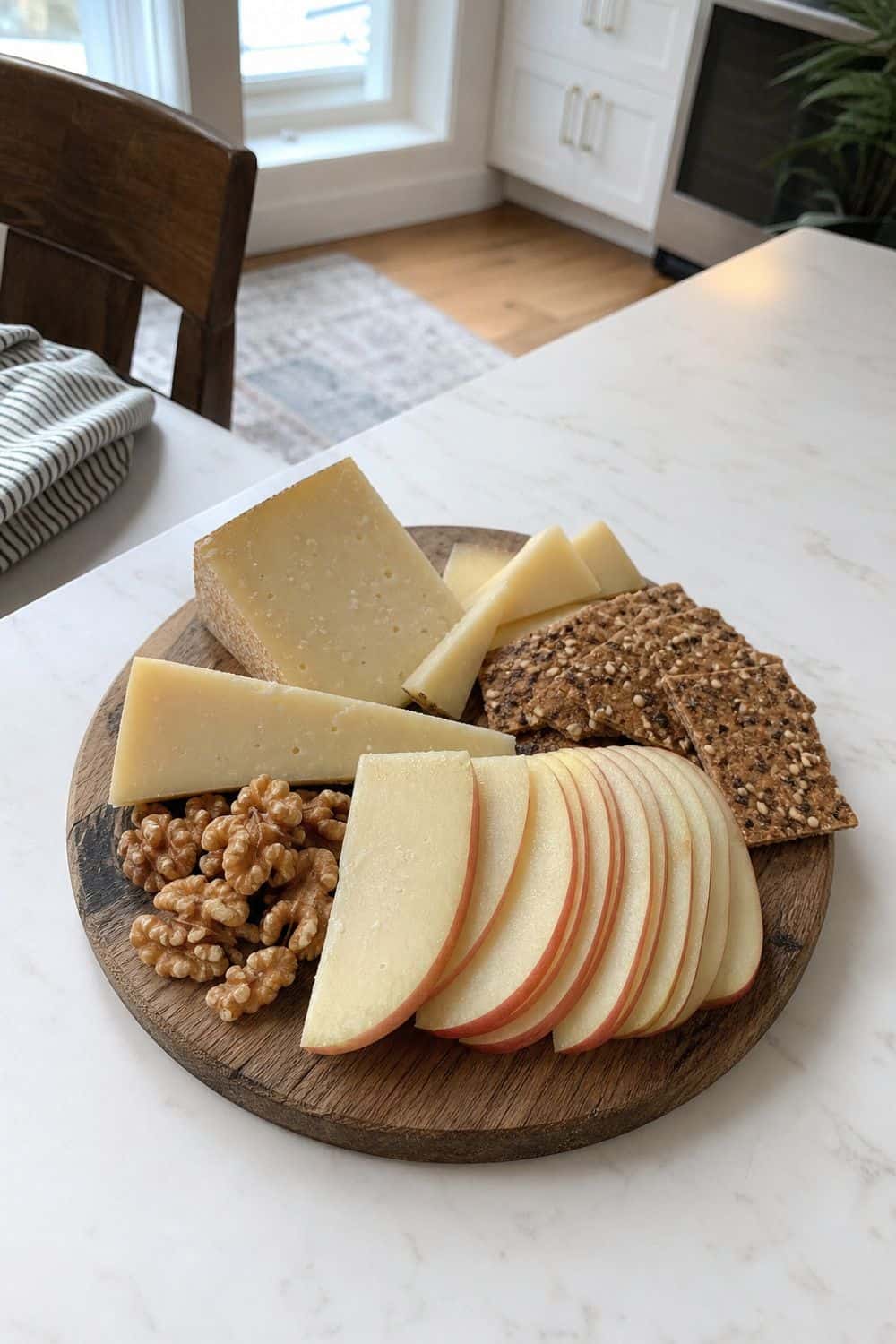
Aged cheddar, gouda, parmesan shards, apples, pears, walnuts, whole-grain crackers, and honey make a fermented dairy board without the sourness of pickled vegetables. This is a good option when you want familiar flavors with more depth.
Use it for guests who are cautious about kimchi or sauerkraut, or for a board that needs to feel a little softer. A cheese knife set helps with hard and semi-hard cheeses because each texture cuts differently.
Slice some pieces ahead so guests are not wrestling with a block while fruit browns or crackers scatter. Keep apple slices tucked near the cheese they pair with best.
10. Curtido Taco Chip Board
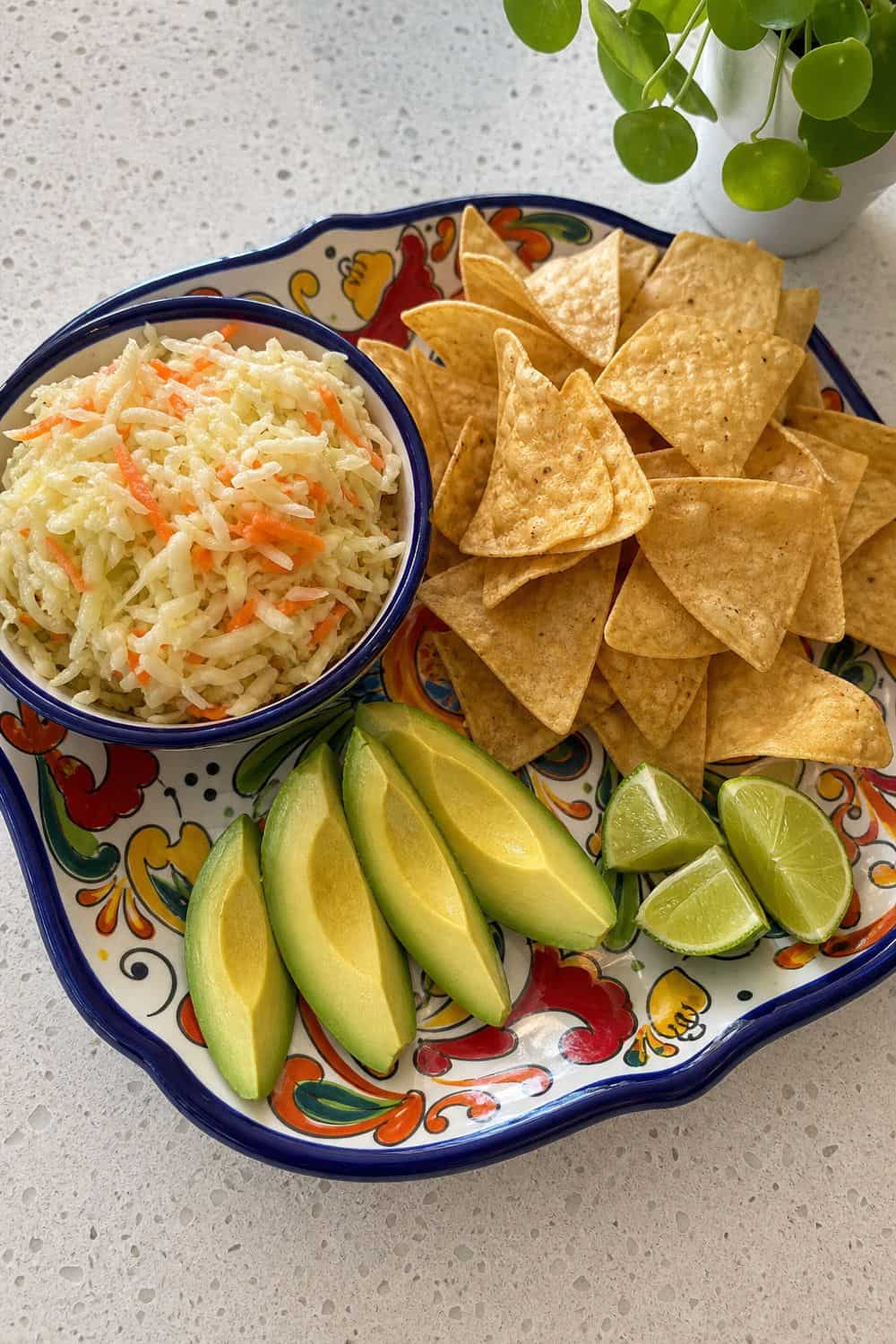
Curtido or fermented cabbage slaw makes a bright topping for tortilla chips, black bean dip, avocado, queso fresco, lime, and radishes. It works better as a spoon-on topping than as a loose pile because the cabbage brine can soften chips quickly.
Glass condiment jars show the color and keep the brine contained. Small spoons let guests build crisp bites instead of dragging chips through liquid or soaking the platter.
Keep extra chips nearby for refills and crunch, and drain the slaw lightly before serving. A little acidity is welcome, but puddled brine makes the board collapse fast.
11. Sourdough Toast and Cultured Butter Board
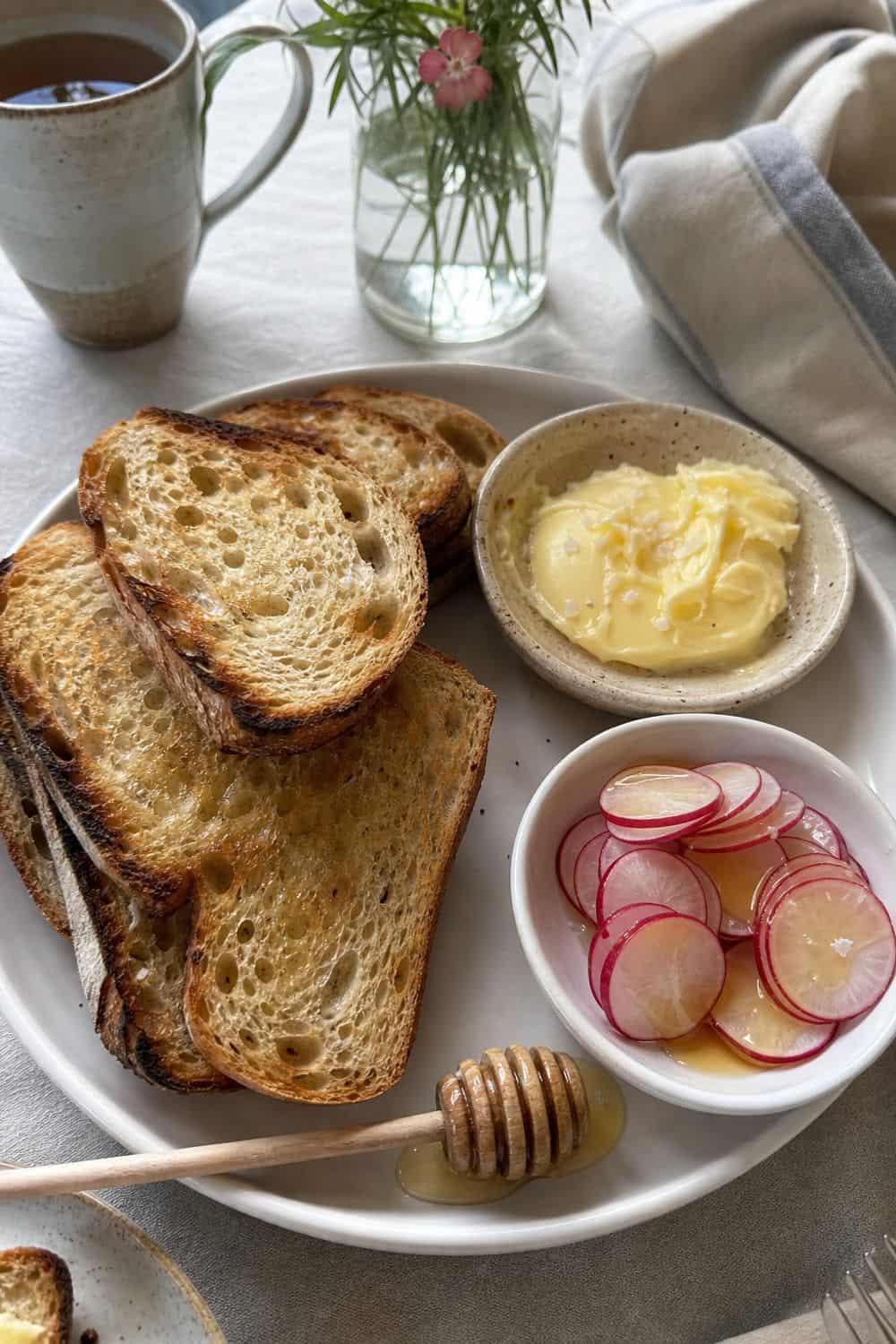
Sourdough slices, cultured butter, jam, honey, radishes, sea salt, and aged cheese make a cozy bread-and-spread board. Baked sourdough is not a live probiotic food, but fermentation gives the bread its flavor, texture, and tang, which fits the theme without pretending it is the same as live vegetables.
A sourdough bread knife is useful because crusty loaves can tear under a dull blade. Slice the bread cleanly and keep butter in a crock or ramekin away from juicy toppings on the board.
12. Miso Soup Cup and Snack Board
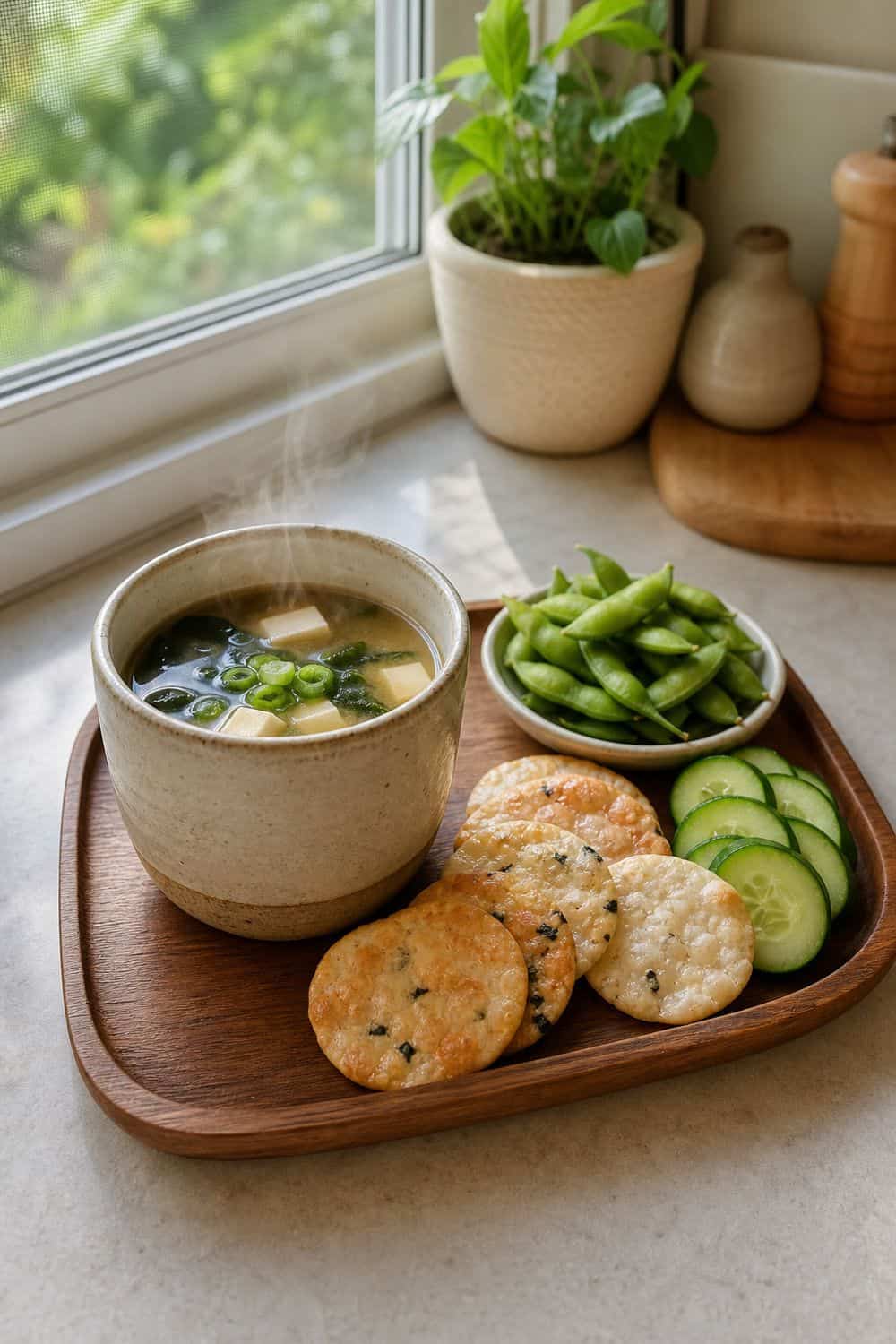
Mini cups of miso soup turn a snack board into something warm and quiet. Serve small portions with tofu cubes, scallions, seaweed, rice crackers, cucumber, and edamame. Stir miso into hot liquid rather than aggressively boiling it so the flavor stays smooth. Mini soup mugs make the warm portions easy to hold beside the board, and refills can stay warm separately instead of cooling on the platter. Add spoons if the cups include tofu or seaweed, and keep crackers dry.
13. Kimchi Cucumber Cream Cheese Plate
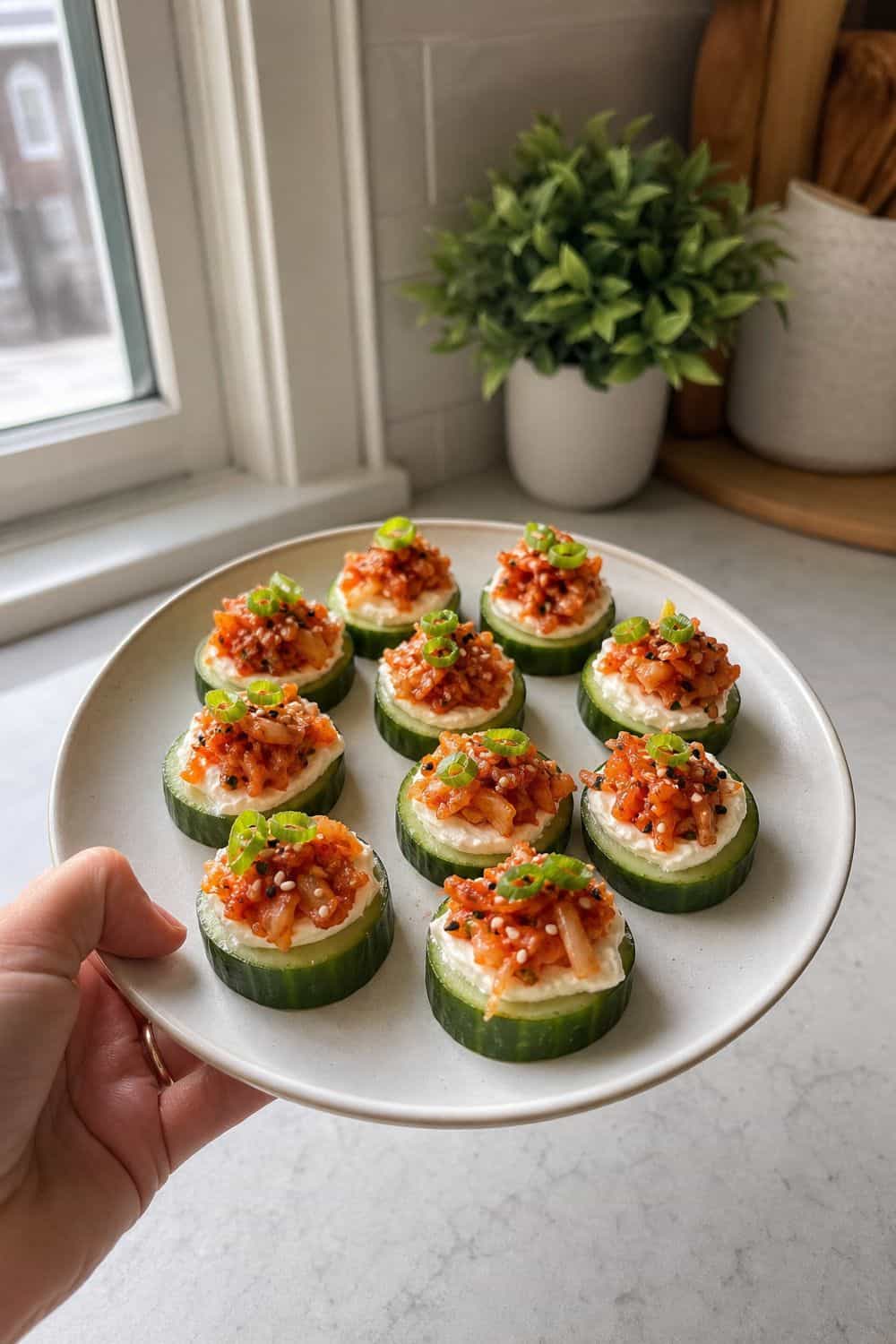
Cucumber rounds with cream cheese or labneh, chopped kimchi, sesame seeds, and rice crackers make spicy creamy bites that are easier to manage than a wet kimchi pile. Chop and drain the kimchi first so each bite stays crisp, and assemble only a few at a time.
Ceramic appetizer plates are better than one crowded board here because the bites can be assembled in small batches. Keep extra kimchi chilled until needed, then refresh the plate when the cucumbers start releasing moisture.
14. Natto Rice Cracker Tasting Plate
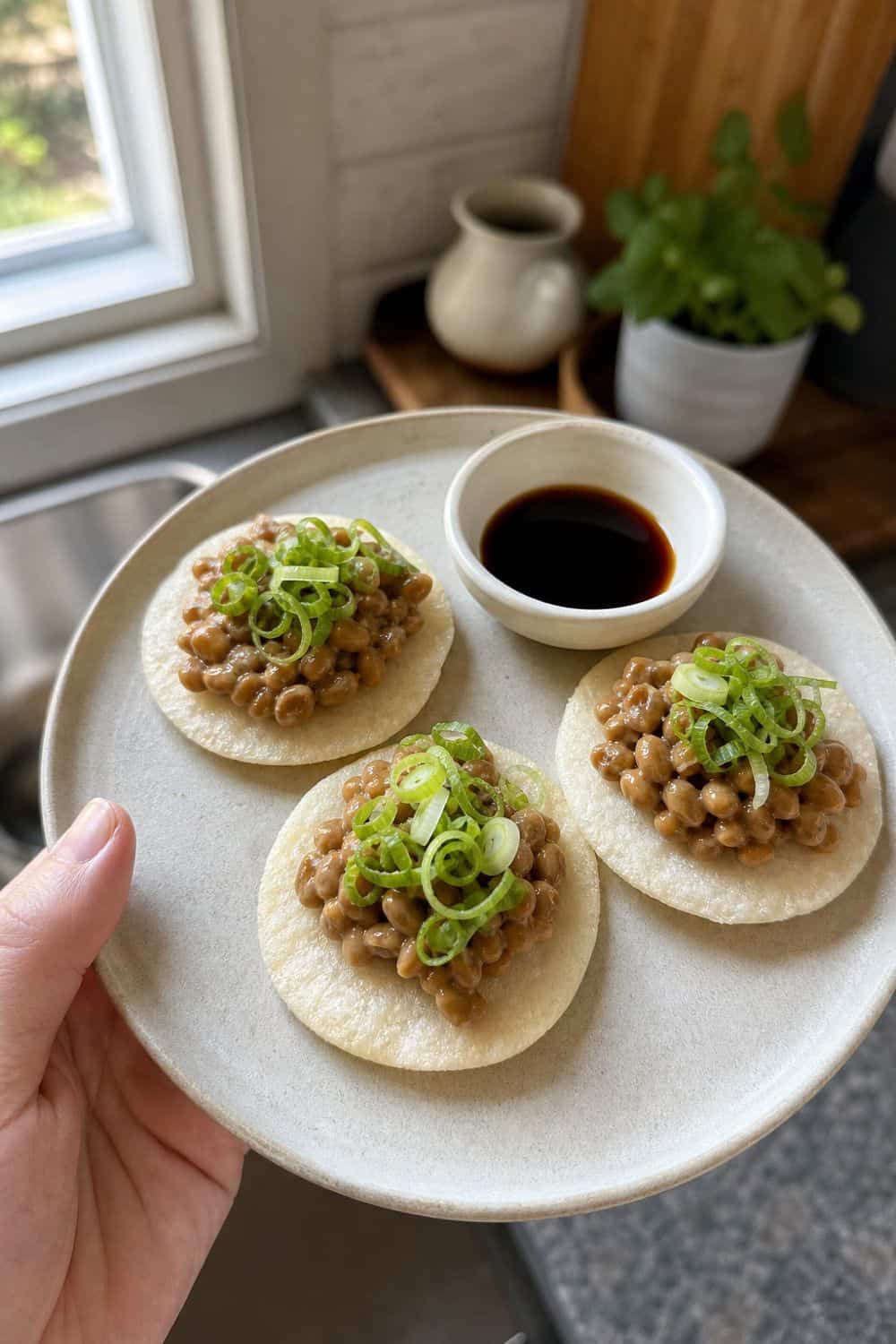
Natto is an adventurous fermented option with a sticky texture and strong flavor, so tiny portions are the right move. Serve it with rice crackers, scallions, soy sauce, mustard, cucumber, and nori so curious guests can try a little without taking a full bowl. Small tasting spoons keep the serving controlled, and a clear label helps because natto is much more polarizing than yogurt, cheese, or pickles. Keep the portion tiny and optional, with cucumber nearby for quick bites afterward.
15. Fermented Salsa and Tortilla Board
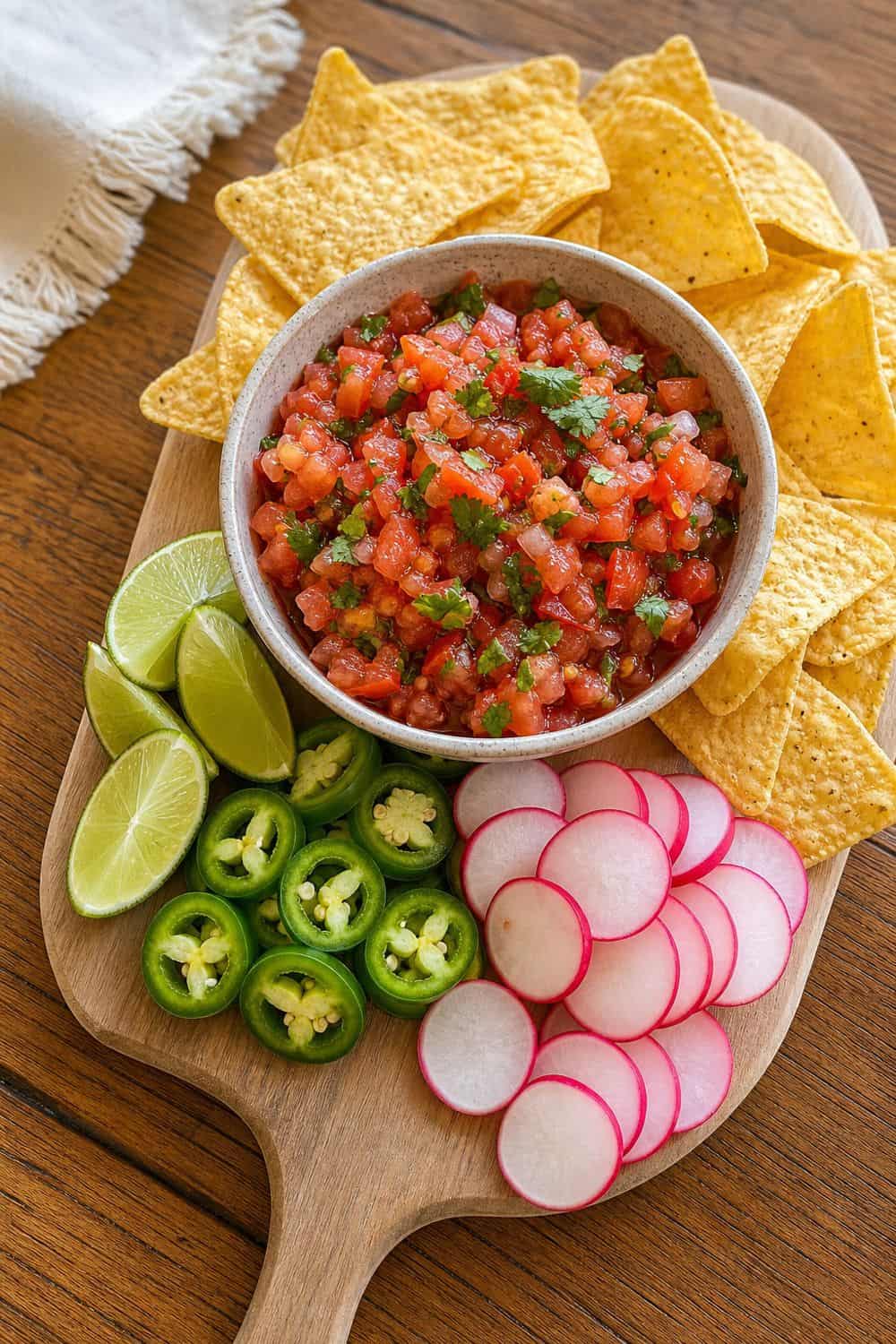
Fermented salsa or pico-style fermented tomatoes bring a tangier dip to tortilla chips, avocado, black beans, lime, and cotija. Serve it chilled and spoonable, not spread across the board, because the juices will soften chips and run into other foods. A salsa serving bowl with a spoon is essential here; keep chips in a separate pile and let people add salsa as they eat. Avocado helps soften the sharpness and adds creamy balance between bites, especially with crunchy salty chips.
16. Kefir Ranch Vegetable Board
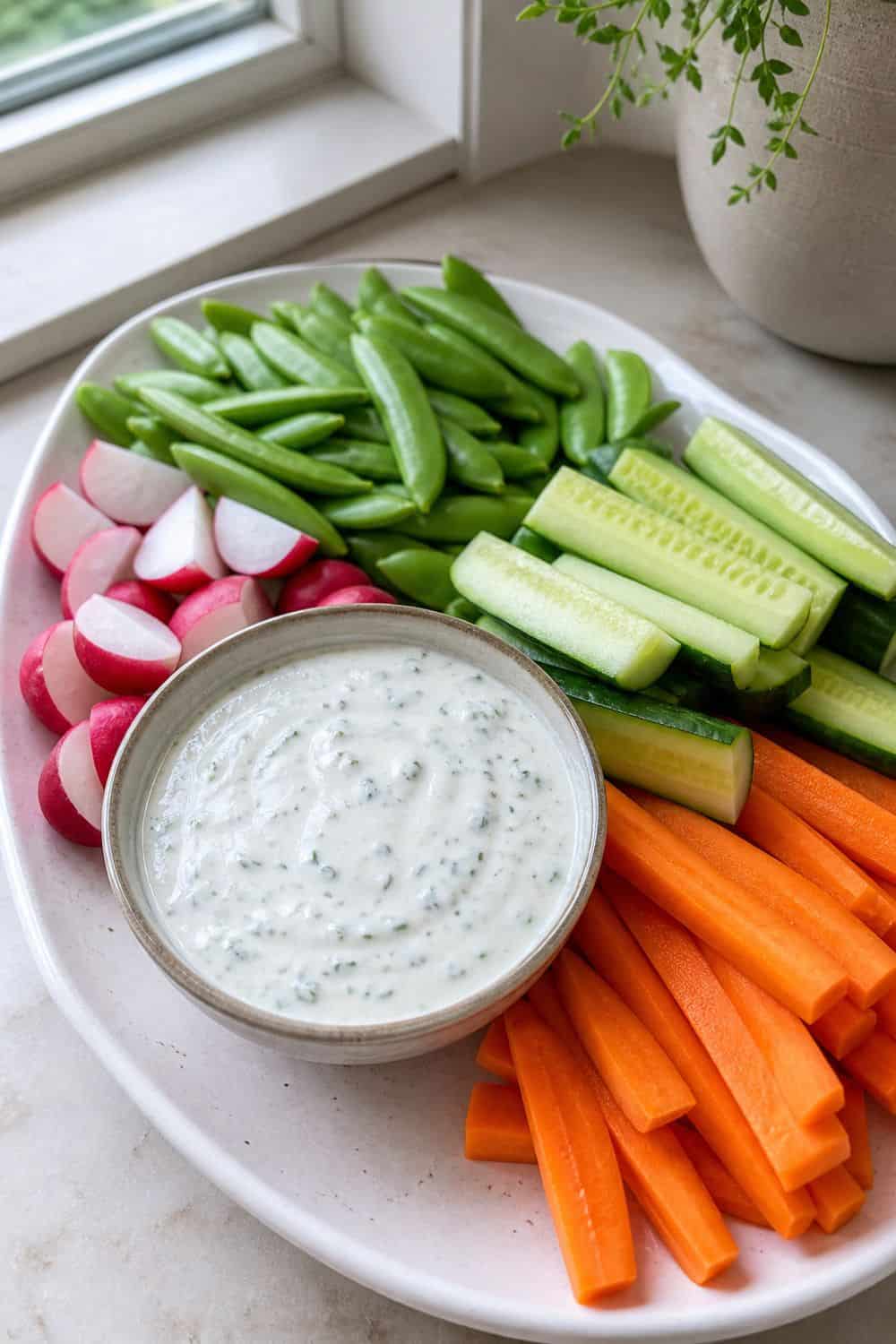
Kefir ranch is a beginner-friendly way to bring fermented dairy onto a vegetable board. Pair the dip with carrots, cucumbers, celery, radishes, broccoli, and whole-grain crackers. Kefir can thin a dip quickly, so balance it with Greek yogurt, herbs, or a thicker base if needed.
A vegetable crudite platter keeps the vegetables separated and easy to refill. Keep the dip chilled until serving, then use a smaller bowl for the board so the main container can stay cold for refills.
17. Sauerkraut Potato Bite Board
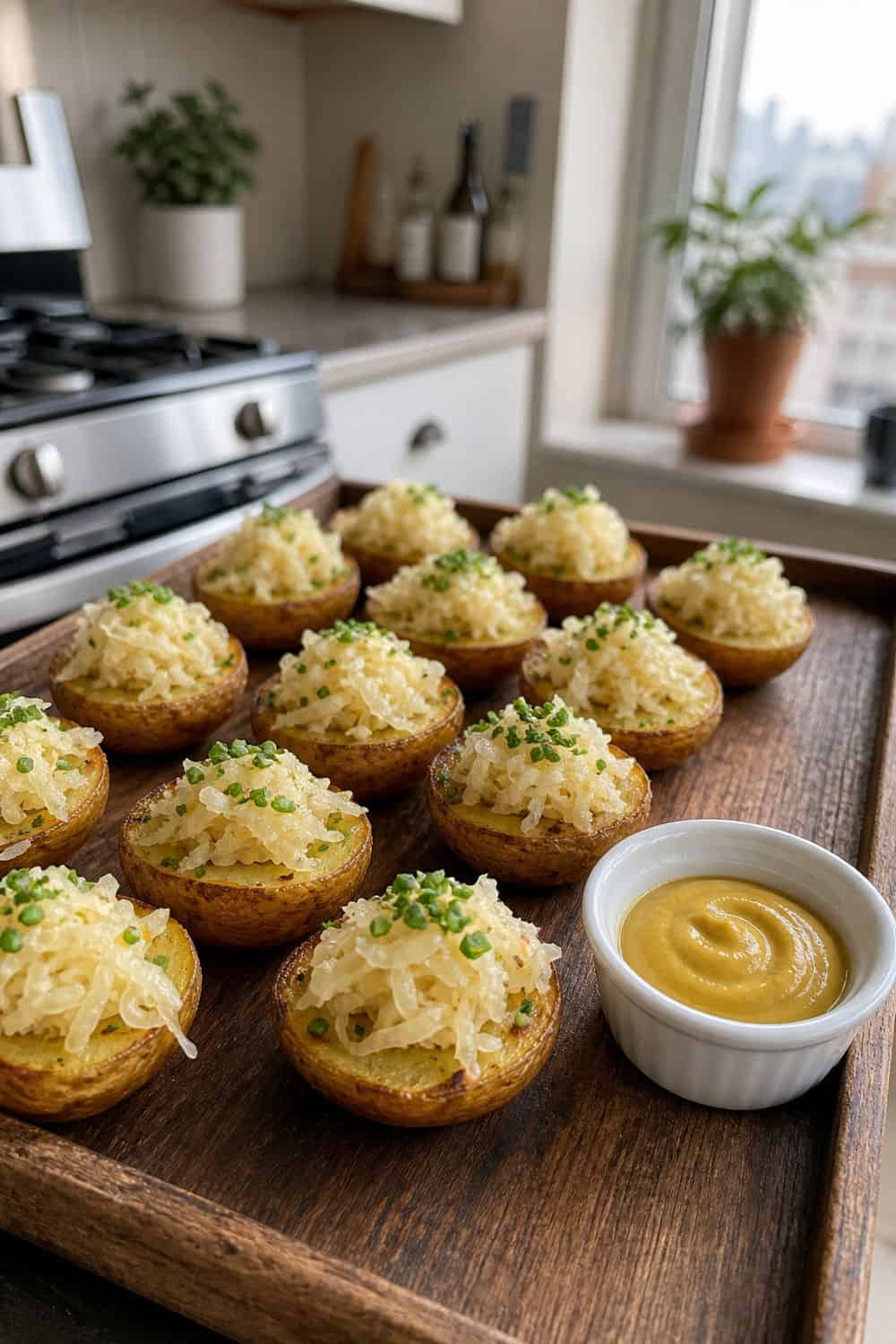
Smashed baby potatoes topped with sauerkraut, mustard yogurt, dill, and optional sausage coins create a cozy cabbage-potato board. Potatoes mellow sauerkraut’s acidity and make the board more filling when the fermented food is sharp or salty.
A mini potato masher helps flatten the potatoes before roasting or crisping. Add the sauerkraut after cooking so the potato edges stay crisp instead of steaming under the cabbage.
Serve the sauce separately for dipping and cleaner hands at the table during snacking time. Keep a few plain potatoes on the board for guests who want less tang.
18. Fermented Carrot and Hummus Board
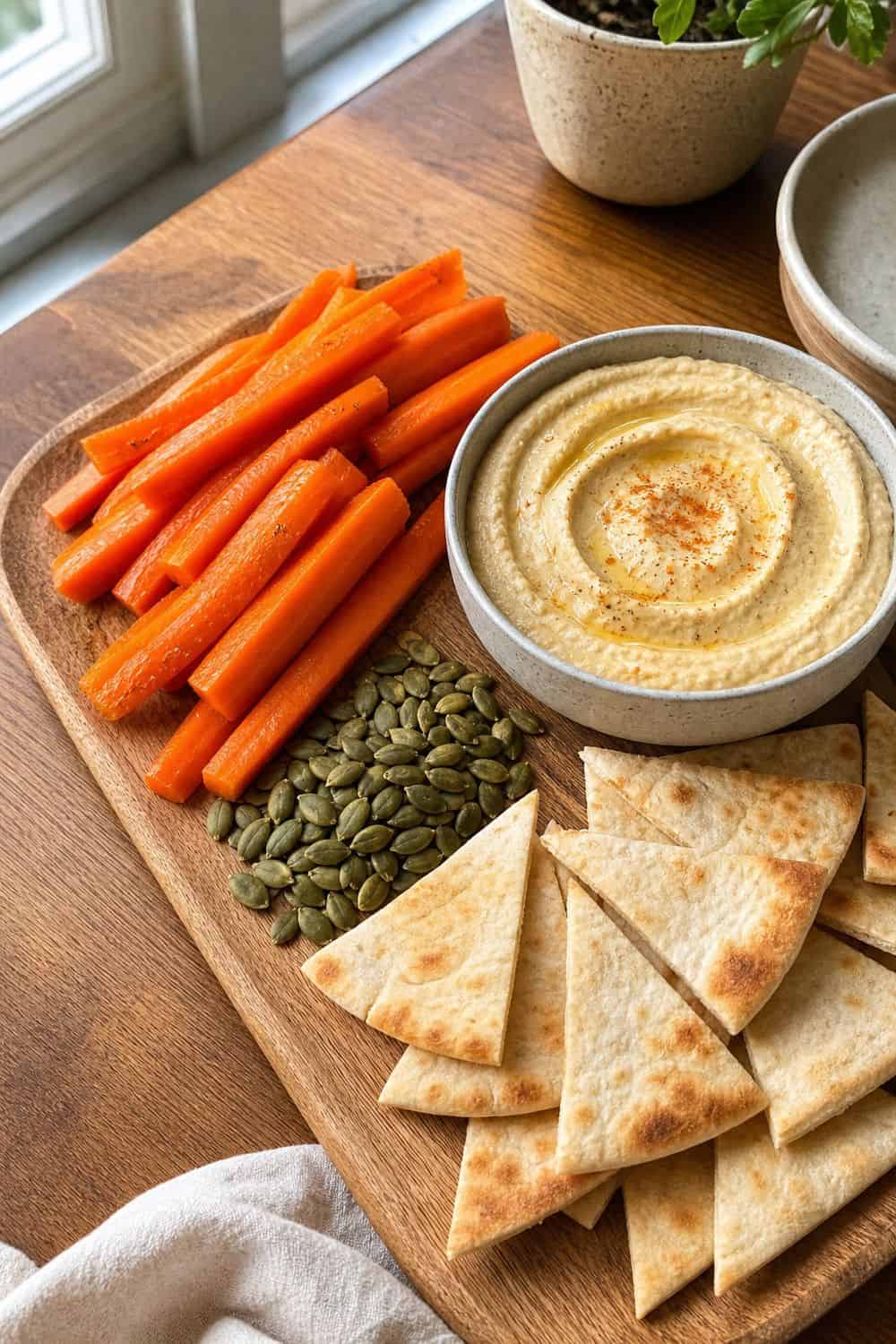
Fermented carrots or brined vegetables brighten a hummus board with crunch, color, and tang. Pair them with hummus, pita, cucumbers, olives, roasted chickpeas, and a few fresh herbs. Drain the vegetables before serving so the brine does not run into the dip. Ceramic ramekins solve the moisture problem directly; use one for carrots, one for olives, and one for any extra brined vegetables. Keep pita away from the brine until serving, then refill as needed for crunch and bright color.
19. Yogurt Berry and Dark Chocolate Board
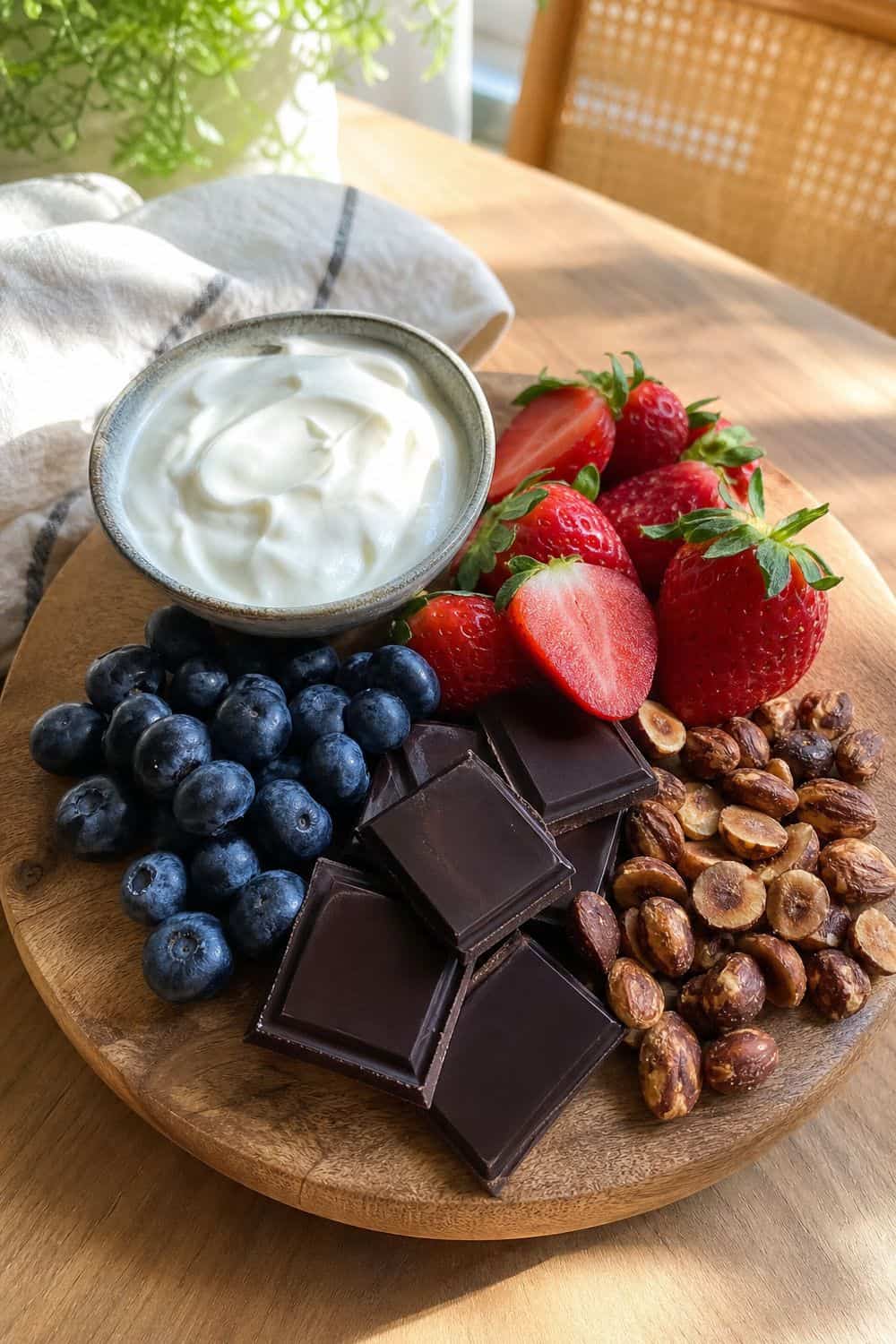
Plain live yogurt with berries, dark chocolate, granola clusters, chia, walnuts, and honey makes a sweeter fermented food board without turning into a candy tray. Keep the yogurt plain and let fruit and honey bring the sweetness, then add only enough chocolate for contrast.
A chilled dessert platter helps keep yogurt and berries fresh while serving. Put chocolate and granola away from the yogurt so the textures stay distinct, and refill the bowl instead of leaving a large dairy portion out.
20. Mixed Ferment Beginner Board
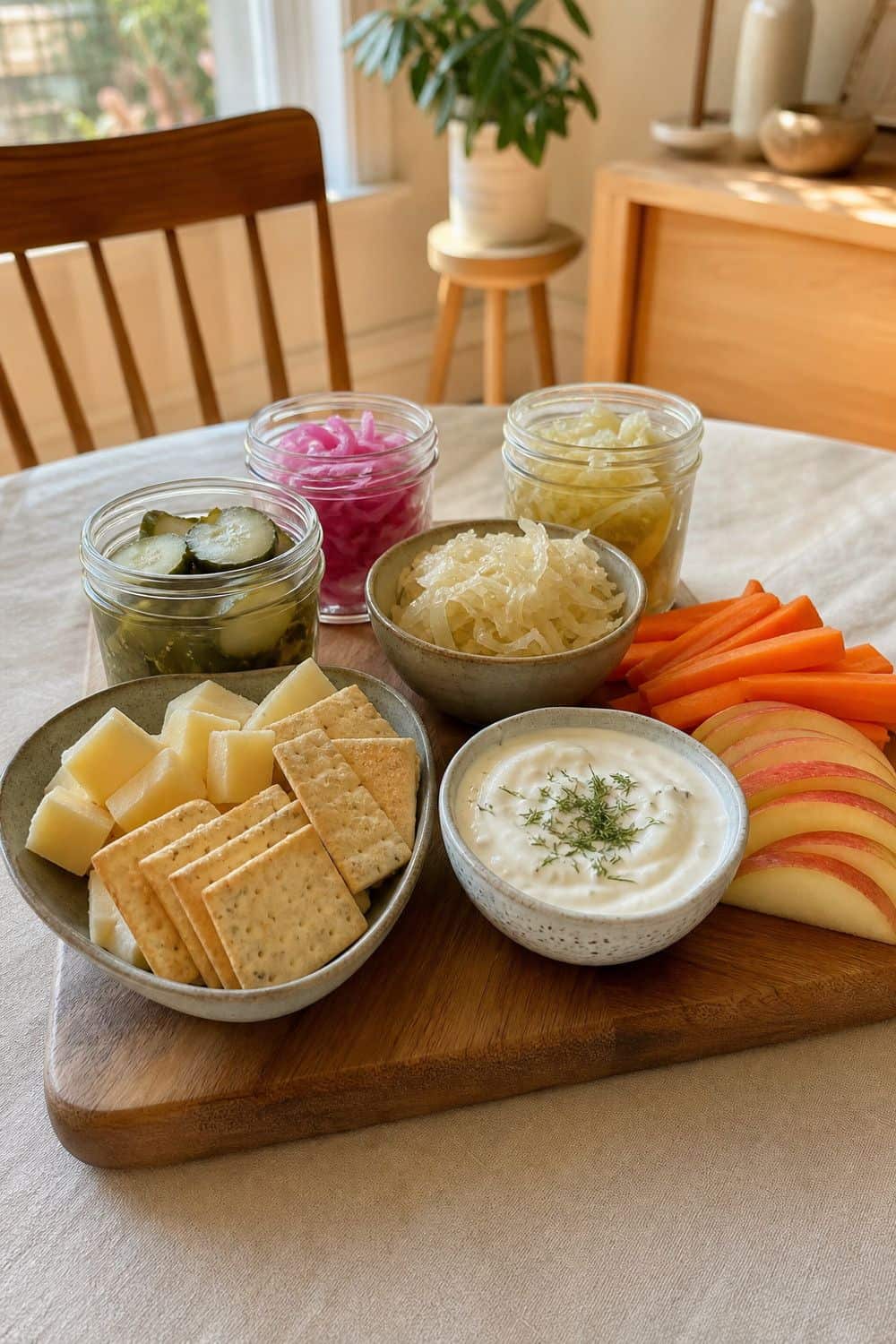
A beginner tasting board lets guests try tiny portions without feeling overwhelmed. Use small amounts of kimchi, sauerkraut, kefir dip, miso butter, aged cheese, and fermented pickles with neutral crackers and cucumbers. The mild foods help reset the palate between stronger bites, and the labels keep guests from guessing.
A labeled tasting flight board helps guests know what they are trying. Keep the portions small because fermented foods can be salty, sour, spicy, creamy, or strong, and add separate spoons for wet items.
How to Build Fermented Food Board Ideas for Cozy Food Moments
Fermented boards come together more naturally when each strong flavor has a balancing partner. Pair sour foods with creamy dips, salty foods with fresh vegetables, spicy foods with cucumber or rice crackers, fizzy drinks with crunchy snacks, and rich aged cheese with fruit.
Use small bowls, jars, ramekins, tongs, and dedicated spoons for anything briny, wet, or strong-smelling. This keeps the board tidy and stops sauerkraut, salsa, kimchi, yogurt, or pickles from taking over the crackers and bread.
Keep dairy, opened jars, live ferments, and chilled drinks cold until serving. Boards are meant for grazing, but they should not sit out for long, especially when they include yogurt, kefir, soft cheeses, or opened fermented vegetables.
Frequently Asked Questions
What goes on a fermented food board?
A fermented food board can include kimchi, sauerkraut, fermented pickles, kefir dip, yogurt, labneh, miso butter, tempeh, aged cheese, kombucha, sourdough, or fermented vegetables. Balance them with crackers, cucumbers, fruit, nuts, potatoes, rice crackers, or bread.
What fermented foods are good for beginners?
Beginner-friendly options include plain yogurt, labneh, kefir dip, aged cheese, fermented pickles, mild sauerkraut, miso butter, and small amounts of kimchi. Serve tiny portions with mild foods so the flavors do not feel overwhelming.
Are pickles always fermented?
No. Some pickles are vinegar-pickled, while others are naturally fermented in brine. Both can taste great on a board, but refrigerated live fermented pickles are the better target when live-culture value matters.
How do I serve kimchi on a snack board?
Drain kimchi lightly, chop it when needed, and serve it in a small bowl, jar, or on assembled bites. Pair it with cucumbers, rice crackers, eggs, seaweed, fried rice, cream cheese, or mild grains to balance heat and tang.
What pairs well with sauerkraut?
Sauerkraut pairs well with rye bread, mustard, sausage or vegetarian sausage, potatoes, apples, aged cheddar, pickles, dill, and yogurt-based sauces. Drain it lightly so the brine does not soak bread or crackers.
Can fermented foods sit out on a board?
Keep chilled fermented foods cold until serving and avoid leaving the board out for long. Yogurt, kefir, soft cheese, opened jars, and live fermented vegetables should be served in small portions and replenished as needed.
How do I make fermented foods taste less strong?
Use smaller portions and pair strong ferments with mild foods. Cucumbers, crackers, potatoes, rice, apples, yogurt, cheese, eggs, bread, and nuts can soften sour, salty, spicy, or funky flavors on a board.
What fermented foods should be refrigerated?
Refrigerate opened jars of live fermented vegetables, kimchi, sauerkraut, kefir, yogurt, labneh, soft cheeses, and chilled fermented drinks. Check product labels, keep cold foods cold, and return extras to the refrigerator promptly.
Final Thoughts
Fermented food board ideas for cozy food moments are all about small portions and good pairings. Keep strong flavors contained, serve chilled foods safely, balance tang with crunch or creaminess, and use jars, ramekins, forks, and labels where they make the board easier to enjoy. A little kimchi, kefir, miso, sauerkraut, yogurt, cheese, or pickled crunch can make a snack board feel interesting without making it difficult to eat.
Last update on 2026-09-17 / Affiliate links / Images from Amazon Product Advertising API