
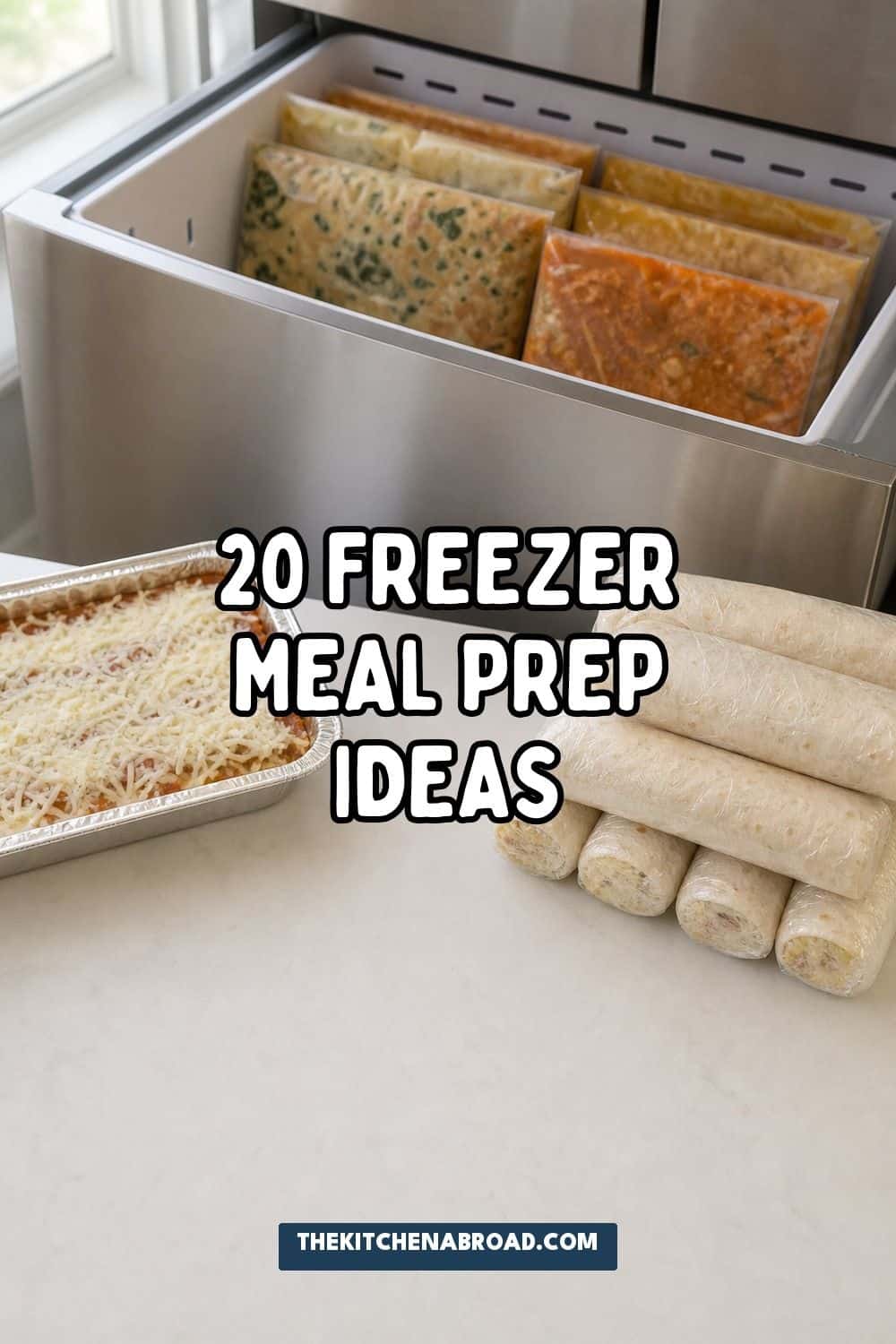
Strong freezer meal prep starts with meals and components that freeze in useful portions, reheat well, and come with clear labels for later. Build a freezer mix of flat soups, chili portions, breakfast backups, sauces, grains, proteins, and oven-ready dinners so you can solve different meals instead of thawing one giant container. Cool cooked food before freezing, use shallow portions, label dates, and reheat leftovers thoroughly to 165 F.
A helpful freezer is not a cold storage graveyard. It should give you a real answer when dinner plans fall apart, breakfast needs to happen quickly, or a cooked ingredient would otherwise get forgotten in the fridge.
Freezer meal prep ideas work best when they are planned around how food comes back to life: what thaws quickly, what reheats evenly, what needs a fresh topping, and what should never be frozen in the first place. Instead of filling the freezer with five identical meals, think in layers: a few complete meals, a few flexible proteins, a grain base, a sauce shortcut, and clear labels that tell future-you what to do next.
Top Recommended Products


![Freshware Food Storage Containers [24 Set] 32 oz Plastic Deli Containers with...](https://www.thekitchenabroad.com/wp-content/plugins/aawp/public/image.php?url=YUhSMGNITTZMeTl0TG0xbFpHbGhMV0Z0WVhwdmJpNWpiMjB2YVcxaFoyVnpMMGt2TlRGTWEzQjBUV1ptUVV3dVgxTk1NVFl3WHk1cWNHYz18MTc4OTk2MTE2Nw= "20 Freezer Meal Prep Ideas That Make Life Easier")


You Might Also Like These Blog Posts
1. Flat-Frozen Soup Packs
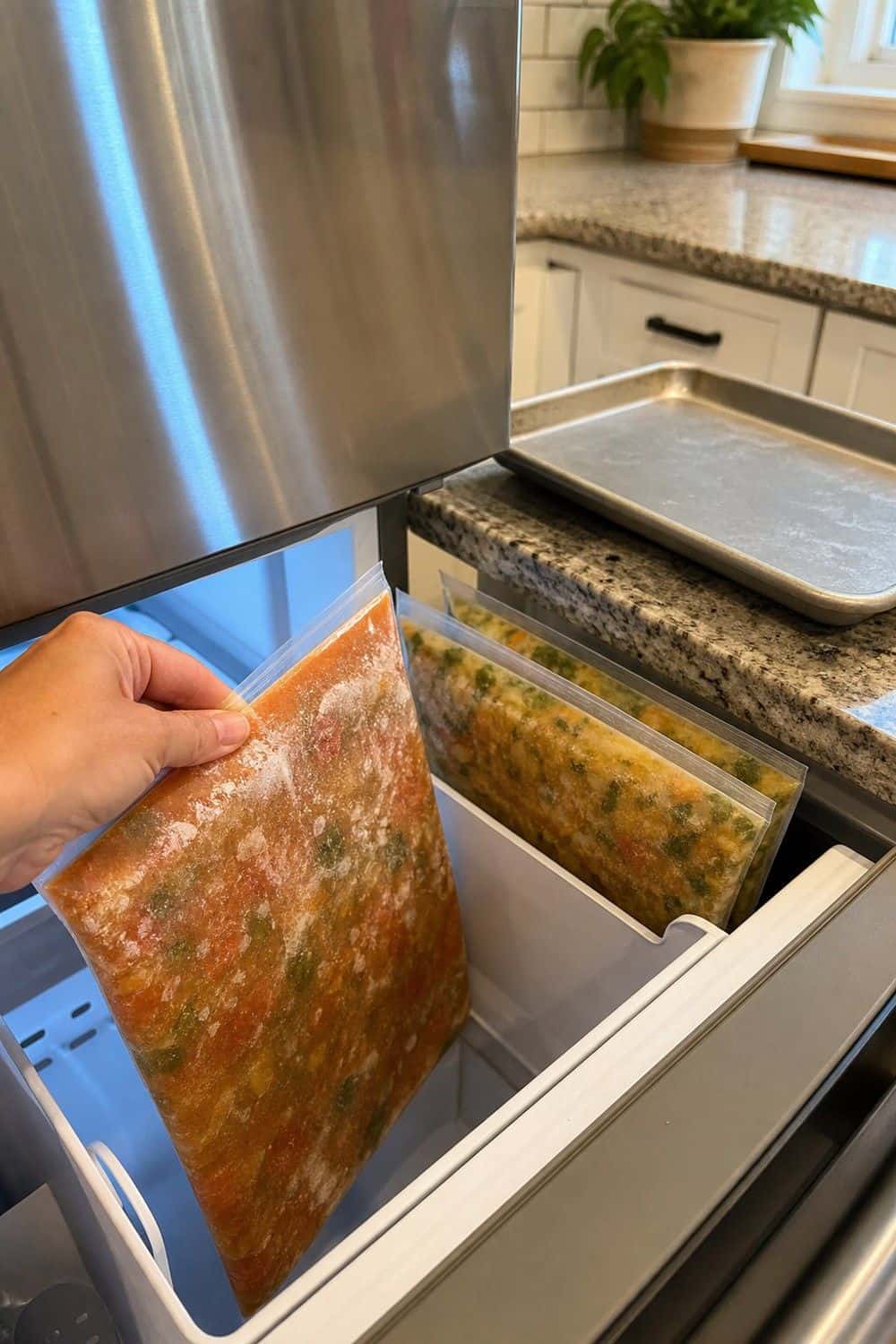
Freezing soup flat saves space and makes thawing much faster than freezing a deep round container. Let the soup cool, portion it into freezer bags, press out extra air, and lay the bags on a sheet pan until solid. Once frozen, the flat packs can stand upright like files. This works best for brothy soups, lentil soup, bean soup, chili-adjacent soups, and smooth vegetable soups. Skip delicate pasta or rice if you know it will turn soft; add those later when reheating. Label the bag before filling, because writing on a cold, full bag is never fun.
2. Dinner-Size Chili Containers
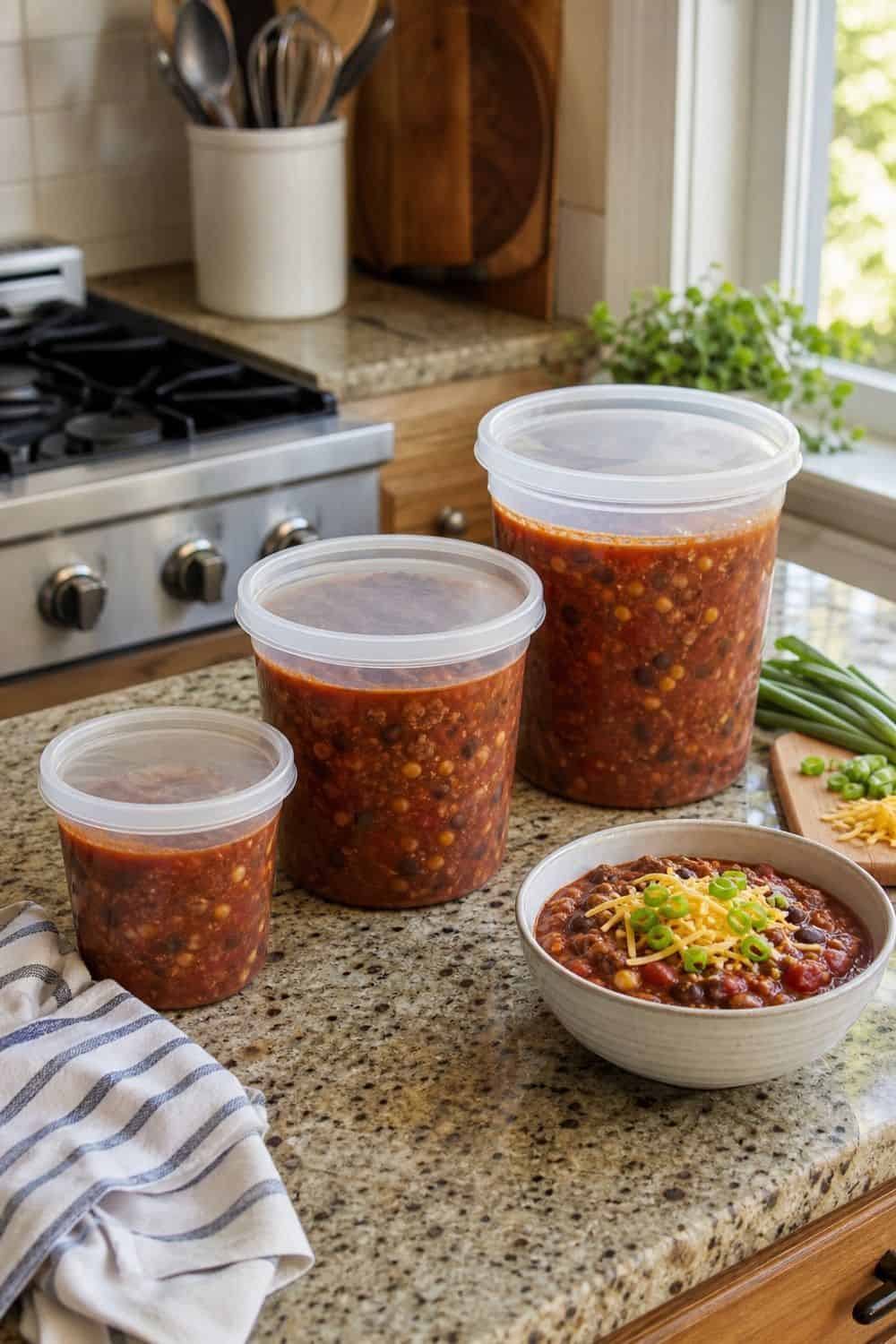
A whole frozen pot of chili sounds useful until you only need dinner for two. Portion chili by household size so it actually gets used: single lunches, two-serving dinners, or a larger family container for nights when everyone is eating together.
Leave a little headspace because chili expands as it freezes, and cool warm chili in shallow portions before sealing. Keep shredded cheese, sour cream, avocado, chips, scallions, and cilantro out of the freezer; those fresh finishes can go on after reheating. A label with the serving count saves you from thawing too much.
3. Individually Wrapped Breakfast Burritos
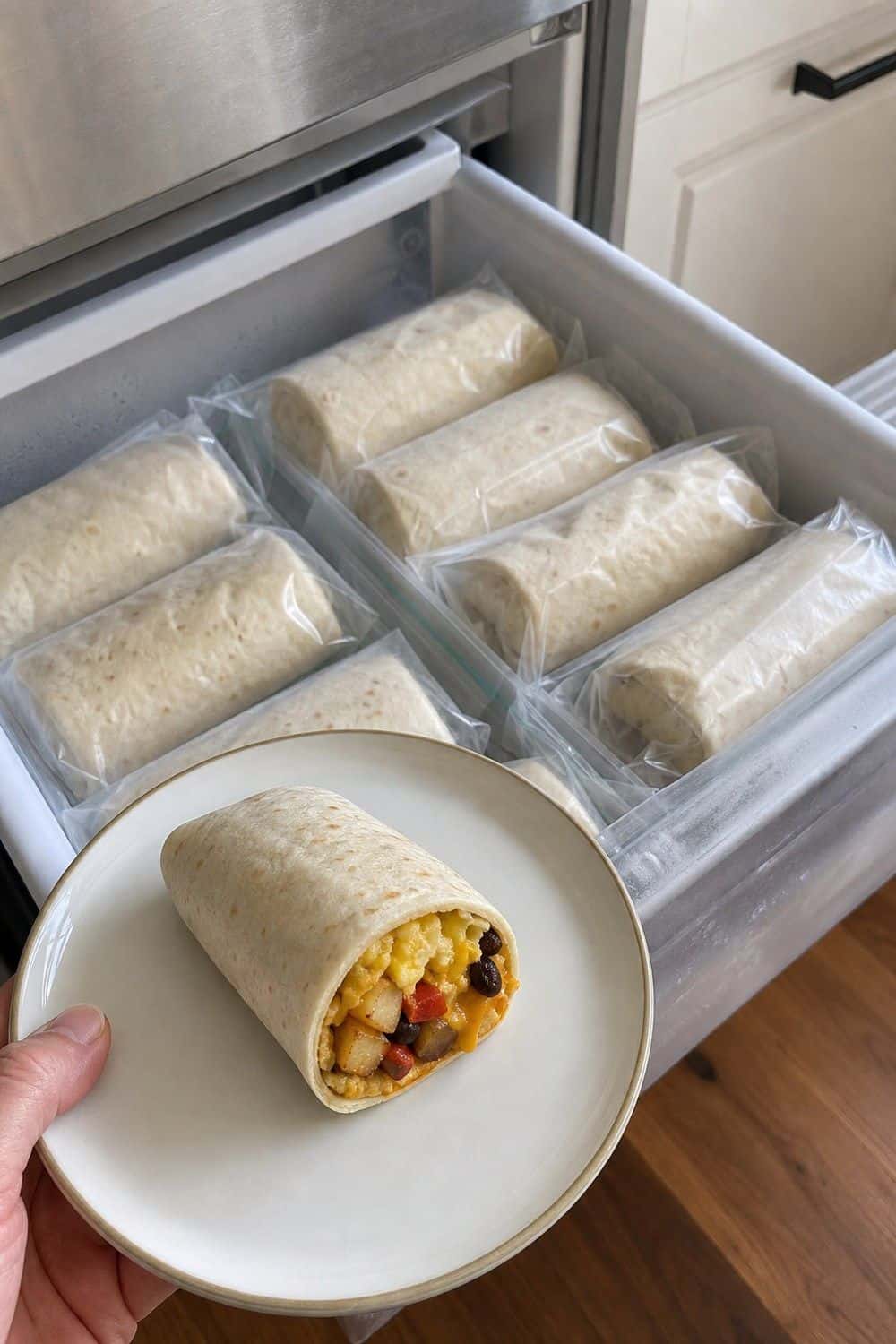
Breakfast burritos earn their freezer space because they solve the morning rush without needing a pan. Fill tortillas with eggs, potatoes, beans, peppers, sausage, cheese, or a mild salsa that will not make the wrap watery. Cool the fillings before assembly so steam does not soften the tortilla.
Wrap each burrito separately, label spicy or vegetarian versions, and freeze different flavors in separate rows or bags. Reheat gently at first so the center warms before the outside gets tough, then add avocado, fresh salsa, or hot sauce after heating for better texture.
4. Egg Bites for Protein Backups
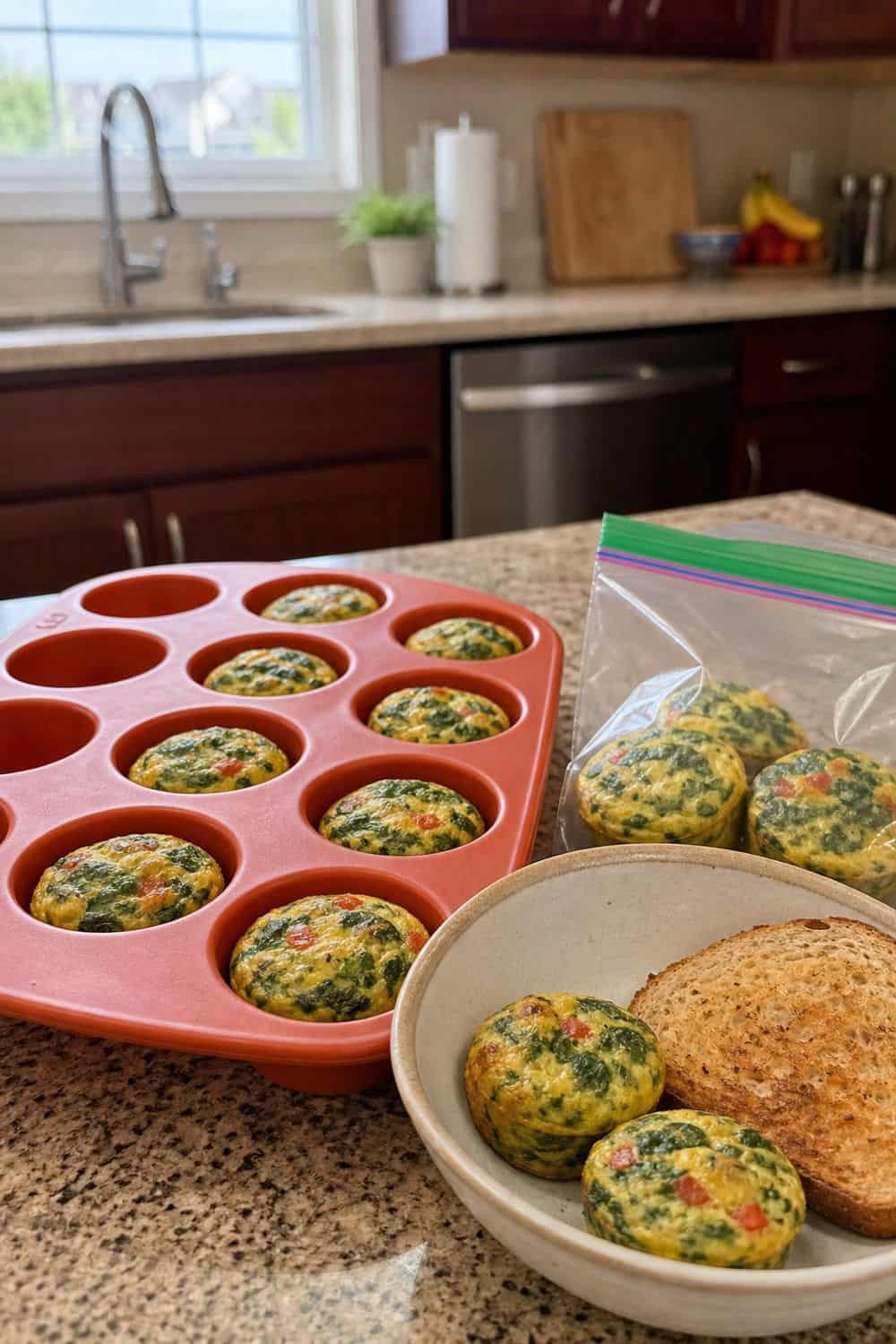
Egg bites are helpful when you want freezer breakfast meal prep without committing to a full casserole. Make them with eggs, cottage cheese, spinach, peppers, ham, feta, herbs, or a little shredded cheese, then freeze them in small portions. One or two can become a fast breakfast, a protein add-on for toast, or a quick snack before school or work.
Small portions freeze and reheat more predictably than a large egg bake. Let the bites cool before freezing, then move them into a freezer bag or container once firm.
Egg texture needs a little honesty. They can turn rubbery if blasted too hard, so reheat in short bursts or use a lower microwave power when possible. A damp paper towel can help keep the outside from drying out before the center is warm.
5. Single-Serve Muffin Packs
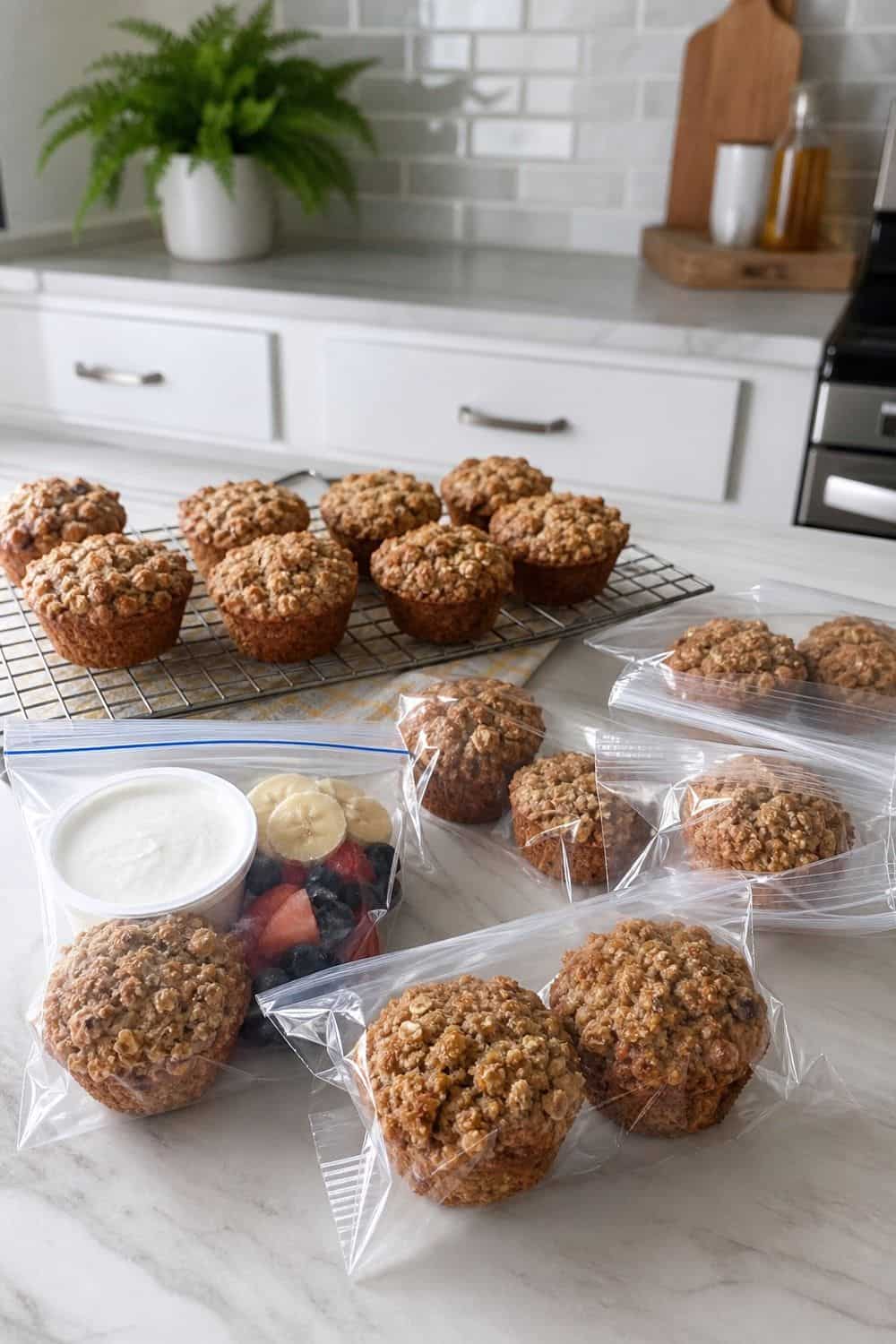
Muffins are freezer-friendly because they cool, portion, and thaw without much fuss. Banana muffins, oatmeal muffins, zucchini muffins, corn muffins, and egg-free snack muffins can all become breakfast or snack backups when they are packed in a way that matches how your household grabs food.
Cool muffins completely before freezing. Warm baked goods trap moisture, which turns into ice crystals and makes the texture damp after thawing. If people usually take one at a time, freeze them individually or in two-packs instead of sealing a dozen together.
For weekday mornings, pair a thawed muffin with yogurt, a boiled egg, fruit, or nut butter so it feels like breakfast rather than just a sweet extra. That pairing makes the freezer item more useful and keeps you from relying on one big batch of baked goods for the whole week.
6. Smaller Freezer Lasagna Pans
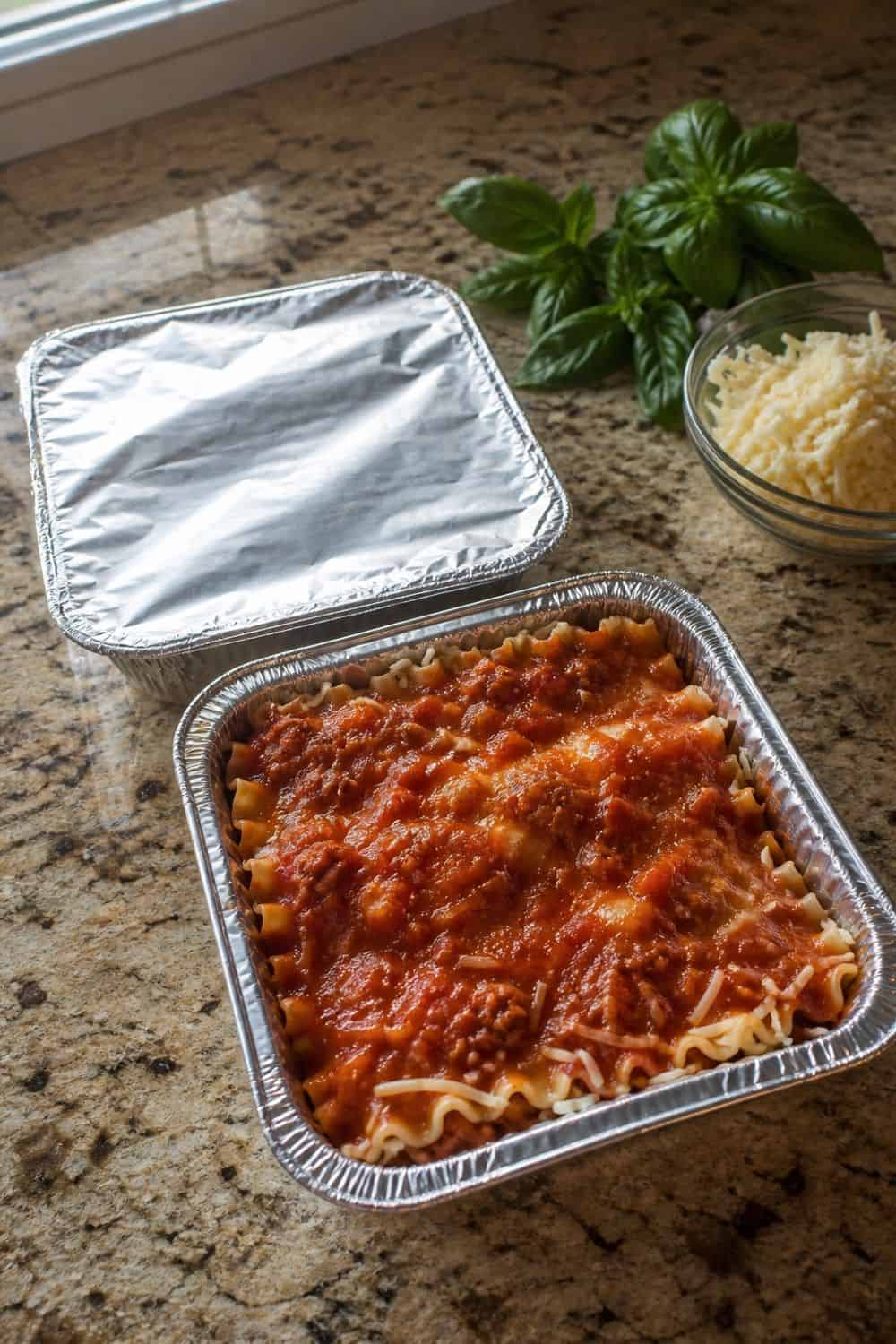
Two smaller lasagna pans are often more useful than one oversized pan. An 8×8 portion can cover a small dinner, a planned leftovers night, or a meal for someone who needs backup without forcing you to thaw a full 9×13 casserole.
This works for lasagna, baked ziti, stuffed shells, vegetable pasta bake, or meat sauce and noodles. Assemble with enough sauce to protect the pasta, cover tightly, and label whether the dish is cooked or unbaked. Save fresh herbs and a little finishing cheese for baking day.
7. Enchilada Trays Before Baking
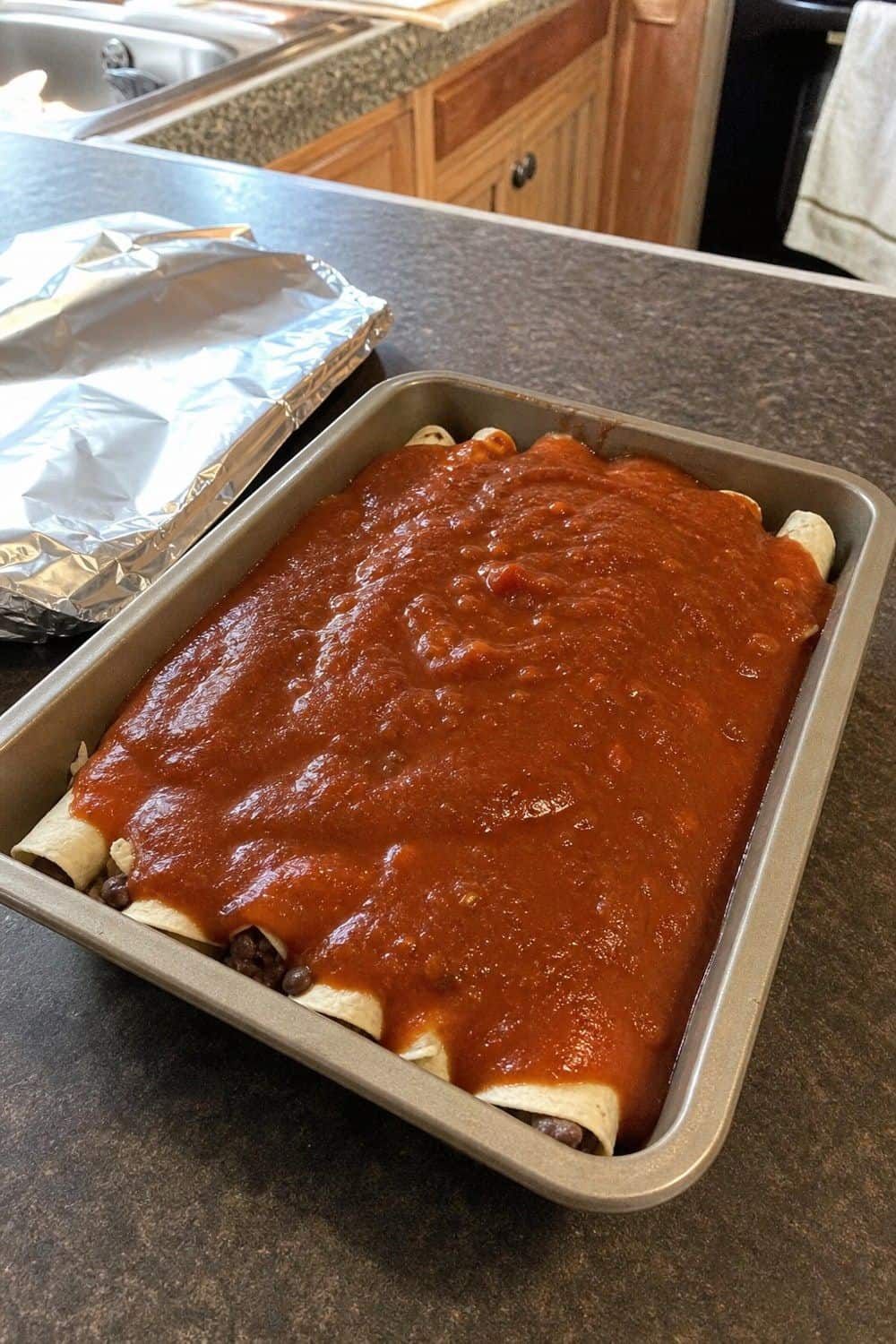
Enchilada trays are useful freezer meals because they can move from planned prep to oven dinner without much extra assembly. Chicken, bean, veggie, and salsa verde enchiladas all work well when the sauce, filling, and pan size are chosen with freezing in mind.
Spread a little sauce on the bottom, fill and roll the tortillas, then cover the top with enough sauce to protect the surface. Freeze without lettuce, avocado, sour cream, or crunchy strips; those belong after baking. A smaller tray is often better if it keeps leftovers manageable.
8. Sheet-Pan-Frozen Meatballs
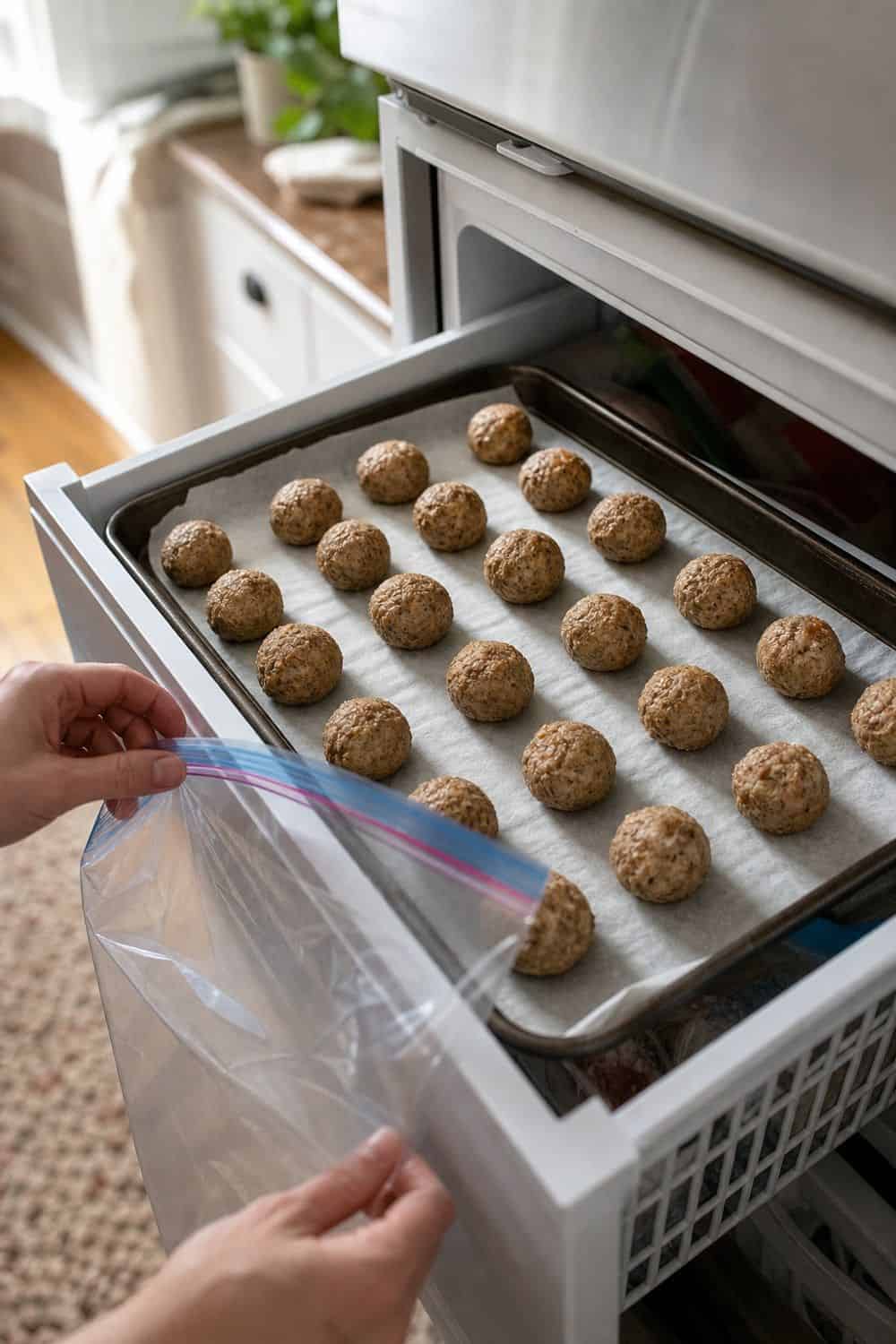
Meatballs are much more useful when they freeze as separate pieces instead of one stuck-together mass. Turkey, beef, chicken, lentil, and chickpea meatballs can all become quick protein starters if you shape them evenly and freeze them spaced apart on a sheet pan first.
Once firm, transfer them to a labeled freezer bag or container so you can pull out a few for pasta, lunch bowls, soup, subs, or rice. If the meatballs are cooked before freezing, cool them promptly and reheat thoroughly; saucy reheating usually gives better texture than dry reheating.
9. Shredded Chicken Meal Packs
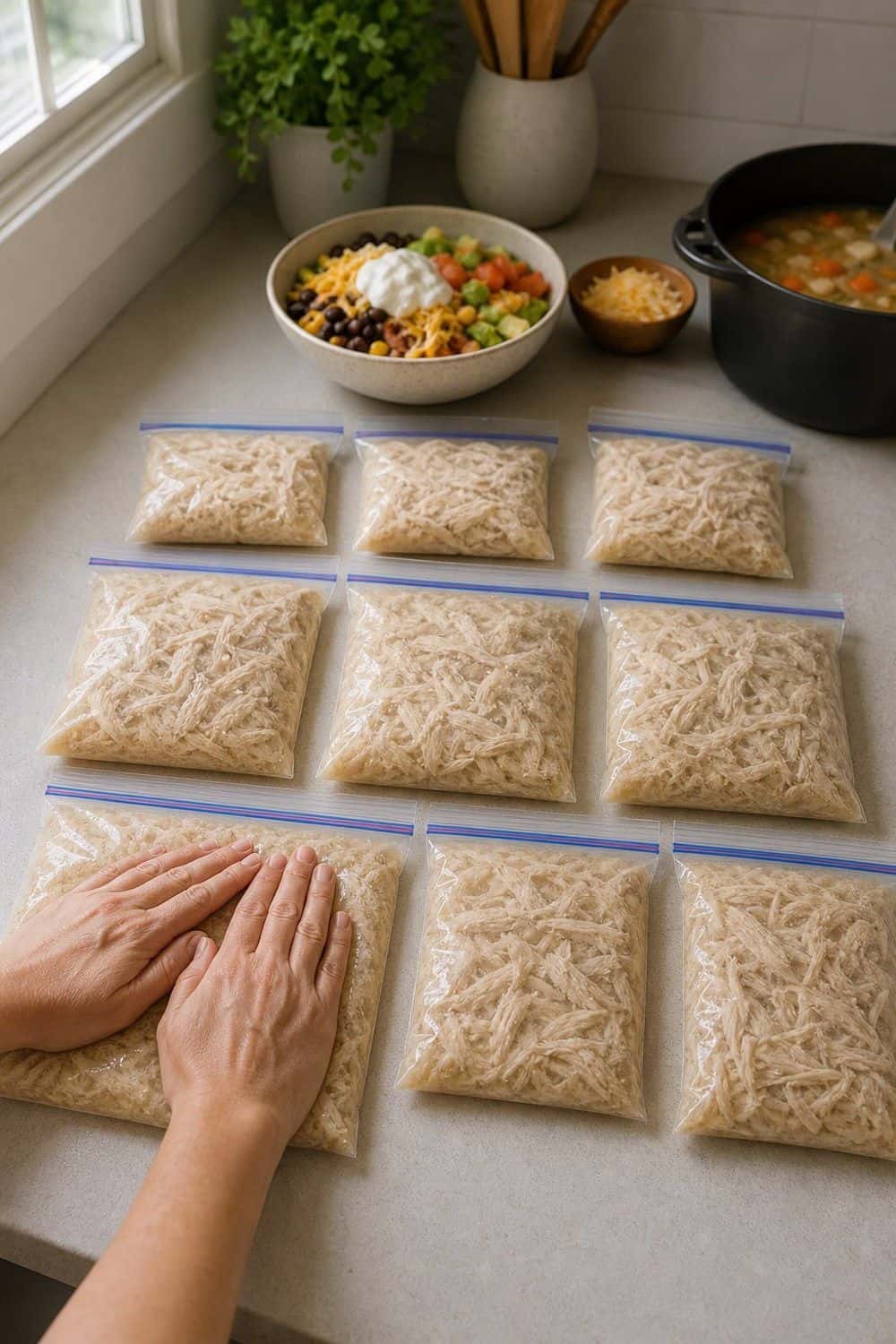
Shredded chicken is one of the easiest freezer proteins because it can become tacos, soups, wraps, grain bowls, casseroles, or quick sandwiches. Freeze it in portions that match real meals, not one giant bag. A one-cup pack may be perfect for lunch bowls, while a larger pack can handle enchiladas or soup. Keep the seasoning flexible unless you already know the plan. Plain chicken with a little broth is easier to reuse than chicken locked into one strong flavor. Press bags flat so they thaw quickly, and label whether the chicken is plain, taco-style, or already sauced.
10. Slow Cooker Bag Kits
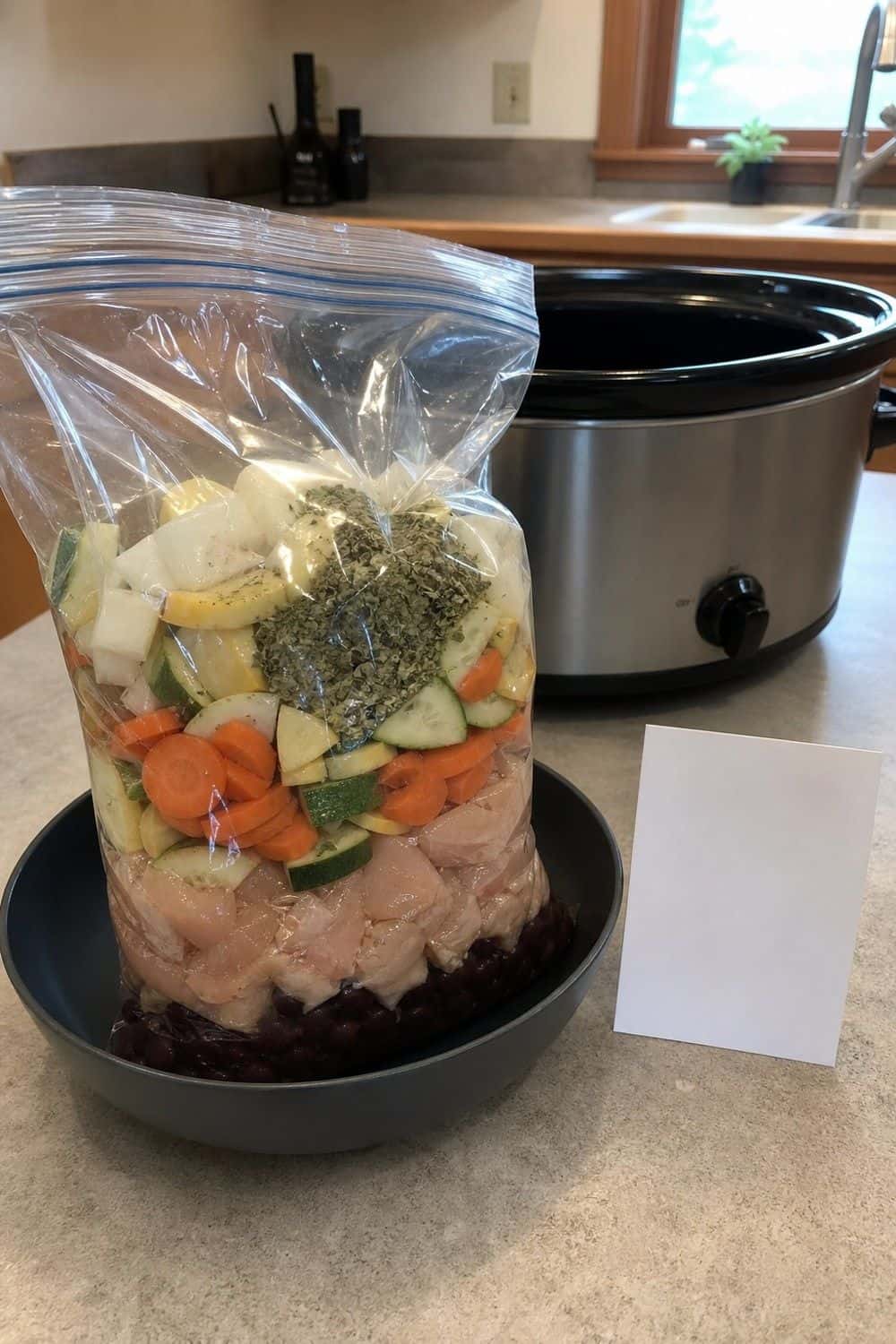
Slow cooker freezer bags are not finished meals yet, which is exactly why they are useful. They hold the chopped vegetables, beans, sauce, spices, and protein for a future cooking day, so dinner can start without pulling out every cutting board and measuring spoon.
Good options include chili ingredients, curry packs, salsa chicken, stew vegetables, bean soup, and pulled pork ingredients. Hold the bag upright while filling, press out extra air, and freeze it flat so it stores neatly.
The label needs more than a name. Add the date, cooking time, liquid to add, and thawing note. If a recipe requires thawing before cooking, write that clearly so the bag does not become a guessing game at 5 p.m. Raw ingredient packs need careful handling too: keep them cold, avoid cross-contamination, and thaw safely in the refrigerator when the recipe calls for it.
11. Marinade Protein Packs
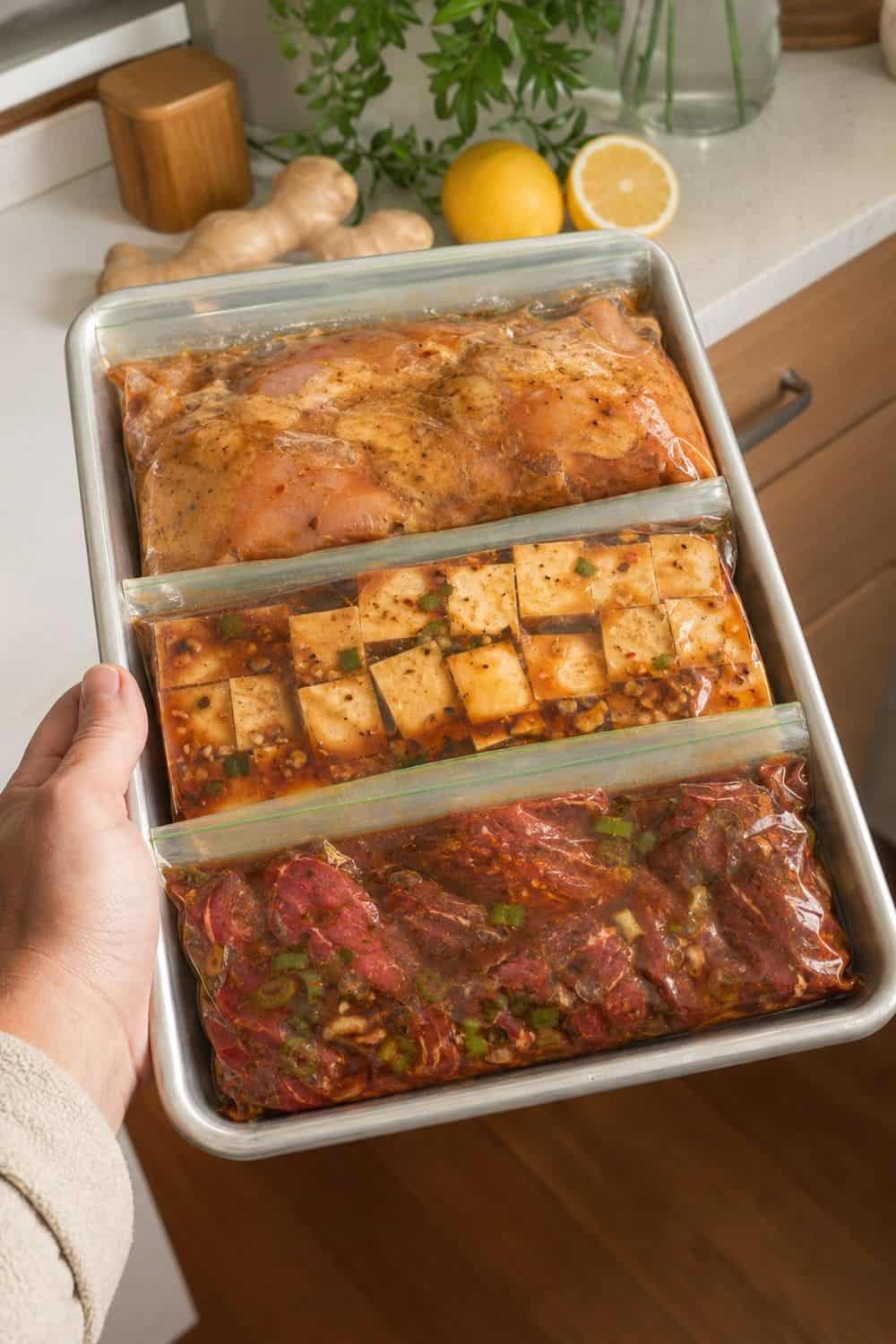
Marinade packs give you a future main dish without deciding the flavor later. Chicken thighs, pork tenderloin, tofu, beef strips, and shrimp can be frozen with marinades that hold up well, such as lemon garlic, soy ginger, barbecue, herb yogurt, or chili lime.
Remove as much air as possible, flatten the pack, and label the protein, date, and cooking method. The goal is not just storage. It is making the next step obvious when you pull the pack from the freezer.
Seafood needs extra caution because it cooks quickly and can lose quality if it sits too long after thawing. Thaw it safely, cook it soon, and do not treat the marinade as a finished sauce unless it has been handled and cooked appropriately.
12. Stir-Fry Vegetable Kits
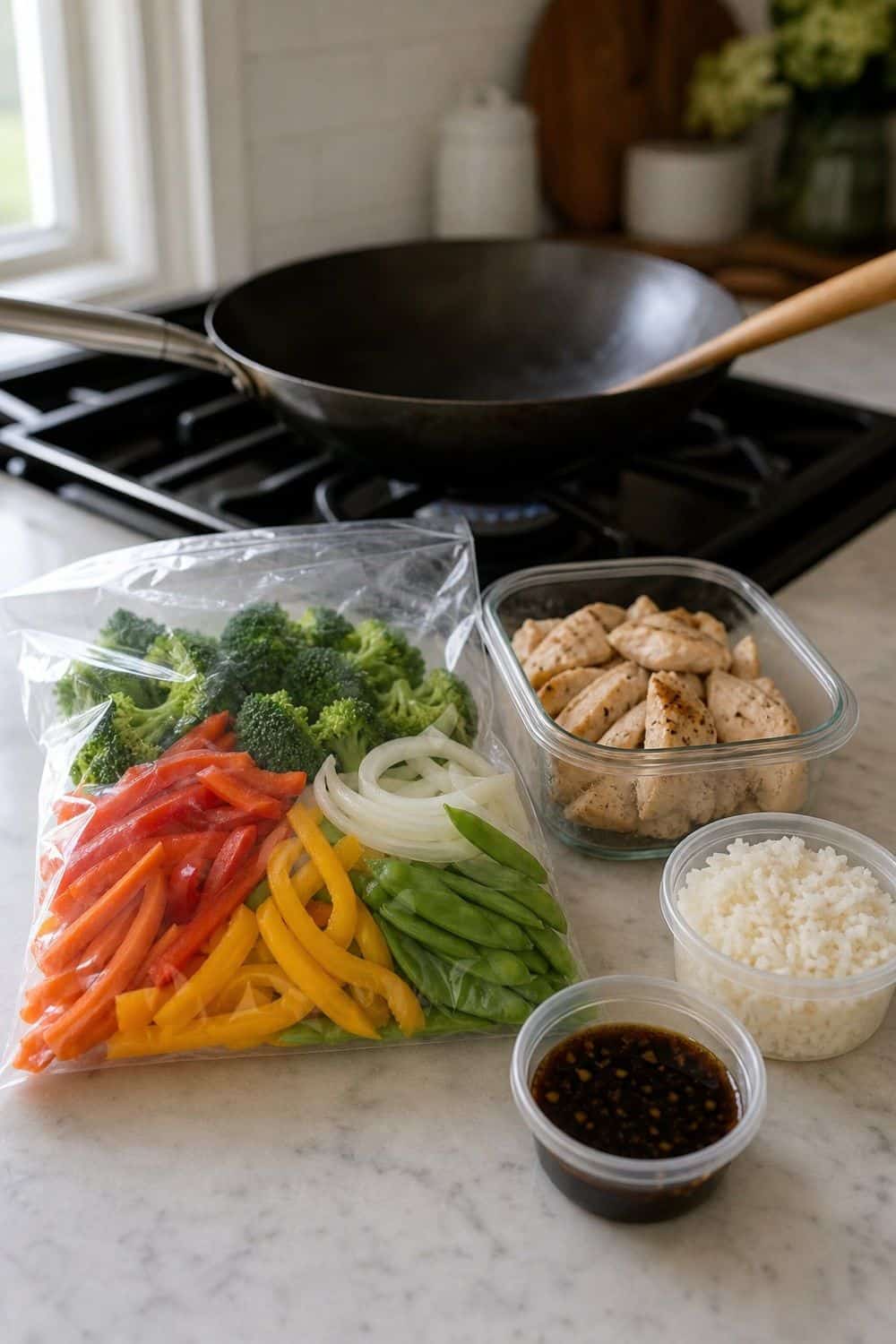
A stir-fry kit works best as a cooked dinner shortcut, not a promise of fresh salad texture. Peppers, onions, broccoli, carrots, snap peas, mushrooms, tofu, and cooked chicken can all work because they are headed for a hot pan anyway.
Keep watery vegetables, rice, noodles, and sauce separate so the kit does not freeze into one salty block. Cook the vegetables over enough heat to drive off steam, then finish with sesame seeds, herbs, scallions, or crunchy toppings after reheating.
13. Flat Rice and Grain Portions
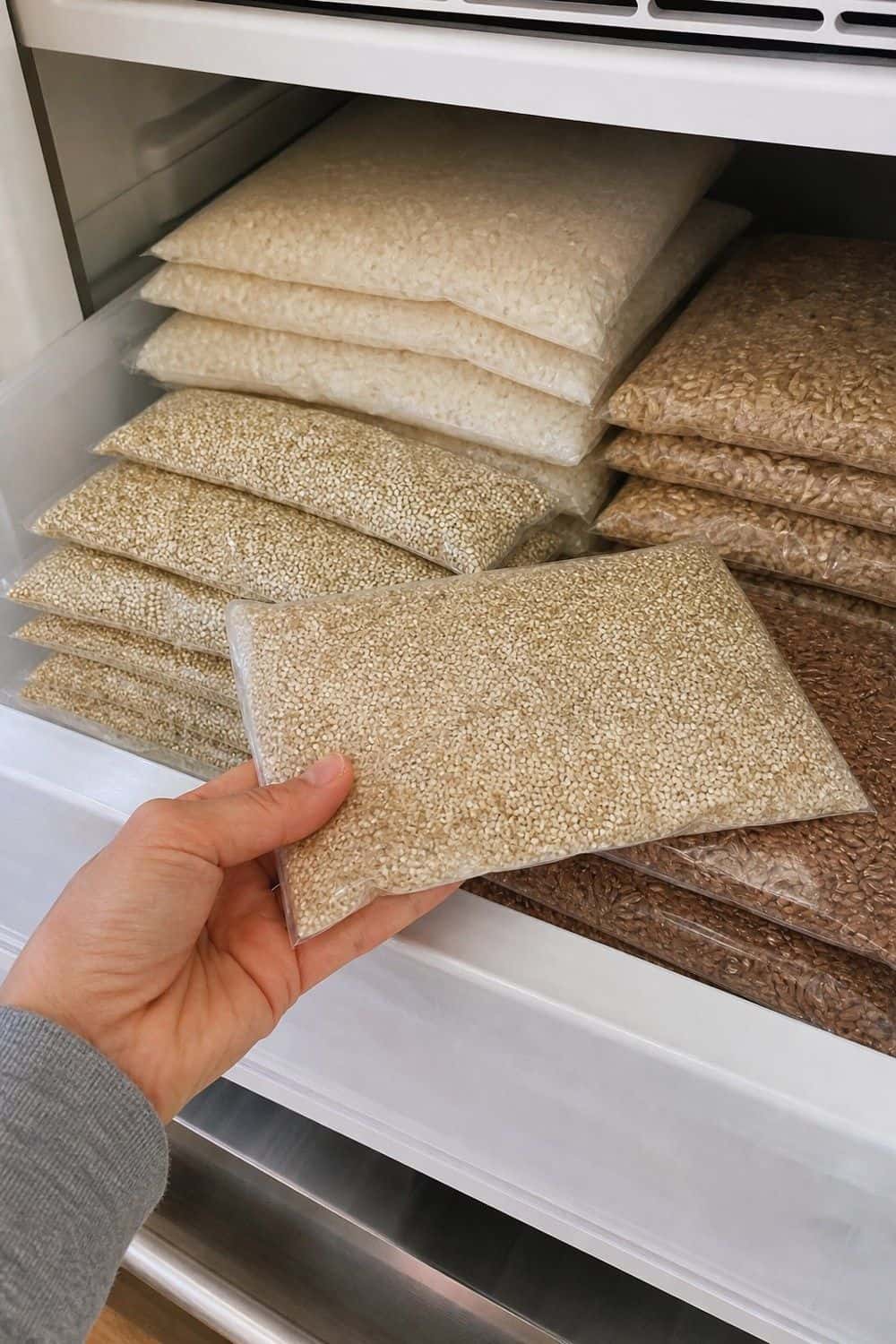
Frozen grains are a quiet meal prep win because they turn leftovers into a ready base. Rice, brown rice, quinoa, farro, barley, and couscous can all be cooked ahead, cooled quickly, and frozen in flat portions for bowls, fried rice, soup add-ins, and curry nights.
Portion grains by how you use them. A thin two-cup pack might be right for a family dinner, while smaller portions are better for single lunches. Pressing the bag flat helps the grains freeze quickly and break apart more easily later.
Reheat with a splash of water so the grains steam back to life. If you know the grain is going into fried rice, slightly drier rice can be an advantage, but for bowls and curries you may want a softer texture. Label the grain type clearly because farro, barley, and brown rice can look surprisingly similar once frozen in a thin pack.
14. Sauce Cubes for Freezer Meals
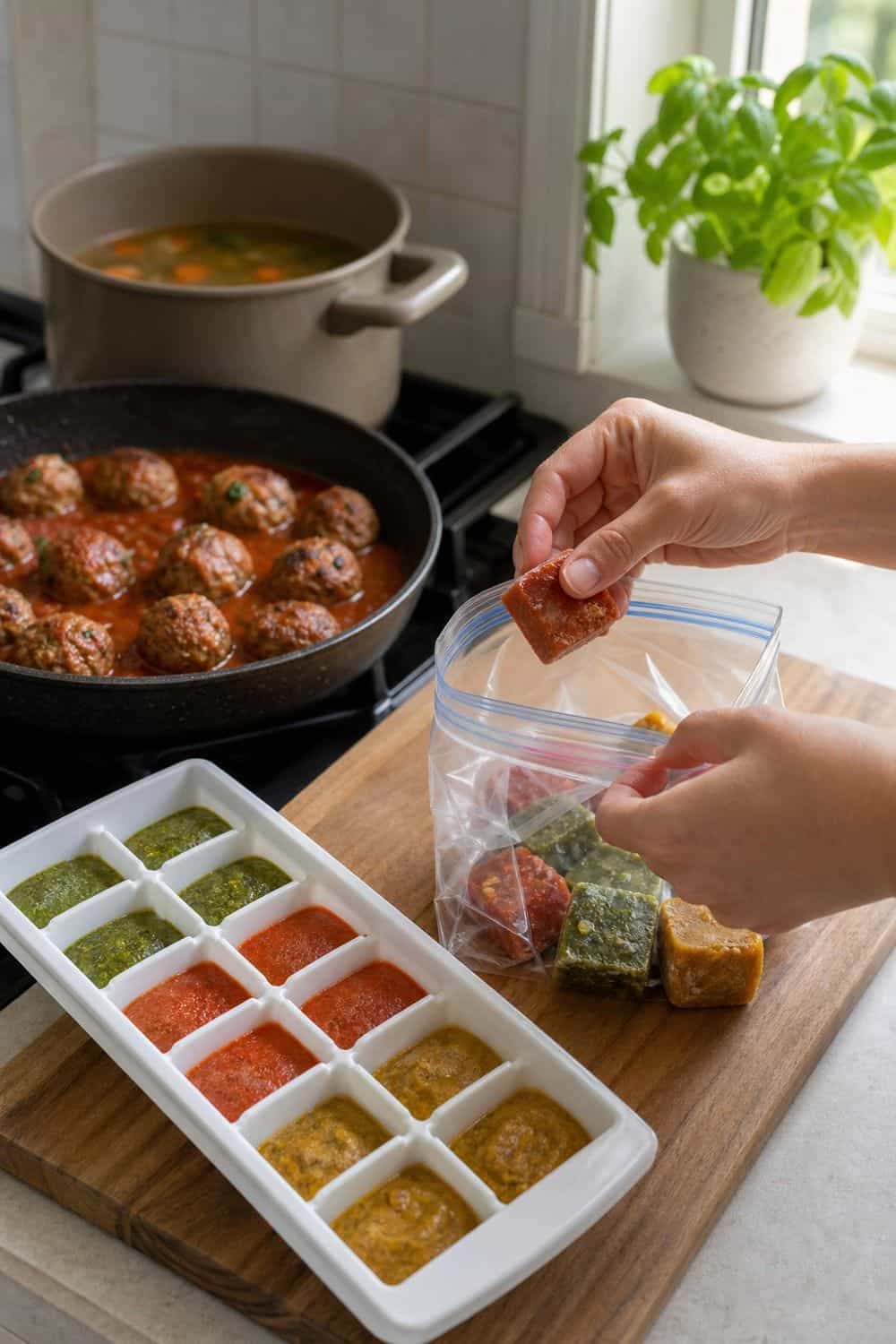
Sauce cubes keep freezer meals from tasting like the same plain base over and over. Pesto, tomato sauce, curry sauce, enchilada sauce, broth concentrate, garlic butter, and gravy can all be frozen in measured portions so you can add flavor without thawing a whole jar.
Freeze the sauce in a tray, then pop the cubes into a labeled bag once solid. Write the sauce name and approximate amount per cube if you know it, especially for concentrated sauces or salty broth cubes.
A cube can go into a skillet of meatballs, a pot of soup, a pan of beans, or a quick pasta sauce. That small flavor shortcut makes frozen components feel more like dinner and less like leftovers. It also helps when you freeze plain proteins or grains, because the flavor decision is already waiting.
15. Breakfast Sandwiches for Busy Mornings
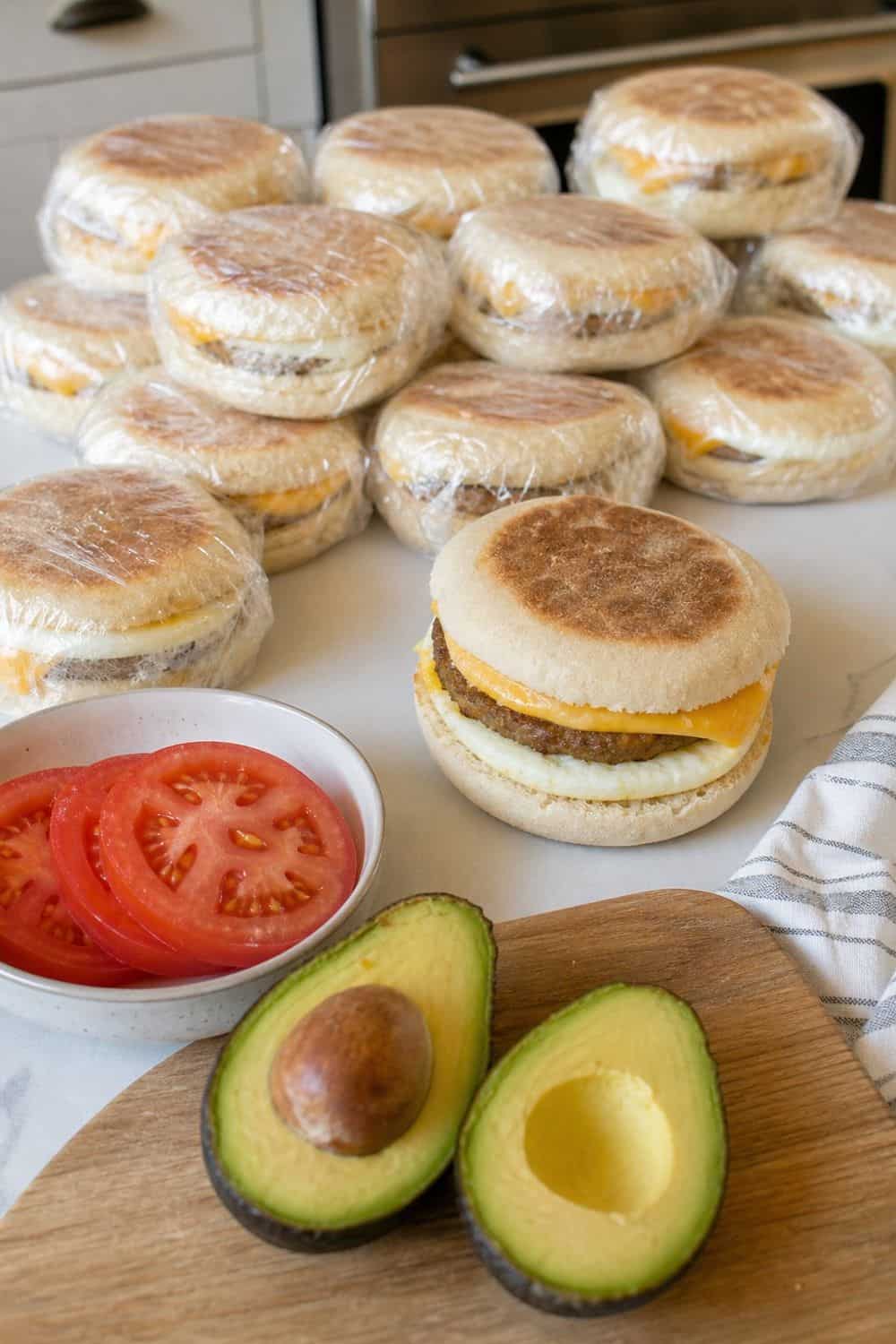
Breakfast sandwiches freeze best when the bread texture is protected. English muffins, eggs, cheese, sausage, ham, spinach, and roasted vegetables can work well, but warm fillings need to cool before wrapping so the bread does not turn soggy.
Cook eggs in a shape that fits the bread, squeeze extra moisture from greens or roasted vegetables, and wrap each sandwich separately. Reheat covered until the center is warm, then crisp the bread in a toaster oven or skillet if you have time. Save tomato, avocado, hot sauce, or fresh greens for eating.
16. Separated Pancakes and Waffles
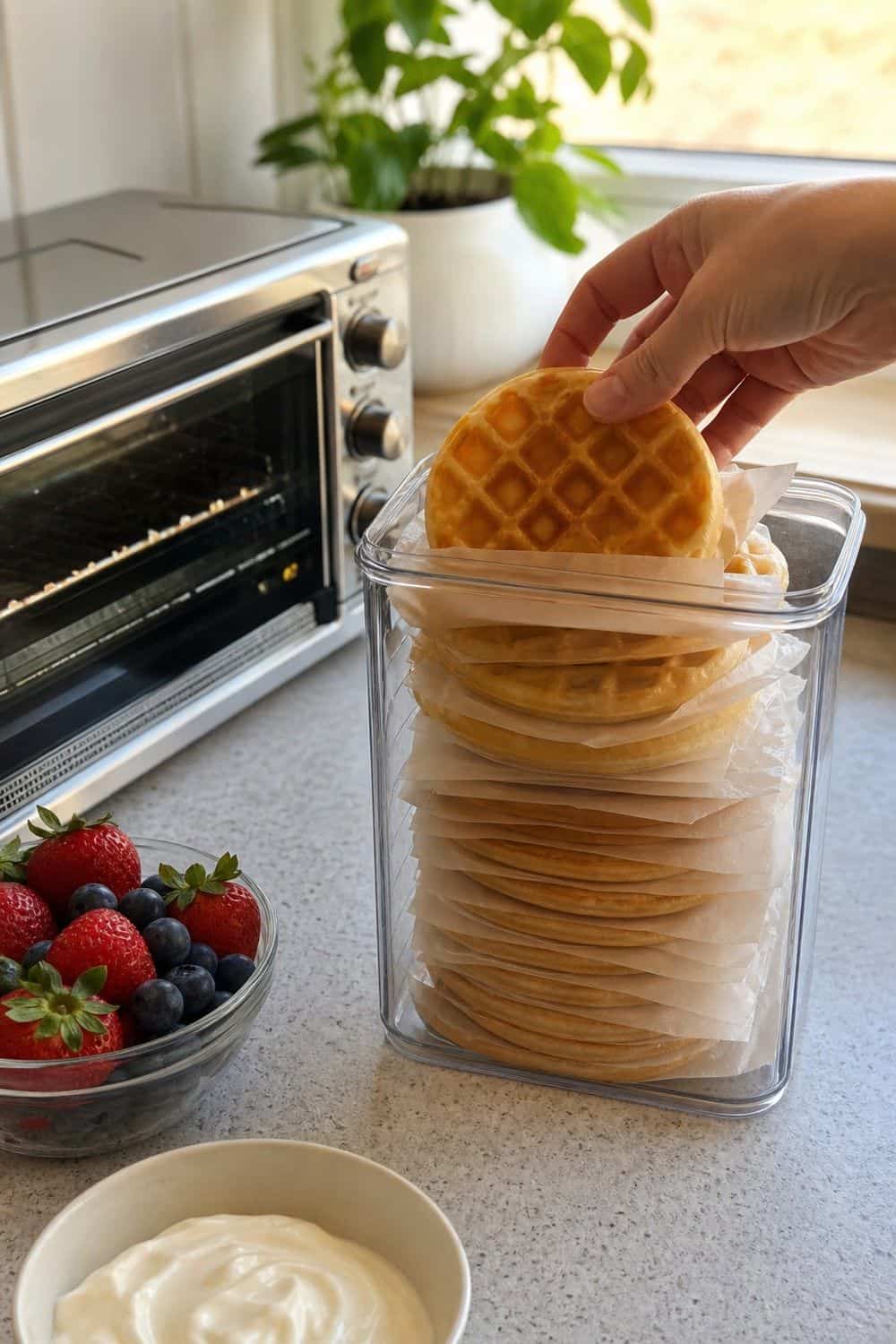
Pancakes, waffles, French toast slices, and protein pancakes are only convenient if you can remove one or two without prying apart a frozen stack. Let them cool, then layer pieces with separators before freezing so breakfast can go straight to the toaster or oven.
The texture payoff comes from crisping. Waffles and French toast especially taste better when reheated in a toaster or toaster oven rather than steamed in the microwave. Pancakes can handle gentler reheating, but they still benefit from being frozen in small groups.
Freeze toppings separately. Butter, syrup, berries, yogurt, and nut butter are better added fresh so the breakfast does not thaw into a wet pile. If mornings are rushed, group the frozen stack with a small note like “toast two, add yogurt and berries” so the meal still feels automatic.
17. Stew or Curry Block Portions
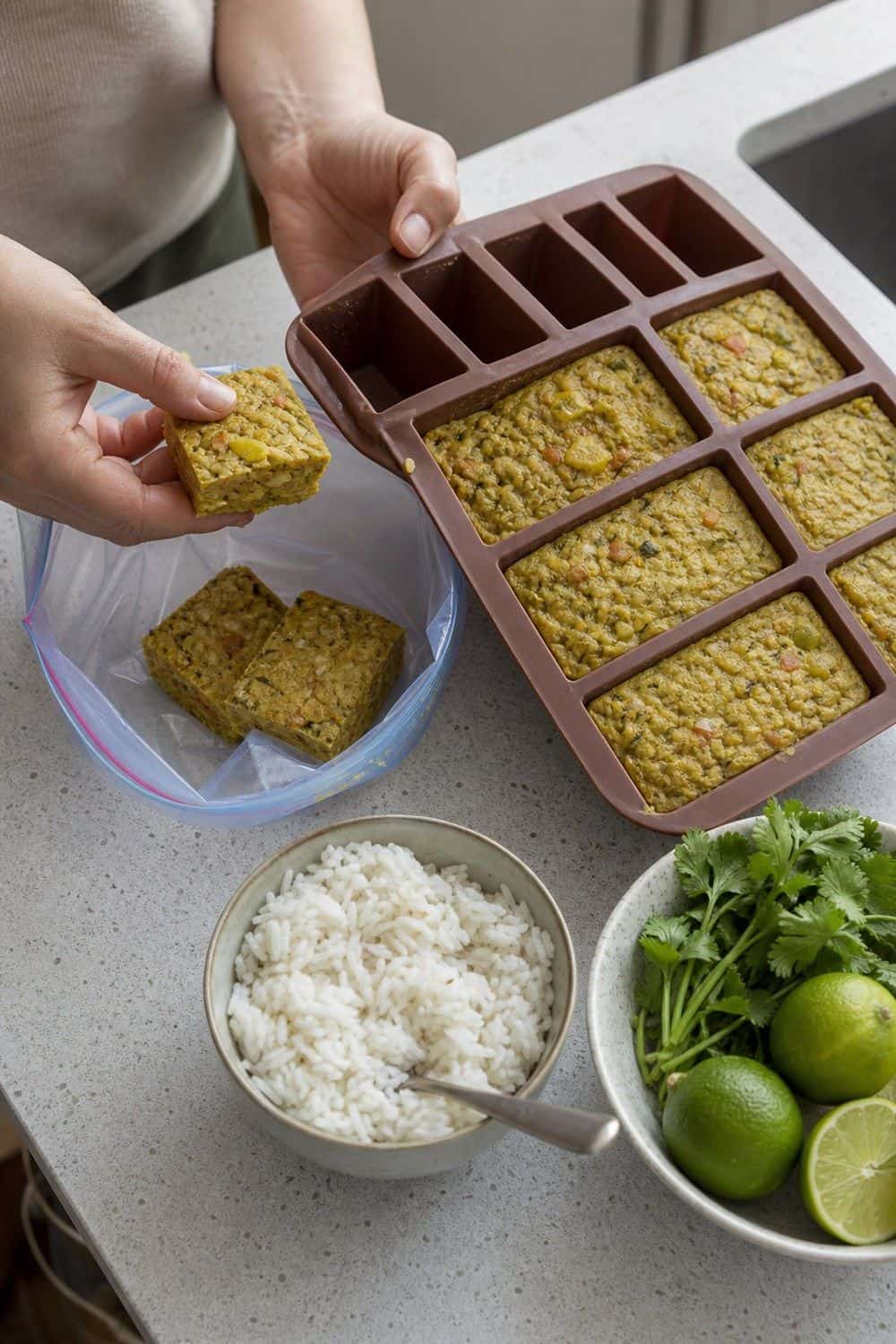
Stew and curry freeze well when they are portioned into blocks that fit the way you reheat. Lentils, beans, braised meat, saucy chickpeas, coconut curry, and vegetable stew can become predictable freezer dinners when you know how many blocks equal lunch or a family meal.
Cool the food first, freeze it in measured portions, then transfer the blocks to a labeled bag. Keep rice and noodles separate, stir during reheating so dense sauces do not hide cold spots, and add herbs, lime, yogurt, or crunchy toppings after the meal is hot.
18. Visible Freezer Inventory
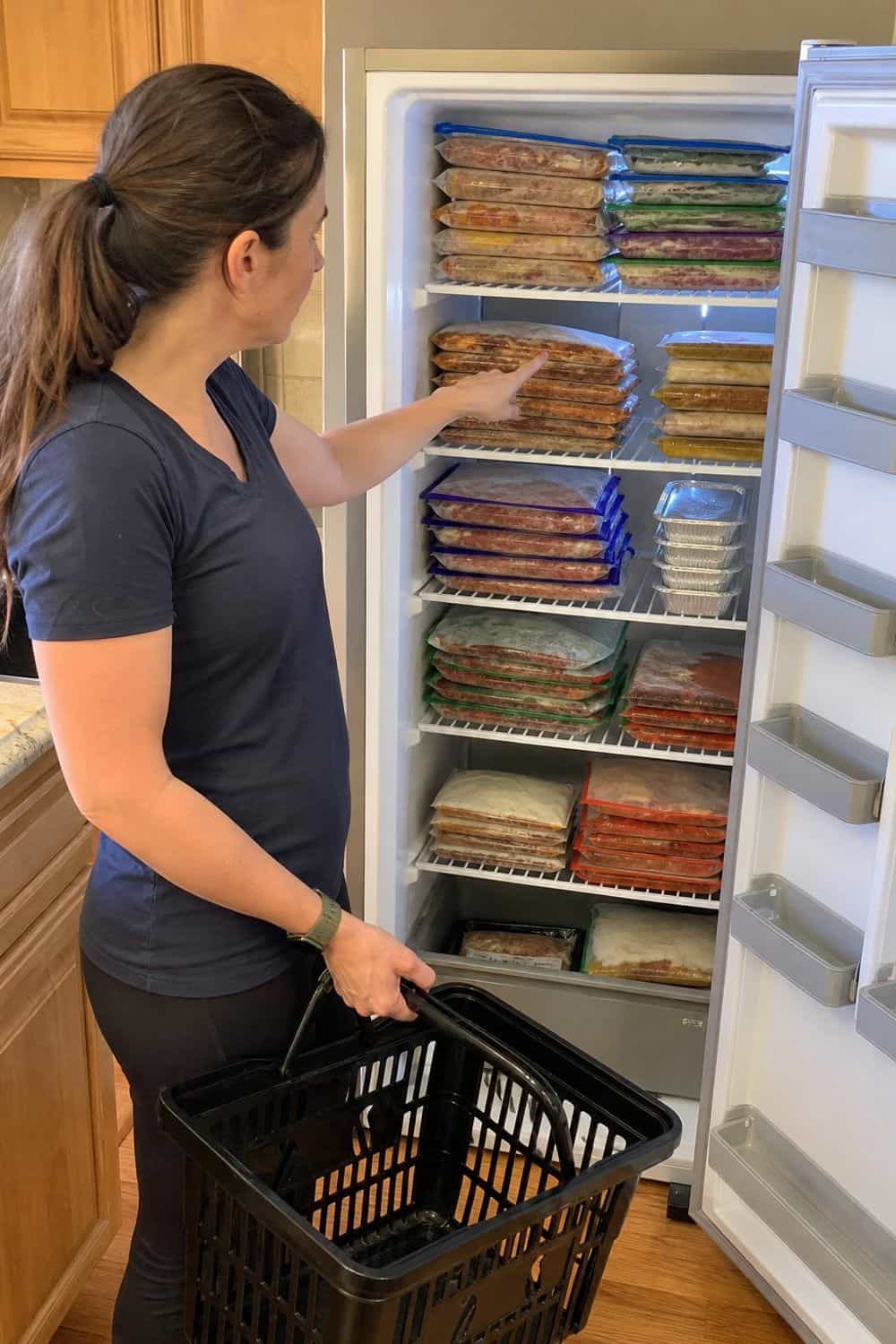
Freezer meal prep fails quietly when good food disappears behind older bags. A visible inventory makes the freezer easier to use because it turns frozen meals back into dinner options. Keep the list short: meal name, date, portions, and one cue like “add rice,” “bake covered,” or “thaw overnight.”
A useful rule is to plan one freezer meal into the week before shopping again. If the list says “turkey chili, 2 portions” and “rice, 1 flat pack,” you already have a low-effort dinner. That habit prevents the freezer from becoming a long-term holding place for meals you meant to eat.
Update the list when food goes in and when food comes out. It does not need to be pretty. It needs to be visible enough that you stop buying ingredients while ignoring the dinners already waiting.
19. Reheat Instructions on Every Label
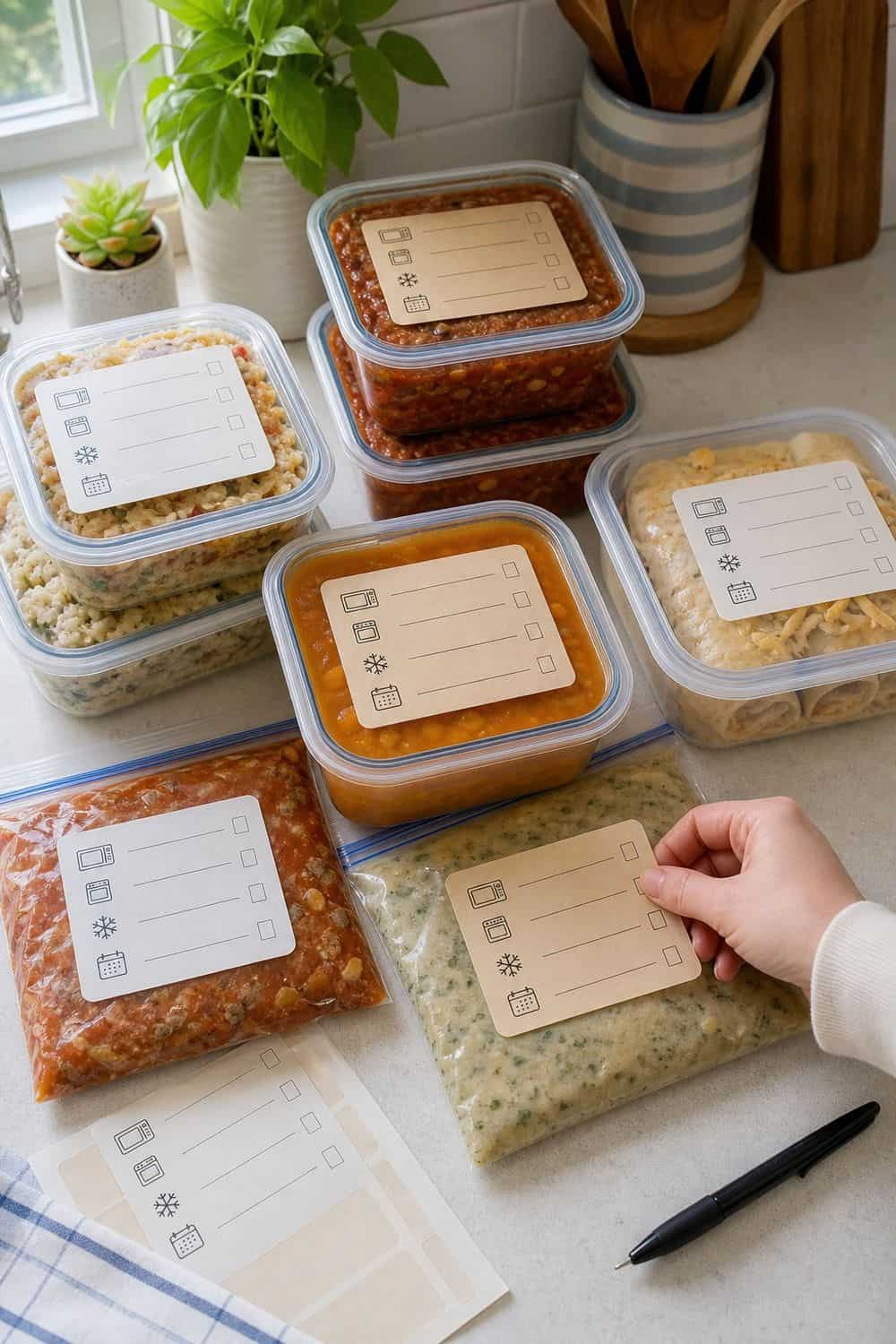
A date alone is better than nothing, but it does not tell you what to do with the food. A good freezer label includes the meal name, date, serving count, thawing note, and reheating method. “Chili, 2 portions, thaw overnight, reheat until hot” is more useful than “chili 7/3.”
This is especially important when you freeze a mix of fully cooked meals, assembled-but-uncooked trays, raw ingredient packs, and separate components. Future-you should not have to guess whether a casserole has already been baked or whether a slow cooker bag needs extra broth.
Labels also support safety. Freezing pauses quality loss and bacterial growth, but it does not make old or questionable food new again. If something was already too old, sat out too long, or smelled off before freezing, the freezer is not a reset button.
20. Safe Freezer Meal Reheating
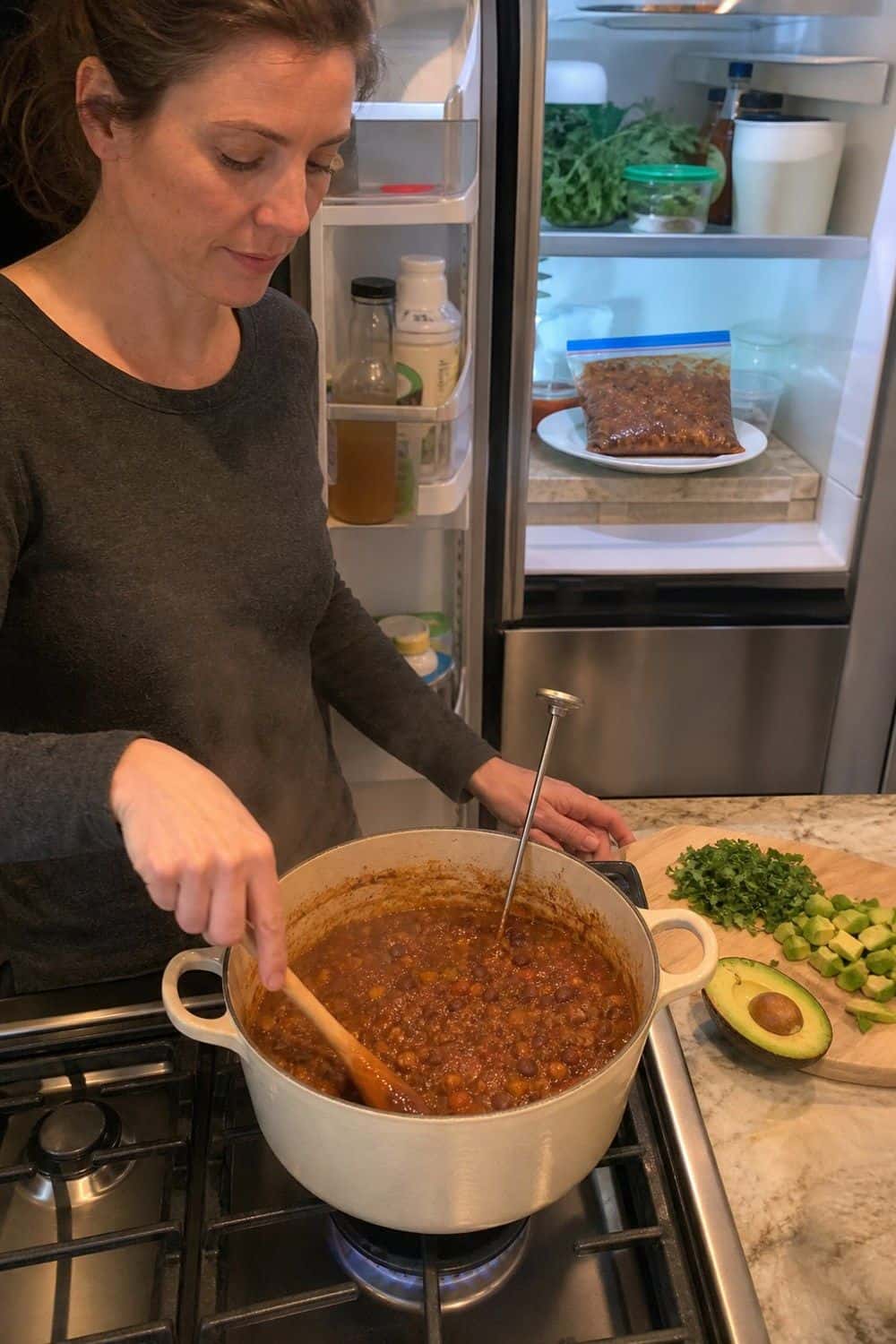
Reheating is the final step of freezer meal prep, and it matters as much as freezing. Leftovers, casseroles, soups, stews, and cooked proteins should be reheated until the whole portion is hot, not just the edges. Dense meals can hide cold pockets, especially if they were frozen in deep containers.
Stir soups and saucy dishes during reheating, and check the center of casseroles or meat-heavy meals. Thaw in the refrigerator when a meal needs it, or label clearly when something can cook from frozen. Add herbs, avocado, crunchy toppings, or delicate greens after the food is hot.
Freezer Meal Prep Basics That Make Every Idea Work
Freezer meal prep means preparing meals, components, and meal starters specifically for frozen storage and later use. Some freezer meals are fully cooked, like chili or soup. Some are assembled but unbaked, like enchilada trays. Some are raw ingredient packs for later cooking, and some are components, like grains, sauces, or shredded chicken.
The safest freezer routine is straightforward: cool cooked food before freezing, freeze promptly, use shallow portions, label dates, keep the freezer at 0 F, thaw safely, and reheat leftovers thoroughly. The most useful routine is also texture-aware. Keep pasta, rice, crunchy toppings, fresh herbs, lettuce, sour cream, avocado, and delicate garnishes separate when freezing would hurt the final meal.
Space matters too. Freeze flat when you can, portion by household size, and avoid giant containers that force you to thaw more than you need. A freezer that holds breakfast, lunch, dinner, sauces, proteins, and emergency backups is much easier to use than one packed with oversized mystery meals.
Frequently Asked Questions
What freezer meal prep ideas work best?
The best options are meals and components that freeze in useful portions and reheat well, such as flat soups, chili containers, breakfast burritos, egg bites, meatballs, shredded chicken, sauce cubes, grain portions, casseroles, and stew blocks. Good labels and clear reheating notes make them much easier to use.
What meals freeze well for meal prep?
Soups, chili, stews, curries, meatballs, casseroles, enchiladas, cooked proteins, muffins, waffles, breakfast sandwiches, and burritos usually freeze well. Saucy foods often reheat better than dry foods because the moisture helps protect texture.
What foods should I not freeze for meal prep?
Delicate greens, lettuce, avocado, sour cream, crunchy toppings, fresh herbs, and some cooked pasta or rice dishes can lose quality in the freezer. That does not mean you can never use them. It usually means they should be added fresh after reheating.
How long do freezer meal prep meals last?
Many freezer meals keep best for a few months when frozen promptly, sealed well, labeled, and stored at 0 F. They may remain safe longer if continuously frozen, but quality can decline, so dating each meal helps you use older items first.
Should I cook freezer meals before freezing?
It depends on the meal. Soups, chili, grains, shredded chicken, and meatballs are often cooked before freezing. Enchilada trays, lasagna pans, marinade packs, and slow cooker bags may be assembled before cooking. Label the package clearly so you know which version you made.
How do I prevent freezer burn on meal prep?
Cool food properly, remove as much air as possible, use freezer-safe packaging, seal tightly, and avoid leaving too much empty space around the food. Sauces, broth, or cooking liquid can also help protect cooked proteins from drying out.
How should I thaw freezer meal prep safely?
Thaw freezer meals in the refrigerator when the recipe calls for thawing. Some foods can cook or reheat from frozen, but dense meals need enough time and heat for the center to warm safely. Avoid leaving perishable food at room temperature for long periods.
What should I write on freezer meal labels?
Write the meal name, date, serving count, thawing note, and reheating or cooking instructions. A label like “enchiladas, unbaked, 4 servings, thaw overnight, bake covered” is much more helpful than a name and date alone.
Final Thoughts
Freezer meal prep ideas are most useful when they match the way you really eat: a few breakfasts, a few dinners, a flexible protein, a grain base, a sauce shortcut, and clear instructions for reheating. Keep portions shallow, labels specific, and toppings fresh, and the freezer becomes part of your weekly routine instead of a place where leftovers quietly disappear.
Last update on 2026-09-18 / Affiliate links / Images from Amazon Product Advertising API