

A new year reset food routine is a small set of repeatable food habits, not a strict diet plan. Start with two breakfast jars, one soup backup, one grain base, one house sauce, visible snacks, a pantry-first dinner plan, and a freezer fallback so January meals feel easier without becoming rigid.
After the holidays, food can feel scattered. The fridge has bits of leftovers, the pantry has half-used staples, and the easiest meal is often whatever requires the least thinking.
A new year reset food routine gives the week a softer landing. Instead of chasing a perfect meal plan, build a few anchors around breakfast, lunch, snacks, pantry dinners, sauces, labels, and backup meals you can actually repeat.
You Might Also Like These Blog Posts
- January Reset Food Ideas
- Sunday Reset Food Ideas
- Cozy Lunch Ideas
- Healthy Snack Plate
- Cozy Soup Night Ideas
15 New Year Reset Food Routine Ideas
1. Two-Jar Breakfast Routine
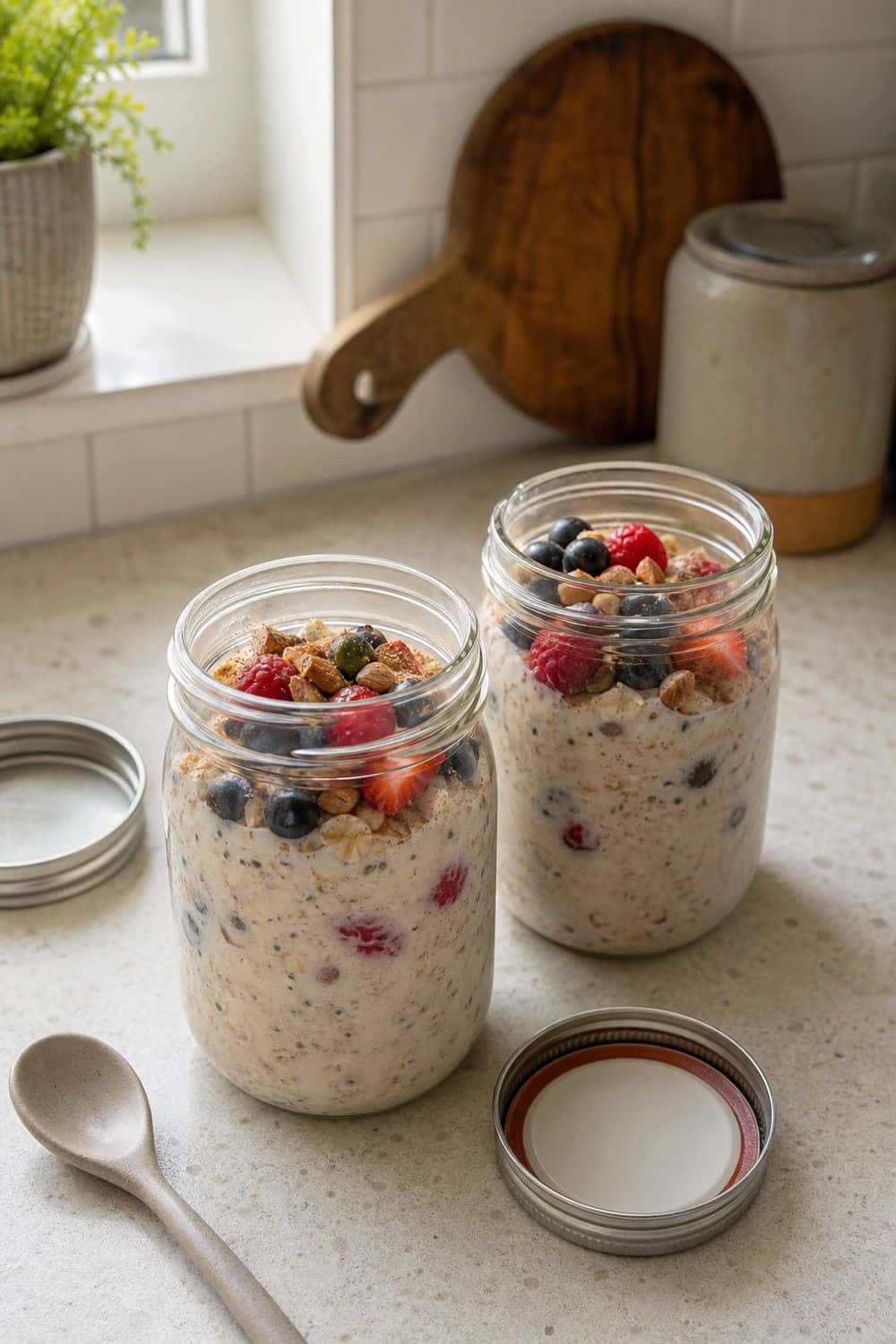
Make the first reset habit small enough to repeat. Prep two overnight oats jars or chia jars with milk, yogurt, fruit, cinnamon, nuts, and seeds, then stop there. Two ready breakfasts give the week a head start without making every morning taste identical. Overnight oats jars help because the portion, lid, and fridge storage are already handled.
Use flavors you will still want by midweek, such as berry vanilla, apple cinnamon, or citrus yogurt. Avoid prepping seven jars unless you already know your household will finish them.
2. Citrus Water and Tea Station

A drink station can make the reset feel gentle instead of rule-heavy. Keep lemon, orange slices, mint, ginger, herbal tea, green tea, or warm water supplies in one obvious spot. An electric kettle supports the routine because tea or warm lemon water takes only a few minutes, even on a tired morning.
Treat this as a comforting kitchen rhythm, not a wellness promise. Keep the focus on reducing friction around drinks you enjoy, especially when cold January weather makes plain water less appealing.
3. Sunday Soup Portion Routine

Soup is one of the easiest ways to make January lunches feel cared for. Make or buy one pot of lentil, white bean, chicken rice, vegetable, or sweet potato soup, then portion two lunches for the fridge and one backup for the freezer. Freezer soup containers keep the routine useful because portions are already separated.
Label the soup name and date before it disappears behind frozen fruit or bread. A reset routine should make lunch easier later, not create another mystery container.
4. Grain Bowl Base Routine
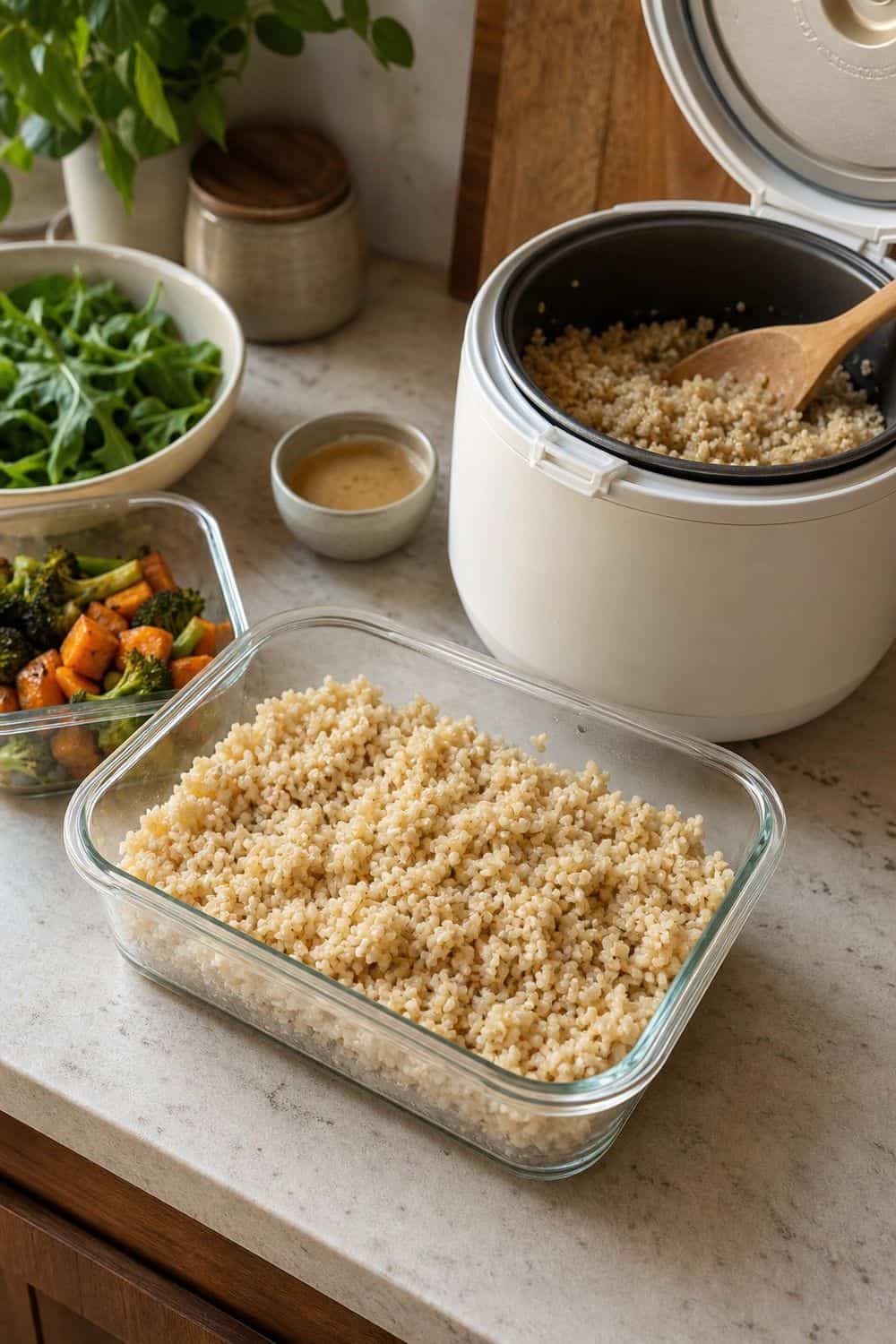
Cook one grain base that can turn into two or three meals. Rice, quinoa, farro, barley, buckwheat, or wild rice can become bowls with protein, vegetables, greens, crunch, and sauce. A rice cooker makes this routine easier because the base can cook while you wash produce, roast vegetables, or clear space in the fridge. Cool cooked grains promptly, store them in shallow containers, and use them for lunches, warm bowls, soups, or quick fried rice instead of starting from scratch each day.
5. Sheet Pan Vegetable Reset
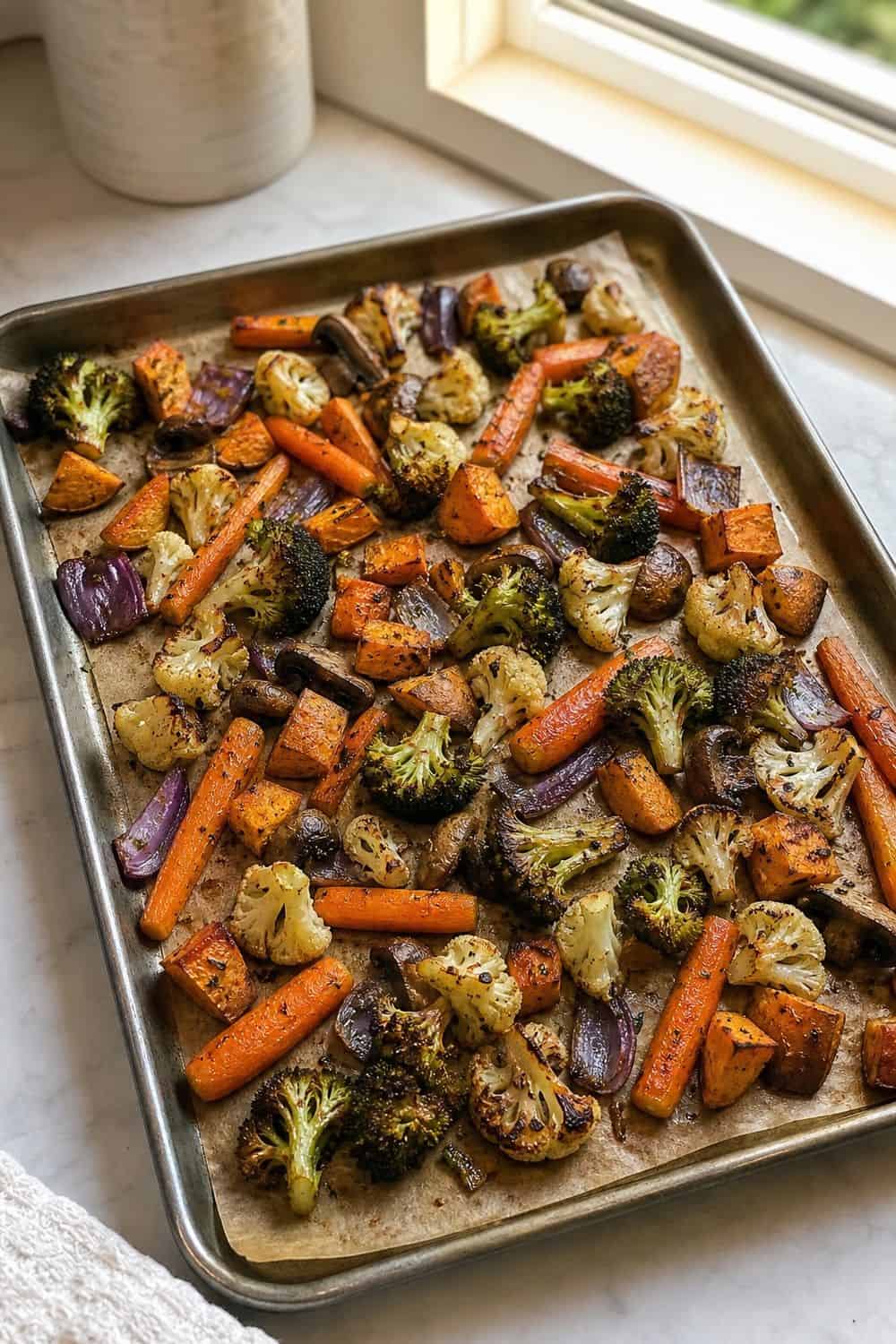
Roast one tray of vegetables that can move through the week. Carrots, broccoli, cauliflower, squash, onions, mushrooms, cabbage, and sweet potatoes can become bowl toppings, toast add-ons, soup extras, omelet fillings, or quick sides. A rimmed sheet pan set gives the vegetables enough room to brown and keeps oil contained. Do not crowd everything onto one pan. Steamed, pale vegetables are harder to look forward to as leftovers, while browned edges make reset meals feel more satisfying in January bowls.
6. Protein Add-On Box

A reset routine gets easier when one protein is ready before hunger decides dinner. Use cooked chicken, tofu, beans, lentils, boiled eggs, tuna, cottage cheese, turkey meatballs, or tempeh as add-ons for bowls, toast, salads, soup, and snack plates. Glass meal prep containers fit this job because the food stays visible and can be reheated when appropriate. Keep the amount realistic, and choose a protein that can work in more than one meal so it does not feel like leftovers by Tuesday.
7. House Sauce Jar

One sauce can make repeated ingredients feel new. Shake lemon tahini, yogurt herb, miso ginger, honey mustard, salsa verde, or a basic vinaigrette, then use it on vegetables, bowls, sandwiches, roasted potatoes, and snack plates. A salad dressing shaker helps with mixing, storing, and pouring without dirtying several bowls. Keep perishable sauces refrigerated and label the date if you make them from yogurt, herbs, or fresh citrus. Flavor should support the reset, not become another forgotten jar behind condiments or lunch containers.
8. Visible Snack Plate Bin
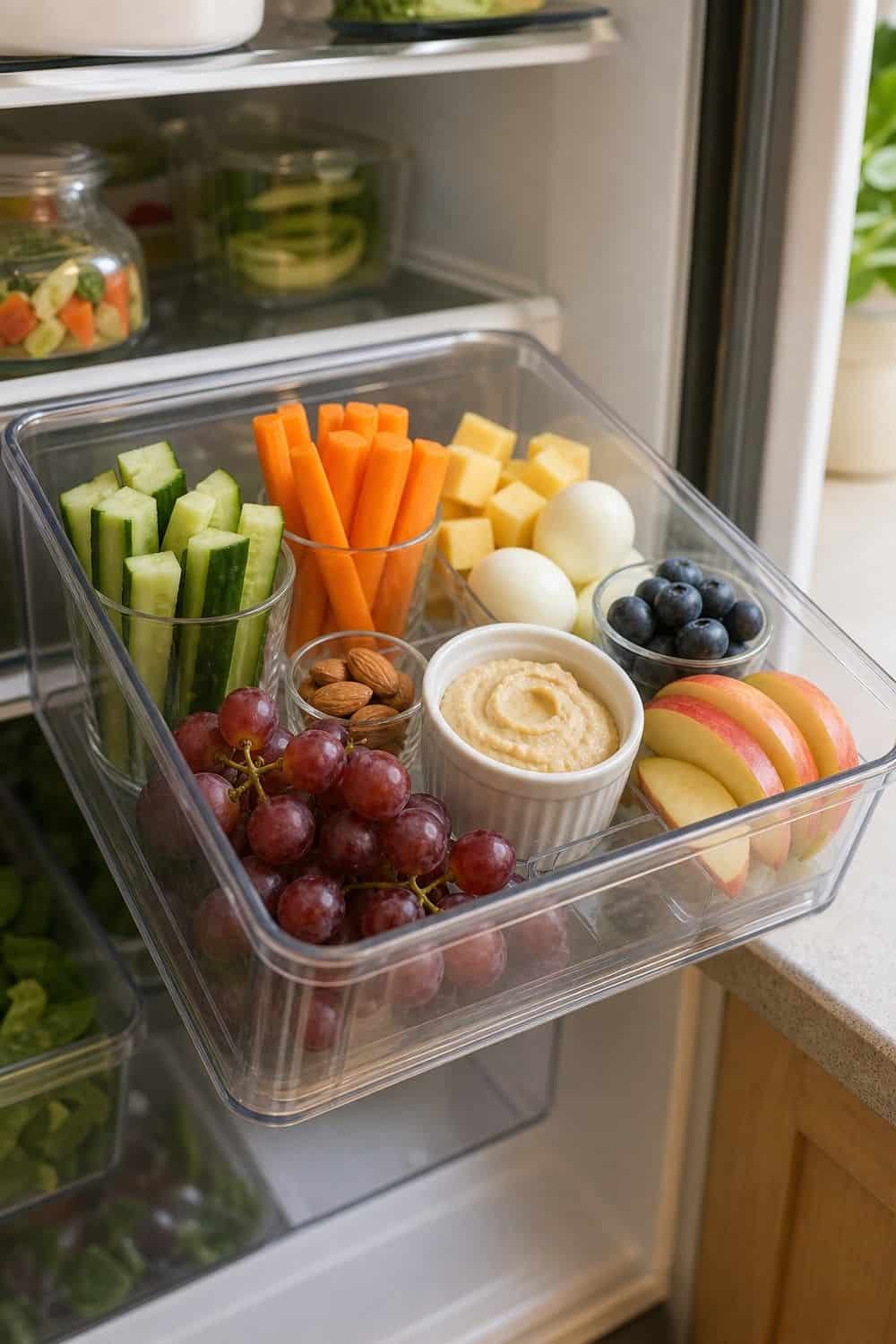
Build one snack bin with foods that can become a quick plate: washed grapes, cut vegetables, cheese, hummus, boiled eggs, yogurt cups, apple slices, berries, or a small container of nuts. Clear refrigerator bins help because the better snack is easier to see before you reach for random leftovers. Keep wet items sealed inside the bin so nothing leaks onto fruit or cheese. The routine should make snack choices calmer, not create a damp drawer of prepped food by midweek.
9. Pantry First Dinner Routine

Let the pantry lead one or two dinners each week. Group canned beans, lentils, broth, rice, pasta, tuna, tomatoes, coconut milk, tortillas, oats, and quick sauces by meal type so dinner ideas are easier to see. Pantry storage bins can hold a bean soup group, tuna rice bowl group, or pasta night group without turning the shelf into a display project. This routine is especially helpful after a grocery-heavy holiday season because it uses what is already there before adding more food.
10. Reset Lunch Box Routine

A packed lunch feels more satisfying when it has structure. Aim for one main, one crunchy vegetable, one fruit, one protein, and one small treat or salty bite. A bento lunch box keeps sauces, crackers, fruit, vegetables, and proteins from collapsing into one soft texture. Do not make the lunch joyless in the name of a reset. A good January lunch should feel complete enough that vending snacks or emergency takeout are not the obvious backup after errands or work.
11. Smoothie Freezer Pack Routine
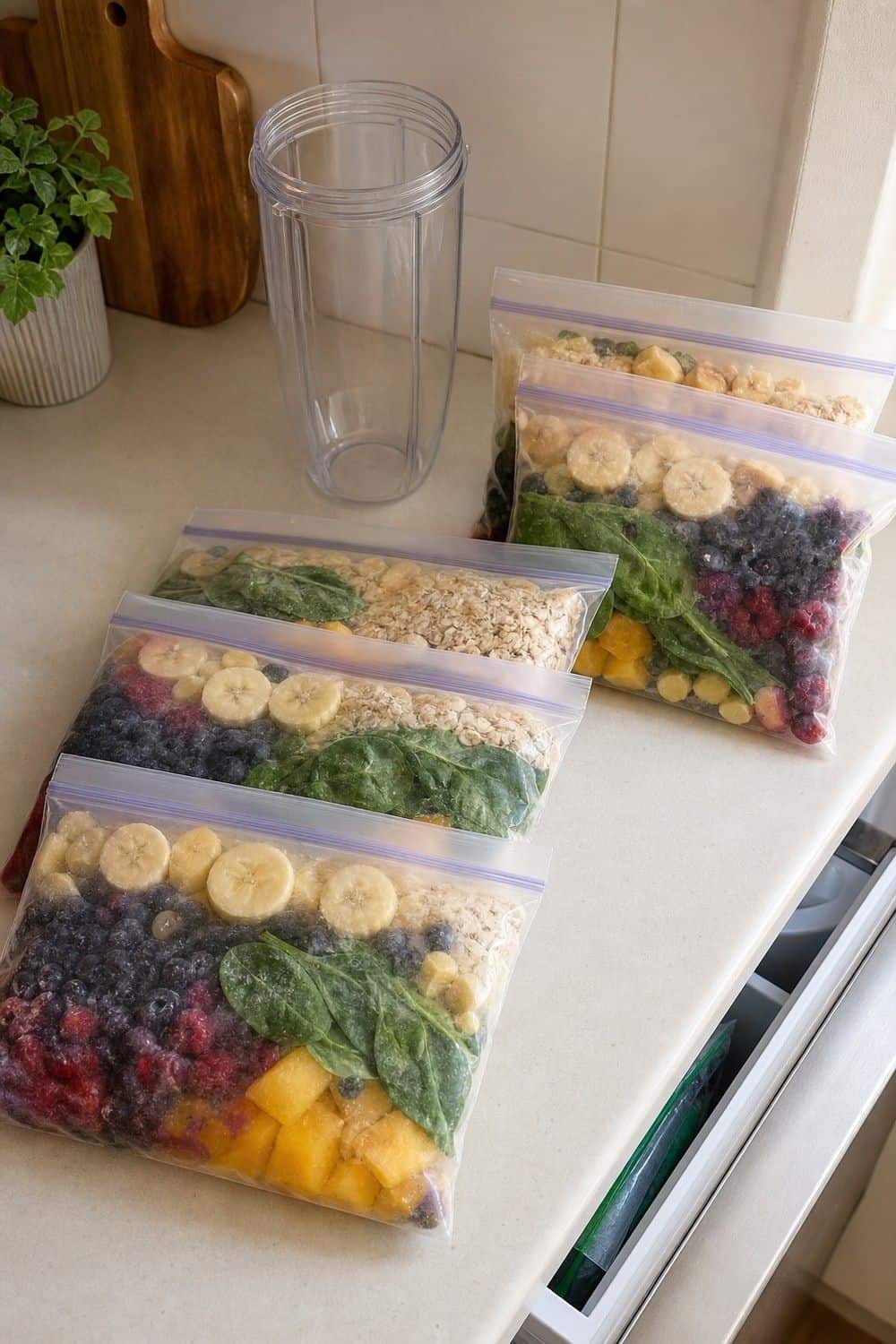
Freezer smoothie packs are useful when mornings are rushed but you still want fruit, greens, or protein in the mix. Add banana, berries, spinach, mango, ginger, oats, avocado, or measured protein powder to flat reusable freezer bags. Label the flavor, date, and liquid to add later so the pack does not become freezer guesswork. Keep the bags flat until frozen, then store them upright or stacked so one breakfast shortcut does not take over the whole freezer or hide dinner backups.
12. Warm Bowl Dinner Formula
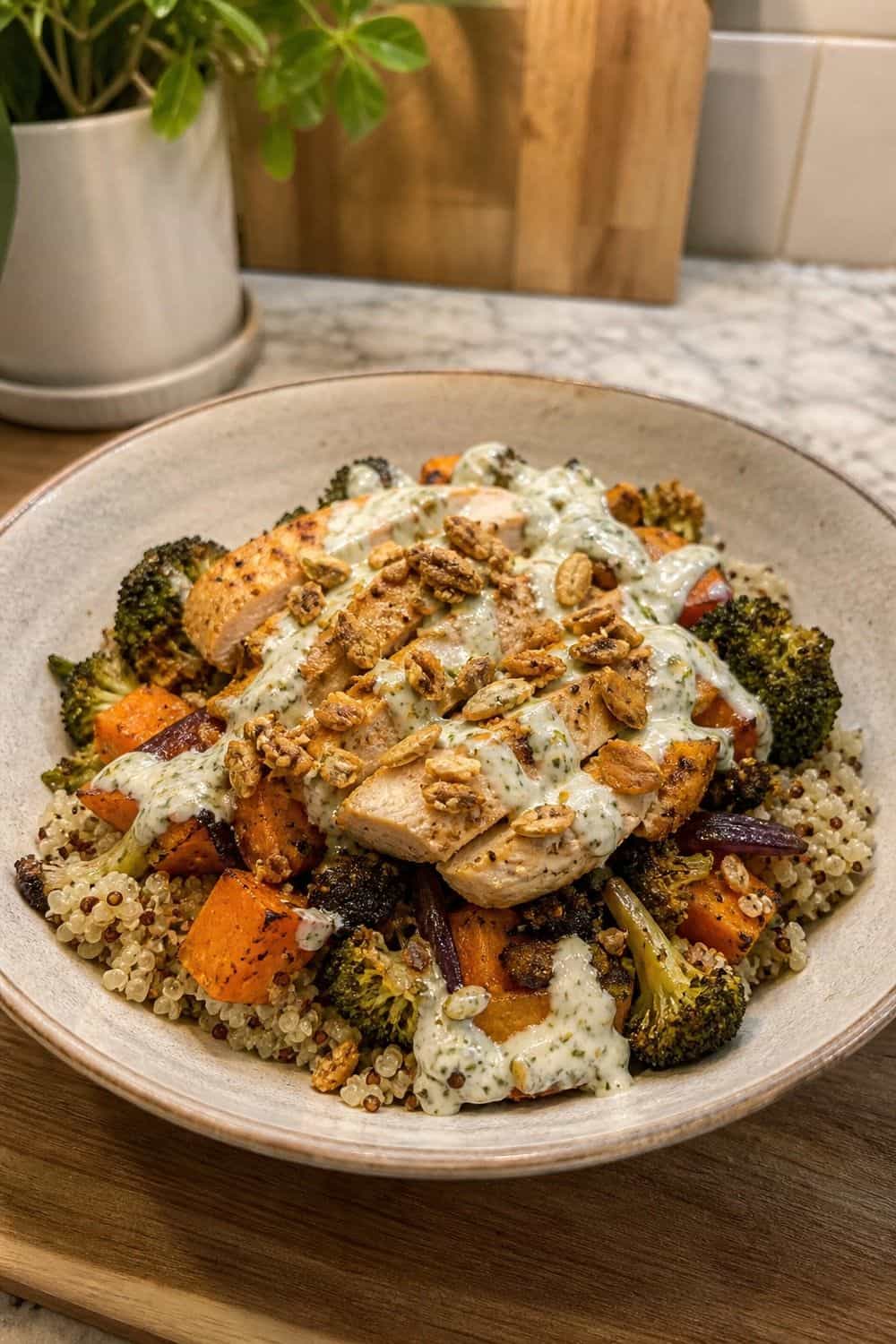
Use a dinner formula for nights when cooking from scratch feels like too much. Start with a warm base, add roasted vegetables, add protein, spoon over sauce, then finish with crunch from seeds, nuts, herbs, cabbage, or toasted crumbs. A pasta bowls set makes the routine feel like dinner because wide bowls hold the layers without crowding them.
Keep this separate from meal prep by treating it as assembly. The bowl can use prepared pieces, but the final combination changes with whatever needs to be eaten first.
13. Fridge Label Reset
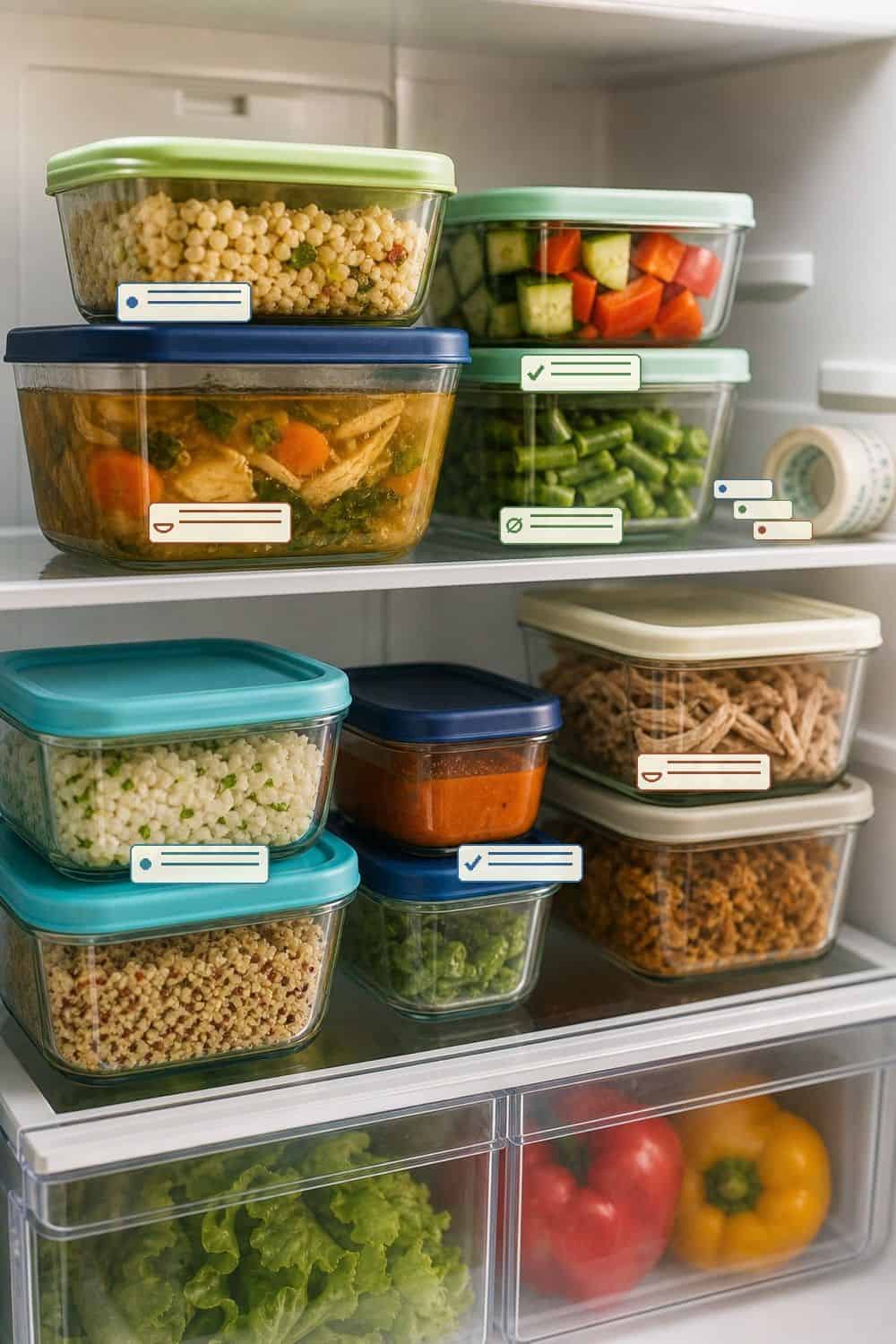
Labels turn a reset from a good idea into a routine people can follow. Add the date and planned use to soup, cooked grains, chopped vegetables, sauces, leftovers, opened broth, and anything likely to be forgotten. Removable food labels are useful because they keep containers clear without leaving old tape on every lid.
Label only the foods that need help. If every jar and apple gets a sticker, the system becomes noise and the important cooked dates are easier to ignore.
14. New Year Grocery List Template
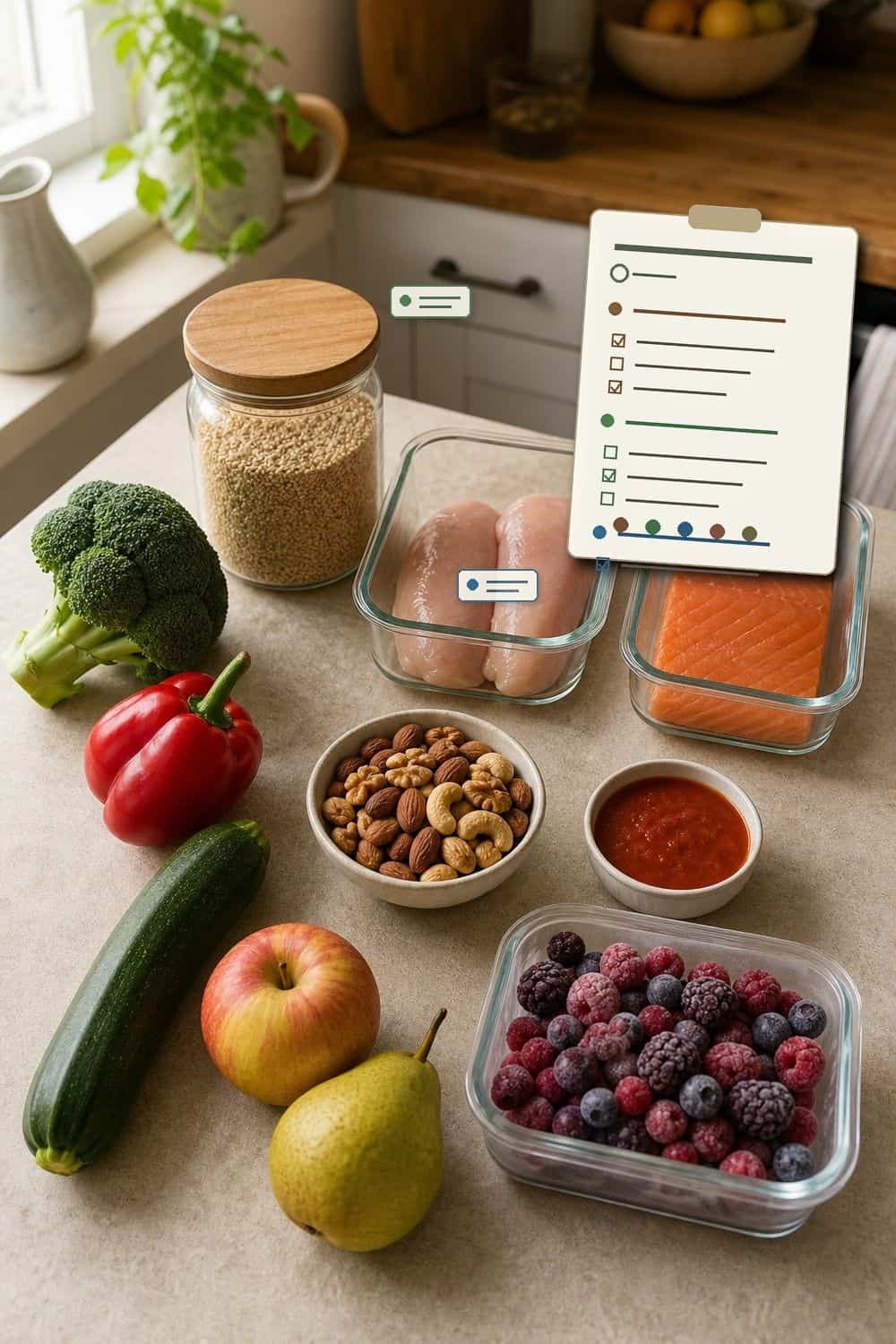
Create a repeatable grocery list instead of rebuilding the week from scratch. Choose one grain, two proteins, three vegetables, two fruits, one sauce ingredient, one snack, and one freezer backup. A magnetic grocery list pad works because missing items can be written down where the food actually runs out.
Use the template as a guide, not a contract. If the week is busy, canned beans, boxed broth, frozen grains, prewashed greens, rotisserie chicken, and store-bought hummus can still support the reset.
15. Friday Freezer Backup Dinner

A realistic routine includes a night when the plan slips. Keep one freezer dinner ready for Friday or any late week moment: soup, chili, cooked rice, dumplings, sauce, meatballs, curry base, or a homemade meal portion. Freezer meal containers support the routine because the dinner is stored as an actual meal, not a vague collection of frozen parts.
Label what it is and when it was frozen. The backup should make takeout optional, not compete with unmarked containers that nobody wants to open.
How To Build a New Year Reset Food Routine Without Dieting
A reset food routine should make eating easier, steadier, and more comfortable after a busy holiday stretch. It does not need strict rules, calorie targets, or a perfect Sunday prep session. Choose three routines first: one breakfast anchor, one lunch or soup backup, and one dinner fallback.
Keep the safety basics quiet but present. Cool cooked food before sealing, refrigerate perishable sauces, label dates, freeze extras before they sit too long, and make the foods you want to use visible enough that they do not disappear.
Frequently Asked Questions
What is a New Year reset food routine?
It is a set of repeatable food habits that make January cooking feel easier after the holidays. Instead of a strict meal plan, it might include two breakfast jars, one soup backup, a grain base, visible snacks, a house sauce, pantry dinners, labels, and one freezer meal.
How do I reset my food routine without dieting?
Focus on structure, not restriction. Add foods that make the week easier: protein, grains, vegetables, fruit, soup, snacks, sauce, and freezer backups. Keep holiday eating neutral and build routines that still leave room for comfort food.
What should I meal prep for a January reset?
Prep a few flexible pieces instead of every meal. Good starting points include overnight oats, soup portions, cooked grains, roasted vegetables, one protein, cut fruit, snack plates, and a sauce that works with bowls, sandwiches, and vegetables.
How do I make a food routine that actually lasts?
Start smaller than you think. Choose two or three routines that solve real friction, such as breakfast, lunch, and backup dinner. Repeat them for a week, adjust the portions, and avoid building a system that needs constant shopping or cooking.
What are easy reset breakfasts?
Easy reset breakfasts include overnight oats, chia jars, yogurt with fruit, boiled eggs, toast with cottage cheese, smoothies, egg bites, or warm oats. The best option is one you can prep in a small batch and still want to eat twice.
What foods should I keep visible in the fridge?
Keep the foods you want to use soon at eye level: cooked grains, soup portions, cut vegetables, fruit, protein add-ons, hummus, yogurt, sauces, and leftovers with dates. Visibility helps the reset work because good food gets chosen before it is forgotten.
How do I use pantry foods for a reset routine?
Group pantry staples by easy meals. Beans, broth, tomatoes, rice, pasta, tuna, lentils, tortillas, coconut milk, and oats can become soups, rice bowls, quick pasta, breakfast, or snack plates. Pantry-first dinners help use what you already have.
What freezer meals help with a New Year reset?
Helpful freezer meals include soup, chili, cooked grains, meatballs, dumplings, curry base, sauces, shredded chicken, and single dinner portions. Label the meal and date so the freezer backup feels useful on a tired night.
Final Thoughts
A new year reset food routine should make the kitchen feel easier to enter, not stricter to live with. Start with a few routines that remove decisions: a breakfast jar, soup lunch, grain base, sauce, snack bin, pantry dinner, labels, and one freezer fallback.
Once those pieces feel natural, add more only if they help. January food can be steady, cozy, and organized without becoming a full reset project every Sunday.


