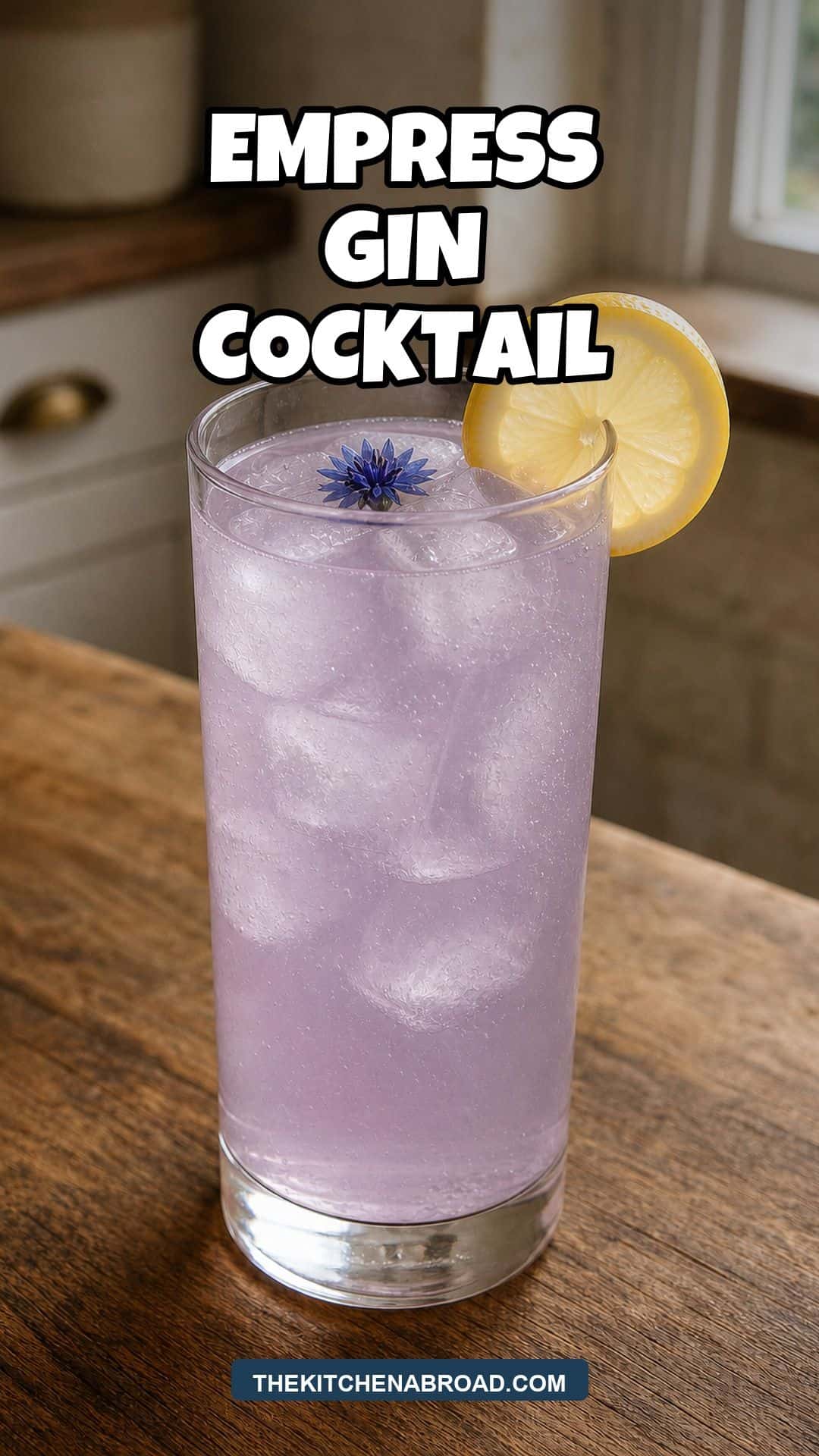
An empress gin cocktail is a highball built around Empress 1908, a gin infused with butterfly pea blossom that pours indigo and shifts to lavender or pink the moment it meets acid. The TKA spec is 2 oz Empress 1908, 0.75 oz fresh lemon juice, 0.5 oz simple syrup, and soda water to top, stirred in a tall glass over ice. Pour the soda last and slowly so the color gradient is visible mid-glass before it blends. Three minutes start to finish.
The Empress gin cocktail is the slow-pour party trick of the cocktail menu. You pour two ounces of indigo gin over ice in a tall glass, add the lemon and simple syrup, then trickle soda water in from above and watch the column of liquid bloom from deep blue to lavender to a pale, sunset pink. The whole color change takes about six seconds. Sip it before that, and the gradient is still there in the glass.
What You’ll Need to Make This Cocktail
A double-sided jigger for the spirit and acid measurements. A tall highball or Collins glass that shows the color column from top to bottom.
A small hand juicer for the lemon. A bar spoon for the gentle stir before the soda goes in. The bottle of Empress 1908 itself is the only specialty ingredient.


Recommended Reads
- Blue Lagoon
- Long Island Iced Tea
- Best Fall Cocktails
- Halloween Cocktail Ideas
- Classic Margarita
Why Empress Gin Changes Color
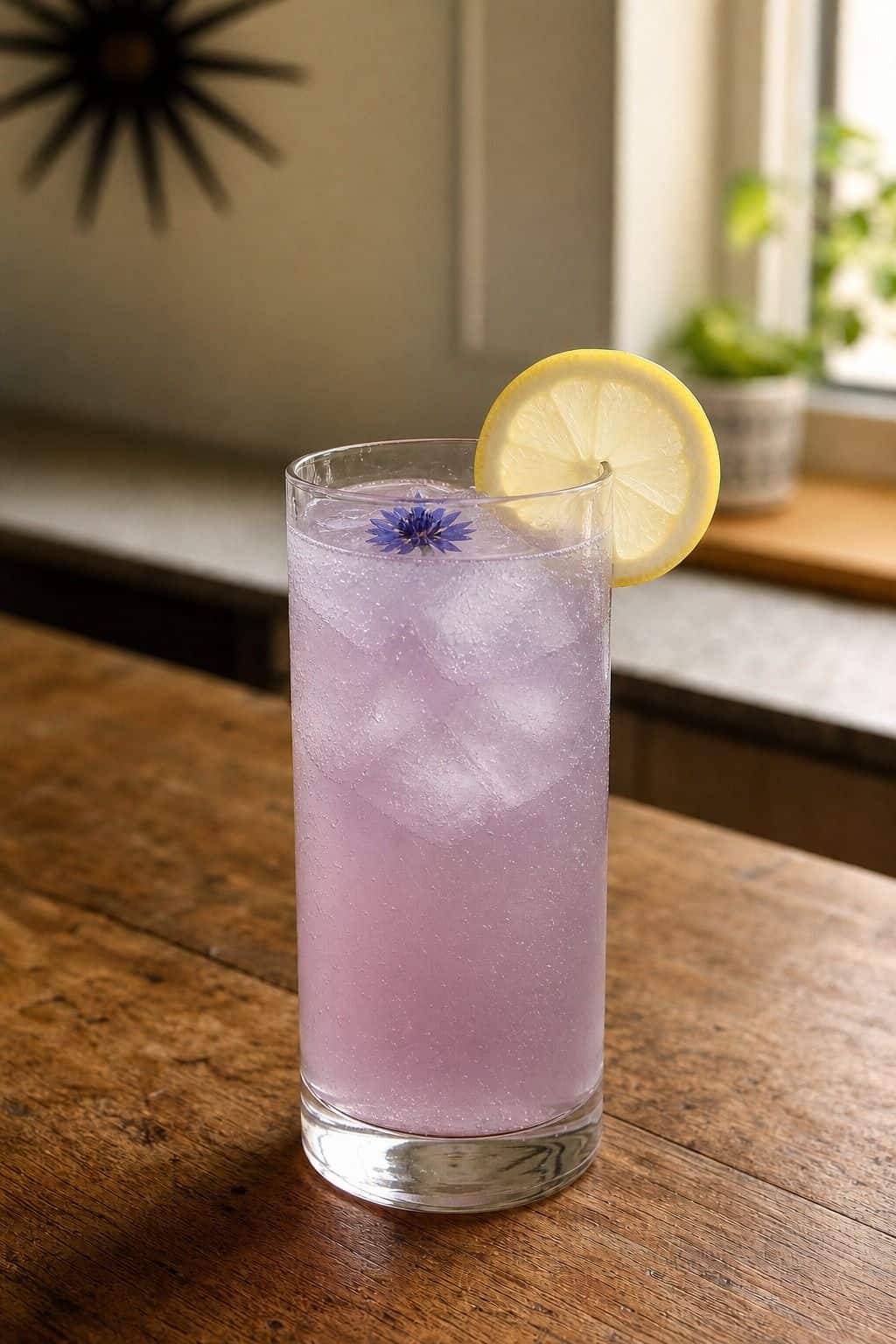
The color comes from butterfly pea blossom, a small purple-blue flower native to Southeast Asia. Empress 1908 is the only major commercial gin that uses it as a botanical, which is why the bottle pours that deep indigo and most other gins are clear.
Butterfly pea pigment is pH-sensitive. In a neutral or alkaline liquid, it stays blue. The moment it touches anything acidic, the molecule rearranges and the color shifts. Lemon juice is acidic enough to push it all the way to a clear pink. Tonic water is mildly acidic and pushes it to a lavender. Grapefruit juice lands somewhere between the two and reads as a soft peach.
The chemistry is the same one that turns hydrangea flowers pink or blue depending on soil pH. No food coloring, no additive, no trick. The gin is doing it on its own.
A Few Notes on the Ingredients
Empress 1908: Distilled by Victoria Distillers in British Columbia, named for the Fairmont Empress hotel where it’s served as part of afternoon tea. The base is a London dry style with juniper, coriander, rose, and grapefruit peel, then a final maceration with dried butterfly pea blossom that gives it the indigo color. The juniper is present but soft; the rose is the dominant top note.
Fresh lemon juice: Fresh-squeezed only. Bottled lemon juice is dull and tastes of the bottle. The acidity is what triggers the dramatic pink shift; lemon will pull the color the furthest of the three common acids. About half a lemon yields the 0.75 oz the recipe needs.
Simple syrup: Equal parts white sugar and water, stirred over low heat until dissolved, cooled. A small jar keeps for a month in the fridge. The drink needs the sweetener because the lemon is doing all the acid work and the gin itself isn’t sweet.
Soda water: Plain unsweetened sparkling water. Topo Chico, Perrier, San Pellegrino, or a SodaStream batch all work. Soda is mostly neutral, so it dilutes without changing the color further. If you swap it for tonic water (which is mildly acidic) the drink reads as the brand’s classic Empress & Tonic and the color sits at lavender instead of pink. More on that in the variations.
Garnish: A dried edible flower (cornflower, calendula, rose petals) floats nicely on the surface and reinforces the cocktail’s botanical look. A lemon wheel or twist works too, and adds another small hit of oil to the rim.
Recipe: Empress Gin Cocktail
Prep time: 3 minutes | Total time: 3 minutes | Serves: 1
Ingredients
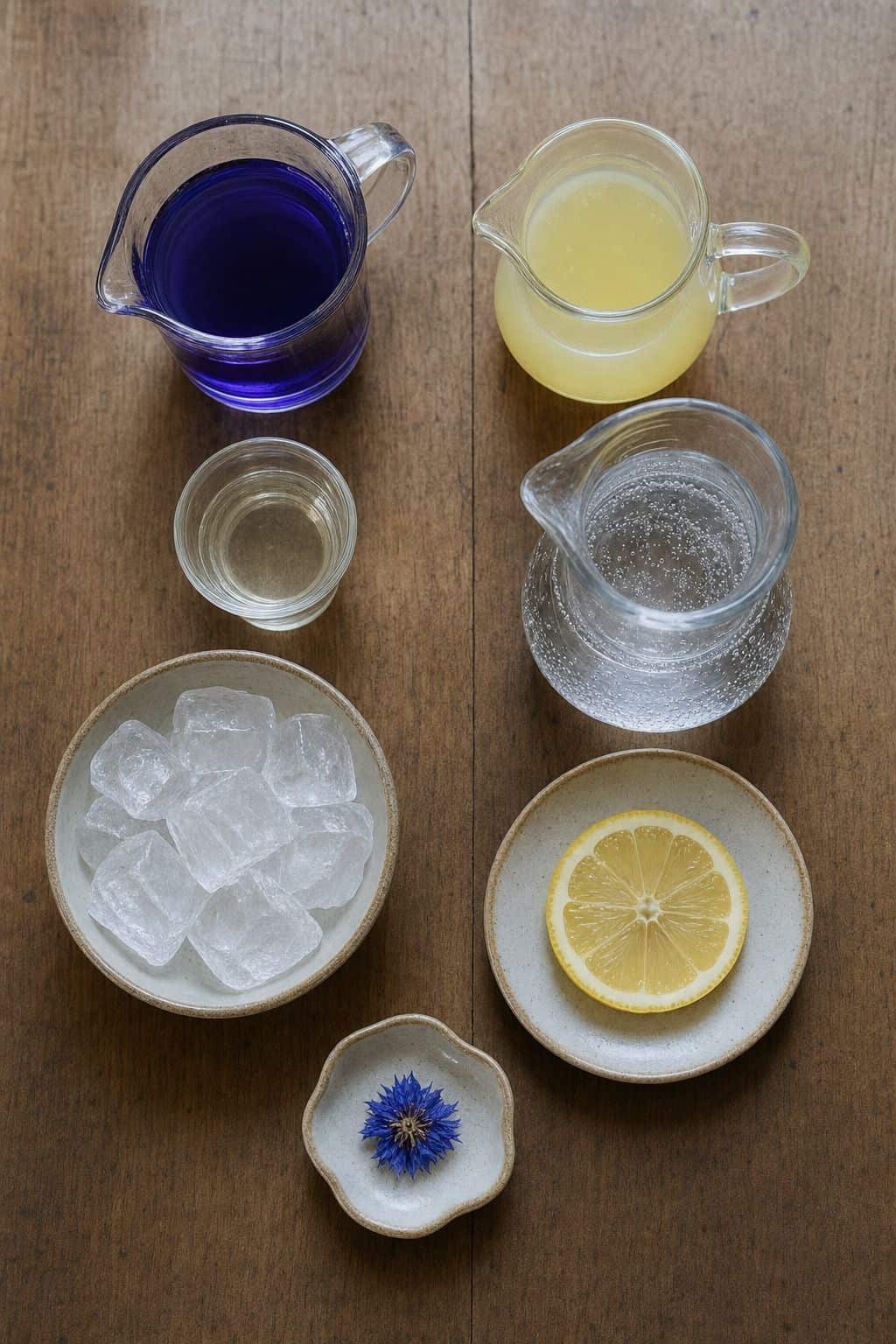
- 60 ml (2 oz) Empress 1908 gin
- 22 ml (0.75 oz) fresh lemon juice, from about half a lemon
- 15 ml (0.5 oz) simple syrup
- 90 to 120 ml (3 to 4 oz) soda water, chilled, to top
- Ice cubes, enough to fill a tall glass
- 1 lemon wheel or twist, for garnish
- 1 dried edible flower (cornflower or calendula), for garnish, optional
Instructions
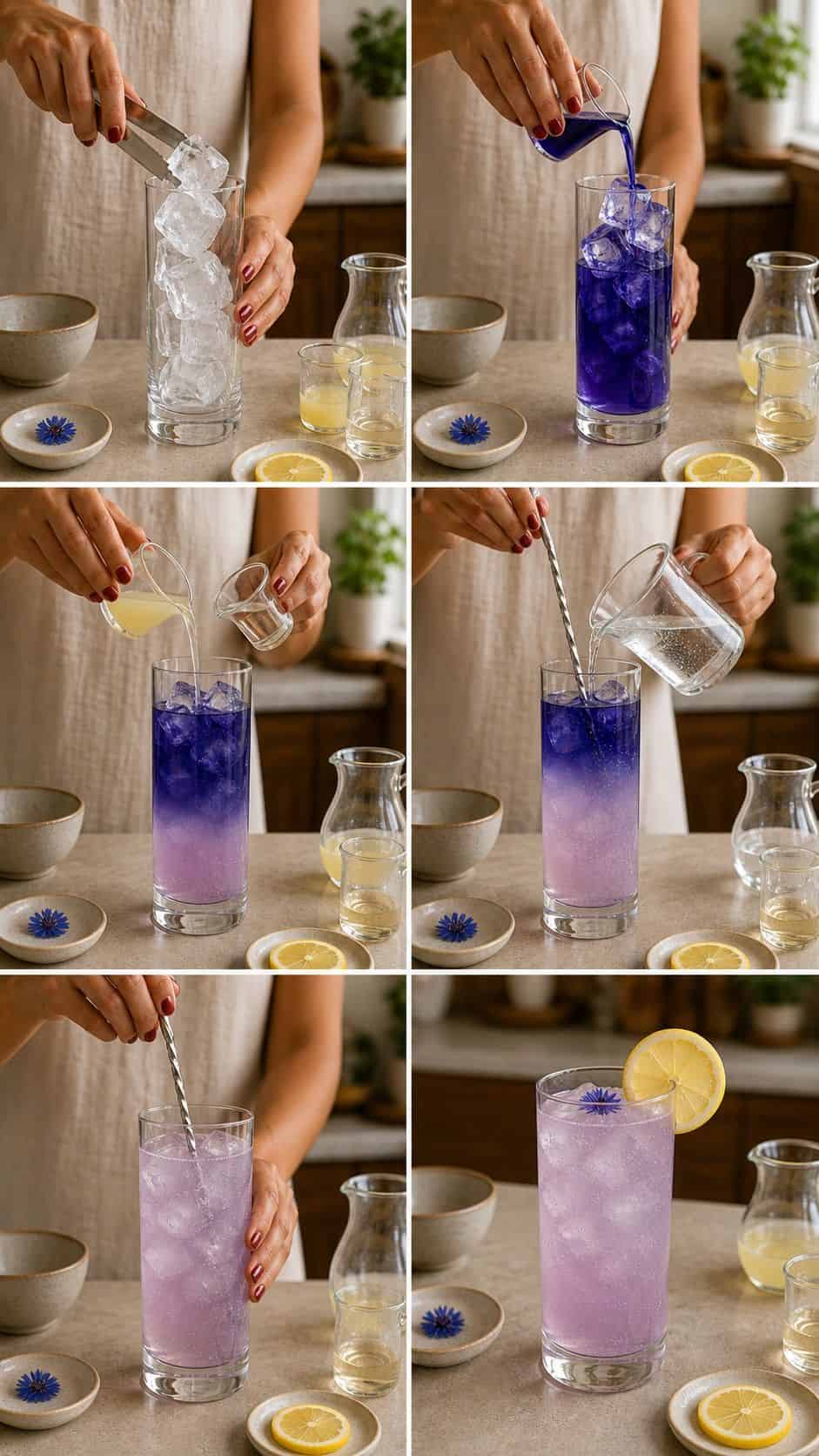
- Fill a tall highball or Collins glass with ice cubes. The taller the glass, the more visible the color gradient will be, so reach for a 12 oz or 14 oz glass if you have one.
- Pour in 60 ml (2 oz) Empress 1908 gin. The liquid in the glass is now an unmistakable indigo blue.
- Add 22 ml (0.75 oz) fresh lemon juice and 15 ml (0.5 oz) simple syrup. Give the glass one gentle stir with a bar spoon. The lower half of the glass will already start to shift toward pink as the acid mixes with the gin.
- Hold the glass at eye level. Slowly pour 90 to 120 ml (3 to 4 oz) chilled soda water down the inside of the glass, letting it trickle in over the back of the bar spoon if you want the cleanest gradient. For the first three or four seconds, the column of liquid will read as three distinct bands: pink at the bottom, lavender in the middle, blue at the top.
- Give the drink one more slow stir to combine. The color will settle into a uniform pale pink.
- Garnish with a lemon wheel or twist clipped to the rim. Float a dried cornflower or calendula petal on top if you have one. Serve immediately.
Notes
The color is most photogenic in the first 30 to 60 seconds. After about two minutes, the drink settles into a uniform pink and stays there. If you’re making these for a party, build them one at a time as guests arrive rather than batching ahead.
Glass shape matters more than you’d think. A wide rocks glass blends the color almost instantly. A tall narrow Collins glass holds the gradient long enough for a photo. A copa or stemmed balloon glass works too, with the added bonus of catching more of the gin’s floral aroma.
If the drink reads too sweet, drop the simple syrup to 7 ml (0.25 oz) and add another small splash of lemon. If it reads too tart, push the syrup up to 22 ml (0.75 oz). The 2:0.75:0.5 ratio is the starting point, not the only answer.
Tips and Variations
Swap the Lemon for Grapefruit for a Peach Sunrise
Grapefruit juice is less acidic than lemon, so it won’t pull the color all the way to pink. The result reads as a warm peach or coral that holds longer in the glass. Use 22 ml (0.75 oz) fresh pink grapefruit juice in place of the lemon, keep the same simple syrup and soda top.
This riff sits halfway between a paloma and a gin sour, and it pairs especially well with brunch or an early-evening porch drink. A grapefruit wheel and a sprig of rosemary on top finishes it.
Swap the Soda for Tonic for the Original Empress & Tonic
The brand’s signature serve is plainer than what’s above. Skip the lemon and simple syrup entirely. Pour 45 ml (1.5 oz) Empress 1908 over ice in a tall glass, top with 120 ml (4 oz) tonic water (Fever Tree Indian Tonic is the gold standard), and garnish with a grapefruit slice or a sprig of rosemary.
Because tonic is only mildly acidic, the color settles at a soft lavender rather than pink. The drink is also drier and more juniper-forward, which makes it the right call if you want a classic gin and tonic profile with the visual upgrade.
Make a Mocktail with Butterfly Pea Tea
For a zero-proof version that still does the color trick, brew a strong butterfly pea flower tea. Steep 1 tablespoon dried butterfly pea blossoms (sold at most health food stores or online) in 240 ml (1 cup) just-off-boil water for 10 minutes, then cool completely. The tea will be the same deep indigo as the gin.
Build the drink the same way: 60 ml (2 oz) cold butterfly pea tea, 22 ml (0.75 oz) fresh lemon juice, 15 ml (0.5 oz) simple syrup, soda water to top. The same color shift happens. The result is a touch lighter in flavor than the cocktail, so add a splash of elderflower cordial or a small piece of fresh ginger to give it more shape.
Build an Empress French 75
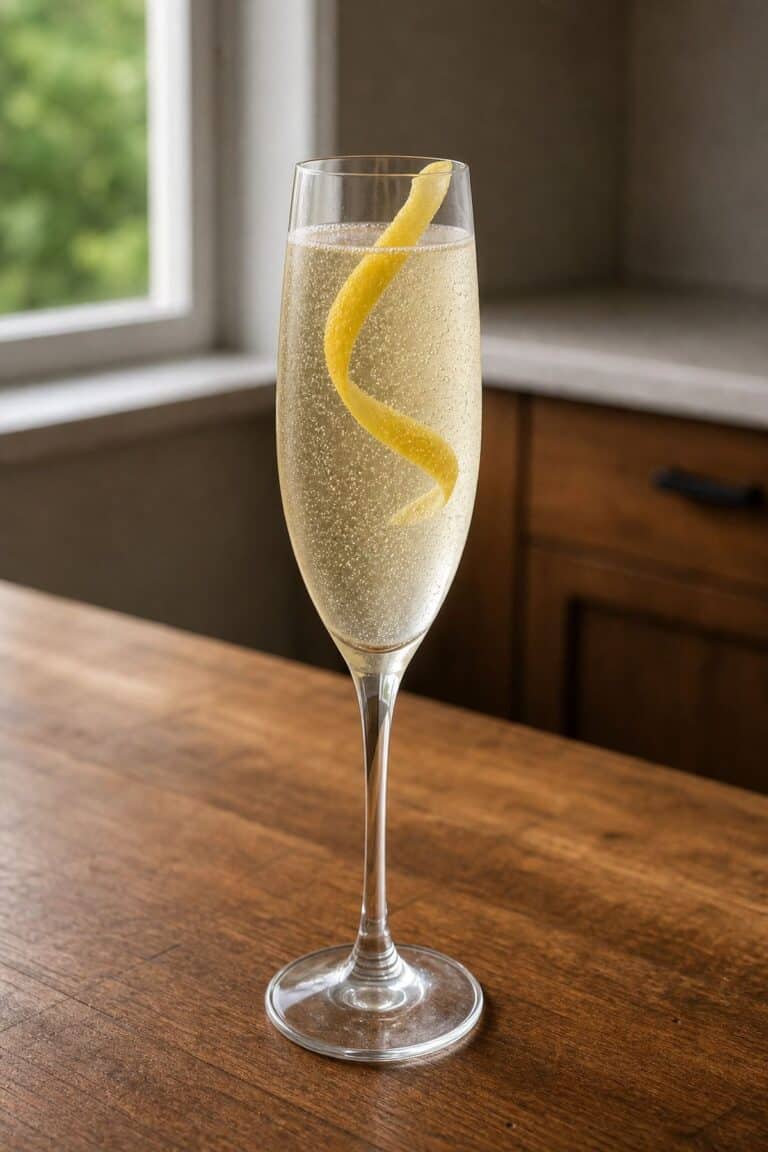
The French 75 is gin, lemon, sugar, champagne. Sub Empress 1908 for the gin and the cocktail picks up the same color shift, plus the champagne bubbles do their own slow lift through the lavender column.
For one drink: shake 45 ml (1.5 oz) Empress 1908, 15 ml (0.5 oz) fresh lemon juice, and 15 ml (0.5 oz) simple syrup with ice. Strain into a chilled coupe and top with 90 ml (3 oz) chilled brut champagne or dry sparkling wine. The coupe makes the color visible from above; the gradient sits in the bottom half of the glass for a few seconds before blending.
Batch a Pitcher for 6, but Hold the Soda
The color is at its best in the first minute, which makes batching a balancing act. The trick is to pre-mix the gin, lemon, and simple syrup in a pitcher (it will look like a dark merlot), but keep the soda water and ice separate until pour time.
For six: 360 ml (12 oz) Empress 1908, 135 ml (4.5 oz) fresh lemon juice, 90 ml (3 oz) simple syrup. Stir in the pitcher and refrigerate up to 4 hours. When guests arrive, fill six tall glasses with ice, divide the pitcher across them, then top each glass with 90 ml (3 oz) soda water at the table. Every glass goes through the color shift in front of whoever’s holding it.
What to Serve It With

Empress 1908 sits in the floral-rose end of the gin spectrum, which makes it the right cocktail for anything light, herbaceous, or briny. Think gravlax, cucumber sandwiches, soft cheeses, summer rolls. The drink is not built to stand up to barbecue or a steak.
The afternoon-tea pairing is the obvious one (the gin is literally served at the Empress hotel’s afternoon tea service in Victoria). A small plate of scones, finger sandwiches, and shortbread reads beautifully alongside. For dinner, serve it as an aperitif with marinated olives and almonds, or alongside a Mediterranean-leaning meal of grilled fish, lemon-roasted potatoes, and a green salad.
For a brunch or shower spread, set up a build-your-own bar with the gin, three acids (lemon, grapefruit, tonic), simple syrup, soda, and a small bowl of dried edible flowers. Guests can mix their own and watch the color shift happen. It’s a cocktail with a built-in performance.
Hungry for more? This recipe is in my New Year’s Eve cocktails.
Frequently Asked Questions
What is Empress 1908 gin?
Empress 1908 is a small-batch gin made by Victoria Distillers in British Columbia. It’s a London dry style infused with butterfly pea blossom, which gives it a deep indigo color that shifts to pink or lavender when acid is added. It’s named for the Fairmont Empress hotel in Victoria, where the gin is part of the historic afternoon tea service.
Why does Empress gin change color?
The pigment in butterfly pea blossom is pH-sensitive. In a neutral liquid, it stays blue. The moment acid (lemon, lime, tonic, grapefruit) touches it, the molecule shifts and the color changes. It’s the same chemistry behind a hydrangea flower turning pink or blue depending on soil pH.
What do you mix with Empress gin?
Tonic water is the brand’s signature pairing and stays lavender in the glass. Fresh lemon juice and a soda top, as in the recipe above, pushes the drink the full distance to pink. Fresh grapefruit juice lands at a soft peach. Champagne (for the Empress French 75) adds bubbles and a similar pink finish.
Does Empress gin taste like regular gin?
It’s a London dry at the base, so juniper and citrus are present, but the rose and the soft floral notes from the butterfly pea push it toward the floral end of the gin spectrum. It’s less juniper-forward than a Tanqueray or Beefeater, more aromatic than a Bombay Sapphire. Good gin drinkers tend to like it; pine-forward gin purists sometimes find it too floral.
What citrus changes the color the most?
Lemon and lime. Both are highly acidic and push the indigo all the way to a clear pink. Grapefruit is less acidic and lands the drink at a peach or coral. Orange juice is the mildest and reads as a softer pink with a slight orange tint. For the most dramatic gradient, reach for lemon.
Key Takeaways
- The TKA spec: 2 oz Empress 1908, 0.75 oz fresh lemon juice, 0.5 oz simple syrup, soda to top.
- Pour the soda last and slowly so the color gradient shows mid-glass before it blends.
- Lemon pulls the color to pink, tonic to lavender, grapefruit to peach.
- The color is at its best in the first 30 to 60 seconds; build drinks one at a time for parties.
- For a mocktail, brew strong butterfly pea tea in place of the gin; the chemistry is the same.
- Tall narrow glassware holds the gradient longer than a wide rocks glass.
Final Thoughts
The Empress gin cocktail is one of those rare drinks where the show and the substance both land. The color change is the hook; the lemon-and-soda spec is a clean, balanced gin sour that holds up after the indigo has settled into pink.
Once the base is in the muscle memory, the swaps come easily. Grapefruit instead of lemon gives you a coral version. Tonic instead of soda gives you the brand’s original. Champagne instead of soda gives you the French 75. Butterfly pea tea instead of gin gives you the zero-proof version. One bottle of Empress 1908 covers a whole spring and summer of porch drinks.
Serve it as the welcome cocktail at the next dinner party, or set up the pitcher version for a brunch. Pair it with afternoon tea food, light Mediterranean plates, or anything that wants a floral, citrus-forward drink alongside. Pour the soda slowly. Hand the glass over before the color settles.
Last update on 2026-11-18 / Affiliate links / Images from Amazon Product Advertising API