
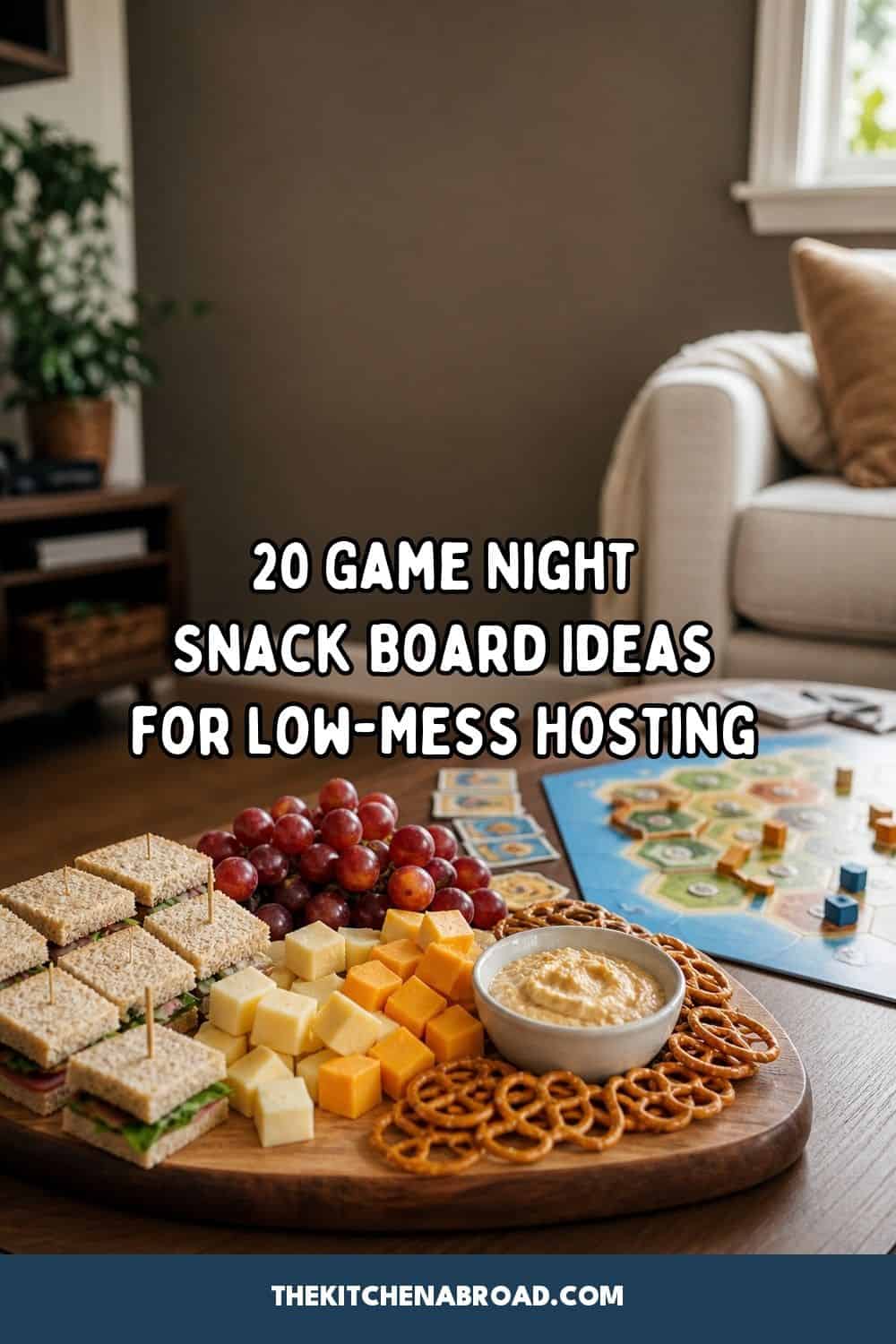
The best game night snack board ideas use low-mess finger foods, picks, small bowls, thick dips, and a side-table layout so cards and game pieces stay clean. Build the board with dry crunch, protein, cheese, fruit or vegetables, one warm bite, one sweet bite, and cleanup supplies nearby. Keep greasy, powdery, sticky, and drippy foods away from the main game area.
Game night food has a different job than a normal party board. It has to feed people between turns, fit near a crowded table, and avoid the kind of snack dust that ends up on cards, dice, puzzle pieces, and sleeves.
A good board does not need to be huge. The most useful game night snack board ideas are compact, refillable, and easy to eat with one hand while someone else is reading rules, shuffling cards, or planning the next move.
Top Recommended Products


You Might Also Like These Blog Posts
- 25 Grazing Table Ideas for a Beautiful Party Spread
- 25 Zero-Proof Bar Ideas for More Inclusive Hosting
- 25 Cocktail Buffet Ideas for Easy Hosting
- 25 Soup Night Hosting Ideas for a Cozy Crowd
- 25 Galentine’s Dessert Night Hosting Ideas for a Sweet Night In
Game Night Snack Board Ideas for Low-Mess Hosting
1. Build the Board Around Clean Fingers
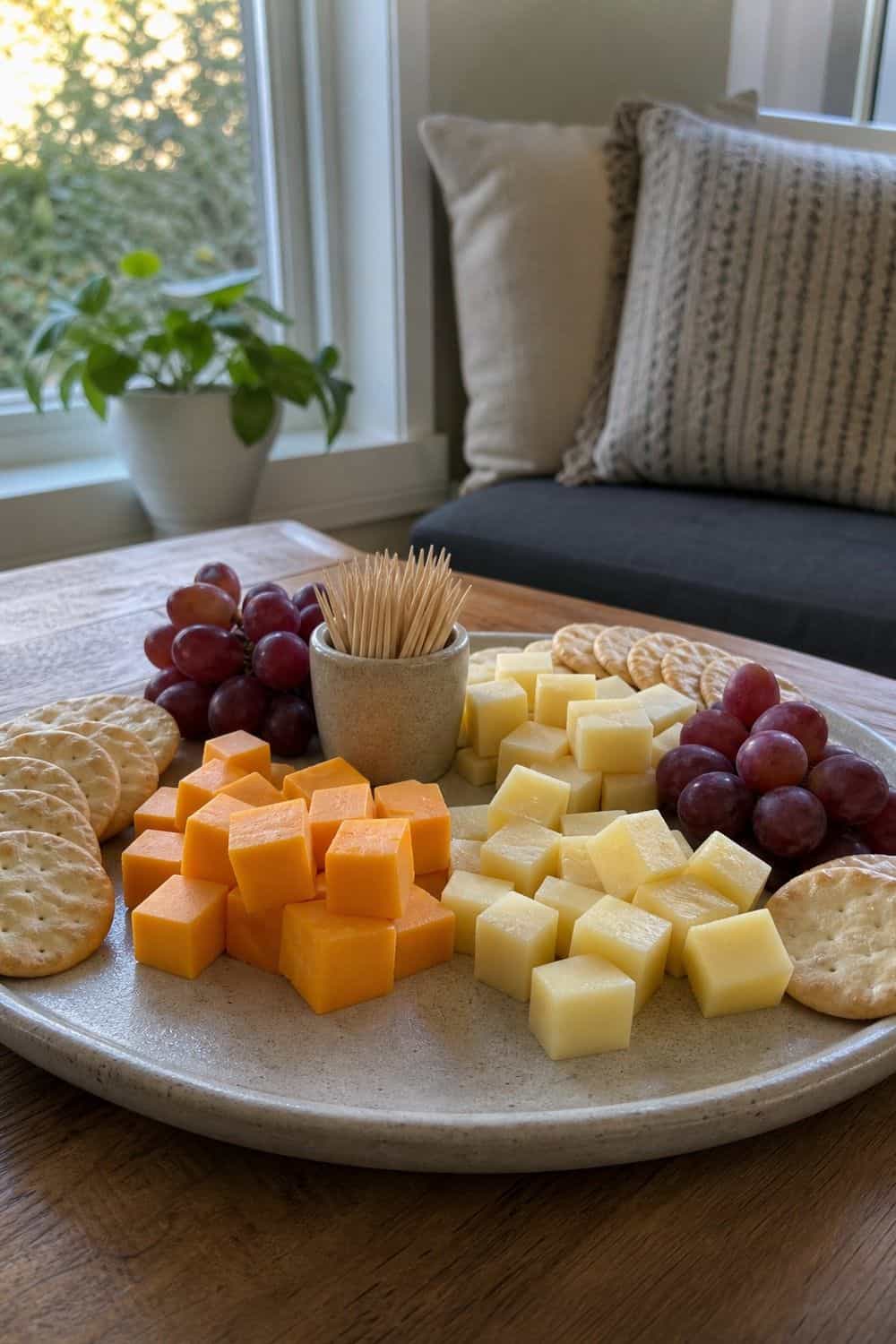
For game night, the best snack board starts with clean hands, not dramatic styling. Choose foods people can pick up with a toothpick, tiny fork, napkin, or one dry hand: cheese cubes, grapes, mini sandwiches, pastry bites, pretzels, and firm fruit. Skip anything that coats fingers in powder, oil, sauce, or sticky sugar. A little discard bowl for used picks keeps the game table from collecting tiny messes between turns, and it gives players somewhere obvious to drop what they are holding before touching cards.
2. Use a Smaller Board Beside the Game Table
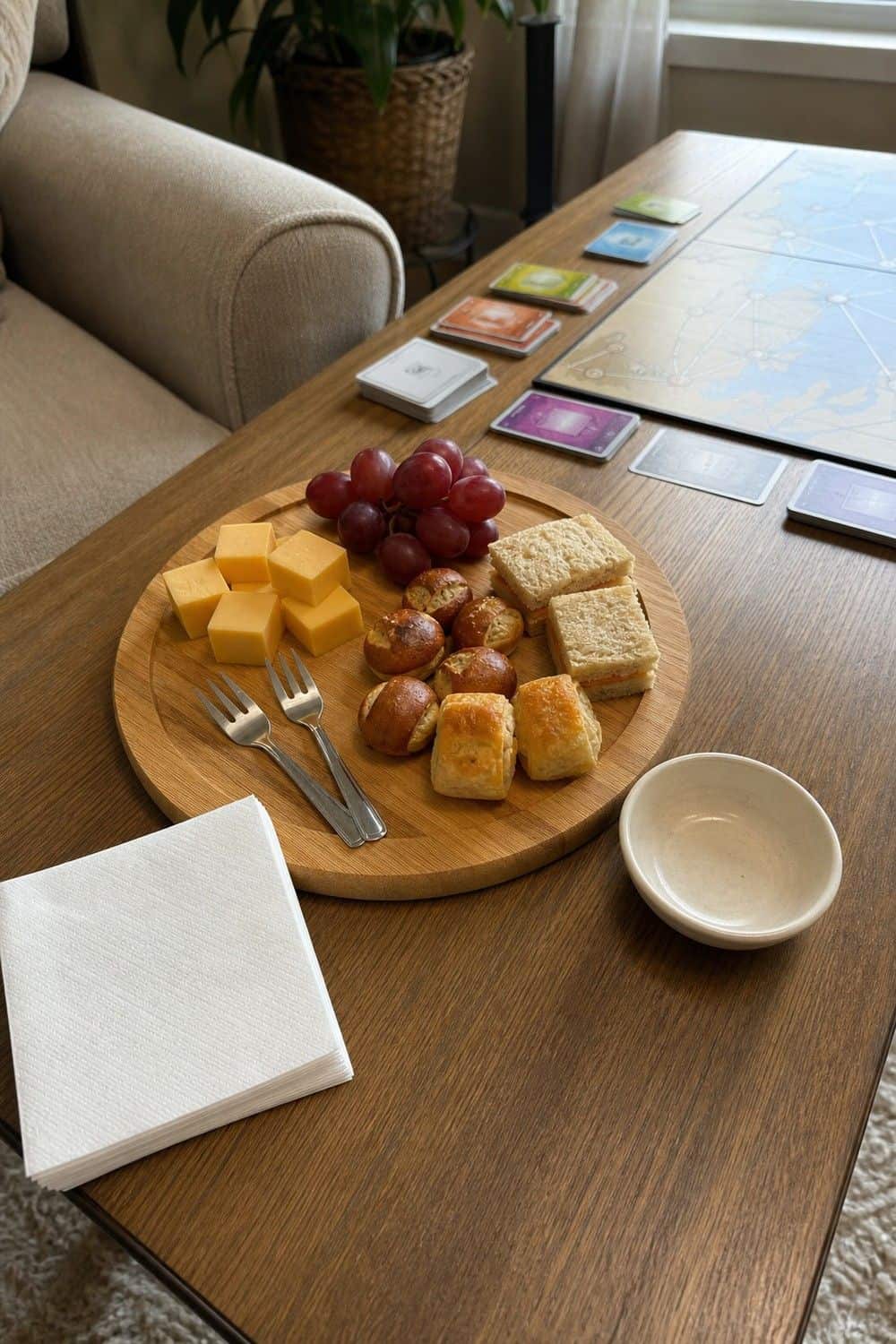
The snack board should support the game, not become the thing everyone has to play around. Set a smaller board on a side table, coffee table edge, kitchen island, or serving stool close enough to reach but away from cards, tiles, dice, and score pads. Keep the active board tight and refill it between rounds instead of putting out the whole night at once. Players can grab food without leaning over the board, and the game area stays calmer for everyone.
3. Add a Dry Snack Mix That Does Not Dust Fingers
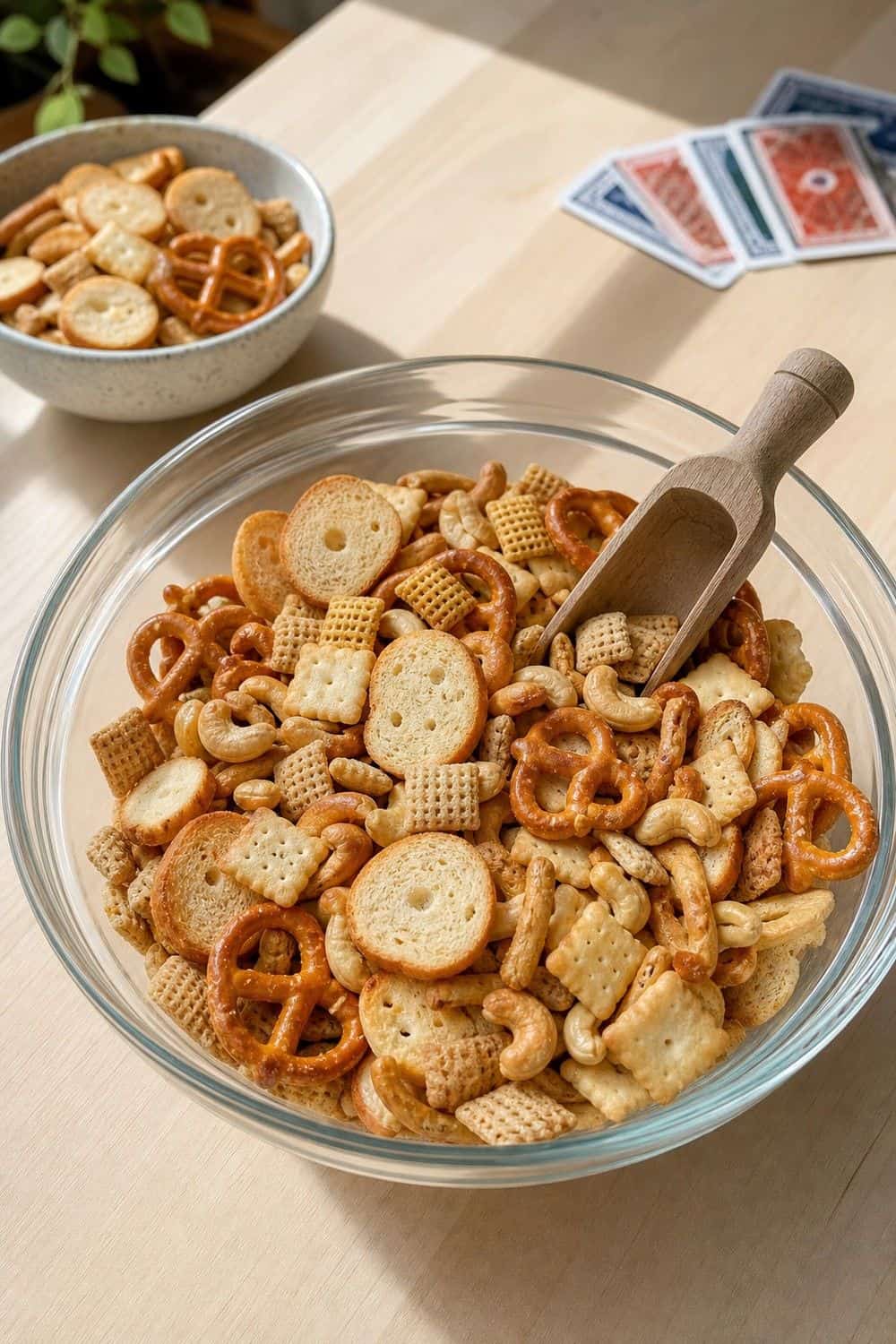
Snack mix is perfect for game night when it stays dry, sturdy, and low-residue. Use pretzels, bagel chips, cereal squares, plain crackers, nuts, and lightly seasoned pieces that do not stain fingertips. If the mix leaves color on your hands, it will probably end up on cards or game pieces.
Serve the mix in a bowl with a small scoop instead of scattering it across the board. That keeps crumbs contained and makes refills feel easy when a new round starts.
4. Serve Cheese Cubes Instead of Crumbly Cheese
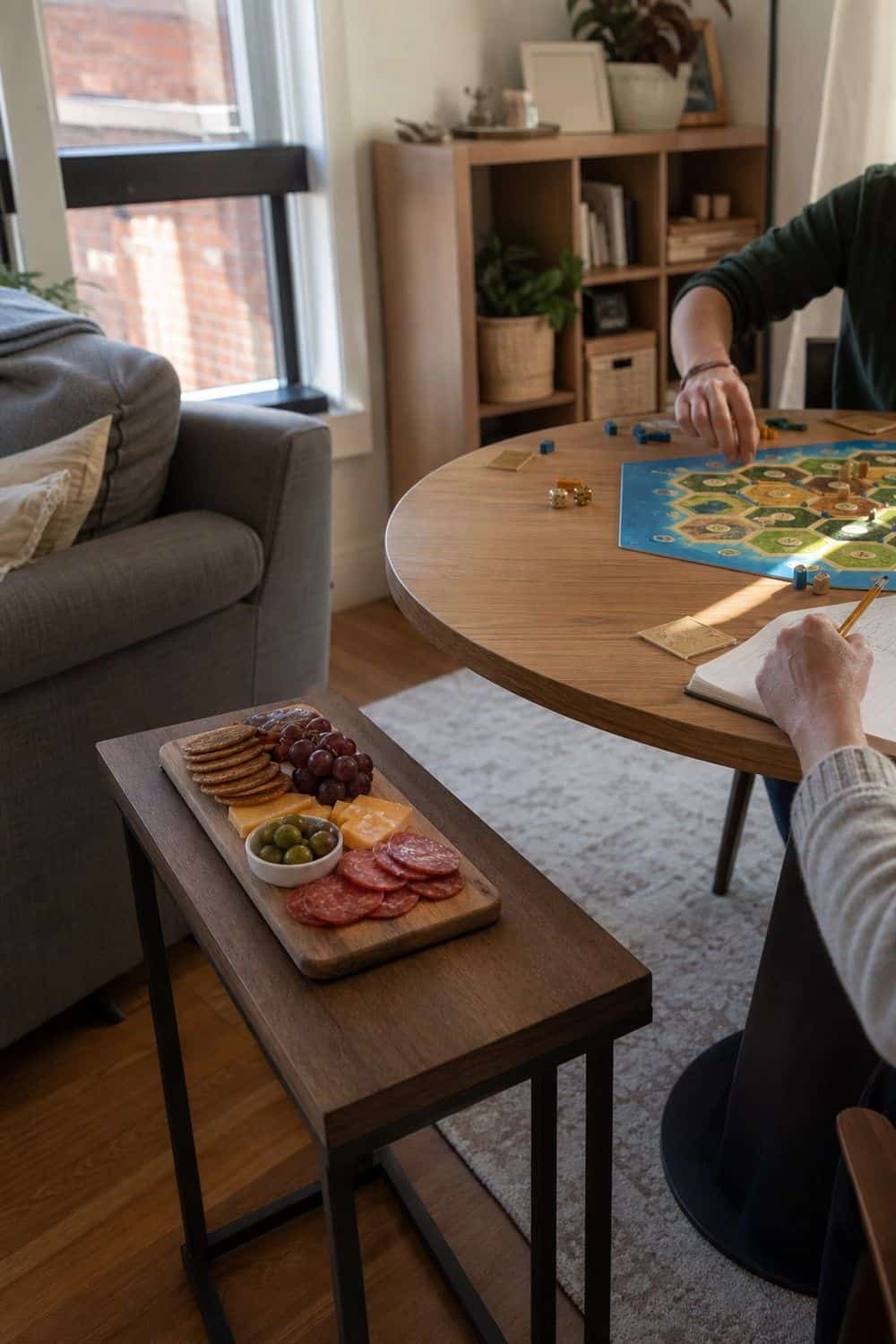
Firm cheese cubes are much easier to manage than wedges of soft, crumbly, or spreadable cheese. Cheddar, gouda, Monterey Jack, mozzarella pearls, and pepper jack can sit in small clusters with picks nearby. Guests can take one bite and get back to the game without needing a knife, cracker balancing act, or extra plate. Save creamy spreads and crumbly blue cheese for a dinner board where people are sitting down to eat. If you want something softer, portion it in a tiny cup away from the cards.
5. Use Mini Sandwich Squares
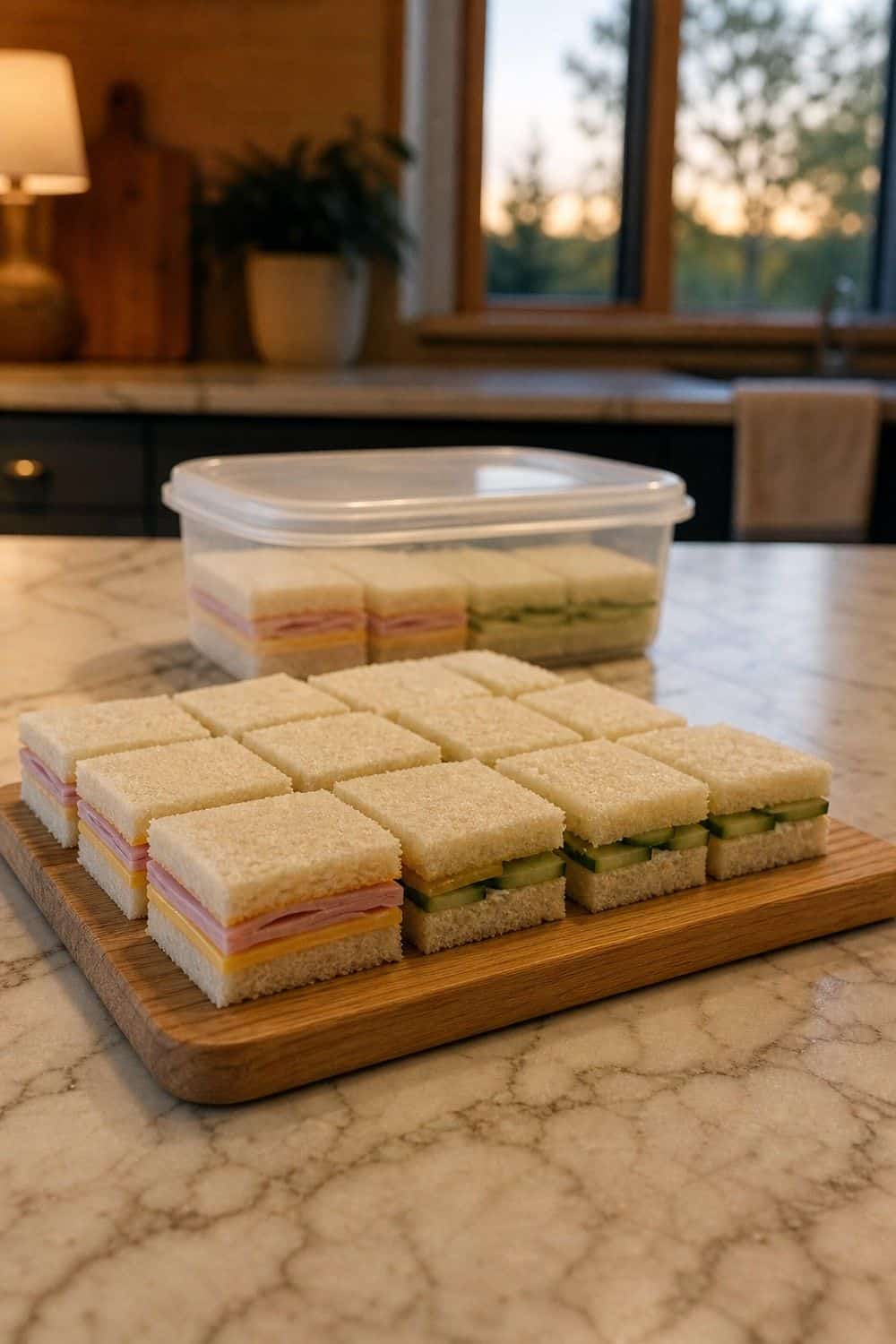
Mini sandwich squares make the board feel more satisfying without turning game night into full meal service. Ham and cheese, turkey, cucumber, egg salad, chicken salad, or pimento cheese can all work if the filling is thick and tidy. Cut each sandwich into two-bite pieces and avoid loose lettuce, wet tomatoes, or thin sauces.
Chill the sandwiches before guests arrive, then add one neat layer to the board. Keep a second batch covered in the fridge if the game will run long.
6. Add Pigs in a Blanket or Pastry Bites
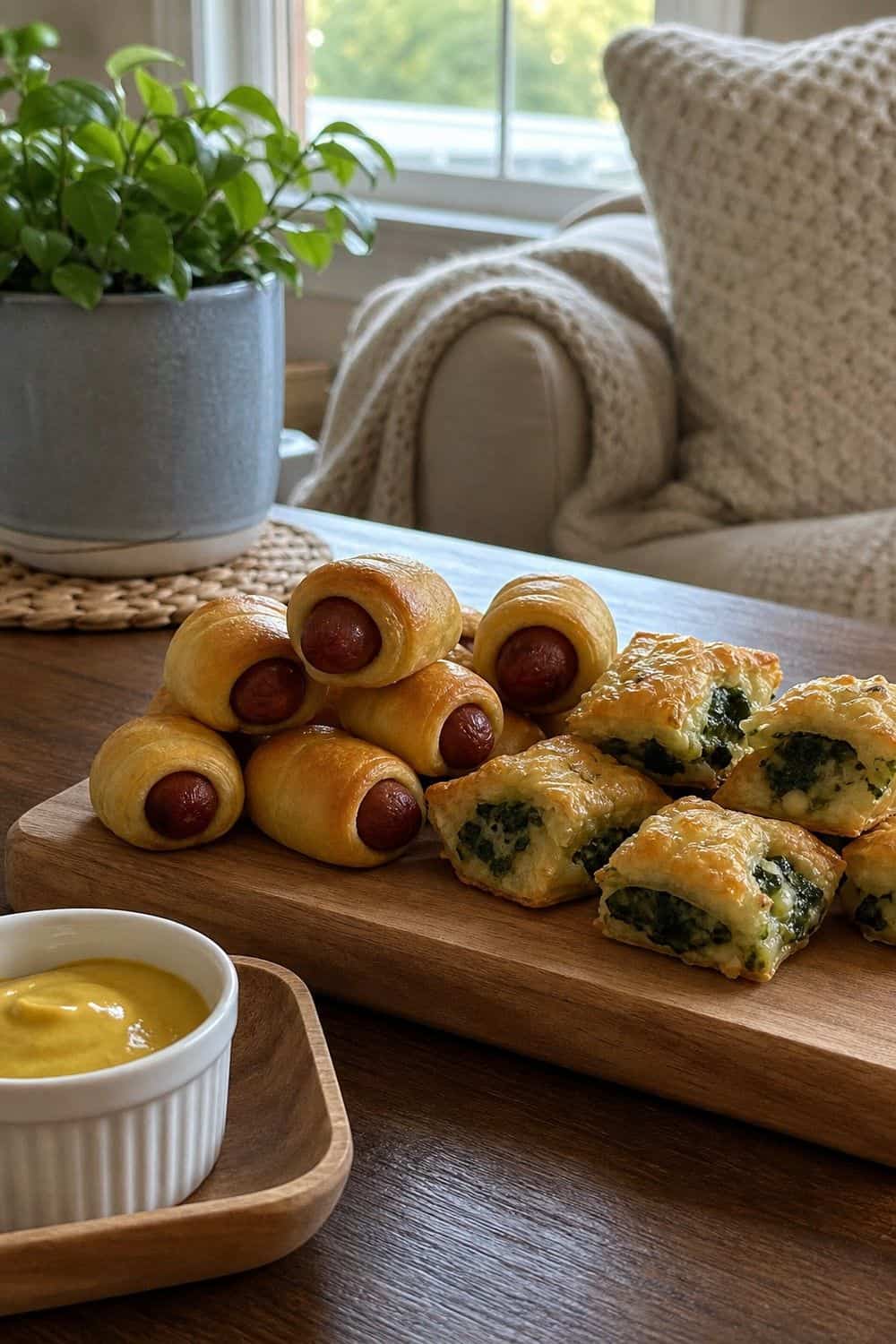
Warm pastry bites are cozy, familiar, and just filling enough for a long game night. Pigs in a blanket, mini sausage rolls, spinach puffs, or small cheese pastries all work if they can be eaten in one or two bites. Let them cool slightly before they hit the board so they are warm, not greasy.
Keep mustard, ketchup, or aioli in a ramekin on a separate little tray. Sauce belongs near the bites, not drizzled across the board where it can stain cards and sleeves.
7. Keep Dips Thick and Scoopable
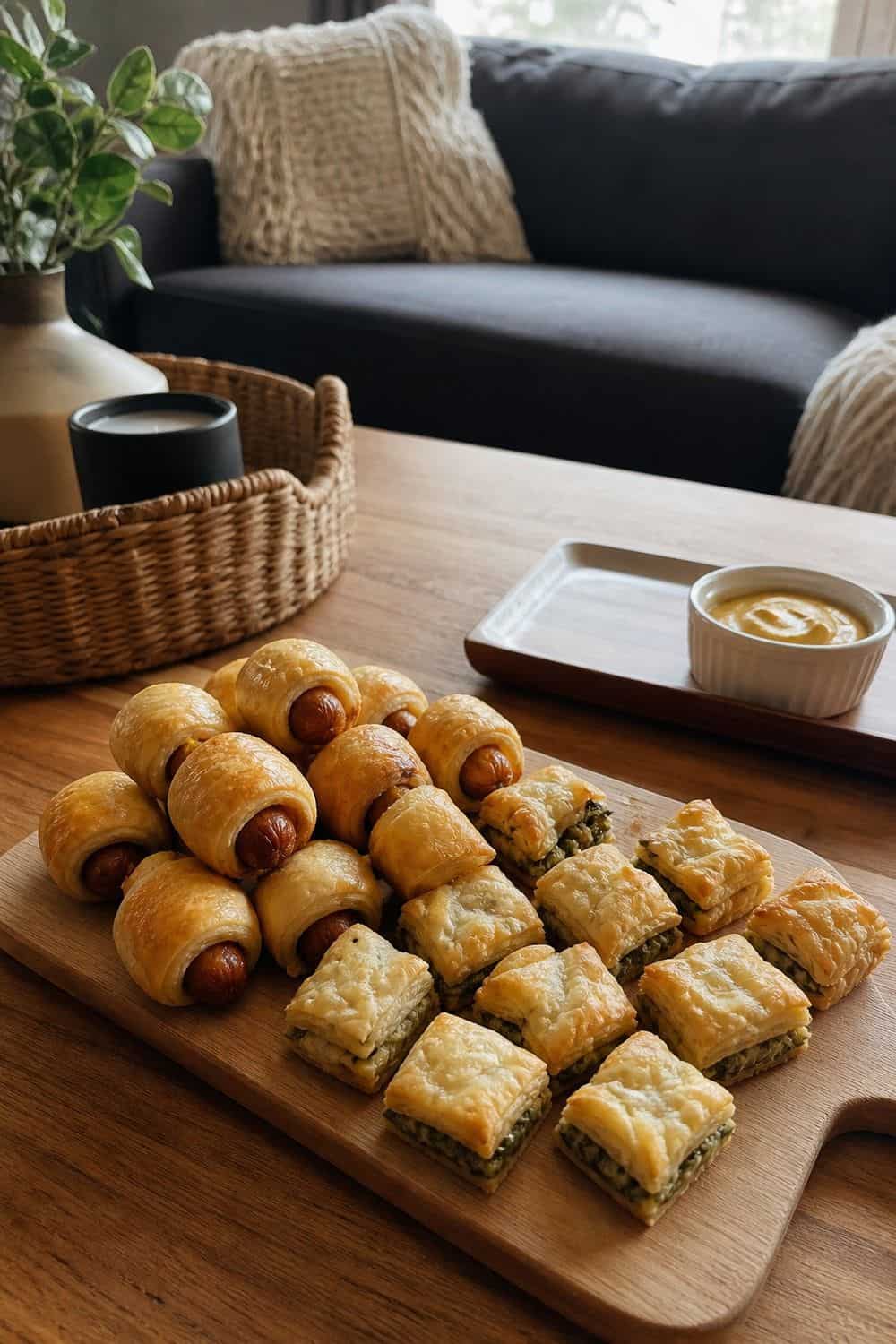
Dips can absolutely belong on a game night board, but they need to stay where the chip puts them. Pimento cheese, hummus, ranch dip, spinach dip, thick buffalo chicken dip, and creamy bean dip are better choices than runny queso or thin salsa. Use small bowls so the dip does not dominate the board, and place them near napkins and sturdy dippers. If a dip needs a spoon, give it one from the start, then keep the refill in the fridge until the first bowl looks tired.
8. Use Scoop Chips Only for Dips
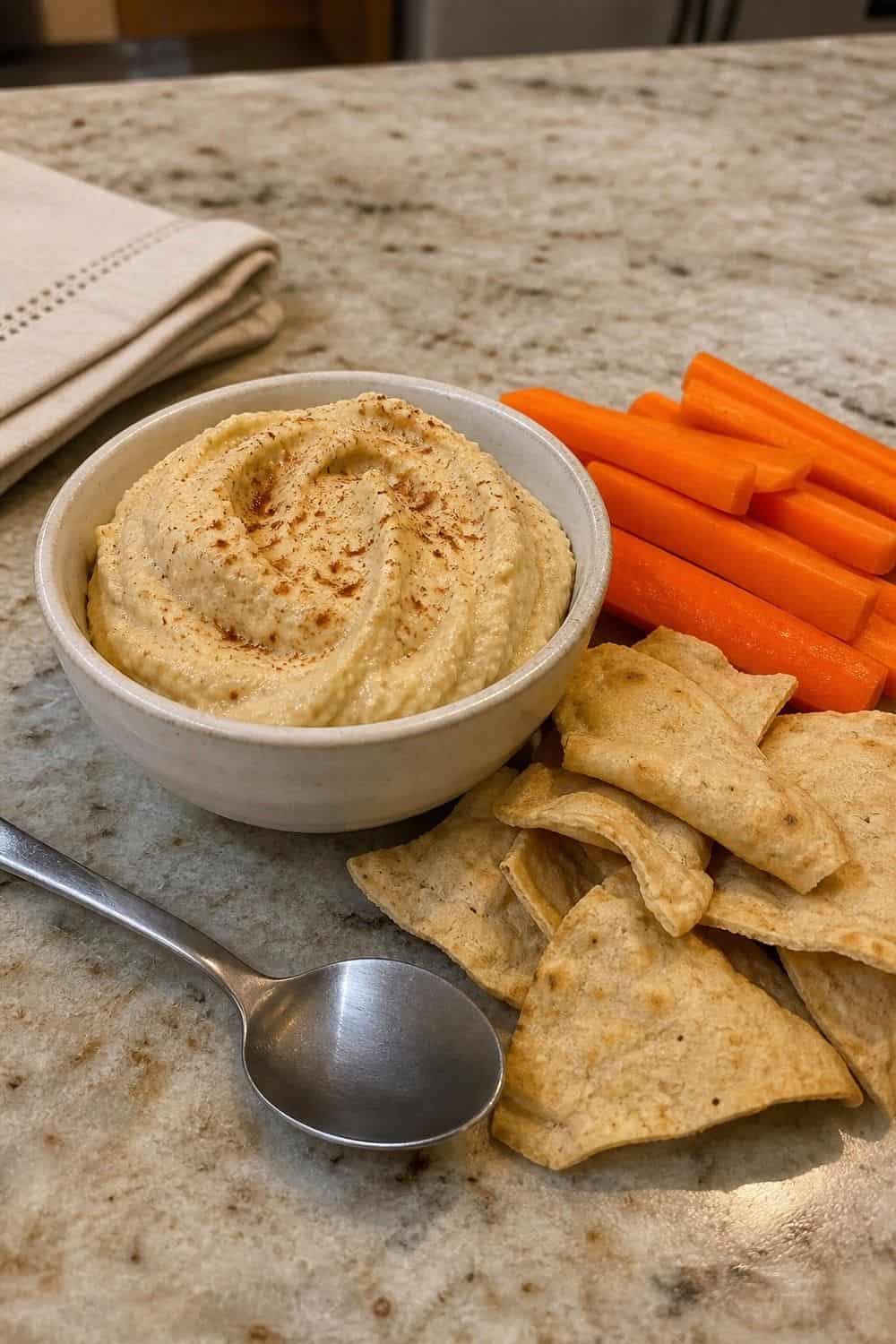
Scoop chips are helpful when there is a thick dip, but they should not be treated like a loose filler across the whole board. Keep them in a bowl beside the dip so broken chips and salty crumbs stay contained. Put out fewer at a time, then refill when the bowl runs low.
Choose sturdy chips that can handle one clean scoop. Thin chips break too easily, and those crumbs have a way of traveling straight into card sleeves and puzzle pieces.
9. Add Crunchy Vegetables for Freshness
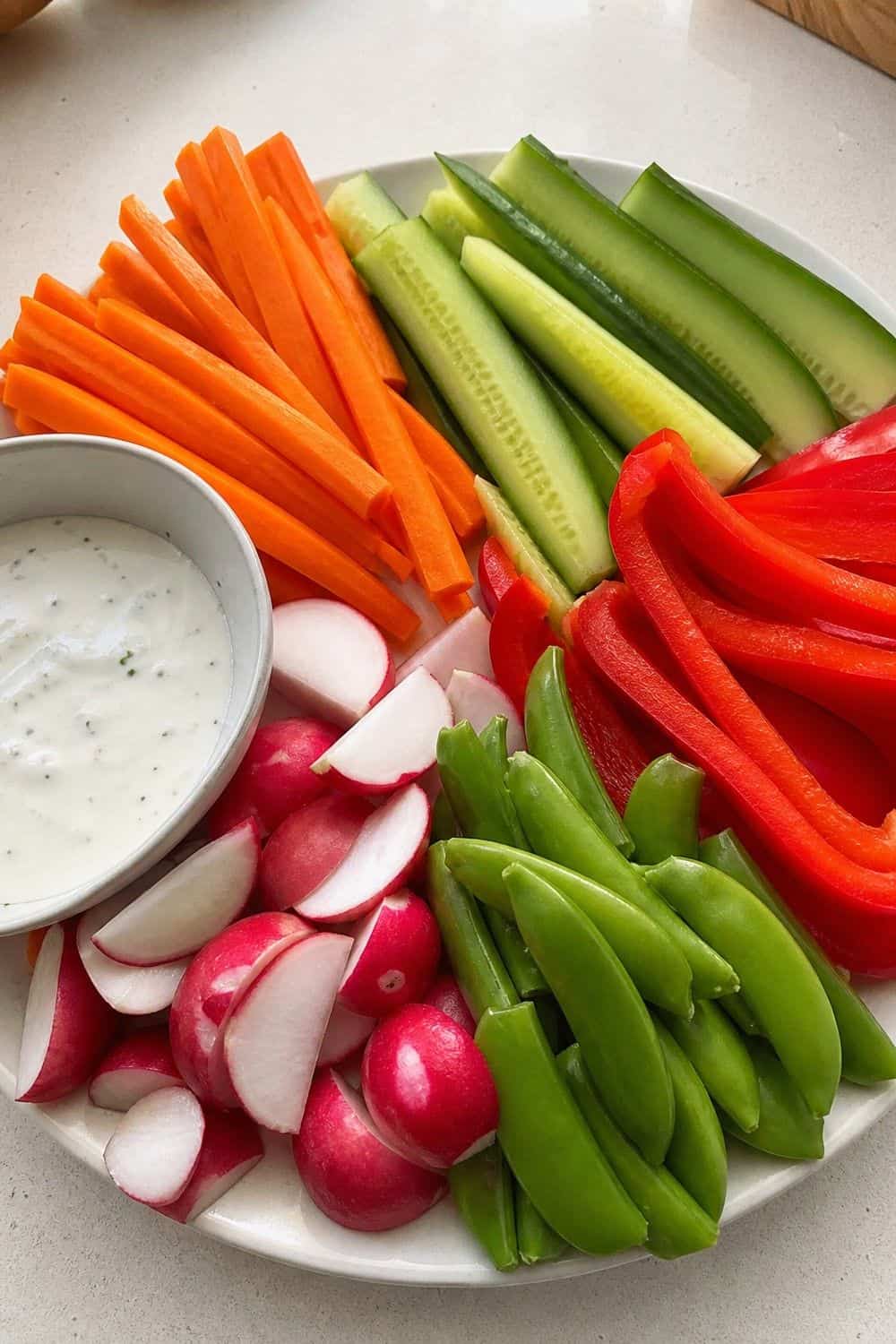
Crunchy vegetables make the board feel lighter between salty bites. Carrot sticks, cucumber spears, bell pepper strips, snap peas, celery, radishes, and cherry tomatoes are easy to prep ahead and easy to grab. Dry everything well before serving so the board does not get watery. Keep vegetables near the dip, but not sitting in it. That small separation keeps crackers crisp and makes the fresh section feel inviting through a longer game, especially when the board needs a little color.
10. Include Grapes and Berries in Small Clusters
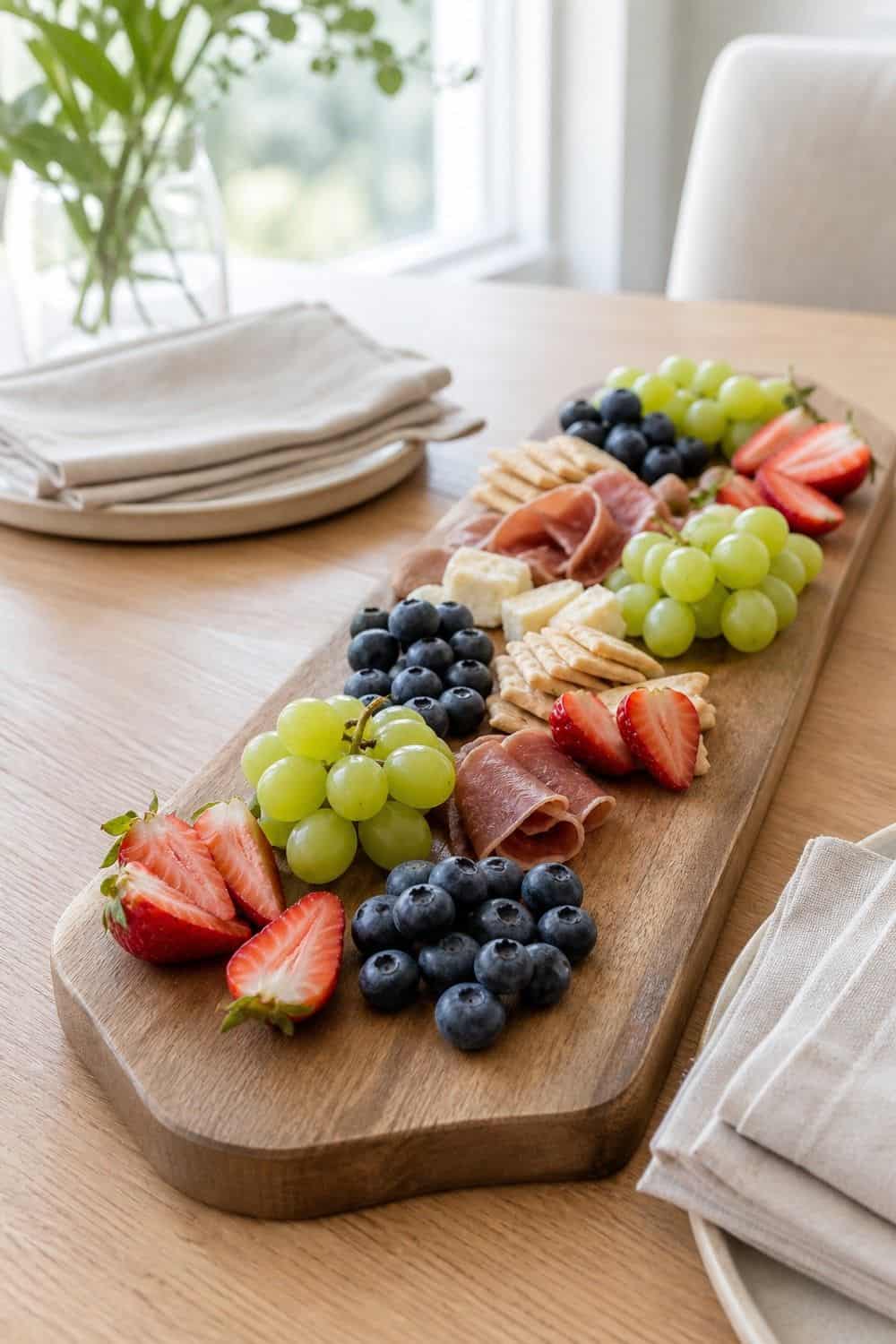
Fruit works best when it is easy to grab and not too juicy. Grapes, strawberries, blueberries, apple slices, and clementine segments are better game-table choices than melon cubes or syrupy fruit. Place fruit in small clusters instead of one large pile so guests can reach from different sides of the board. If you use apple slices, add them close to serving or use a little lemon water so they stay fresh-looking. Keep a napkin stack nearby for berry fingers and quick cleanup.
11. Add Nuts in a Separate Bowl
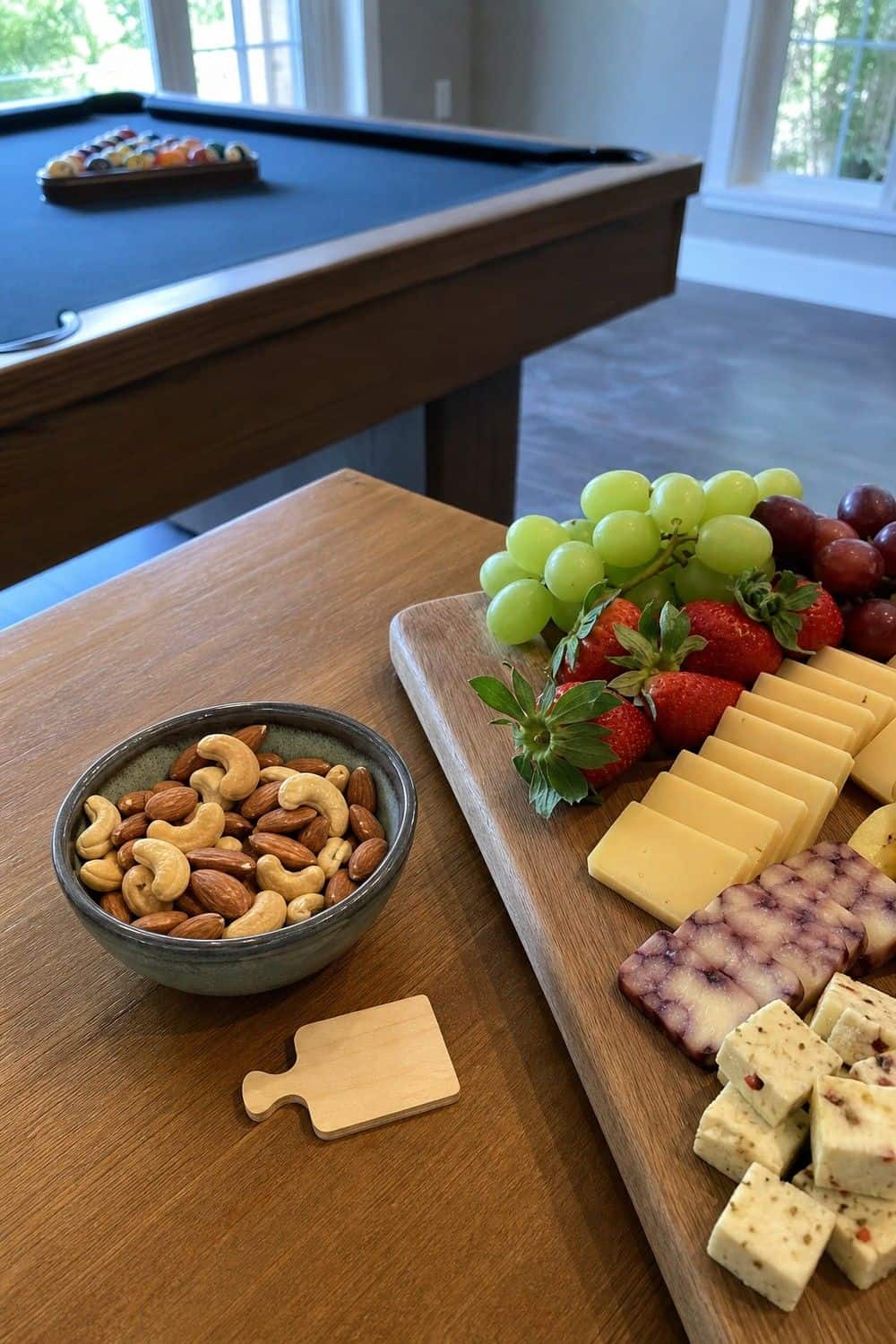
Nuts add protein and crunch without much prep, but they deserve their own bowl. Almonds, cashews, pistachios, spiced nuts, or trail mix can scatter salt and tiny fragments if they sit loose on the board. A separate bowl keeps that mess away from cheese, fruit, and game pieces.
If anyone has allergies, keep nuts off the main board and label them clearly. This is one of those small hosting moves that makes the whole night feel more relaxed, especially when people are snacking while thinking through a turn.
12. Use Pretzel Rods or Pretzel Bites
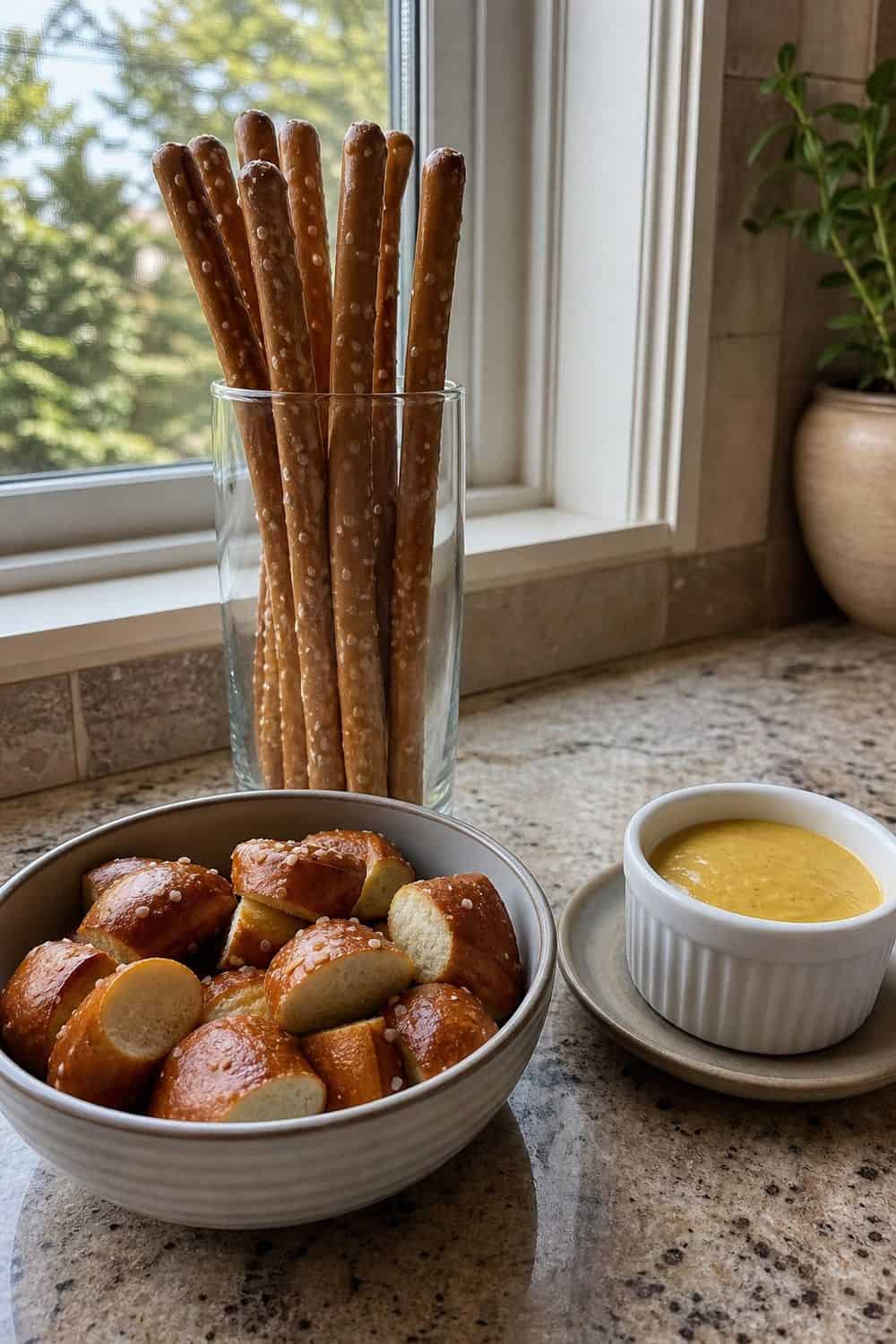
Pretzels are reliable board game snacks because they are dry, sturdy, and easy to portion. Rods, twists, and pretzel bites give guests something salty without greasy residue. Put them in a small glass, bowl, or low pile where they will not roll into softer foods.
If you pair pretzels with mustard, cheese dip, or chocolate dip, keep the sauce in a ramekin on the side. The pretzels can live on the board, but the dip should stay contained nearby with napkins.
13. Add Popcorn in Individual Cups
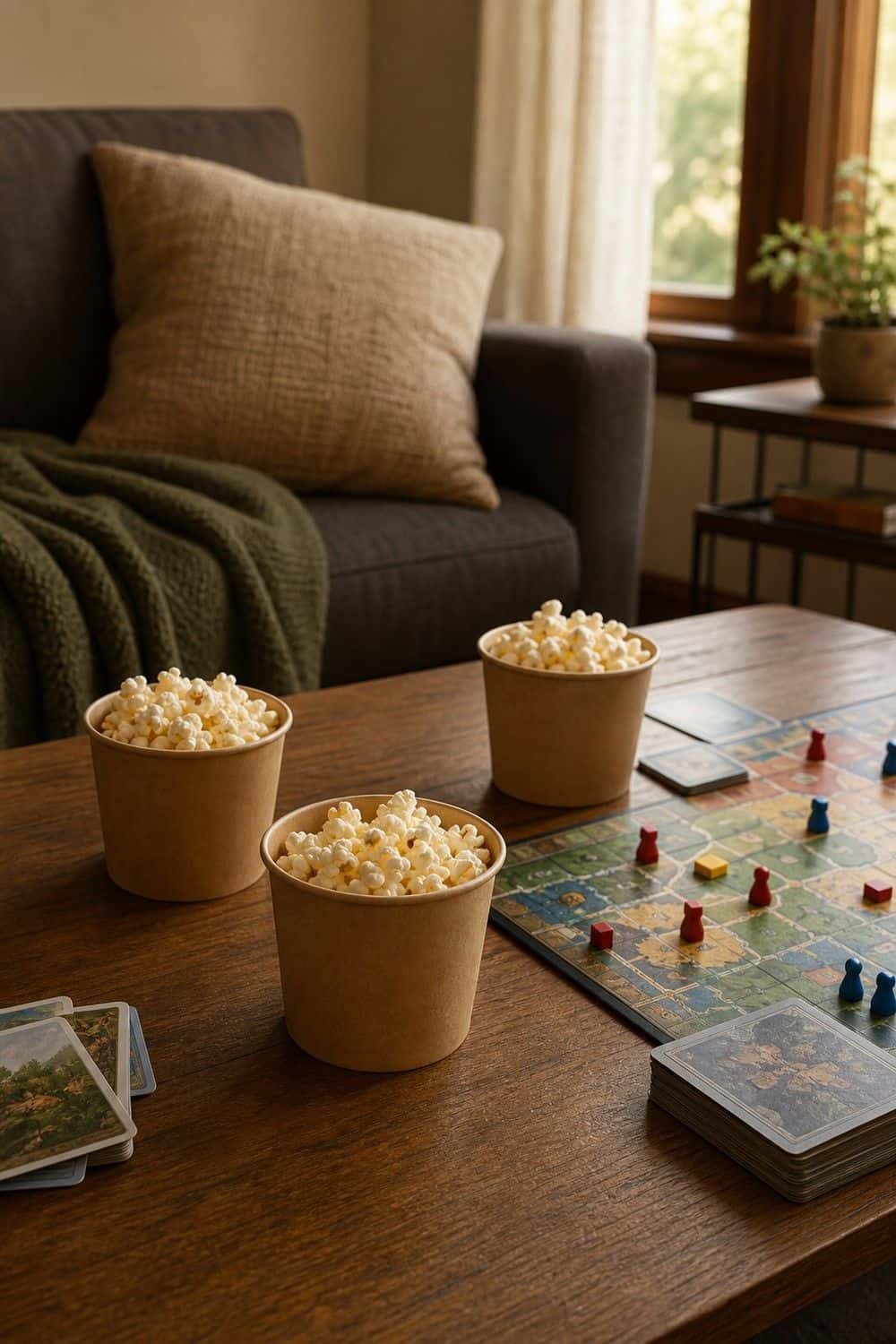
Popcorn is easy to love and easy to spill, which is exactly why individual cups are worth it. Each person gets a small portion they can hold away from the game instead of reaching into one shared bowl all night. Lightly salted popcorn, kettle corn, or a mild seasoning works best.
Skip very buttery popcorn and bright cheese popcorn if cards are nearby. Anything that leaves a film on fingers is going to leave a film somewhere else too, usually right where the next player needs to draw.
14. Include Dark Chocolate or Candy Bites
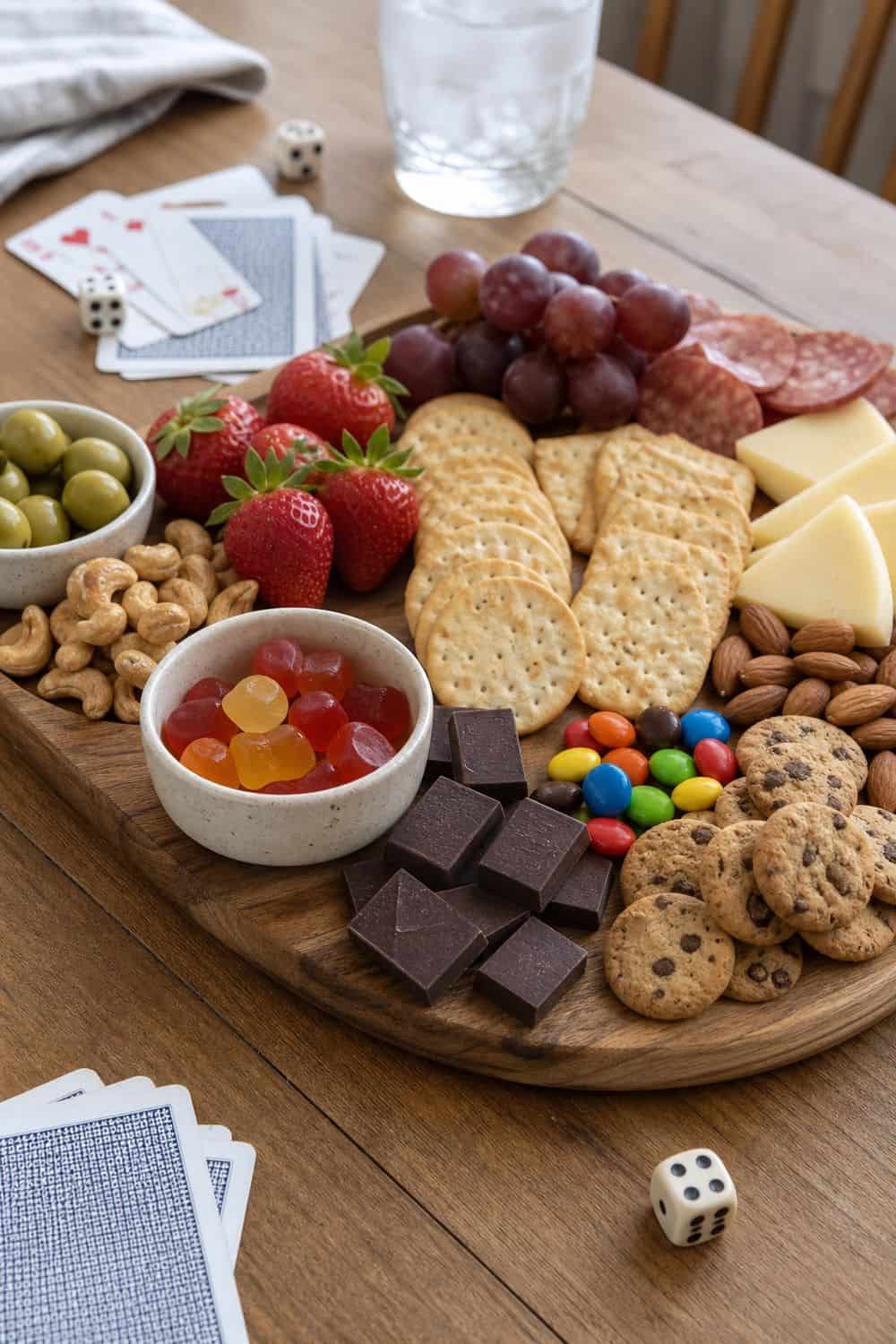
A small sweet section makes the board feel complete without making it sticky. Wrapped chocolates, dark chocolate squares, small cookies, gummies that do not cling to fingers, and candy bites can all work in moderation. Keep the pieces bite-size so guests are not juggling wrappers, plates, and turns. Watch the room temperature. If chocolate starts softening, bring out a smaller amount at a time or move it away from warm pastry bites and bright lights near the snack table, especially during long games.
15. Put Sauces Away From the Main Board
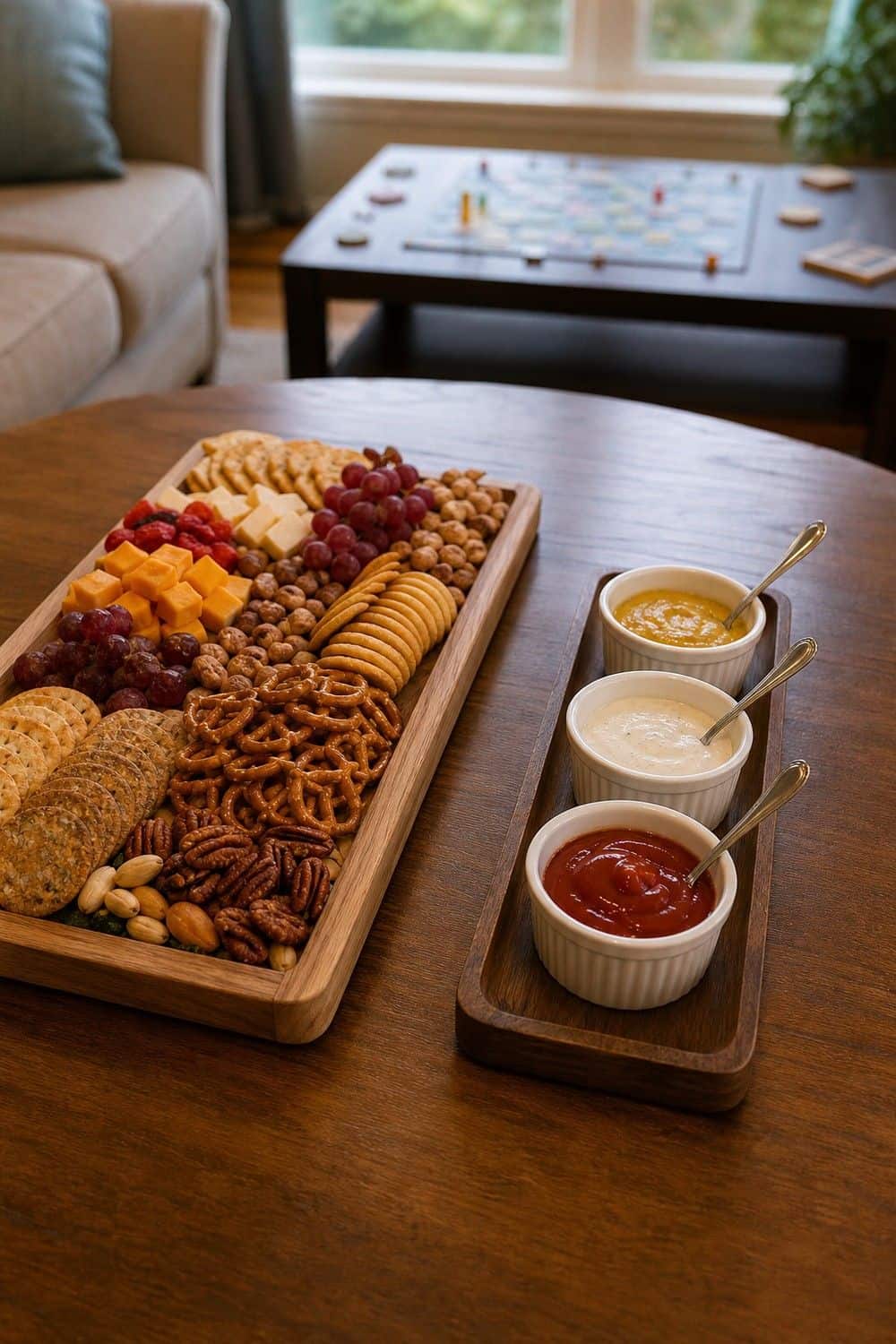
Sauces are useful for pastry bites, pretzels, vegetables, and mini sandwiches, but they should not sit in the center of the board. Use ramekins on a separate tray so one spill does not run into crackers, cheese, or cards. Mustard, ranch, ketchup, barbecue sauce, hot sauce, and aioli all need a clear dipper plan.
If guests have to drag food across the board to reach sauce, the setup is too crowded. Keep sauces close, visible, and contained so one enthusiastic dip does not become the event everyone remembers.
16. Add Mini Quesadilla Wedges
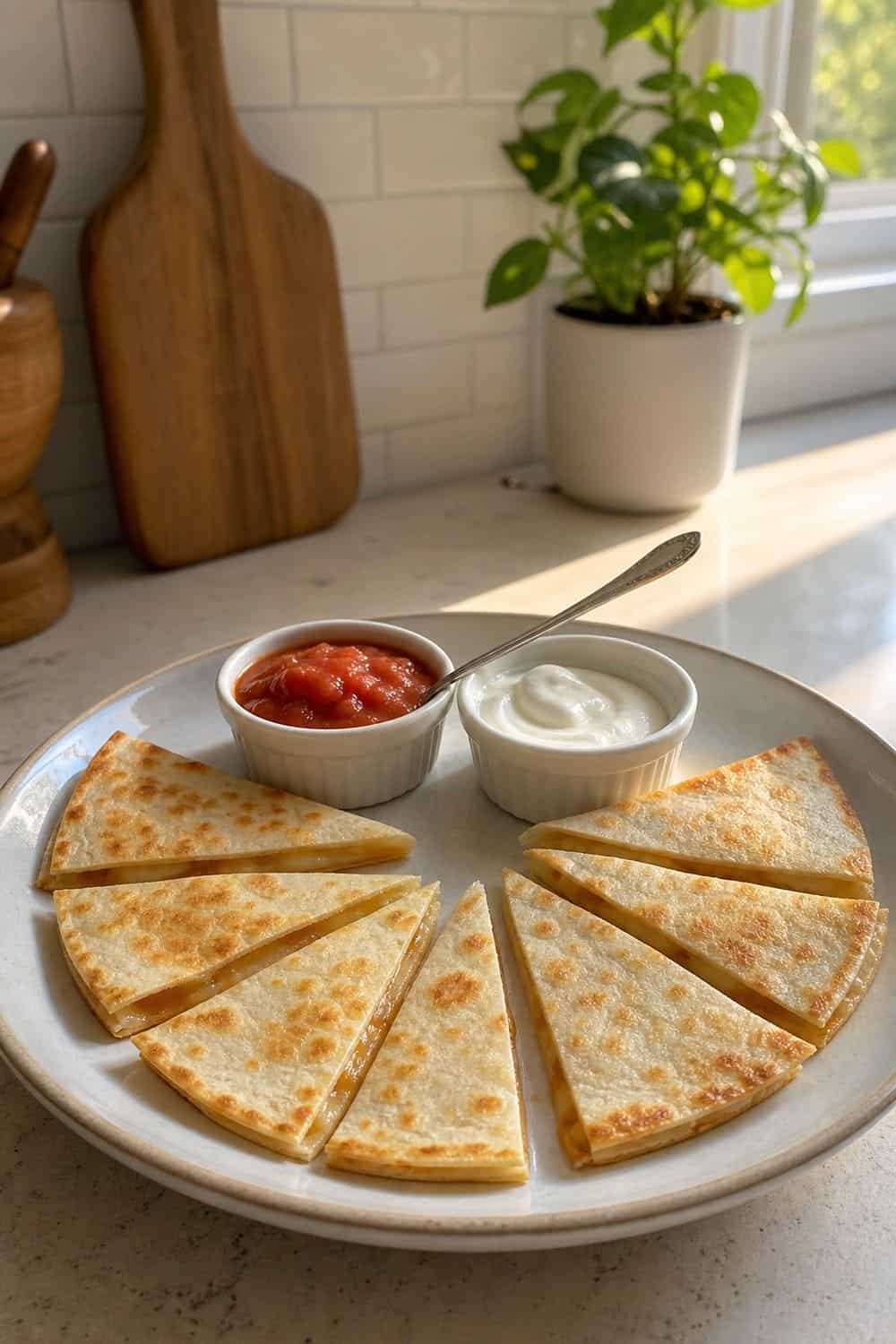
Mini quesadilla wedges can be tidy if they are cut small and not overfilled. Use enough cheese to hold the filling together, then let the wedges cool slightly before placing them on the board. A dry wedge is game-friendly; a wedge already covered in salsa is not.
Serve salsa, sour cream, or guacamole separately with a small spoon. If the wedges start dropping filling when you lift them, they are better as kitchen-counter food than game-table food, especially once players are handling cards.
17. Use Refill Bowls So the Board Stays Neat
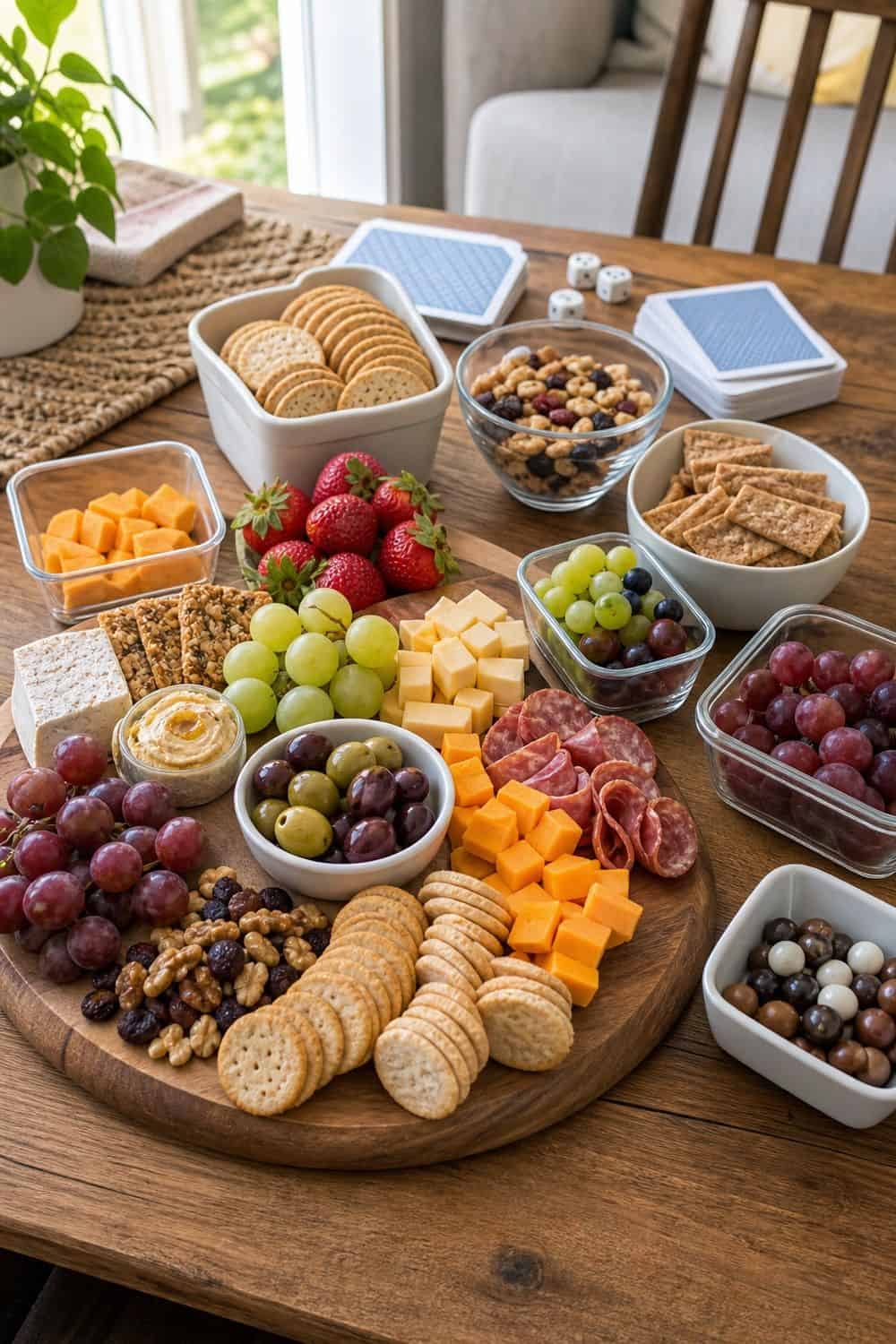
Do not pile the whole night of food onto one board. Keep extra crackers, snack mix, nuts, sweets, and shelf-stable pieces in refill bowls in the kitchen. Cold foods should rotate in smaller batches, especially cheese, dips, meats, and mini sandwiches.
Refill between games, during a rules break, or after a round ends. The board stays attractive, but more importantly, the food stays fresher and the table does not turn into a picked-over grazing mess before the longest game even starts.
18. Set Out Napkins, Wipes, and a Trash Bowl
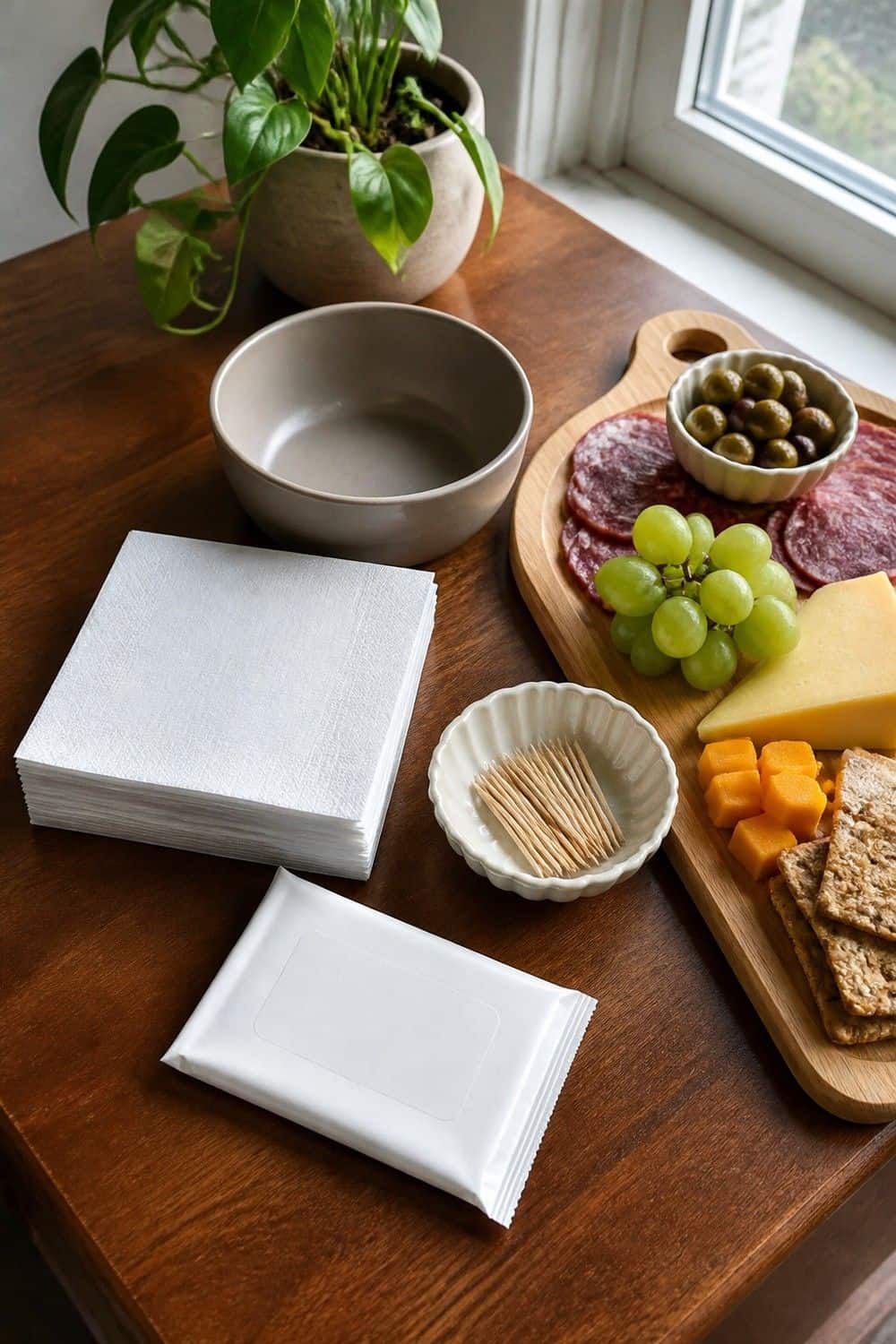
The cleanup pieces should be on the table before the first snack is eaten. Put cocktail napkins, wipes, a toothpick discard bowl, and a small trash bowl near the board. Grape stems, wrappers, used picks, and tiny paper cups need somewhere obvious to go.
Without that little landing spot, the mess ends up beside score pads, rulebooks, and phones. It is not glamorous, but it is the difference between an easy board and a sticky table after two hours of play.
19. Label Allergy and Spicy Items
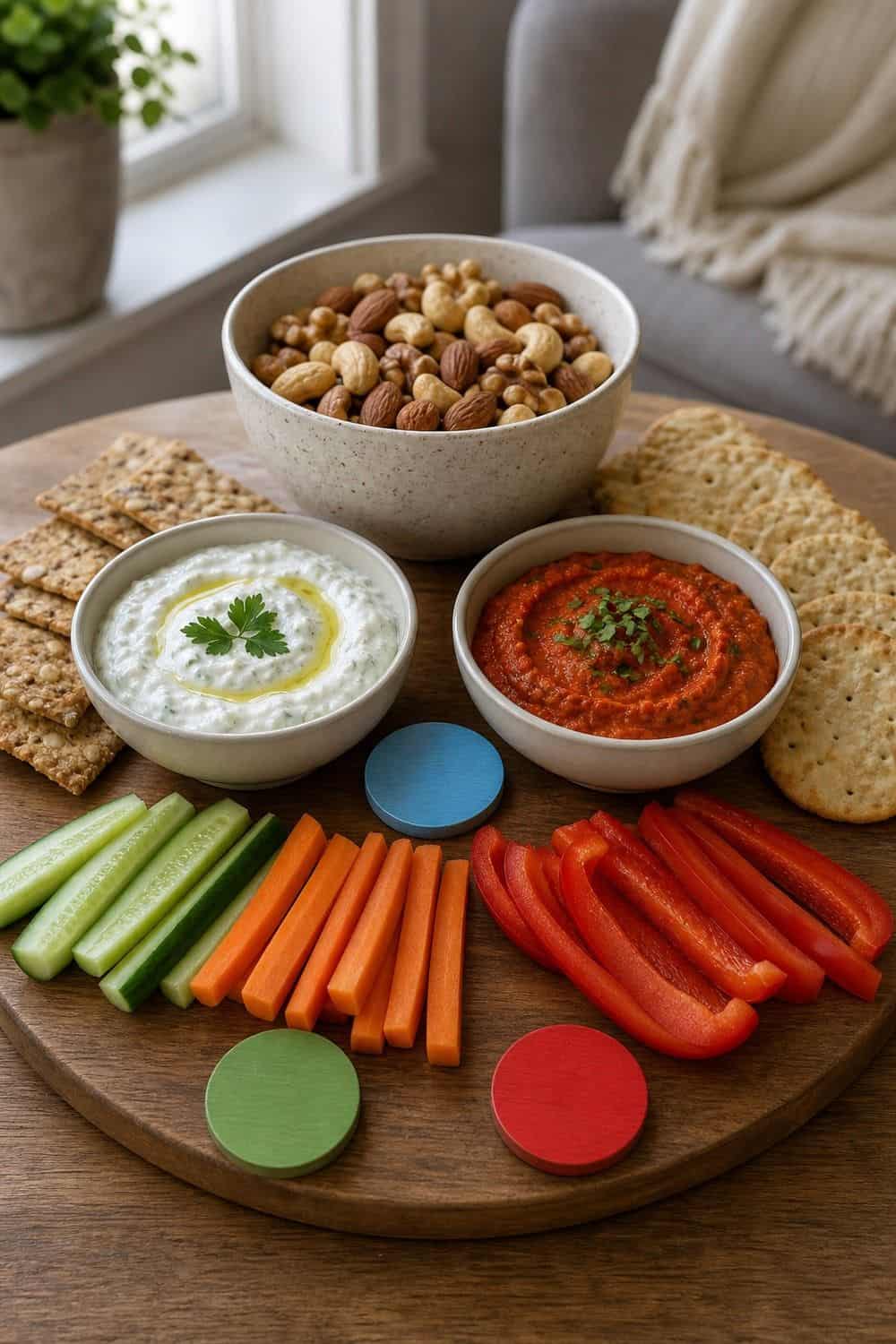
Game nights feel casual, but labels still save people from asking what is in every bowl during their turn. Mark nuts, dairy-heavy dips, gluten-free crackers, vegetarian items, spicy snacks, and meat-heavy bites. Labels are especially helpful when there are two similar dips or a mild and spicy version of the same snack.
Keep the wording short so the labels do not crowd the board. A tiny note that says spicy, nuts, or veggie is usually enough, and it lets guests choose quickly without interrupting the game.
20. Reset the Snack Board Between Rounds
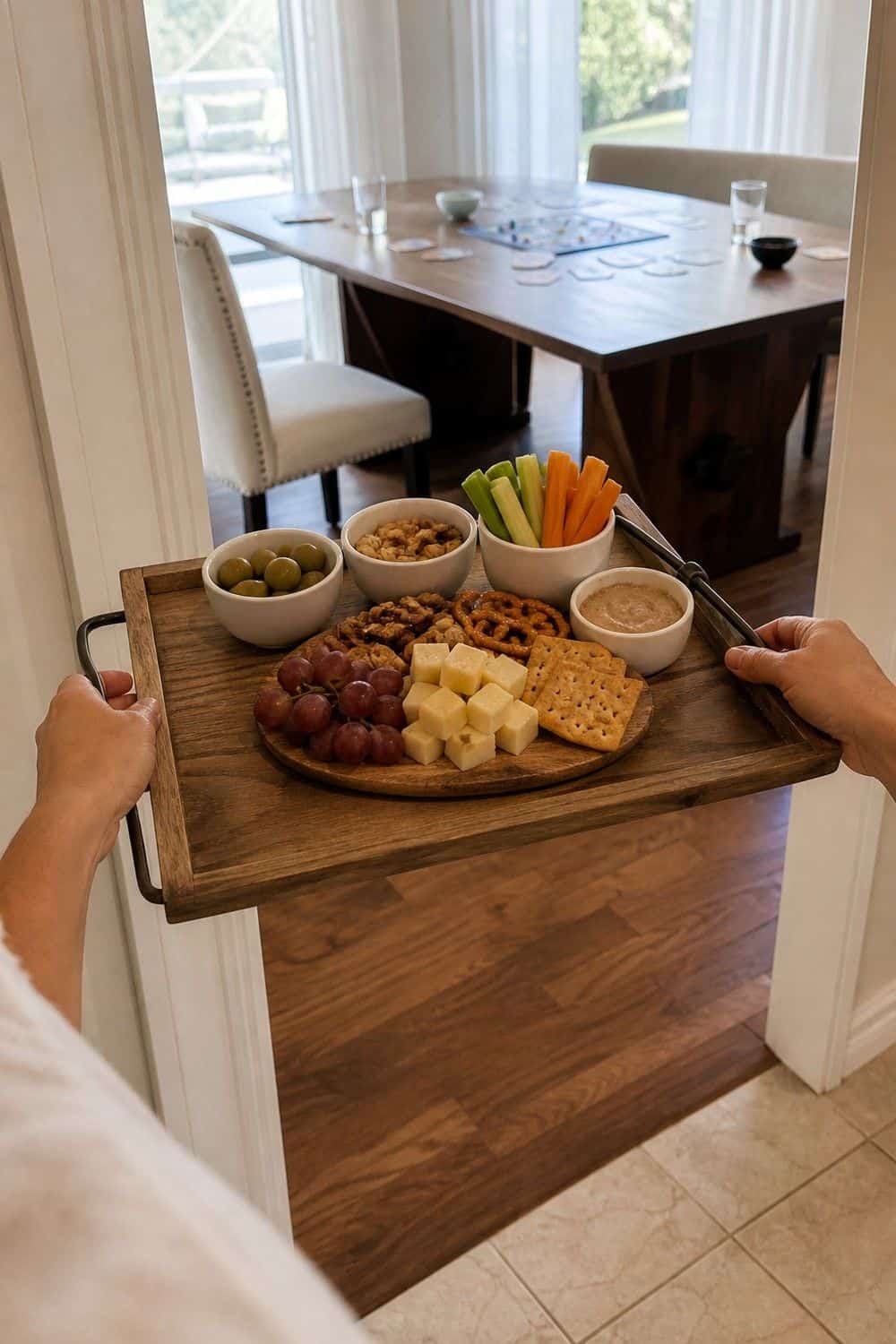
The board works better when you reset it between rounds instead of waiting until the end of the night. Remove crumbs, replace used picks, wipe dip edges, swap empty bowls, and move sticky items away from the game area. If one snack keeps making a mess, retire it for the night.
A handled tray makes the reset easier because you can lift the whole board back to the kitchen for a quick refresh. Not every food has to stay out just because it started there.
FAQs
What snacks are good for game night?
Good game night snacks are low-mess finger foods like snack mix, cheese cubes, pretzels, mini sandwiches, fruit, nuts, sturdy dips, popcorn cups, and small sweets. Choose foods that are easy to grab between turns and do not leave residue on cards or pieces.
What should go on a game night snack board?
A game night snack board should include dry crunch, protein bites, firm cheese, fruit, vegetables, a thick dip, one warm bite, one sweet bite, napkins, and picks. Keep the board compact so it does not crowd the game table.
What snacks should you avoid during board games?
Avoid greasy, powdery, sticky, saucy, crumbly, or drippy foods during board games. Bright cheese powder, runny queso, sticky candy, sauced wings, and very oily chips can stain cards, sleeves, boards, and game pieces.
How do you make game night snacks less messy?
Make game night snacks less messy with cocktail picks, small bowls, thick dips, scoop chips, individual popcorn cups, napkins, wipes, and a trash bowl. Keep sauces away from the main board and refill snacks between rounds.
Can you make game night snacks ahead of time?
Yes, many game night snacks can be made ahead. Prep snack mix, dips, cheese cubes, fruit, mini sandwiches, vegetables, nuts, and refill containers in advance, then bake warm bites shortly before serving.
Where should food go during board game night?
Food should sit on a side table, coffee table edge, kitchen island, or the edge of the game area, not in the middle of the game board. Keep drinks on coasters and give the snack board enough space that players are not reaching over cards.
What are good sweet snacks for game night?
Good sweet snacks for game night include wrapped chocolates, dark chocolate squares, berries, popcorn cups, small cookies, and candy bites that are not too sticky. Avoid melty chocolate if the room is warm or the game will last for hours.
How much food do you need for game night?
The amount depends on the guest count, game length, and whether the board is replacing dinner. For a snack-only night, plan several small bites per person per hour; for a longer game night, keep refill bowls ready so the board can be refreshed without crowding the table.
Final Thoughts
The best game night snack board ideas keep people fed without interrupting play. When you choose low-mess foods, place the board beside the game area, add picks and napkins, and refresh snacks between rounds, the food feels easy instead of risky for the table.
Last update on 2026-09-18 / Affiliate links / Images from Amazon Product Advertising API