The best way to store fresh bread is to keep what you will eat soon at room temperature in the right wrapper for the loaf, then freeze the rest before it dries out. Crusty bakery bread needs more airflow, soft sandwich bread needs more moisture protection, and normal refrigerator storage is usually the fastest path to stale bread. If bread is only stale, you can reuse it; if it is moldy, discard it because bread is porous.
A fresh loaf changes quickly once it leaves the bakery bag, the oven, or the cutting board. The crust softens, the cut side dries, steam can get trapped, and a warm kitchen can turn a sealed bag into a mold-friendly pocket.
Learning how to store fresh bread is mostly about matching the method to the bread in front of you. A sourdough boule, a baguette, homemade sandwich bread, pre-sliced toast bread, and frozen slices all need slightly different handling if you want good texture without wasting half the loaf.
You Might Also Like These Blog Posts
- How to Store Cheese
- How to Store Leftovers
- How to Store Tomatoes
- Pantry Inventory Ideas
- Use It Up Fridge Meal Ideas
1. Let Warm Bread Cool Before You Store It
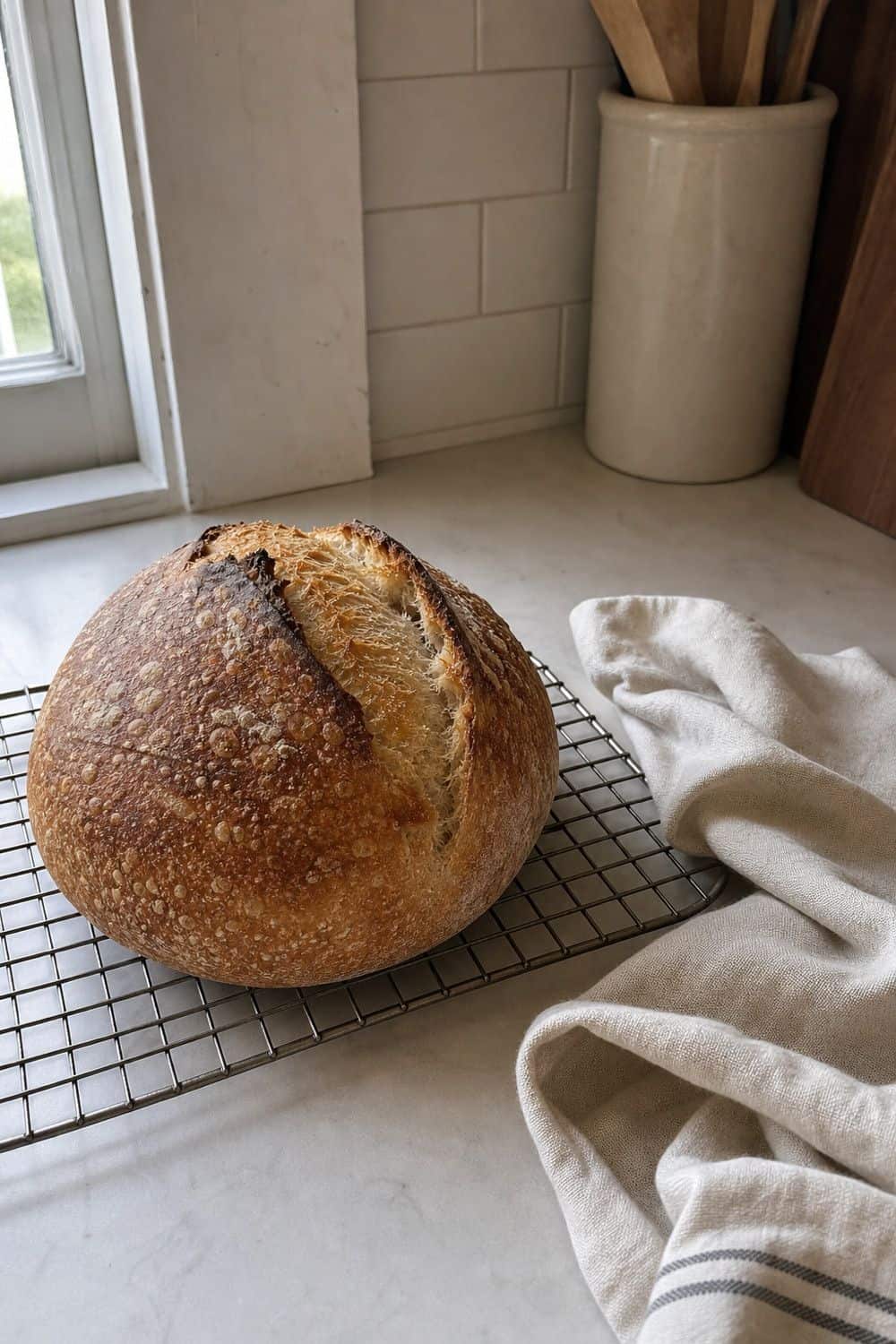
Steam is the first storage problem with homemade bread or a warm bakery loaf. If you seal bread while it is still giving off heat, that moisture collects inside the bag and can make the crust leathery, the crumb damp, and the loaf more likely to spoil quickly. Let the loaf cool on a rack until the bottom and cut side no longer feel warm to your hand.
Air needs to move around the whole loaf, not just across the top, so avoid setting warm bread flat on a board too soon. If you need to leave the kitchen, loosely cover it with a clean towel rather than sealing it in plastic. Once it is cool, choose the storage method based on whether you are protecting a crisp crust, a soft crumb, or bread that needs to go straight into the freezer.
2. Cool Counter Spot Away From Heat
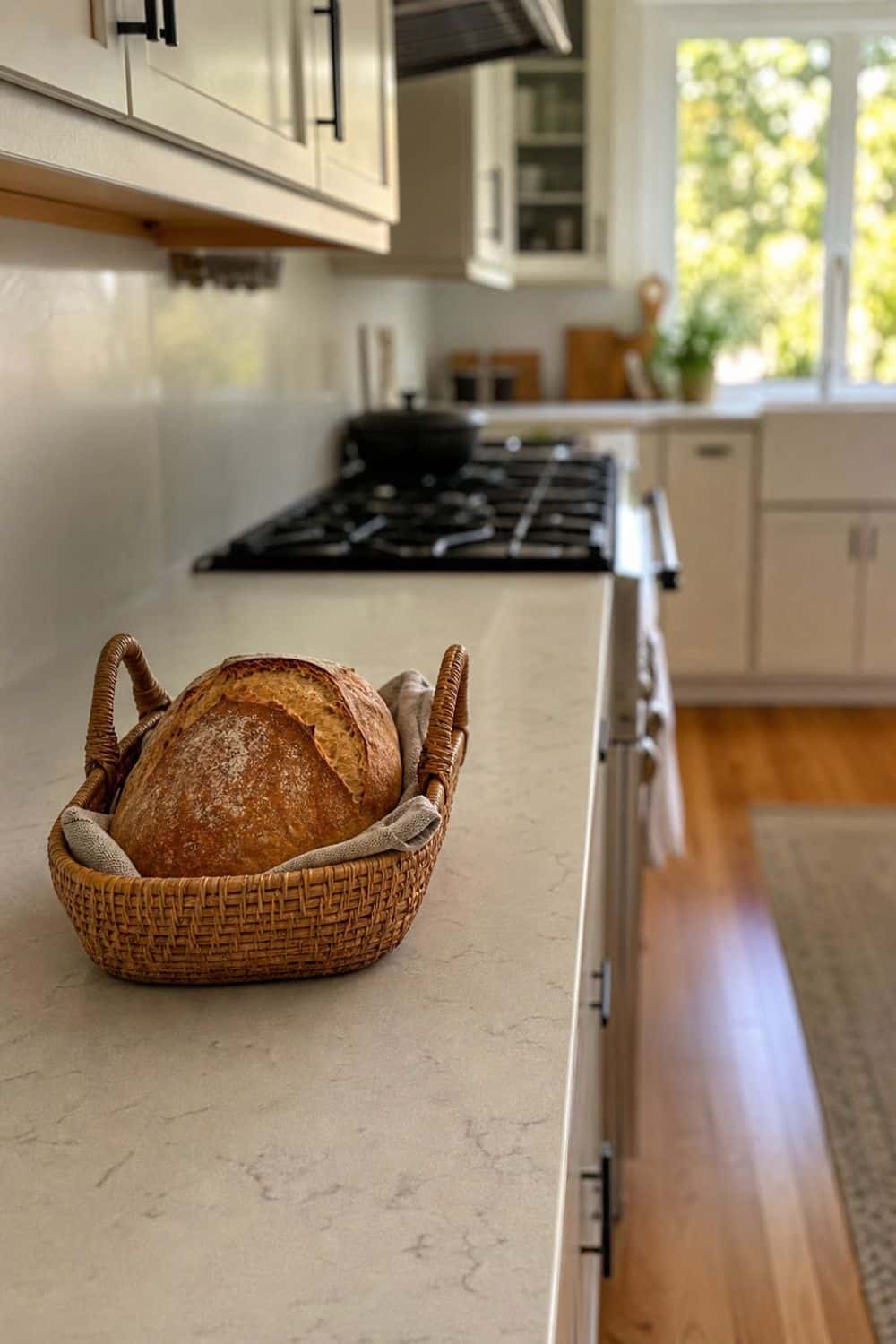
Room temperature is best for bread you plan to eat soon, but not every counter spot behaves the same. Bread dries faster near heat and molds faster in damp, warm corners, so placement can matter as much as the bag.
Keep bread away from sunny windows, the stovetop, the top of the refrigerator, the dishwasher steam zone, and the damp area around the sink. A shaded counter, pantry shelf, or bread box area works better for short-term eating. Use the freezer for bread you know will sit longer, and avoid normal refrigerator storage unless mold pressure is unusually high and texture is the lesser problem.
3. Bread Box for Everyday Loaves

Counter loaves need less open air than a cutting board gives them, but less trapped moisture than a fully sealed container can create. A bread box gives everyday bread a protected counter home with a little airflow, which is helpful for sandwich bread, rolls, soft bakery loaves, or a partly wrapped crusty loaf.
The box should fit the loaf without smashing the crust or forcing the bag open, so measure if you buy long baguettes, oversized boules, or several loaves at once. Keep the inside clean and dry too, because crumbs and forgotten heel pieces make the box less helpful. If bread molds quickly in your kitchen, freezing sooner may work better than buying a larger box.
4. Breathable Bag for Crusty Bakery Bread
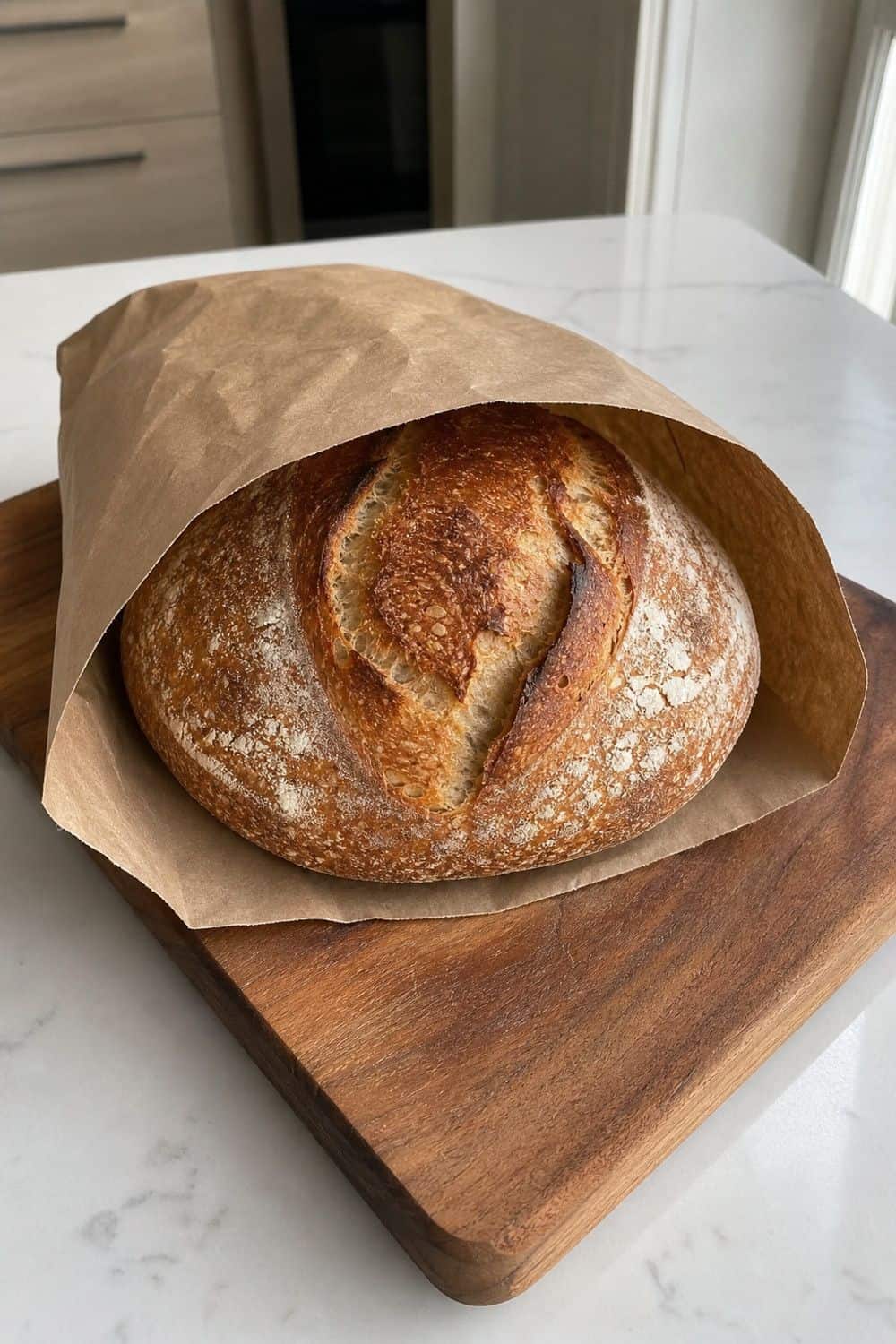
Bakery boules ask for a different kind of protection than soft sliced loaves. Sourdough, baguettes, boules, ciabatta, and similar breads usually keep a better crust in paper or cloth than in a tight plastic bag.
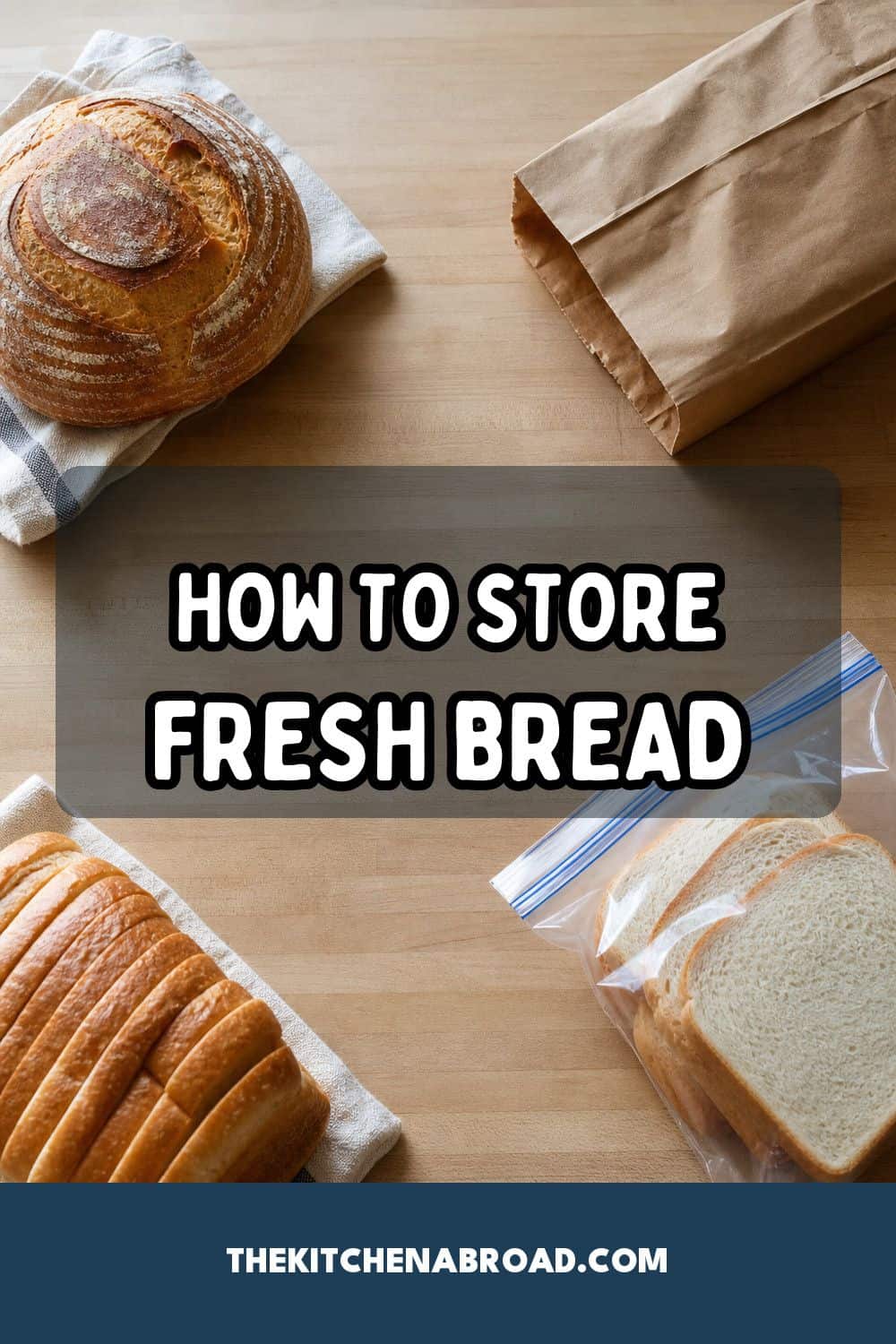
A breathable bag lets some moisture escape, which helps the crust avoid turning rubbery. The tradeoff is that the cut side can dry faster. For a whole loaf, store it in a breathable bag for short-term eating. Once it is cut, place the cut side down on a clean board inside the bag or wrap just the cut face more snugly while leaving the crust less sealed.
This is not about making the counter look rustic. It is about texture. If your kitchen is very dry or you need the loaf to last more than a day or two, slice and freeze part of it before the crusty loaf becomes a hard loaf.
5. Better Seal for Soft Sandwich Bread
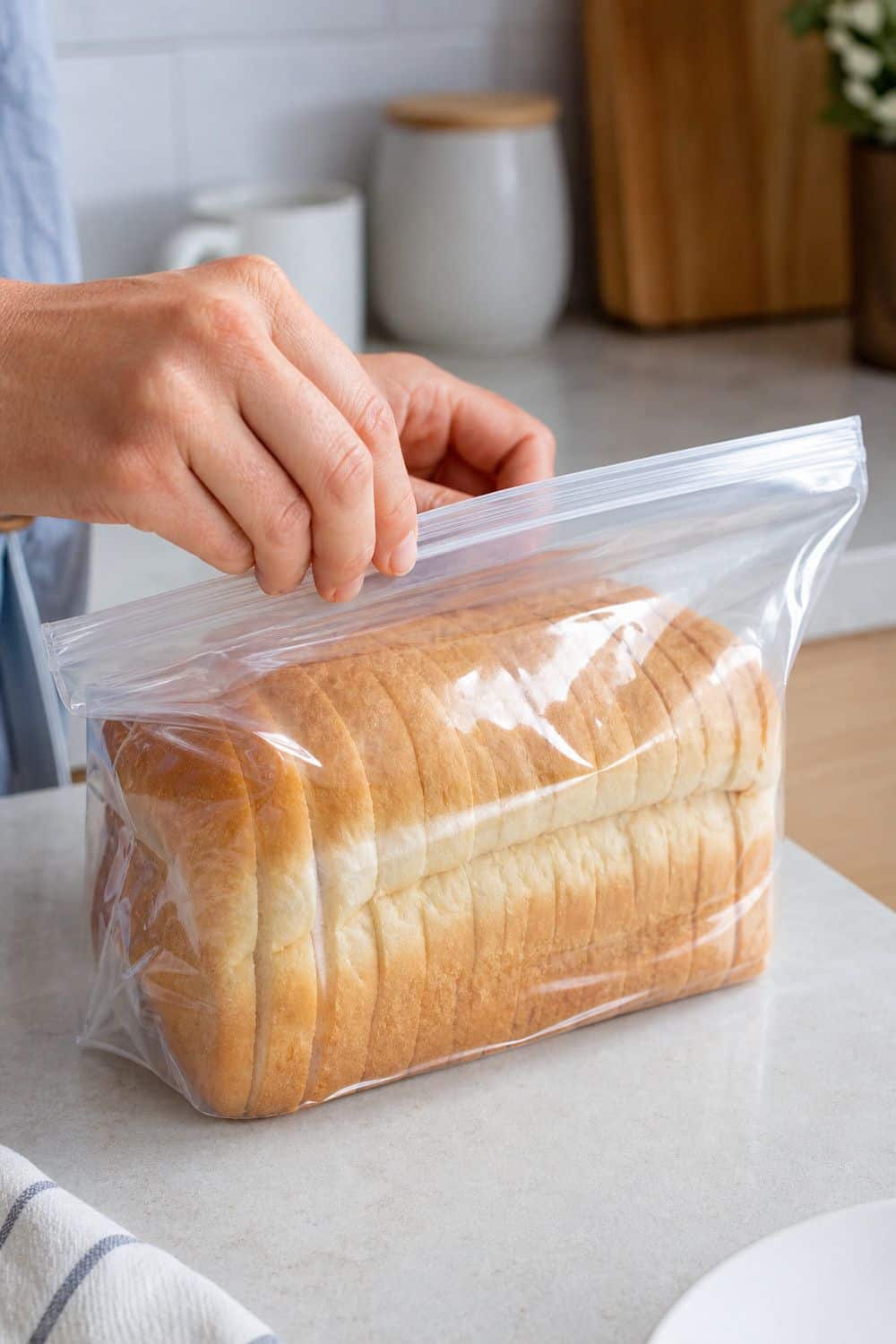
Tender sandwich slices have a different goal from crusty artisan bread. You are not trying to preserve a crisp exterior; you are trying to keep the crumb soft enough for toast, sandwiches, and lunchboxes.
Keep soft sliced bread in its original bag or a clean reusable bread bag, and close it after each use. Press out excess air gently without crushing the slices. If the bag is left open, the first few slices can dry at the edges before the loaf is halfway gone.
In a warm or humid kitchen, a tightly sealed bag can encourage mold before the loaf is finished. If you will not eat the bread soon, freeze part of it instead of trying to make the counter stretch longer. That gives you soft bread later without relying on the refrigerator, which tends to stale bread faster.
6. Slice Only What You Need From Whole Loaves
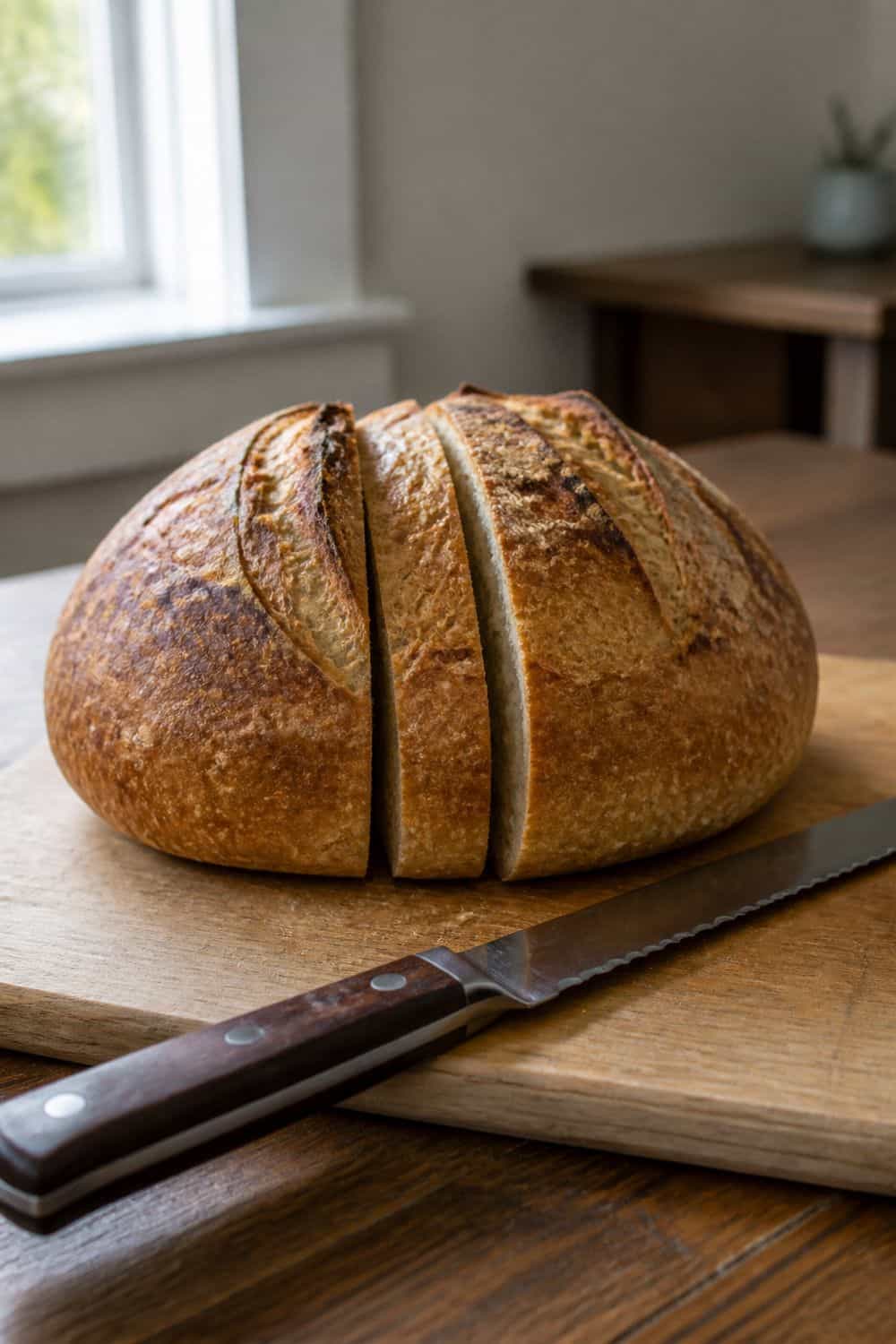
Every cut surface is a new place for bread to dry. Whole loaves often keep better when you slice only what you need for the next meal, then protect the remaining loaf based on its type. A clean serrated knife helps because it cuts through crust without crushing the crumb.
Saw gently instead of pressing down hard. With a round loaf, cut a few slices from the center, push the cut sides back together, and store the loaf with the exposed crumb protected. With homemade sandwich bread, wait until the loaf is fully cool before slicing so the interior does not tear. If you already know the loaf is too large for the next couple of days, slice the extra portion before freezing instead of waiting until the texture has dropped.
7. Pre-Slice Bread Before Freezing

Pulling one usable piece from the freezer is easier when the loaf is sliced before it goes in. Pre-slice sandwich loaves, sourdough, breakfast bread, toast bread, and sturdy bakery loaves so you can take only what you need.
The slices do not have to look bakery-perfect. They need to be even enough to toast, warm, or make a sandwich without thawing the whole loaf. Let the bread cool fully first, then slice with a steady hand and freeze while the bread still tastes fresh. If the loaf is already stale on the counter, freezing only pauses that stale texture.
For very crusty or large loaves, consider freezing in half-loaf portions plus a few slices. That gives you a flexible mix: slices for toast and a larger piece for dinner bread or warming in the oven.
8. Freeze Bread in a Tight Freezer Bag

Air is the enemy once the loaf goes into the freezer. Too much air around the bread can lead to freezer burn, dry edges, and stale freezer flavor.
Pack fully cooled bread in a tight freezer bag, pressing out extra air before sealing. For sliced bread, keep the stack neat and flat so slices do not bend into odd shapes. For half loaves or whole small loaves, wrap first if needed, then place the bread in a freezer bag for a second layer of protection. Freeze bread while it still tastes good, use a bag that fits closely, and keep it away from strong-smelling freezer foods when possible. Slices are easiest for daily use, while whole or half loaves work better when you plan to warm the entire piece later.
9. Separate Slices Before They Freeze Together

Pieces can freeze into one stubborn block if they are stacked tightly with nothing between them. That makes you thaw more bread than you need, which starts the waste cycle again.
Place parchment between slices or between small stacks before freezing. You do not need to separate every slice of a dry crusty loaf, but soft sandwich bread, thick homemade slices, enriched breads, and slightly moist bakery loaves benefit from a little barrier. Freeze the stack flat at first so the slices keep their shape.
This step is especially useful if bread is used by different people at different times. One person can take two slices for toast while someone else leaves the rest frozen for another day. The freezer only helps if the bread is easy enough to use.
10. Toast or Warm Frozen Bread Directly

Slices often do not need a slow thaw. They can go straight into a toaster, toaster oven, or low oven, depending on thickness and bread type. This is why slicing before freezing is so useful.
A frozen sandwich slice can become toast in minutes, while a thicker sourdough slice may need a little extra time or a gentler oven warm-up. For rolls or half loaves, wrap loosely and warm until the center softens, then uncover briefly if you want the crust to recover.
Frozen bread will not always taste exactly like a loaf that was baked that morning, especially if it sat in the freezer too long or was poorly wrapped. Still, direct warming is usually the best way to bring back texture without thawing an entire loaf and racing to use it again.
11. Freezer Labels Before the Bags Get Crowded

Unmarked freezer bags make bread easy to ignore, so label the bag before it disappears behind vegetables, leftovers, and ice packs. Write the bread type and freeze date, then add a short use note if it helps: sandwich slices, toast only, sourdough heel, rolls for soup, or crumbs later. This is much simpler than a full pantry inventory. It is just enough information to use older bread first and avoid opening three bags to find the right slices.
Labels also help you freeze with a purpose. If the loaf is already too dry for sandwiches but still fine for toast, say so. If it is stale but safe and destined for breadcrumbs, mark that too. Clear labels prevent good bread from becoming forgotten bread.
12. Save Stale Bread Before It Becomes Waste
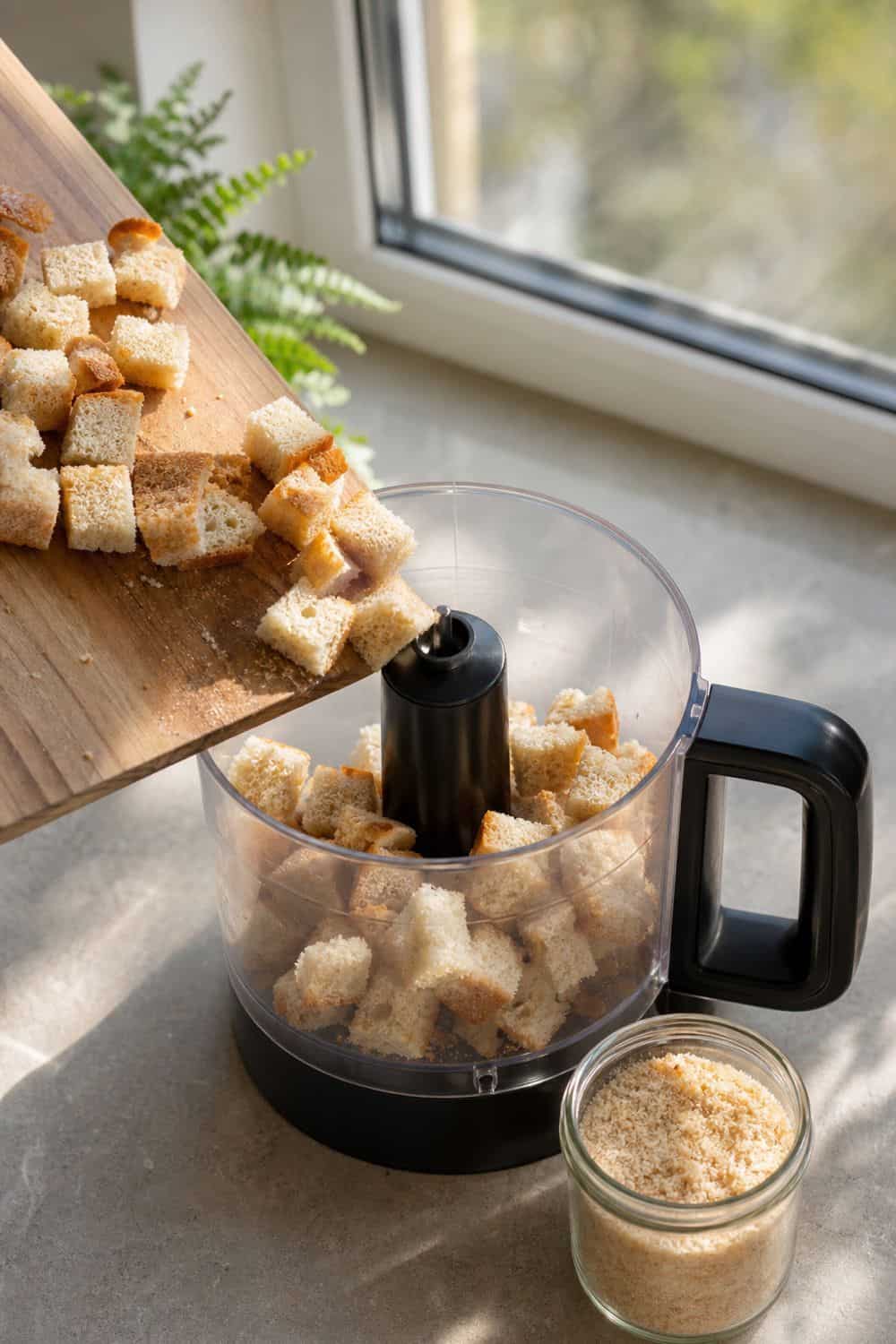
Dry bread is not necessarily unsafe bread. If it smells normal and has no mold, it can still become breadcrumbs, croutons, panzanella, bread pudding, stuffing, strata, or a thickener for soups and sauces.
A food processor makes this rescue quick because dry slices turn into crumbs in seconds. You can freeze the crumbs in a labeled bag and use them later for meatballs, crispy toppings, casseroles, or breaded cutlets. For croutons, cube the bread before it gets rock hard so cutting is easier.
Mold is different. Do not cut mold off bread and keep eating the rest. Bread is porous, and visible mold may not show how far it has spread through the loaf. If you see mold, discard the bread and clean the storage spot before putting a fresh loaf there.
Fresh Bread Storage Rules by Bread Type
The core choice is simple: use the counter for short-term bread and the freezer for bread you will not finish soon. The refrigerator is usually not the best everyday answer because it speeds staling, even if it can slow mold in special situations.
Crusty bread and soft sandwich bread need different storage materials because the goal is different. Crusty loaves need enough airflow to protect the crust, while soft sandwich bread needs a closed bag to protect the crumb. Sliced bread dries faster than whole loaves because every slice has exposed surfaces, and homemade bread often needs extra attention because it may not contain the same preservatives as packaged bread.
Climate changes the timing. Humid kitchens need more mold awareness, while dry kitchens make bread stale faster. Either way, the freezer is your best friend when the loaf is more than you can reasonably eat in a few days.
Frequently Asked Questions
What is the best way to store fresh bread?
The best way to store fresh bread is to keep short-term bread at room temperature in a cool, dry, shaded spot and freeze anything you will not finish soon. Use breathable paper or cloth for crusty bread and a more sealed bag for soft sandwich bread. The right method depends on whether you are protecting crust, softness, or freezer quality.
Should bread be stored in the fridge?
Bread usually should not be stored in the fridge for normal everyday use because refrigerator temperatures make bread stale faster. The fridge can slow mold, but it also dries out the eating quality. If mold is a serious problem in a very hot or humid kitchen, refrigeration may be a last-resort compromise, but freezing is usually better for longer storage.
Is a bread box good for keeping bread fresh?
A bread box can be good for keeping everyday bread fresh because it limits drying air while still allowing some ventilation. It suits loaves your household will finish within a few days. Choose a bread box that fits the loaf without smashing it, and keep the inside clean and dry so crumbs and old bread do not create problems.
Should fresh bread go in paper or plastic?
Crusty fresh bread often does better in paper or cloth for short storage because it helps protect the crust from turning rubbery. Soft sandwich bread usually does better in plastic or a reusable bread bag because the soft crumb needs moisture protection. If you need bread to last longer than a few days, freeze it instead of relying on either bag.
How do you keep homemade bread from drying out?
Let homemade bread cool completely before storing it, then keep it at room temperature in a bag or bread box that fits the loaf type. Slice only what you need, protect the cut side, and freeze extra slices before the loaf goes stale. Homemade bread can dry faster than packaged bread, so freezing early is often the best move.
Can you freeze fresh bread?
Yes, you can freeze fresh bread, and it is usually the best option for bread you will not finish soon. Cool the bread fully, slice it if you want easy portions, pack it tightly in a freezer bag, and press out excess air. Freeze bread while it still tastes good rather than waiting until it is stale.
How do you thaw frozen bread?
Frozen slices can often go straight into a toaster, toaster oven, or low oven. For whole or half loaves, warm them gently until the center softens, then uncover briefly if you want to refresh the crust. Avoid thawing more bread than you need, because refreezing and repeated thawing can hurt texture.
Is it safe to cut mold off bread?
No, it is not a good idea to cut mold off bread and keep eating the rest. Bread is porous, so mold can spread beyond the visible spot. Stale bread can be reused if it has no mold and smells normal, but moldy bread should be discarded and the storage area should be cleaned before adding a new loaf.
Final Thoughts
Once you know how to store fresh bread by loaf type, the decision becomes much easier. Keep short-term bread on the counter in the right bag or box, freeze what you will not finish, and skip the refrigerator for normal storage. Most bread waste happens when a loaf sits too long without a plan, so slice, label, freeze, or repurpose it while the texture is still worth saving.