
The best summer meal prep ideas are built around cold meals, short cooking windows, seasonal produce, and safe chilled storage. Prep three days at a time, keep dressings and crunchy toppings separate, use grill leftovers wisely, and build meals that still taste fresh when the weather is hot.
Hot weeks ask for a different kind of meal prep. A heavy tray of reheated dinners can feel wrong when the kitchen is already warm, the tomatoes are finally good, and the berries need to be eaten before they soften. Summer meal prep ideas work best when they lean into the season: crisp vegetables, cold grains, bright dressings, chilled fruit, herbs, and meals that can be assembled without standing over a stove at 6 p.m.
A good summer system is less about filling every shelf and more about protecting freshness. Cook early when you need to, cool food before storing it, keep cold foods cold, label cooked items, and leave delicate things like avocado, herbs, crackers, wet tomatoes, and juicy fruit separate until serving. That rhythm gives you enough structure for busy days without making the fridge feel like a week of identical boxes.

Top Recommended Products


You Might Also Like These Blog Posts
1. Plan a Three-Day Summer Prep Window
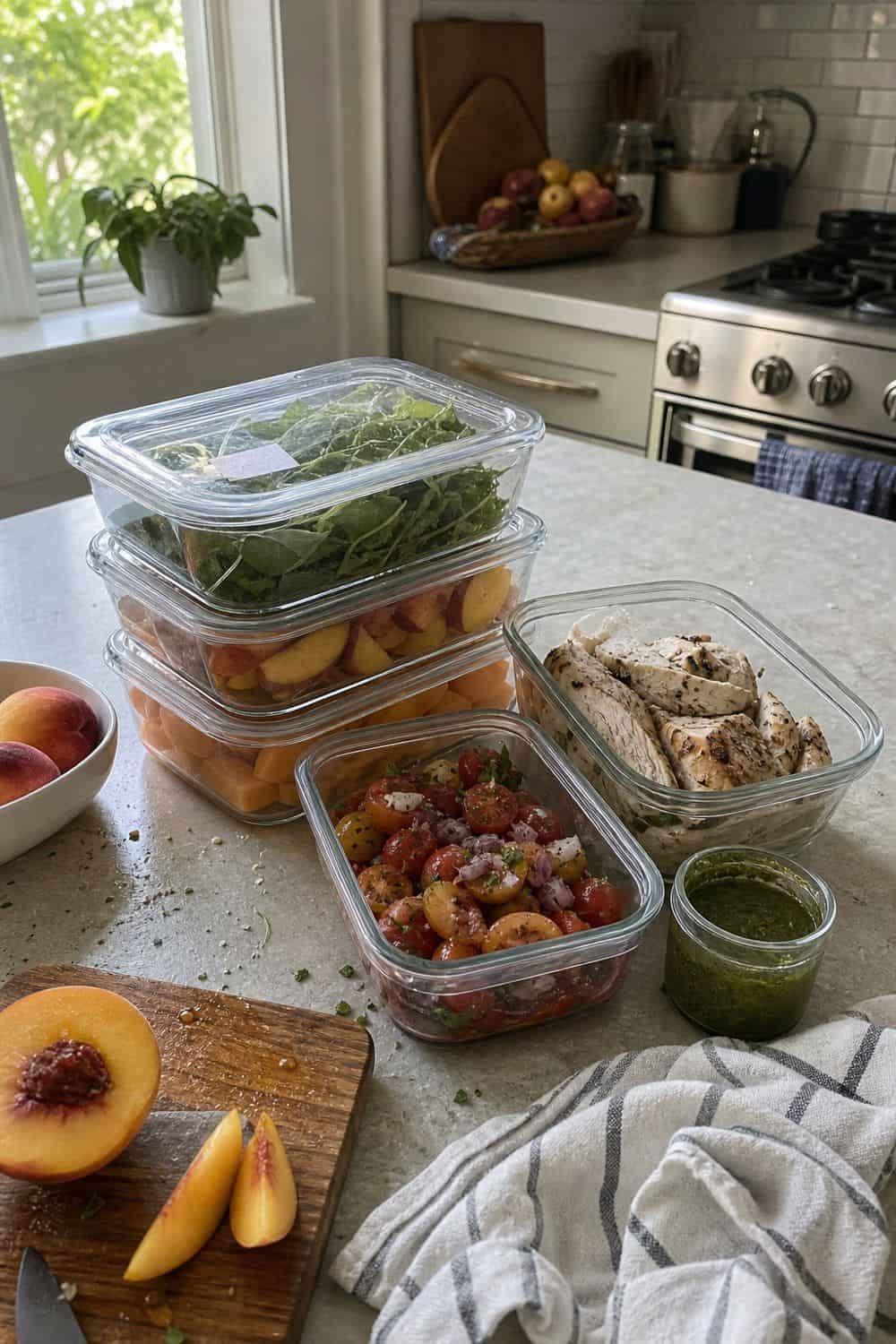
Fragile summer food rarely benefits from a seven-day plan. Washed greens, sliced peaches, chopped melon, tomato salads, and herb-heavy sauces all taste better when they are used quickly. A three-day plan gives you enough meals to feel prepared without asking delicate produce to survive a whole week.
Plan cooked foods first, then match produce to them. Monday might cover cold grain bowls, fruit cups, and grilled chicken wraps; Thursday can be the small refresh with new berries, cucumbers, a second dressing, and one no-cook dinner bowl. Leave one meal open for leftovers or a grill night so the plan can bend.
2. Wash and Dry Greens for Cold Bowls
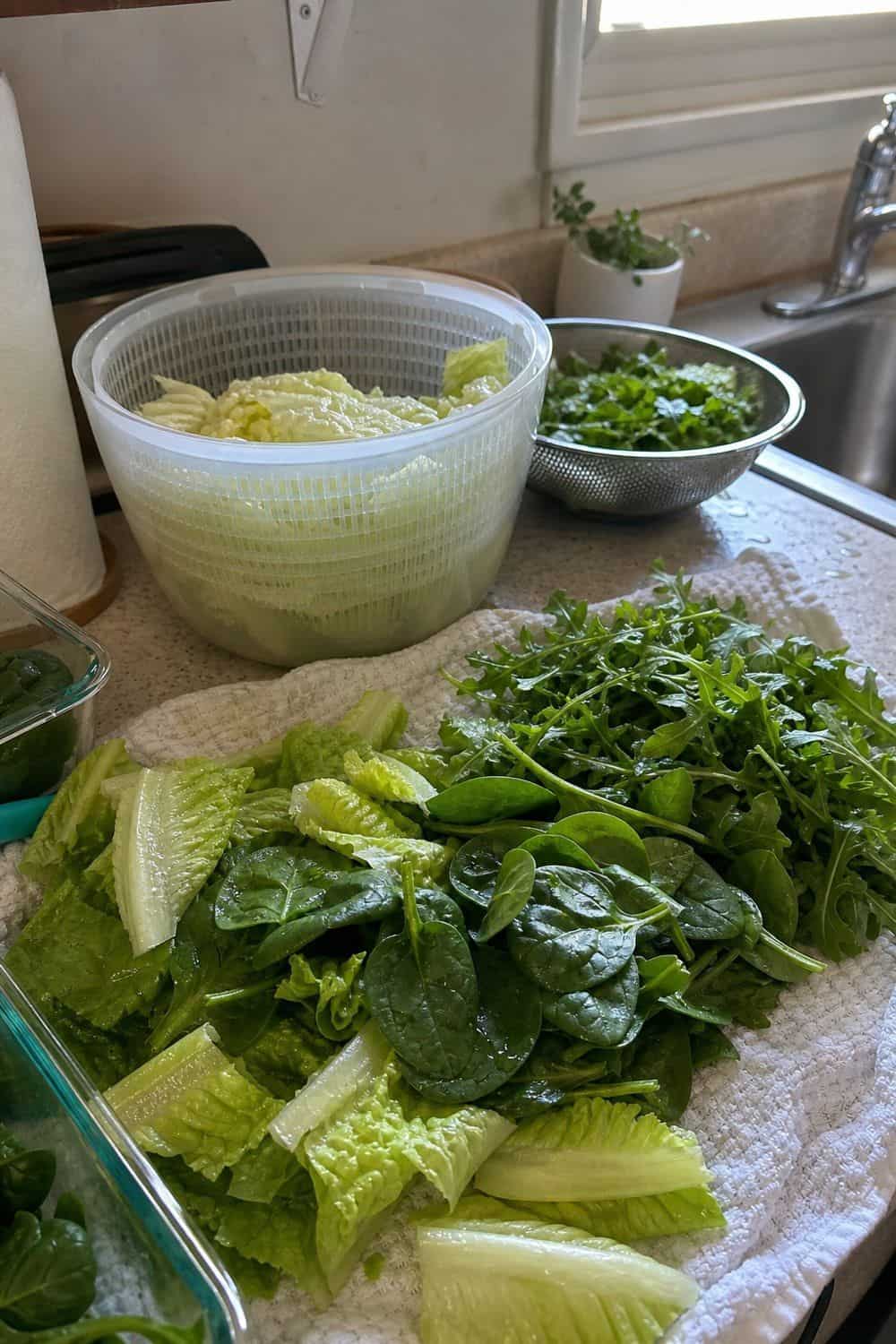
Dry greens are the quiet foundation of summer salad prep. Romaine, kale, spinach, arugula, cabbage, and mixed lettuces can move quickly into cold bowls, wraps, and snack plates when they are clean, crisp, and ready. Drying matters as much as washing because extra water makes leaves collapse and dilutes dressings.
After spinning, spread the leaves on a clean towel if they still feel damp. Store sturdier greens separately from baby spinach or arugula, and keep herbs in their own wrap or cup. Skip dressing until close to serving, especially with tender leaves, and swap the towel if it feels wet the next day.
3. Chop a Crunchy Vegetable Box
Cucumbers, peppers, carrots, celery, radishes, cabbage, snap peas, and broccoli stems can turn a plain cold meal into something that tastes awake. Choose vegetables that hold their snap and cut them for the way you eat: sticks for hummus plates, small cubes for grain bowls, ribbons for wraps, and thin slices for cold noodles.
Keep cucumbers and tomatoes away from leafy greens until serving, and do not salt them early unless you plan to drain the juices. Cabbage, carrots, celery, and peppers are more forgiving, so they can sit together as the dependable crunch base. If the bottom starts collecting water, drain it before the whole box softens.

4. Cook a Cold Grain Base Early
Rice, quinoa, bulgur, farro, couscous, and barley all become easier summer food when they are cooked before the day heats up. A chilled grain base gives bowls and salads enough substance without requiring a hot lunch or a last-minute pot on the stove.
Spread cooked grains in a shallow layer so steam can escape, then refrigerate them once cooled. Later, toss them with tomatoes, cucumbers, corn, herbs, beans, tofu, chicken, feta, or a lemon dressing. A small rice cooker is especially useful because it can cook a modest batch without taking over the kitchen.
Texture changes by grain. Couscous is quick and soft, quinoa stays light, and farro gives a chewy base that holds up under juicy vegetables. Avoid sealing hot grains in a deep container; they cool slowly, collect condensation, and can turn clumpy before they ever become lunch.

5. Make a Pasta Salad Base That Holds
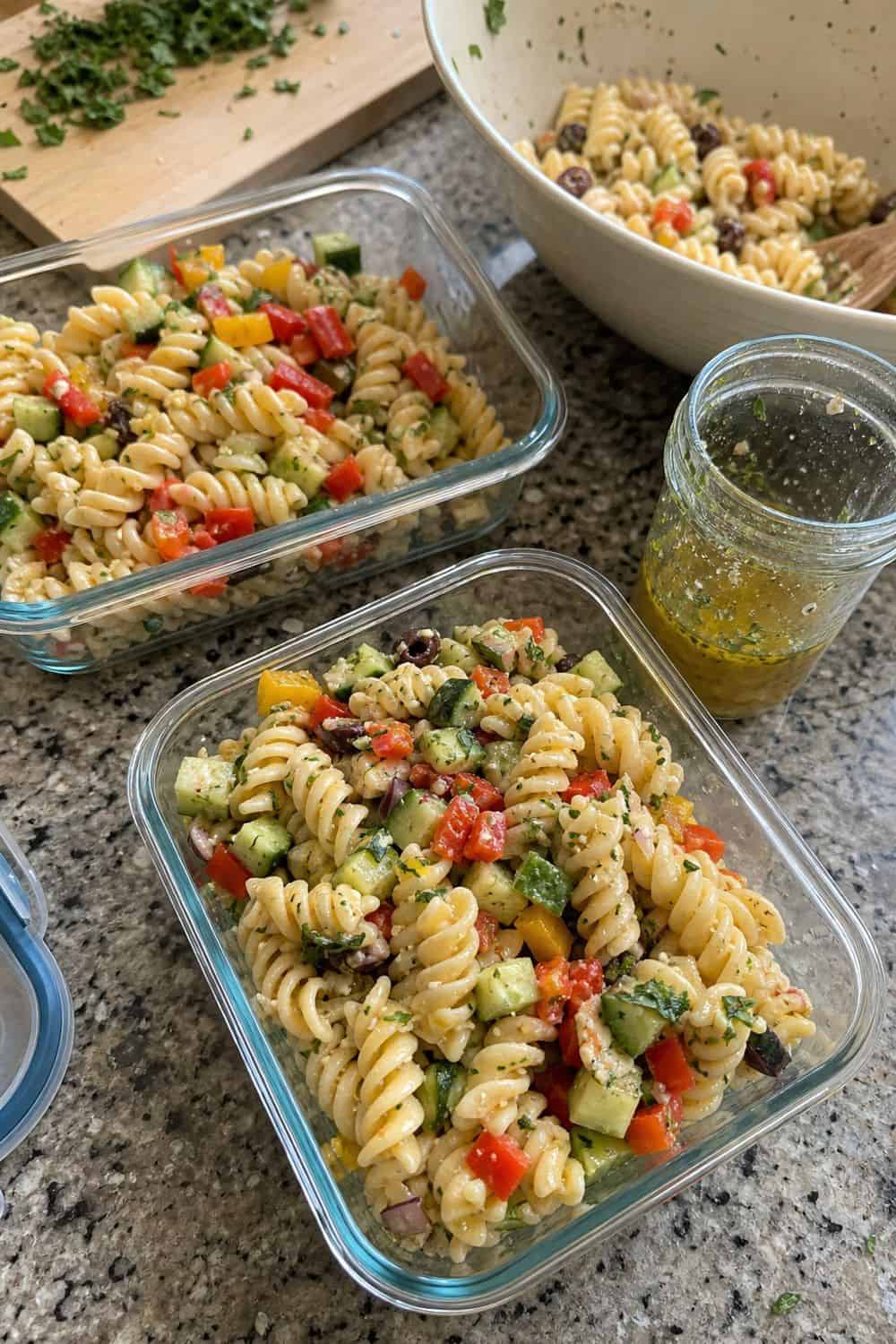
A summer pasta salad should still have shape by day two. Rotini, bow ties, tortellini, chickpea pasta, and whole-wheat pasta all work because they catch vinaigrette and small vegetables without becoming a soft tangle. Cook the pasta just to tender, drain it well, and cool it before adding fragile ingredients.
Build the base with sturdy pieces first: peppers, olives, chickpeas, corn, mozzarella, tuna, white beans, or grilled chicken. Add tomatoes, herbs, and extra dressing closer to eating so the salad does not taste flat. Pasta absorbs dressing as it sits, so save a small amount for a quick refresh.
6. Grill Extra Protein for Cold Meals
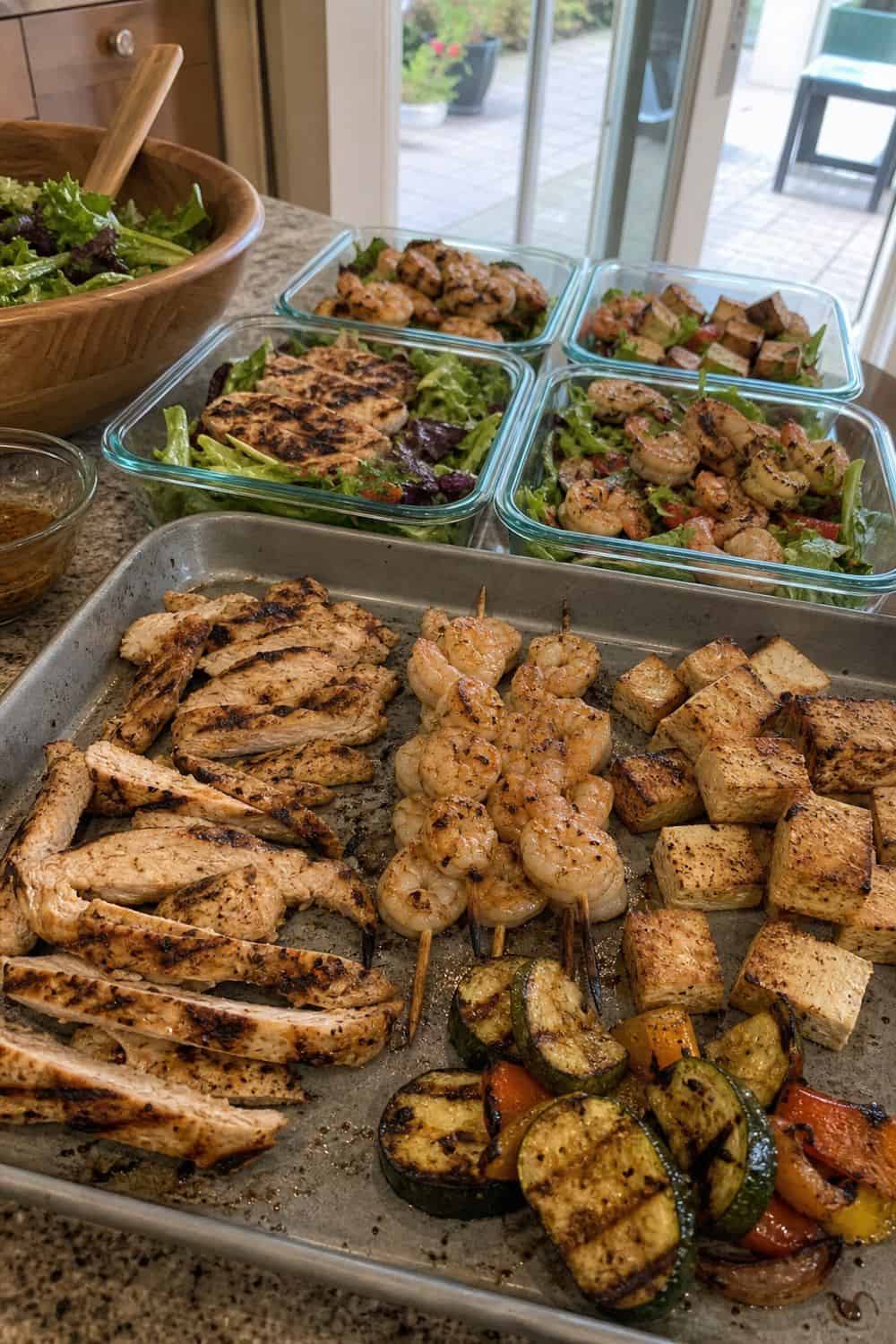
One grill session can carry several no-reheat meals if you think beyond dinner. Extra chicken, steak, shrimp, salmon, tofu, tempeh, or grilled vegetables can become salad protein, wrap filling, cold rice bowl topping, or a snack-plate anchor the next day.
Use the thermometer for the cooking job, then move quickly into storage mode. Cool cooked protein promptly, refrigerate it in shallow containers, and date the delicate items first. Lemon herb chicken can go into pita, grain bowls, or tomato-cucumber boxes, while grilled tofu can take peanut sauce one day and salsa verde the next.
7. Build Bean and Chickpea Salad Jars
Beans and chickpeas make cold summer meals feel complete without reheating. Start with chickpeas, white beans, lentils, or cannellini beans, then add cucumbers, peppers, cherry tomatoes, olives, herbs, feta, tuna, or a lemon vinaigrette.
Layering matters. Dressing and sturdy beans can sit toward the bottom, followed by peppers, cucumbers, and other firm vegetables. Keep tender herbs or greens near the top, where they are less likely to bruise. If tomatoes are especially juicy, pack them separately or add them the morning you plan to eat.

8. Keep Summer Dressings Separate
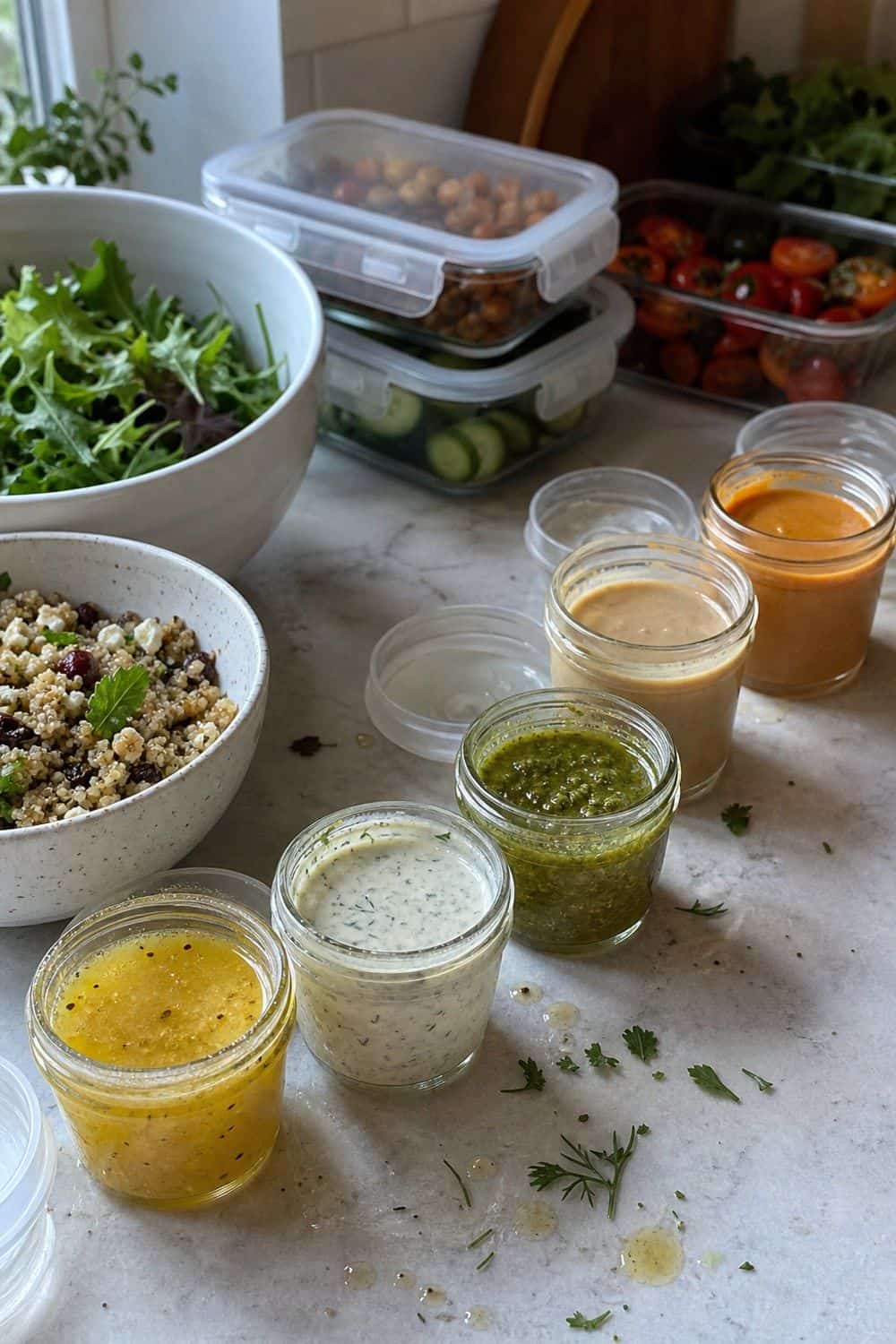
Lemon vinaigrette, yogurt herb dressing, pesto vinaigrette, tahini sauce, peanut lime sauce, salsa verde, and balsamic dressing can make summer prep taste lively instead of repetitive. They also ruin texture when they go on too early: greens wilt, cabbage softens, crackers lose their snap, and cucumbers release more water.
Make one dressing that can work across several meals. Lemon herb dressing can go with grain bowls, chicken wraps, bean jars, and tomato-cucumber boxes; peanut lime sauce can dress cold noodles, tofu, cabbage slaw, and lettuce wraps. Keep thicker dressings in small cups, shake vinaigrettes before using, and keep dairy-based dressings cold.
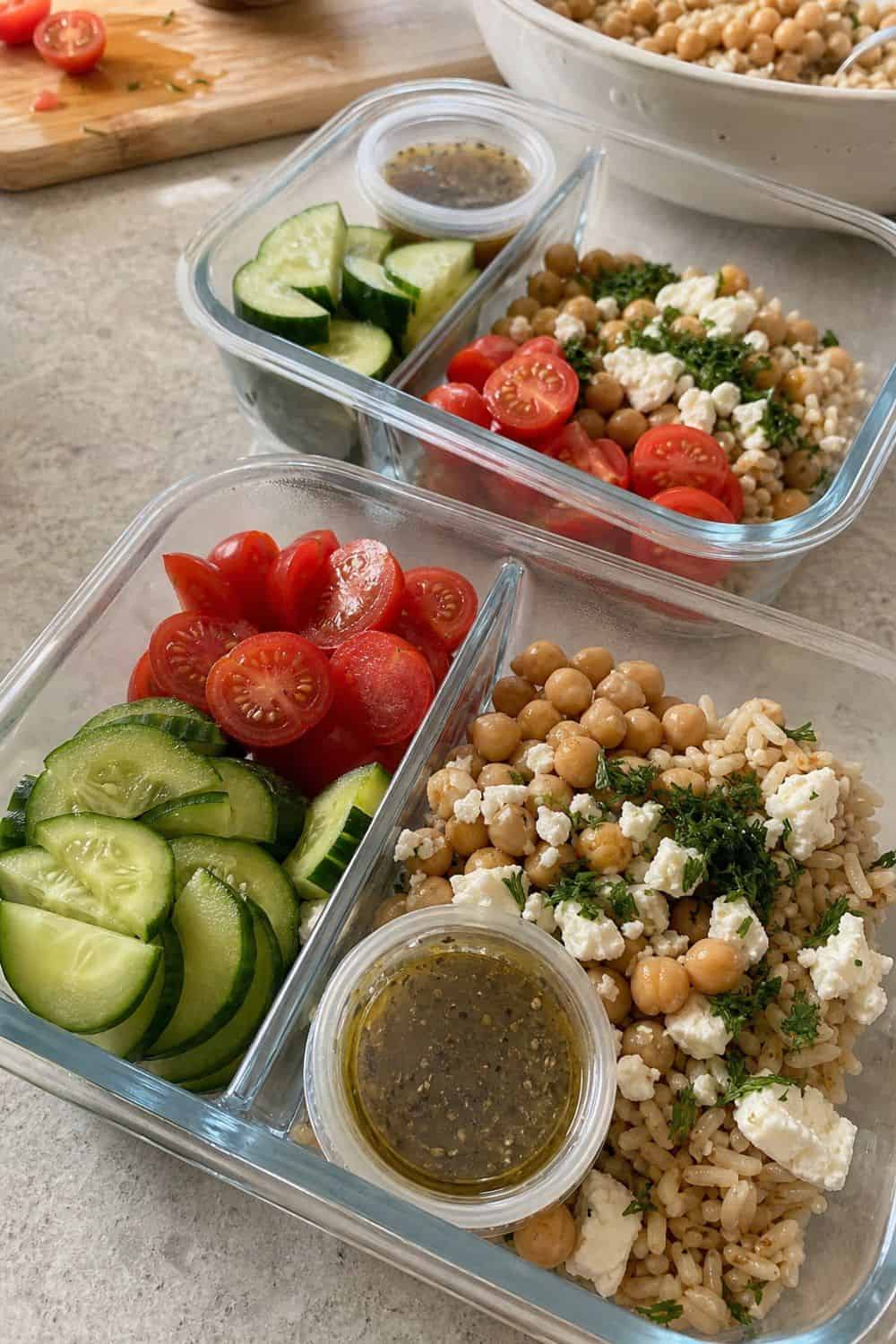
9. Pack Tomato-Cucumber Lunch Boxes
Few summer combinations are more useful than tomatoes and cucumbers, but both can flood a lunch if they are packed carelessly. Give juicy produce its own compartment, then build around it with feta, olives, chickpeas, grilled chicken, tuna, herbs, pita, rice, quinoa, or crackers.
Salt draws water from tomatoes and cucumbers, so wait until close to eating if you want crisp edges. If you prefer a marinated style, pack the juicy salad deliberately and keep bread, crackers, greens, and crunchy toppings separate. That way the liquid becomes dressing, not a soggy surprise.
A divided box also helps with appetite in hot weather. You can eat the cool vegetables first, then add protein and grains as you want them. For an outdoor day, tuck the box into an insulated bag with an ice pack and be cautious with feta, tuna, chicken, or any dairy-based sauce.
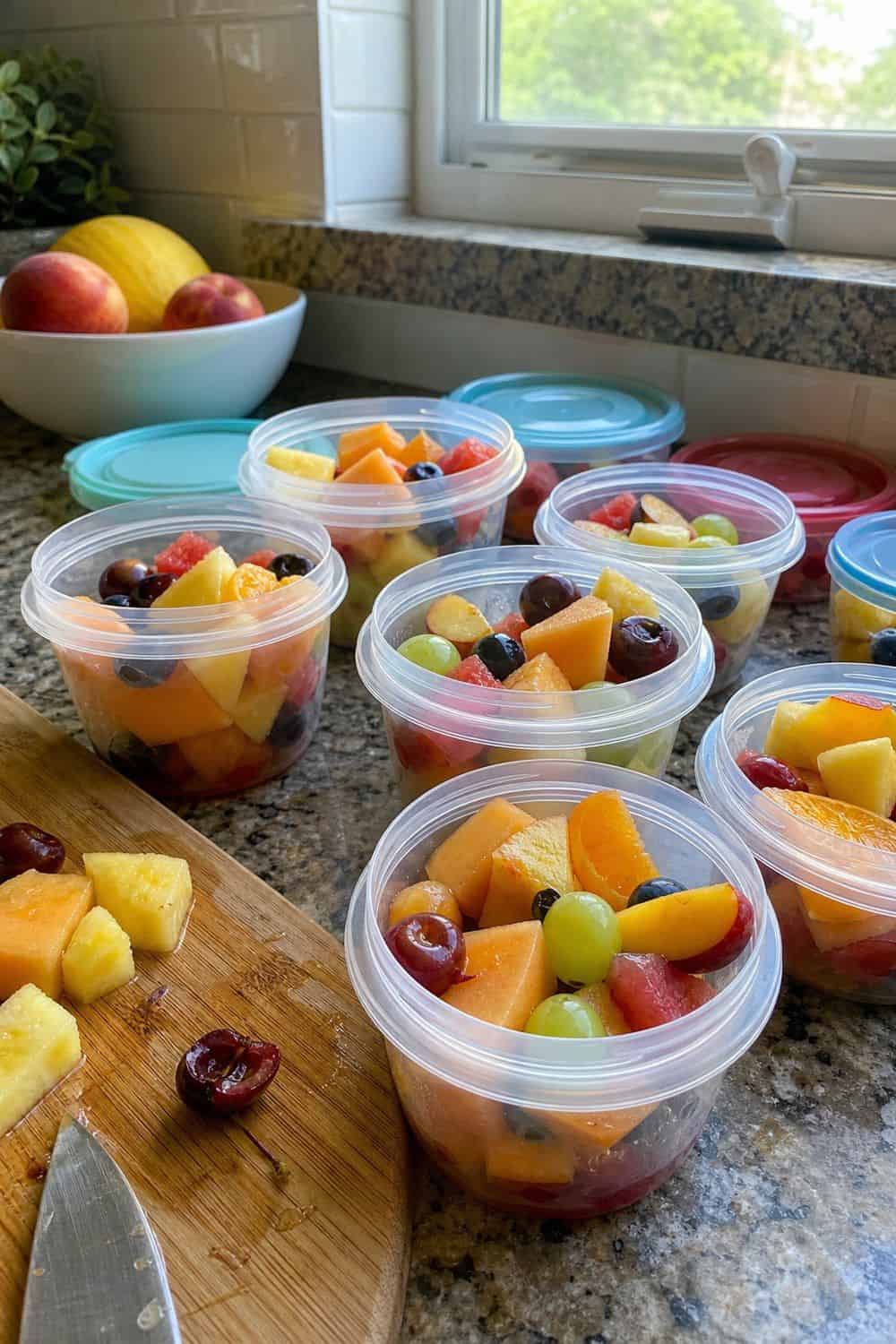
10. Prep Fruit Cups for Hot Afternoons
Chilled fruit can rescue the stretch between lunch and dinner when heavier snacks sound wrong. Berries, grapes, melon, peaches, pineapple, oranges, and cherries all work, but they do not behave the same way once washed or cut.
Sort berries first and remove any crushed pieces that could spoil the rest. Keep berries dry when possible, wash closer to eating if your routine allows, and chill cut melon or peaches in clean portions. Stone fruit is best sliced for only the next day or two, while grapes and melon can usually handle a little more time.
Fruit cups can become breakfast sides, lunch add-ons, park snacks, or a cold dessert after a grilled dinner. Pair them with yogurt, nuts, cottage cheese, or a boiled egg when you need more staying power. Be careful with cut fruit carried outside; it should stay cold, especially on long car rides or picnic days.
11. Freeze Smoothie Packs Before Produce Turns
Ripe peaches, soft berries, mango, bananas, and extra spinach can move from almost-too-ripe to ready breakfast in a few minutes. Freezer packs are especially useful in summer because produce can peak quickly, and a cold smoothie often sounds better than a cooked breakfast.
Work in small sets so the freezer does not become a pile of mystery bags. Two or three packs with clear flavors are easier to use than ten ambitious combinations. Press the bags flat, label the fruit mix, and put the oldest pack in front.
Leave the liquid out until blending so the packs freeze flat and do not turn icy in odd shapes. If you use yogurt, freeze it in small portions first or add it fresh. The goal is not a full smoothie project; it is a produce rescue habit that gives you a fast meal when the kitchen already feels too warm.

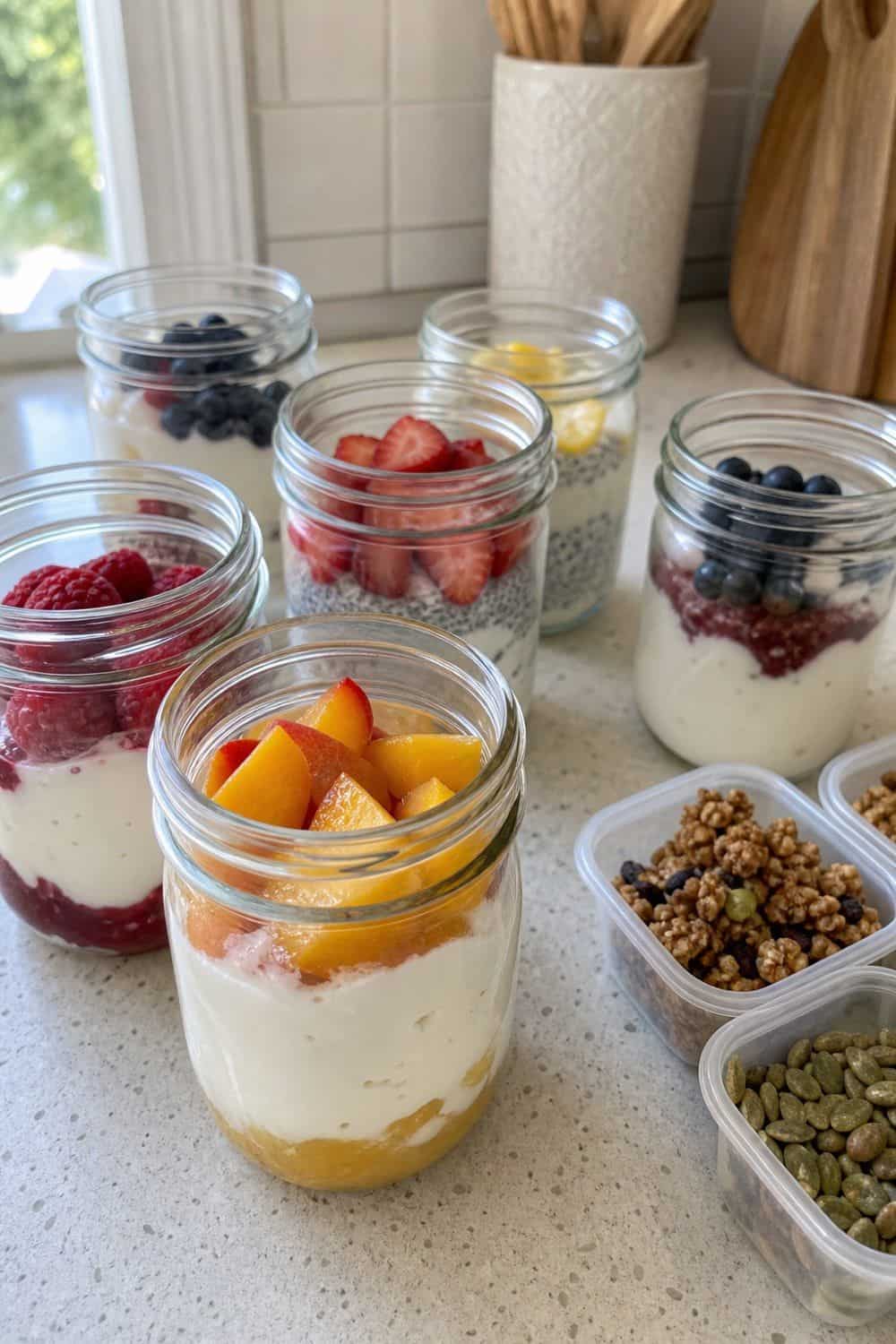
12. Portion Yogurt Parfaits for No-Cook Breakfasts
Greek yogurt, skyr, and cottage cheese make a cool breakfast that can be ready before the coffee finishes. Layer them with berries, peaches, chia, jam, lemon curd, or a small spoonful of nut butter. Keep portions modest enough that they still feel refreshing, not heavy.
Crunch belongs elsewhere until eating because granola, nuts, coconut, cereal, and toasted seeds soften quickly against yogurt and fruit. Pack toppings in the lid space or a small jar. This is also a good place to use peaches or berries that are too tender for lunch boxes but still good; just keep the cups cold if they leave the house.
13. Make Cold Noodle Bowls
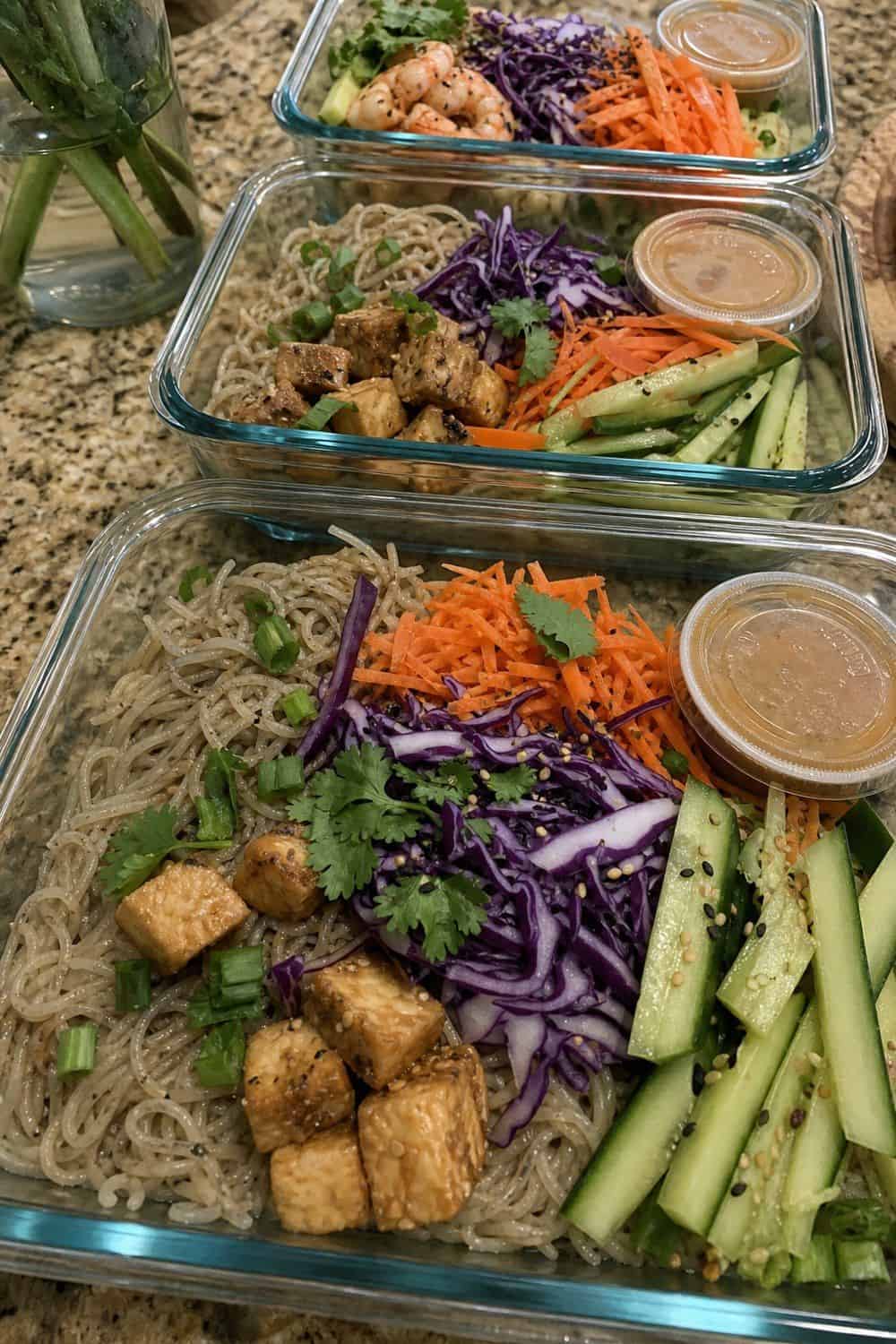
Cold noodles give summer meal prep a different texture from pasta salad. Soba, rice noodles, spaghetti, and ramen-style noodles can be rinsed, chilled, and paired with cabbage, cucumber, carrots, edamame, tofu, chicken, shrimp, cilantro, mint, or basil.
Sauce decides the direction. Peanut lime sauce makes the bowl richer, sesame dressing keeps it savory, and rice-vinegar dressing works when vegetables are the main event. Rinse noodles well so they do not glue together, pack a little extra sauce if they absorb quickly, and add mint, basil, peanuts, sesame seeds, or crisp vegetables close to serving.
14. Prep Lettuce Wrap Fillings
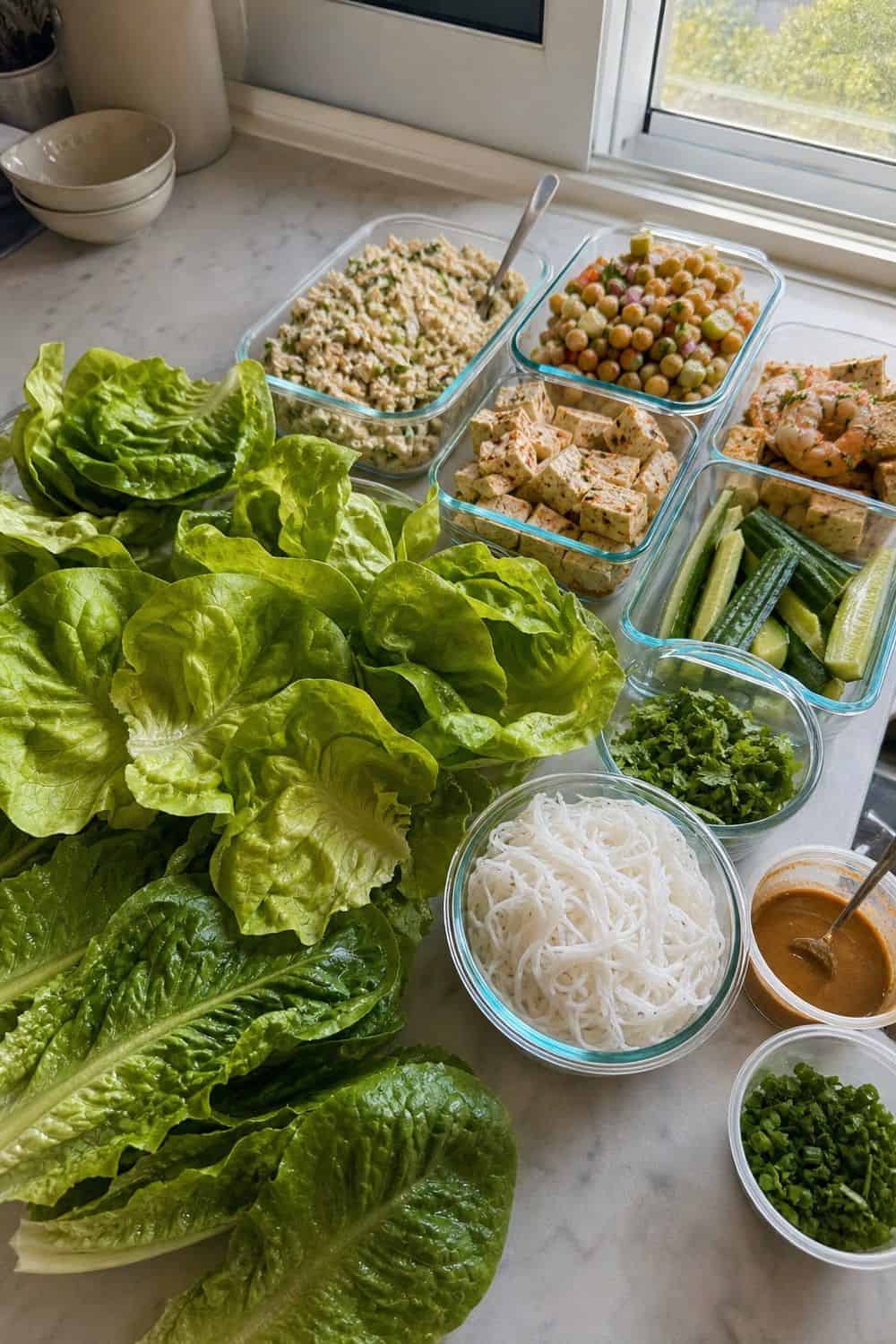
Butter lettuce, romaine leaves, and sturdy little gem leaves can turn chicken salad, chickpea salad, tofu, shrimp, turkey, rice noodles, herbs, cucumber, and sauce cups into a light meal that still has structure. The lettuce needs to stay dry and protected, though, or the whole idea falls apart.
Store washed leaves with enough room that they are not crushed. Keep fillings in separate portions and assemble right before eating. If you pack the wraps already filled, salt, sauce, and moisture will soften the leaves and make them tear.
For a no-cook dinner, set out lettuce, chilled protein, cucumbers, herbs, rice noodles, and dressing cups. Everyone can build a few wraps without turning on the oven. For lunch, pack leaves flat and stack them with a dry towel if needed. Add avocado only when you are ready to eat, since it browns and softens fast.
15. Build Heat-Wave Snack Plate Boxes
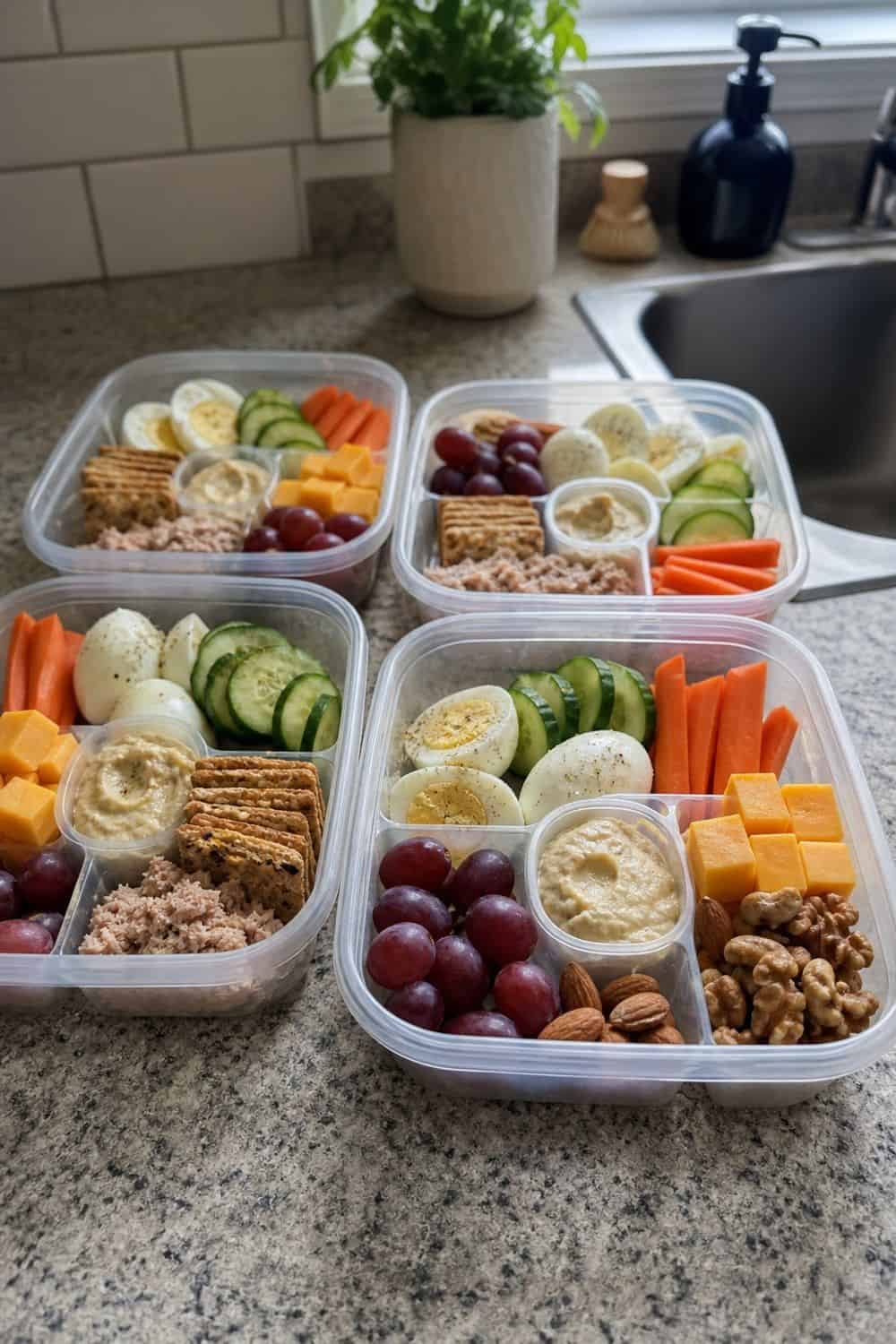
On the hottest days, a full meal can feel like too much. A snack plate box gives you the same balance in smaller pieces: boiled eggs, cheese, hummus, tuna packets, crackers, grapes, cucumbers, carrots, olives, nuts, yogurt dip, or leftover grilled chicken.
Think in four parts: protein, fiber-rich carb, produce, and flavor. That might be hummus, pita, cucumbers, and olives, or chicken, crackers, grapes, and yogurt herb dip. Keep wet dips away from crackers, and keep dairy, eggs, tuna, or chicken cold until eating.
This format works for a desk lunch, an after-pool dinner, or a late afternoon when no one wants a hot pan. It also helps use small amounts of summer prep: a few berries, two cucumber spears, half a boiled egg, or the last spoonful of bean salad can all earn their place.
16. Roast Vegetables Before the Kitchen Heats Up
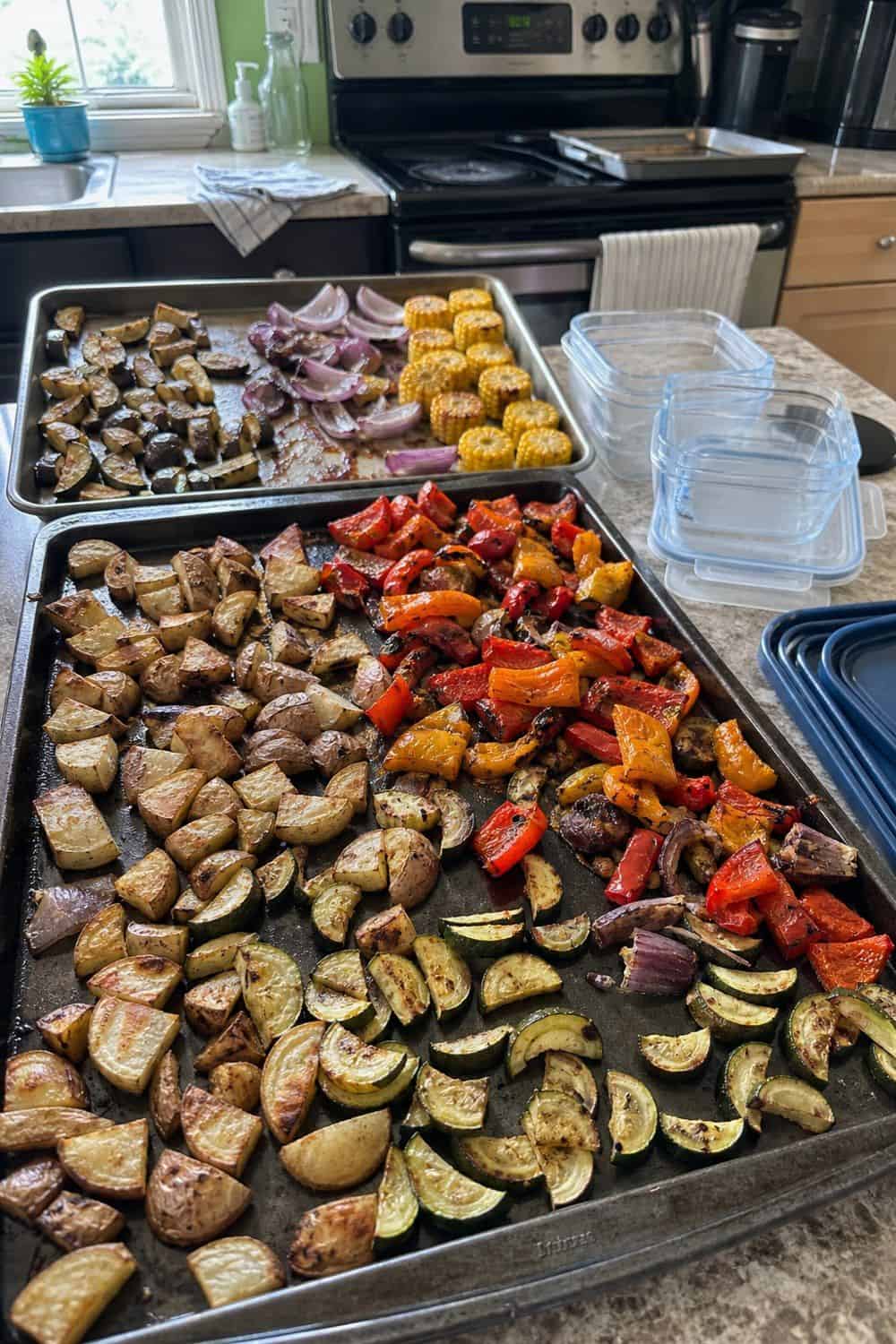
Early morning or late evening roasting gives you the flavor of cooked vegetables without heating the kitchen at the worst time of day. Zucchini, peppers, onions, eggplant, corn, potatoes, cauliflower, carrots, and mushrooms can all be cooked in one batch, then chilled for later meals.
Cut vegetables in similar sizes and give them enough room on the pan so they roast instead of steam. Once cooked, cool them in a shallow layer before refrigerating. Later, tuck them into grain bowls, wraps, omelets, pasta salad, cold plates, or a Friday use-it-up bowl.
Do not roast more than you can use while it still tastes good. Summer vegetables can be generous, but a crowded fridge of forgotten pans is not a meal plan.
17. Use Countertop Cooking Instead of the Oven
A small appliance can be the difference between cooking a useful component and ordering out because the oven feels impossible. Use it for chickpeas, tofu cubes, salmon, chicken strips, potatoes, zucchini, corn ribs, or a quick batch of vegetables when you only need a few portions.
The point is not to buy a gadget for every meal. It is to keep the heat contained and the batch realistic. Crisp chickpeas can top salad bowls, tofu cubes can go into cold noodles, and cooked potatoes can become a chilled snack plate with eggs, herbs, and yogurt dip.
Watch timing closely with delicate proteins, and cool cooked foods before sealing them. Crunchy items should usually stay separate from wet vegetables and dressing. If your kitchen is tiny, clear the counter first so the appliance has space, airflow, and a safe landing spot for hot trays.

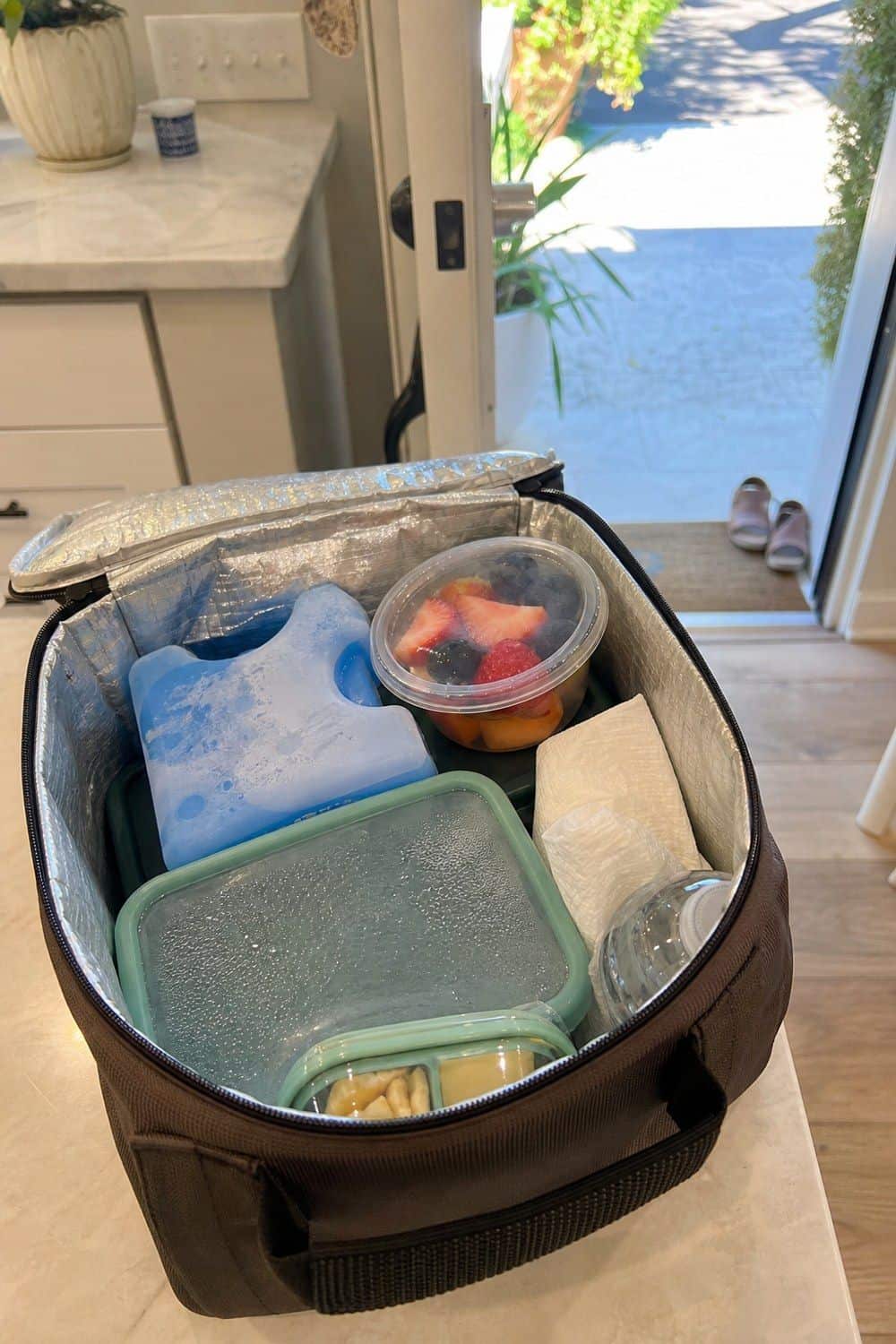
18. Pack One Cold Lunch Bag for Errands or Outdoor Days
Everyday summer food often leaves the house: work, errands, camp pickup, a park lunch, a long drive, or a day when you are between air-conditioned places. A cold lunch bag keeps meal prep useful outside the kitchen without turning the routine into full cooler packing.
Pack yogurt, pasta salad, bean jars, chicken wraps, fruit cups, cheese, eggs, cold bowls, or snack plates with an ice pack. Put the coldest item near dairy, meat, seafood, eggs, and cut fruit, then keep dressings upright and crackers away from condensation. Put the item that needs eating first on top so the bag is easy to unpack.
19. Label Eat-First Summer Produce
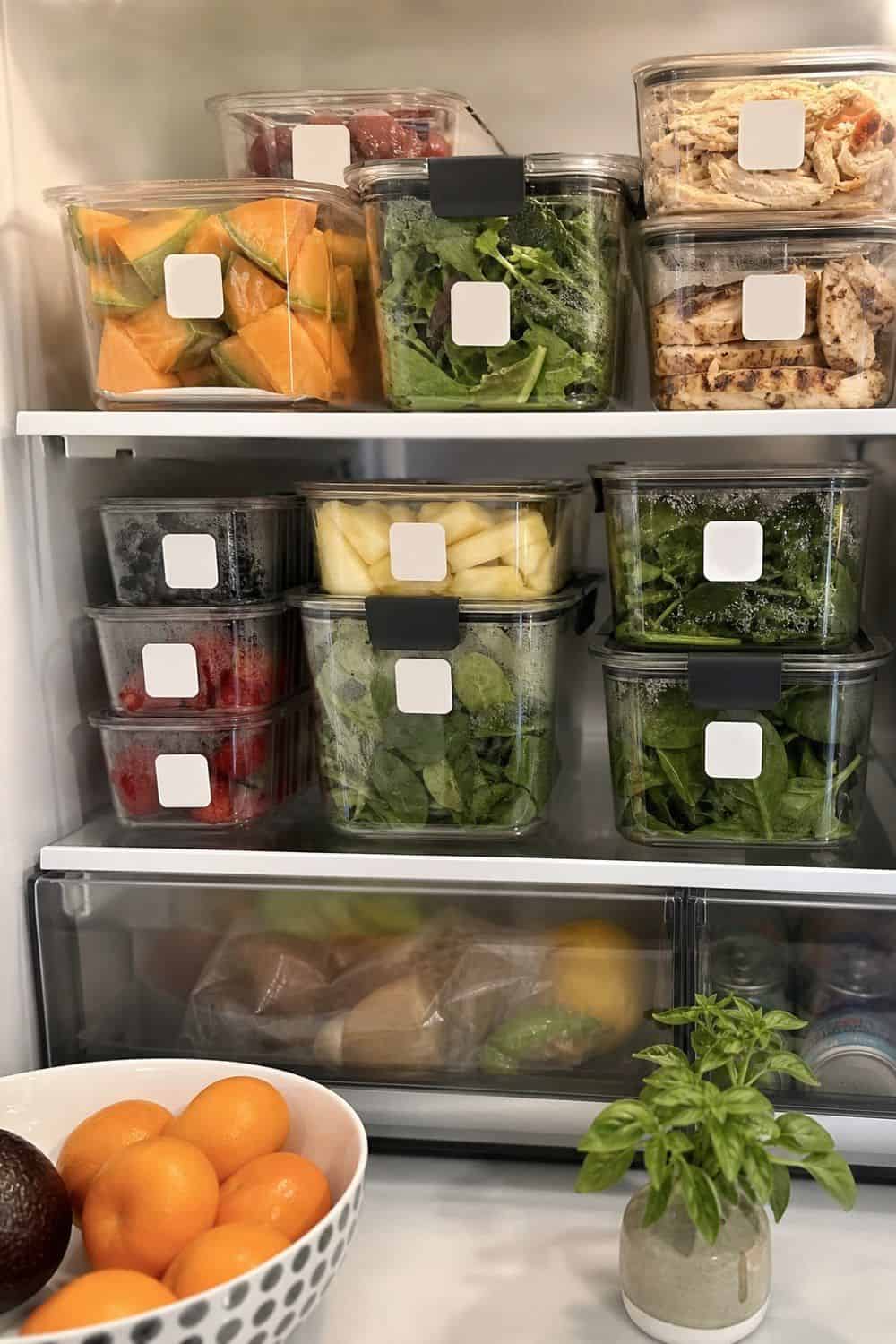
Summer waste often starts with good intentions: chopped melon behind a bowl, washed greens under a new grocery bag, grilled chicken without a date, or berries that nobody remembers opening. A small label can turn that food back into a plan.
Write the food, date, and next use: melon for breakfast, grilled chicken for wraps, tomatoes for tonight. Use labels on chopped melon, washed greens, berry cups, cooked grains, sauces, tomato boxes, grilled protein, and leftovers. Keep it simple, and discard anything moldy, slimy, off-smelling, leaking, or unknown.
20. Plan a Friday No-Cook Use-It-Up Bowl
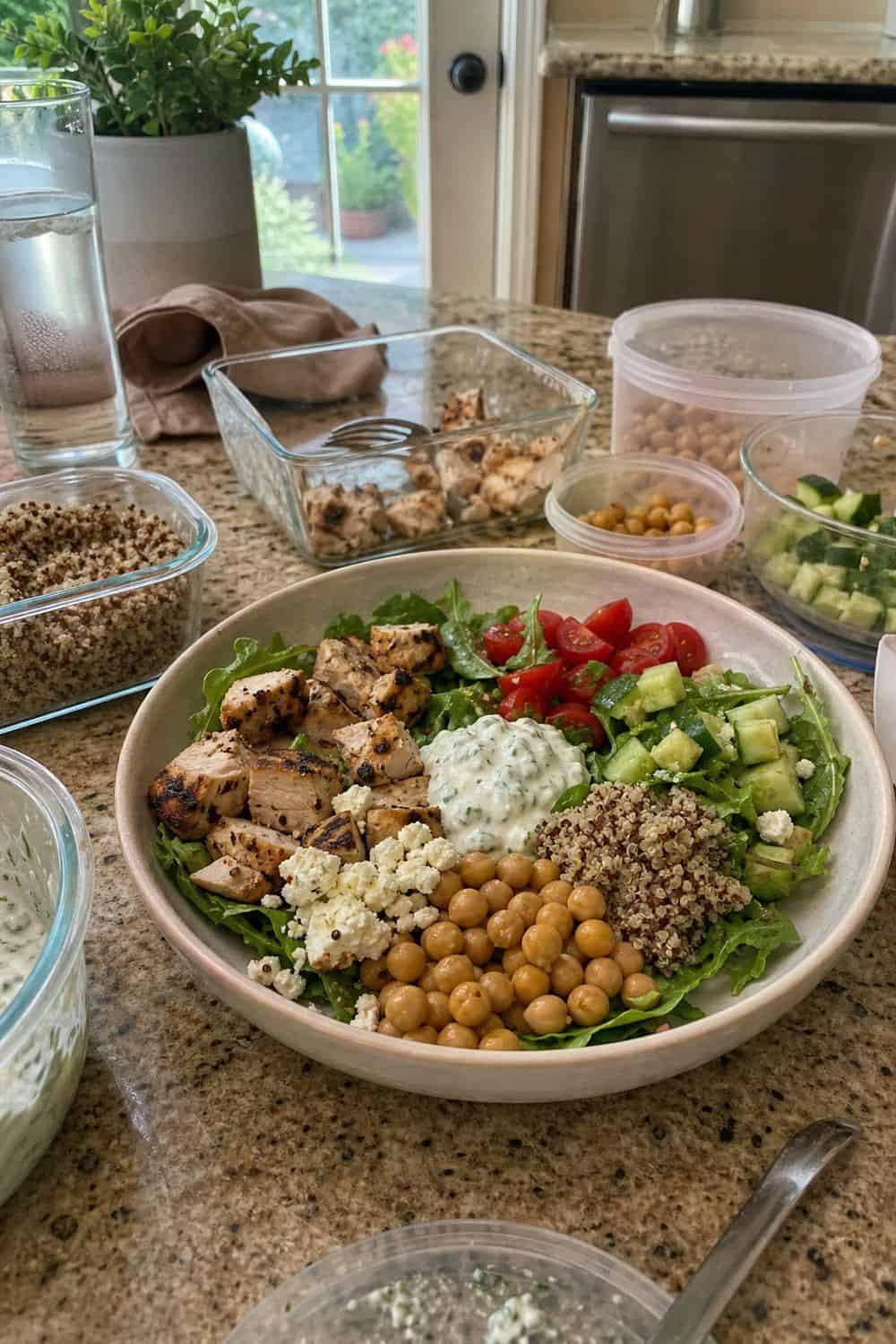
By the end of the week, the best meal may be a large bowl that clears the good odds and ends before shopping again. Start with safe greens or cold grains, then add beans, grilled protein, roasted vegetables, cucumbers, tomatoes, herbs, fruit, cheese, nuts, or a dressing that still tastes bright.
Let contrast do the work. Cold rice with tomatoes, chicken, basil, corn, and lemon dressing feels like a real dinner. Greens with roasted zucchini, chickpeas, peaches, feta, and herbs can feel generous without a burner. Add crunchy toppings at the table so they stay crisp.
This is the summer version of use-it-up, not a full fridge cleanout. Do not rescue food that is sour, slimy, moldy, left out too long, or past a safe window. Choose what is still good, make it abundant, and keep the bowl cold until serving.
Summer Meal Prep Tips for Hot Weather
Summer meal prep is easiest when you treat heat as part of the plan. Prep smaller amounts, cook early or outside when it makes sense, and build meals that can be eaten cold or assembled quickly. A balanced summer box usually has protein, a fiber-rich carb, produce, a healthy fat, and a sauce or dressing, but the pieces do not all need to sit together before you eat.
Keep cold foods cold, cool cooked food promptly in shallow containers, label dates, and use extra care with dairy, meat, seafood, eggs, cut fruit, and foods carried outside. Dressing, crackers, crunchy toppings, herbs, avocado, wet tomatoes, juicy fruit, and delicate greens should usually stay separate until serving. That one habit protects texture more than any elaborate prep system.
Frequently Asked Questions
What are good summer meal prep ideas?
Good summer meal prep ideas include cold grain bowls, washed greens, crunchy vegetable boxes, pasta salad bases, bean jars, smoothie packs, yogurt parfaits, cold noodle bowls, grilled protein for salads, and no-cook snack plate boxes. The strongest options use seasonal produce, taste good chilled, and do not rely on heavy reheating.
How do you meal prep when it is too hot to cook?
Cook during cooler windows, use the grill or a countertop appliance when helpful, and keep more meals cold. Prep grains early, wash greens, chop raw vegetables, mix one dressing, and use no-cook proteins like beans, chickpeas, tuna, yogurt, cottage cheese, or rotisserie chicken. Avoid long oven sessions in the hottest part of the day.
What summer meals can be eaten cold?
Cold summer meals include pasta salad, grain bowls, bean and chickpea salads, tomato-cucumber boxes, lettuce wraps, cold noodle bowls, yogurt parfaits, smoothie packs, snack plates, and salads topped with grilled chicken, tofu, salmon, or shrimp. Keep dressings, crackers, herbs, and delicate greens separate until eating for better texture.
How long does summer meal prep last in the fridge?
Many summer meal prep items are best planned in a three-day window, especially cut fruit, washed greens, tomatoes, herbs, dairy-based sauces, seafood, and cooked proteins. Label dates, keep the fridge at 40 F or below, and use your senses. Discard anything moldy, slimy, off-smelling, leaking, or unknown.
What produce is good for summer meal prep?
Tomatoes, cucumbers, berries, peaches, melon, corn, zucchini, peppers, herbs, greens, cabbage, radishes, snap peas, and stone fruit are all useful for summer meal prep. Use the delicate items first, keep watery produce separate from greens, and store cut fruit cold.
How do you keep summer meal prep from getting soggy?
Dry greens very well, pack dressings separately, keep tomatoes and cucumbers away from crackers or delicate leaves, and add crunchy toppings right before eating. Pasta and grains may need a dressing refresh, but salads, wraps, and snack plates usually hold better when wet and crisp ingredients are divided.
What should I prep for no-reheat summer lunches?
Prep cold grains, pasta salad, bean jars, chopped crunchy vegetables, washed greens, fruit cups, dressing cups, tuna or chicken salad, cold noodles, lettuce wrap fillings, and snack plate boxes. Choose foods that taste good chilled and pack dairy, eggs, meat, seafood, and cut fruit with an ice pack when leaving home.
Can you meal prep with grilled leftovers?
Yes, grilled leftovers are excellent for summer meal prep when they are cooked safely, cooled promptly, labeled, and refrigerated. Use grilled chicken, steak, shrimp, salmon, tofu, tempeh, corn, zucchini, or peppers in salads, wraps, cold bowls, snack plates, and pasta salads. Reheat only when the meal needs it.
Final Thoughts
The most useful summer meal prep ideas respect the weather. Prep enough for a few days, keep fragile produce visible, chill what needs chilling, and let tomatoes, cucumbers, berries, herbs, cold grains, dressings, and grill leftovers do the seasonal work. When the fridge holds clear building blocks instead of heavy reheats, hot days become much easier to feed.
Last update on 2026-09-17 / Affiliate links / Images from Amazon Product Advertising API