
Christmas meal prep ideas work best when they cover more than Christmas dinner. Plan Christmas Eve, Christmas morning, guest breakfasts, afternoon snacks, appetizers, dinner sides, sauces, desserts, fridge zones, one freezer backup, and a safe reheat plan so the holiday week feels easier instead of crowded and reactive.
Christmas week has a way of making every meal feel connected. Guests wake up hungry, someone needs lunch before errands, appetizers appear before dinner, cookies take over the counter, and the fridge gets crowded right when the main meal needs the most attention.
That is why Christmas meal prep ideas need to be more specific than ordinary weekly prep. The most useful plan gives you a few make-ahead meals, controlled snack zones, dinner components, dessert storage, and a simple food-safety rhythm for the parts of the holiday that do not fit neatly into one big dinner.
Top Recommended Products


You Might Also Like These Blog Posts
- Christmas Breakfast Ideas
- Holiday Freezer Prep
- How to Store Holiday Cookies
- Food Storage Labels
- Meal Prep Containers
Christmas Meal Prep Ideas for a Calmer Holiday Week
1. Holiday Week Meal Map
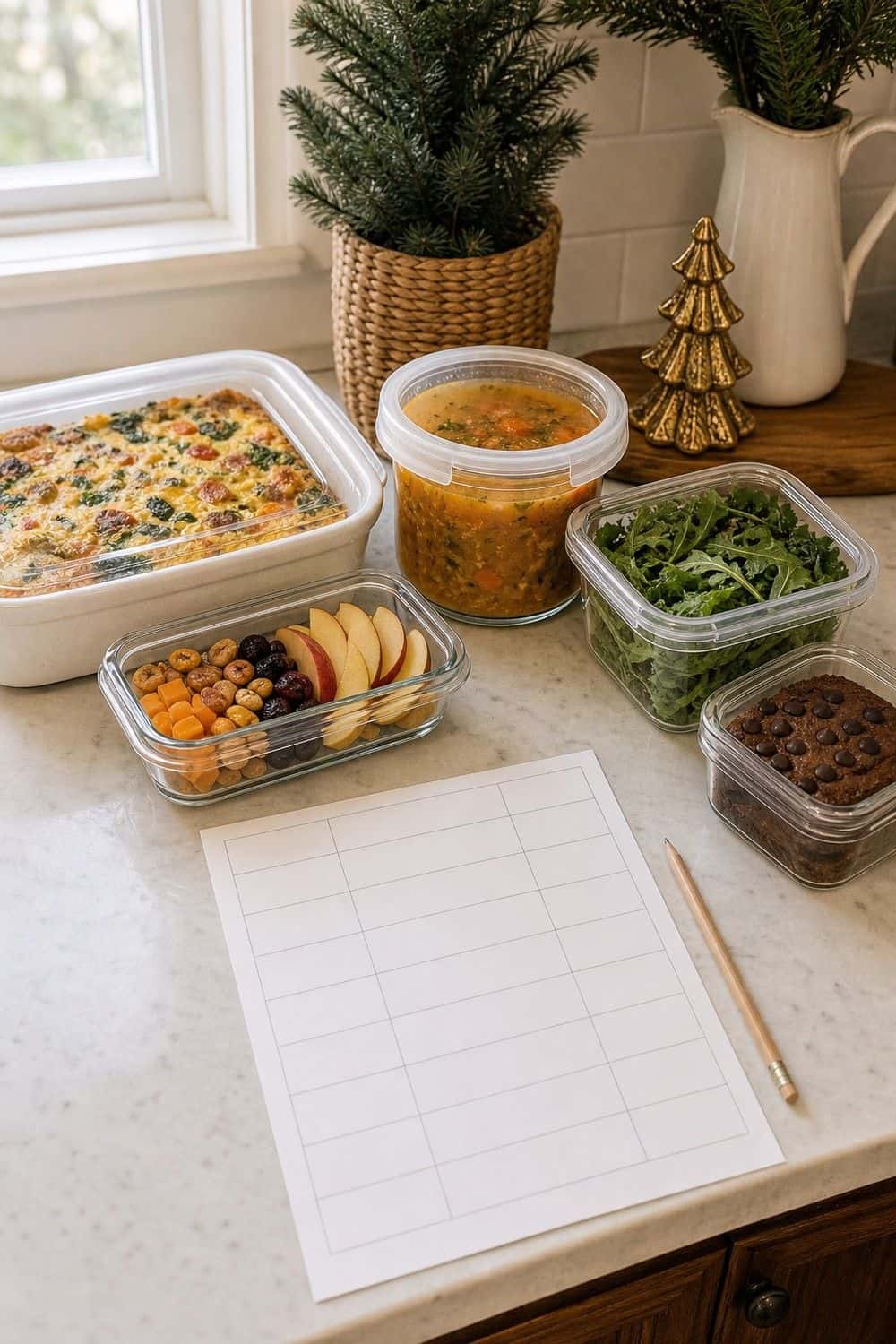
A holiday meal map keeps Christmas prep from focusing only on the big dinner. Write down Christmas Eve, Christmas morning, guest breakfasts, light lunches, afternoon snacks, appetizers, desserts, one recovery meal, and any overnight guests who will need food at odd times. This shows where the real pressure points are before the fridge is already full.
Use the map to decide what actually needs prep and what can stay flexible. It also helps you avoid making three rich dishes for dinner while forgetting breakfast, snacks, and the quiet meal everyone needs after the celebration.
2. Morning Breakfast Casserole
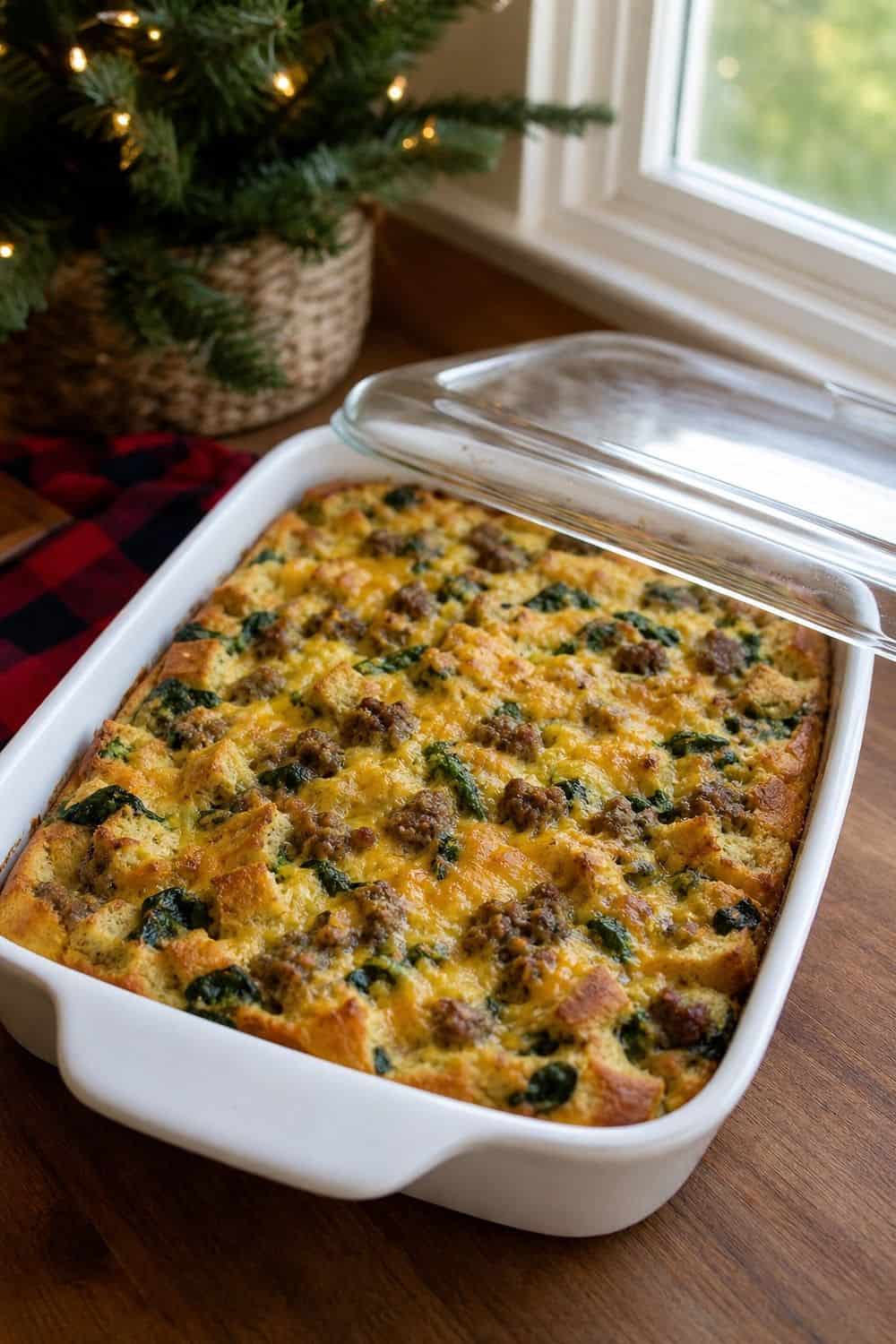
A covered 9×13 breakfast casserole is one of the easiest Christmas morning wins. Assemble strata, French toast casserole, baked oatmeal, egg bake, tater tot casserole, or a croissant breakfast bake the night before, then move it to the oven while coffee, gifts, and guests are happening. Let the dish sit briefly at room temperature if the recipe calls for it, and keep toppings separate until baking when they need texture. A covered dish gives you a clear morning task instead of a sink full of mixing bowls.
3. Christmas Eve Soup Pot
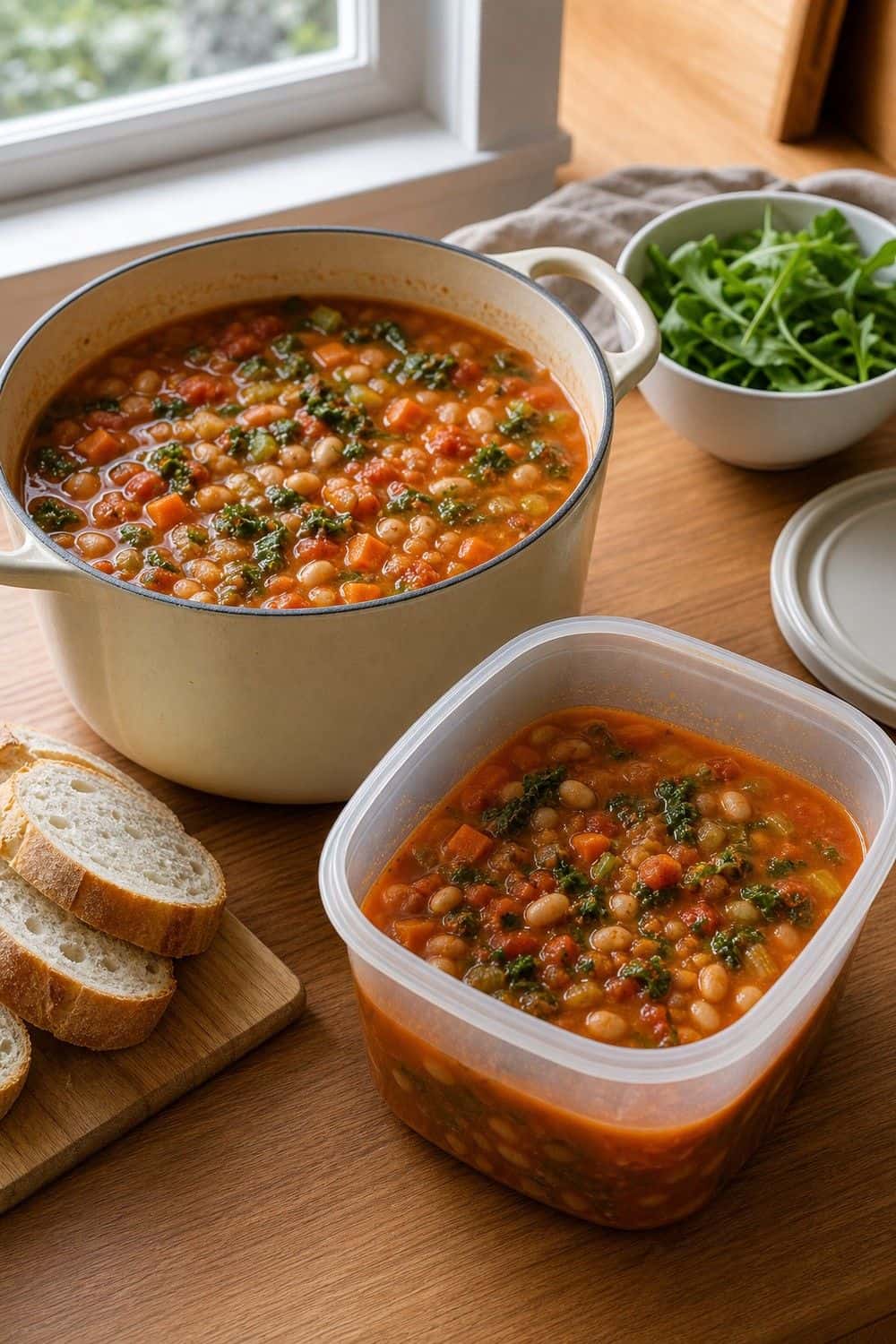
A soup pot gives Christmas Eve dinner a warm center without stealing every pan needed for the next day. Tomato soup, white bean soup, chicken vegetable soup, lentil soup, chili, or squash soup can be made fresh or held in the fridge for an easy reheat.
Keep the meal simple with bread, salad, or leftover appetizers. This is not a full freezer system; it is one low-effort dinner that keeps the kitchen calm before Christmas morning. Cool leftovers quickly and store them before the next day’s prep begins.
4. Make-Ahead Appetizer Tray
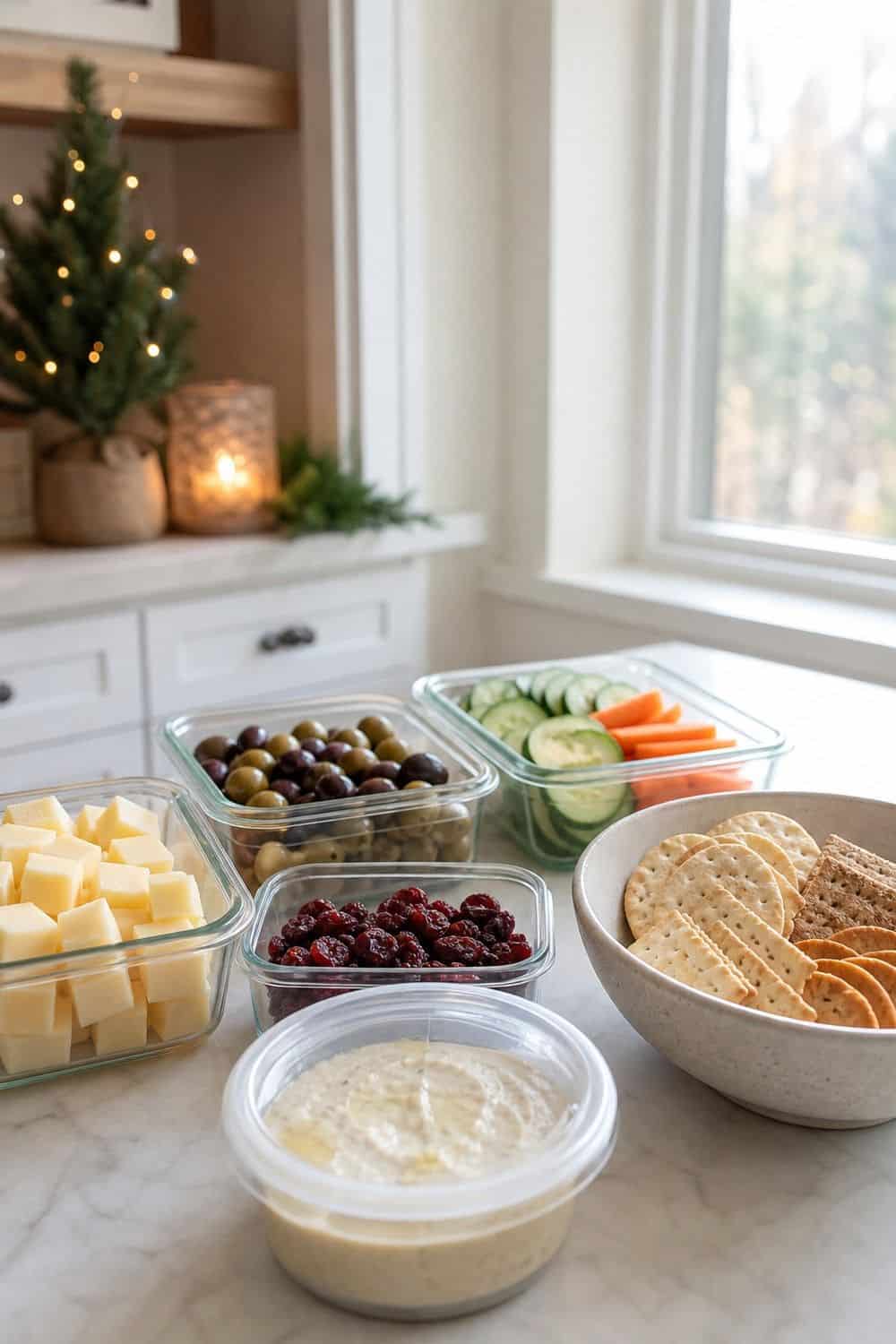
Guest arrival is easier when part of the appetizer tray is already handled. Prep cheese cubes, olives, sliced vegetables, dips, nuts, dried fruit, and marinated vegetables in storage containers, then keep crackers and crisp items dry until serving. Group the containers together in the fridge so someone else can help assemble them when the doorbell rings. Add crackers, toasted nuts, and delicate herbs at the end so the tray tastes fresh without becoming a full party-board styling project for hungry guests.
5. Slow Cooker Warm Party Bites
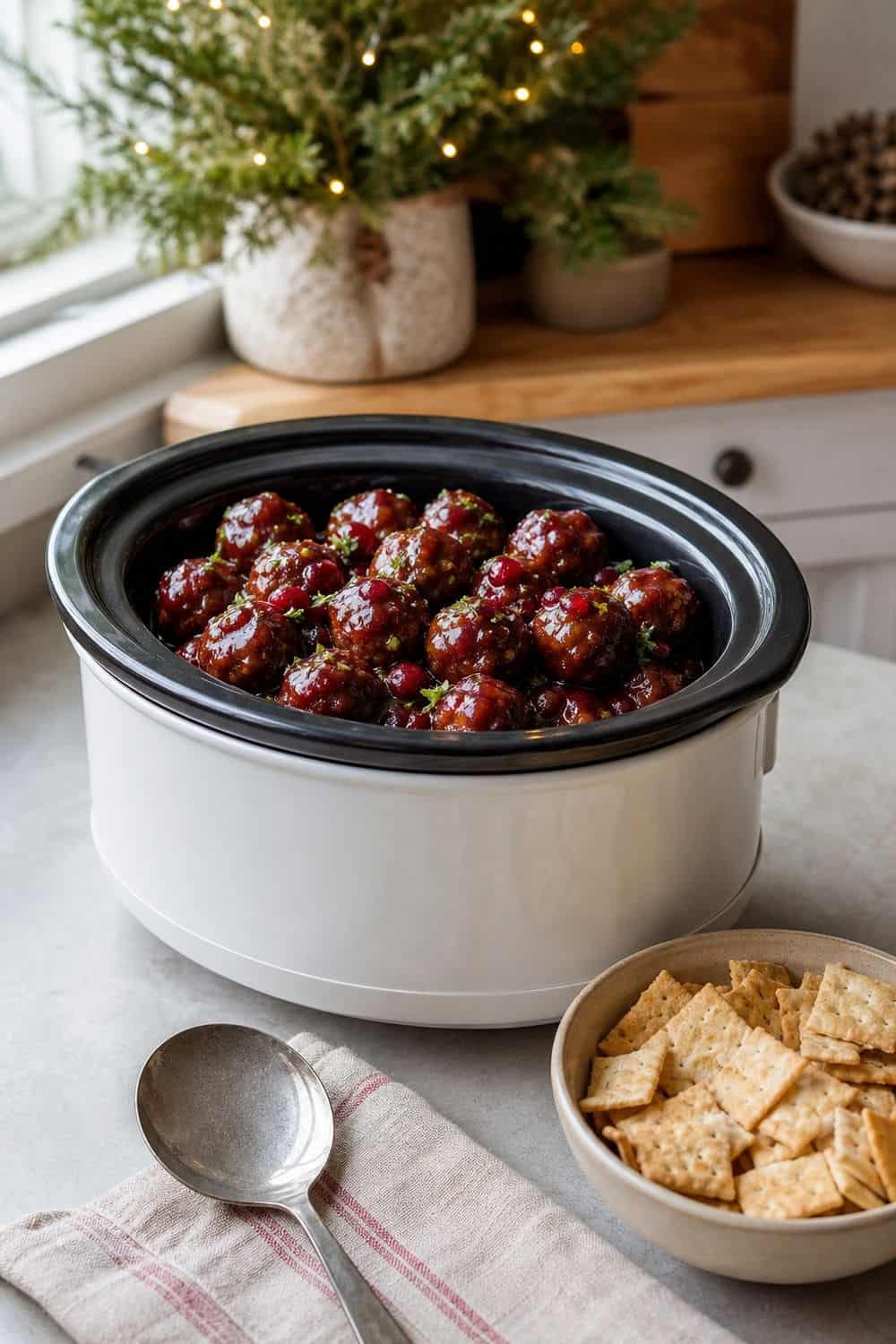
A mini slow cooker can hold one warm bite while the stove and oven are busy. Use it for meatballs, cocktail sausages, queso, spinach dip, cranberry barbecue bites, or warm beans, then place sturdy dippers and serving spoons nearby.
Keep hot foods hot and do not treat the slow cooker as permission to ignore timing all day. Refill in sensible batches if guests are grazing across several hours, and move leftovers to the fridge once the snack window is over.
6. Yogurt and Fruit Breakfast Cups
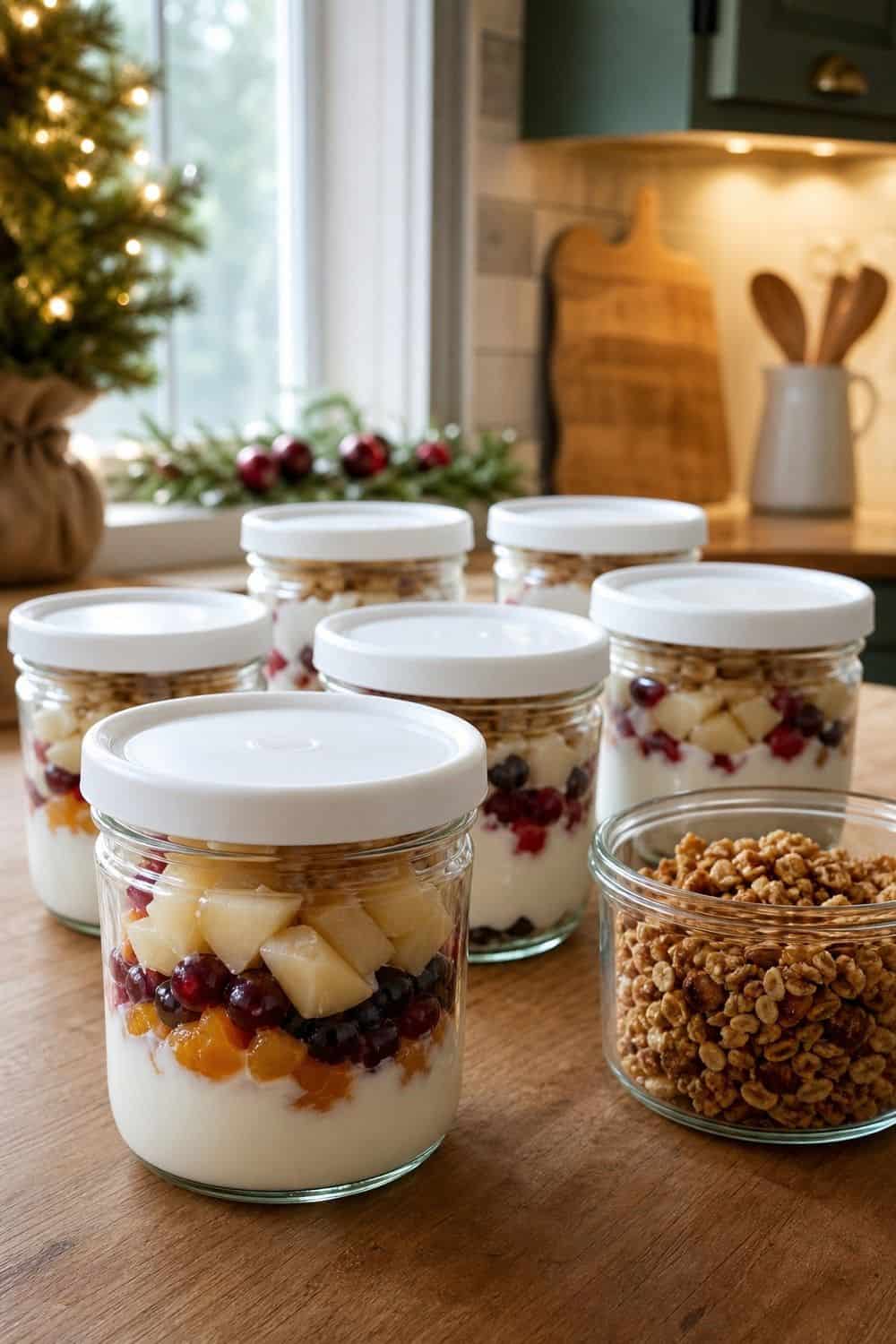
Yogurt jars give overnight guests a lighter breakfast option when everyone wakes up at different times. Layer yogurt with citrus, berries, poached pears, cranberry compote, or nuts, then pack granola separately so it stays crisp. Lidded jars also make it clear what is ready to eat without opening every container in the fridge. Make a few plain jars and a few sweeter ones so guests can choose without asking for a full cooked breakfast before coffee or Christmas gift opening.
7. Holiday Snack Tray for Busy Afternoons
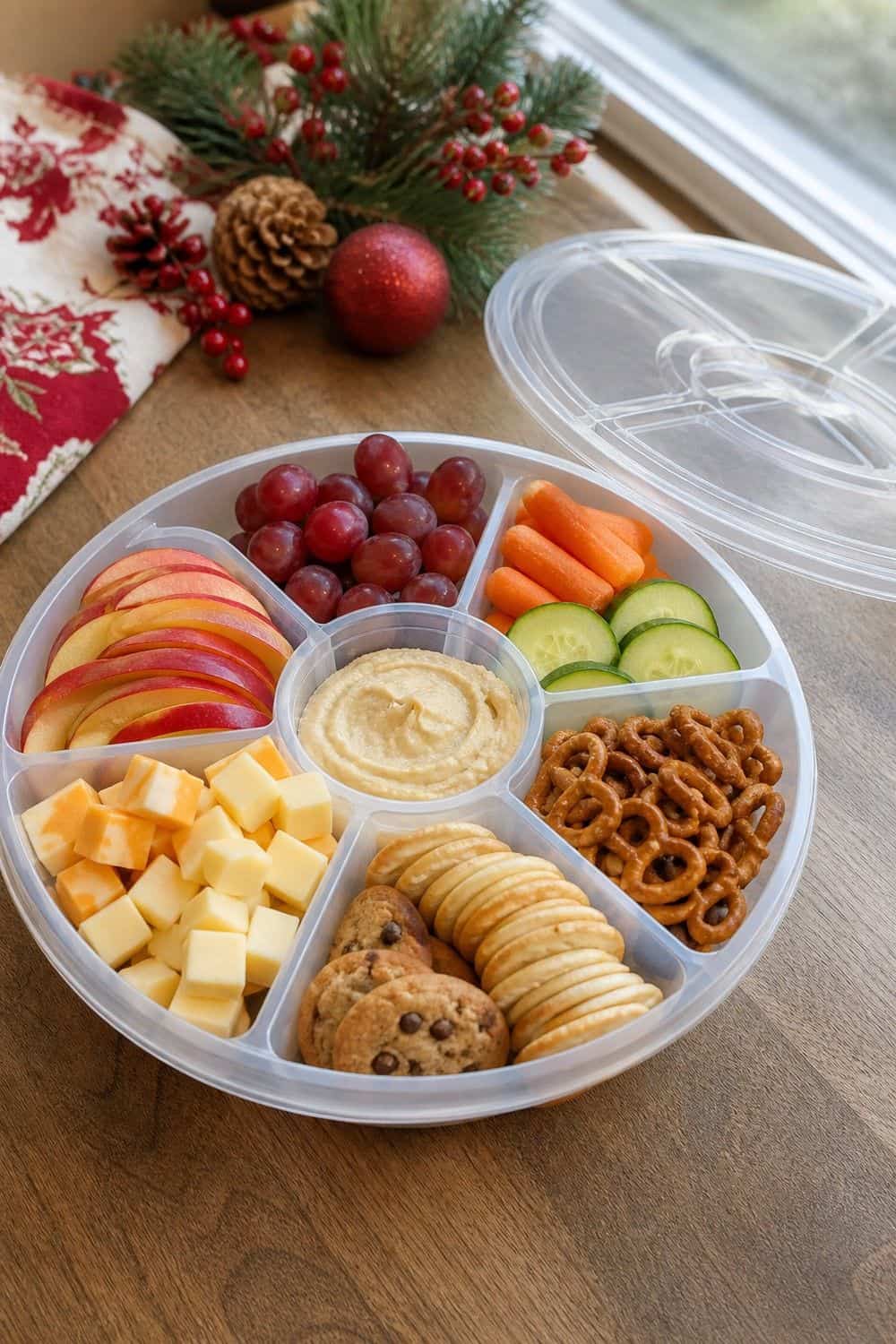
Christmas week often includes gift wrapping, errands, guests, and people drifting through the kitchen between meals. A divided snack tray with cheese, crackers, fruit, vegetables, hummus, nuts, pretzels, cookies, and small leftovers gives everyone somewhere to graze without making a new mess every hour.
Keep wet and dry foods separated and cover the tray between uses. This is especially helpful when dinner is still hours away but nobody should fill up on cookies alone. Put the tray away between grazing windows so cheese and dips do not sit out too long.
8. Washed Greens for a Bright Christmas Salad
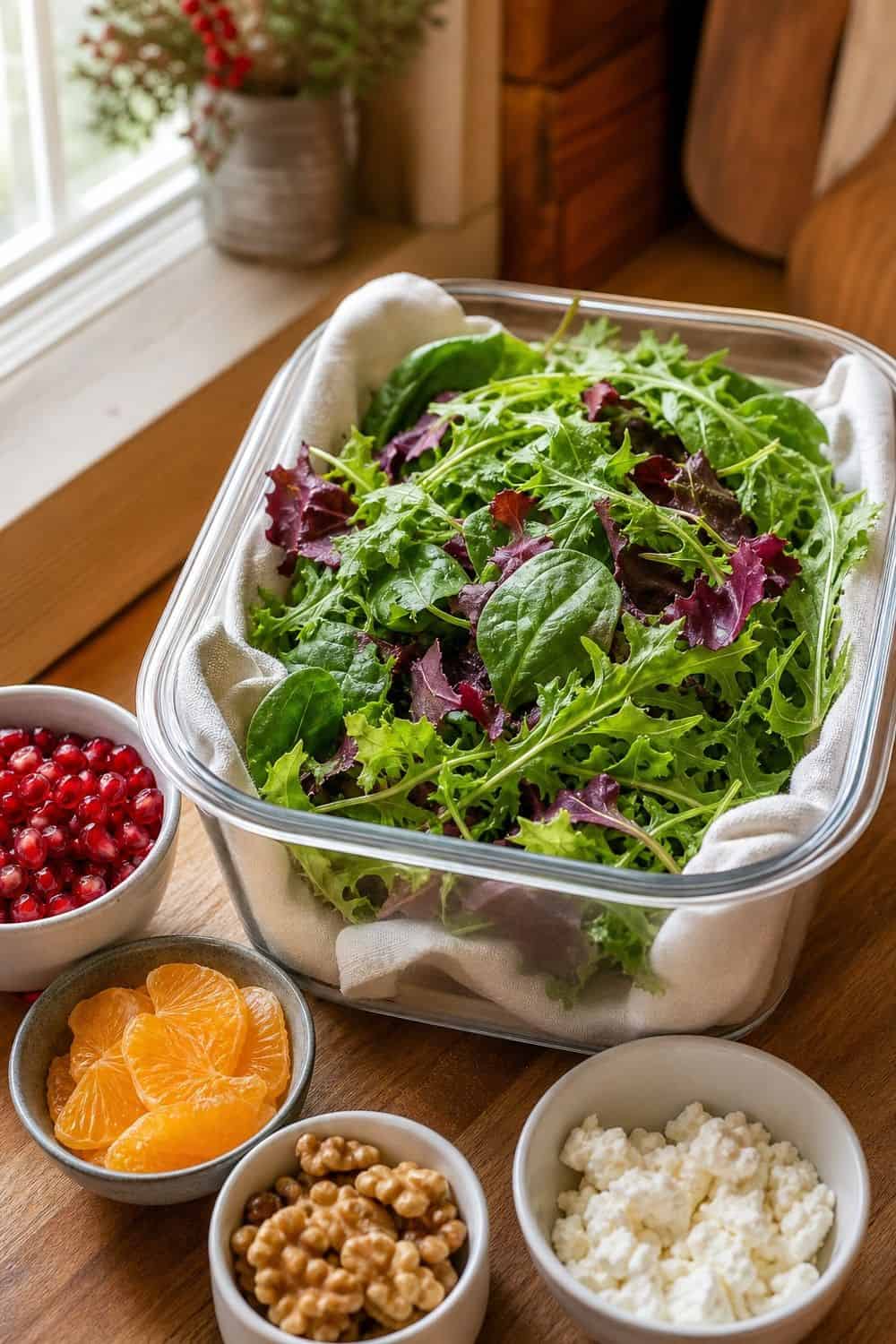
Washed greens are a quiet prep step that makes Christmas dinner feel fresher. Spin kale, romaine, mixed greens, shaved Brussels sprouts, herbs, or salad greens dry, then store them with a towel so they are ready for citrus, pomegranate, nuts, or goat cheese. Keep dressing, cheese, nuts, and fruit separate until serving so the salad has contrast instead of becoming damp in the fridge. This keeps the table from being only casseroles, potatoes, bread, and rich sauces at dinner time.
9. Roast Vegetable Sheet Pan Kit
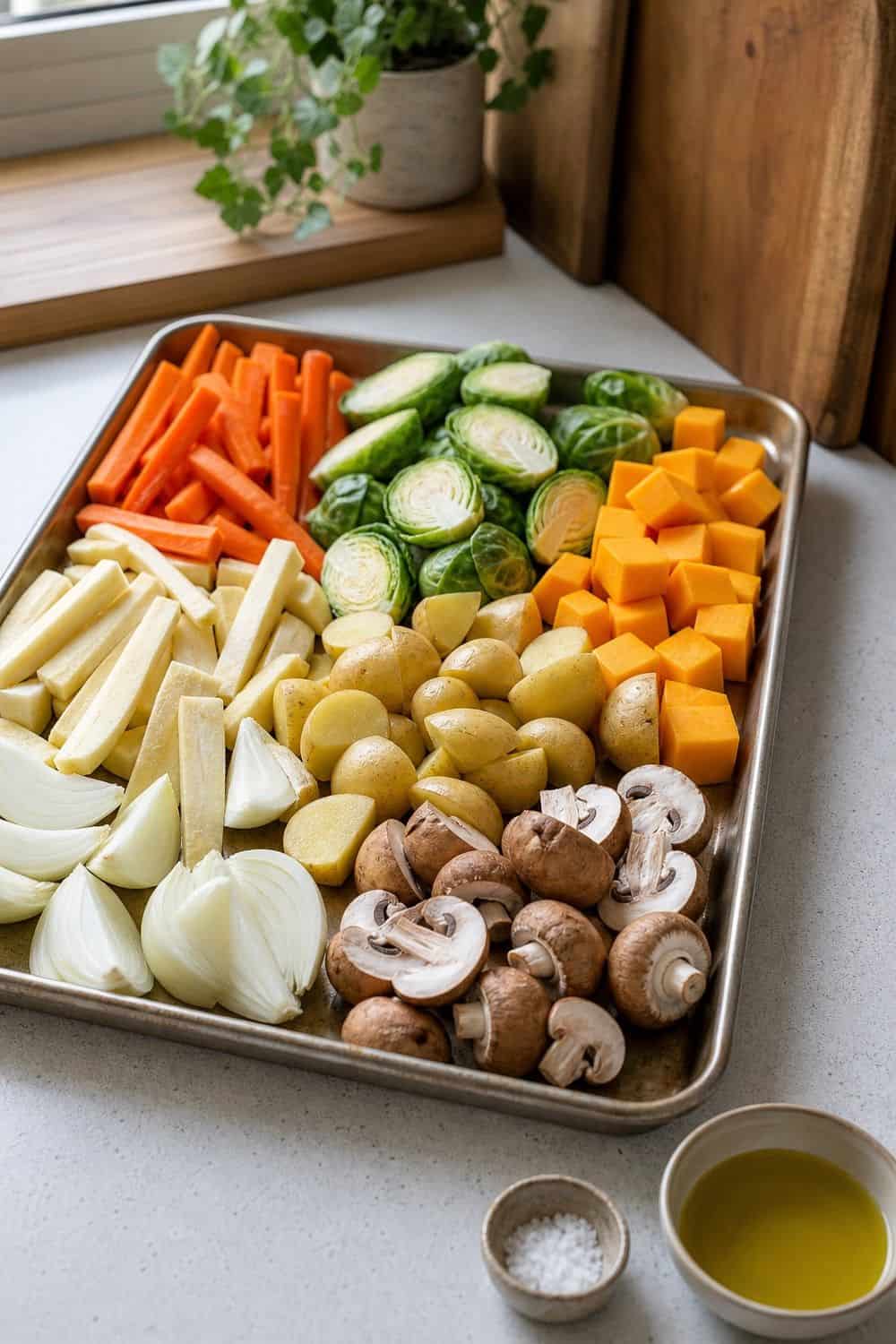
Sturdy vegetables can be washed, trimmed, and cut ahead so Christmas dinner sides move faster. Prep carrots, Brussels sprouts, squash, parsnips, potatoes, onions, or mushrooms, then store them dry and roast close to serving on a rimmed baking sheet.
Hold oil, salt, and delicate herbs until later if the vegetables release moisture. The goal is faster assembly, not limp pre-seasoned vegetables sitting in the fridge. Store dense vegetables together by roast time so the sheet pan finishes evenly in the oven.
10. Make-Ahead Mashed Potatoes or Potato Bake
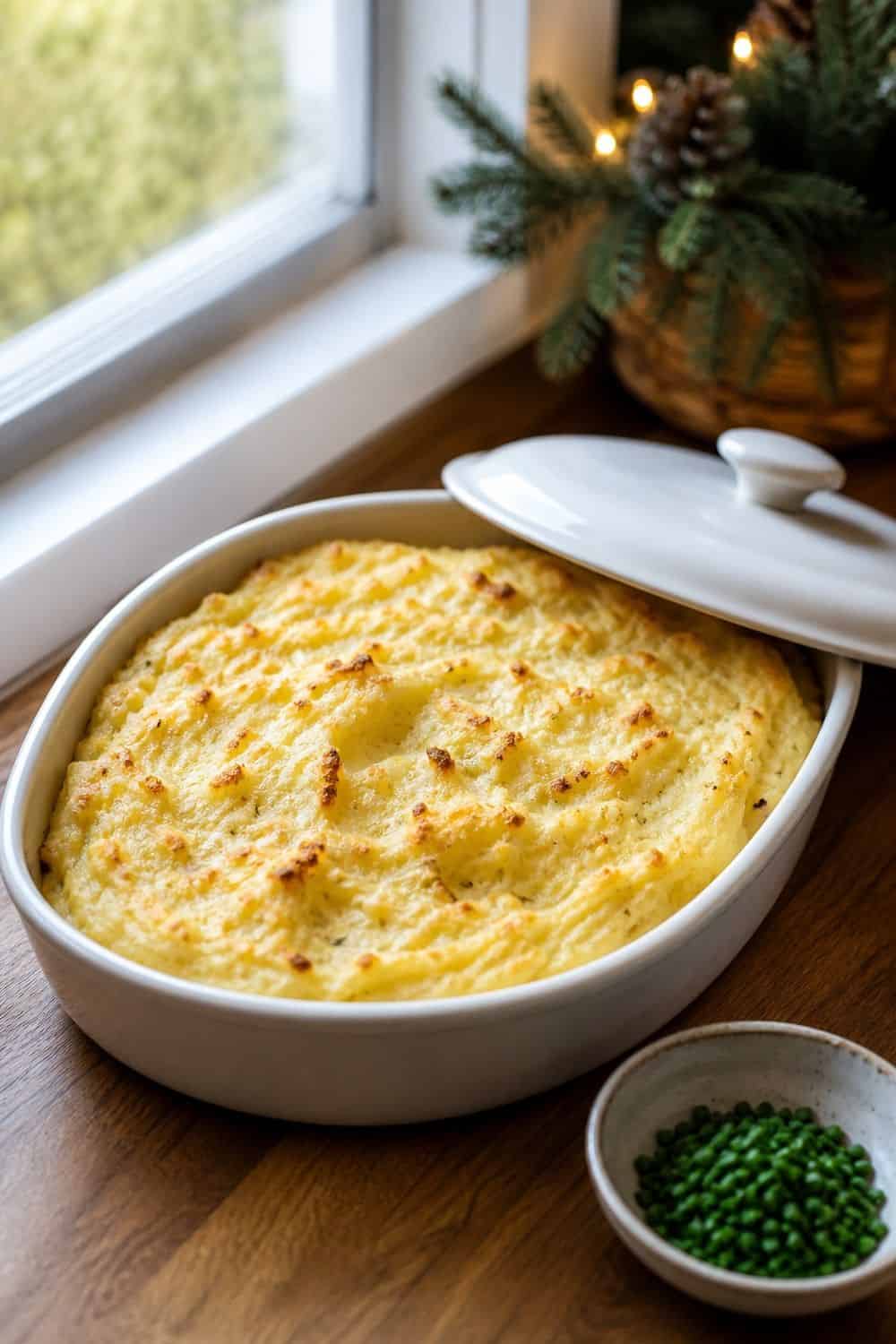
Potatoes are dense, filling, and time-consuming enough to deserve their own prep plan. Mashed potatoes, potato casserole, gratin, twice-baked potato casserole, or cheesy potatoes can often be assembled ahead when the recipe supports reheating.
Add moisture during reheating and stir gently when the format allows it. This is a Christmas dinner side strategy, not a Thanksgiving timeline, so choose the potato dish that fits your oven space and main dish. Keep garnishes like chives or crispy onions for the end.
11. Ham Glaze or Roast Sauce Kit
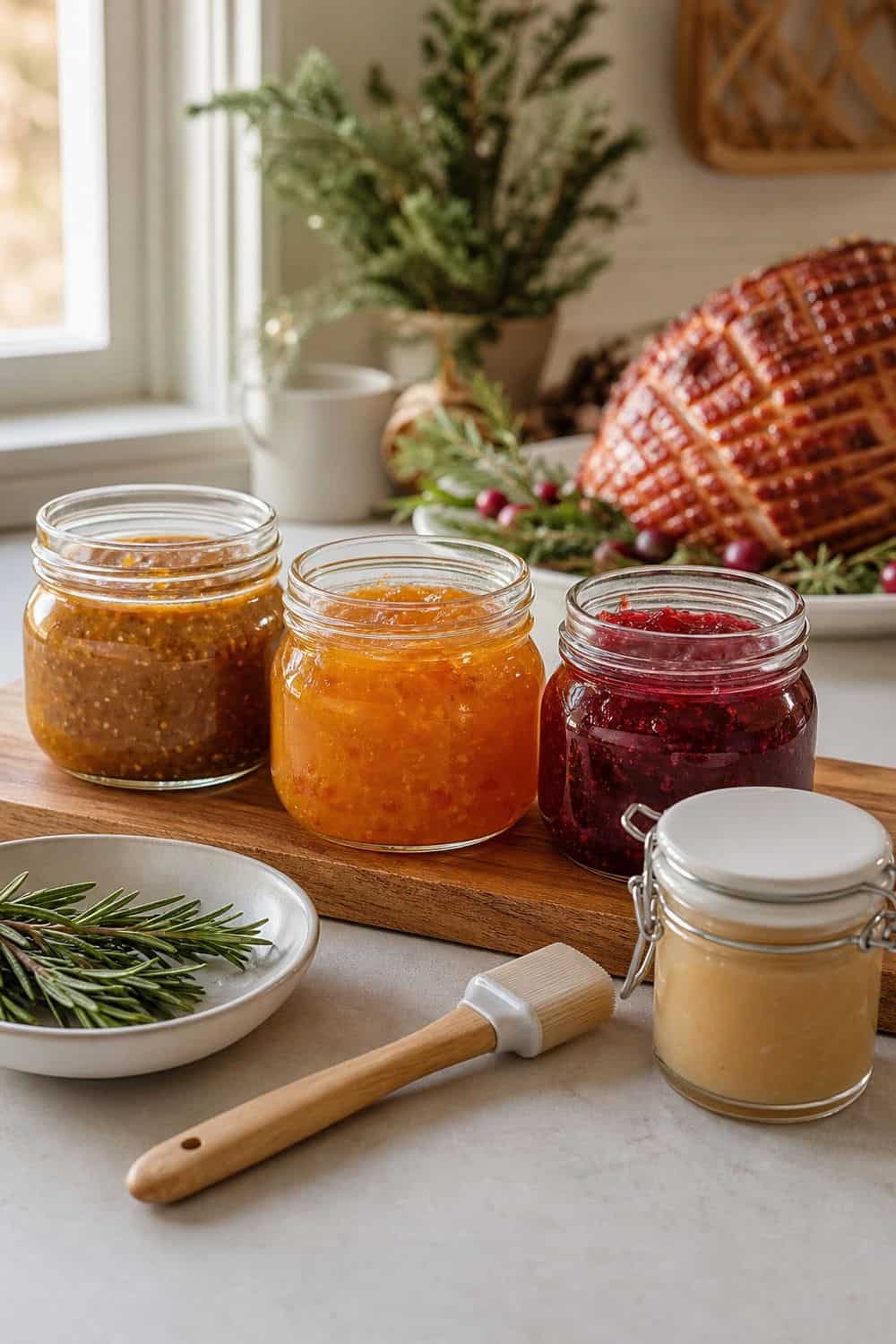
Sticky sauces are annoying to measure when the main dish is already in motion. Mix brown sugar mustard glaze, orange marmalade glaze, cranberry glaze, herb butter, garlic butter, or maple Dijon sauce ahead, then label it with the main dish it belongs to. A basting brush makes the final application easier and less messy.
Store the sauce in a small covered jar so it does not get lost behind casseroles, and set it near the meat only when it is time to cook.
12. Main Protein Marinade or Seasoning
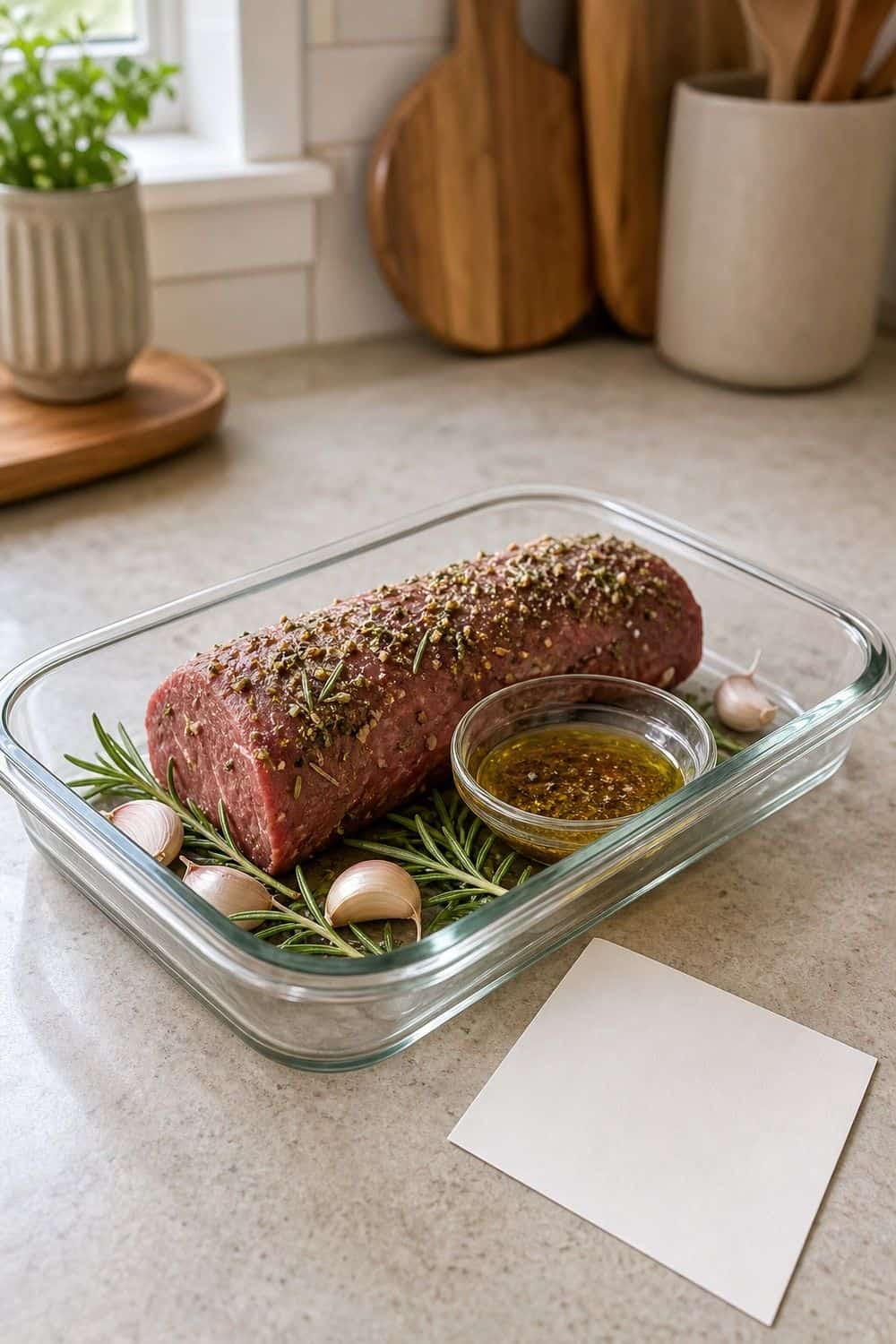
Christmas mains are easier when the seasoning plan is settled before the kitchen gets crowded. Depending on your menu, season beef tenderloin, pork loin, chicken, salmon, tofu, lamb, or a small roast within safe recipe timing, then keep it contained in the fridge.
Use a dedicated marinade container or tray so raw juices cannot drift onto ready-to-eat foods. The prep should support the Christmas main, not create a mystery container nobody wants to touch. Label the container with the cooking time or recipe name.
13. Early Gravy or Sauce Base
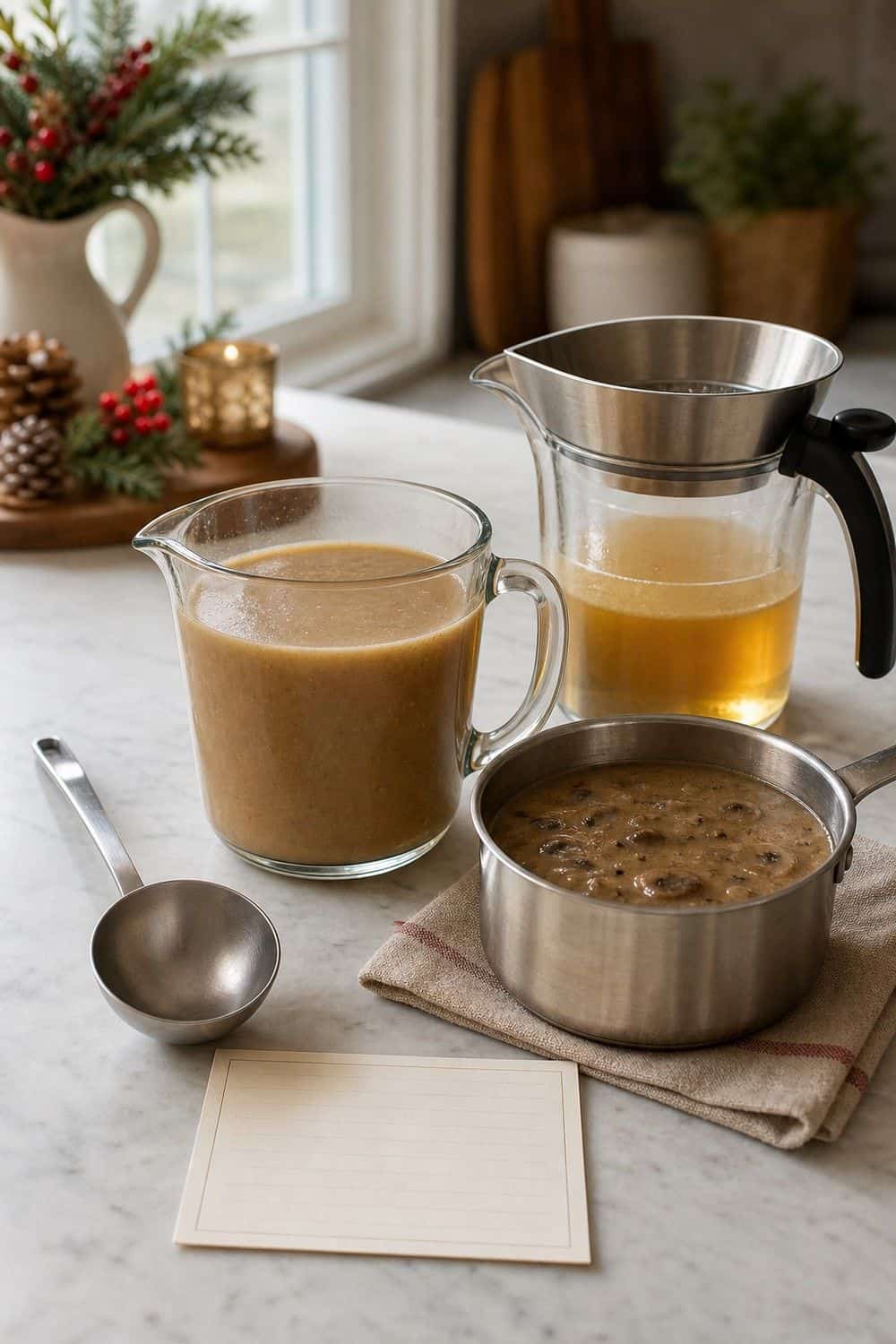
A sauce base can make a simple Christmas main feel complete without last-minute stovetop stress. Prep gravy base, mushroom gravy, cranberry sauce, horseradish cream, herb sauce, or jus ahead, then finish with fresh drippings, herbs, or cream when needed. A gravy separator helps if the final sauce depends on pan juices from a roast.
Keep the base in a container that can pour cleanly, and write down what needs to be added at serving so it does not taste unfinished.
14. Cookie and Dessert Storage Zone
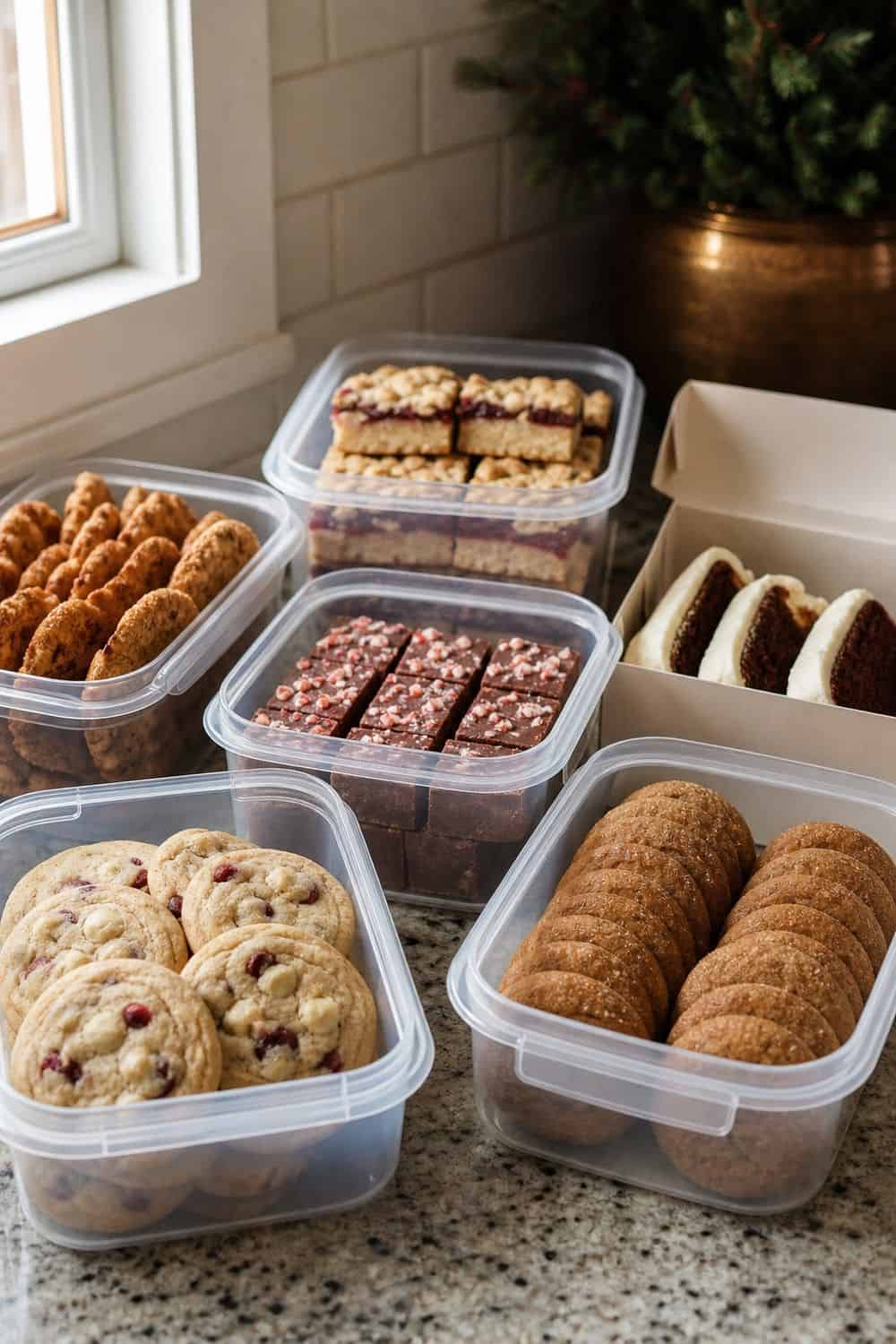
Christmas desserts can take over every counter if they do not have a home. Use airtight containers for cookies, bars, fudge, candy, and cake slices, and separate crisp cookies from soft cookies so textures do not blur together.
This does not need to become a full cookie-storage system in the middle of meal prep. The goal is keeping dessert covered, visible, and out of the way of dinner work. Put the dessert zone away from hot appliances so chocolate and frosting hold their texture.
15. One Freezer Backup Dinner
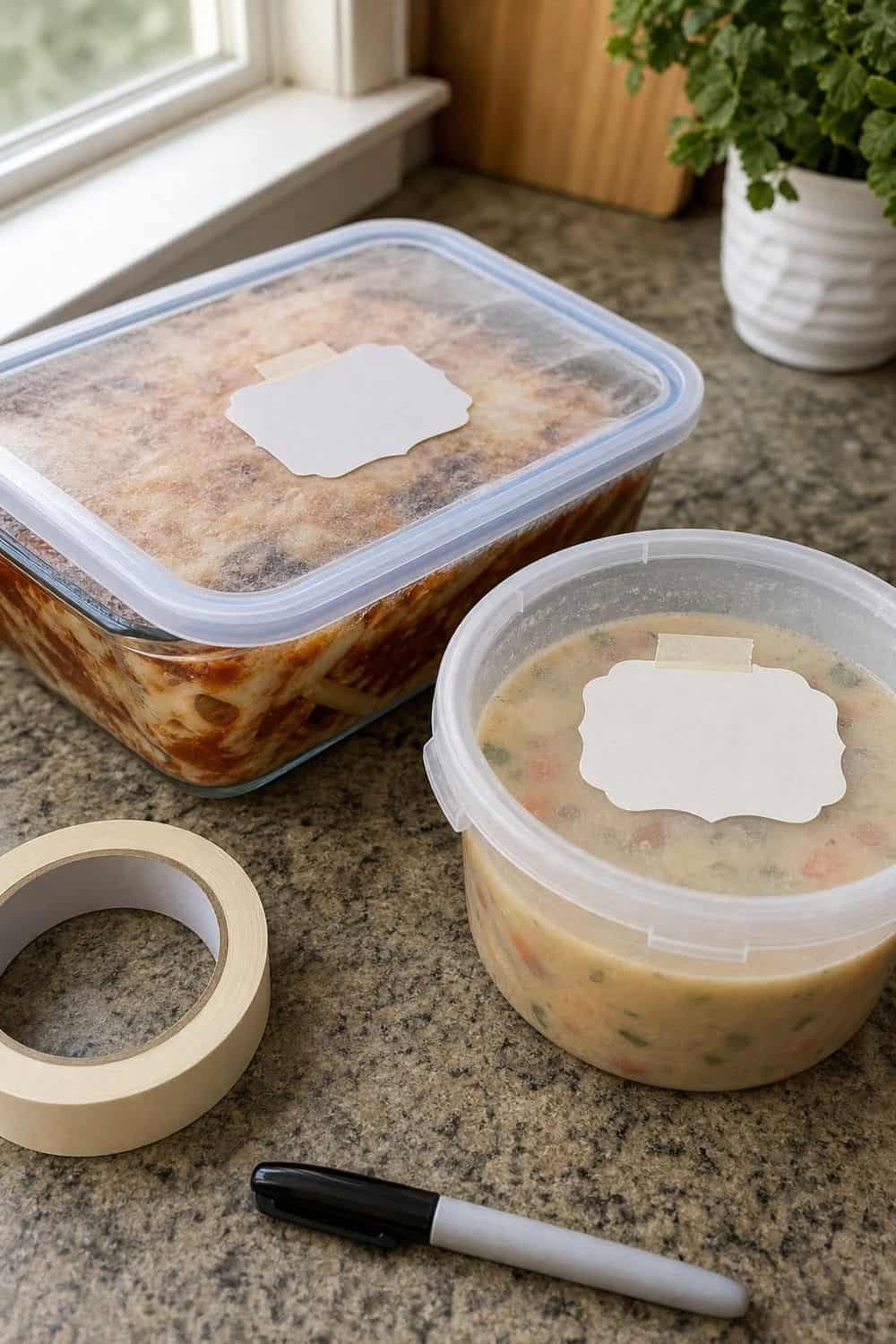
One freezer backup can save the night when errands run long, guests arrive early, or the planned dinner no longer makes sense. Freeze lasagna, baked ziti, chili, soup, casserole, meatballs, or stuffed shells in labeled containers with thawing notes.
Keep this to one useful backup rather than turning Christmas week into a whole freezer-prep project. The point is a reliable emergency meal, not a second holiday menu. Tape reheating notes to the lid so anyone can start it safely after a long Christmas errand day.
16. Leftover Lunch Kit After Christmas
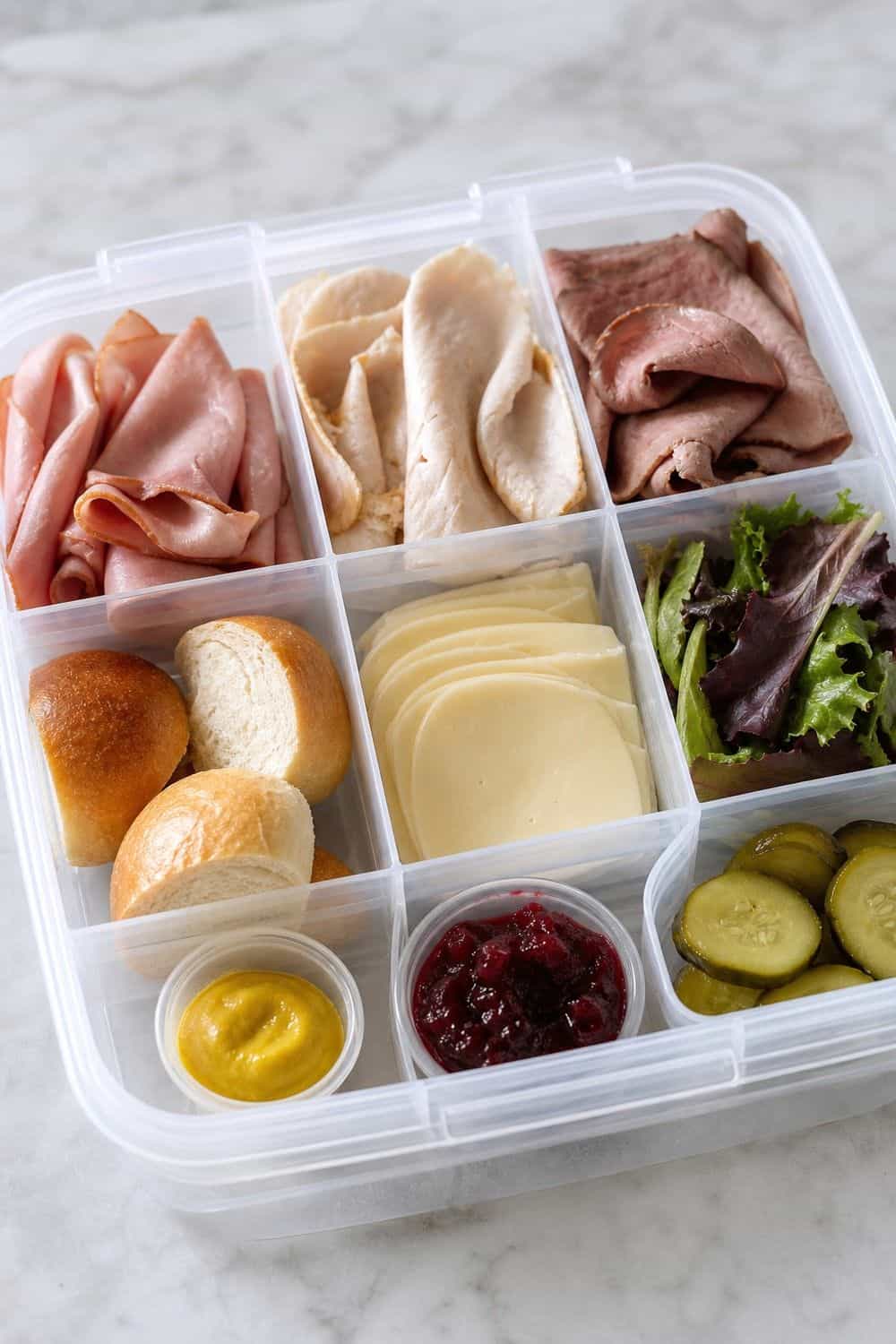
Set aside clean lunch ingredients before the leftovers become a chaotic pile. Ham, turkey, roast beef, rolls, cranberry sauce, cheese, greens, pickles, mustard, or salad components can become next-day sandwiches and plates if they are stored in one clear lunch kit. A sandwich keeper or small lunch bin makes the plan obvious. Do this before the main meal is fully cleared so the best rolls, greens, and sliced meat do not disappear into mixed containers or sauce-covered plates overnight after Christmas dinner.
17. Muffins or Quick Bread for Overnight Guests
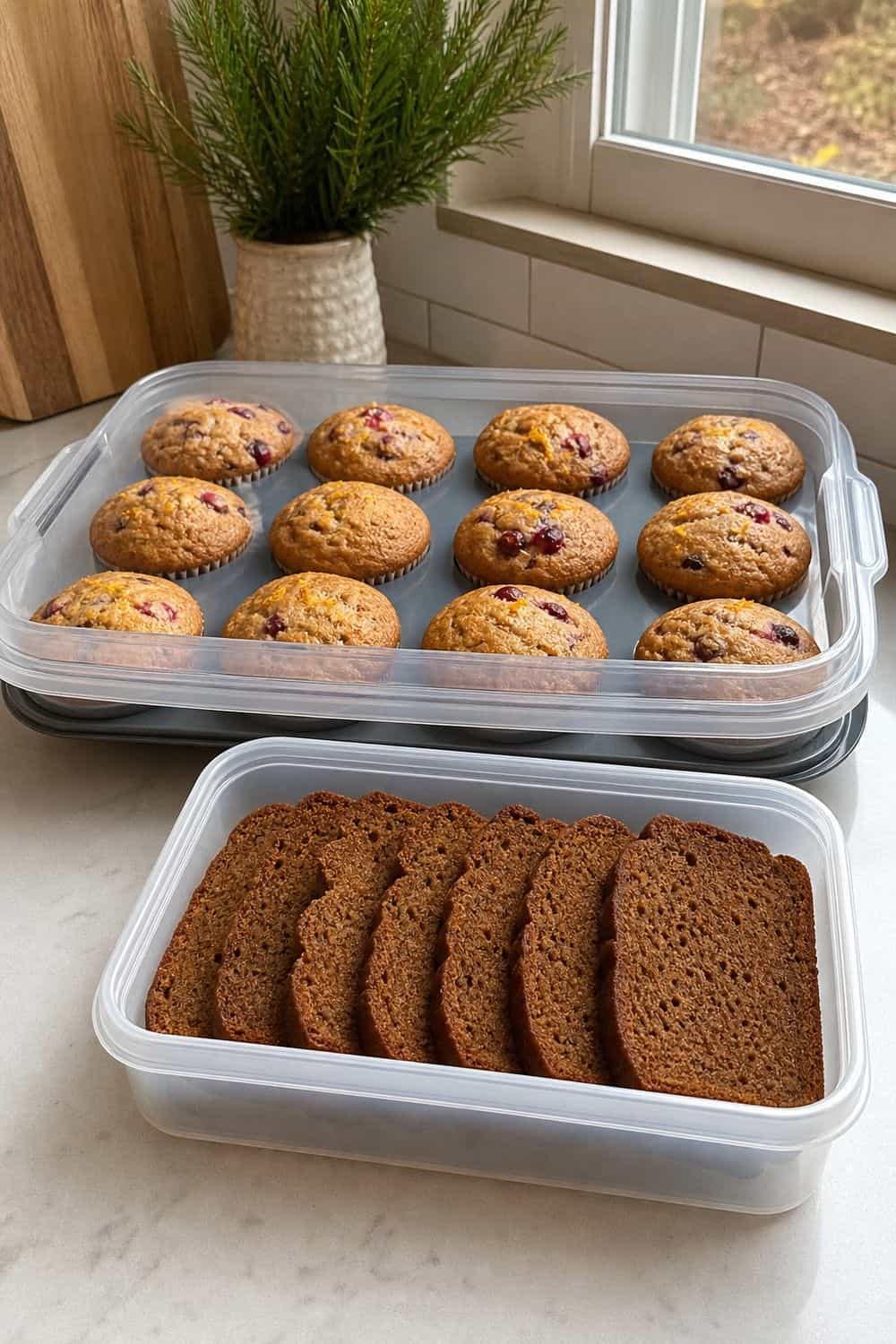
Muffins and quick bread give overnight guests something to grab without asking the host to cook breakfast every morning. Bake cranberry orange muffins, gingerbread muffins, banana bread, pumpkin bread, apple cinnamon muffins, or savory cheese muffins ahead.
Cool everything completely before storing, and keep batches small so they do not turn damp in one crowded container. A lidded muffin pan helps protect the first morning’s batch. Freeze extra quick bread slices only if you know guests will stay longer than one morning.
18. Hot Cocoa or Coffee Add-In Station
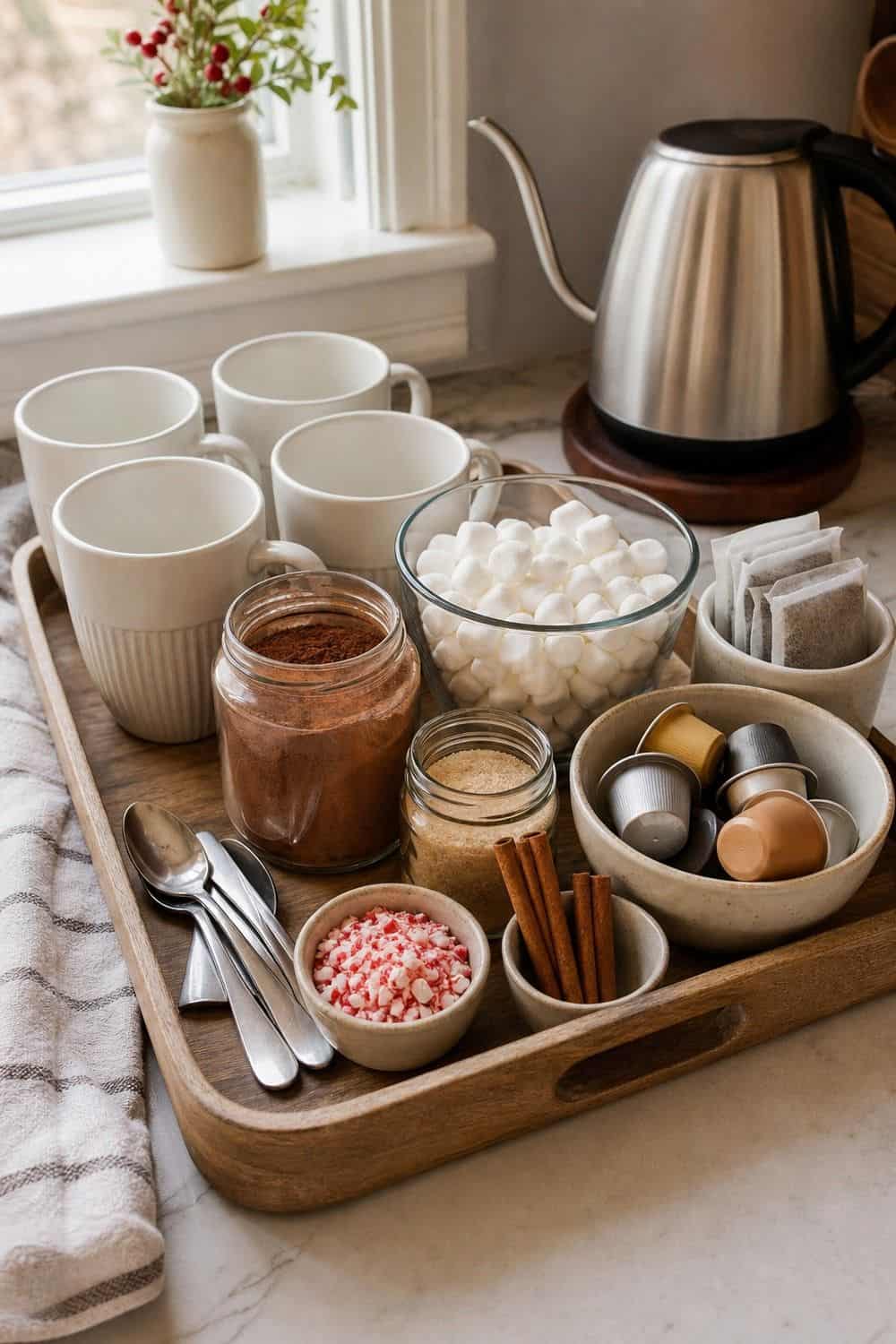
A drink station cuts down on repeated kitchen questions from guests. Group cocoa packets, marshmallows, peppermint, cinnamon, coffee pods, tea bags, spoons, sugar, and mugs in one practical organizer so Christmas morning, dessert, or movie night drinks are easy to make. Keep it useful, not decorative, and refill it once a day. Place it near the kettle or coffee maker, not in the main cooking zone, so guests can make drinks without crossing through dinner prep or hot pans nearby.
19. Fridge Zones for Christmas Week
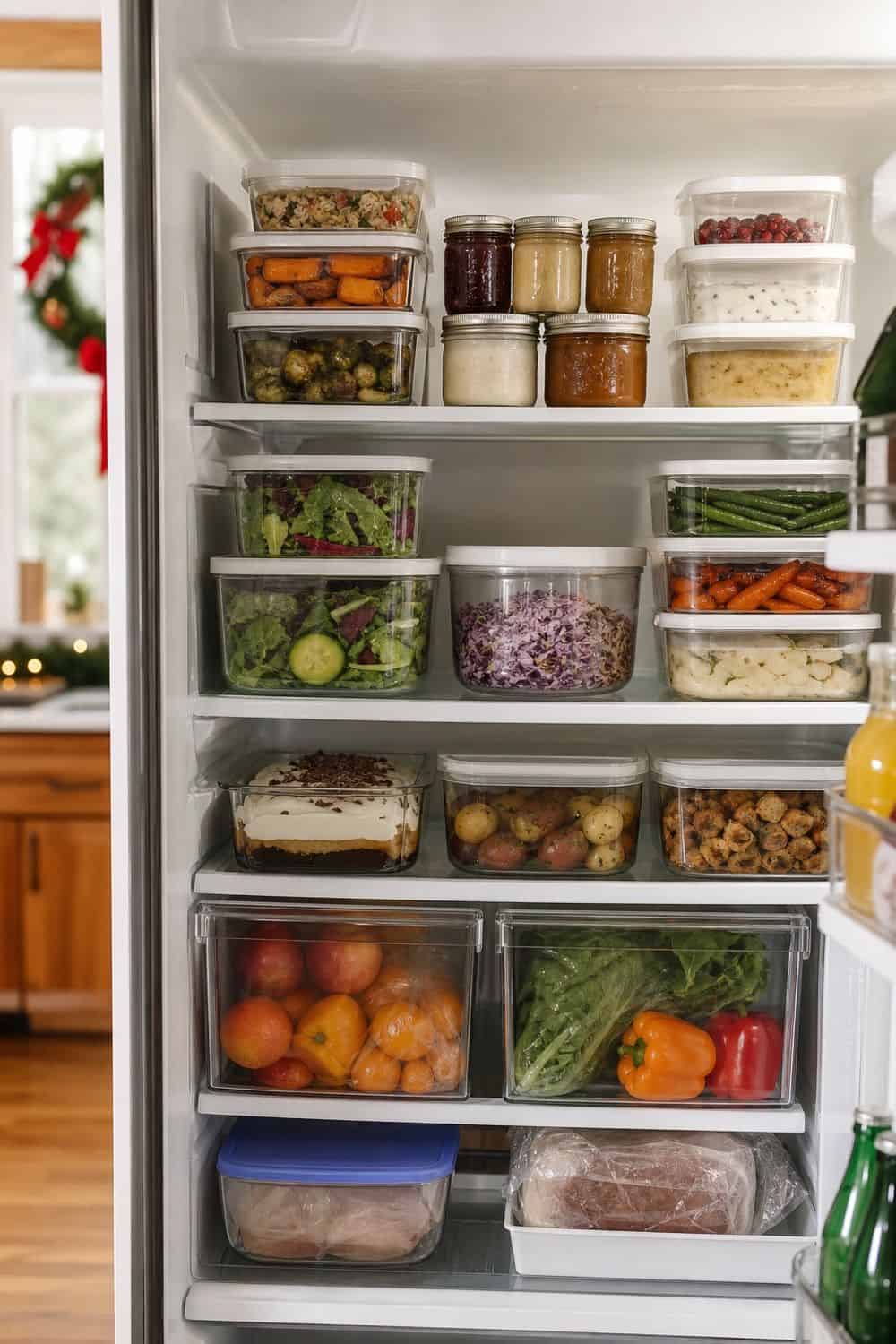
Clear fridge zones help everyone find food without rearranging the holiday meal. Use bins or shelf areas for breakfast, appetizers, dinner sides, desserts, raw protein, drinks, and eat-first leftovers. This is about visibility during Christmas week, not a full fridge organization overhaul.
Keep raw proteins contained and away from ready-to-eat foods. Labels help guests understand what can be eaten and what is being saved for Christmas dinner. Put eat-first leftovers at eye level so they are used before new dishes are opened.
20. Reheating and Food-Safety Plan
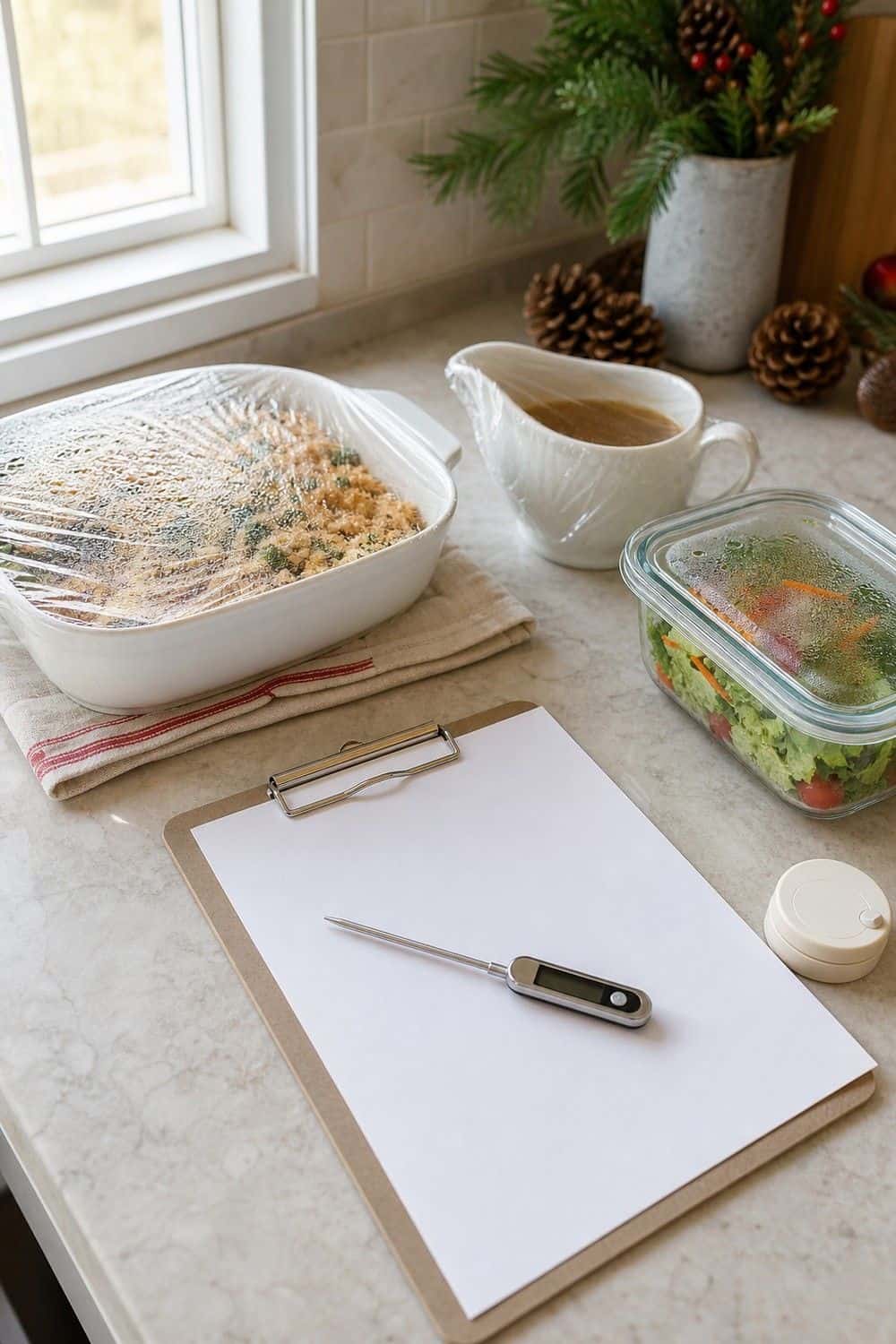
A finishing plan is the difference between calm meal prep and a crowded oven at the worst time. Write down what reheats in the oven, what stays cold, what uses the slow cooker, what needs to reach 165 F, and when perishable food needs to return to the fridge.
Keep hot foods hot, cold foods cold, and refrigerate perishable food within two hours. An instant read thermometer removes guesswork when leftovers or make-ahead dishes are reheated. Write the oven order on paper so dense casseroles get enough time.
What to Prep Ahead for Christmas Week
The best Christmas meal prep covers the eating moments that happen around the main celebration: Christmas Eve dinner, Christmas morning breakfast, guest snacks, appetizers, dinner sides, sauces, dessert storage, and the next day’s lunch. Casseroles, soups, washed greens, chopped sturdy vegetables, sauces, cookie storage, snack trays, muffin batches, drink add-ins, and some mains can all be handled ahead when stored properly.
Some things should stay closer to serving. Dress salads at the end, add crisp toppings late, finish fresh herbs right before serving, warm rolls near mealtime, apply final glazes during cooking, and keep delicate desserts protected until they are needed.
Christmas Meal Prep Food Safety Basics
Christmas meal prep works only if the food stays safe. Keep the refrigerator at 40 F or below, separate raw proteins from ready-to-eat foods, hold hot foods hot and cold foods cold, and refrigerate perishable food within two hours. When reheating leftovers or make-ahead dishes, heat them to 165 F unless the recipe gives a stricter food-safe direction.
Labels help more than they seem. Mark what is raw, what is ready to eat, what belongs to Christmas dinner, and what should be eaten first so guests do not accidentally open the wrong container.
Frequently Asked Questions About Christmas Meal Prep Ideas
What can I meal prep before Christmas?
You can prep breakfast casseroles, soups, appetizer components, washed greens, chopped sturdy vegetables, sauces, cookie storage, snack trays, muffins, drink stations, one freezer backup dinner, and a reheat plan. Keep delicate toppings, dressed salads, and crisp items closer to serving.
What Christmas breakfast can be made ahead?
French toast casserole, strata, baked oatmeal, egg bake, tater tot casserole, croissant breakfast bake, muffins, quick bread, and yogurt fruit jars can all work as make-ahead Christmas breakfasts. Store toppings separately when texture matters.
What can I make ahead for Christmas dinner?
Many Christmas dinner components can be started early, including potato bakes, roasted vegetable prep, gravy base, sauces, ham glaze, seasoned mains, washed greens, desserts, and some casseroles. Finish fresh herbs, crisp toppings, and final glazes close to serving.
How do I meal prep for overnight Christmas guests?
Plan breakfast, snacks, drinks, light lunches, and one easy backup meal. Yogurt jars, muffins, breakfast casserole, soup, snack trays, sandwich ingredients, coffee add-ins, and a labeled fridge zone help guests eat without asking the host for every meal.
What Christmas foods should not be prepped too early?
Dressed salads, cut delicate herbs, crisp toppings, hot rolls, some seafood, delicate desserts, and anything that loses texture quickly should stay closer to serving. Prep components instead, then finish the dish when guests are nearly ready to eat.
How do I organize the fridge for Christmas meal prep?
Create zones for breakfast, appetizers, dinner sides, desserts, drinks, raw protein, and eat-first leftovers. Use clear bins and labels so guests can find snacks while protected Christmas dinner components stay untouched.
What is a good Christmas Eve meal to prep ahead?
A soup pot is one of the easiest Christmas Eve meals to prep ahead. Tomato soup, white bean soup, chili, lentil soup, chicken vegetable soup, or squash soup can be served with bread or salad without crowding the next day’s cooking plan.
Can I freeze Christmas meal prep?
Yes, but keep it focused. One freezer backup such as lasagna, soup, chili, baked ziti, meatballs, or stuffed shells can help during Christmas week. Label it with the date, reheating notes, and any thawing instructions.
How do I reheat Christmas meal prep safely?
Reheat leftovers and make-ahead dishes to 165 F, keep hot foods hot, keep cold foods cold, and refrigerate perishable food within two hours. Use an instant read thermometer for casseroles, sauces, meats, and dense dishes that can heat unevenly.
Final Thoughts
Christmas meal prep ideas should make the whole week easier, not just the main dinner. When breakfast, snacks, appetizers, sides, sauces, dessert storage, fridge zones, and safe reheating are planned ahead, the holiday table feels more relaxed and the kitchen has room to breathe.
Last update on 2026-09-18 / Affiliate links / Images from Amazon Product Advertising API