
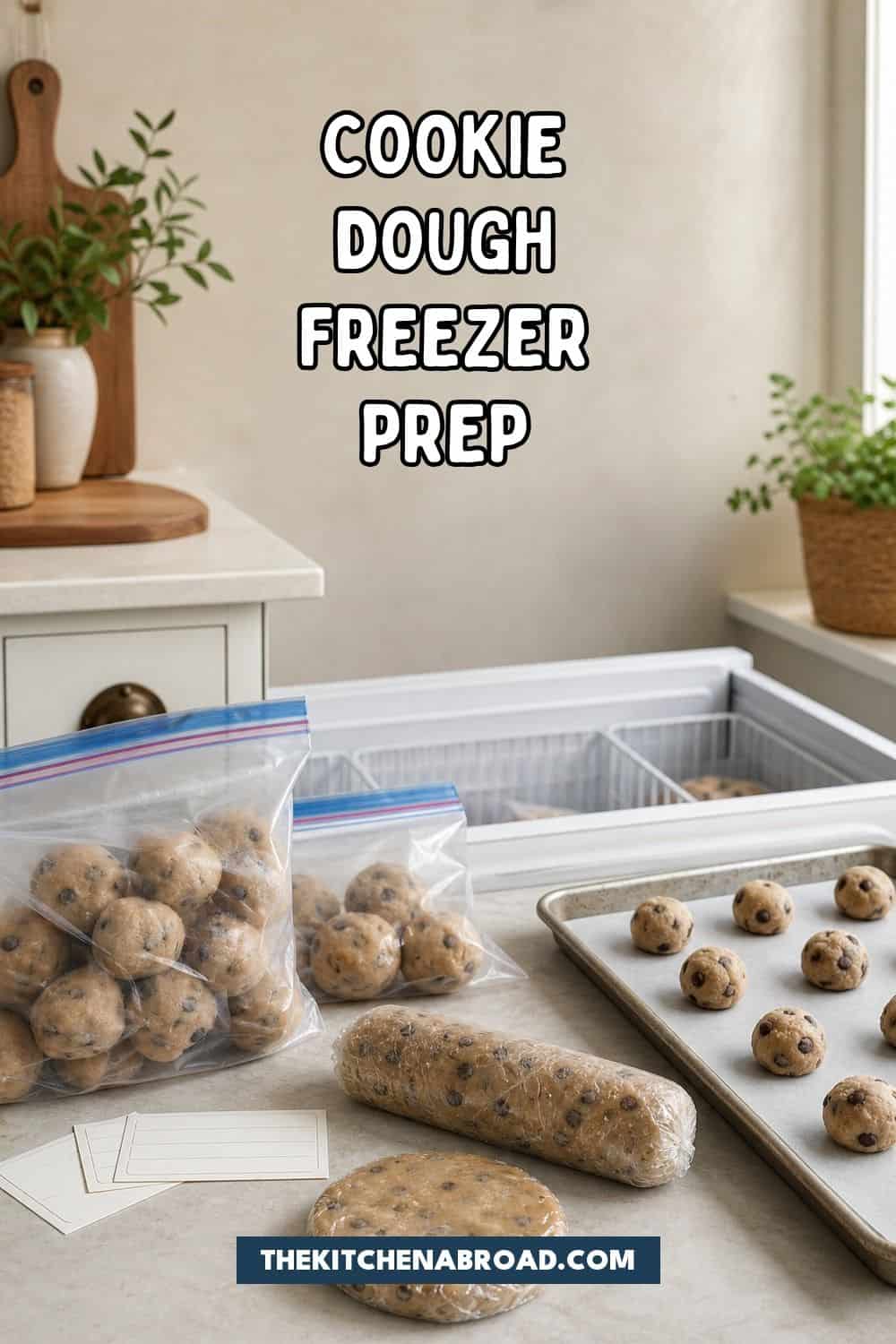
Cookie dough freezer prep ideas work best when the method matches the dough type. Freeze drop cookies as dough balls, slice-and-bake cookies as wrapped logs, cutout dough as discs or sheets, and label every bag with the dough name, date, oven temperature, bake time, and whether it should bake from frozen or thaw first.
Freezing cookie dough is one of the easiest ways to make fresh cookies feel possible during busy weeks, holiday baking, cookie swaps, and last-minute dessert moments. The trick is not just getting dough into the freezer. It is freezing it in the right shape so it bakes well later.
These cookie dough freezer prep ideas focus on raw dough workflow: portioning, flash-freezing, wrapping, labeling, thawing, and test baking. That keeps the article separate from finished-cookie storage and helps every frozen bag turn into cookies instead of a mystery block of dough.
Top Recommended Products


You Might Also Like These Blog Posts
- How to Store Holiday Cookies
- Holiday Freezer Prep
- Holiday Cookie Box Ideas
- Christmas Cookie Decorating Party Ideas
- Christmas Cookie Party Hosting Ideas
Cookie Dough Freezer Prep Ideas for Easier Baking
1. Dedicated Freezer Space for Dough
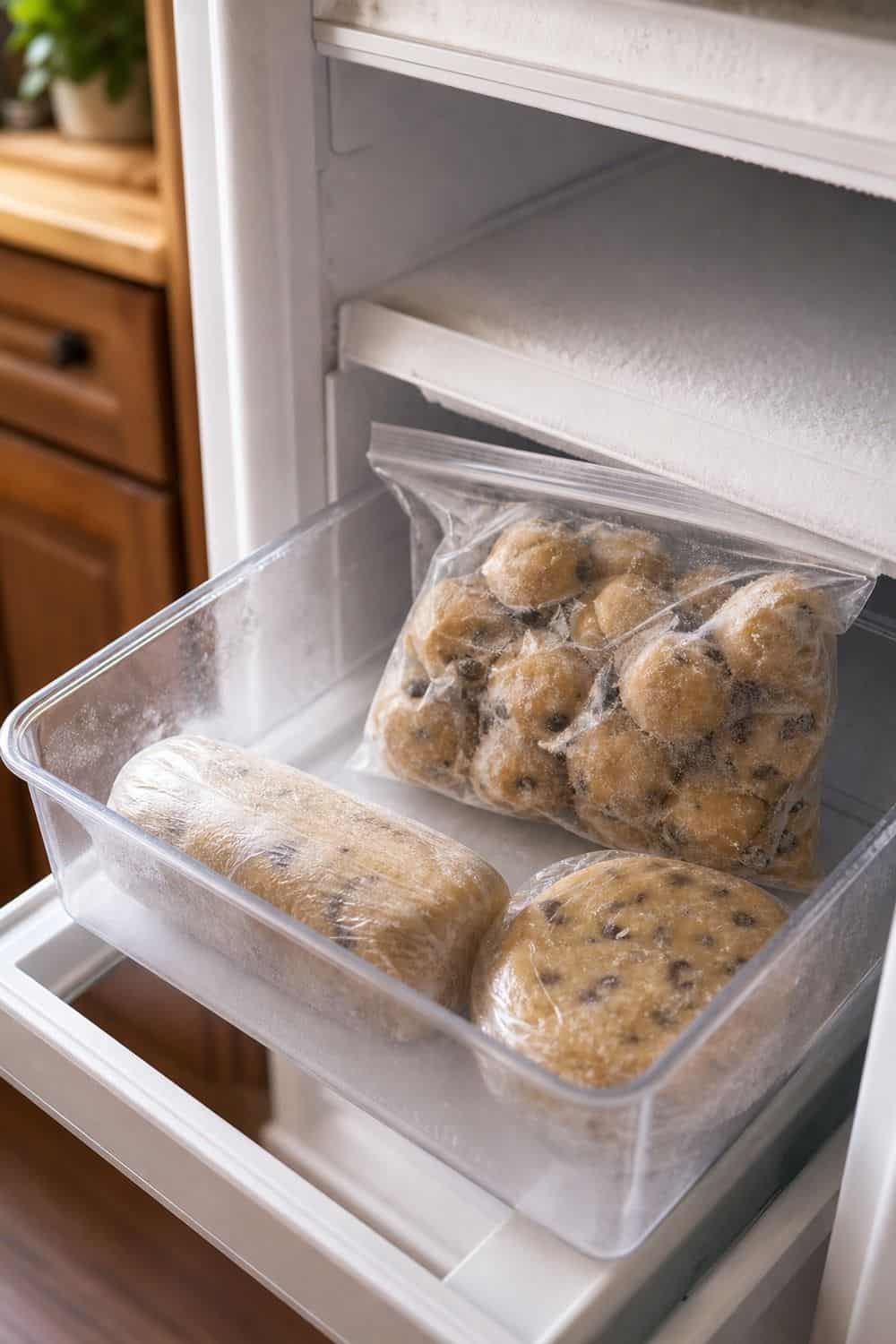
A dough-only freezer zone keeps cookie prep from disappearing under frozen dinners and holiday leftovers. Use one bin or shelf for dough balls, wrapped logs, cutout discs, and frozen shapes so the whole baking plan is visible at a glance. This is especially useful before cookie swaps, bake sales, neighbor gifts, or nights when you only want a few fresh cookies.
Keep the bin near the front if you bake from frozen often, and store fragile cut shapes flat so they are not crushed by heavier bags.
2. Freezer-Friendly Dough Recipe List
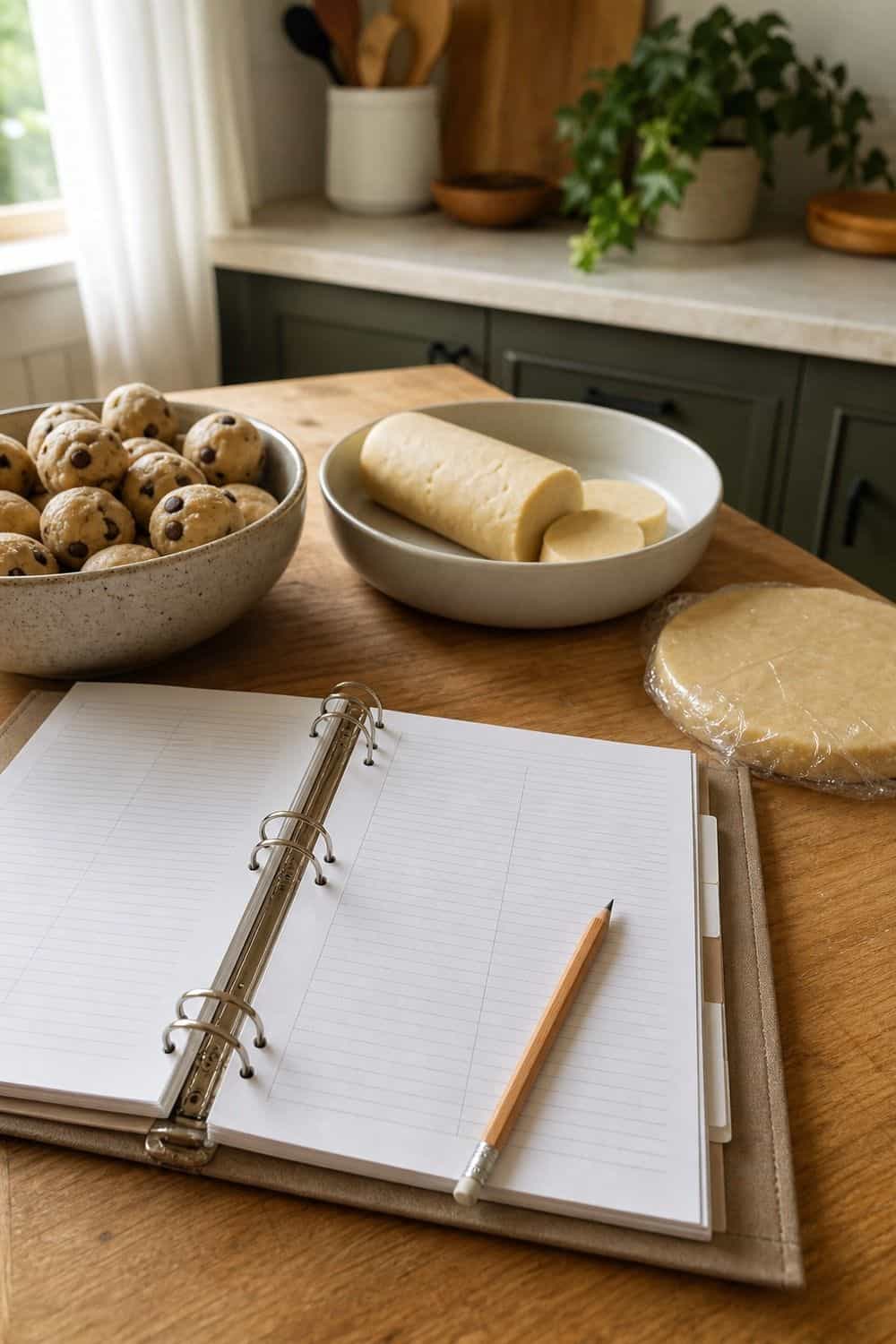
A freezer-friendly recipe list saves you from guessing which doughs hold their texture. Drop cookies, shortbread, slice-and-bake logs, sugar cookie dough, gingerbread, peanut butter dough, oatmeal dough, and many sturdy butter-based doughs usually freeze well.
Keep notes for weaker candidates too, such as delicate lace cookies, tuiles, meringue-style cookies, and very thin batters. A binder is useful when it holds bake-from-frozen notes, dough format reminders, freezer timing, and whether the dough should be scooped, logged, or rolled before freezing.
3. Chilled Dough Before Portioning
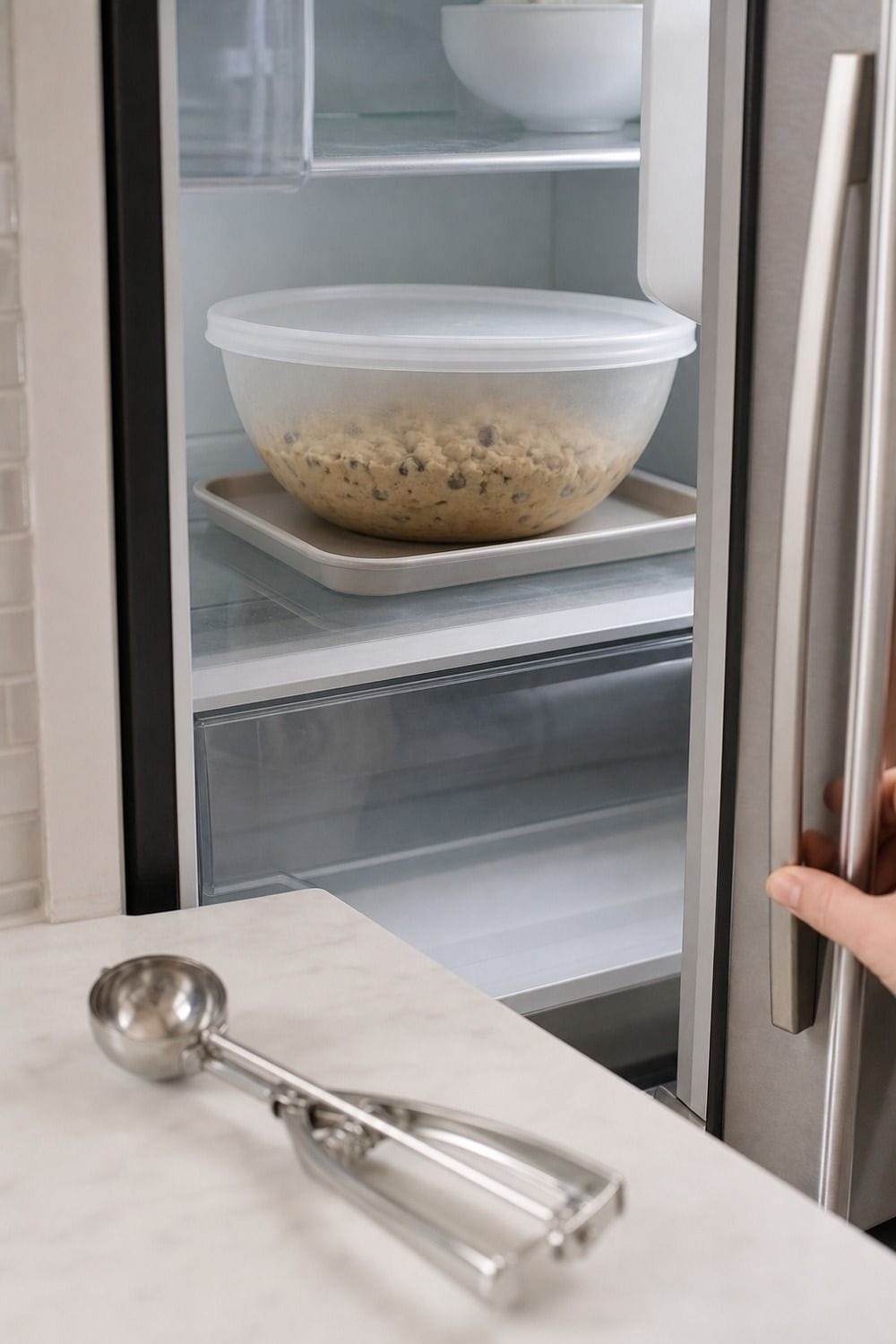
Some cookie dough needs a refrigerator chill before it can be scooped, rolled, or frozen cleanly. Covered mixing bowls help the fat firm up while protecting the dough from fridge odors. Do not rush the chill if the center is still soft, because the outside can feel ready while the middle is sticky and hard to portion evenly. A properly chilled dough also holds its shape better during flash-freezing and prevents messy scoops from smearing across the tray liner or parchment.
4. Even Drop Cookie Dough Balls
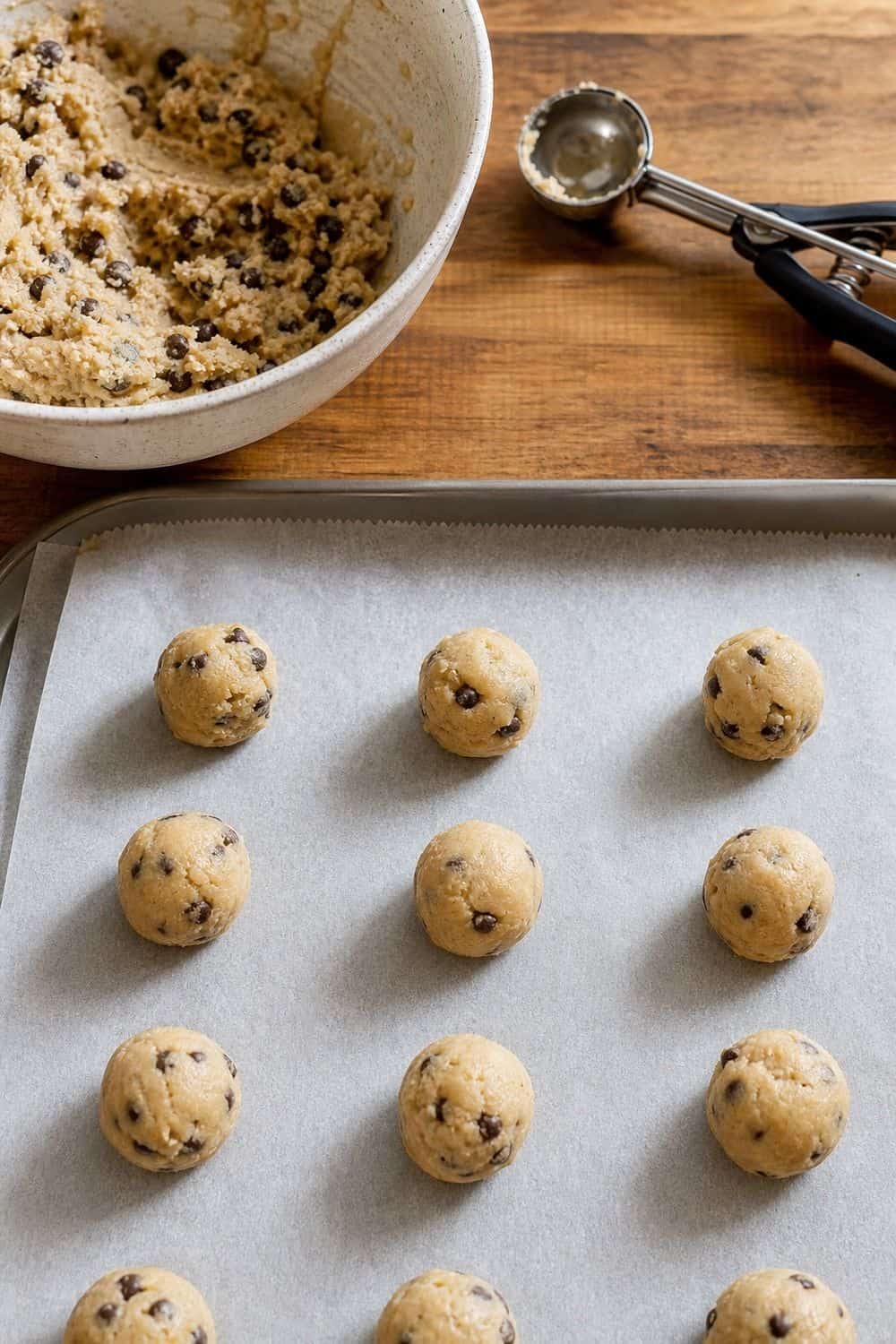
Even dough balls freeze and bake more predictably than random spoonfuls. Use a cookie scoop for chocolate chip, oatmeal, peanut butter, molasses, snickerdoodle, cranberry white chocolate, or similar sturdy doughs, then place the portions on a lined tray. Matching sizes also makes the freezer label more useful because one bake time can apply to the whole bag. If a dough is sticky, chill it first instead of adding extra flour, which can change the finished cookie texture after baking in the oven.
5. Flash-Frozen Dough Balls on a Tray
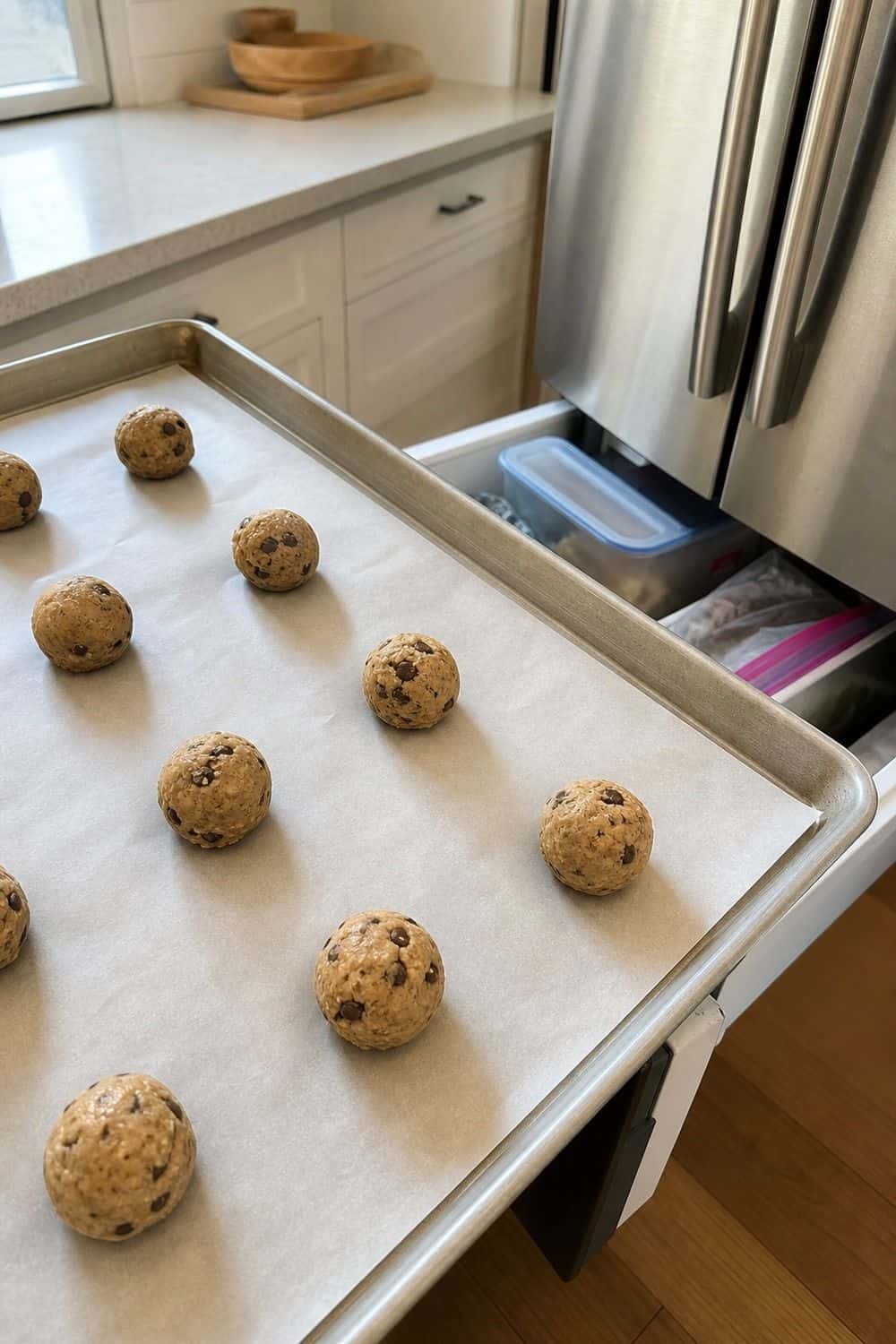
Flash-freezing keeps dough balls from turning into one frozen clump. Set scooped portions on a lined rimmed baking sheet with a little space between them, then freeze until firm before bagging. The rim helps because round dough balls can roll when you move the tray in and out of a packed freezer. Once the outside is solid, the portions can go into bags without flattening together. Do not skip this step for soft butter-based dough, sticky molasses dough, or warm kitchen prep.
6. Frozen Dough Balls by Flavor
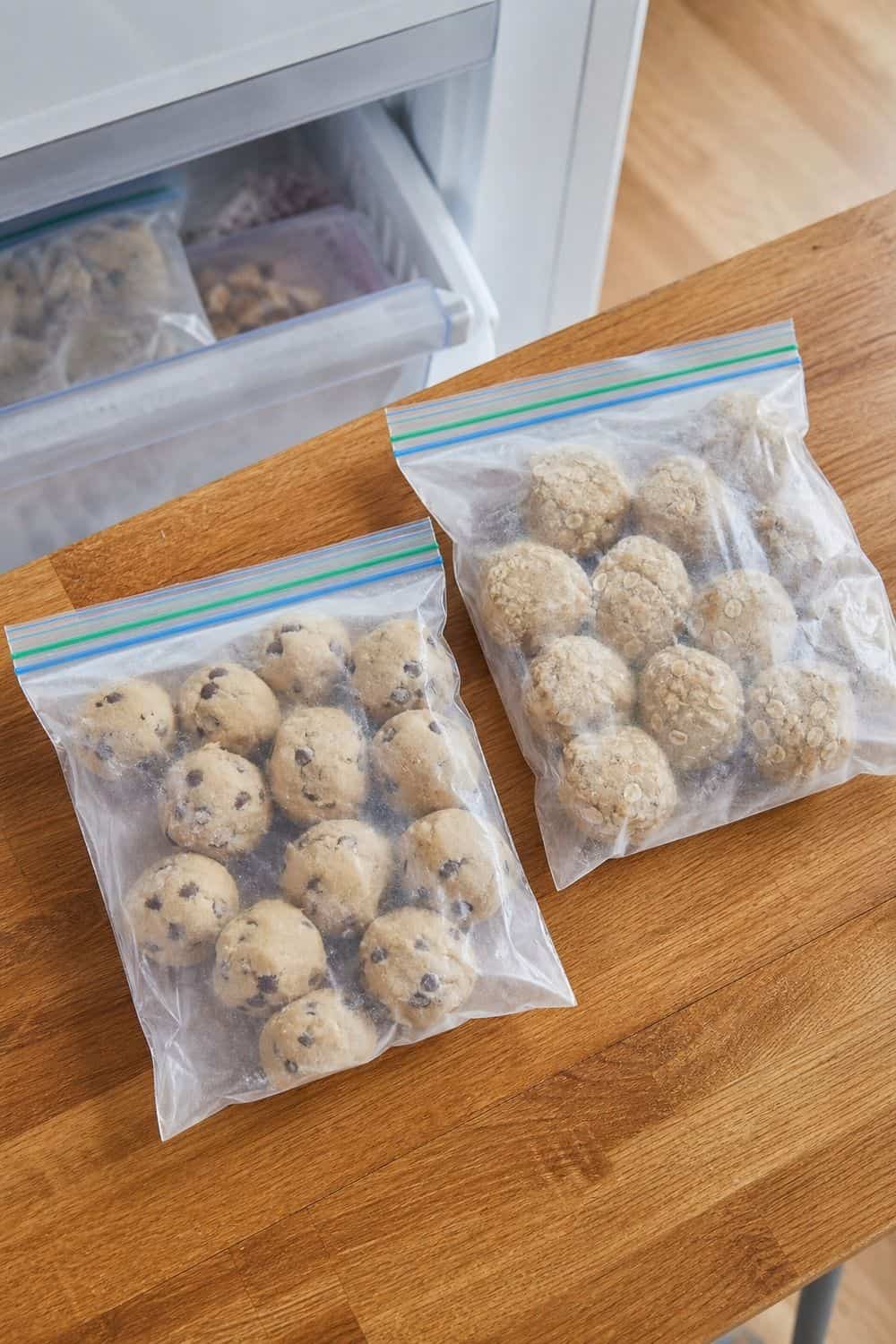
Move dough balls into freezer bags only after they are solid. Keep chocolate chip, peanut butter, oatmeal, molasses, and holiday flavors in separate quart freezer bags so the dough does not squash together or pick up competing flavors. Press out extra air before sealing, but do not overfill the bag so the portions stay easy to count and remove. Lay the bag flat until the dough is fully settled, then store it upright in the dough bin if space is tight.
7. Bake-From-Frozen Notes on Every Bag
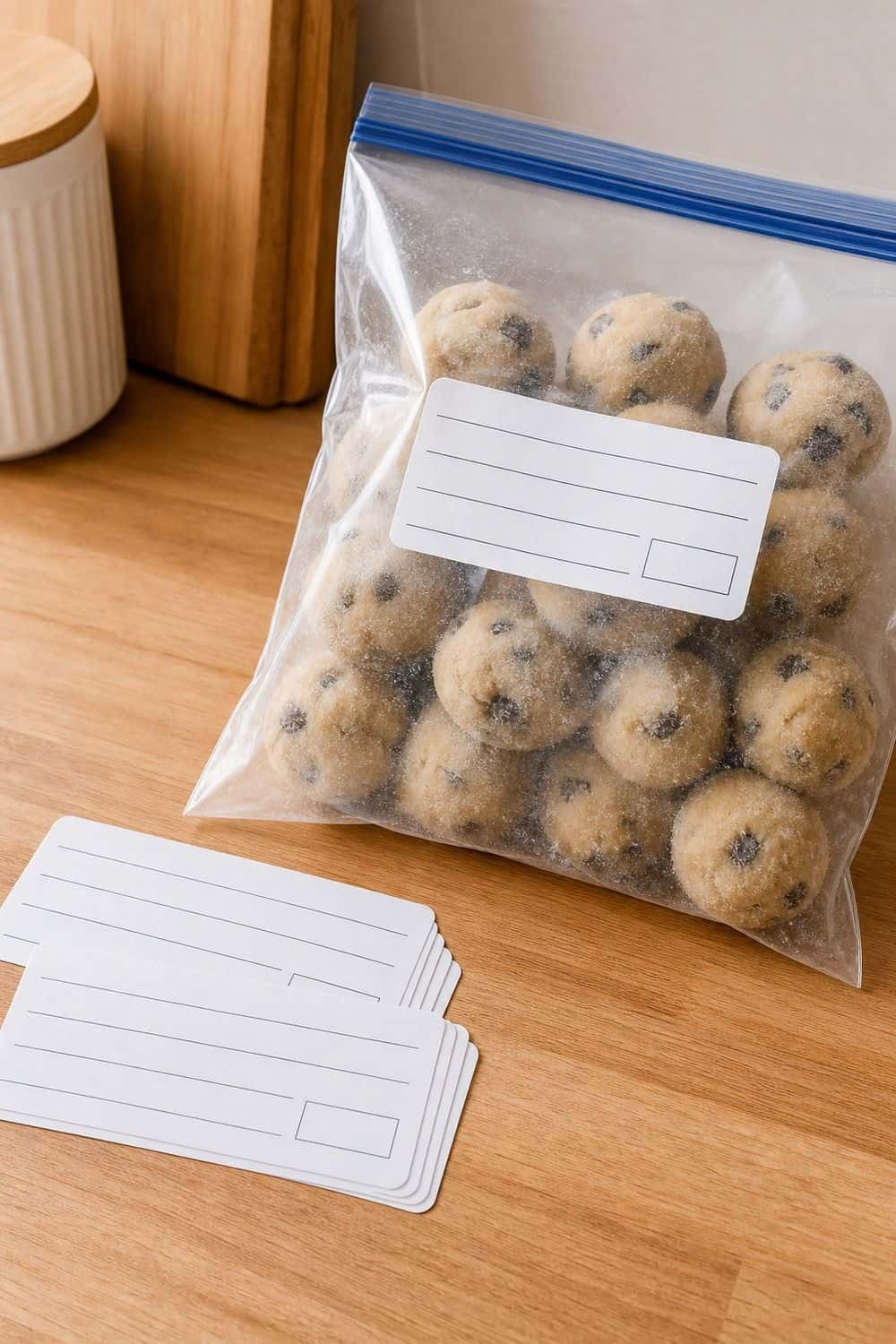
A freezer label should make the dough usable without opening a cookbook. Write the cookie name, date, oven temperature, usual bake time, whether to add a few minutes from frozen, and any coating or topping still needed. A bag labeled only cookies becomes frustrating when several frozen doughs look exactly alike in December. Add the scoop size or number of portions if you bake small batches, because that note helps prevent crowding the baking sheet later on and keeps holiday baking calmer.
8. Even Slice-and-Bake Dough Logs
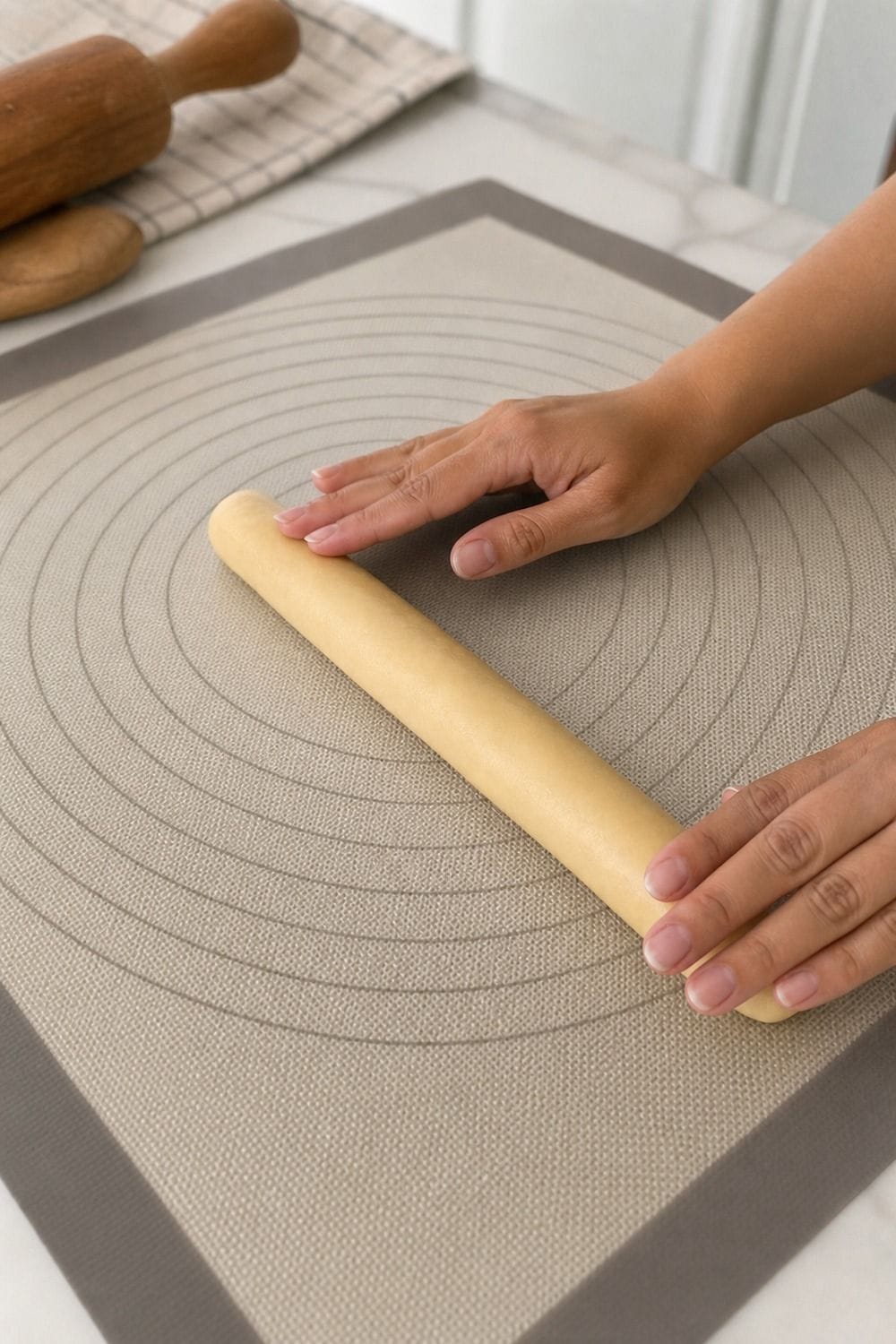
Slice-and-bake cookies need an even log before they go into the freezer. Use a silicone pastry mat to shape shortbread, sablé, pinwheel, cranberry orange, chocolate peppermint, or vanilla sprinkle dough into a cylinder with a steady diameter. A lopsided log gives you thin end pieces and thick center slices that bake unevenly. Square off the ends before wrapping if you want cleaner slices, and measure the log length if your recipe gives a target size for baking from the refrigerator.
9. Tightly Wrapped Cookie Dough Logs
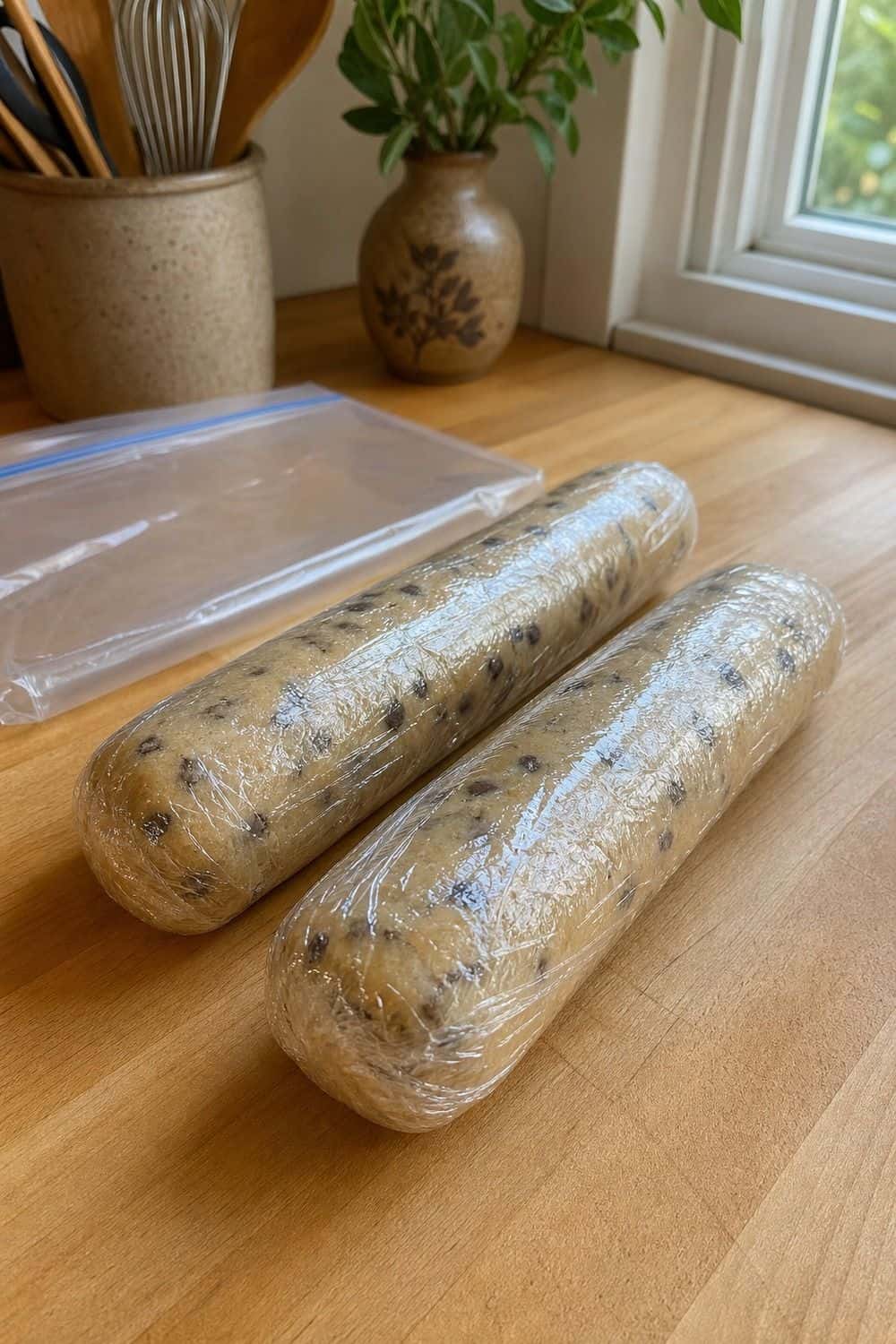
Tight wrapping protects dough logs from freezer burn and odor transfer. Wrap the log snugly in plastic wrap, twist or fold the ends, then place it in a freezer bag or container for a second layer of protection.
The wrap also helps preserve the round shape. If the log has flattened in the freezer, let it soften slightly in the refrigerator and roll it gently before slicing. Keep a label outside the final bag so you do not unwrap the dough just to identify the flavor.
10. Flat Discs for Cutout Dough
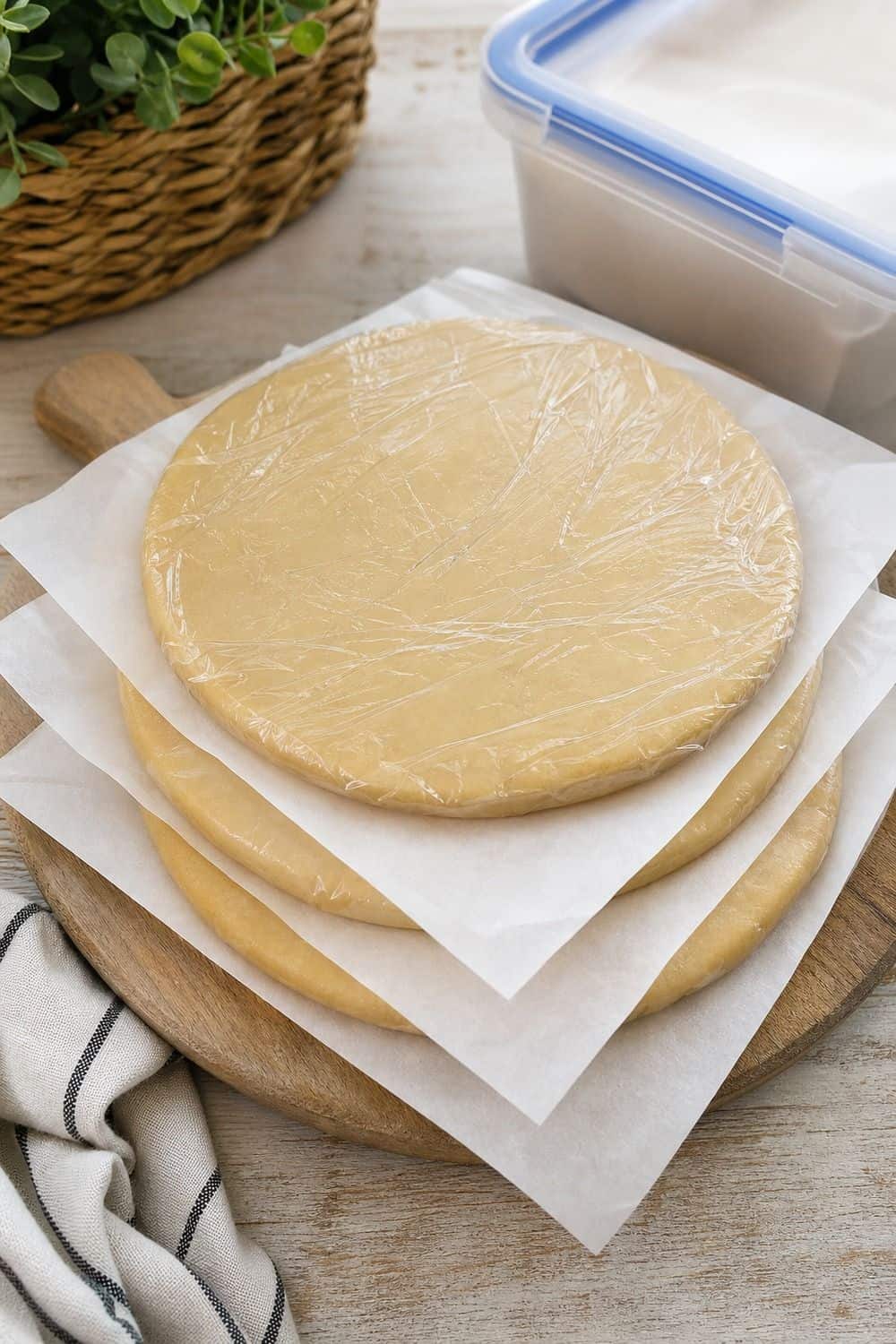
Cutout dough is easier to thaw and roll when it is frozen as flat discs instead of one thick block. Divide sugar cookie or gingerbread dough into manageable portions, wrap each disc well, and use freezer paper sheets or another protective layer before bagging.
Thaw the discs in the refrigerator, then let them soften only enough to roll without cracking. The dough should stay cool so the cut shapes hold their edges. If the disc is too thick, the outside softens before the center becomes workable.
11. Parchment Sheets for Cutout Dough
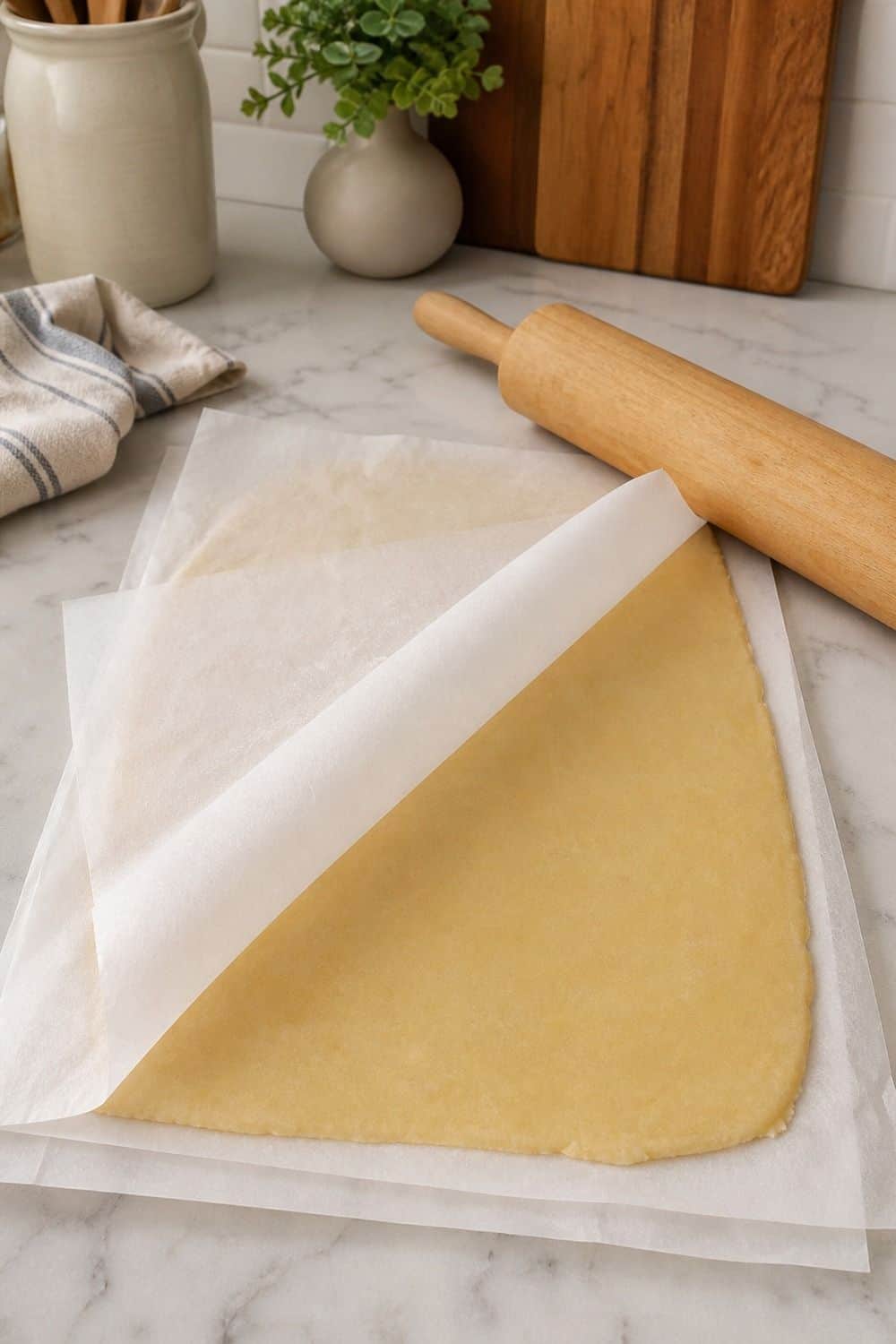
Rolling cutout dough between parchment sheets limits extra flour and makes the dough easier to move onto a tray. This works well for sugar cookies, gingerbread, and some shortbread doughs because the rolled sheet can chill flat before cutting. Less added flour helps keep the final cookies tender instead of tough. Mark the thickness on the label if you are stacking several rolled sheets, especially when different cutters need different dough depths for clean edges and even baking after freezing.
12. Pre-Cut Shapes Before Baking
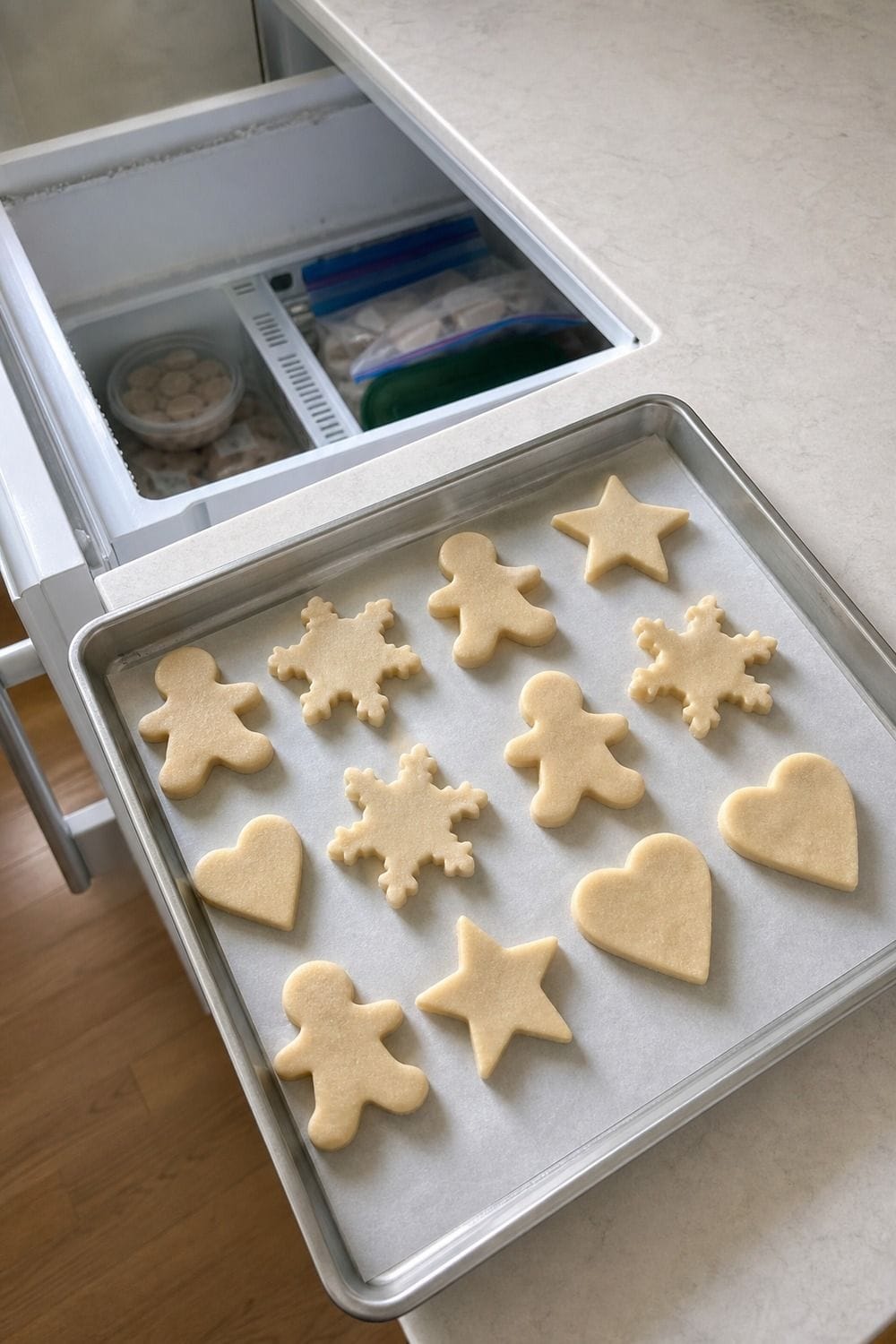
Detailed shapes often hold better when they are chilled or frozen briefly before baking. Cut gingerbread people, stars, snowflakes, hearts, or ornaments, move them onto a half sheet pan, and freeze until firm enough to handle cleanly.
Frozen cutouts may need an extra minute or two in the oven depending on the recipe. Leave enough space between shapes so edges bake cleanly. If the shapes soften while you decorate or move trays, chill them again before baking. This is especially helpful for gingerbread people, snowflakes, and ornament shapes with narrow pieces that can spread or bend.
13. Flat Layers for Cut Shapes
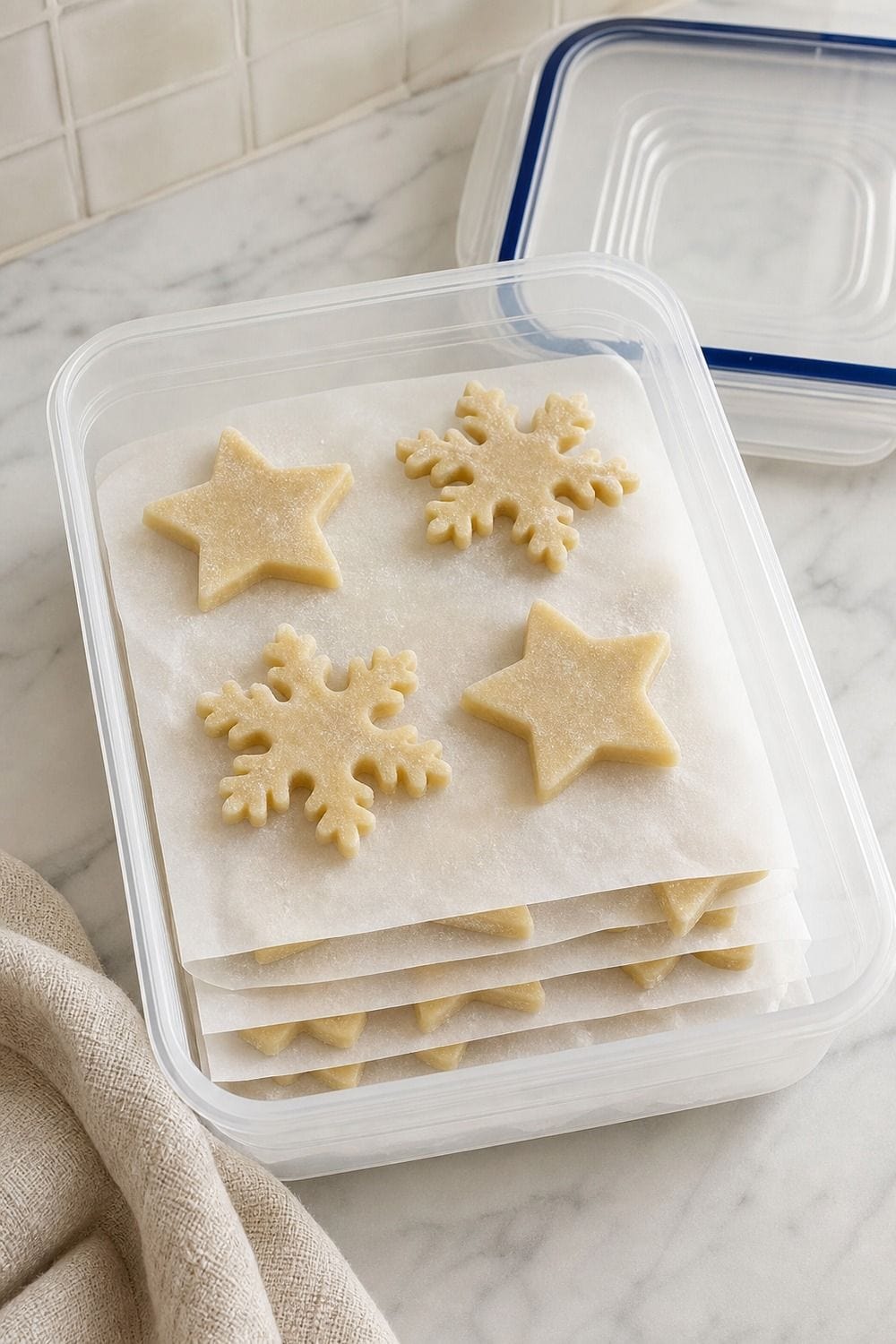
Once cut shapes are frozen firm, move them into flat food storage containers with parchment between layers. This protects snowflakes, stars, and thin gingerbread shapes from bending or snapping under freezer bags, frozen meals, or a heavy container of soup. Keep the container labeled with the bake time and decoration note. Flat storage also makes it easier to bake a few shapes at a time without thawing the entire container during holiday baking or decorating day prep, especially when cookie trays are baked in small batches.
14. Stuffed Cookie Dough Portions
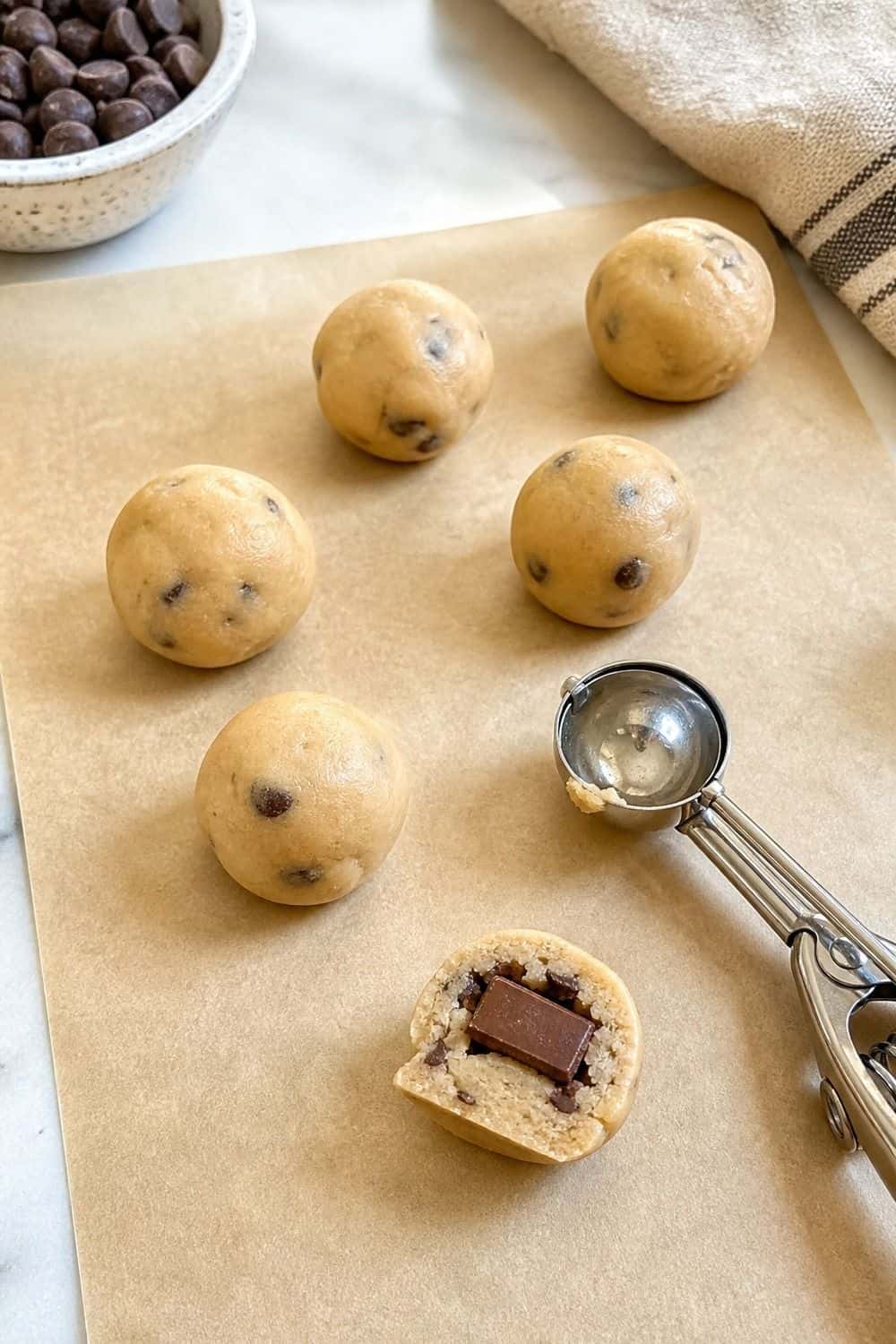
Stuffed cookie dough should be portioned before freezing so the filling stays enclosed. Use a mini cookie scoop for recipes designed around chocolate, caramel, peanut butter, marshmallow, jam, or cream-cheese-style centers, then freeze the portions firm before storage.
Follow the recipe’s food-safety guidance for perishable fillings. Freezing helps with shape, but it does not fix a filling that should not sit too long before baking. Keep stuffed portions separated until firm so the centers do not press through the outer dough.
15. Bar Cookie Dough in a Lined Pan
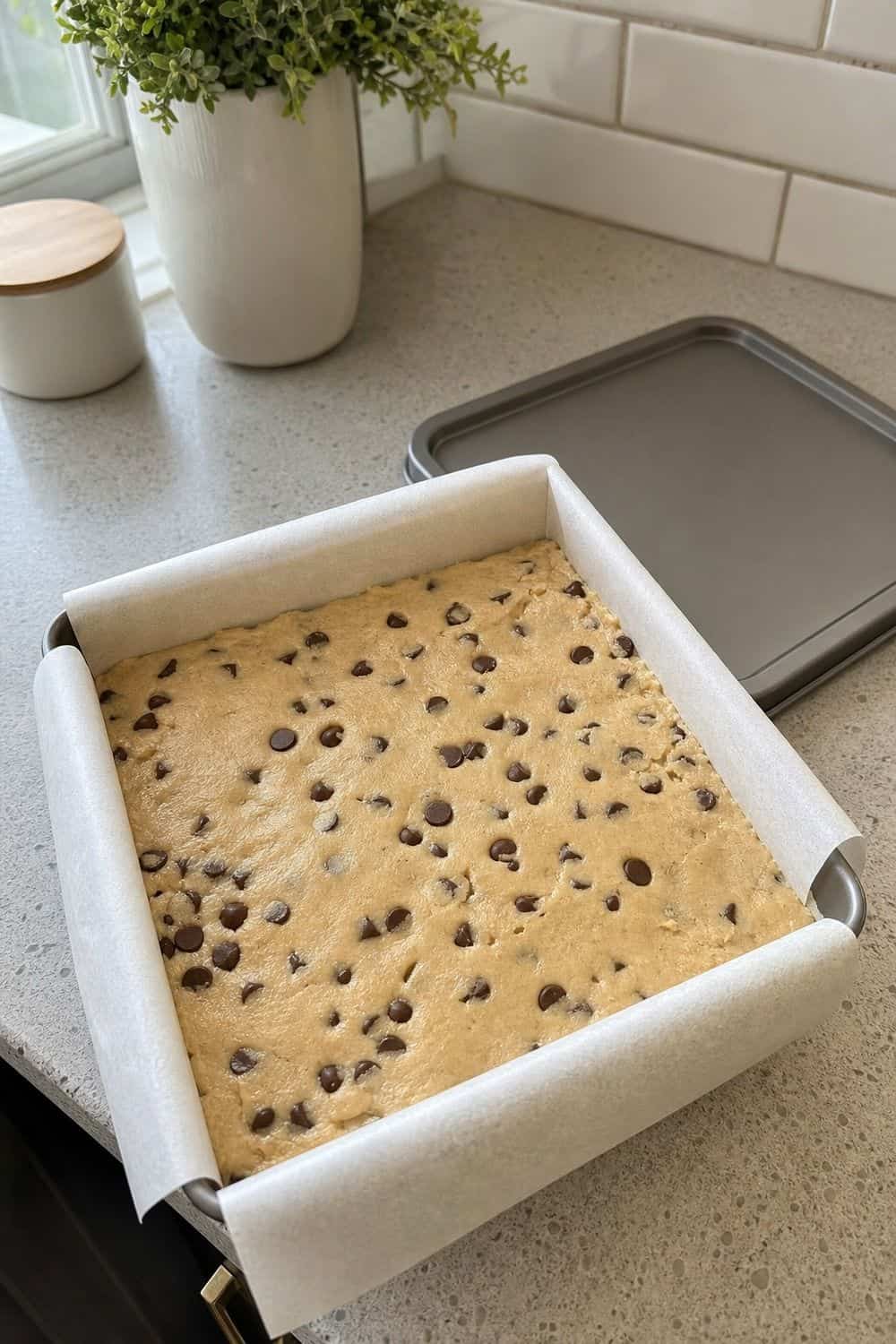
Some bar cookie dough can be staged before baking when the recipe supports it. Line a square baking pan, press in blondie dough, cookie bar dough, brookie dough, oatmeal bar dough, or shortbread base, then cover tightly for freezer storage.
This is unbaked dough prep, not finished bar storage. Label the pan or wrapped slab with baking instructions so it does not become a mystery block beside other holiday freezer food. If you remove the slab from the pan, keep the parchment attached for easier transfer back into a baking dish.
16. Single-Cookie Emergency Portions
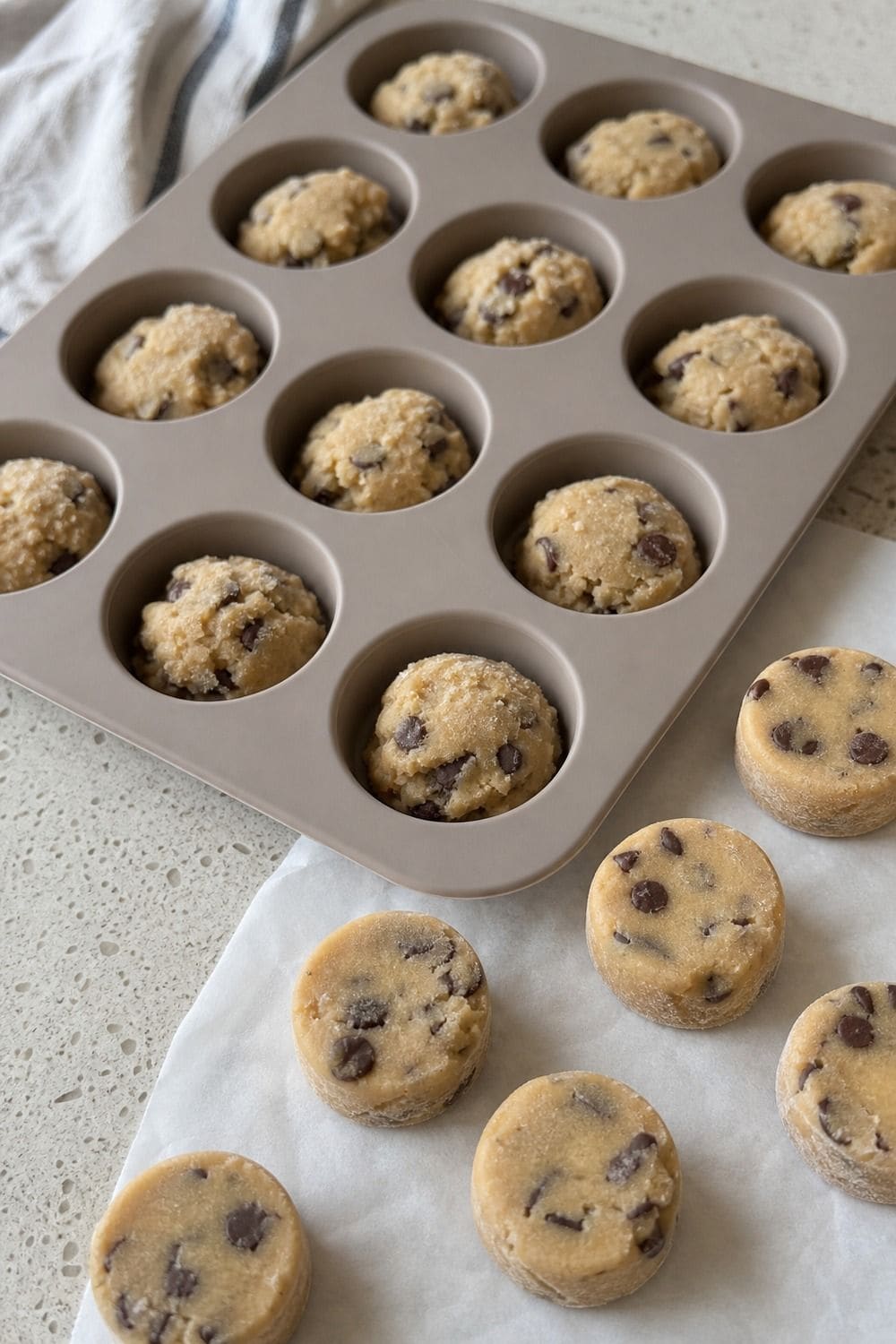
Single-cookie portions are perfect when you want one or two fresh cookies instead of a whole tray. Freeze small dough portions in a silicone cookie dough tray or mold, then transfer them once solid if the tray is needed again. Label the flavor and bake time, because tiny portions can overbake quickly if treated like full-size dough balls. This is useful for after-school cookies, late-night desserts, or testing a holiday flavor without thawing a whole freezer batch first on a busy baking night.
17. Separate Coatings and Toppings
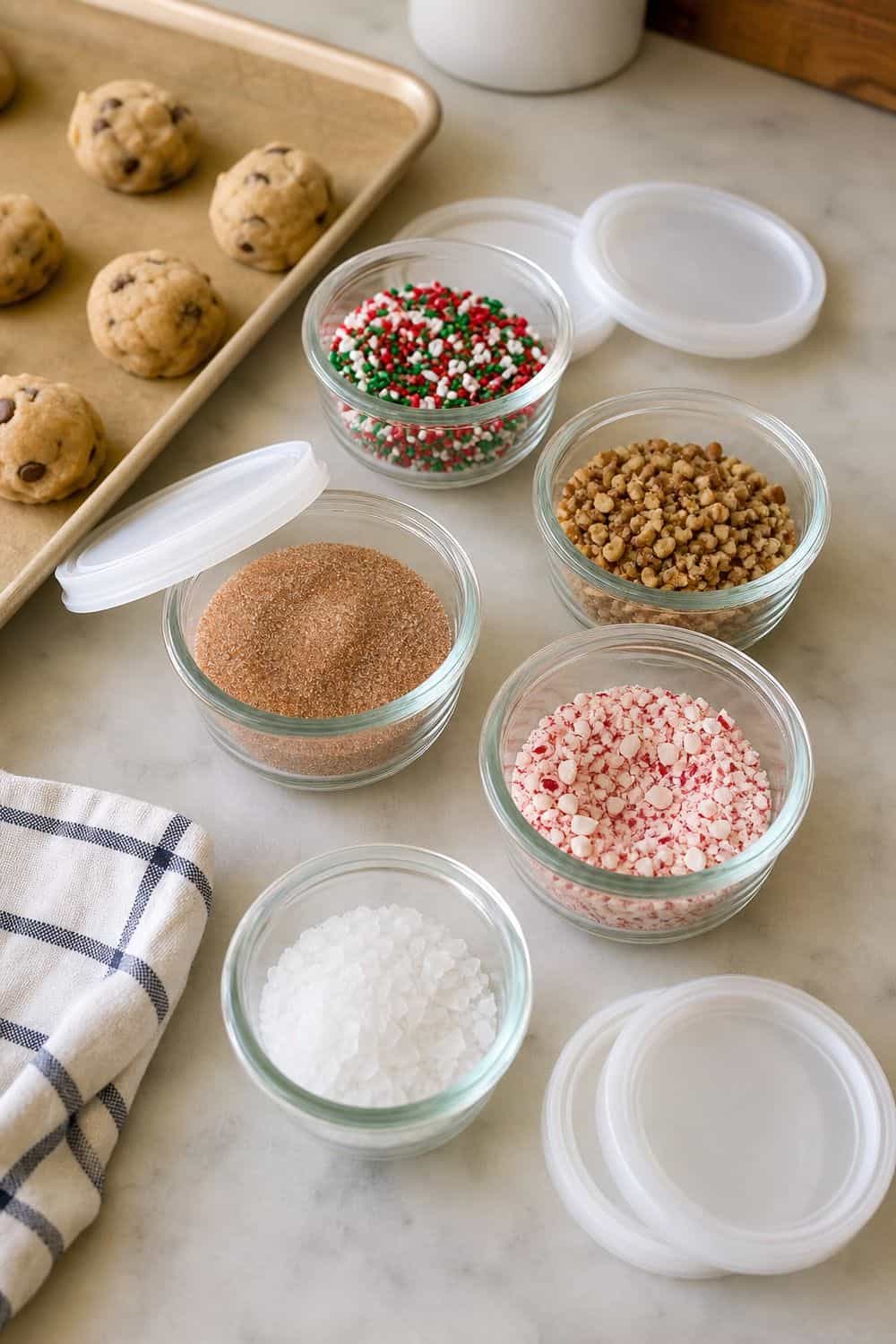
Some toppings do not love the freezer. Cinnamon sugar, sanding sugar, sprinkles, chopped nuts, crushed peppermint, pearl sugar, and flaky salt can get damp, bleed color, or lose texture when frozen on raw dough for too long.
Store toppings in small lidded prep bowls beside the dough plan or write the finishing step on the freezer label. Add them right before baking when texture and color matter. For snickerdoodles or sugar-coated cookies, note whether the dough should be rolled while frozen or slightly thawed.
18. Freezer Inventory for Dough
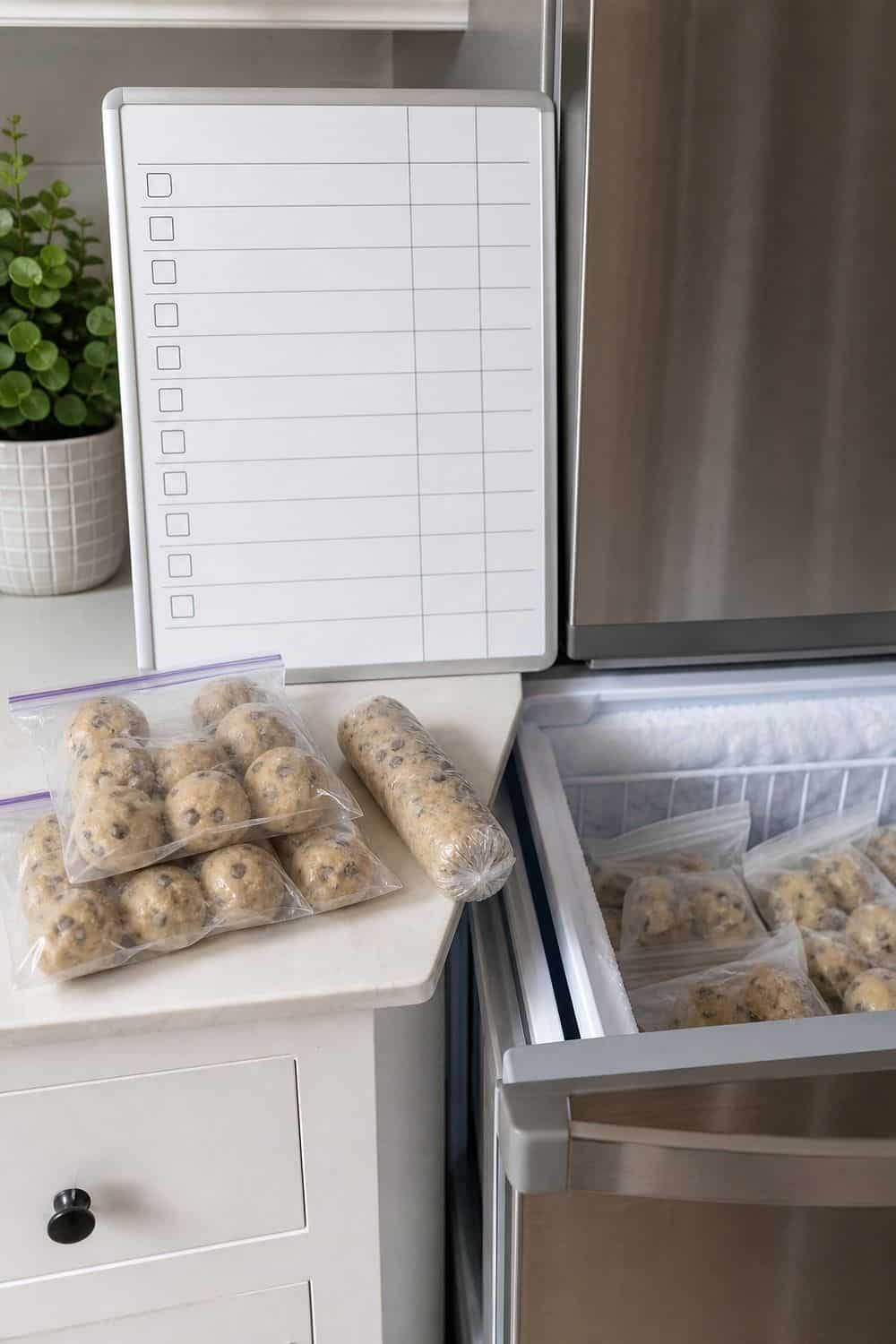
A cookie-dough freezer inventory keeps similar frozen bags from blending together. List the flavor, number of dough balls or logs, date frozen, and bake note on a whiteboard or simple tracker. This matters during holiday baking when chocolate chip, molasses, gingerbread, and sugar cookie dough can all look similar once wrapped. Update the count when you bake a few cookies, or the freezer will look stocked long after the best dough is gone from the labeled bin or shelf during December baking.
19. Refrigerator Thawing for Logs and Cutout Dough
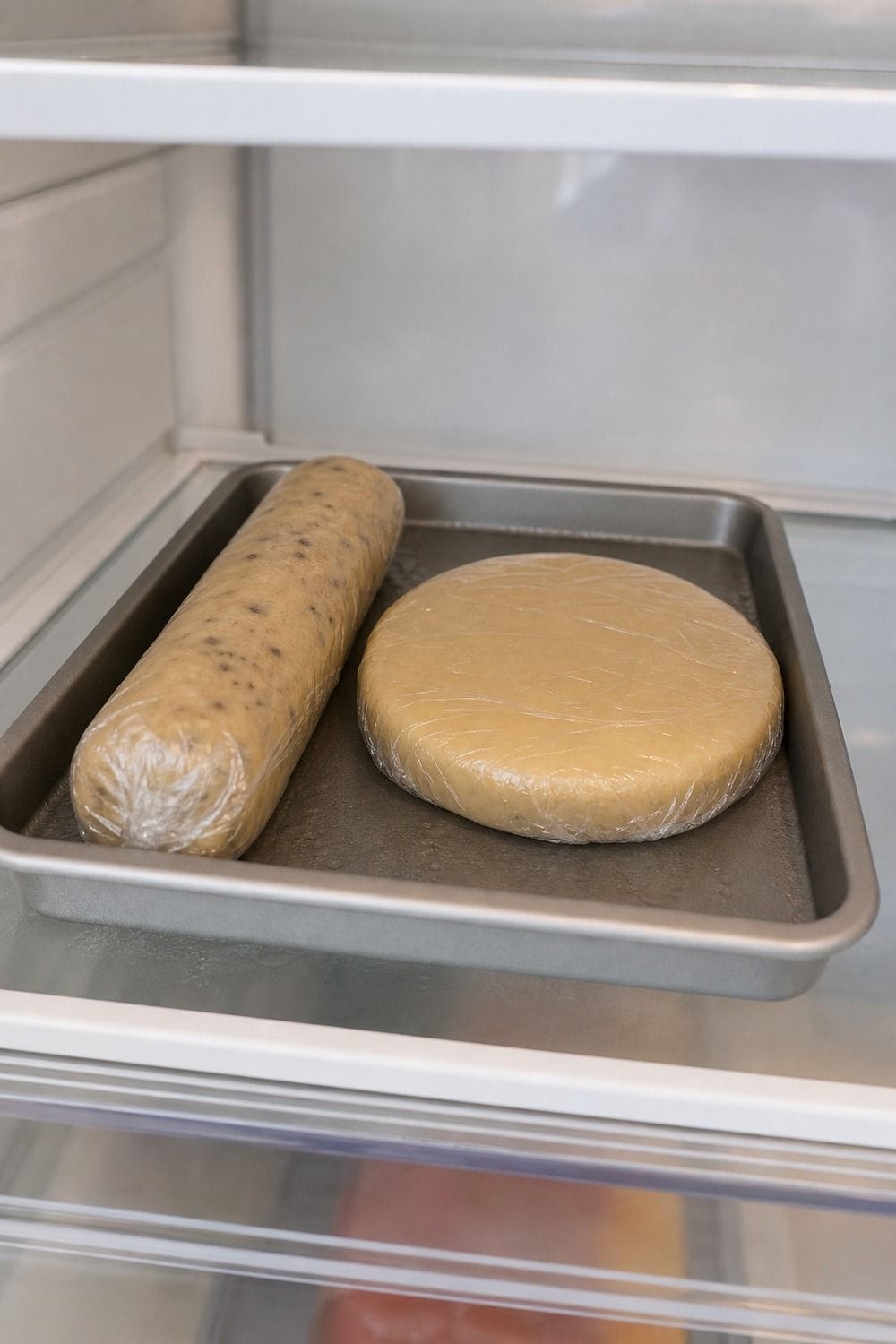
Slice-and-bake logs and cutout discs usually need refrigerator thawing before slicing or rolling. Set them on a refrigerator thawing tray to catch condensation and keep the dough together, then work while the dough is cold but not rock-hard.
Many portioned drop cookies can bake from frozen with extra time, but logs and cutout dough need a more controlled texture. Avoid long room-temperature thawing for egg-based doughs, and keep the tray covered if it will sit in the refrigerator overnight.
20. First Test Bake from Frozen
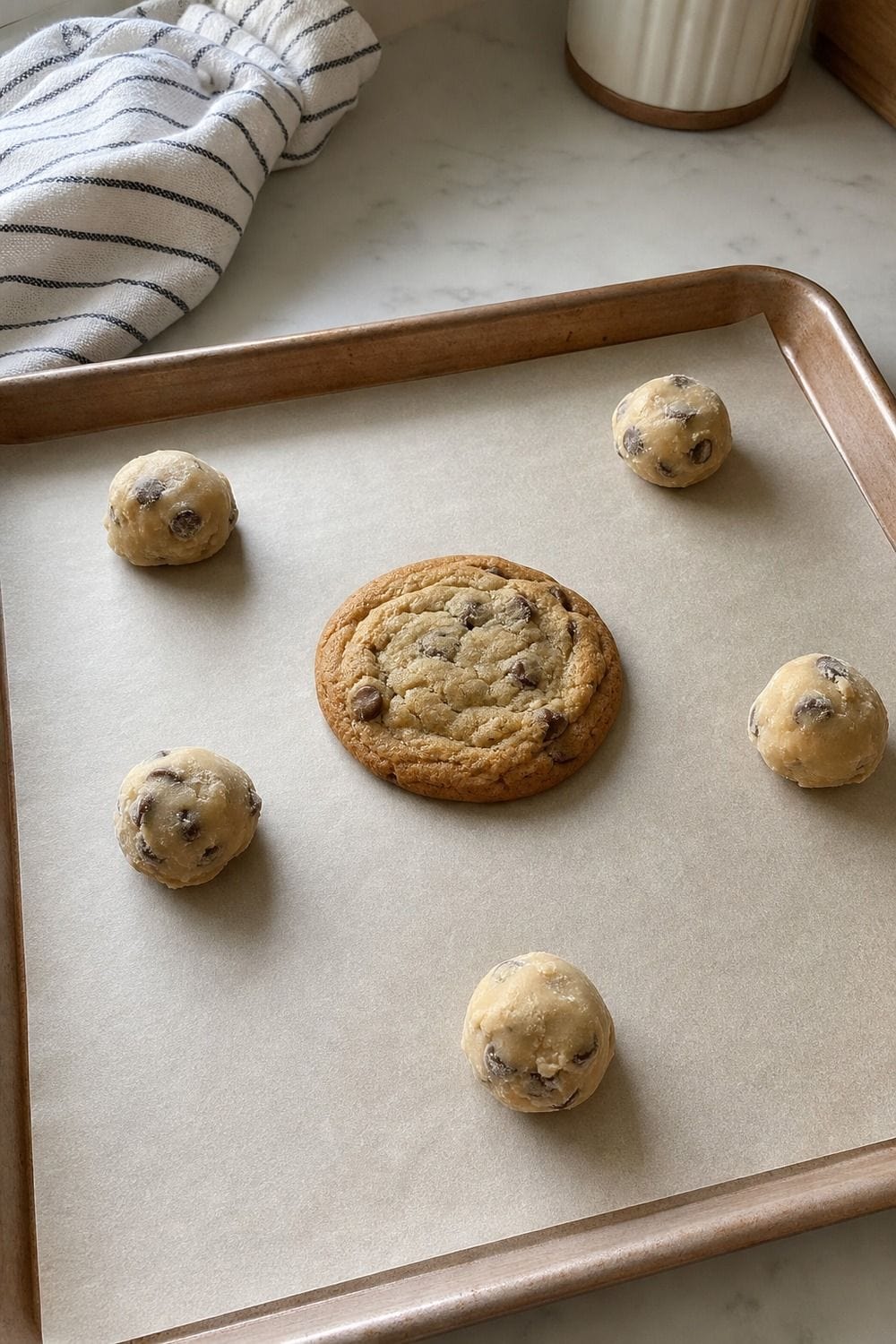
Test baking one frozen cookie saves the rest of the batch. Bake a single dough portion first to check spread, texture, color, and timing, especially when it is a new recipe or the dough has been frozen longer than usual.
Frozen dough may need extra time and enough space on the tray. An oven thermometer helps confirm the oven is actually at the temperature written on the label. Write the adjusted timing back on the freezer bag so the next batch is easier.
How to Choose the Right Cookie Dough Freezer Method
The easiest freezer method depends on the dough format. Drop-cookie doughs usually work best as scooped dough balls that are flash-frozen before bagging. Slice-and-bake doughs need even logs, tight wrapping, and refrigerator thawing before slicing. Cutout dough can be frozen as discs, rolled sheets, or cut shapes depending on how far ahead you want to prep.
Cookie dough freezer prep is most helpful when it stays focused on unbaked dough. Finished-cookie storage, cookie box packaging, and broad holiday freezer planning can support the reason you prep, but they should not take over the dough workflow.
What Cookie Doughs Freeze Best
Chocolate chip, oatmeal, peanut butter, snickerdoodle, molasses, shortbread, sugar cookie, gingerbread, and many sturdy butter-based doughs are usually strong freezer candidates. They have enough structure to portion, wrap, thaw, or bake from frozen without becoming too fragile.
Delicate lace cookies, tuiles, meringue-style cookies, very thin batters, and doughs with toppings or fillings that do not freeze well are weaker choices. When in doubt, freeze a small test portion before storing a full batch in the freezer.
Frequently Asked Questions About Cookie Dough Freezer Prep Ideas
Can you freeze cookie dough?
Yes, many cookie doughs freeze well when they are portioned, wrapped, labeled, and protected from air. Drop cookies, shortbread, sugar cookie dough, gingerbread, oatmeal dough, and peanut butter dough are common freezer-friendly choices.
What kinds of cookie dough freeze best?
Sturdy doughs freeze best, including chocolate chip, oatmeal, peanut butter, snickerdoodle, molasses, shortbread, sugar cookie, and gingerbread dough. Delicate lace cookies, meringue-style cookies, tuiles, and thin batter-style cookies are usually weaker candidates for raw dough freezing.
Can you bake cookie dough straight from frozen?
Many frozen drop-cookie dough balls can bake from frozen with a few extra minutes, depending on the recipe. Slice-and-bake logs and cutout dough usually need refrigerator thawing before slicing, rolling, or cutting so the dough is workable.
How do you freeze cookie dough balls?
Scoop the dough into even balls, place them on a lined rimmed baking sheet, and freeze until firm. Once solid, transfer the dough balls to labeled freezer bags with the cookie name, date, oven temperature, and bake time.
How do you freeze slice-and-bake cookie dough?
Shape slice-and-bake dough into an even log, wrap it tightly, and place it in a freezer bag or container. Thaw the log in the refrigerator until it is firm but sliceable, then cut and bake according to the recipe.
Can you freeze sugar cookie dough for cutouts?
Yes. Sugar cookie dough can be frozen as discs, rolled sheets, or cut shapes depending on your baking plan. Thaw discs in the refrigerator, roll while cool, and chill or freeze detailed shapes briefly before baking if the recipe benefits from it.
How long can cookie dough stay in the freezer?
For best quality, use frozen cookie dough within a reasonable freezer window and follow the recipe’s storage guidance. Good wrapping, airtight bags, labels, and protection from freezer odors help preserve texture and flavor.
Should cookie dough be thawed before baking?
It depends on the dough format. Drop-cookie dough balls often bake from frozen with extra time, while slice-and-bake logs and cutout dough usually need refrigerator thawing before slicing or rolling. Labels should say which method each dough needs.
Final Thoughts
Cookie dough freezer prep ideas are most useful when every dough has a clear shape, protective wrapping, and a label that tells you how to bake it later. Once dough balls, logs, discs, cut shapes, toppings, and test-bake notes are organized, fresh cookies become much easier to pull off without starting from scratch.
Last update on 2026-09-18 / Affiliate links / Images from Amazon Product Advertising API