
A good produce washing and storage routine starts with clean hands and tools, sorts produce by wash timing, washes fruits and vegetables before eating or cutting, dries washed produce thoroughly, stores each type by its moisture and ripening needs, and keeps an eat-first plan so fresh food does not disappear in the fridge.
Produce care gets easier when you stop treating every fruit and vegetable the same way after grocery shopping. Some items should stay dry until you use them, some should be washed before cutting, and anything washed ahead needs enough drying time before it goes into storage.
This routine is meant to be practical, not decorative. It covers the sink setup, wash timing, drying, storage zones, cut produce, raw-meat separation, ethylene, herbs, crunchy snacks, freezer rescue, and a quick check before the next grocery run.
Top Recommended Products


You Might Also Like These Blog Posts
- How To Store Berries
- How To Store Lettuce And Greens
- Healthy Fridge Prep
- Weekly Fridge Cleanout Routine
- Pantry Inventory Ideas
Produce Washing and Storage Routine Ideas That Prevent Waste
1. Start With a Clean Sink and Counter

Begin by washing your hands, clearing the sink, and wiping the counter or prep surface before produce touches it. Fruits and vegetables are often eaten raw, so a dirty sink can undo careful rinsing later.
Use a dedicated sink brush or cleaning tool for the station, then move raw meat packages, dish sponges, and leaky grocery bags away from the area. A clean starting point makes the rest of the produce washing routine feel calmer, safer, and easier to repeat after shopping.
2. Sort Produce Before Washing Anything
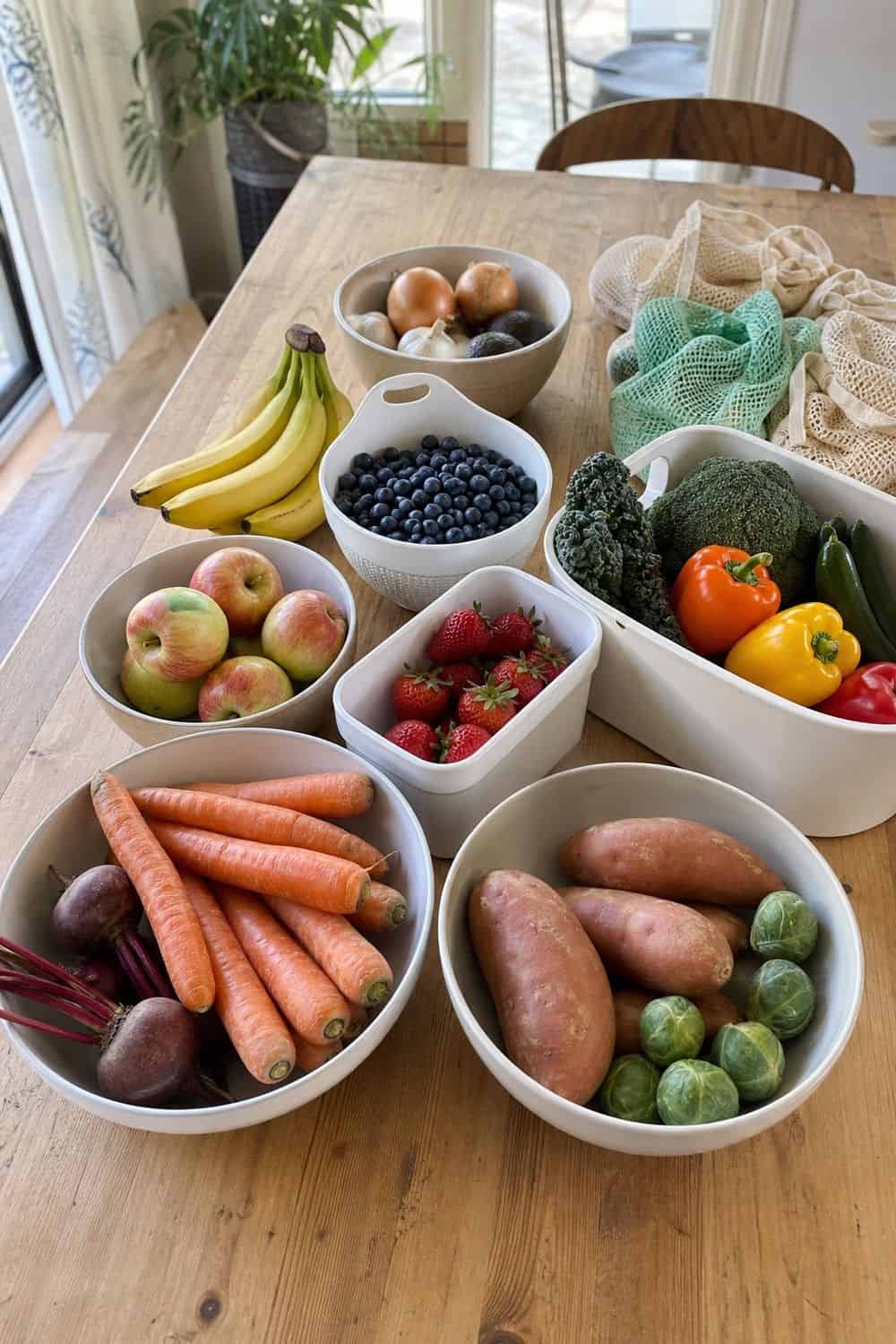
Sort produce before turning on the water so one automatic habit does not shorten the life of delicate items. Make quick groups for wash-now, leave-dry, counter storage, fridge storage, cook-first, and freeze-soon. Bins or bowls can help during the intake routine, especially after a larger grocery trip. This step is less about a fancy display and more about keeping berries dry, greens from getting soggy, and ripe produce from being forgotten behind sturdier vegetables in the fridge drawer after shopping.
3. Leave Berries Dry Until Eating
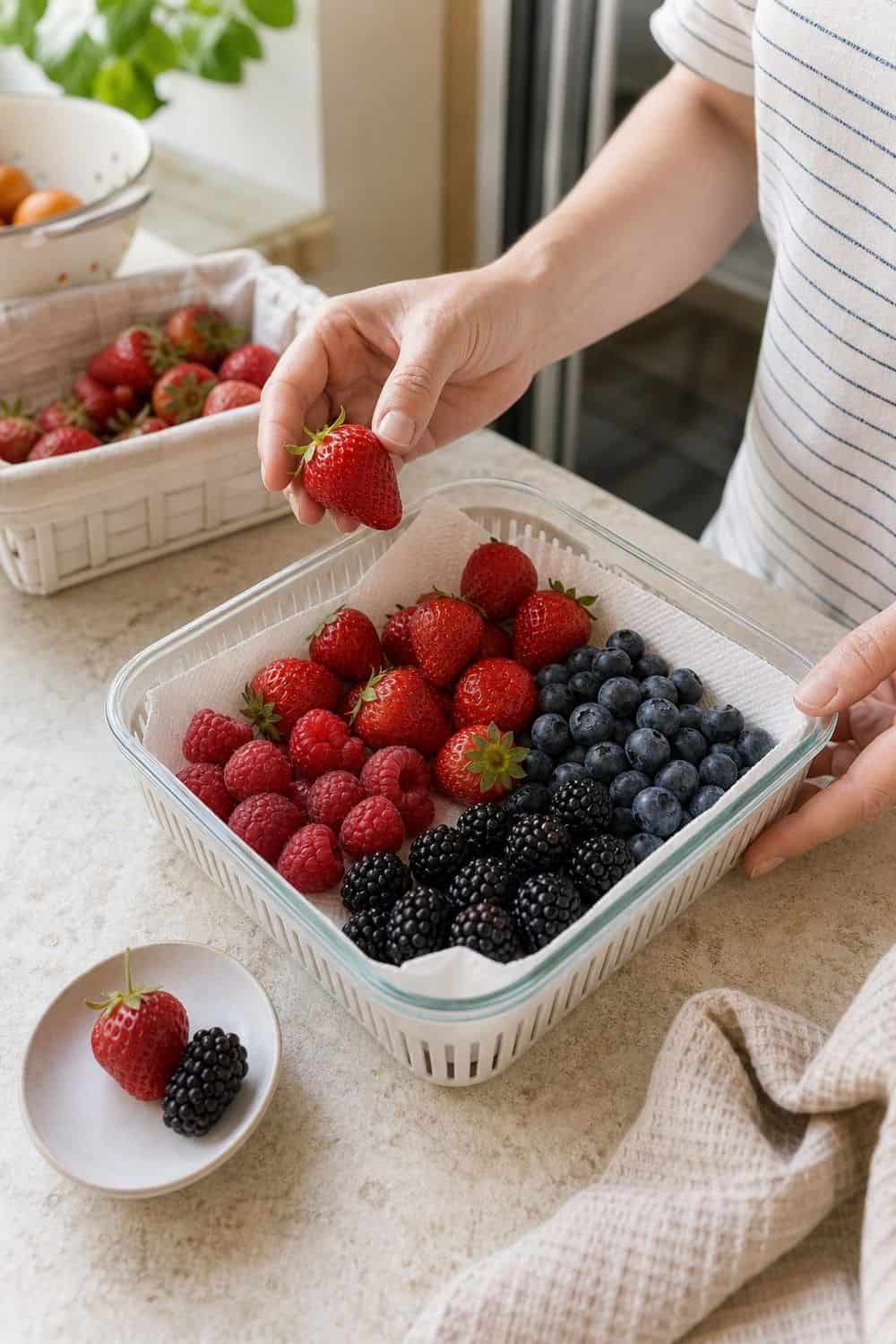
Strawberries, blueberries, raspberries, and blackberries are fragile, so moisture can speed mold and soft spots if they are washed too early. In most routines, berries do best stored dry until you are ready to eat or use them.
If berries must be washed ahead, dry them extremely well before storage and use a container that gives them protection and a little airflow. Keep this step simple: inspect, remove damaged berries, store dry, and rinse close to serving whenever possible, especially when berries are very ripe.
4. Keep Pre-Washed Greens in Their Package
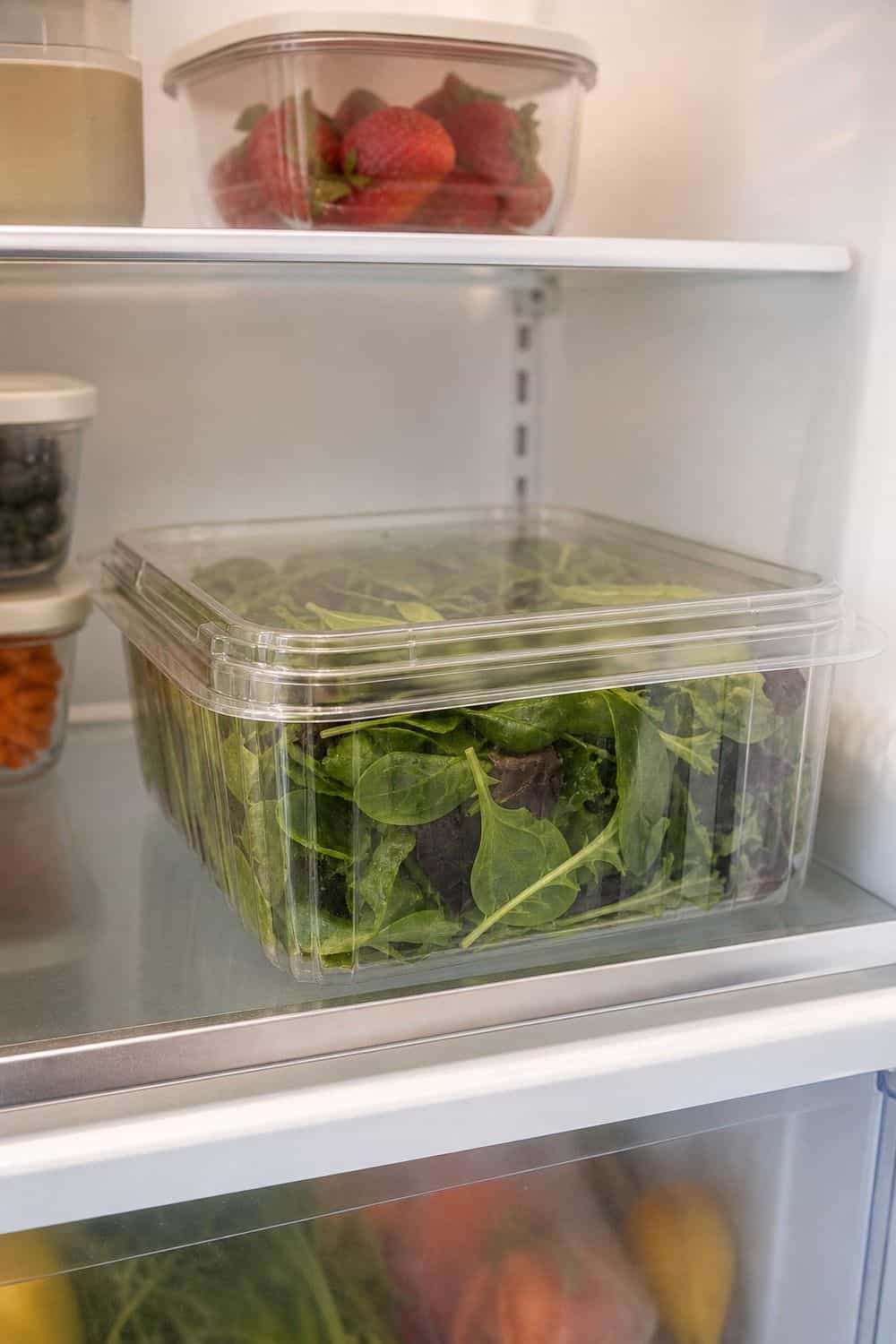
Greens labeled pre-washed, triple-washed, or ready-to-eat usually do not need another wash at home. Extra handling can introduce contamination, especially if the sink, hands, towels, or spinner are not completely clean. Check the package for wet, slimy, wilted, or damaged leaves, and discard anything that looks spoiled.
If the greens are clean and dry in their original clamshell or bag, keeping them there can be the safest and simplest storage choice until serving, lunch packing, salad prep, or meal prep.
5. Wash Loose Greens Only When You Can Dry Them
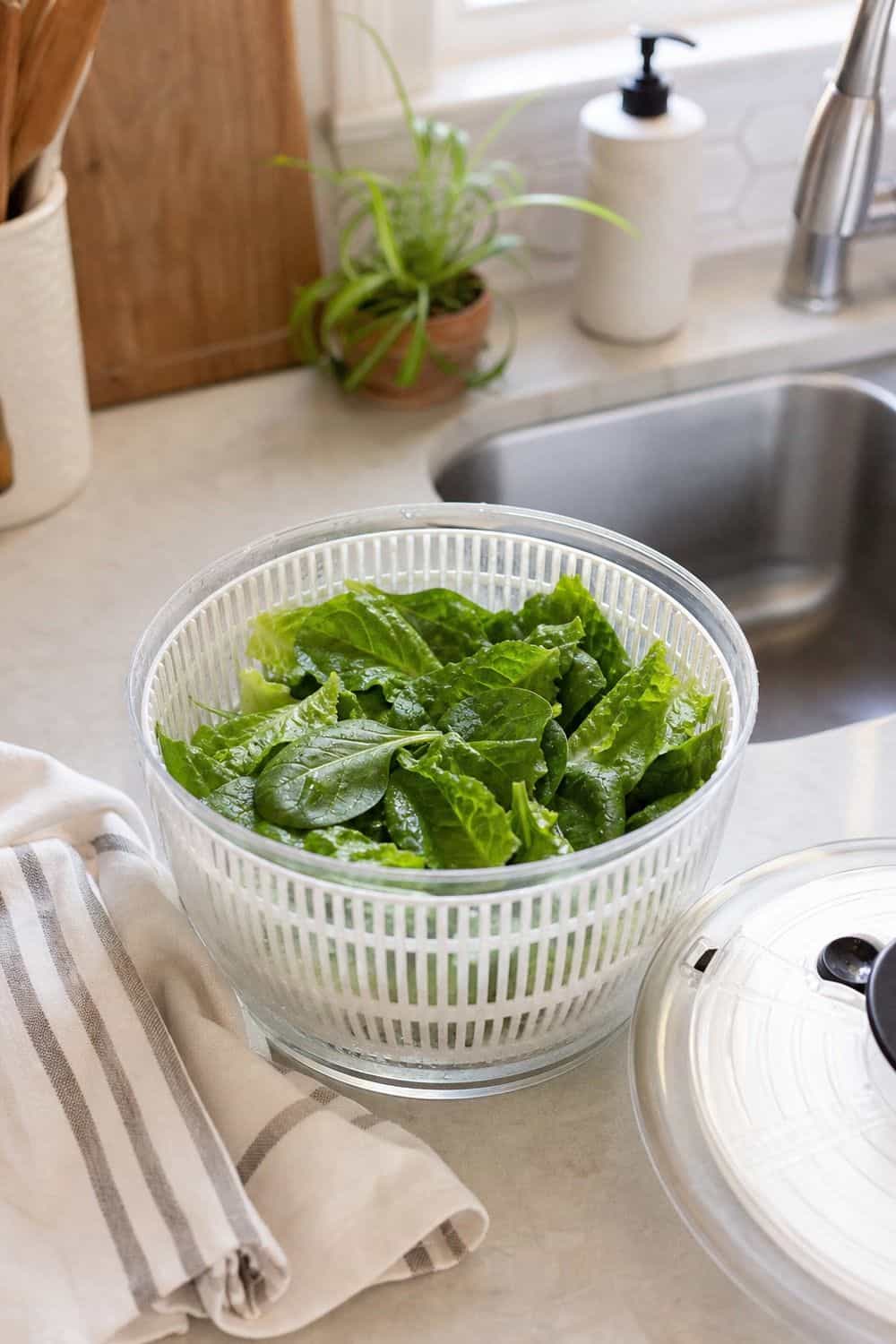
Loose romaine, spinach, kale, chard, arugula, and lettuce can be washed before use or prep, but only if you have time and space to dry them well. Wet greens collapse quickly and can turn slimy in storage. A salad spinner helps remove more water than shaking leaves in a colander. If you cannot dry a big batch thoroughly, wash a smaller amount for the next meal and leave the rest unwashed until you can handle it properly without trapping moisture in the fridge.
6. Scrub Firm Produce Before Cutting
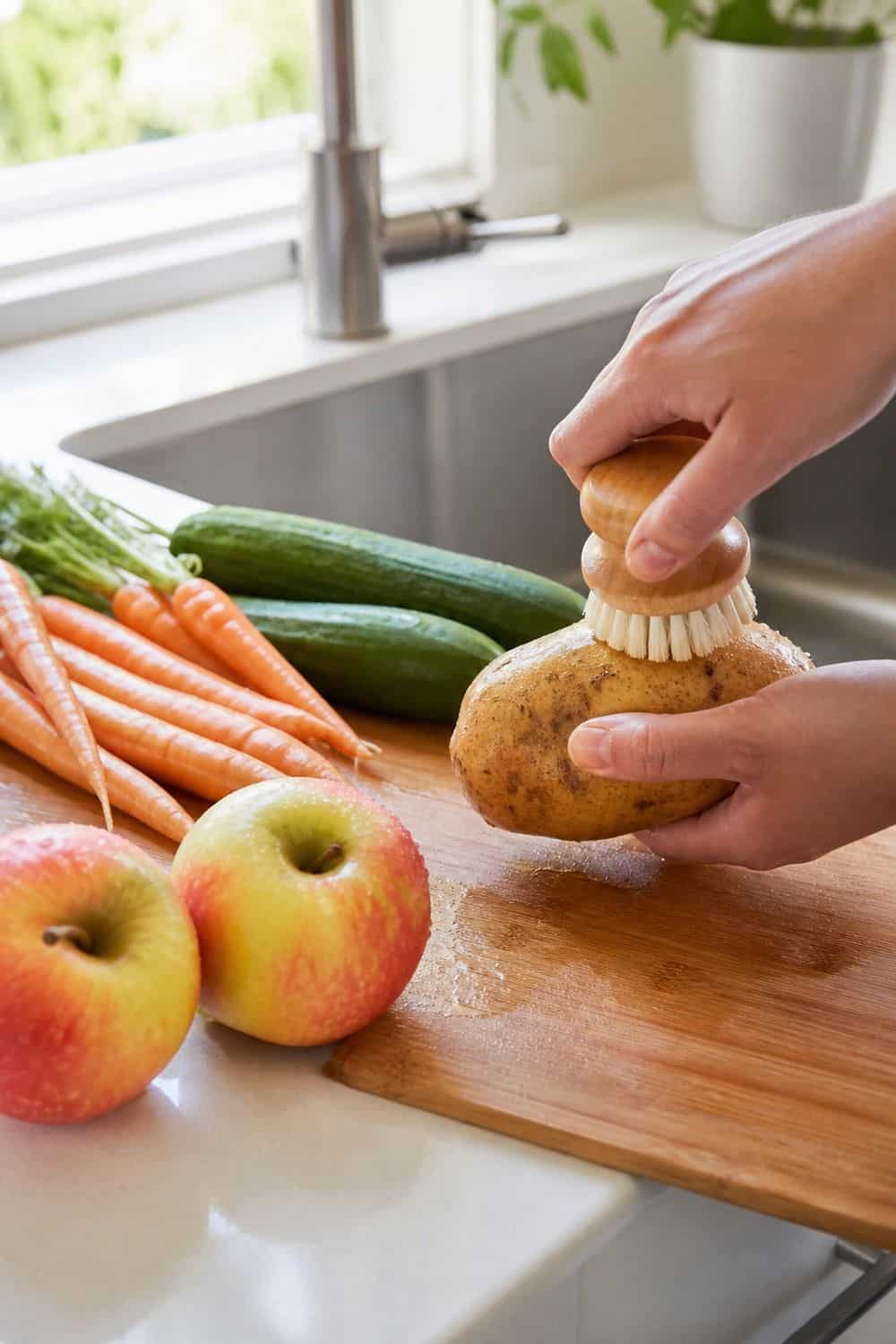
Firm produce should be rinsed or scrubbed before cutting, even when you do not plan to eat the peel. Potatoes, carrots, beets, cucumbers, apples, squash, citrus, and melons can carry dirt on the surface. Once a knife cuts through the skin or rind, surface contamination can move inward. Use cool running water and a vegetable brush for sturdy skins, then dry the produce before slicing. Skip soap, bleach, and produce washes; water and friction are the routine here for everyday home prep.
7. Rinse Delicate Produce Gently

Soft produce needs a lighter touch than potatoes or carrots. Mushrooms, herbs, ripe tomatoes, peaches, and delicate fruit can bruise, absorb water, or lose texture if they are handled roughly under a hard stream. Use cool running water, gentle movement, and a colander that supports the produce without crushing it. Let delicate pieces drain well before they touch a towel or container. This keeps the washing step useful without turning fresh produce mushy or bruised during prep, especially when fruit is already ripe.
8. Dry Washed Produce Completely

Drying is not optional when produce is washed ahead. Extra moisture can encourage faster spoilage, make greens collapse, soften fruit skins, and create puddles inside storage containers. Use clean flour sack towels, paper towels, or a spinner depending on the produce. Pat fruit and vegetables gently, spread damp herbs or greens briefly if needed, and do not seal wet produce into a container just because the washing step is finished. Drying protects both texture and storage life at home after grocery shopping.
9. Store Cut Produce in Clear Containers
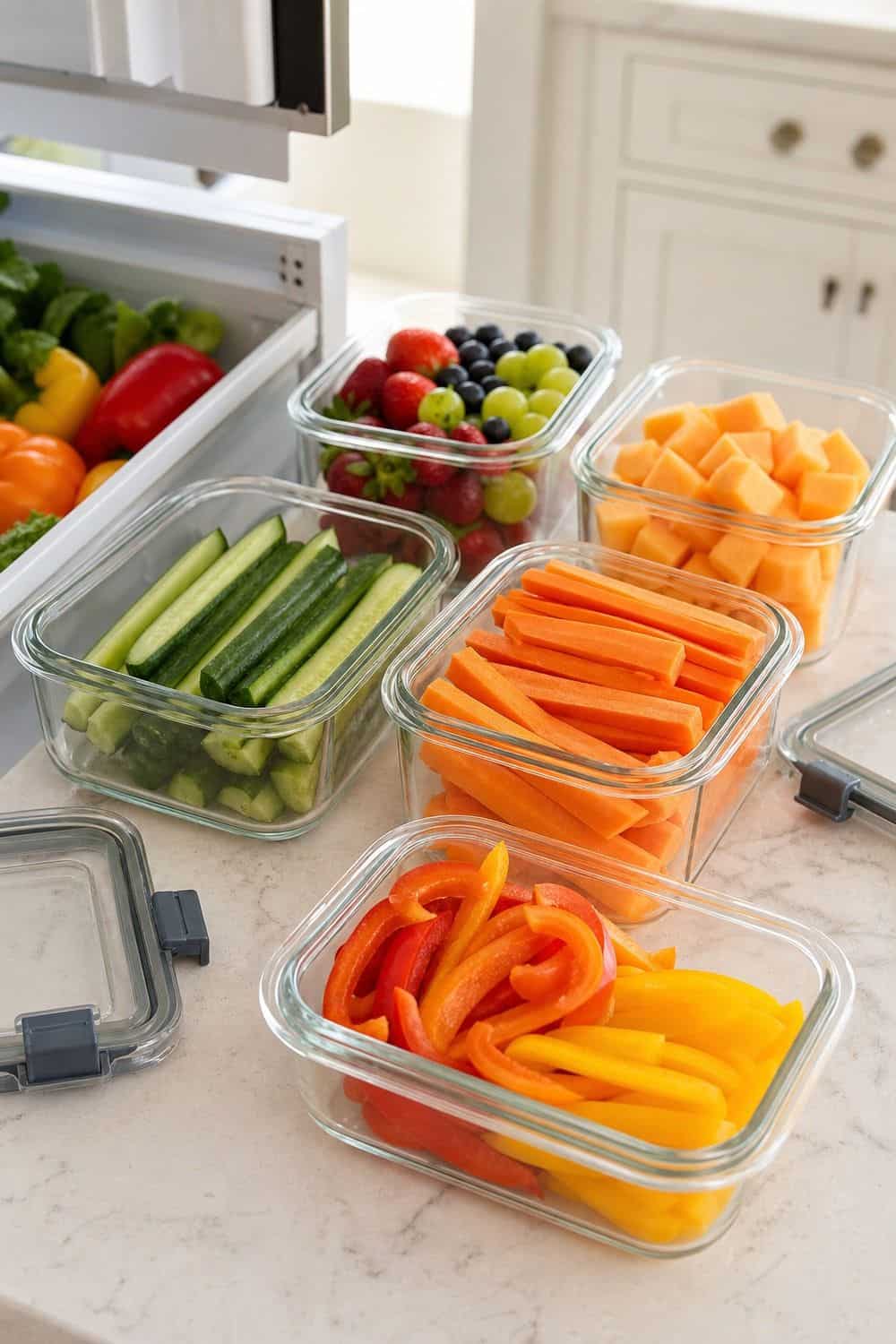
Once produce is cut, peeled, trimmed, or chopped, it needs clean covered storage and prompt refrigeration if it is perishable. Clear containers help you see melon, cucumbers, peppers, carrots, pineapple, washed greens, or snack vegetables before they get buried.
Choose containers that close well and stack without hiding everything in the back of the fridge. Keep cut produce cold, use clean utensils, and avoid mixing fresh-cut fruit with older pieces that are already soft or leaking. Visibility helps the food get eaten sooner.
10. Date Prepped Produce Before It Disappears
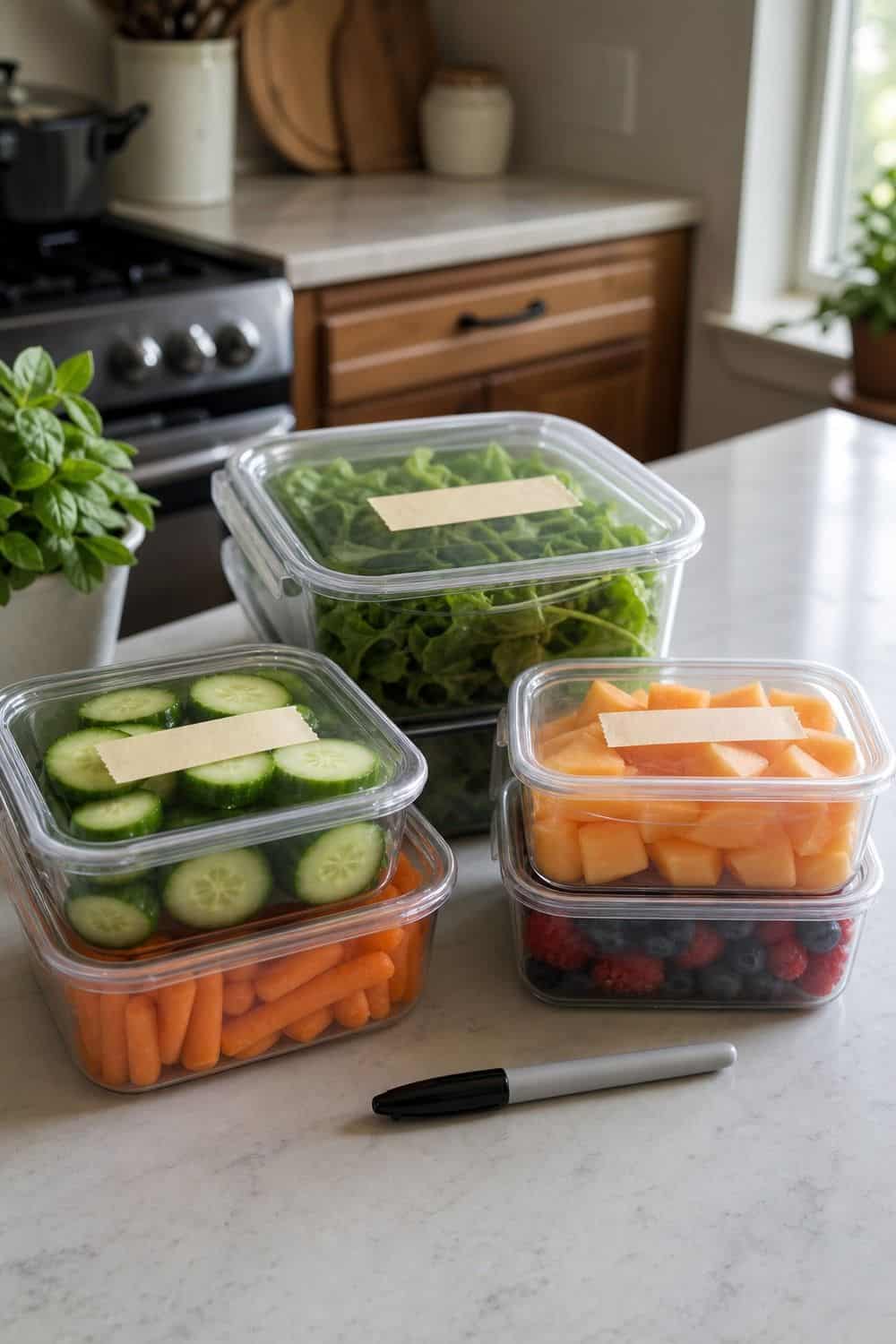
Labels make washed or cut produce easier to use before quality drops. A simple note with the item and prep date is usually enough, especially for chopped vegetables, cut fruit, washed greens, and herbs. Removable labels are helpful because containers move between fridge shelves, lunch prep, and leftovers. Add an “eat first” note when something is ripe or already washed. This is a produce routine, not a full inventory system, so keep the label habit quick, visible, and simple for everyone.
11. Keep Raw Meat Away From Ready Produce
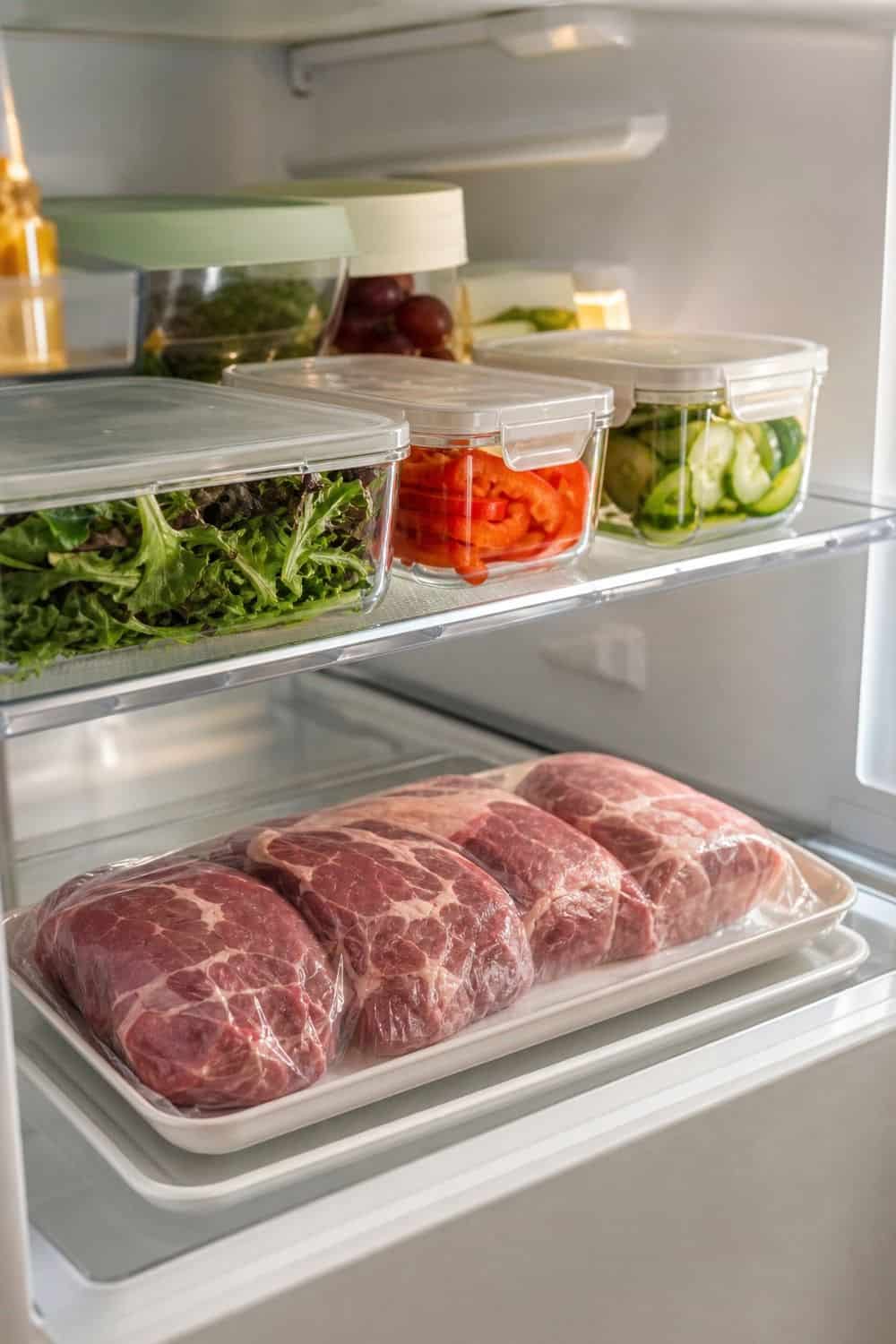
Ready-to-eat produce should not sit below raw meat, poultry, seafood, or leaky egg cartons. If a package drips, fruit and vegetables that might be eaten raw can become unsafe very quickly in the fridge.
Use fridge bins to define a produce-safe zone or to contain raw foods separately on a lower shelf. This step is about food safety first, not making the fridge look pretty. Keep washed greens, cut fruit, and snack vegetables protected from drips, torn packaging, and messy shelves.
12. Use Crisper Drawers by Produce Behavior
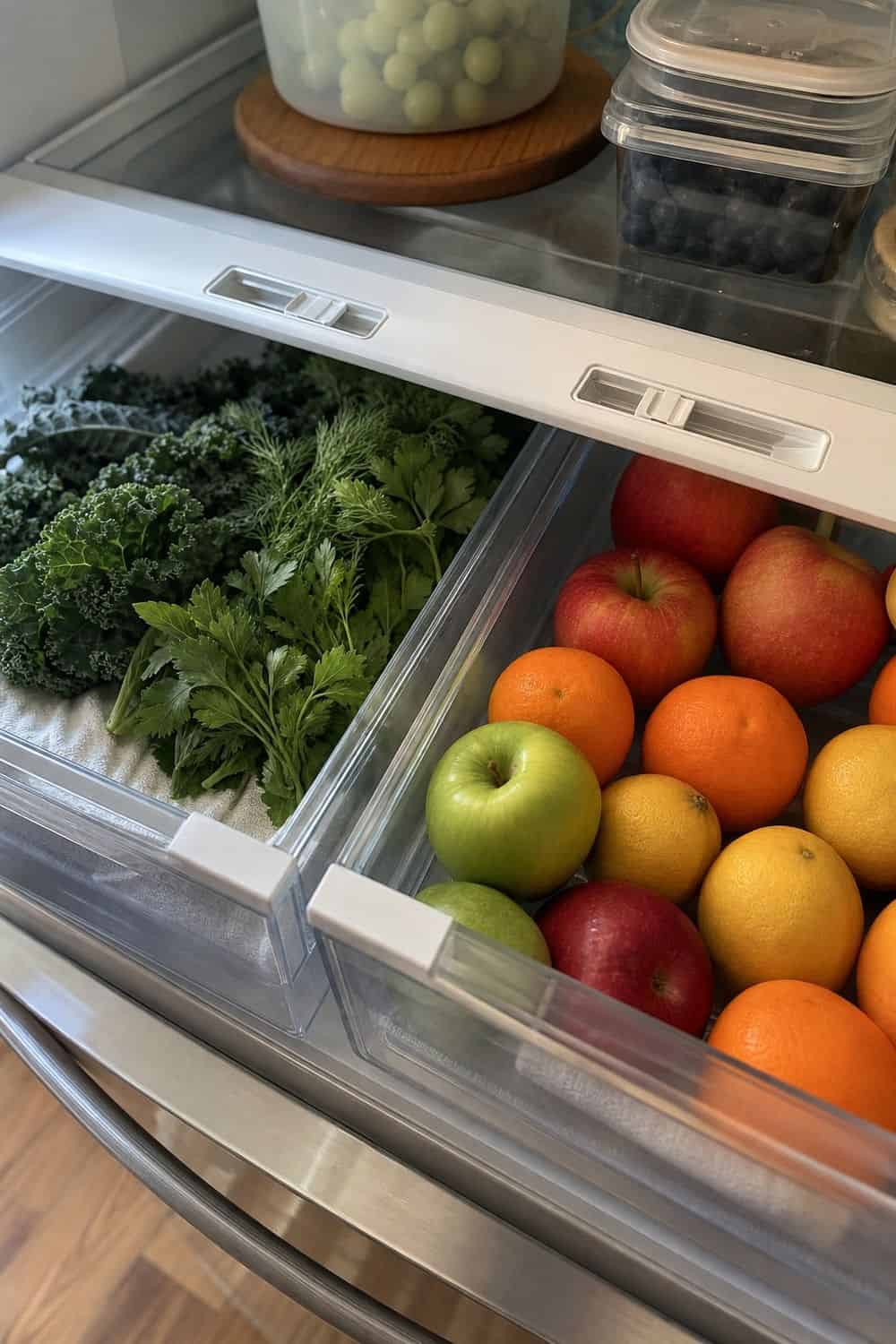
Crisper drawers work better when they are used by produce behavior instead of as random storage. Leafy greens and many vegetables often benefit from a more humid drawer, while some fruits need different handling and more separation. Drawer liners can help manage small moisture issues and make cleanup easier after loose leaves, onion skins, or fruit drips. Do not overpack the drawer so tightly that air cannot move, and check stored produce often enough to catch soft spots early during the week.
13. Separate Ethylene Producers From Sensitive Produce
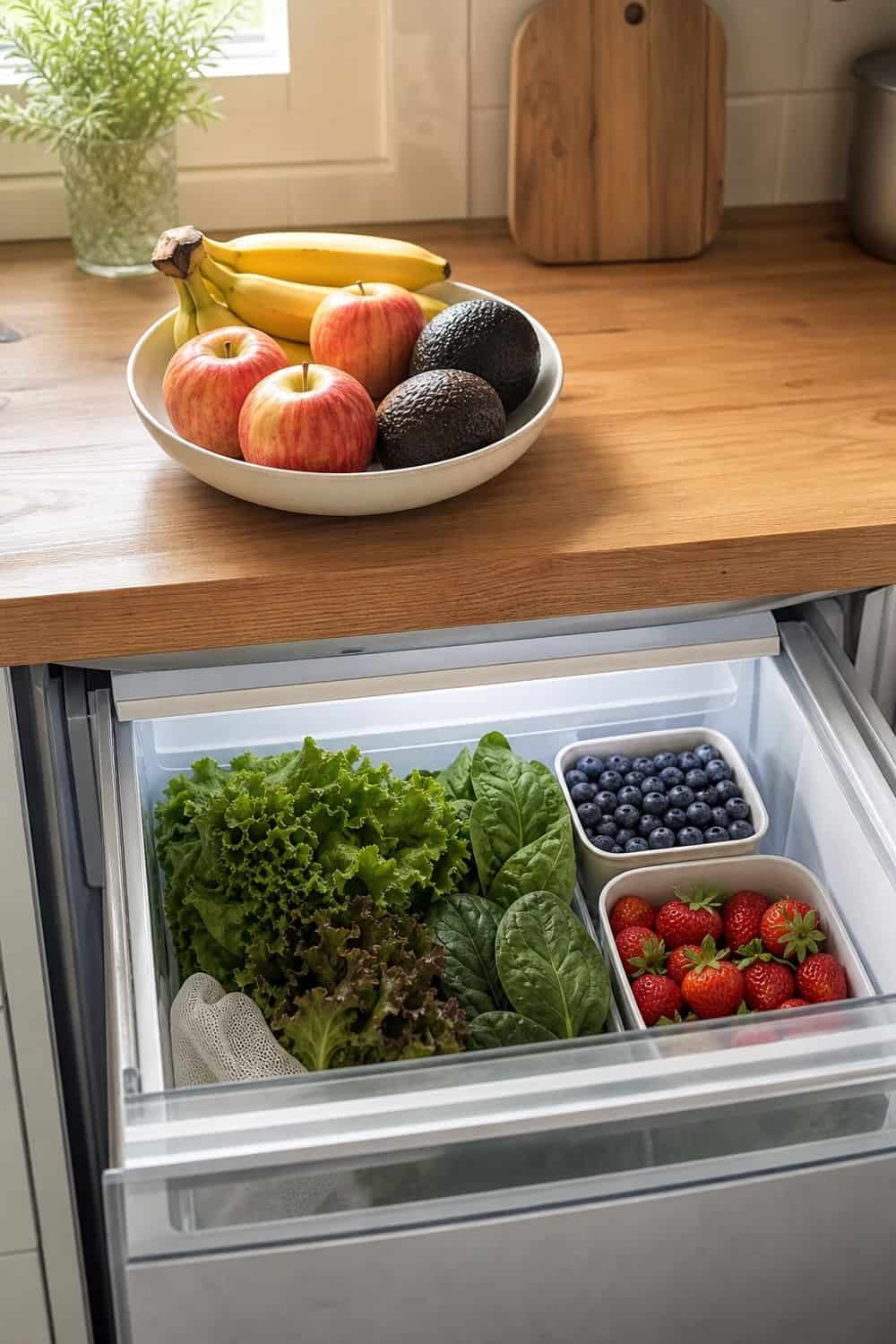
Some fruits give off ethylene as they ripen, which can make sensitive produce wilt, yellow, or soften faster nearby. Apples, bananas, avocados, peaches, and tomatoes are common examples to watch. Keep those away from greens, broccoli, cucumbers, and delicate berries when possible. Separate bags, bins, or fridge zones can help without turning the fridge into a complicated system. This keeps one ripe fruit from pushing everything else downhill too quickly during the week, especially in a packed fridge drawer or produce bin.
14. Keep Potatoes and Onions Dry and Apart
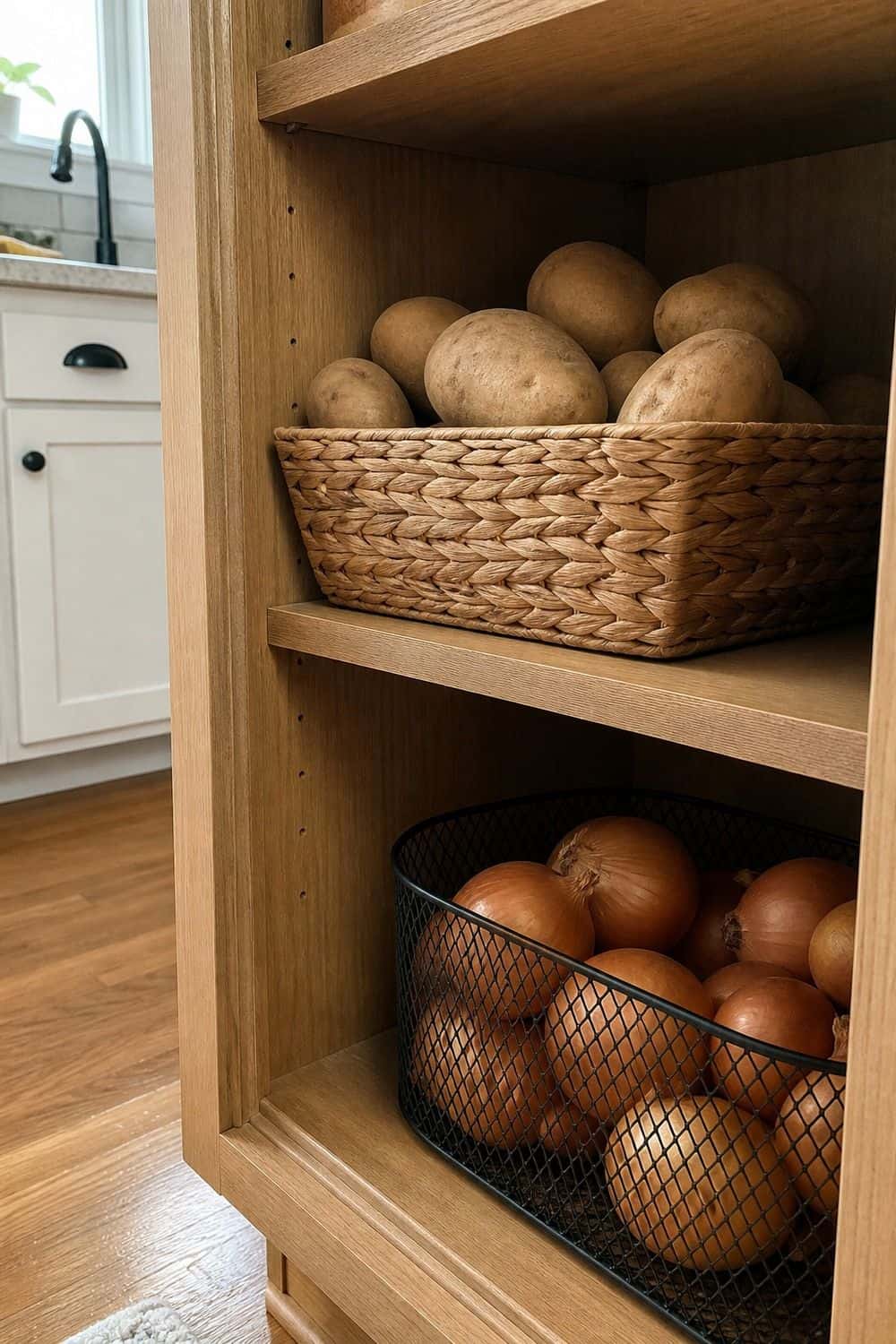
Potatoes and onions need cool, dark, ventilated storage, but they should not be piled together in a damp kitchen corner. Moisture, warmth, and poor airflow can encourage sprouting, soft spots, and off smells.
Use a ventilated bin or separate baskets, then keep both away from wet produce and fridge condensation. This dry-storage step belongs in the produce routine because potatoes, onions, and garlic often fail when they are treated like fridge vegetables or piled below damp bags in a warm kitchen.
15. Store Herbs Like Their Texture Requires
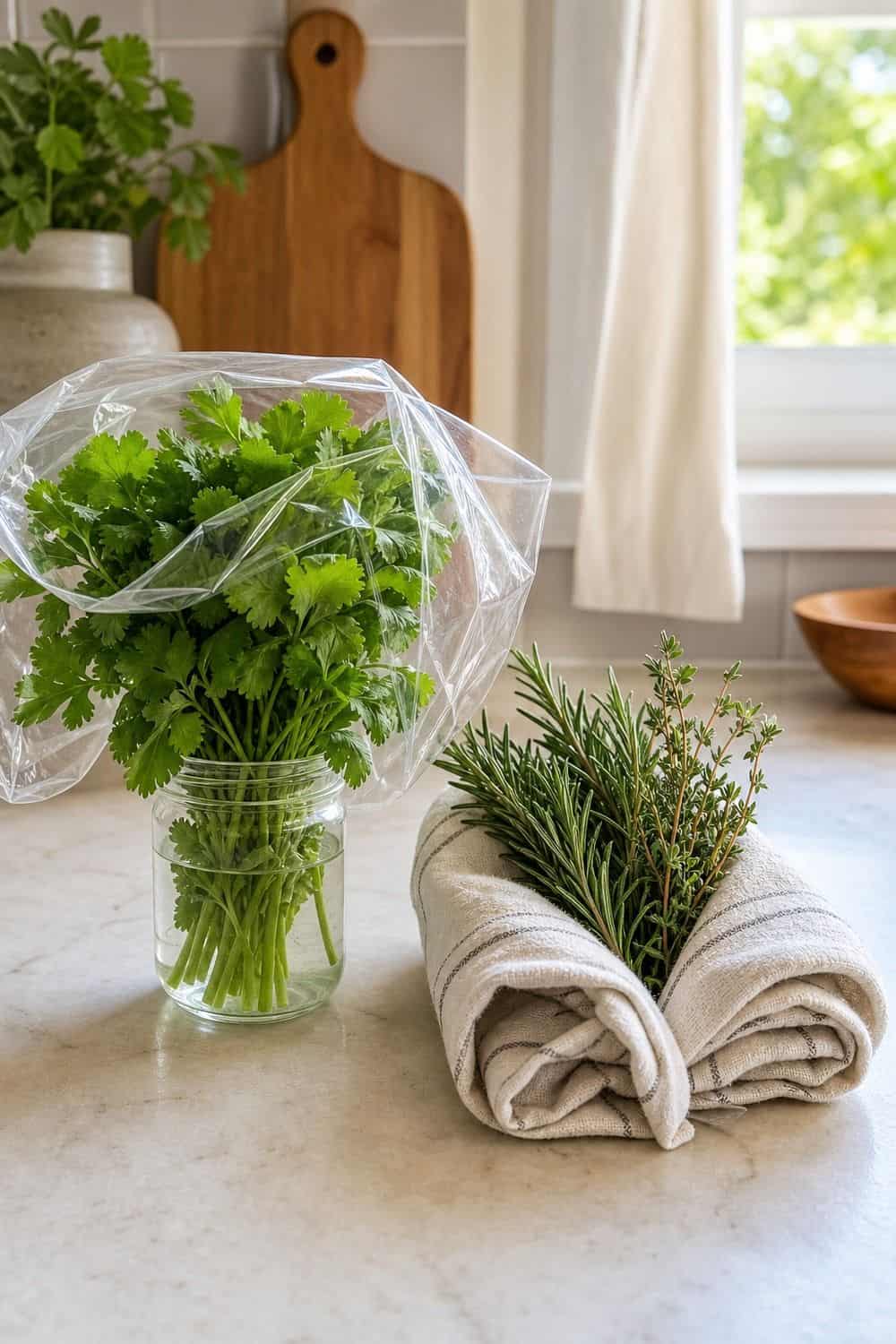
Herbs do not all behave the same after shopping. Parsley, cilantro, dill, mint, basil, rosemary, thyme, and green onions need different levels of moisture, airflow, and protection from cold damage.
Tender herbs may do well upright with water, while hardier herbs can often be wrapped and chilled. An herb keeper can help if you buy herbs often, but the larger habit is checking texture, trimming tired stems, and storing herbs before they wilt into the produce drawer unnoticed after one dinner.
16. Hold Carrots and Celery for Crisp Snacking
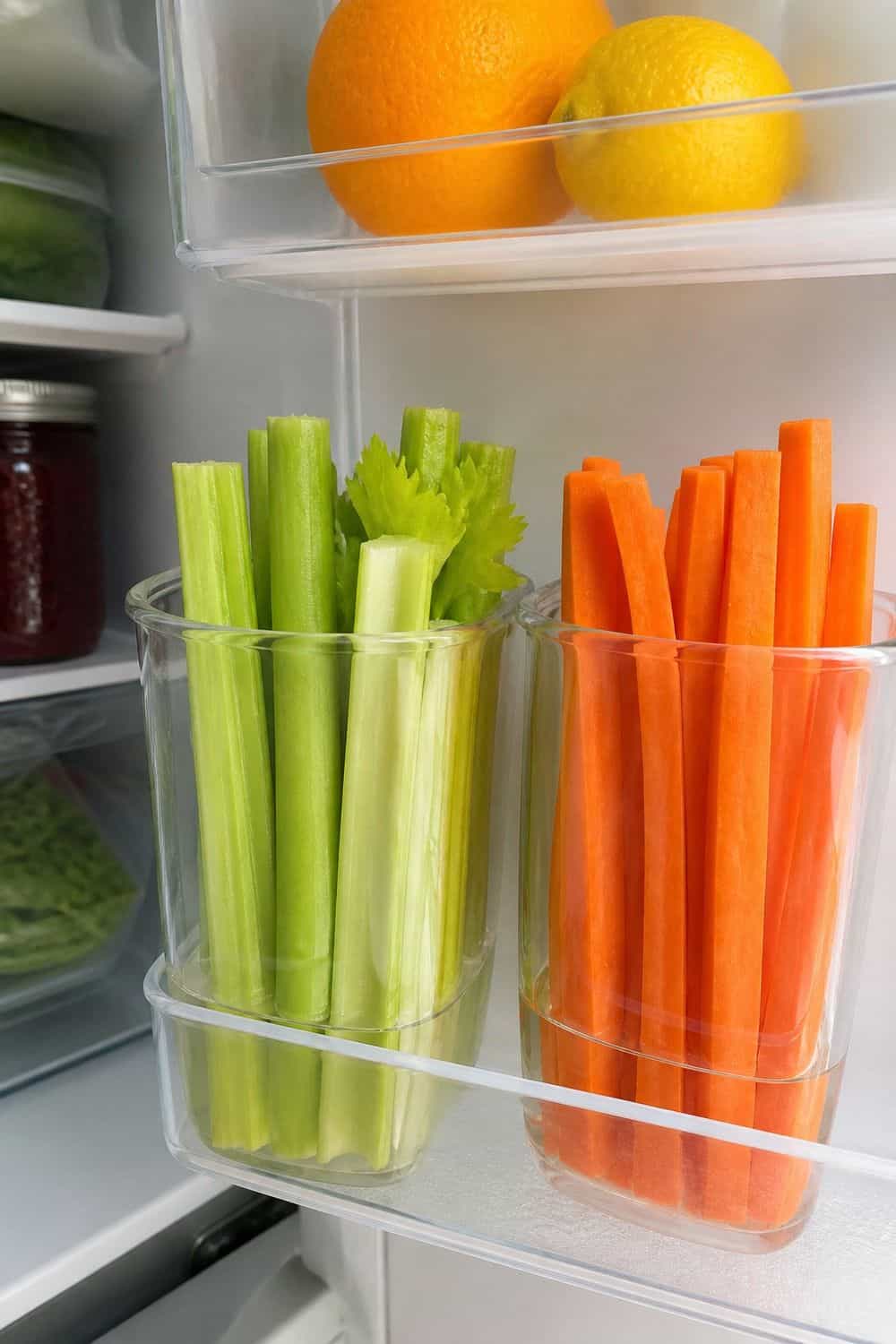
Crunchy vegetables can be prepped for snacks, but they need the right storage window. Carrots, celery, radishes, and cucumber spears can become easy lunchbox or snack options when trimmed and stored cleanly.
Use containers that support the vegetable’s moisture needs without trapping old water at the bottom. Prep only what your household will eat in a realistic time frame, because watery vegetables and long-cut cucumber spears can lose texture quickly after several days in the fridge at home between snack times.
17. Build an Eat-First Produce Bin
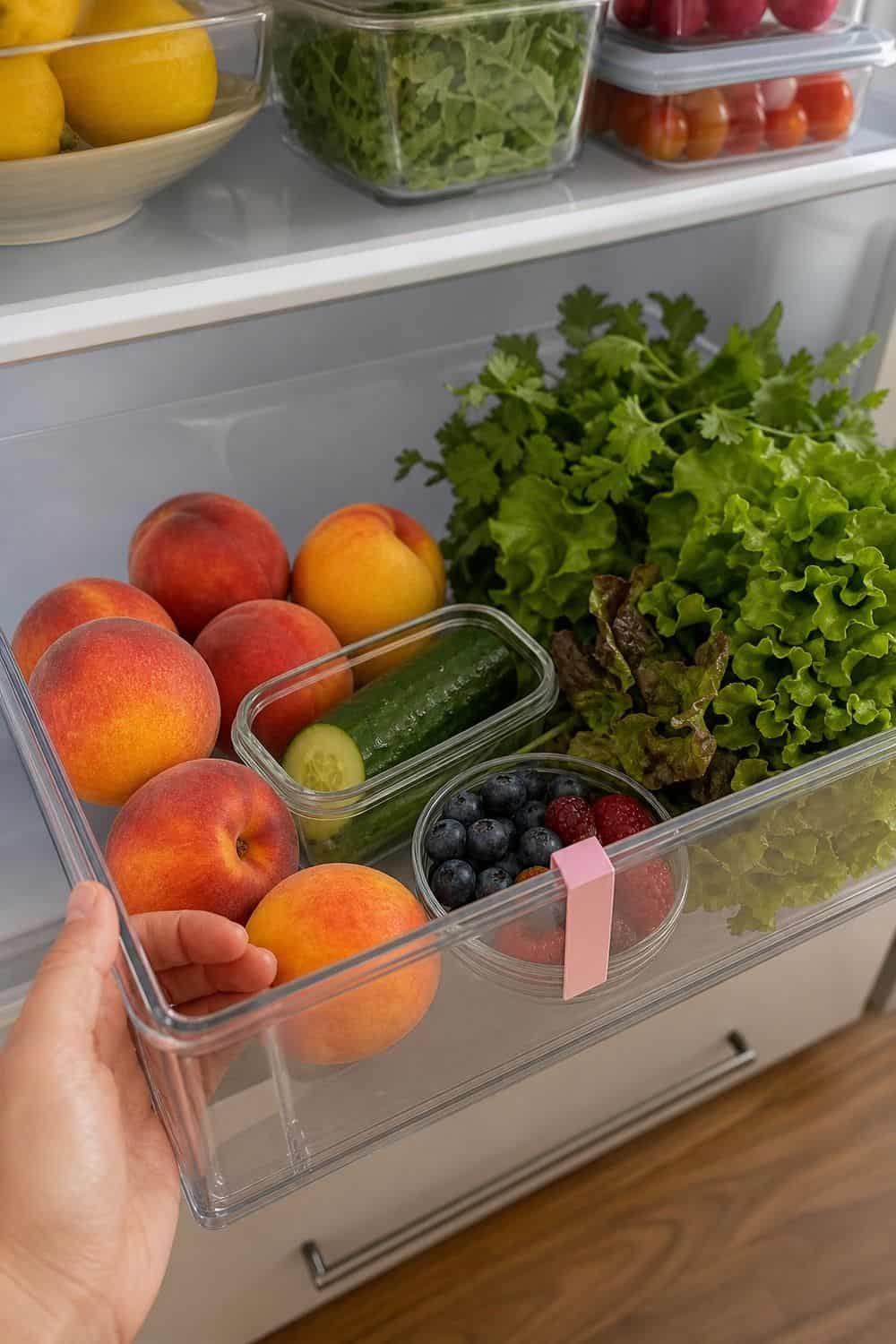
An eat-first bin gives ripe, washed, cut, or aging produce a visible place from day one. Use it for opened greens, cut vegetables, soft berries, ripe fruit, herbs, or anything that needs attention before the next grocery trip.
This is different from a full fridge cleanout because it starts during the washing and storage routine. Put the bin where people can see it, then check it before snacks, lunches, dinner prep, or grocery planning. Visibility is what makes the habit work.
18. Freeze Produce That Will Not Be Used Fresh
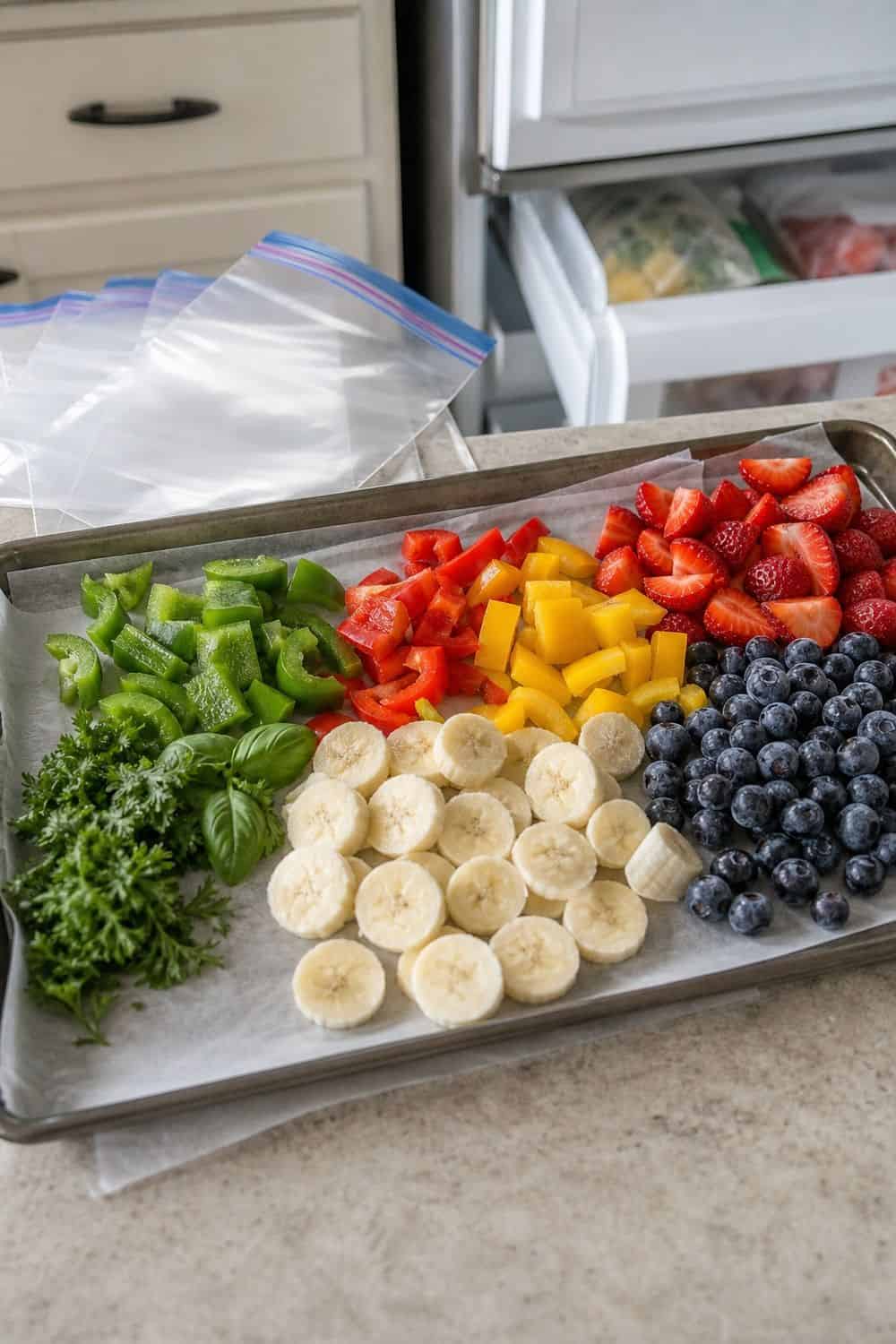
Freezing is a rescue path for produce that is still safe but unlikely to be used fresh in time. Berries, bananas, chopped peppers, smoothie greens, herbs in cubes, and some blanched vegetables can all move to the freezer. Wash and dry produce well before freezing, then pack out extra air in freezer-safe bags or containers. Do not freeze produce that is moldy, slimy, sour-smelling, or leaking from decay. The freezer saves good produce, not unsafe produce or food already past its discard line.
19. Cook Down Produce That Is Safe but Tired
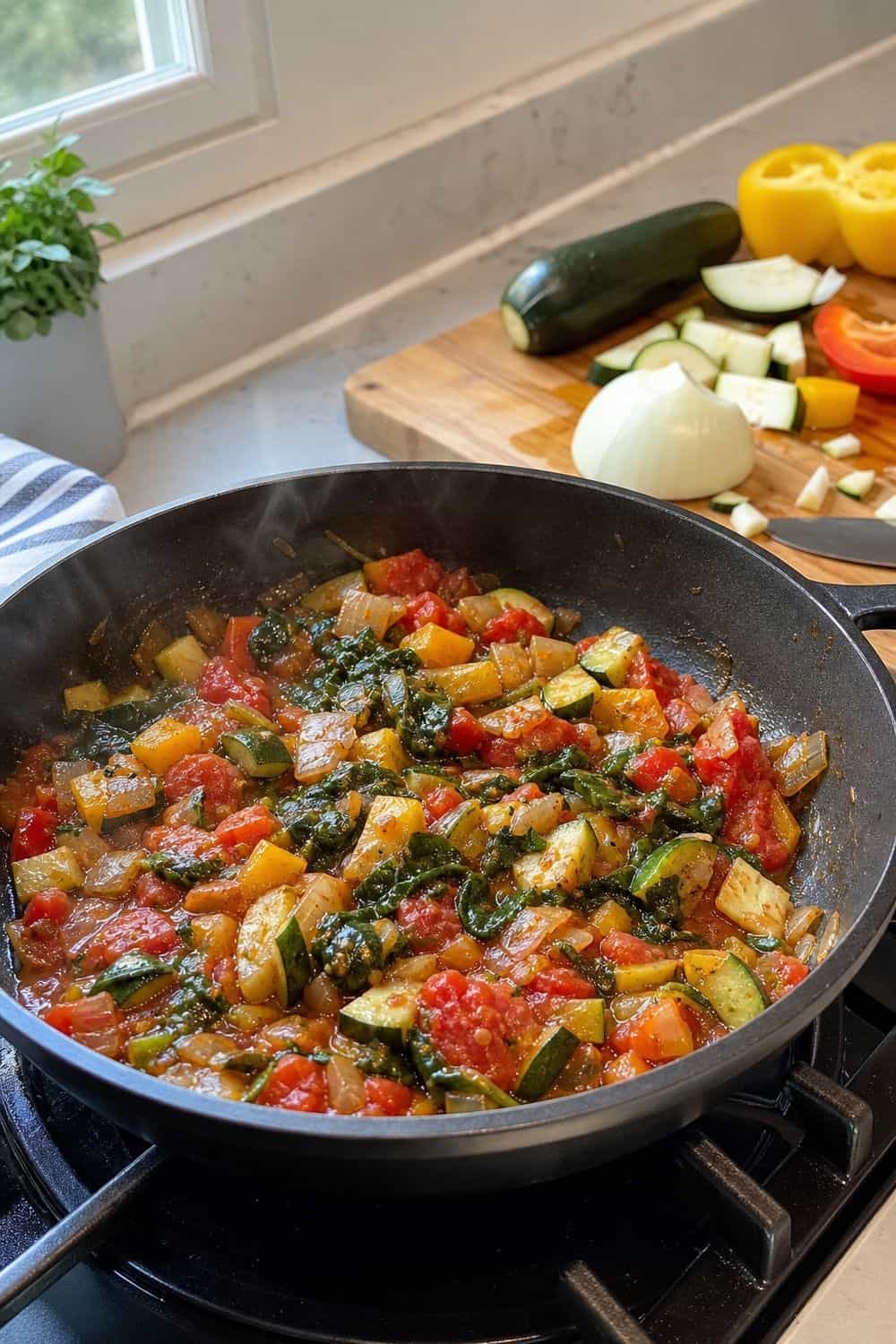
Some produce can still become dinner when it is no longer crisp enough for raw eating. Wilted greens, soft tomatoes, bendy celery, mushrooms, zucchini, and peppers may work in soup, sauce, stir-fry, frittata, or skillet vegetables.
Use a pan with a lid when you want tired vegetables to soften into something useful instead of drying out. Draw a firm line at mold, slime, bad smell, or leaking decay. If it seems unsafe, discard it instead of trying to cook around the problem.
20. Do a Five-Minute Produce Check Before Shopping
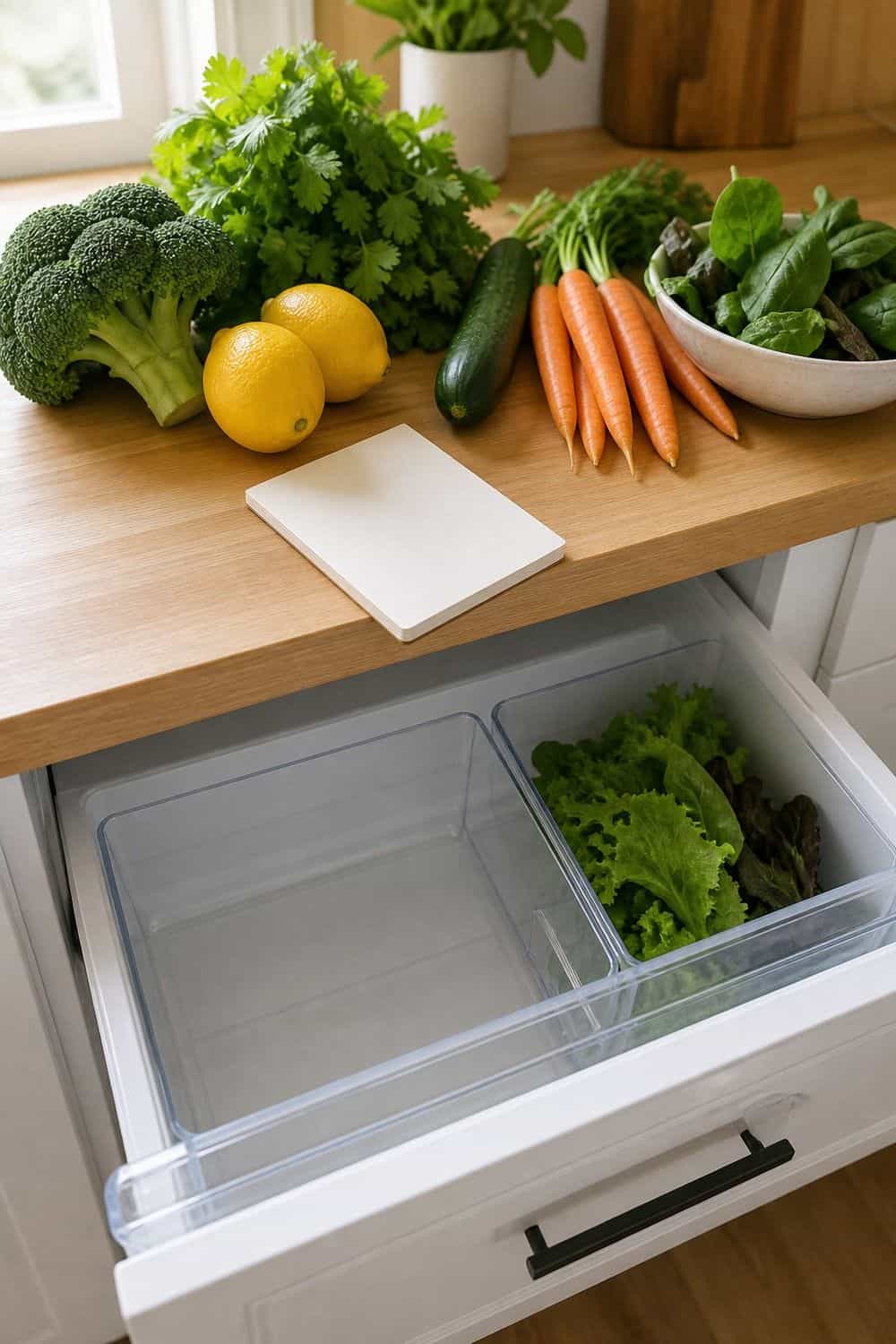
Close the routine loop before buying more produce. Check what is washed, cut, ripe, aging, frozen, or missing so the next grocery trip starts with a realistic plan instead of duplicate bags of the same vegetables.
A small fridge notepad can support a produce-specific list without turning the kitchen into a full inventory project. Write down use-first items, freezer rescues, and the produce you actually need. This habit keeps the washing and storage routine connected to real meals before another grocery run.
Other Produce Routine Tips Worth Knowing
The simple rule is to wash produce before eating or cutting, not automatically before storing. If you do wash ahead, dry everything thoroughly before it goes into the fridge. Keep ready-to-eat produce away from raw meat, refrigerate cut fruits and vegetables promptly, and store produce by moisture, temperature, ripening behavior, and visibility. Moldy, slimy, sour-smelling, or leaking produce should be discarded rather than rescued.
Frequently Asked Questions
What is a good produce washing and storage routine?
A good routine starts with clean hands and surfaces, sorts produce by wash timing, washes fruits and vegetables before eating or cutting, dries washed produce thoroughly, stores each type by its needs, separates raw meat from ready-to-eat produce, and creates an eat-first plan.
Should you wash produce before storing it?
Not always. Many fruits and vegetables last longer when they stay dry until use. Wash produce before eating or cutting by default. If you wash ahead for prep, dry it very well before storing so extra moisture does not speed spoilage.
What produce should not be washed right away?
Berries, many loose greens, mushrooms, and some herbs often do better when they stay dry until close to use. The main issue is moisture, which can encourage mold, sliminess, bruising, or faster quality loss if produce is stored wet.
Should you wash produce before cutting it?
Yes, produce should be washed before cutting, even when you will not eat the peel or rind. A knife can carry dirt or surface contamination inward. Rinse firm produce under running water and scrub sturdy skins when needed.
How do you dry produce after washing?
Use a salad spinner for greens, clean towels for fruit and vegetables, and gentle draining for delicate produce. Thorough drying helps prevent collapsed greens, faster spoilage, and water pooling inside storage containers.
How do you store cut fruits and vegetables?
Store cut fruits and vegetables in clean, covered containers in the refrigerator when they are perishable. Clear containers and date labels help the household use them quickly. Keep cut produce away from raw meat, poultry, seafood, and leaky packages.
How do you keep produce from spoiling so fast?
Keep delicate produce dry until use, dry anything washed ahead, separate ethylene-producing fruit from sensitive vegetables, use crisper drawers thoughtfully, and keep an eat-first bin for ripe or cut items. Buy realistic amounts and check produce before shopping again.
What produce should be frozen before it goes bad?
Freeze safe produce that you cannot use fresh in time, such as bananas, berries, chopped peppers, smoothie greens, herbs, and some blanched vegetables. Wash and dry it first, pack out extra air, and avoid freezing anything moldy, slimy, or spoiled.
Final Thoughts
A useful produce washing and storage routine is really a series of small decisions: clean the station, sort before washing, wash before eating or cutting, dry thoroughly, store by produce behavior, protect ready-to-eat food from raw meat, and rescue safe produce before it fails. Once those steps become automatic, fresh food is easier to see, safer to use, and less likely to go to waste.
Last update on 2026-09-18 / Affiliate links / Images from Amazon Product Advertising API