
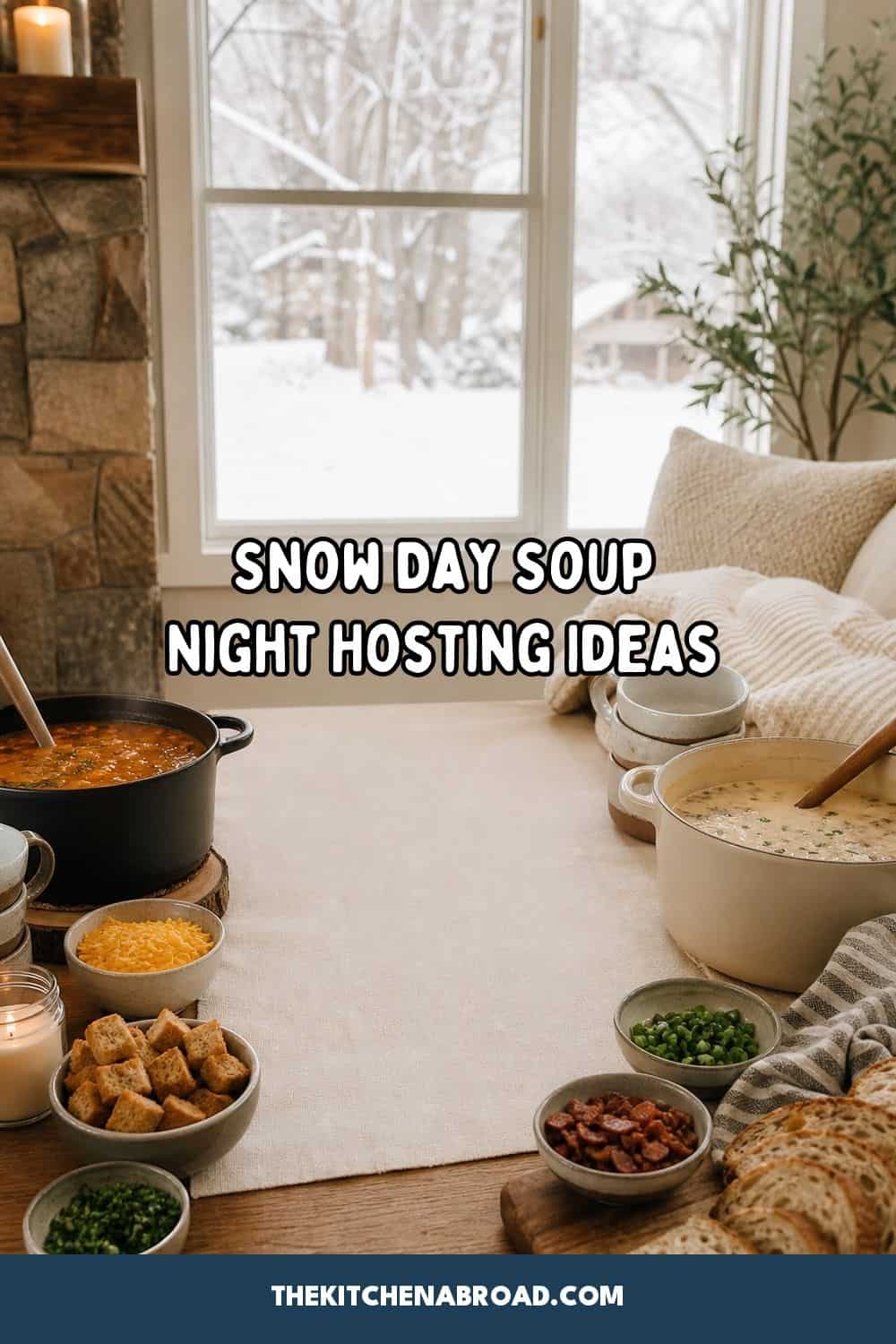
A snow day soup night works best with one or two soups, warm bread, simple toppings, mugs or deep bowls, and a relaxed drink setup. Keep the serving area close to the stove or slow cooker, add ladles and labels, and choose sides that make the meal cozy without requiring extra last-minute cooking.
Snow day soup night hosting ideas work best when you choose two different soup styles, hold cooked soup safely above 140 F, set out mugs or bowls, add toppings and bread, label allergens, create a hot drink station, and have leftover containers ready. Keep the setup self-serve, but do not leave soup unattended all night; quality is best in the first 1 to 2 hours, and leftovers should cool promptly in shallow containers.
A snow day dinner should feel warm and easy, not like a formal meal with everyone waiting for plated courses. Soup is perfect for that because guests can ladle a mug, add something crunchy, grab bread, and settle into a couch or table seat without the host managing every bowl.
The trick is treating the night like a small soup bar instead of a recipe lineup. The pots need safe heat, the toppings need their own tools, the bread needs a place to land, and the leftovers need a plan before the last guests head out.
Top Recommended Products


![Newness Soup Ladle, [Rustproof, Heat Resistance, Integral Forming] Resilient 304...](https://www.thekitchenabroad.com/wp-content/plugins/aawp/public/image.php?url=YUhSMGNITTZMeTl0TG0xbFpHbGhMV0Z0WVhwdmJpNWpiMjB2YVcxaFoyVnpMMGt2TXpFMlYxVjZSRk5hYlV3dVgxTk1NVFl3WHk1cWNHYz18MTc4OTkzNTkyMQ= "25 Snow Day Soup Night Hosting Ideas for Easy Hosting")
![Freshware Food Storage Containers [24 Set] 32 oz Plastic Deli Containers with...](https://www.thekitchenabroad.com/wp-content/plugins/aawp/public/image.php?url=YUhSMGNITTZMeTl0TG0xbFpHbGhMV0Z0WVhwdmJpNWpiMjB2YVcxaFoyVnpMMGt2TlRGTWEzQjBUV1ptUVV3dVgxTk1NVFl3WHk1cWNHYz18MTc4OTkzNTkyMQ= "25 Snow Day Soup Night Hosting Ideas for Easy Hosting")
You Might Also Like These Blog Posts
- 25 Hot Chocolate Bar Ideas for Easy Hosting
- 25 Cozy Pajama Party Food Ideas for Easy Hosting
- 25 Winter Brunch Hosting Ideas for Easy Hosting
- 25 Cozy Lunch Ideas for Easy Hosting
- 25 Holiday Open House Food Ideas for Easy Hosting
1. Choose One Creamy Soup and One Brothy Soup
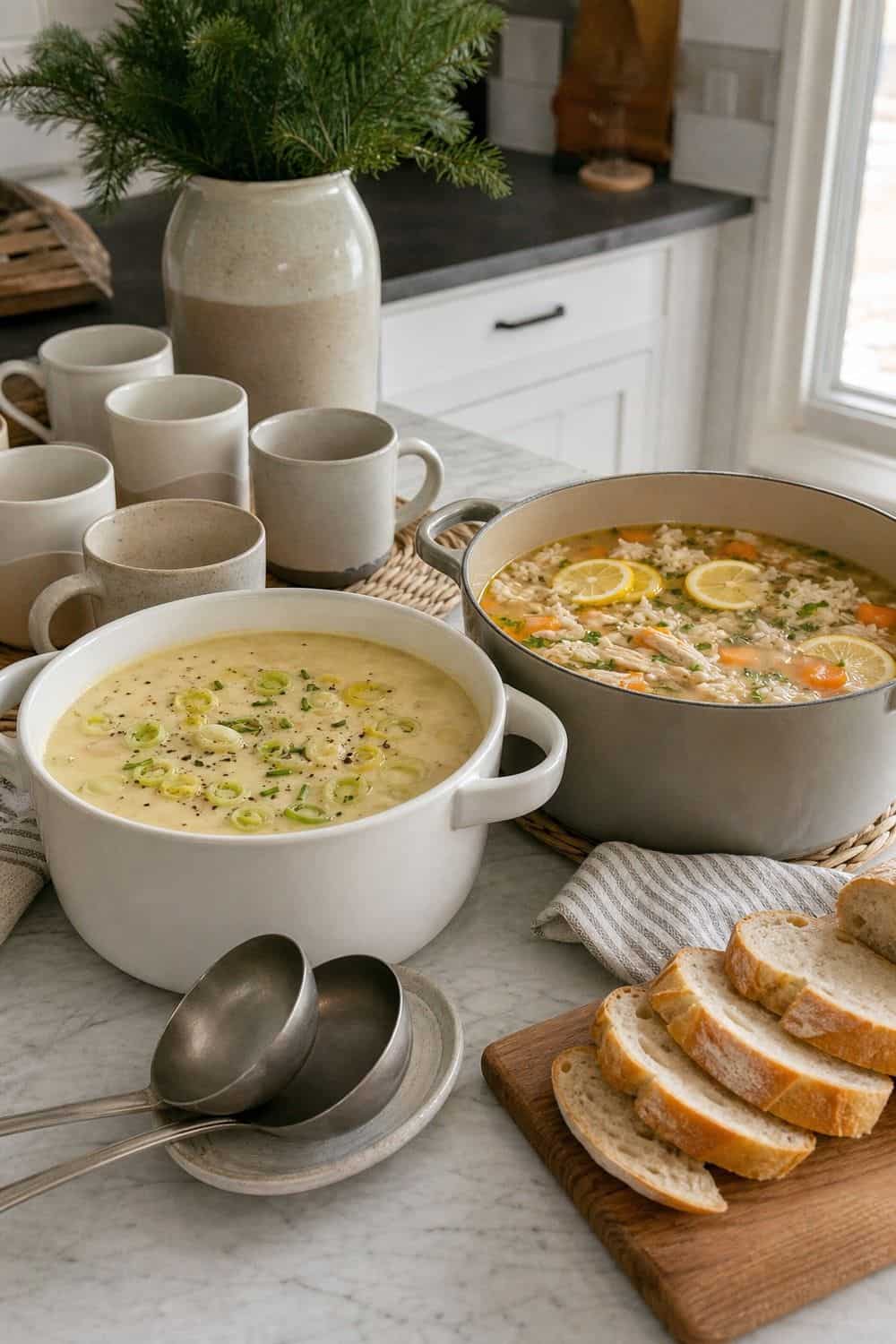
Menu balance starts with contrast. Pair a creamy soup with a brothy soup so guests can choose based on appetite, texture, and how much bread or grilled cheese they want on the side. Tomato with chicken lemon rice, potato leek with beef barley, butternut squash with white bean, or cauliflower with lentil kale all give the table two different moods. A tureen can hold one soup while the second stays warm in a slow cooker. If guests are bringing soup, assign styles instead of only asking for names: one creamy, one brothy, and one vegetarian if needed.
2. Use Slow Cookers to Hold Soup Warm
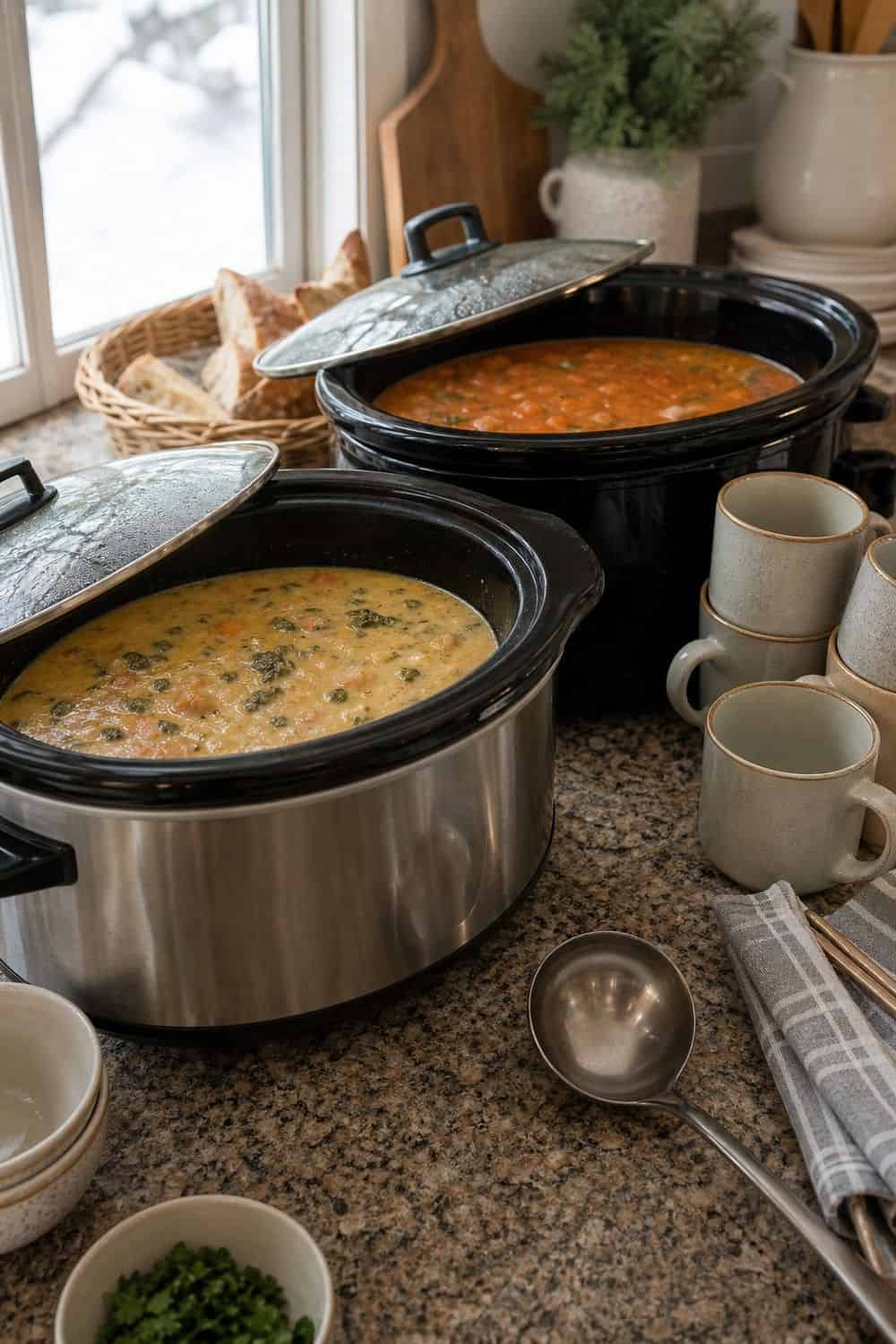
Slow cookers make soup night feel relaxed because guests can serve themselves, but they are for holding fully cooked soup, not cooking anything from raw on the warm setting. Cooked soup should stay above 140 F while it is being served. Stir occasionally, check that the soup is still hot, and plan to enjoy the best quality in the first 1 to 2 hours.
If soup drops below a safe temperature, reheat it thoroughly before serving again. Keep a small thermometer near the pots for a longer window, especially with thick soups that can stay warm on top while cooling at the edges.
3. Make a Power-Outlet Plan Before Guests Arrive

Multiple warm pots need more planning than a normal dinner. Check outlets before the soups arrive, especially if guests are bringing slow cookers, hot drink dispensers, or a warming tray. Keep cords off walking paths and away from ladles, mugs, and wet towels. A heavy duty power strip can help in the right spot, but avoid daisy-chaining cords or overloading one outlet because a soup buffet is not worth a tripping or electrical hazard.
Decide which soups go on the counter, sideboard, or dining table before guests arrive. When the first person walks in holding a hot pot, you want to point to a ready space instead of rearranging bread baskets and toppings around a dangling cord.
4. Serve Soup in Wide Mugs for Couch Seating
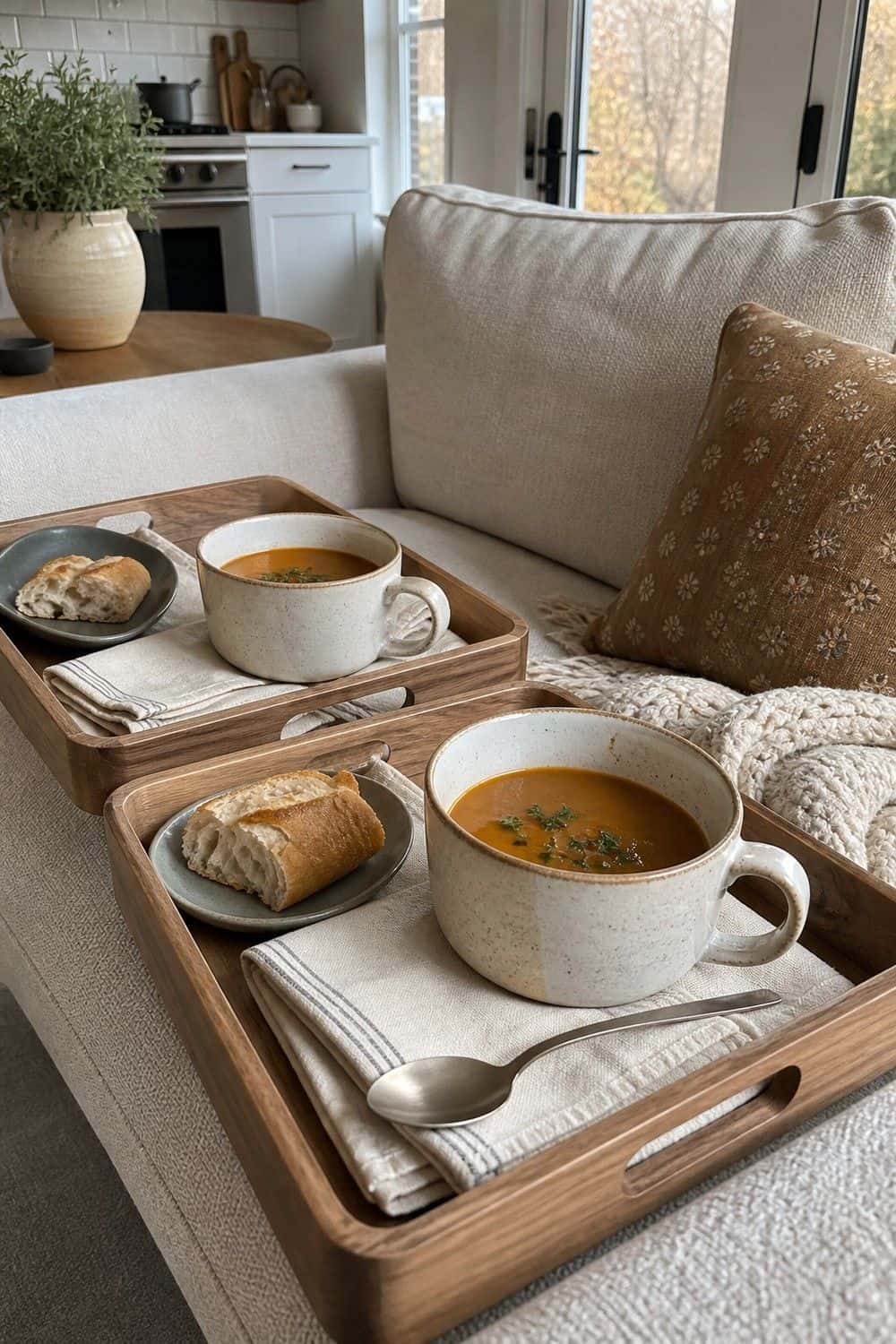
Couch seating works better when guests can hold soup by a handle. Wide mugs feel casual, keep portions manageable, and make it easier to balance soup with bread, crackers, or a napkin. Do not fill mugs to the brim; leave room for toppings, steam, and the small tilt that happens when someone walks from the buffet to a sofa. Set mugs near the start of the soup line with napkins, then offer a few bowls beside them for guests who want salad, extra toppings, or a bigger serving. The mug idea should make seating easier, not force everyone into the same portion size.
5. Set Out Ladles for Every Soup
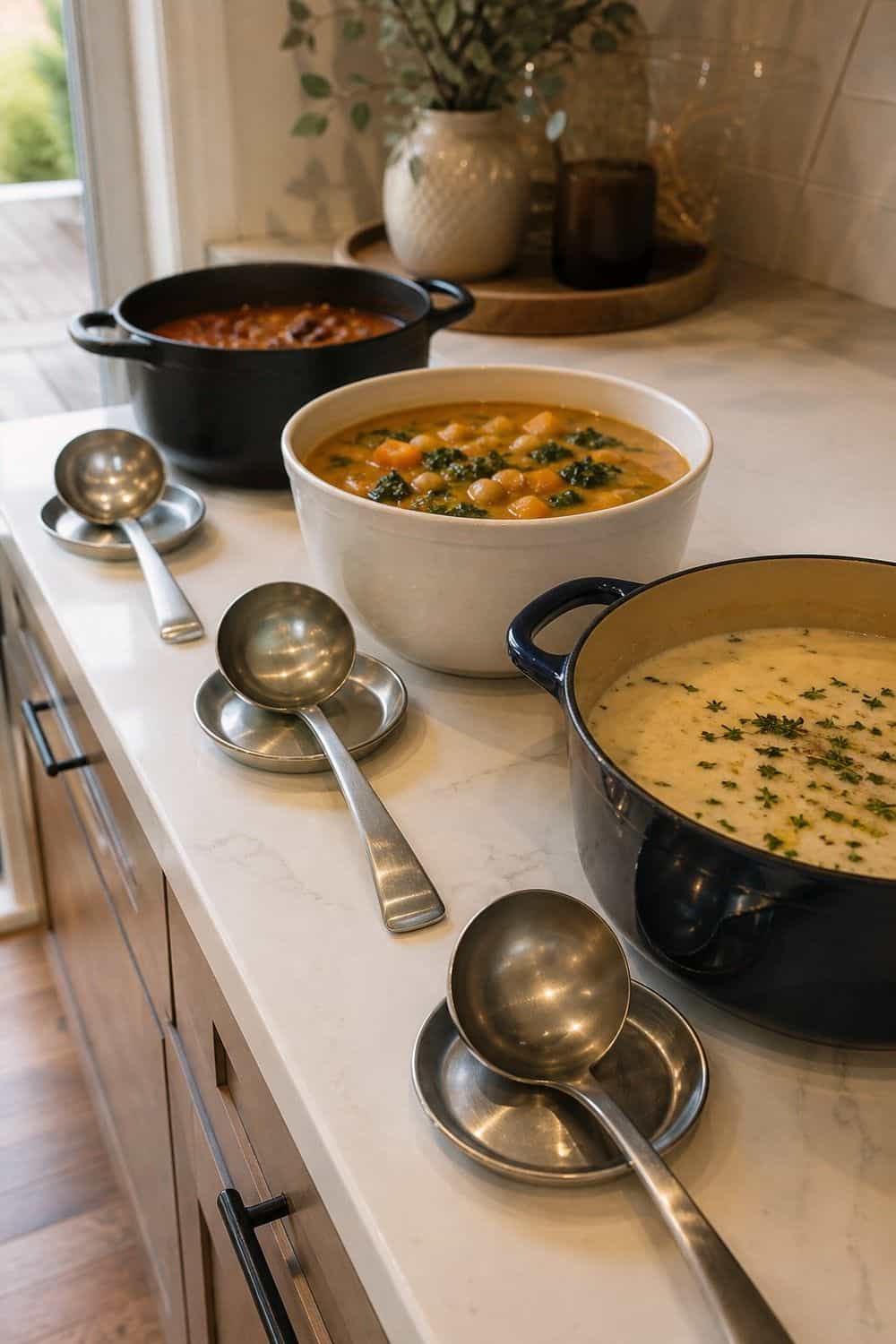
Every pot needs its own ladle. This keeps creamy, spicy, vegetarian, meat-based, and dairy-free soups from mixing and helps guests trust the labels they are reading. Choose ladles that fit the serving vessel. A huge ladle in a narrow slow cooker spills, while a tiny spoon makes guests stand in line forever. Stainless steel ladles are practical because they handle heat and are easy to rinse if one gets messy.
Place the handle so it does not sink into the soup. If you are using a tureen or deep pot, check the ladle after the first few guests serve themselves. A dripping handle is the fastest way to make the buffet feel sticky. Keep one spare ladle in the kitchen. If a guest drops a utensil or uses the wrong one in a dairy-free pot, you can swap it quickly without pausing the whole soup line.
6. Add Spoon Rests Beside the Pots
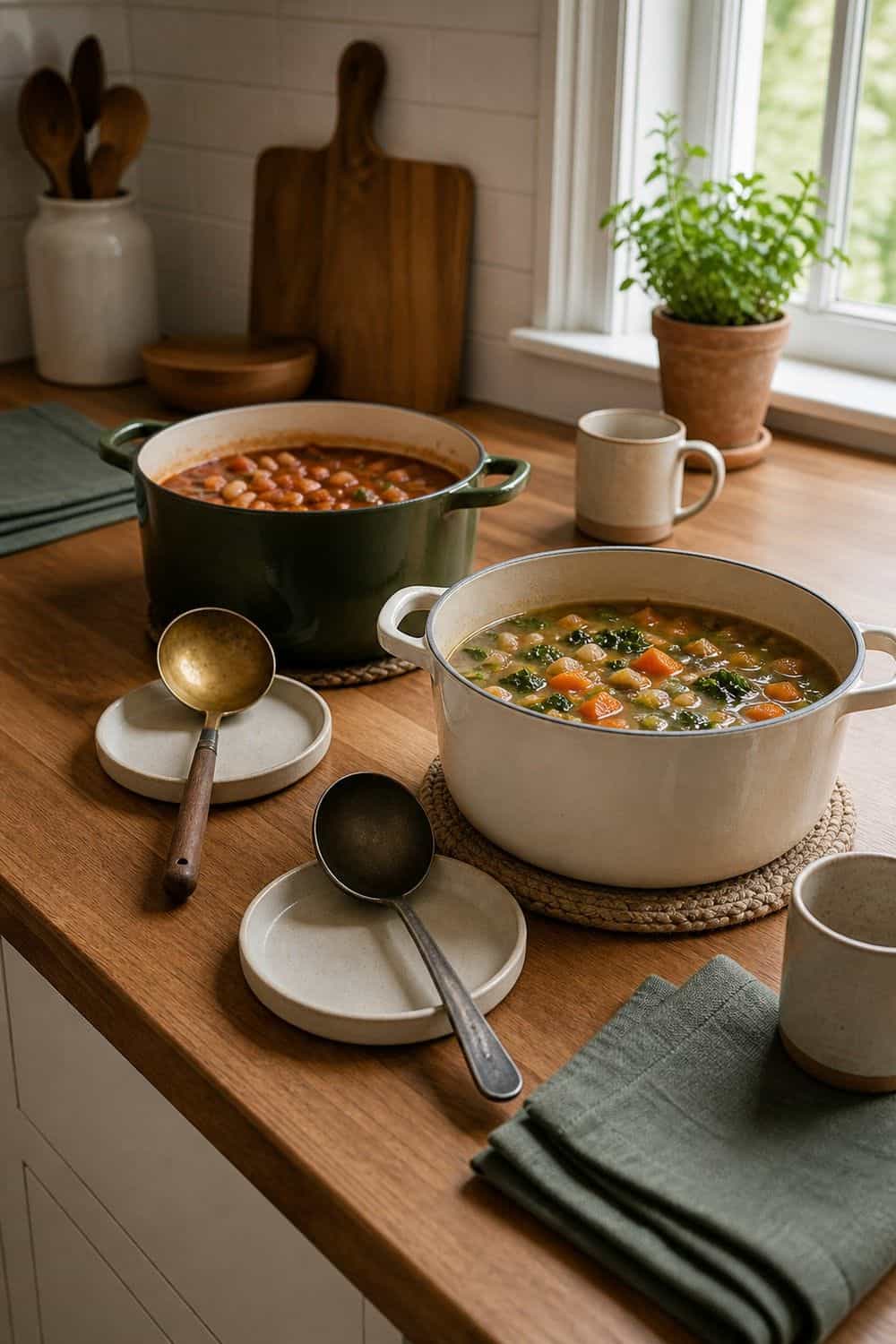
Drips are inevitable, especially when guests are ladling over mugs instead of wide bowls. A spoon rest or small plate beside each pot gives the ladle a clear landing place between servings. Use one rest per soup so flavors do not cross over. Tomato soup, chili oil, creamy potato, and brothy chicken all leave different trails, and guests notice when a vegetarian pot has a ladle sitting in meat broth. Wipe the area halfway through the party. It takes less than a minute and keeps the soup night from feeling neglected.
A towel tucked behind the pots is useful, but keep it away from heating elements and cords. Use a different rest for each ladle and place it on the side guests naturally reach from. If the rest is behind the pot, people will set the ladle wherever it lands, usually on the tablecloth.
7. Create a Crunchy Toppings Bar
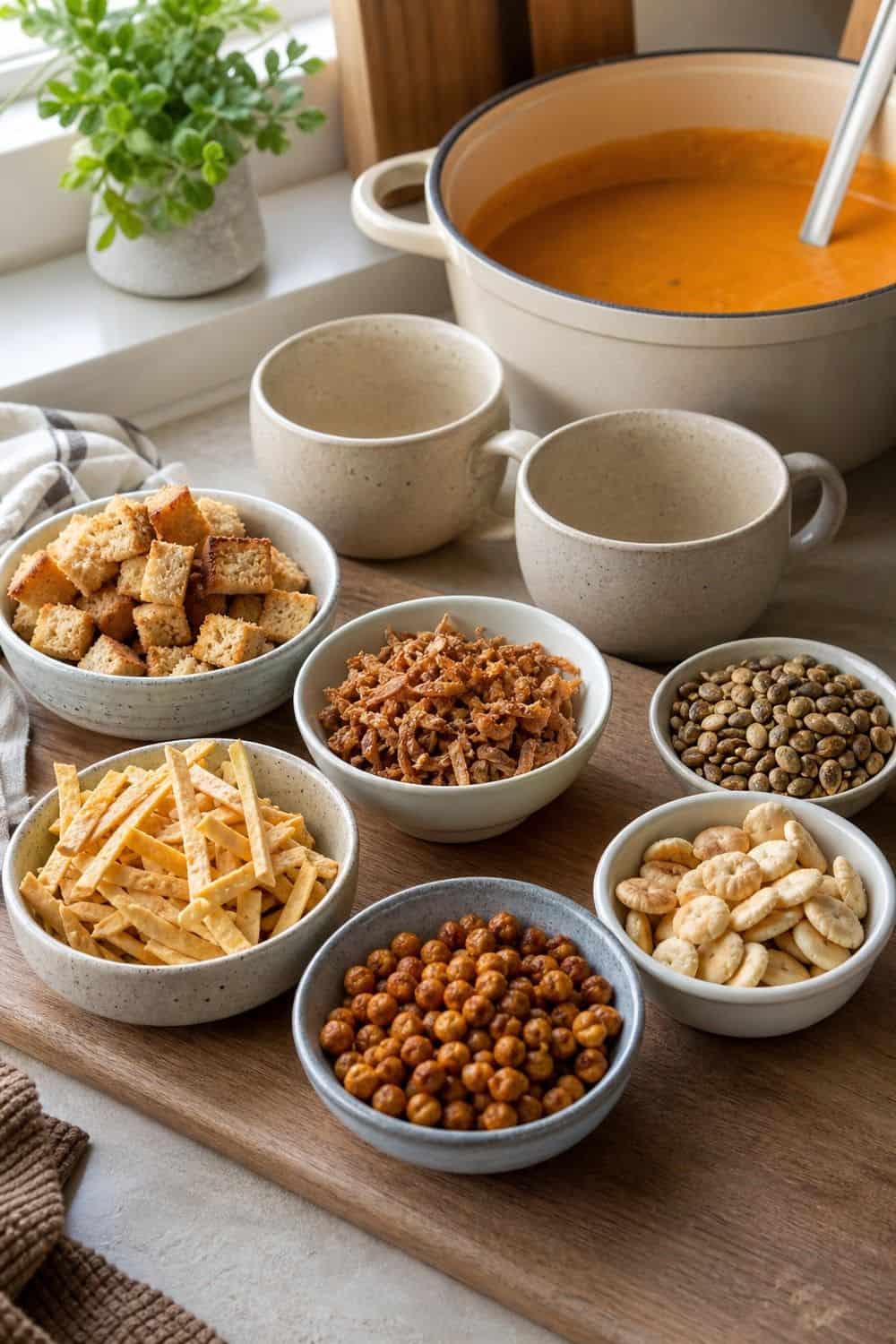
Crunchy toppings make simple soup feel like a party. Garlic croutons, Parmesan crisps, fried onions, toasted seeds, tortilla strips, crackers, and crispy chickpeas all add texture without requiring another main dish. Match toppings to soup styles: creamy tomato loves croutons, black bean soup can take tortilla strips, and brothy soups usually need lighter crunch. Put toppings after the soups so guests can choose based on their bowl. If the room is steamy from simmering pots, keep a backup bowl of dry toppings in the kitchen and refill with crisp pieces as needed.
8. Add Fresh Herb and Citrus Toppings
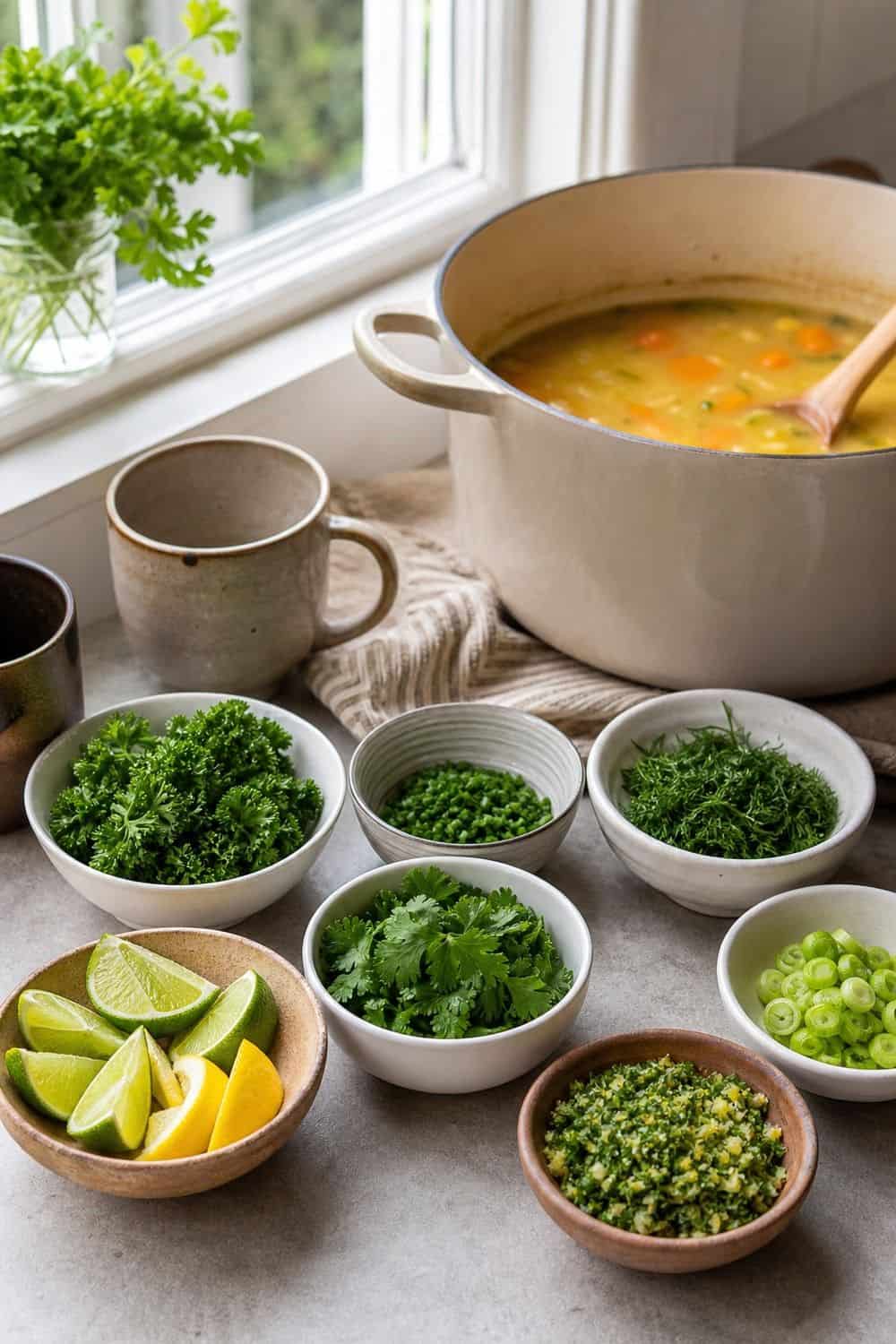
Fresh toppings keep rich winter soup from tasting flat. Parsley, dill, chives, cilantro, scallions, lemon wedges, lime, or gremolata can wake up a creamy bowl or brighten a broth. Use small prep bowls instead of large piles because herbs wilt quickly near warm pots and citrus dries out if it sits all evening. Refill a little at a time from the fridge so the topping bar still looks fresh. Add tiny spoons or tongs, and keep citrus on a small rimmed plate so juice does not run into the herbs.
9. Label Spicy, Dairy-Free, and Vegetarian Soups
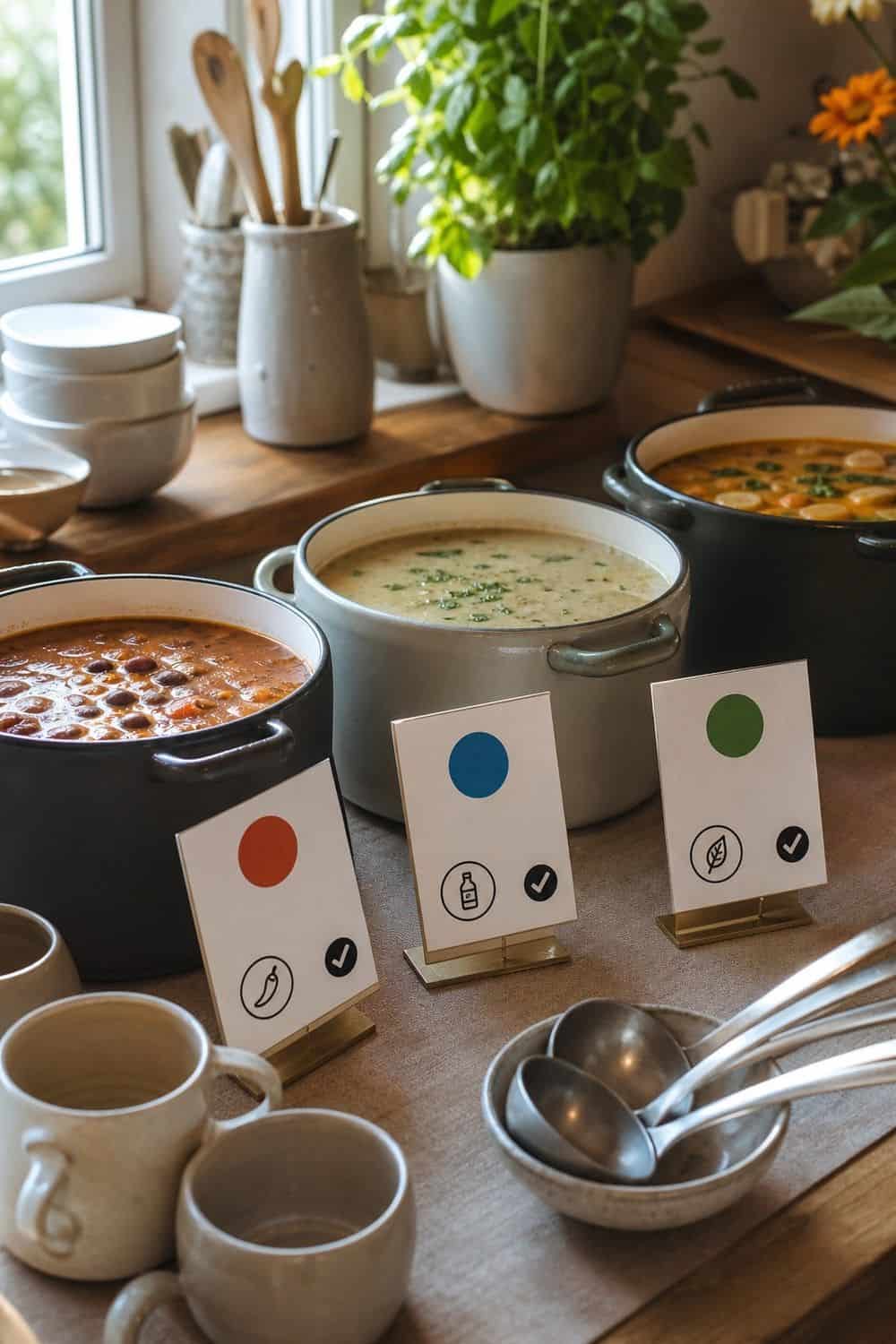
Hidden ingredients make soup labels essential. Mark heat level, dairy, gluten, nuts, meat broth, vegetarian status, and any toppings that change the bowl for guests with allergies or preferences. Keep labels readable and away from steam. A card tucked too close to the slow cooker can curl, blur, or slide behind the pot.
Put it in front of the ladle where guests look before serving. If you have a vegetarian soup made with vegetable broth, say that clearly. If it uses chicken broth, do not rely on the vegetable-heavy name to explain it. Clear labels make a soup party feel comfortable instead of guessy.
10. Offer a Tomato Soup and Grilled Cheese Tray
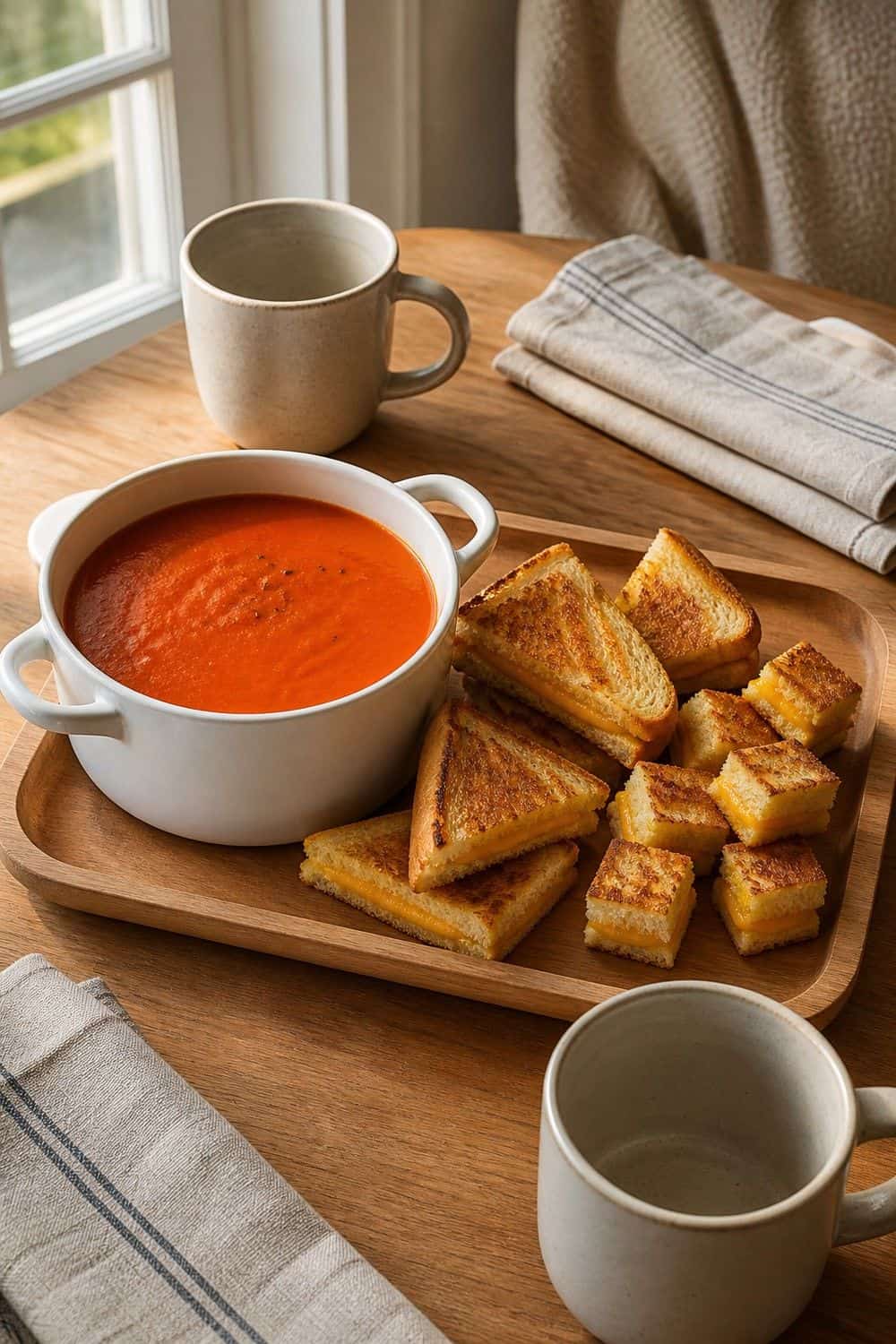
Tomato soup with grilled cheese gives the night an instant snow-day feeling. Serve mini triangles, grilled cheese cubes, or a casserole-style tray cut into small pieces for dipping. Cook sandwiches in batches and let them rest briefly before cutting so the cheese settles and the bread stays cleaner. A griddle pan helps if you are making several at once, but avoid trapping hot sandwiches under a tight cover where steam softens the crust. Refill the tray in smaller rounds, and make some plain cheese pieces before adding pesto, tomato, or caramelized onion.
11. Set Up a Bread Cutting Board
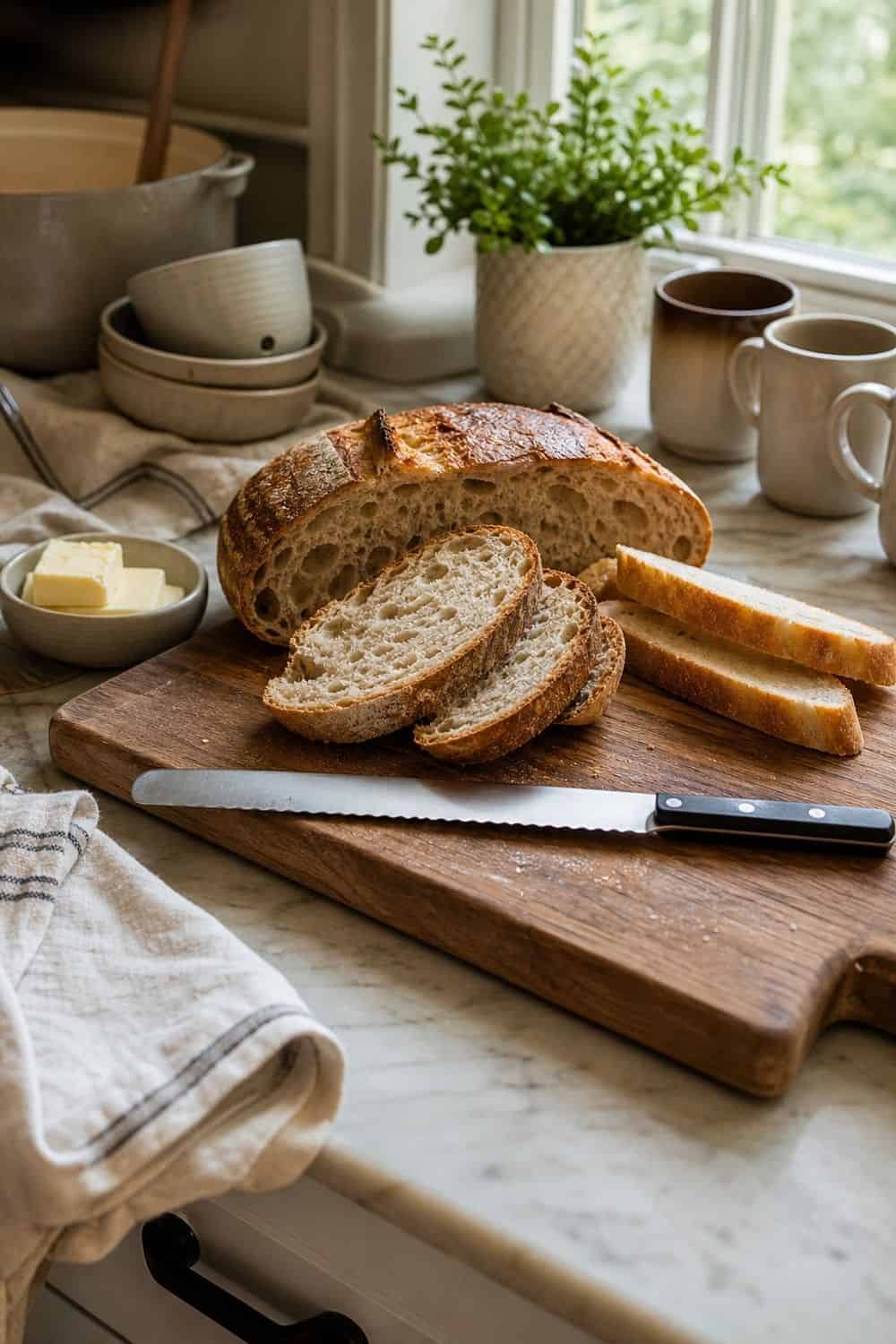
Bread makes a soup night feel complete, but it needs its own small setup. Offer sourdough, baguette, rye, cornbread, focaccia, or rolls with a serrated knife, butter, and a crumb towel. Place bread after bowls or mugs in the buffet flow so guests are not juggling a slice while trying to ladle soup. If the bread is crusty, pre-slice some of it so the cutting board does not become a bottleneck. Keep butter, oil, or spreads slightly to the side. Guests who only want soup can keep moving, while bread people can pause without blocking the pots.
This little layout choice makes the line feel calmer. Use the crumb towel during the night, not just after. A quick shake or wipe keeps bread crumbs from sticking to wet ladle drips and traveling into the topping bowls.
12. Use a Bread Basket for Soft Rolls
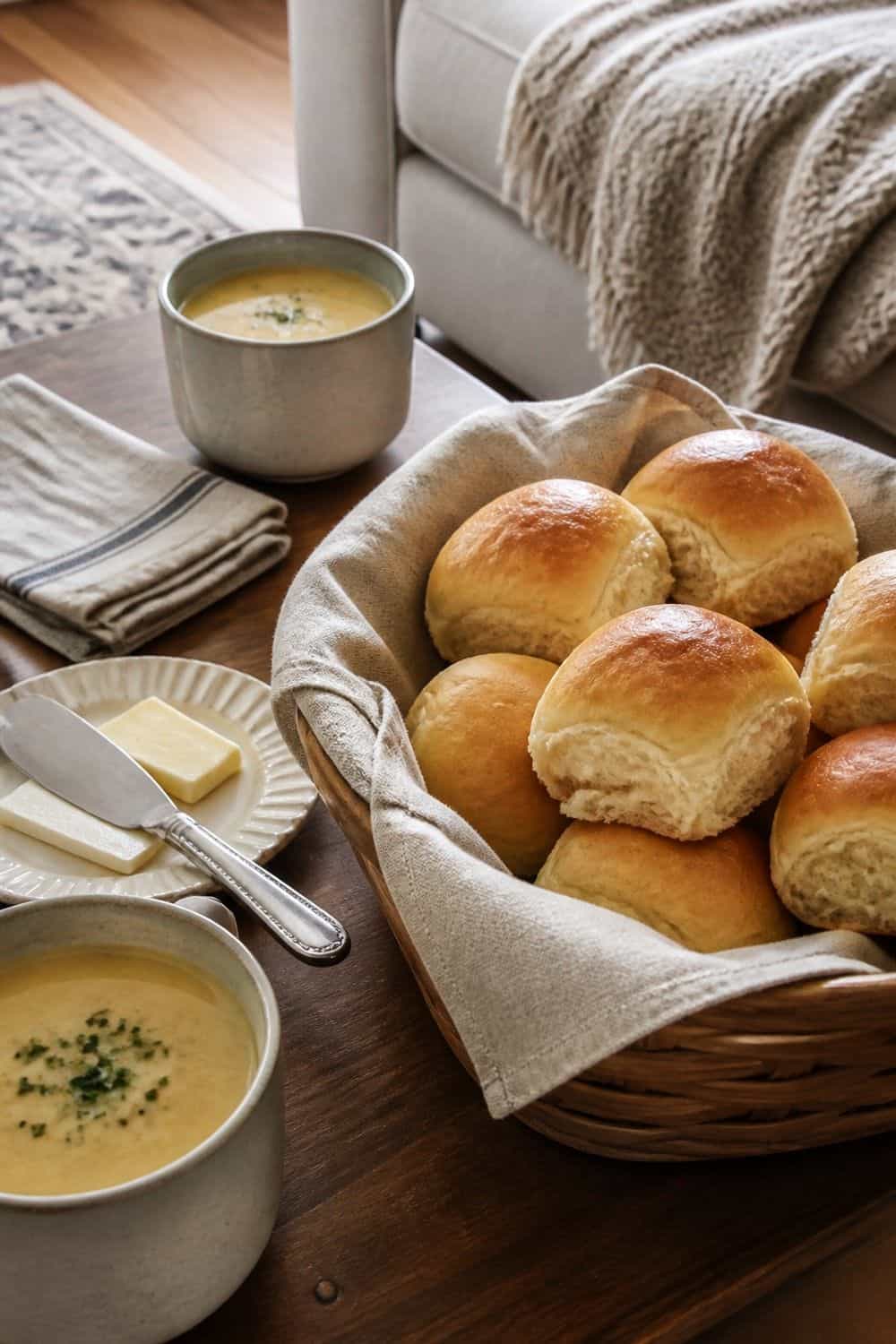
Soft rolls belong close to the seating area because they are easy to pass once everyone has soup. A lined basket keeps them warm longer and gives guests something simple to grab between spoonfuls. Add a butter knife, napkins, and a small plate for crumbs nearby. If rolls sit on the coffee table or dining table, people can refill bread without walking back to the hot soup area with a full mug. Use baskets for soft bread and boards for bread that needs slicing.
Mixing both in one spot slows people down and sends crumbs everywhere. Separate bread zones make the meal feel more relaxed. If the rolls are warm, line the basket with a clean towel and fold it loosely over the top. Do not seal them in plastic, or steam will make the crust damp before guests reach for seconds.
13. Make One Vegetarian Soup Feel Substantial

Vegetarian soup should feel like a real option, not the thin backup pot. Lentil kale, white bean, butternut squash, mushroom barley, cauliflower, or black bean soup can all be hearty enough for a snow-day dinner. An immersion blender can make vegetable soups creamy without relying only on dairy; blend part of the pot, then leave some texture so the bowl still feels substantial. Use vegetable broth, label it clearly, and keep meat toppings separate. Add toasted seeds, croutons, herbs, or yogurt nearby so the vegetarian bowl feels just as finished.
14. Add a Brothy Soup for Lighter Bowls
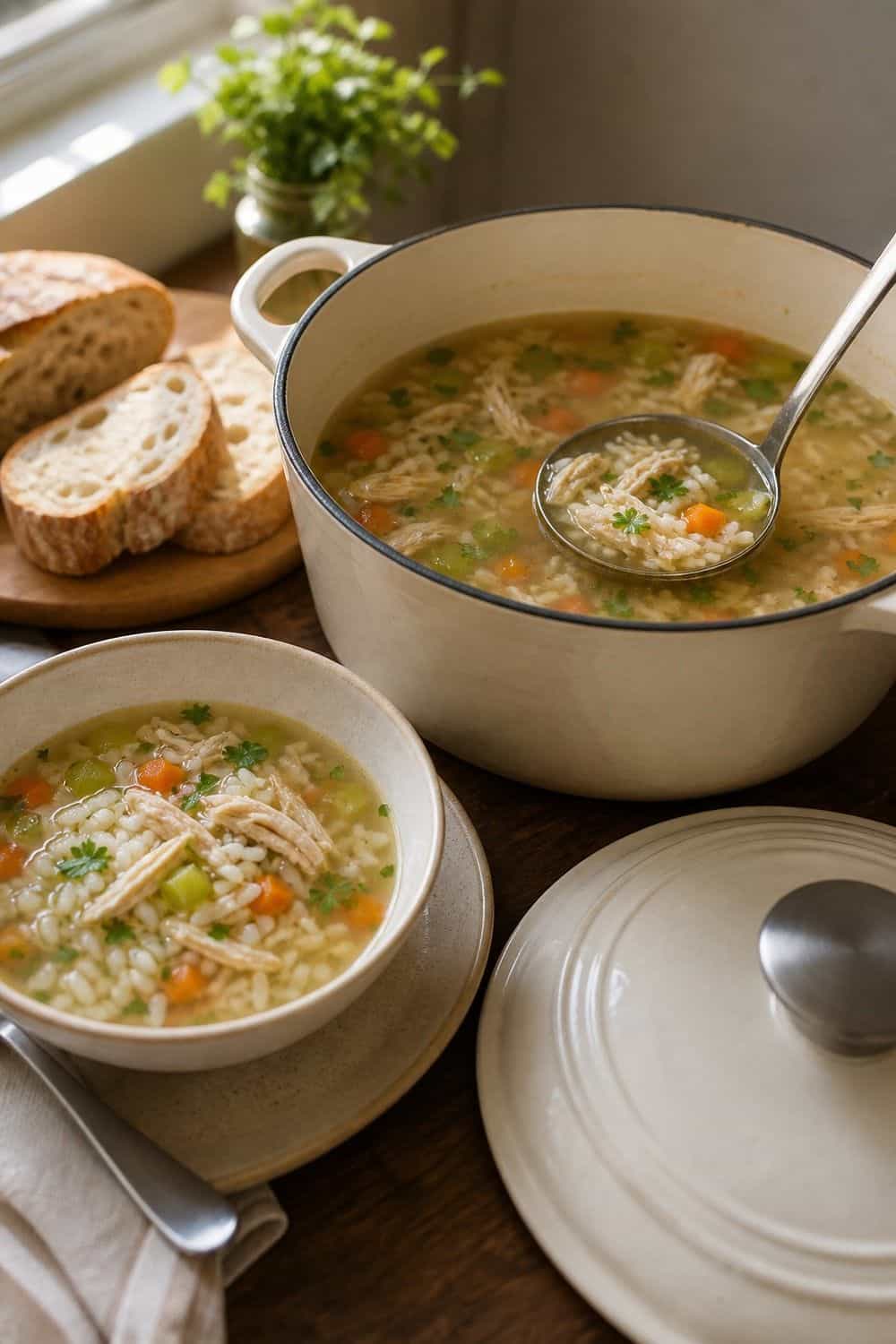
Lighter broth gives guests another path when the table also has bread, grilled cheese, salad, and toppings. Chicken lemon rice, vegetable noodle, tortellini broth, miso mushroom, or pho-inspired chicken can all balance heavier pots. Use a lid between servings so the broth holds heat and stays protected. A glass lid is useful because guests can see what is inside without opening the pot repeatedly and letting steam escape.
Brothy soups also work well for guests who want a second small mug later. Keep noodles or rice from overcooking by choosing sturdy shapes, adding them close to serving, or holding extra broth nearby to loosen the texture. Keep delicate herbs or citrus beside this pot because brothy soups show fresh toppings clearly. Heavy crackers can overwhelm them, but a little lemon or scallion makes the bowl feel finished.
15. Keep Extra Broth Nearby for Thick Soups
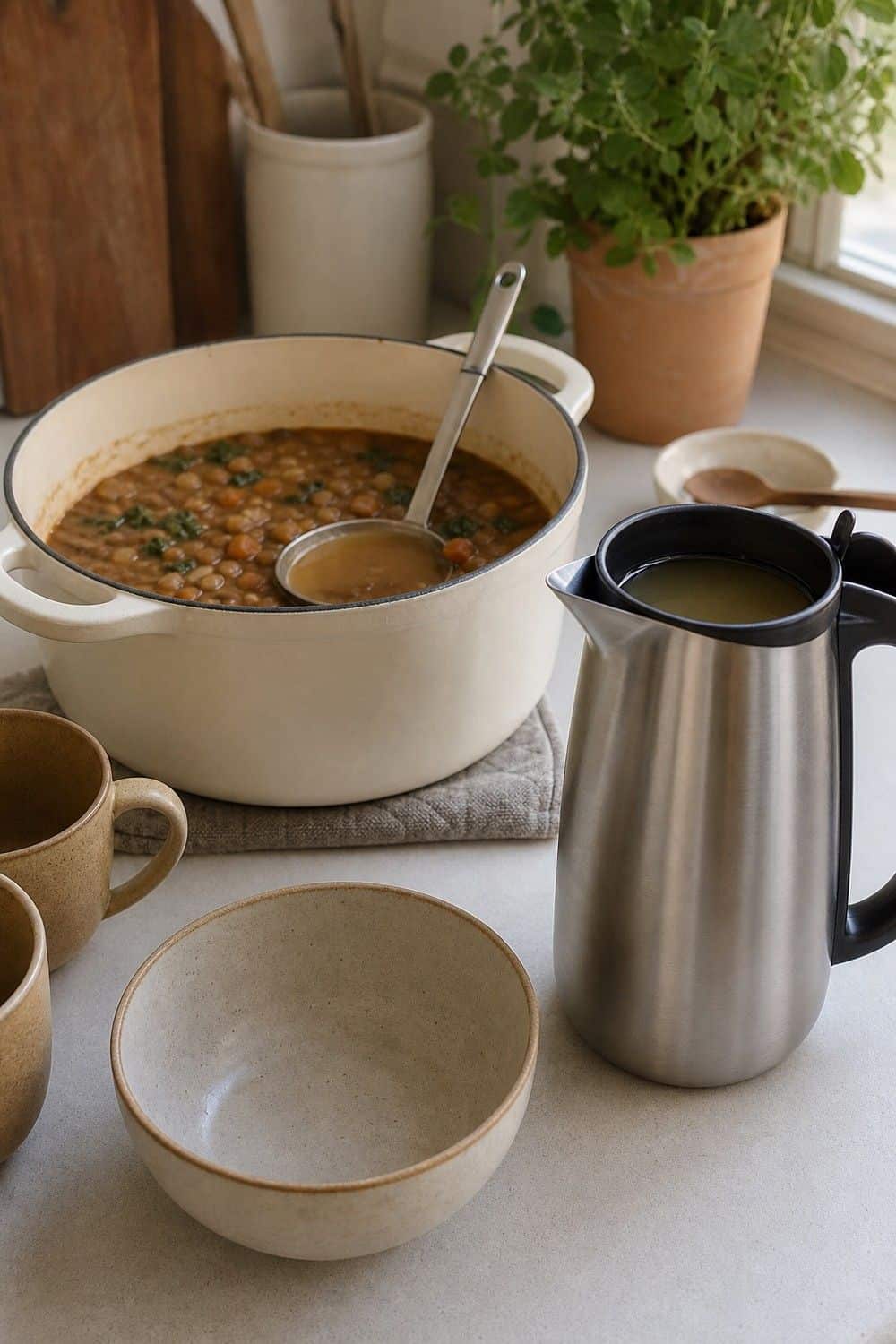
Bean, lentil, potato, rice, and pasta soups often thicken as they sit. A pot that was perfect at 5 p.m. can become scoopable by 6:30, especially on a warm setting. Keep warm broth nearby in an insulated carafe so you can loosen thick soups without cooling the whole pot. Add a little at a time, stir well, then taste for salt because extra broth can flatten the seasoning.
Keep this job with the host, not the whole guest line. One person should adjust the texture so the seasoning stays balanced and the soup does not become watery by the end of the night.
16. Use Soup Flight Cups for Tasting
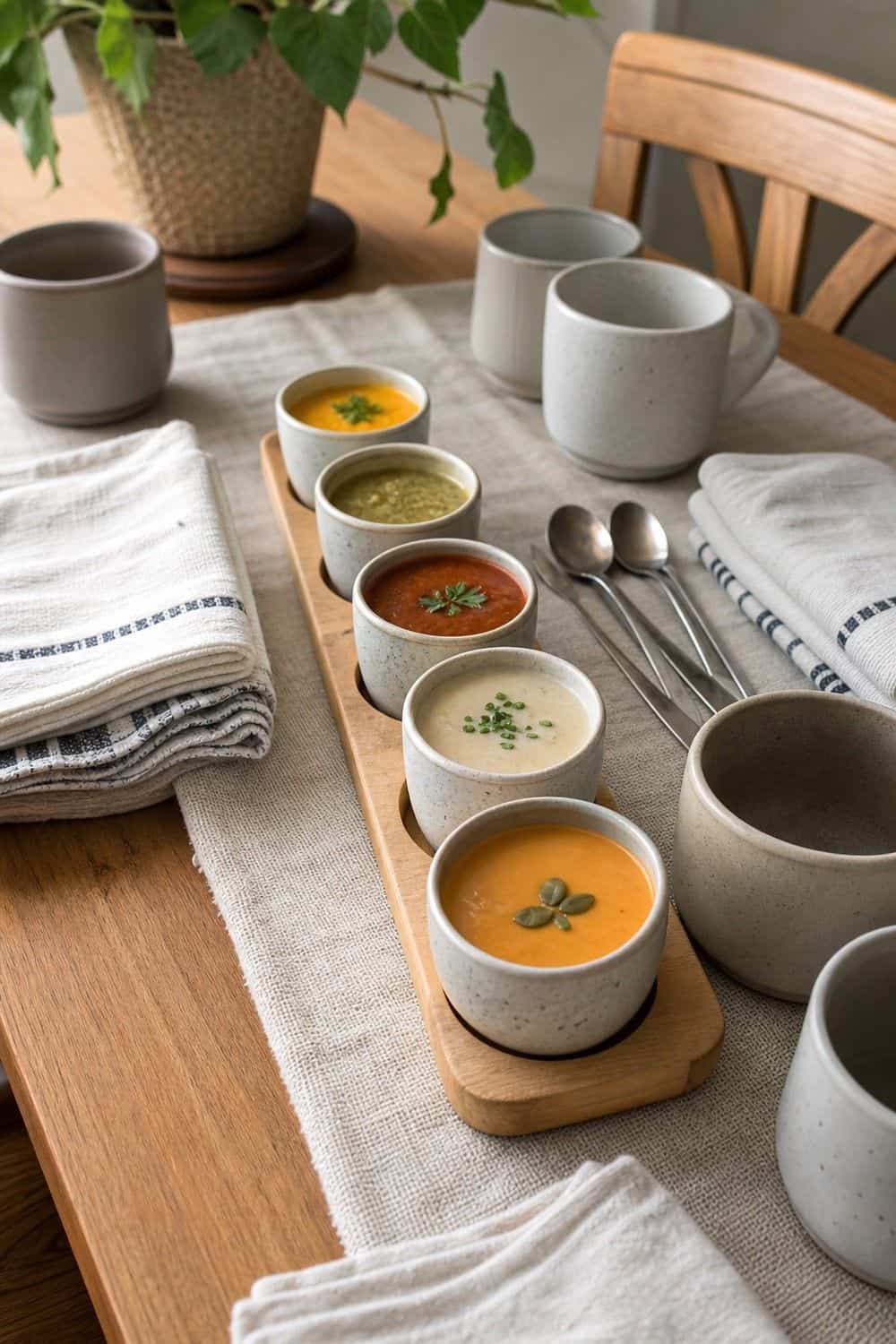
Soup flight cups are perfect for a potluck-style soup party where several people bring different pots. Tiny cups let guests taste a few options before choosing a full mug. Place the cups at the beginning of the line with small spoons and a napkin stack so guests can sample a creamy soup, a brothy soup, and a spicy soup without wasting full portions. Keep tasting cups separate from take-home containers, and set a small tray nearby for used spoons so the buffet does not fill with tiny clutter.
17. Make a Kid-Friendly Mild Soup
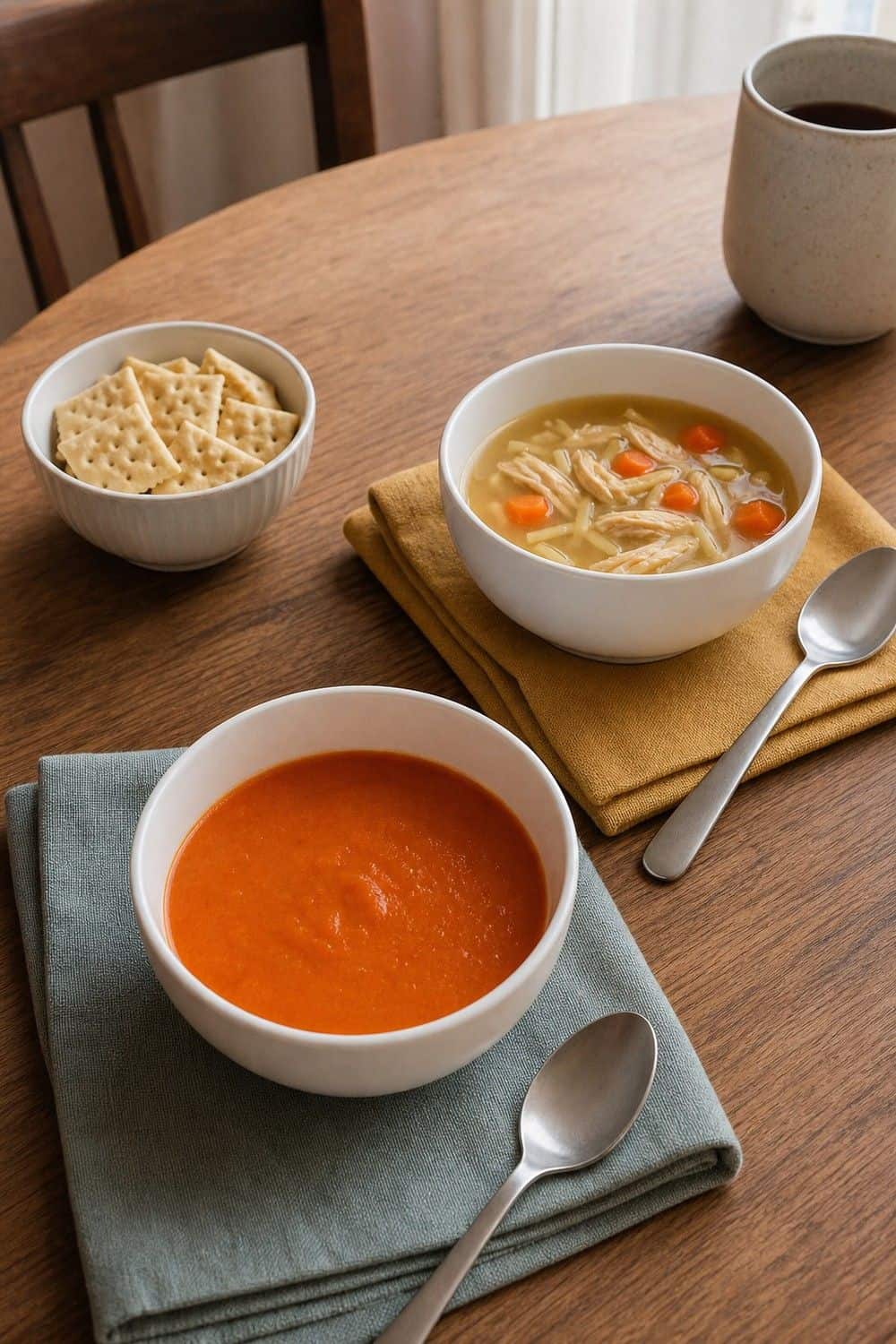
Families need at least one mild option that does not depend on chili oil, strong herbs, or complicated textures. Tomato, chicken noodle, potato, or simple vegetable soup usually works better for kids than the most adventurous pot. Let kid portions cool slightly before serving and use smaller bowls or mugs so the soup is easier to carry. Insulated kids bowls can help with warmth, but check temperature before handing anything to a child.
Keep spicy toppings, hot sauce, and chili oil far away from the kid station. Children can still add crackers, cheese, or croutons, but the heat should be an adult choice rather than a surprise spoonful. If the mild soup is very hot, portion it first and let it sit a few minutes while kids choose bread or toppings. That small pause prevents the first spoonful from being the problem.
18. Set Out Hot Sauce and Chili Oil Separately
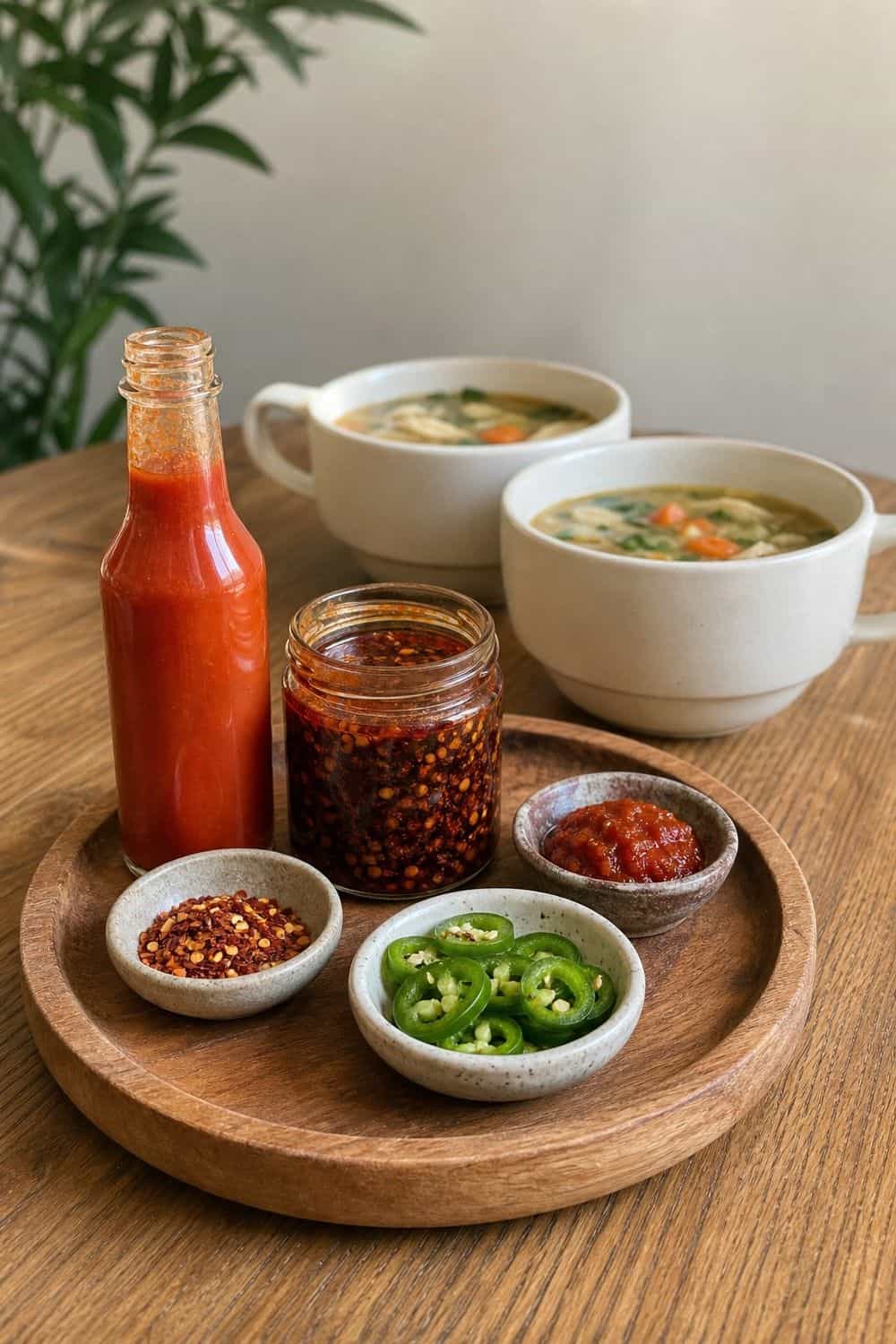
Heat is personal, so let guests add it to their own bowls. A small caddy can hold hot sauce, chili oil, crushed red pepper, jalapenos, or harissa without turning every soup into the spicy option. Put this section after the soup and before the final toppings. Guests can add heat, then finish with herbs, citrus, sour cream, or cheese if they want balance. Watch oil drips near linens, rugs, and light-colored trays.
Chili oil stains quickly, so a small plate or washable mat under the bottles is worth it. Keep it separate from the kid-friendly soup and label it clearly. Choose bottles or jars that pour cleanly. Open bowls of chili oil look pretty for a minute, then invite stained spoons, floating crumbs, and guests who accidentally add far more heat than they intended.
19. Add a Crisp Winter Salad
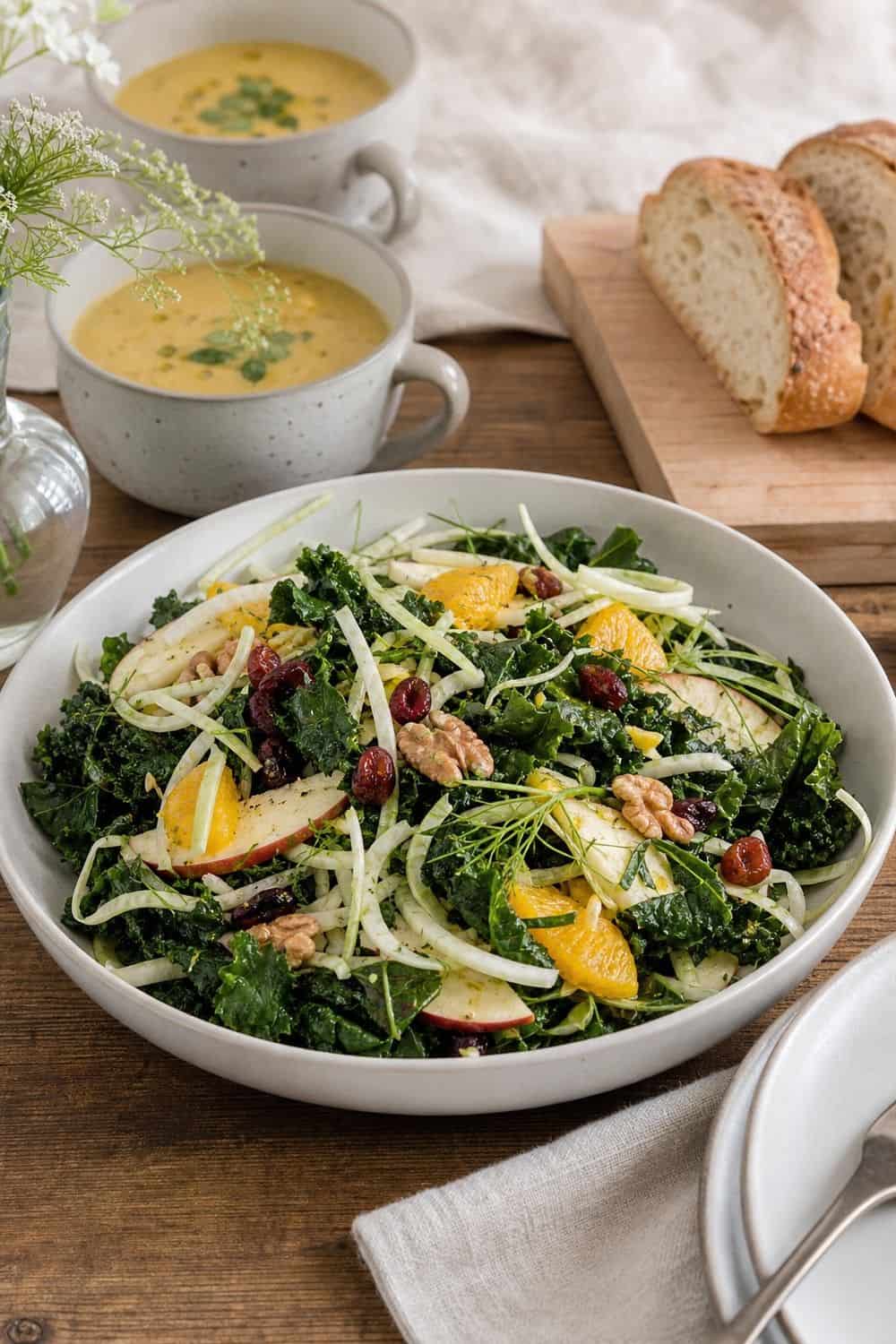
A crisp salad helps balance creamy soup, grilled cheese, and bread. Use winter-friendly ingredients like cabbage, kale, fennel, citrus, apples, cranberries, nuts, or a sharp vinaigrette. Dress the salad close to serving so the greens stay crisp; kale and cabbage hold better than delicate lettuce beside warm food. Place the bowl away from the slow cookers so guests can grab something fresh without standing in the soup line. If people will graze for more than an hour, serve dressing on the side so second helpings still taste bright.
20. Create a Hot Drink Station
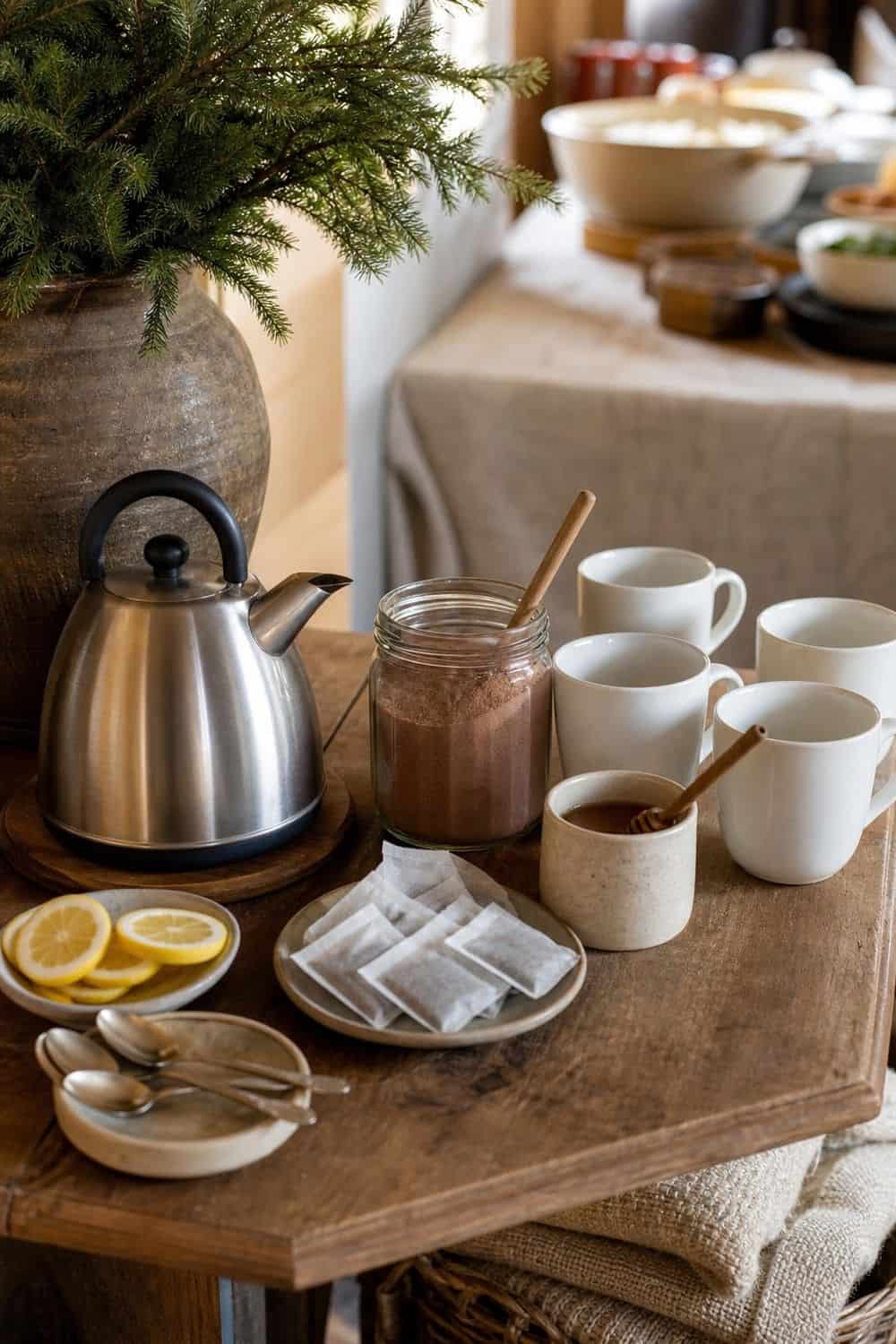
Hot drinks make the room feel even warmer without adding another soup pot. Offer tea, cider, cocoa, lemon, honey, instant coffee, or herbal tea so guests can linger after their bowls are empty. Keep drinks separate from the soup buffet. If everyone is reaching for mugs, spoons, sweeteners, and lemon wedges beside the slow cookers, the line gets crowded and spills become more likely. Add a towel, spoon rest, and small trash bowl for tea wrappers or cocoa packets. Drink stations create their own little mess, and containing it keeps the soup area focused on food.
Use a different mug stack from the soup mugs if you have enough. It prevents guests from refilling a soup-streaked mug with tea and keeps the drink station feeling cleaner.
21. Add Cozy Seating With Trays
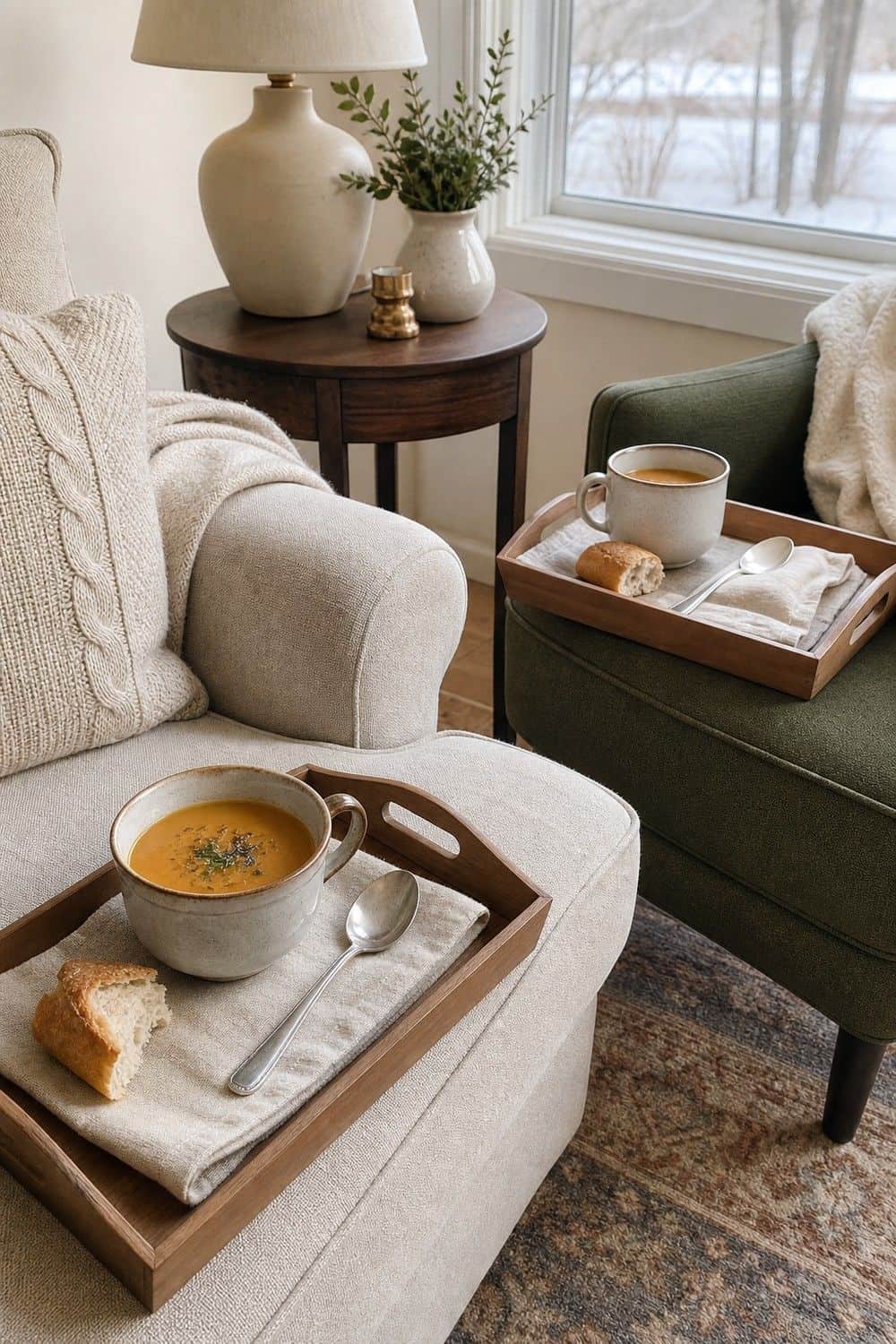
Snow-day soup night may happen around couches, coffee tables, and side chairs instead of one formal dining table. Lap trays help guests balance mugs, bread, napkins, and toppings without juggling everything on a blanket. Set trays near the seating area before people sit down, and add side tables or stools where guests can park hot mugs while they grab more bread.
Keep portions modest if people are moving around. A smaller first serving feels calmer than a full mug sloshing across the living room, and guests can always go back once they are settled.
22. Ask Guests to Bring One Soup Style
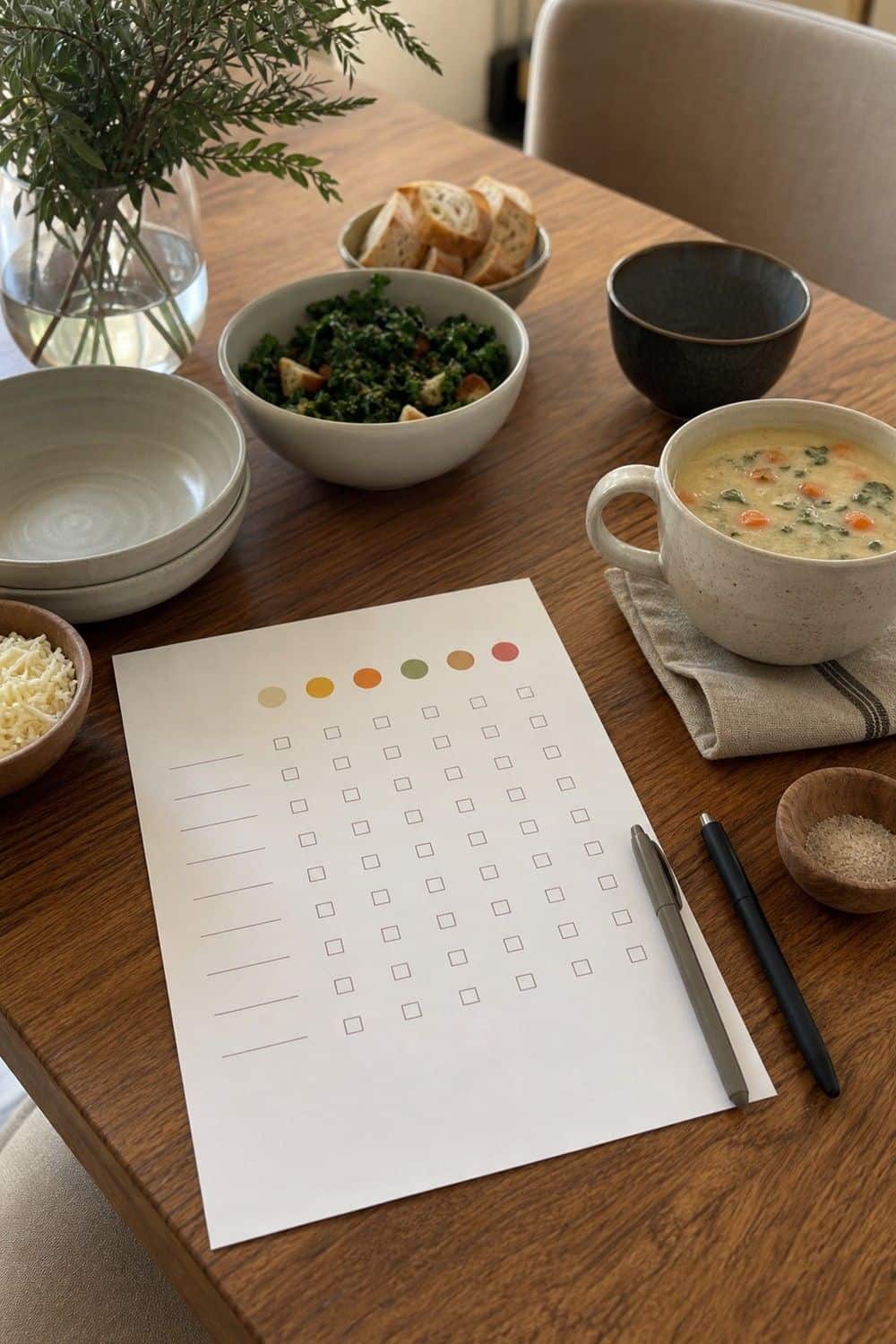
Potluck soup nights need a little coordination. Ask guests to bring one style, such as creamy, brothy, vegetarian, stew-like, bread, salad, or dessert, so the table does not end up with four potato soups and no fresh side. A sign-up sheet can track more than soup names. Add columns for slow cooker, outlet needed, allergens, vegetarian status, and whether the dish arrives hot. That information helps you plan counter space and labels.
Keep the tone friendly. You are not assigning homework; you are making sure the night has variety and enough plugs. Guests are usually relieved when they know exactly what kind of contribution would help. Ask for soup names a day or two before the gathering so you can write labels, plan toppings, and decide whether the menu needs bread, salad, or a lighter broth to balance it.
23. Provide Leftover Containers
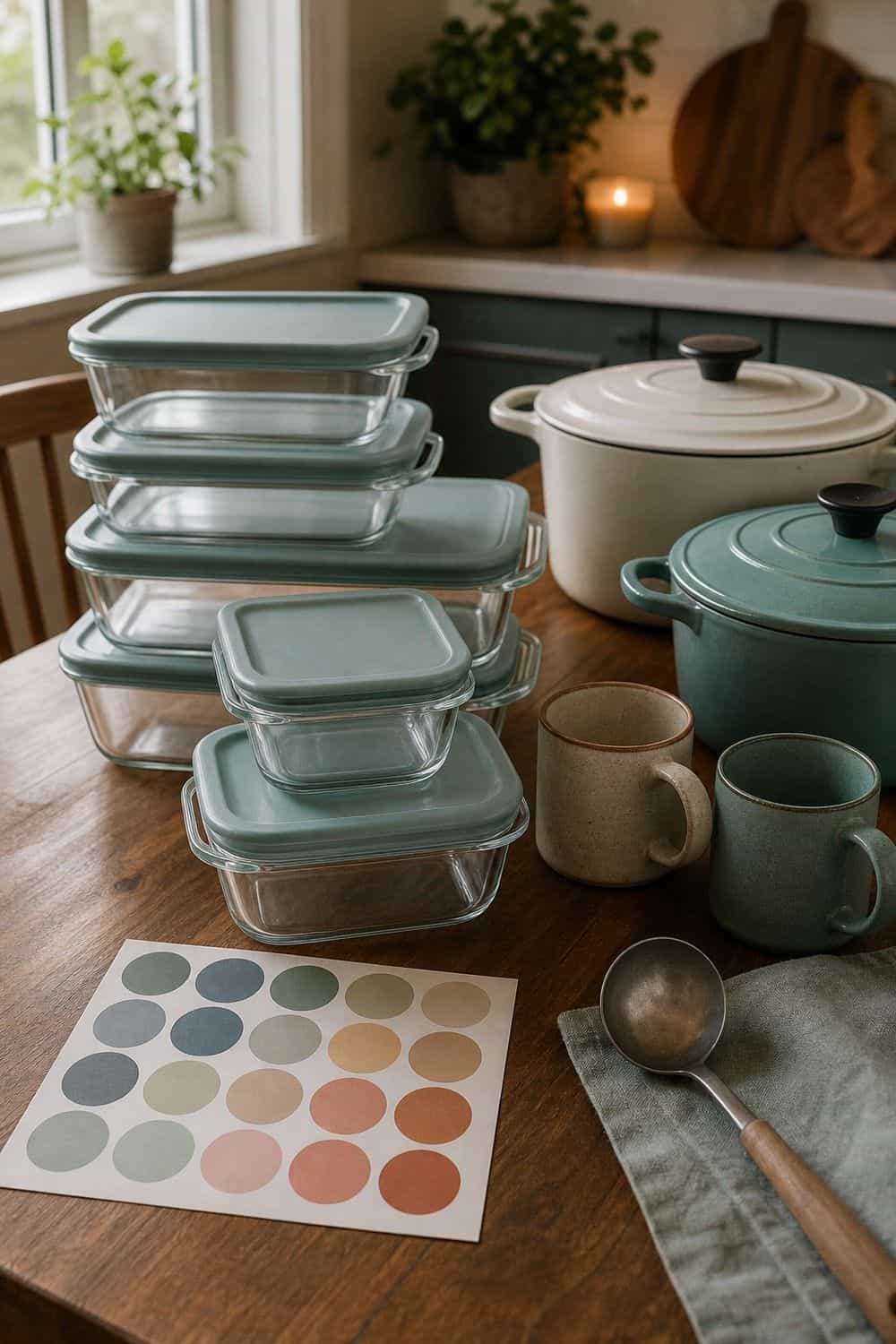
Leftovers tend to happen because every pot feels like the one everyone might want. Have containers ready so guests can take some home and you are not hunting for lids after the room is tired and warm. Label containers with the soup name and date. If a soup is freezer-friendly, note that too. Some cream, noodle, or potato soups change texture after freezing, so a quick label helps guests decide whether to refrigerate or freeze.
Cool leftovers properly before storing. Do not fill a deep container with steaming soup and seal it tightly. Smaller portions cool faster, protect texture, and make next-day lunches easier. Hand containers to guests after the main serving window, not while hot pots are still busy. That keeps the buffet clear and gives you a better sense of which soups actually need to be packed.
24. Cool Extra Soup in Shallow Containers

Food safety becomes most important after everyone has eaten. Hot soup should be cooled quickly and refrigerated within two hours, not left in a giant pot while people keep chatting. Shallow containers help soup cool faster than one deep pot. Divide leftovers into smaller portions, leave room for steam to escape briefly, then refrigerate once they are no longer dangerously hot. An ice bath can help if you made a large batch. Avoid putting a huge steaming stockpot straight into the fridge. It cools slowly and can warm nearby food.
A calm leftover plan lets the cozy part of the night end without sloppy storage decisions. If guests brought soup in slow cookers, transfer leftovers before the insert cools completely on the counter. The goal is prompt cooling, not letting a heavy ceramic insert sit warm for the rest of the evening.
25. End With Tea, Cocoa, or Cookies

Dessert should be low effort when soup pots, bread boards, and mugs are already filling the kitchen. Tea, cocoa, shortbread, ginger cookies, chocolate squares, or a simple cookie jar can close the night without turning on the oven. Keep the sweet finish near the hot drink station rather than the soup pots so guests can shift out of dinner mode without crowding the leftover containers. This ending also helps signal that the soup buffet is winding down. Once tea and cookies come out, start portioning leftovers and cooling extra soup so the food safety part happens before everyone fully settles into the snow-day mood.
FAQs
What are good snow day soup night hosting ideas?
Good snow day soup night hosting ideas include serving two different soup styles, using slow cookers, setting out mugs or bowls, creating a toppings bar, adding bread or grilled cheese, labeling allergens, offering hot drinks, and preparing leftover containers before guests leave.
How do you host a soup party?
Host a soup party by planning a mix of creamy, brothy, vegetarian, and hearty soups, setting up slow cookers safely, providing ladles and labels, offering bowls or mugs, and adding toppings, bread, salad, and drinks. For a potluck, ask guests to claim one soup style early.
What soups are best for a snow day?
Tomato soup, lentil kale, white bean, chicken lemon rice, potato leek, butternut squash, black bean, beef barley, cauliflower, and vegetable noodle soups all work well. Choose at least one hearty option and one lighter broth so guests have a real choice.
How do you keep soup warm for a party?
Use slow cookers or covered pots for fully cooked soup, hold soup above 140 F, stir occasionally, and monitor time and temperature. Quality is best in the first 1 to 2 hours. If soup cools too much, reheat it thoroughly before serving again.
What toppings should I serve with soup?
Serve crunchy toppings like croutons, Parmesan crisps, crackers, crispy onions, tortilla strips, and toasted seeds, plus fresh toppings like herbs, scallions, lemon, lime, and gremolata. Hot sauce, chili oil, sour cream, and shredded cheese can sit in separate labeled areas.
Should I serve soup in mugs or bowls?
Mugs are useful for casual couch seating because they have handles and keep portions smaller. Bowls are better for a dining table, larger portions, or soups with lots of toppings. Either way, avoid filling them to the brim.
What goes with soup for a party?
Bread, rolls, grilled cheese, crackers, winter salad, hot drinks, and simple cookies all go well with soup. For balance, include something fresh or crisp so the meal is not only creamy soup, bread, and cheese.
How do I store leftover soup safely?
Cool leftover soup quickly in shallow containers and refrigerate it within two hours. Label containers with the soup name and date, and freeze portions if needed. Avoid cooling a huge hot pot in the fridge because it takes too long and can warm nearby food.
Final Thoughts
The best snow day soup night hosting ideas make guests feel taken care of without making the host stand over the stove. Choose varied soups, hold them safely, label what matters, add toppings and bread, keep seating easy, and cool leftovers properly so the whole night stays warm, relaxed, and easy to clean up.
Build the serving flow with mugs first, soup pots next, toppings after that, bread to the side, and hot drinks away from the busiest area. Keep cooked soup above 140 F while serving, enjoy the best quality early, and cool extra soup in shallow containers within two hours.
Last update on 2026-09-18 / Affiliate links / Images from Amazon Product Advertising API