

Green shallots are slender onion-like stalks, often another name for green onions or scallions depending on the region. They have white bases, green tops, and a fresh mild onion flavor used in salads, stir-fries, soups, noodles, sauces, and garnishes.
Green shallots are the fresh onion you reach for when a full onion would feel too heavy. The white part brings bite, the green part brings color, and both cook quickly.
Green shallots are useful because they work raw and cooked. The same bunch can season a stir-fry, finish a soup, and brighten a dipping sauce.
Their flavor fades with long cooking, so add them in stages when possible. Whites early, greens late is usually the cleanest approach.
If the tops are starting to wilt but are not slimy, trim them and use them in cooked food. Save the crispest pieces for fresh garnishes.
They are also handy when you do not want to peel a full onion. A quick rinse, trim, and slice is usually all the prep they need.
For sauces, mince the whites finely and slice the greens wider. That gives you stronger flavor in the base and prettier pieces on top.
The roots can even regrow briefly in water if the bases are fresh.
Recommended products


Recommended reads:
- Quick and Easy Chicken Stir-Fry
- Green Beans in Oyster Sauce and Garlic
- Vietnamese Fish Sauce
- Homemade Chili Oil
- Sambal Oelek Substitute
What are green shallots?
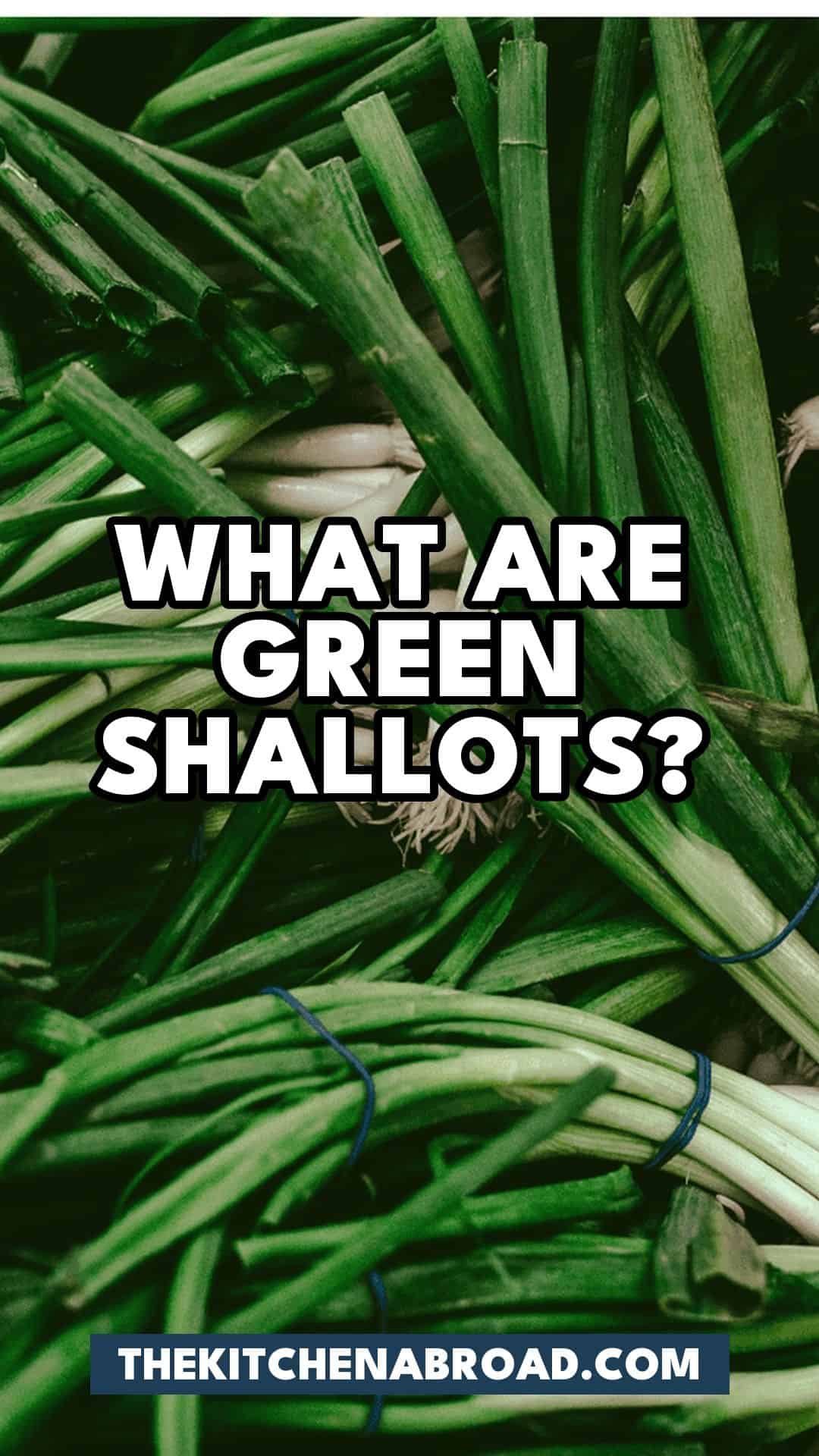
In many places, green shallots means green onions or scallions. They are harvested young before a large bulb forms. The white base tastes stronger and more oniony, while the green tops are milder and grassy.
The naming can be regional, which is why recipes sometimes feel confusing. If the photo shows long green stalks with white bases, scallions or green onions are usually the right match.
They give onion flavor quickly because the pieces are small and tender. That makes them perfect for fast cooking.
Culinary uses of green shallots
Use green shallots raw in salads, dips, noodle bowls, tacos, and garnishes, or cook them briefly in stir-fries, fried rice, omelets, pancakes, soups, and sauces. They are especially useful when you want onion flavor without long cooking.
The greens are excellent raw, but the white bases can be punchy. If raw onion bite bothers you, soak sliced whites in cold water for a few minutes.
Green shallots alternatives and substitutes
- Scallions: Usually the same ingredient under another name. Use one for one.
- Spring onions: Stronger with a small bulb. Slice thinly and use a little less raw.
- Chives: Milder and more delicate. Best for garnishes and dips.
- Leeks: Sweeter and larger. Cook them first; do not use as a raw garnish.
- Shallots: More pungent and bulb-like. Mince finely when replacing the white part.
How to store green shallots
Wrap green shallots loosely in paper towel and refrigerate them in a bag or container. Keep the tops dry so they do not turn slimy.
Where to buy green shallots
Choose bunches with firm white bases and perky green tops. Avoid yellowing, limp, or wet stalks.
Avoid bunches with wet rubber bands digging into the stems. That trapped moisture is often where sliminess starts first.
Common mistakes using this product
Do not cook the green tops as long as the white bases. Add whites earlier for flavor and greens near the end for color.
Famous dishes this is used
Green shallots are used in scallion pancakes, fried rice, ramen, pho garnishes, dumpling sauce, green onion oil, omelets, noodle bowls, and Korean pajeon.
Tips on how to use green shallots
Split the bunch by color. Use the white and pale green parts like a quick onion base, then save the dark green tops for the finish. That gives you flavor without losing the fresh green edge.
TKA recipes that use or pair well with green shallots
These TKA posts are useful next reads because they use a similar ingredient, flavor, sauce, drink idea, or serving style:
- Quick and Easy Chicken Stir-Fry
- Green Beans in Oyster Sauce and Garlic
- Vietnamese Fish Sauce
- Homemade Chili Oil
- Sambal Oelek Substitute
FAQ
Are green shallots the same as scallions?
In many regions, yes. The name often refers to green onions or scallions.
Can I use regular shallots instead?
Yes, but regular shallots are stronger and bulb-like, so use less and mince them finely.
Which part of green shallots do you eat?
Both the white base and green tops are edible.
Can you cook green shallots?
Yes. Cook the white parts longer and add green tops near the end.
How do you keep green shallots fresh?
Keep them cold, lightly wrapped, and dry in the refrigerator.
Conclusion
Green shallots are mild, fast, and useful from white base to green tip. Treat the two parts differently, keep the bunch dry, and swap with scallions, spring onions, chives, leeks, or shallots when needed.
Last update on 2026-10-05 / Affiliate links / Images from Amazon Product Advertising API