
If you are deciding what to bring to a potluck, ask the host what category is missing, then choose something portable, make-ahead, easy to serve, and clearly labeled. Good options include pasta salad, grain salad, slaw, casseroles, focaccia, dips, sheet cake, cookies, drinks, ice, paper goods, or serving tools.
A good potluck contribution solves a real problem for the table. It might feed a crowd, add something fresh to a heavy spread, cover drinks or ice, or make serving easier for the host.
The safest answer is not always the fanciest dish. When you know what to bring to a potluck, think about travel, temperature, serving utensils, labels, and leftovers before you think about impressing anyone.
Top Recommended Products


You Might Also Like These Blog Posts
- Casual Dinner Party Menu Ideas
- Holiday Open House Food Ideas
- Friendsgiving Hosting Ideas
- New Year’s Eve Appetizer Ideas
- Wine Night Snack Ideas
What to Bring to a Potluck
1. Host Category Check Before Cooking
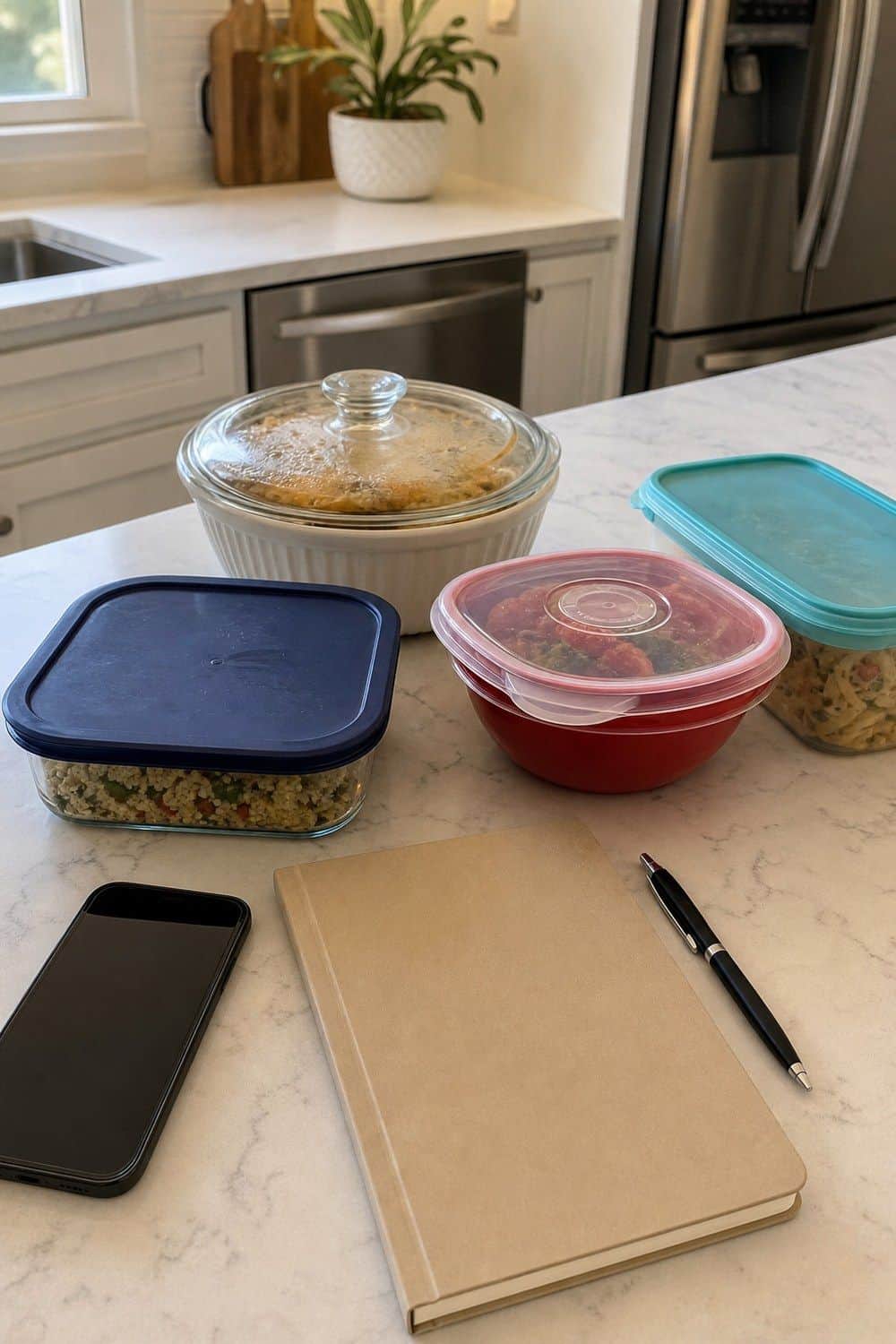
The most useful first move is asking whether the table needs a main, side, salad, dessert, drinks, ice, or paper goods. A potluck sign up sheet helps organized groups avoid six pasta salads, four brownie pans, and no fresh food. If there is no sign-up, ask one clear question instead of offering “anything.” It is much easier for the host to answer when you name categories, serving time, and whether your dish needs fridge space or counter space nearby at arrival.
2. Pasta Salad That Can Sit Out Briefly
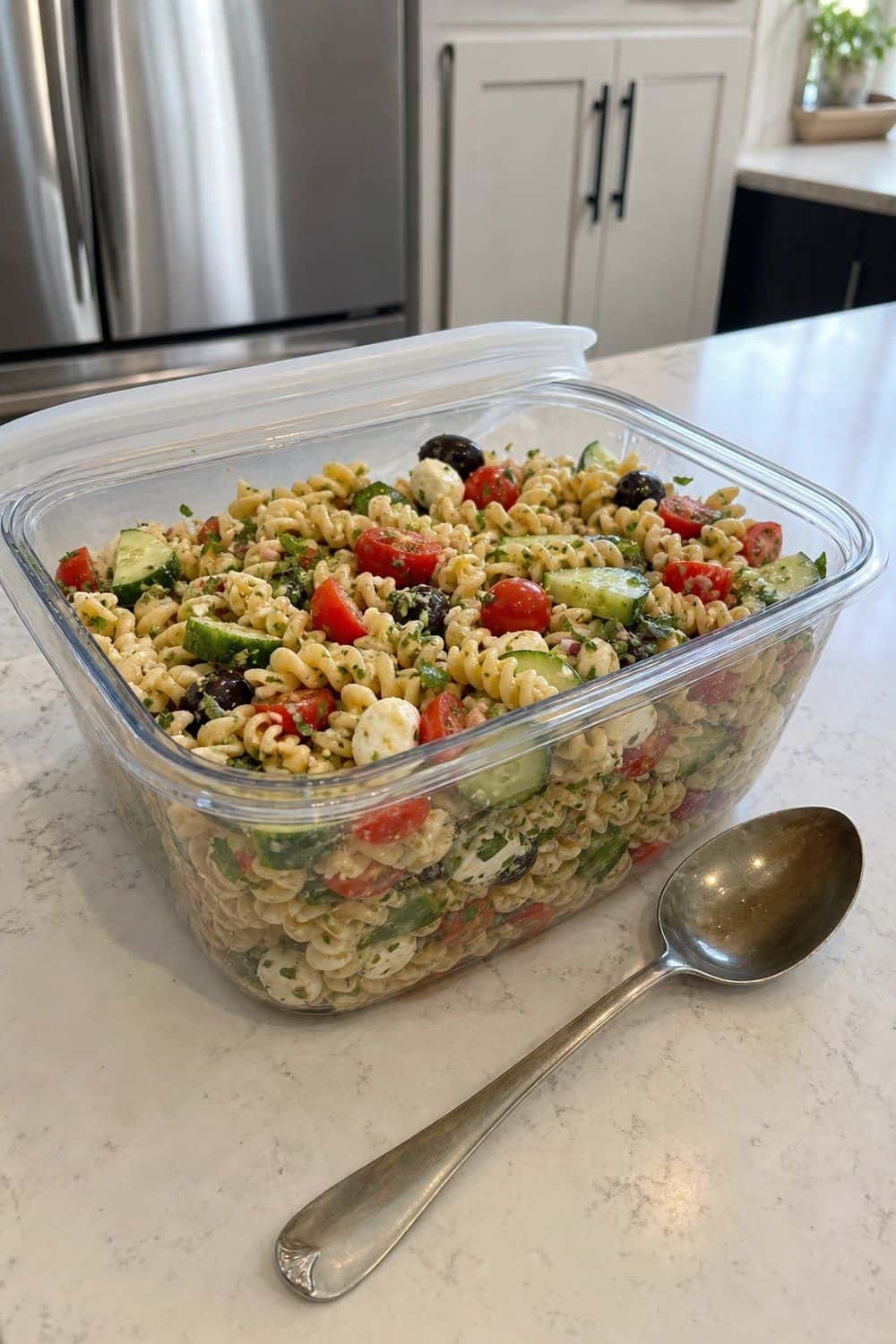
Pasta salad is a reliable choice because it travels well and does not need perfect timing. Italian pasta salad, chickpea pasta salad, pesto pasta salad, dill pickle pasta salad, or black bean avocado pasta salad can all work if the dressing is not watery. A pasta salad container with a tight lid keeps the dish chilled and prevents leaks on the way over.
Keep delicate greens separate if they will wilt, and stir the salad once after arrival. Bring a spoon large enough to handle the pasta shape.
3. Bright Grain Salad
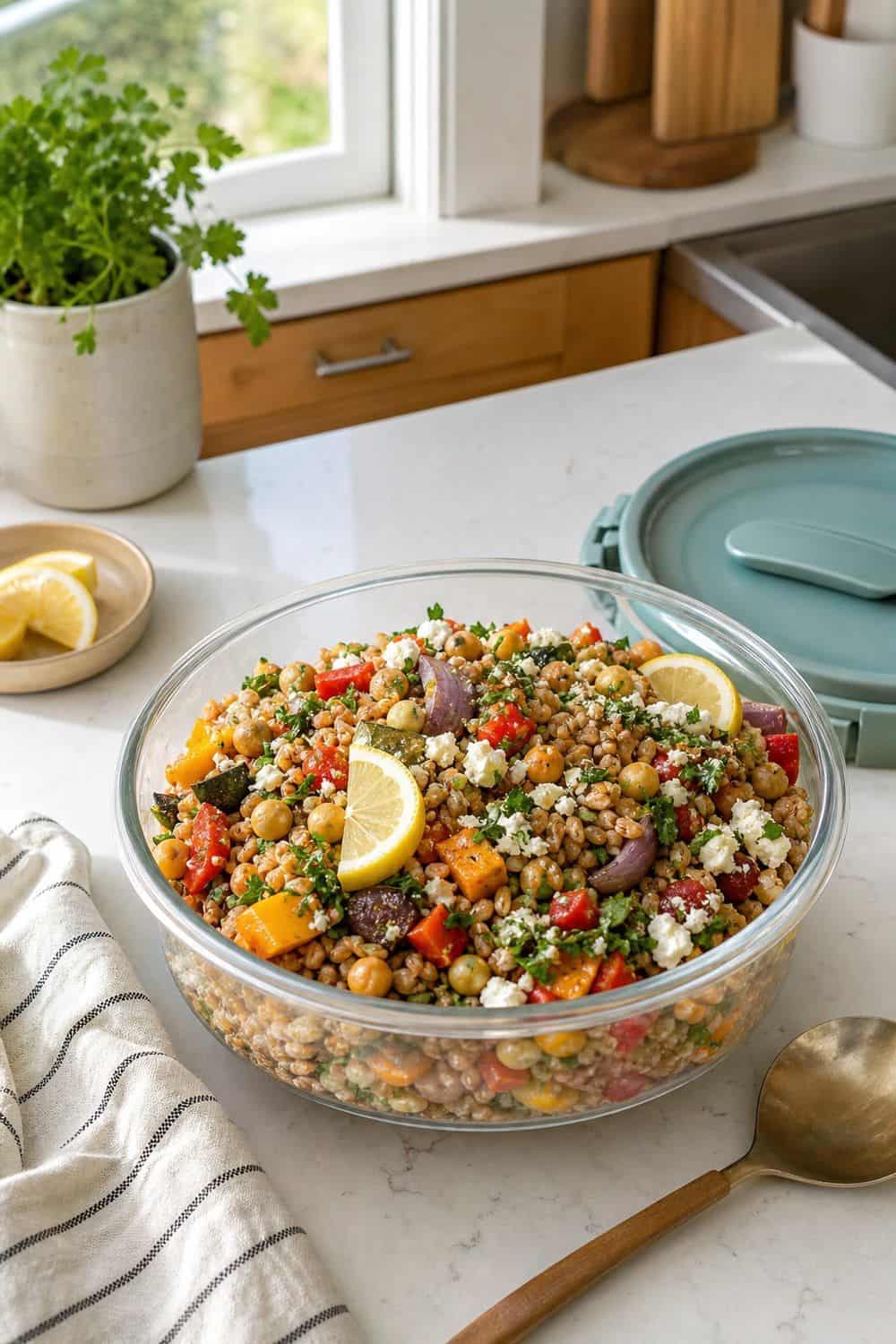
Grain salads bring freshness to a table that may already have casseroles, creamy sides, and rich desserts. Use farro, quinoa, couscous, lentils, herbs, citrus, roasted vegetables, feta, toasted nuts, or chickpeas. A leakproof salad bowl lets you dress and transport the salad without juggling extra containers. Choose grains that hold their shape and flavors that improve as they sit. Lemon, parsley, olive oil, and roasted vegetables are safer than fragile lettuce or very soft fruit on a crowded buffet table.
4. Potato Salad With a Twist
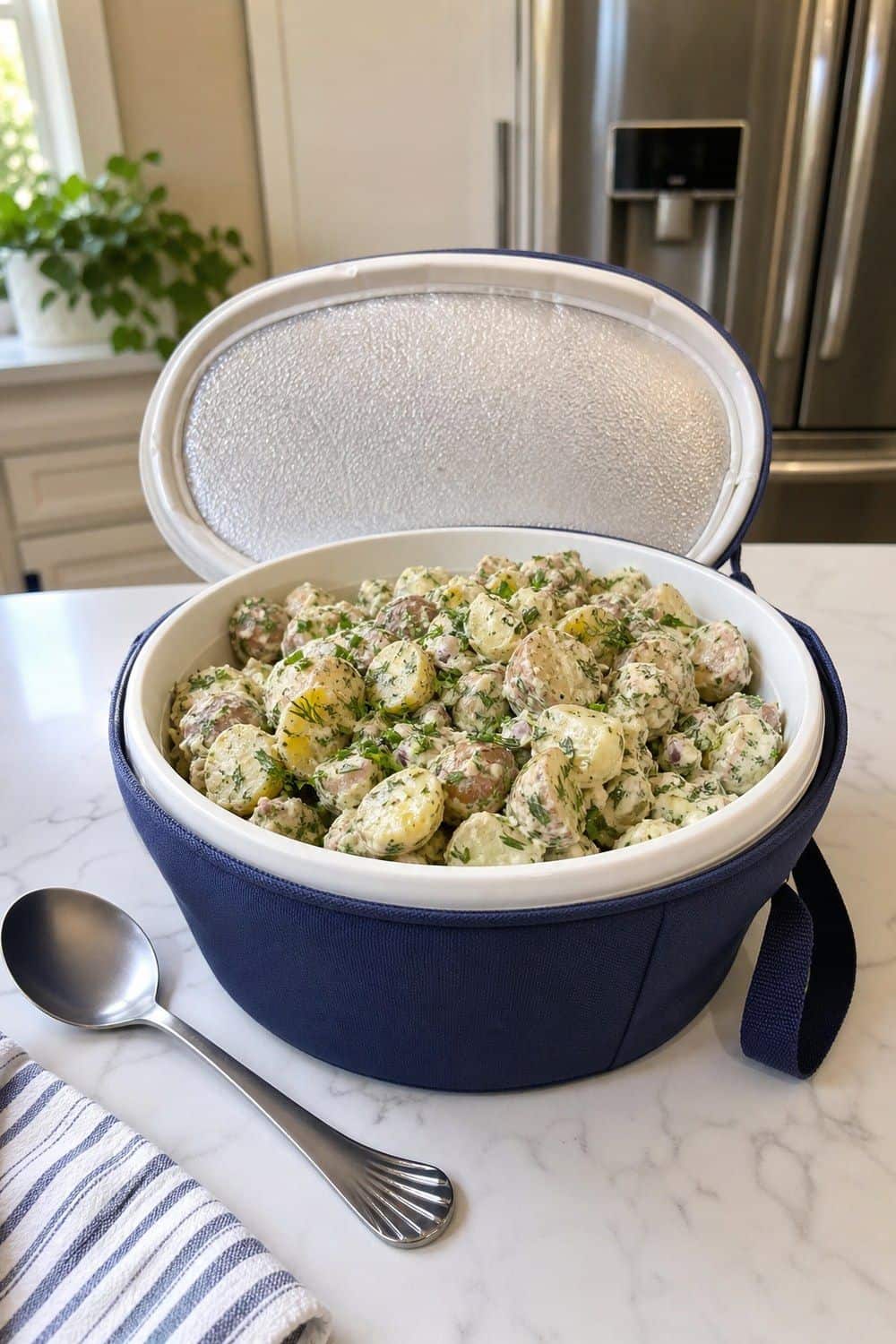
Potato salad is familiar, but it does not have to be heavy or bland. Try Greek potato salad with herbs and lemon, bacon ranch potato salad, loaded baked potato salad, or mustard herb potato salad. An insulated salad carrier helps keep the bowl cold during the drive, especially if the recipe uses dairy, eggs, or bacon.
Label the main allergens and keep the salad covered until serving. A clear label is kinder than making every guest guess what is hiding in the dressing.
5. Crunchy Slaw
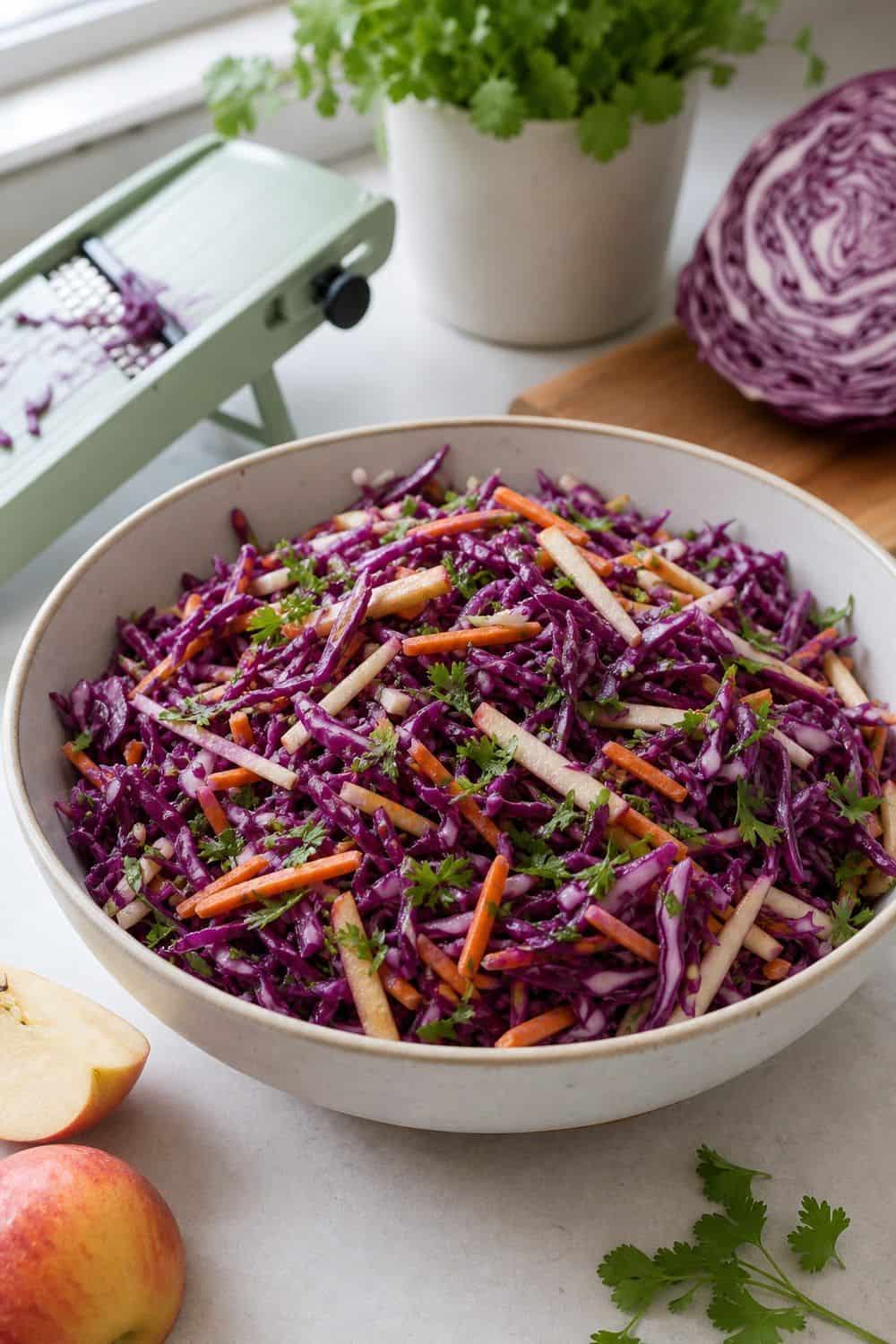
Slaw is valuable because potluck tables often lean creamy, baked, and soft. Red cabbage, carrots, apples, Brussels sprouts, herbs, sesame dressing, or vinegar dressing bring crunch and acidity to the plate. A cabbage shredder makes prep faster if you are feeding a large group, but bagged cabbage can work when time is short. Dress slaw lightly before leaving, then refresh it at the table if needed. Avoid drowning it in sauce, because watery slaw can run into other foods and soften chips.
6. Deviled Egg Dip Instead of Deviled Eggs
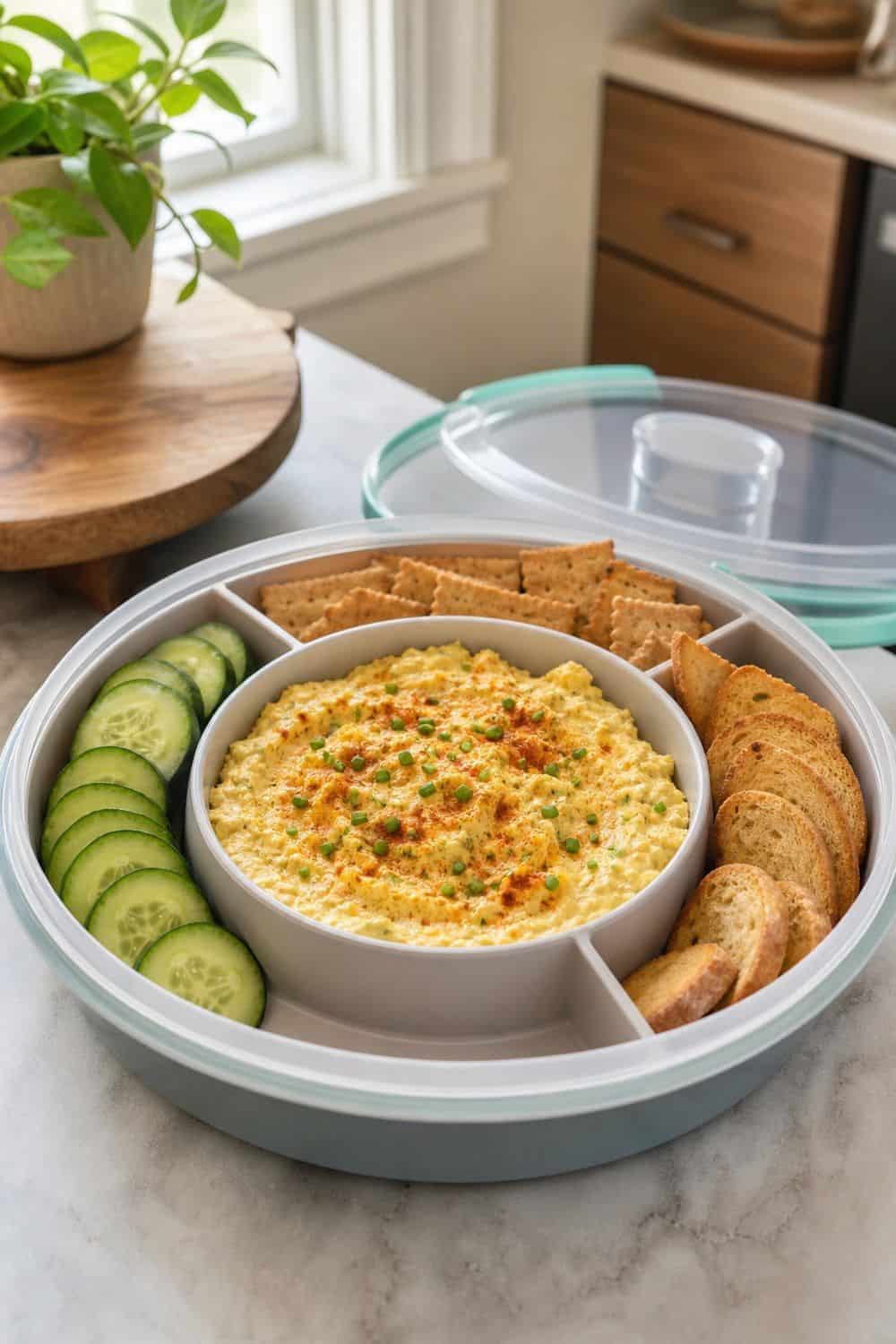
Deviled egg dip gives you the flavor of deviled eggs without the stress of transporting perfect halves. Mash eggs with mustard, mayo, paprika, herbs, or pickles, then pack the dip in a chip and dip carrier with crackers, chips, cucumber slices, or toast points. Keep it cold until serving and label eggs and mayo clearly. This is especially useful when the trip is bumpy, the host has limited fridge space, or you want an appetizer guests can scoop without a delicate platter.
7. Travel-Friendly Bean Dip
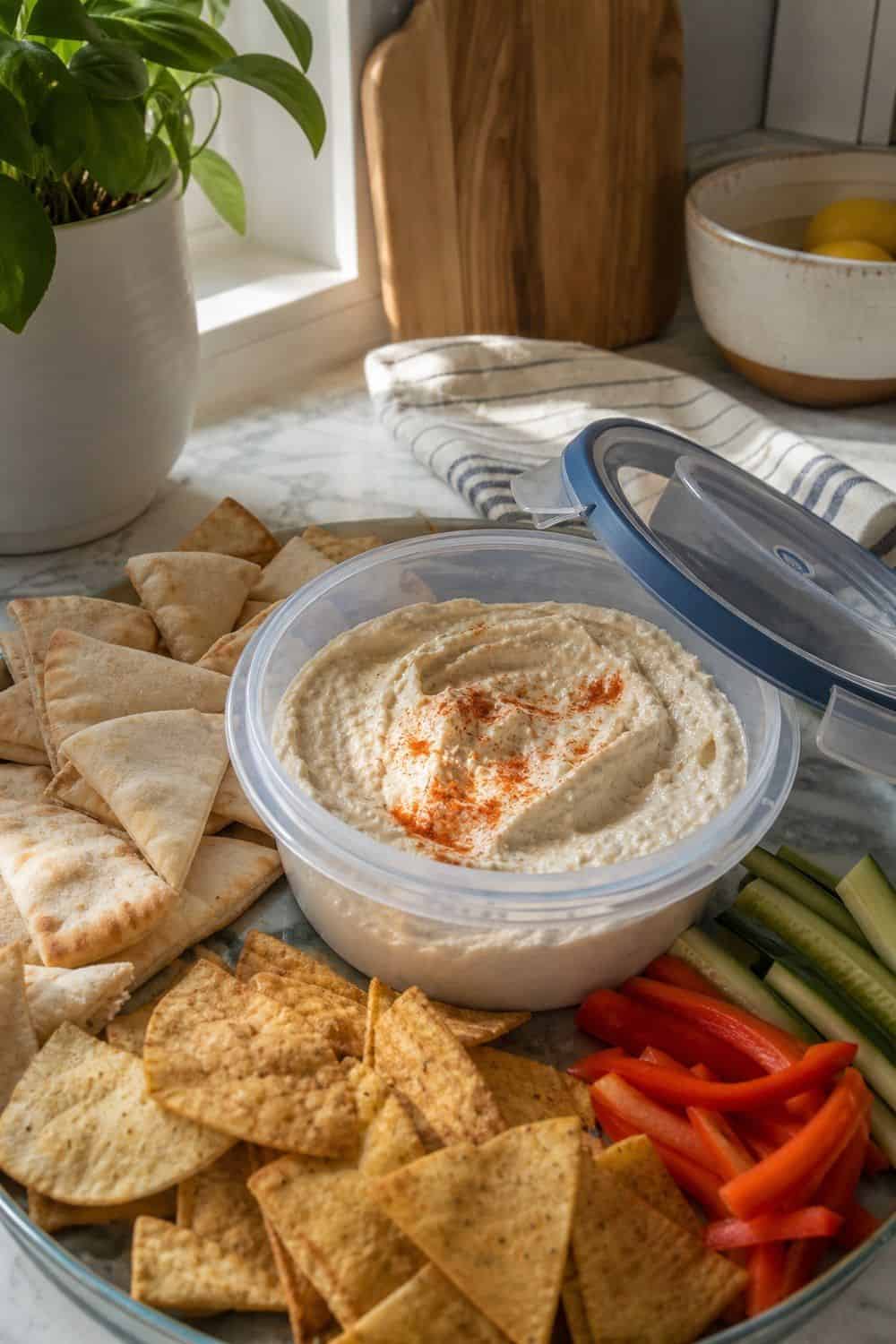
Bean dip is one of the easiest potluck food ideas because it can be made ahead, covered, and served without reheating. White bean dip, black bean dip, hummus, or seven-layer dip all work if the texture is thick enough to stay scoopable. A covered dip bowl keeps the top protected during the trip.
Bring sturdy chips, pita wedges, crackers, or cut vegetables with the dip. If the dip has dairy, keep it chilled and avoid leaving it uncovered for the whole event.
8. No-Cook Snack Box
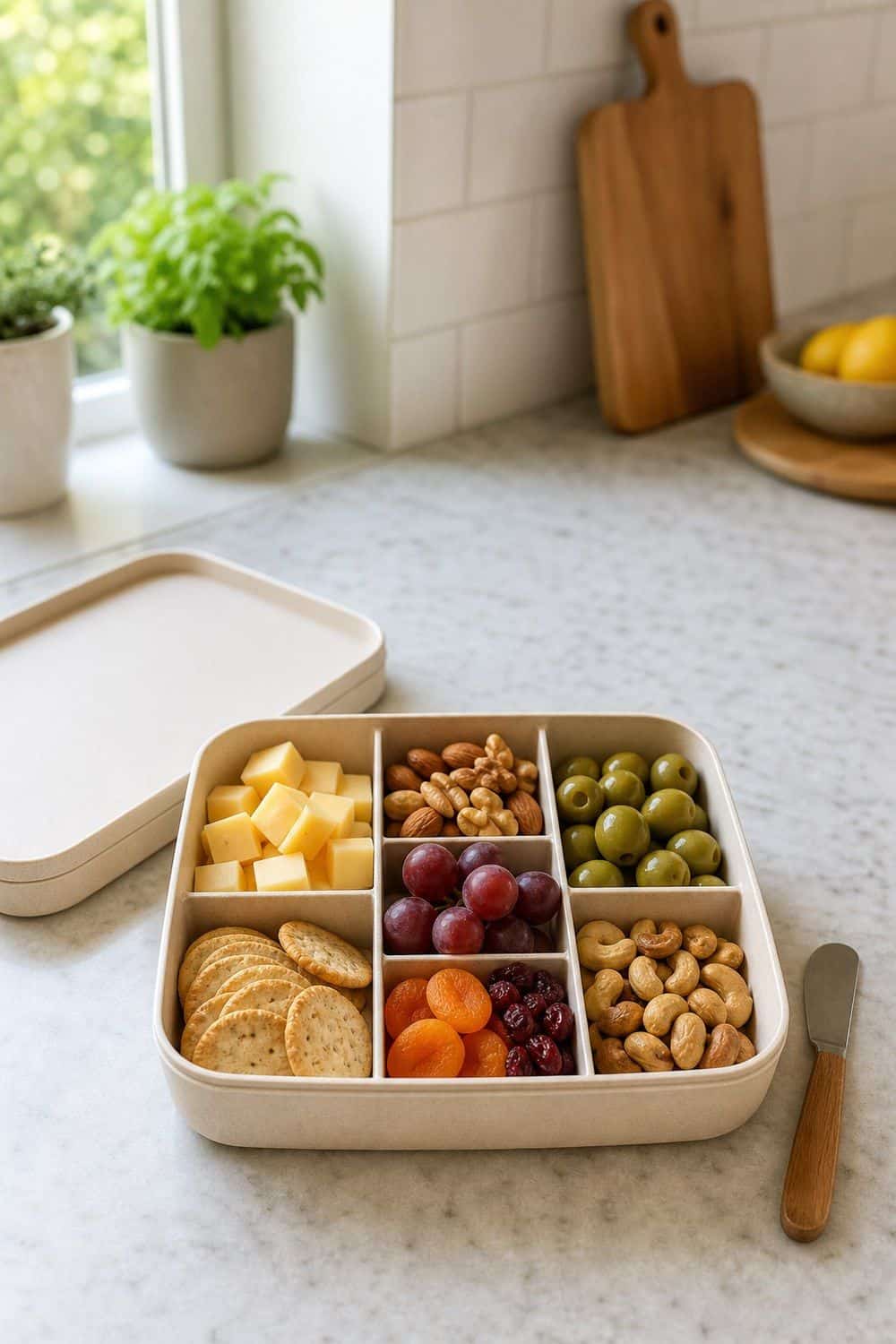
A cheese and cracker box is the good store-bought option when you do not have time to cook. Fill a divided snack box with cheese cubes, crackers, nuts, olives, grapes, dried fruit, and a small knife. It looks more useful than a last-minute package dropped on the counter. Keep strong-smelling cheeses modest and choose crackers that do not crumble instantly. Skip a sad pre-cut vegetable tray unless the host specifically asked for vegetables or a fresh snack tray starter option.
9. Vegetarian Main Casserole
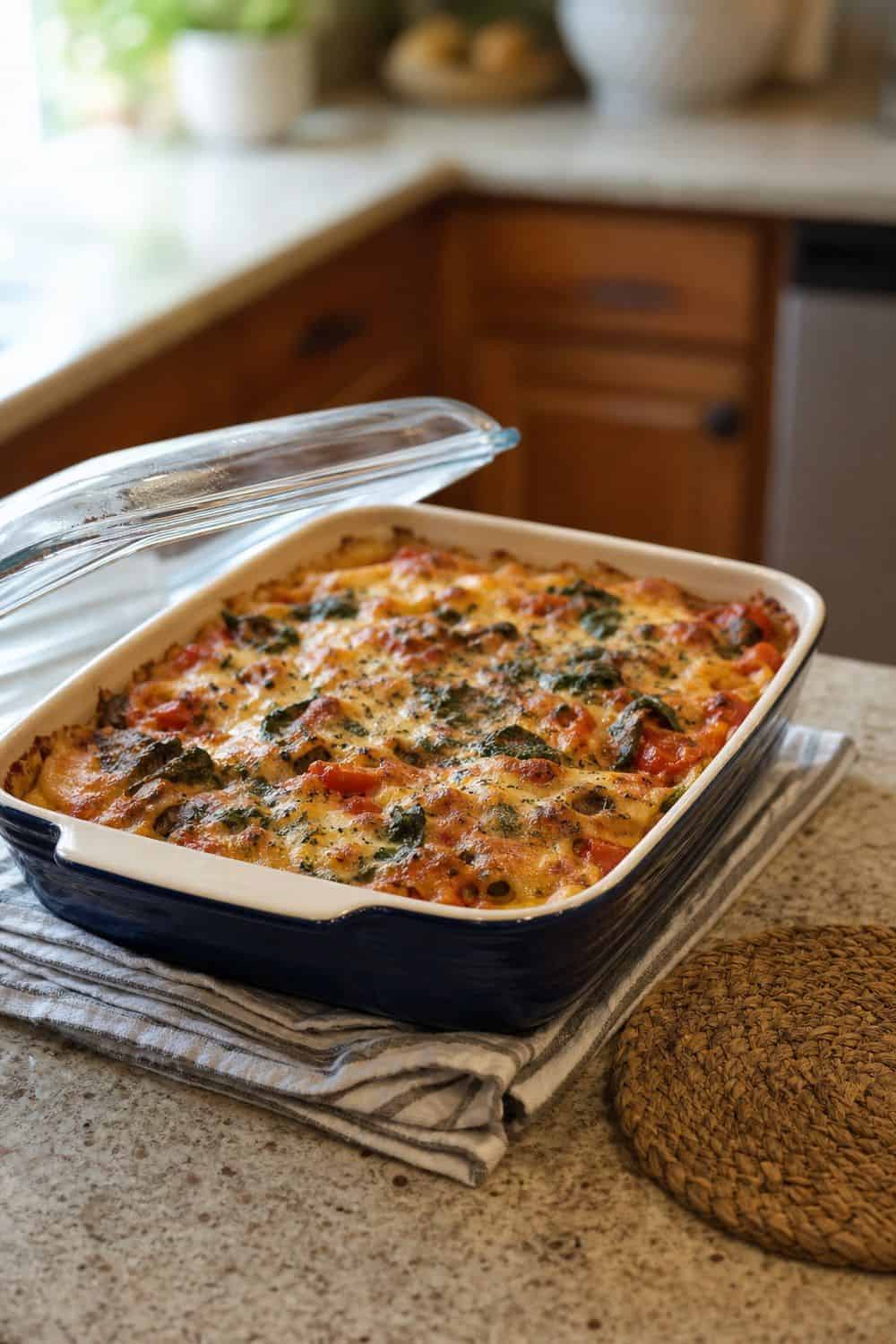
A vegetarian main helps guests who may otherwise be stuck with side dishes. Baked ziti, enchilada casserole, vegetable lasagna, hash brown casserole, or a chickpea bake can all feed a crowd from one casserole dish with lid. Ask before planning to use the host’s oven, because potluck oven space is often already spoken for. If the casserole is best warm, bring it hot in an insulated carrier or choose a version that still tastes good at room temperature with salad.
10. Slow-Cooker Main With Confirmed Outlets
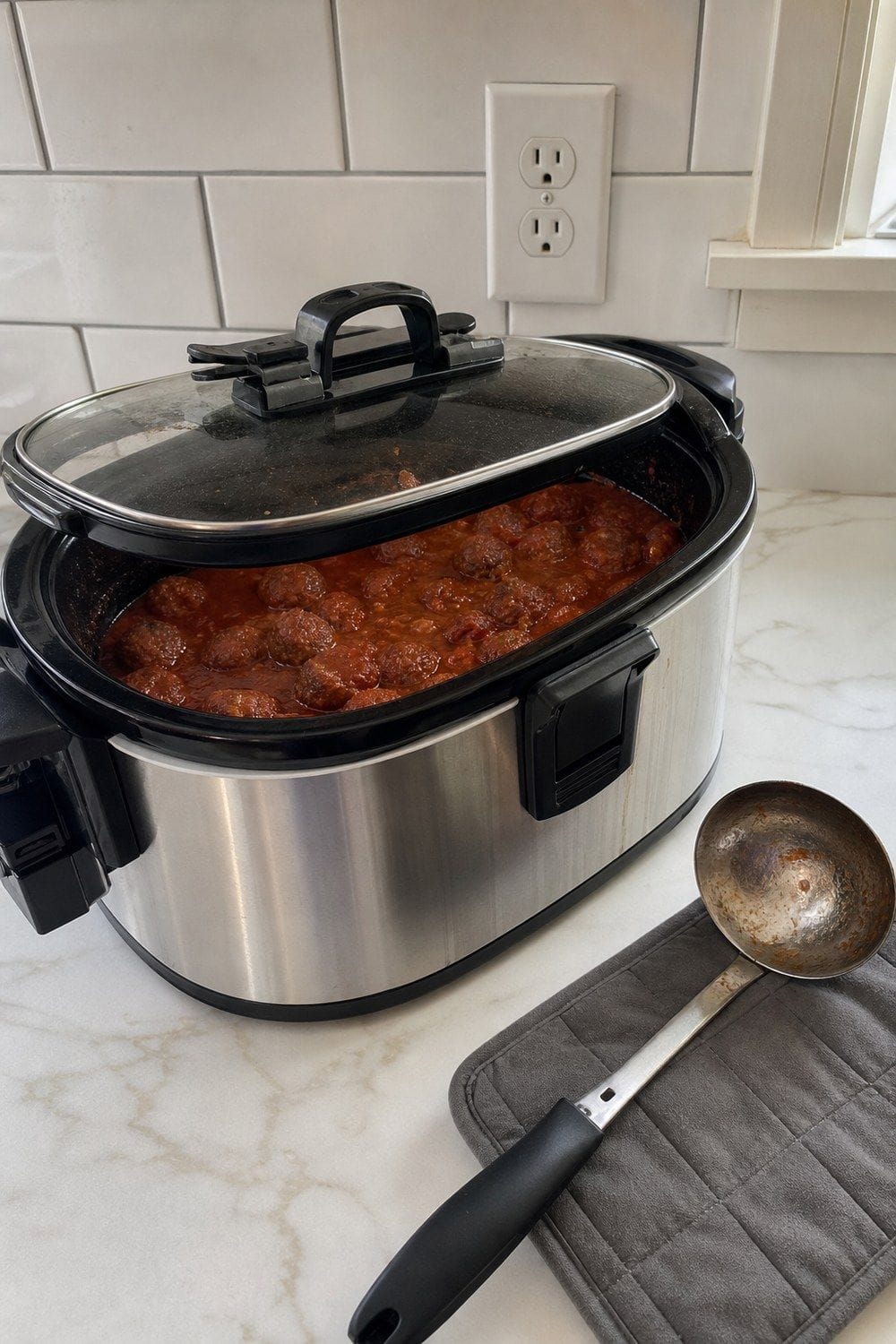
A slow cooker can be helpful for pulled pork, meatballs, chili, pot roast, or vegetarian chili, but it should never surprise the host. Ask about outlets, counter space, serving time, and whether hot food is actually needed. A travel slow cooker with a locking lid makes transport less risky.
Bring the ladle, a trivet, and any toppings your dish needs. If you cannot confirm an outlet, choose a room-temperature main instead of arriving with a plug-in problem near the buffet.
11. Room-Temperature Focaccia
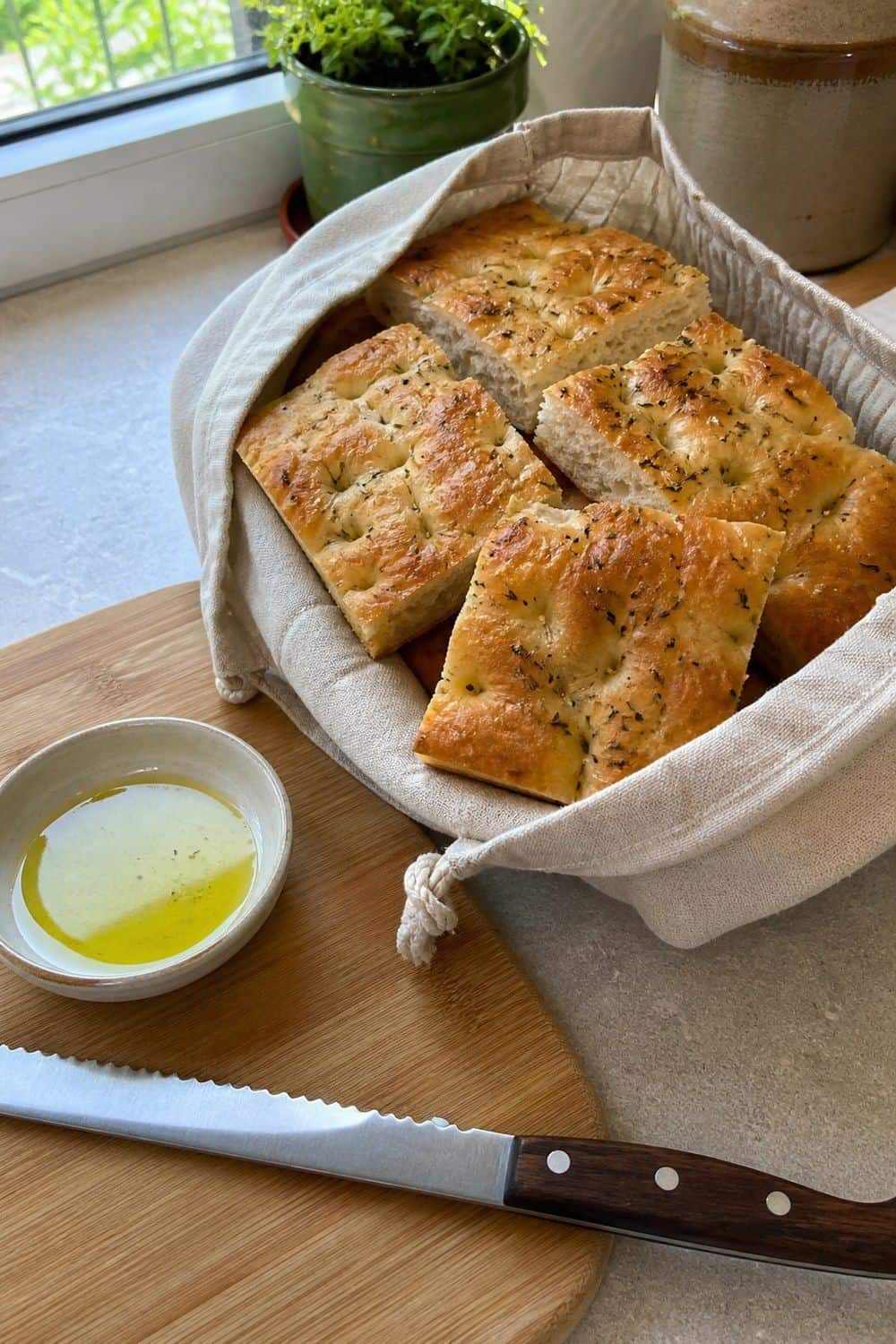
Focaccia, rolls, cornbread, or savory muffins are useful because they travel easily and do not need the host’s oven. Pack bread in a bread storage bag so it does not dry out, then slice it before arrival if the gathering is buffet-style. Bring butter, olive oil, or a dip only if it fits the rest of the table. Bread is often the missing piece that turns soups, salads, and casseroles into a complete plate for guests eating buffet-style together comfortably.
12. High-Protein Corn Muffins
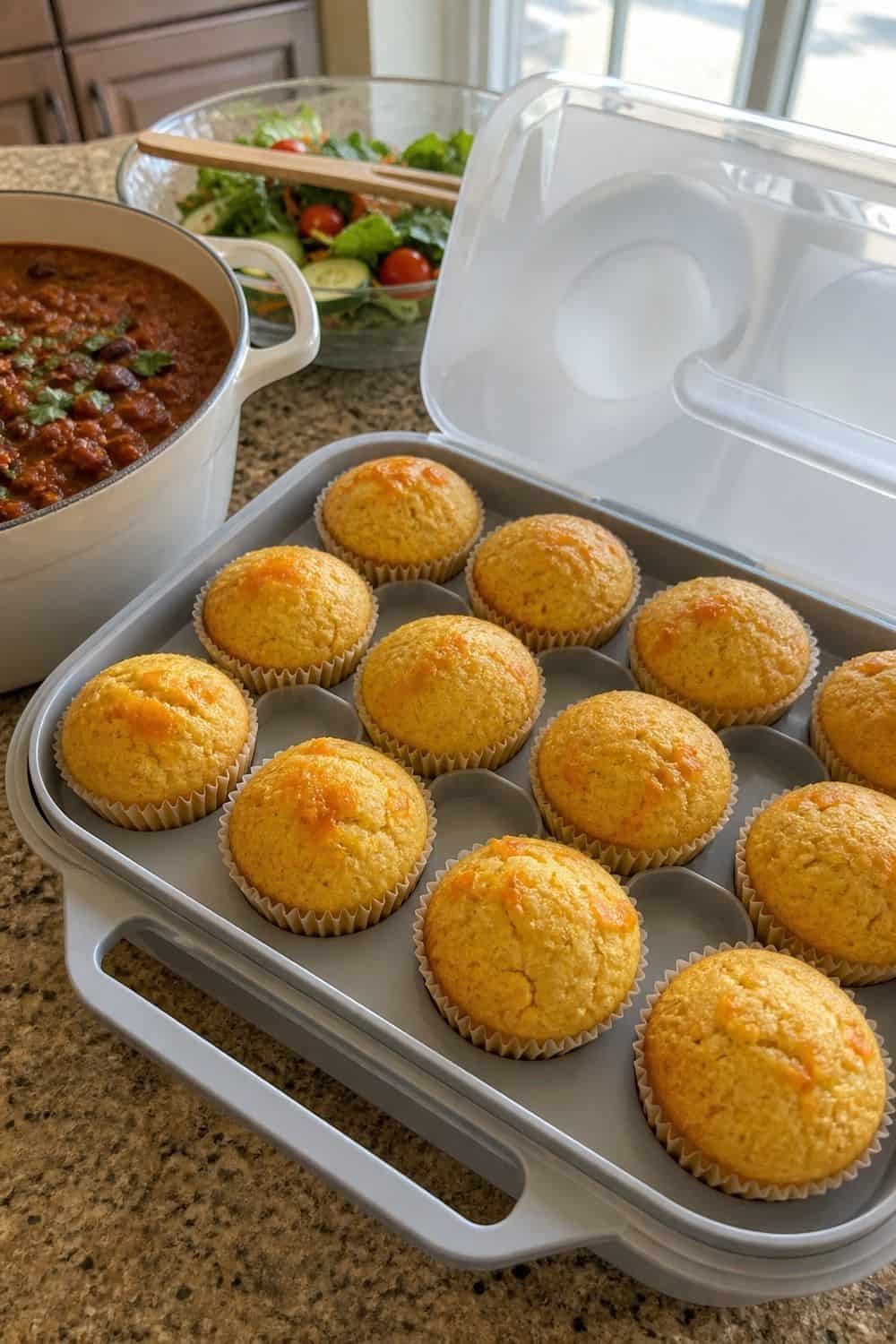
Corn muffins are easy to portion, easy to grab, and useful beside chili, soup, barbecue, and salads. Add Greek yogurt, cottage cheese, cheddar, beans, or a little extra egg if you want a more satisfying side. A muffin carrier keeps the tops from smearing and the muffins from crumbling in transit to the potluck table.
Pack them fully cooled so steam does not make the liners soggy. If the muffins include jalapeno, bacon, or cheese, label those ingredients for guests.
13. Big Green Vegetable Side
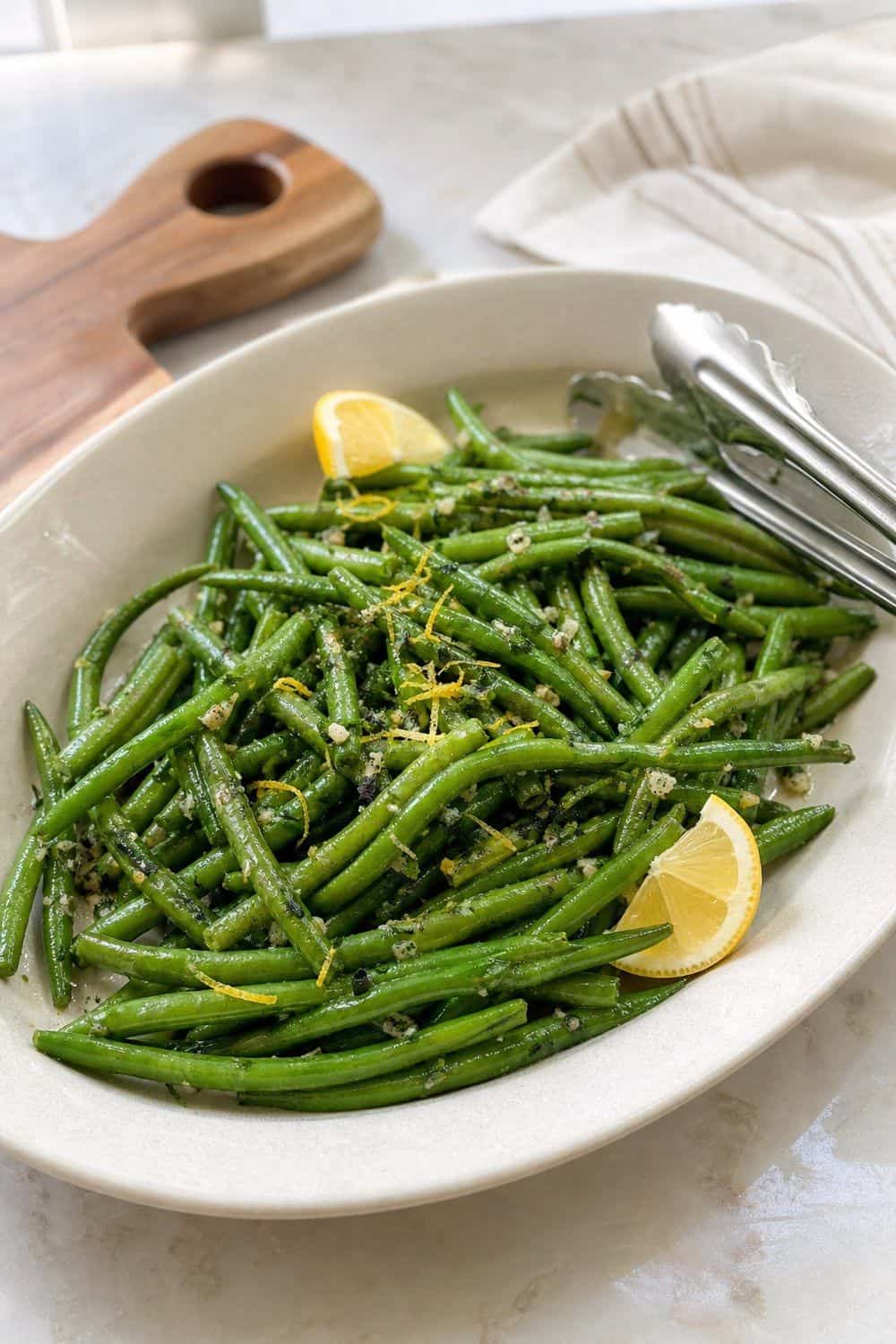
A green vegetable side balances the heavier parts of a potluck table. Bring green beans with vinaigrette, broccoli salad, Brussels sprouts Caesar, roasted asparagus, peas with herbs, or roasted vegetables that taste good warm or room temperature. Stainless steel serving tongs make the dish easier to serve without chasing pieces around the bowl. Keep sauces light enough that vegetables stay bright. Guests appreciate something fresh, especially when the rest of the table is mostly pasta, potatoes, casseroles, and dessert bars.
14. Sheet Cake or Lemon Bars
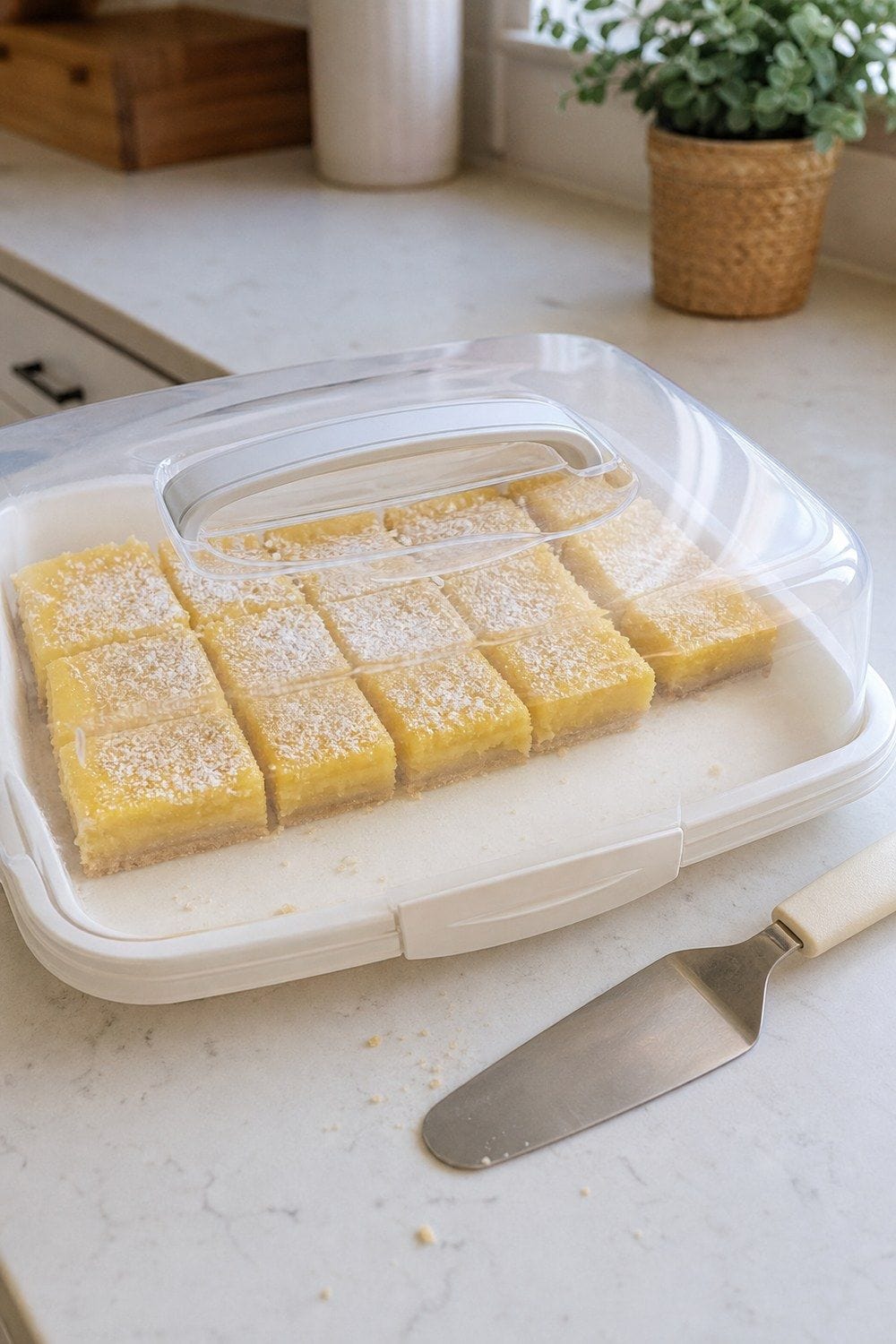
Sheet desserts are potluck-friendly because they cut cleanly and serve a lot of people. Lemon sheet cake, poke cake, brownies, blondies, dessert bars, or snack cake all travel better than a tall layer cake. A sheet cake carrier protects the top and gives the host one less storage problem.
Slice bars before arrival if the pan allows it, or bring a knife and small spatula. Avoid frosting that melts quickly if the event is outdoors or warm that afternoon outside.
15. Mini Fruit Pies or Berry Cups
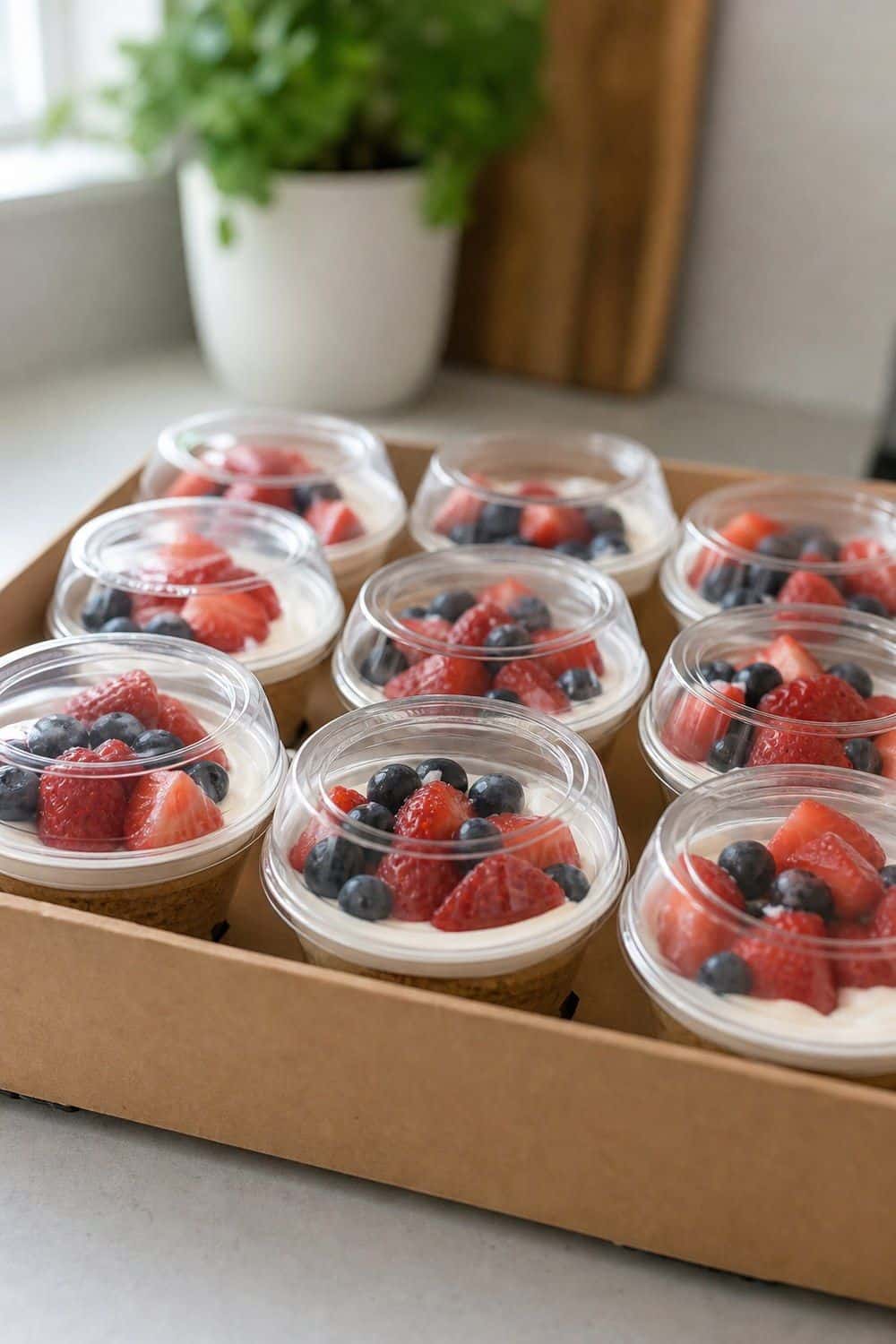
Individual desserts reduce serving mess and help guests take a small sweet bite without cutting into a large pan. Mini berry pies, fruit cups, cheesecake cups, or phyllo-cup desserts work well in mini dessert cups with lids. Keep cream-based desserts chilled and pack them tightly enough that they do not tip on the drive. Fruit-based desserts are especially welcome when the table has plenty of chocolate, cake, and cookies, because they add a lighter finish after savory party food trays.
16. Cookies That Do Not Melt
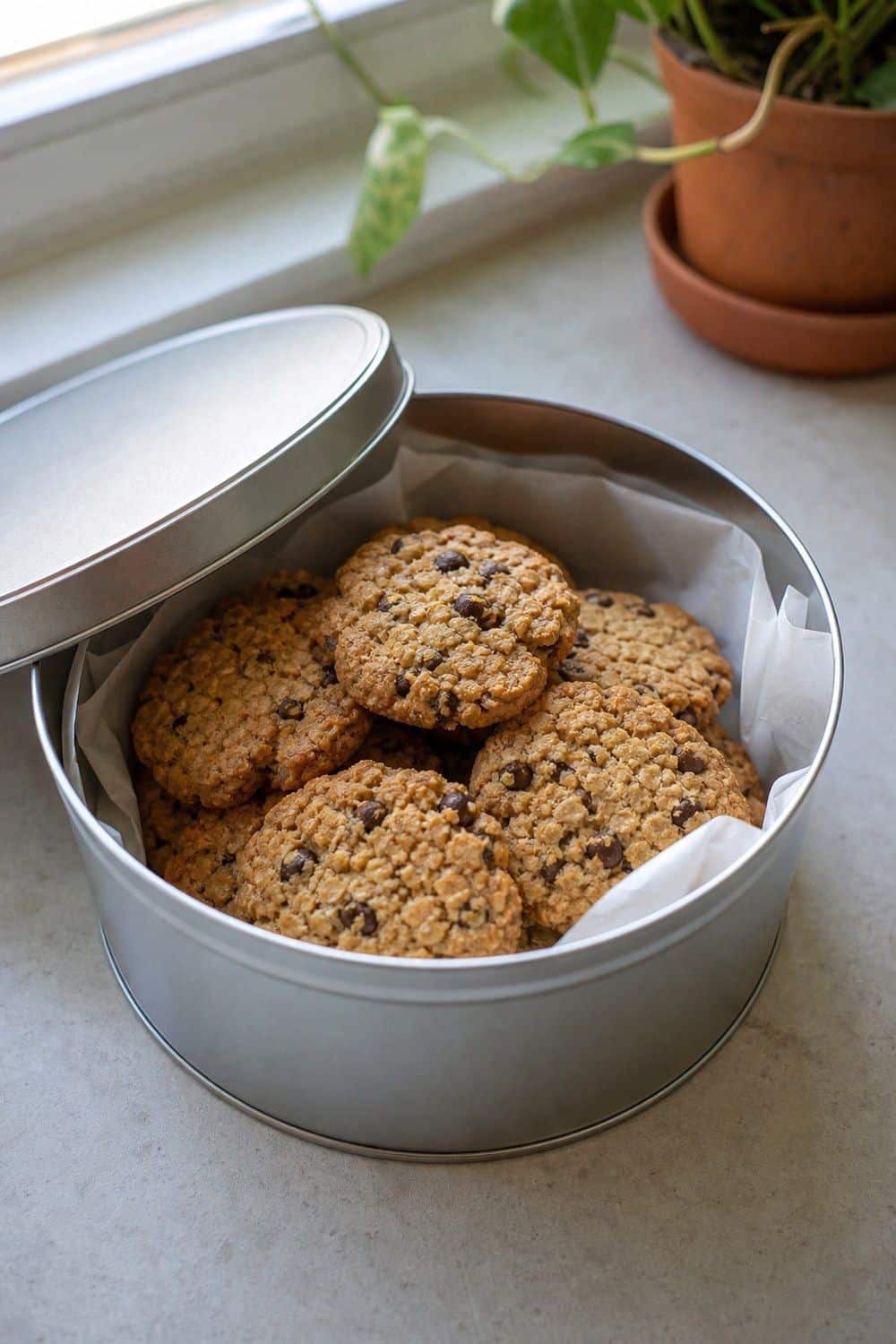
Cookies are easy to transport, but not every cookie is suited for a warm room or outdoor table. Oatmeal chocolate chip, shortbread, ginger cookies, peanut butter cookies, and biscotti hold up better than delicate frosted cookies or chocolate-dipped pieces. A cookie storage tin protects them from breaking and keeps them stackable.
Bring a simple label if the cookies contain nuts. If the event includes kids, choose at least one plain flavor that does not need explanation or extra napkins nearby.
17. Mocktail or Sangria-Style Drink
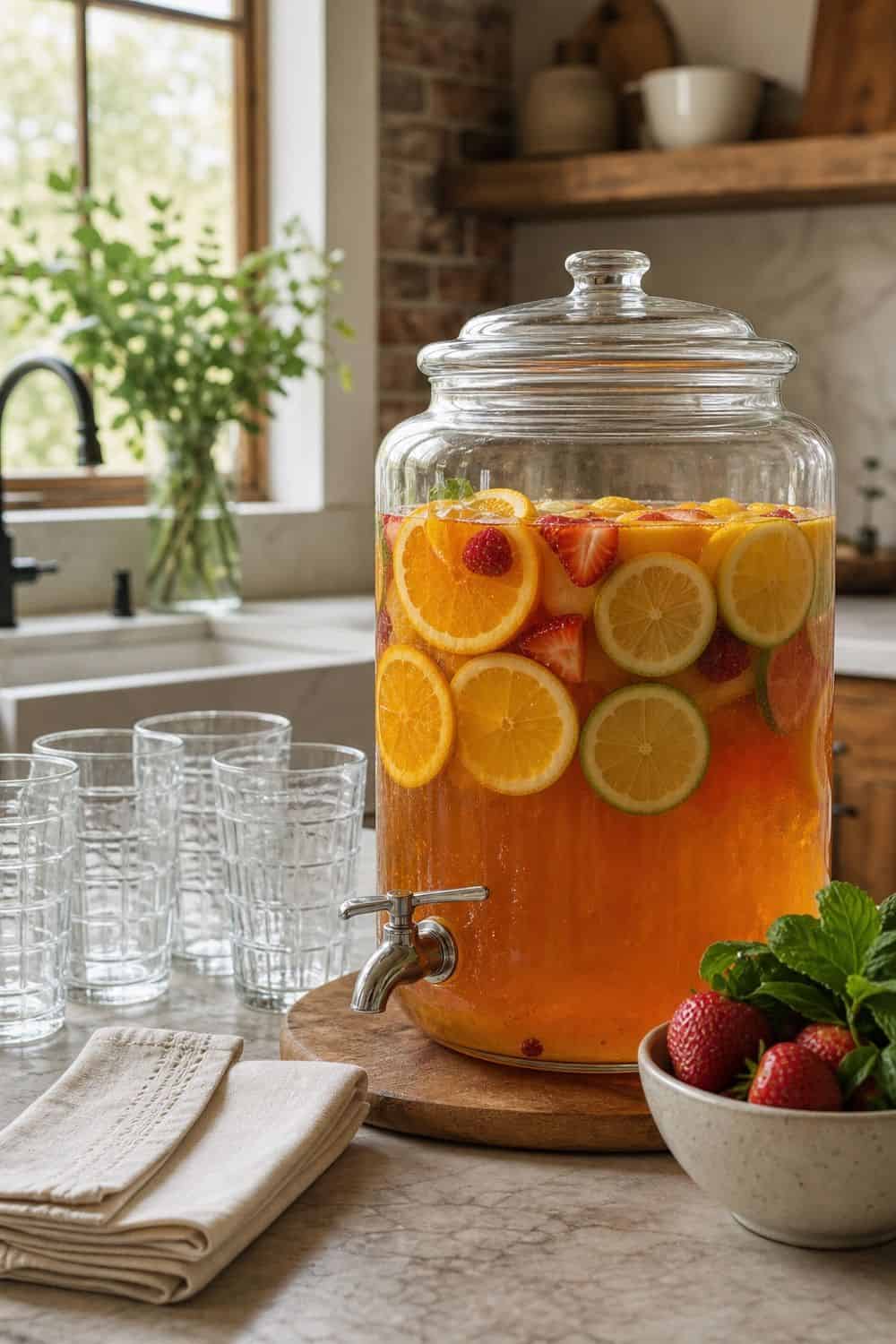
Drinks are a strong contribution when the host already has enough food. Citrus iced tea, sangria mocktail, lemonade, cucumber water, cranberry spritz base, or fruit-infused sparkling water can sit in a beverage dispenser with spigot so guests can refill their own cups during the event.
Ask whether cups and ice are needed. Keep alcohol separate unless the potluck is clearly adult and the host has approved it, because mixed-age gatherings need easy nonalcoholic choices.
Set the dispenser near the drink area, not directly in the buffet line, so refills do not block people carrying plates. Add a small towel underneath if condensation may drip onto the host’s table.
18. Ice When the Host Needs It
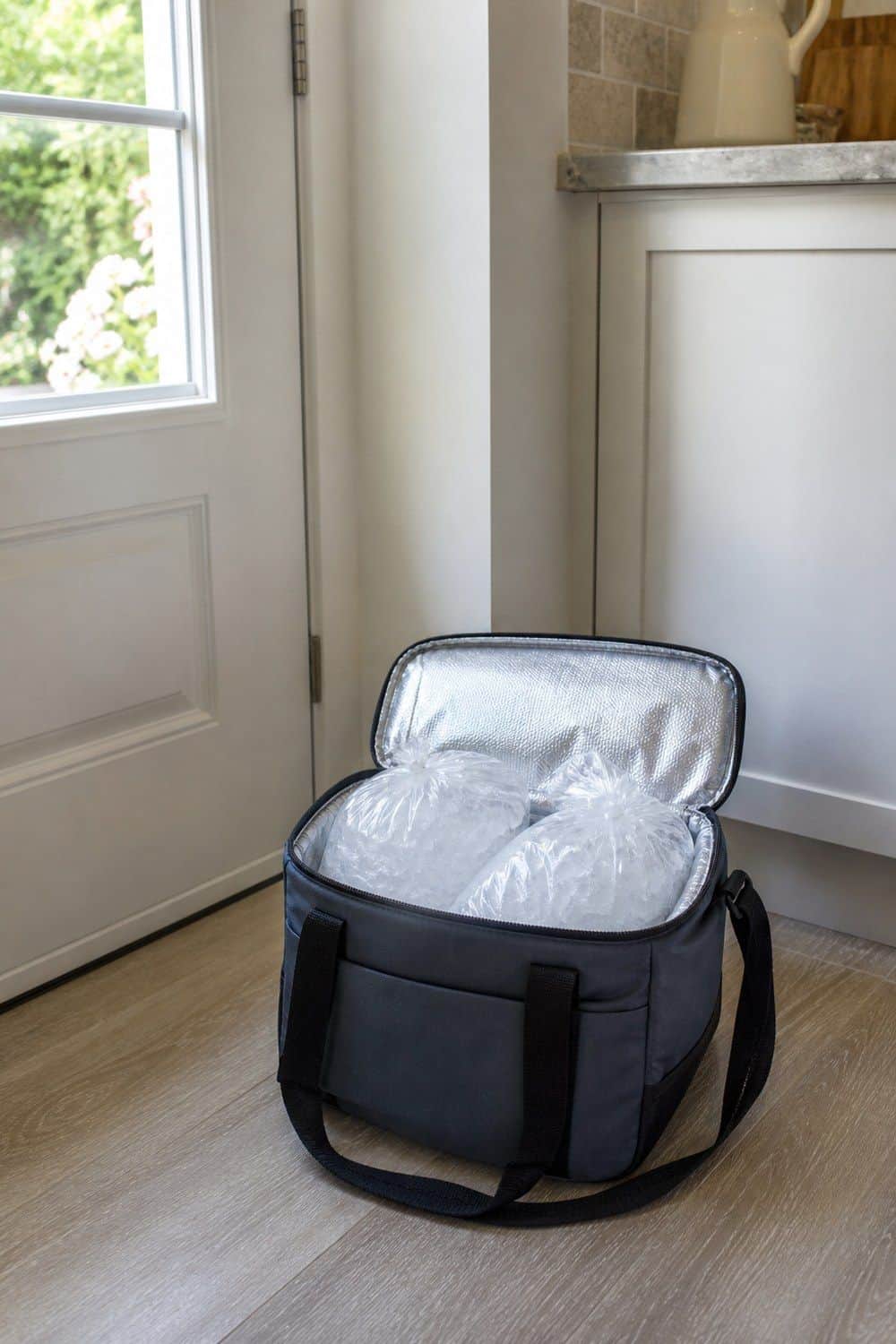
Ice is not glamorous, but it can be the most useful thing at a crowded potluck. Ask the host first, then bring enough for drinks, coolers, or a backup chill station. An insulated ice bag keeps it from melting too quickly on the way over to the gathering.
Arrive close to the start time if ice is your assignment. Showing up too early or too late can leave the host juggling melting bags and no freezer space.
Keep the receipt or bag label handy if the host wants to know whether the ice is drink-safe or cooler-only. If the potluck is outdoors, ask where the ice should land before unloading it.
19. Paper Goods or Compostable Plates
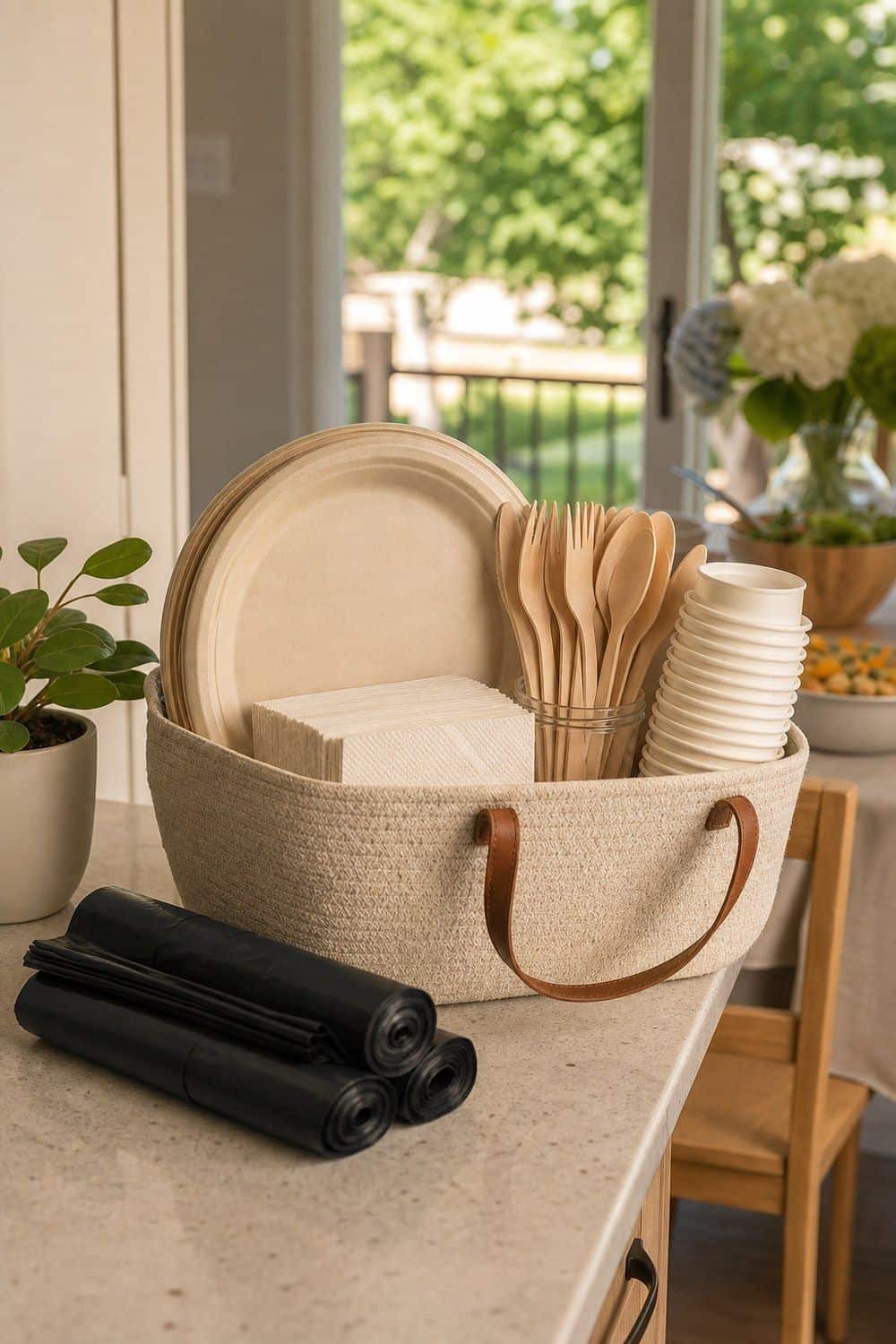
Paper goods are a valid potluck contribution when the host needs them. Compostable dinner plates, napkins, cups, utensils, serving napkins, and trash bags can make cleanup much easier, especially for outdoor meals or big family gatherings. Check with the host before picking up supplies, because they may already have a plan.
If you bring plates, bring enough for the guest count plus a few extras. It is better to cover one category well than arrive with a small, mismatched bundle for the buffet.
Keep unopened extras in one bag so the host can find them later. Loose cups and napkins disappear quickly once the buffet gets busy with guests.
20. Your Own Serving Utensil
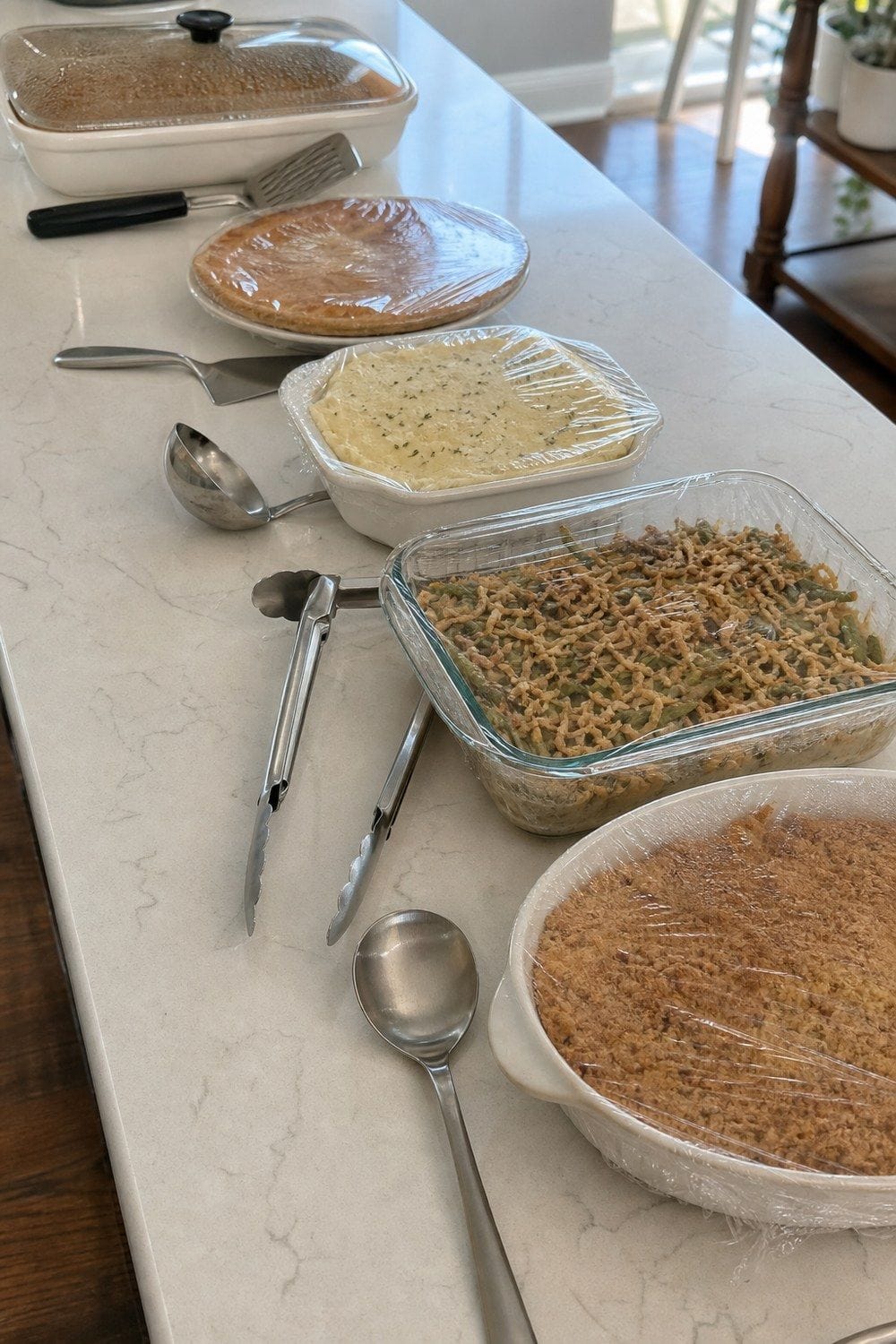
This is one of the firmest potluck etiquette rules: bring the utensil your dish needs. A serving utensil set can cover spoons, tongs, ladles, pie servers, and spatulas, but the tool should match the food. Pasta salad needs a spoon, green beans need tongs, soup needs a ladle, and brownies need a flat server.
The host should not have to find twelve extra utensils while guests are arriving. Tape your name to the handle if you want it back after cleanup.
Place the utensil directly with your dish instead of leaving it in a bag. Guests will start serving quickly once the food line opens nearby.
21. Dish and Allergen Labels
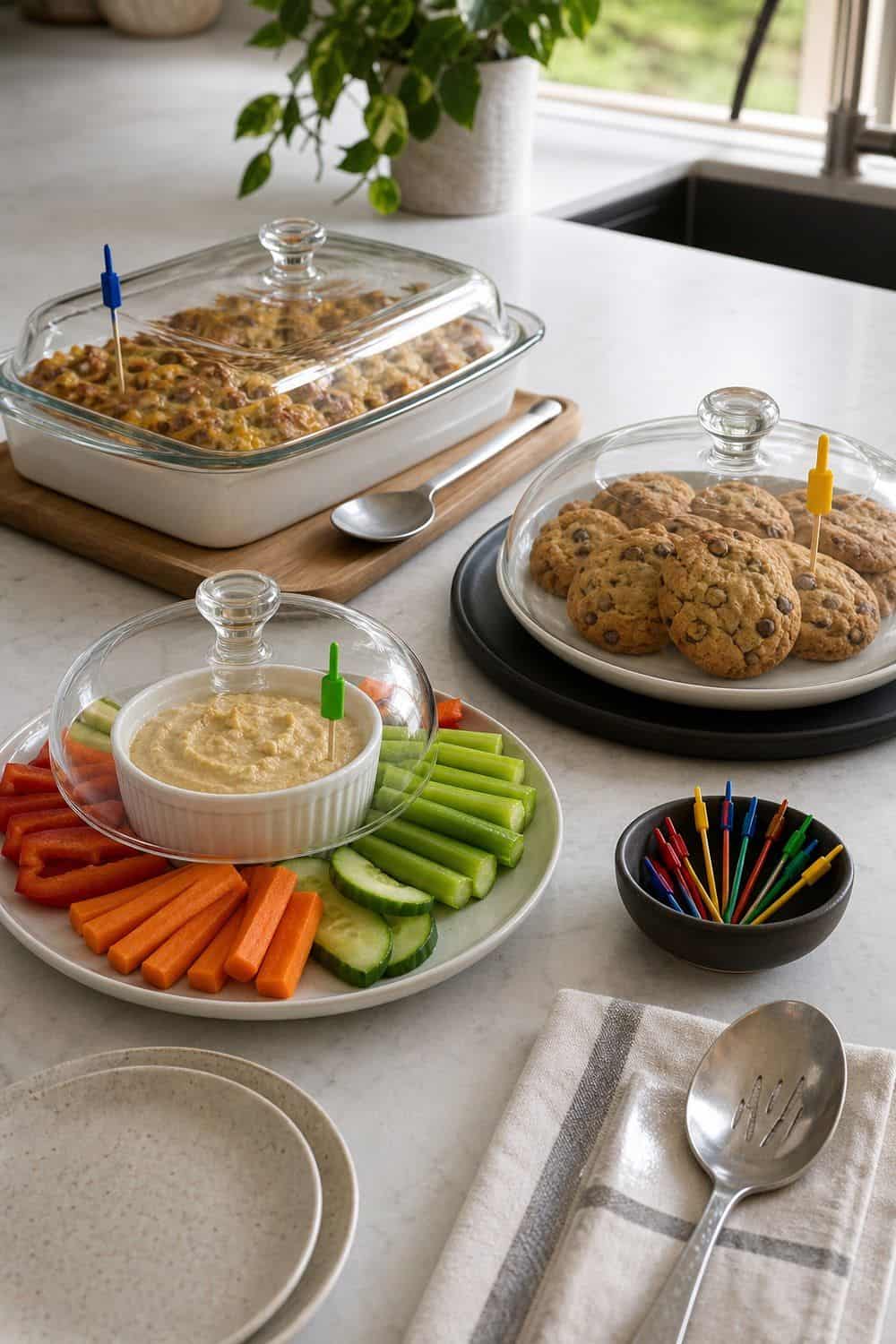
Labels matter because potluck ingredients are often hidden. Use buffet label cards for nuts, dairy, gluten, eggs, pork, shellfish, alcohol, spice level, and vegetarian or vegan notes. You do not need a full recipe card, but guests should know what they are choosing before serving themselves.
Labeling also reduces repeated questions for the host. If your dish is spicy, meatless, gluten-free, or contains common allergens, say so clearly and keep the label near the serving utensil.
Place the label where it will stay dry and visible, especially near dips, casseroles, and desserts with hidden ingredients. A label tucked behind the dish will not help anyone.
22. Serve-From Container for Transport
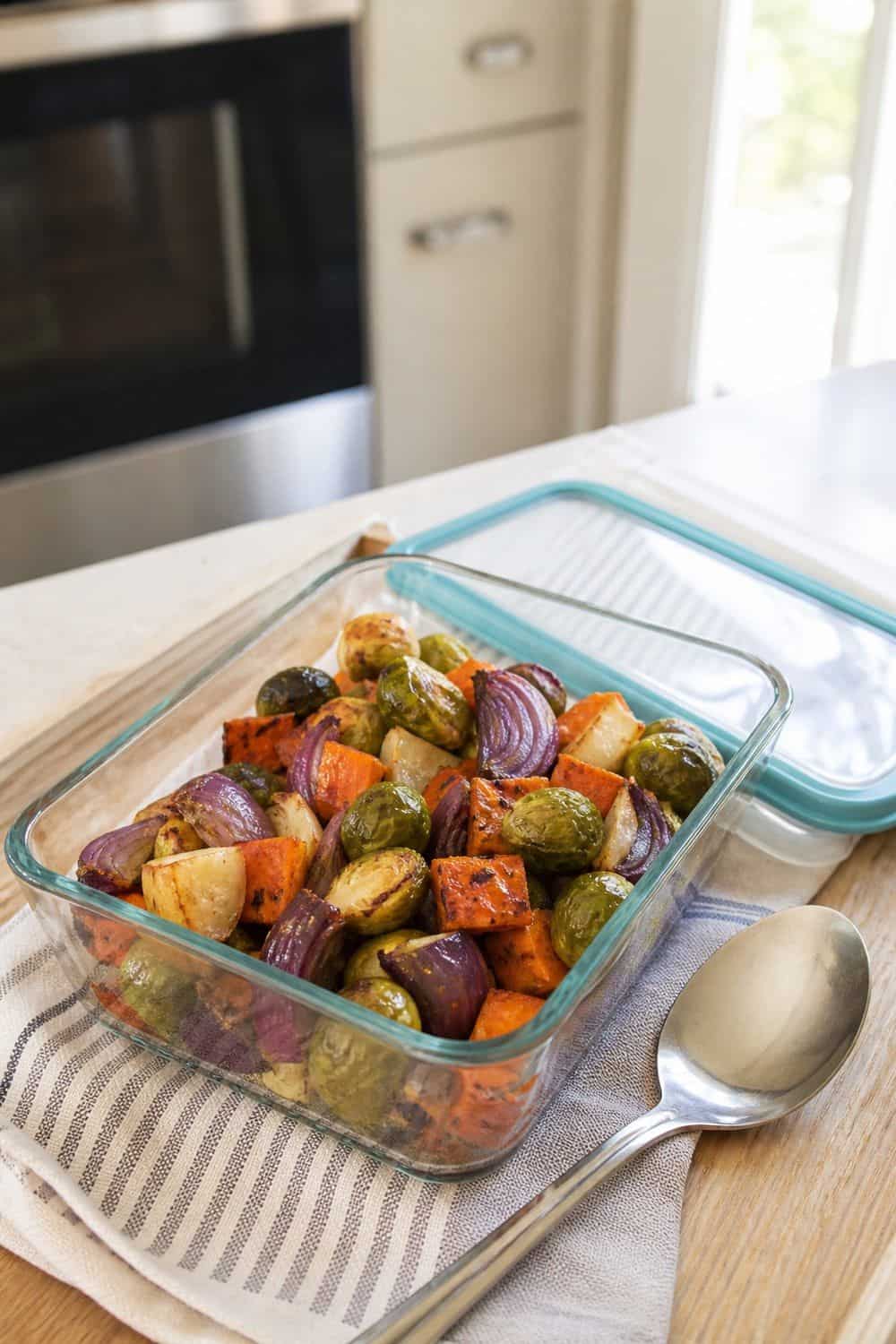
The best transport container is also a serving container. A glass food storage container with lid works for salads, dips, bars, chopped fruit, roasted vegetables, and leftovers because it can travel, serve, and go home without transferring food into the host’s dishes after you arrive and unpack.
Every transfer creates mess and borrows someone else’s dishes. If the container is not attractive, set it on a tray or towel, but do not create extra cleanup just for presentation.
23. Insulated Carrier for Hot or Cold Food
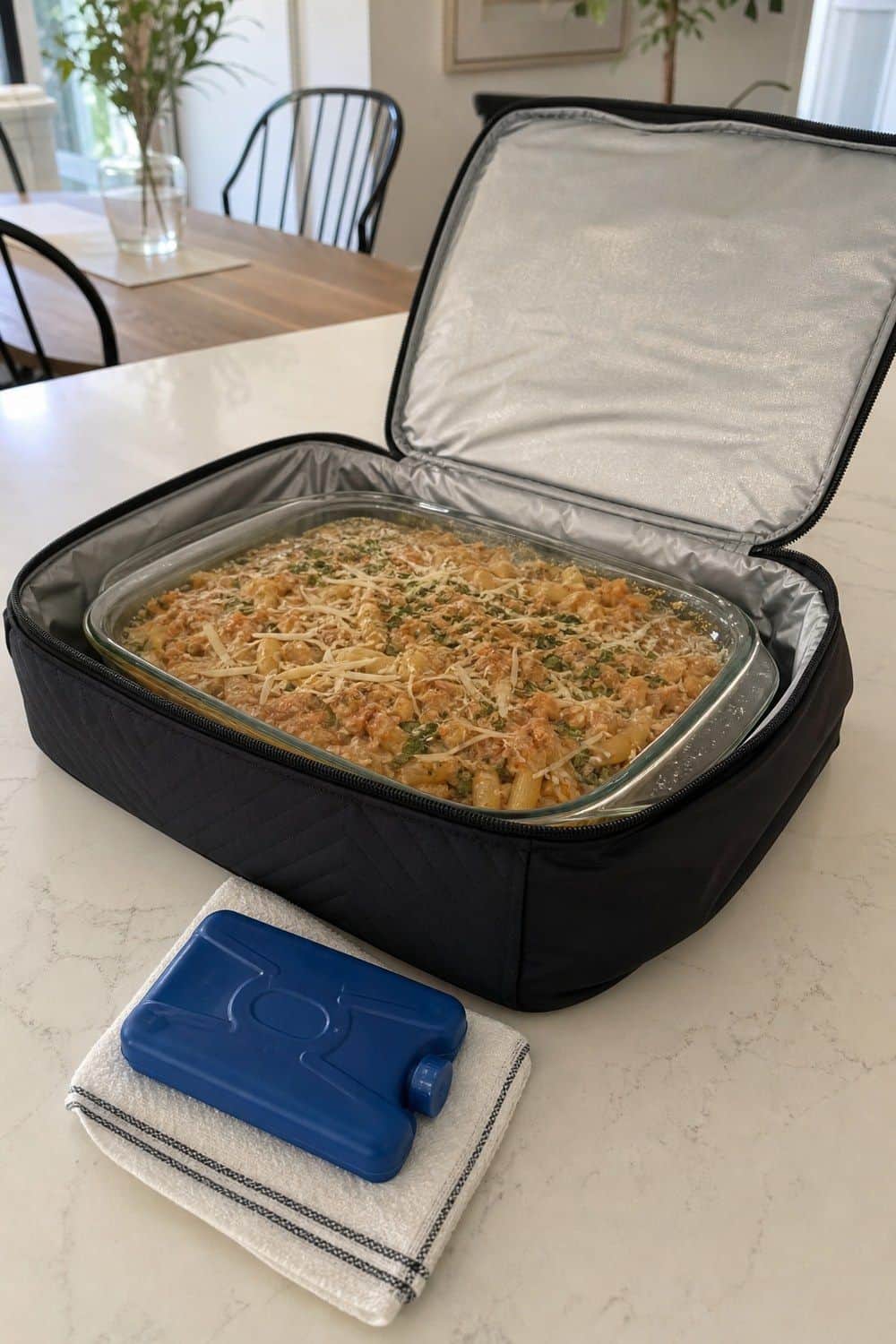
An insulated casserole carrier is helpful when a dish needs to stay hot or cold during the drive. Use one for casseroles, baked pasta, hot sides, chilled salads, dips, or desserts that cannot warm up safely. For longer trips, a cooler may be better than a soft carrier.
Keep cold foods cold and hot foods hot without turning the potluck into a food safety lecture. The practical rule is simple: do not rely on the host to fix transport mistakes.
24. Leftover Containers for Taking Food Home

Leftovers can become awkward when every guest leaves half a dish behind for the host. If you want your food back, bring reusable leftover containers and pack your portion before the cleanup rush. If you are happy to share, bring a few extra containers for guests.
Do not assume the host wants to store everything. Ask before leaving a large pan of food, especially if it needs refrigeration or belongs in your own dish from home once the party ends.
25. One Dish That Is Easy to Portion
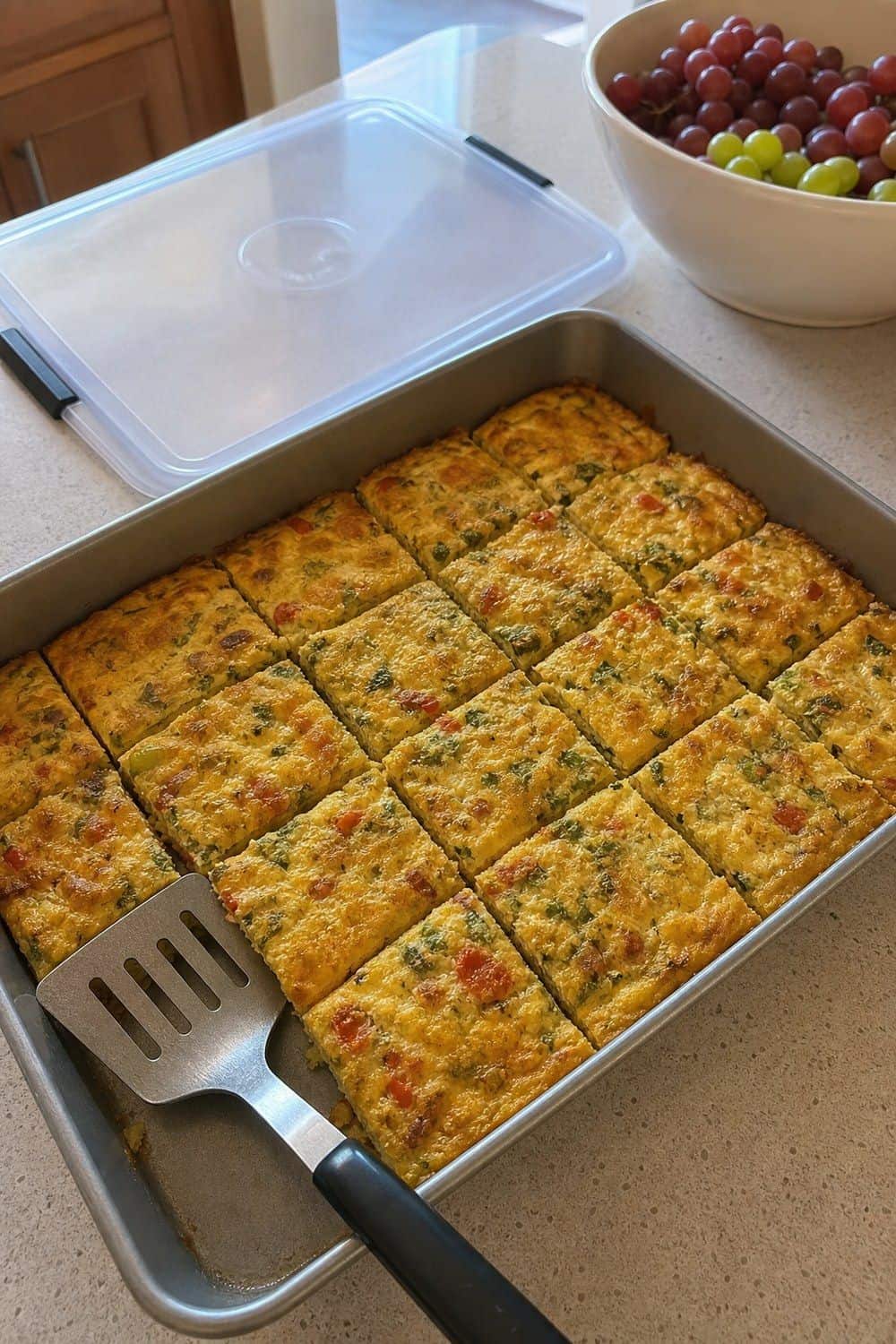
The best final filter is portioning. Choose something easy to identify, easy to transport, easy to serve, and easy for guests to take without holding up the line. Bars, casseroles, salads, muffins, dips, sheet cakes, and sturdy sides all pass this test. A buffet serving spatula helps when the food is cut into squares or scooped from a pan. If a dish needs slicing, reheating, extra bowls, or an explanation from you, it may be better for a dinner party than a potluck table.
How to Choose the Right Potluck Contribution
Ask the host a direct question: “Would a side, dessert, drink, ice, or paper goods help most?” That sounds more useful than asking what to bring with no options attached. Once you know the category, choose a dish that travels well and does not depend on the host’s oven, fridge, or serving drawer.
Fresh, crunchy, and vegetarian options are often welcome because potluck tables can skew heavy. Slaw, grain salad, green vegetables, bean dip, and a vegetarian casserole can balance richer mains and creamy sides without making the host manage separate meals.
Non-food contributions count when they solve a real hosting problem. Drinks, ice, paper goods, labels, serving utensils, and leftover containers can be more helpful than one more dessert pan, as long as the host actually needs them.
Frequently Asked Questions
What should I bring to a potluck?
Ask the host what category is missing, then bring a travel-friendly dish, serving utensil, and label. Safe choices include pasta salad, grain salad, slaw, casseroles, focaccia, dips, sheet cake, cookies, drinks, ice, or paper goods. The best contribution fits the table and does not create extra work when you arrive.
What are easy potluck dishes that travel well?
Easy potluck dishes that travel well include pasta salad, grain salad, potato salad, slaw, casseroles, focaccia, corn muffins, sheet cake, brownies, cookies, dips, and sturdy vegetable sides. Choose dishes that can be made ahead, covered tightly, and served from the same container. Avoid anything that needs delicate plating at the host’s house.
What should I bring to a potluck if I cannot cook?
If you cannot cook, bring drinks, ice, paper goods, cheese and crackers, store-bought bread, fruit, a good bakery dessert, or serving supplies the host needs. Make it look ready to share: slice bread, move dessert out of packaging, include cups if needed, and bring the right utensil. No-cook can still be useful.
What should I not bring to a potluck?
Avoid dishes that need oven space without asking, messy soups, very strong-smelling foods, overly spicy dishes without warning, unlabeled allergens, and foods that are hard to portion. Also avoid arriving with a dish that needs the host’s serving bowl, knife, or platter. Potluck food should be easy to identify and easy to serve.
Should I bring serving utensils to a potluck?
Yes, bring the spoon, tongs, ladle, knife, spatula, or pie server your dish needs. This is one of the easiest ways to help the host. A serving utensil also keeps your dish moving through the buffet line without guests searching through drawers or using the wrong tool for messy food.
How much food should I bring to a potluck?
Bring enough for a good portion of guests to sample, not necessarily a full serving for everyone unless you were assigned a main dish. For a side, dessert, or appetizer, aim for a generous shared amount that fits the guest count. If the host gives a specific number, follow that instead of guessing.
What desserts are good for potlucks?
Good potluck desserts include sheet cakes, brownies, blondies, lemon bars, cookies, mini fruit pies, berry cups, snack cakes, and sturdy bundt cakes. The best desserts cut cleanly, travel without collapsing, and do not need last-minute frosting or refrigeration unless you have a reliable cooler. Bring a knife or spatula if needed.
How do I transport food to a potluck safely?
Use lidded containers, insulated carriers, coolers, and separate serving tools. Keep cold food cold and hot food hot during transport, and avoid dishes that need complicated finishing after arrival. Pack sauces tightly, keep labels with the food, and bring leftovers containers if you plan to take food back home.
Final Thoughts
Deciding what to bring to a potluck is easier when you think like a helpful guest. Ask what is missing, choose something portable, label it clearly, bring the right serving tool, and make sure your dish can join the table without adding work for the host.
Last update on 2026-09-17 / Affiliate links / Images from Amazon Product Advertising API