
The best casual dinner party menu ideas are built around one generous main, one fresh side, one starch or bread, a batch drink, and an easy dessert. Choose menus like baked pasta, taco bars, chili, curry and rice, roast chicken, mezze, or pizza and salad so guests eat well while the host stays at the table.
A relaxed dinner party feels easier when the menu has a clear center. One dish can carry the meal if the sides, drinks, and dessert are chosen to support it instead of competing for oven space and attention.
Use these casual dinner party menu ideas as complete formats, not just dish names. Each one includes the main food mood, the serving logic, and the part that can be handled ahead so the night feels generous without turning the kitchen into a performance.
Top Recommended Products


You Might Also Like These Blog Posts
- Small Dinner Party Ideas
- What to Bring to a Potluck
- Holiday Dinner Party Ideas
- Wine Night Snack Ideas
- Neo Deco Dinner Party Ideas
25 Casual Dinner Party Menu Ideas
1. One-Pot Posole Night
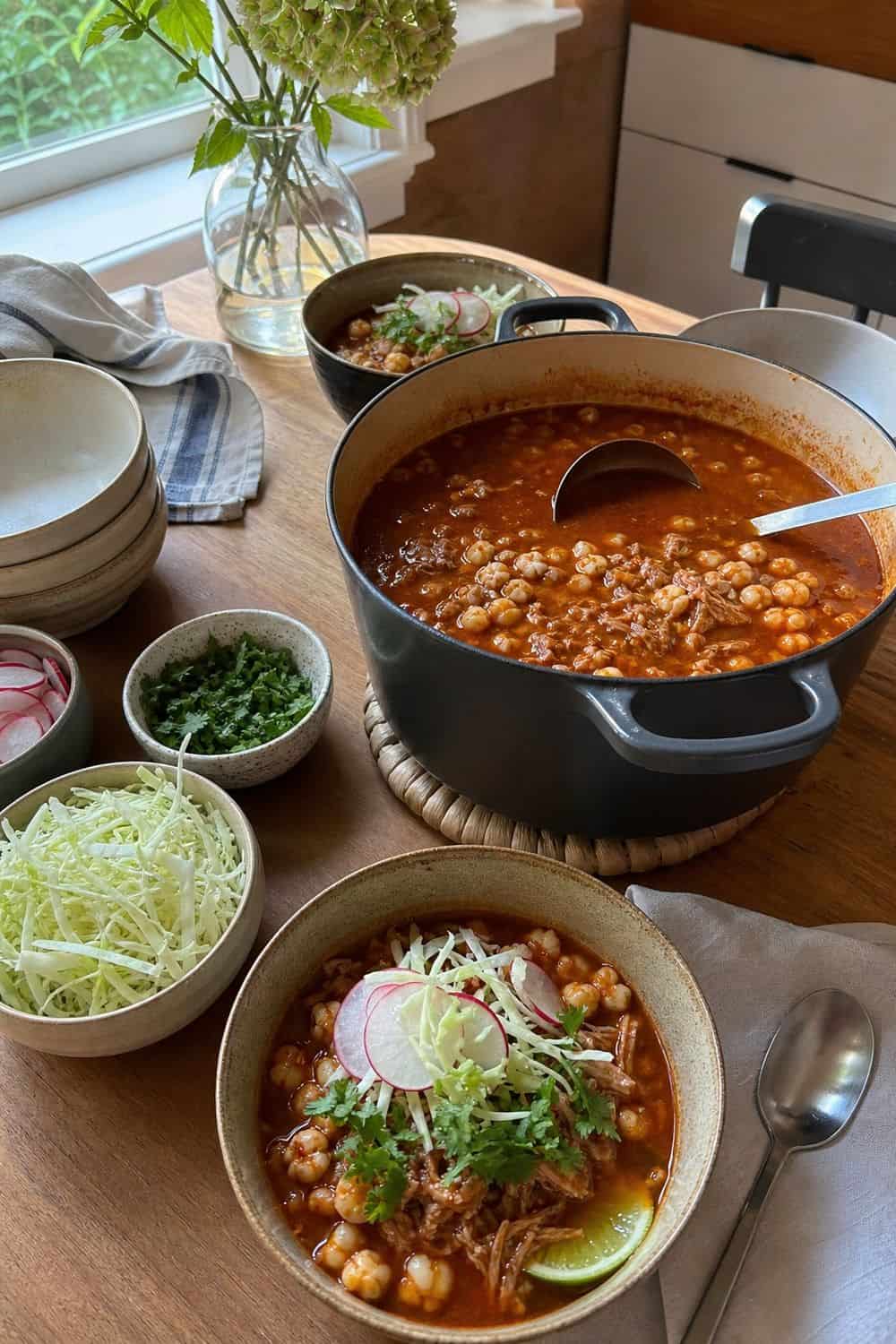
A big pot of posole, chili-style stew, or hominy soup gives the evening an easy anchor because the main dish can be finished before anyone rings the doorbell. Use an enameled dutch oven for the simmering and serving, then set radishes, cabbage, lime, cilantro, avocado, and chips nearby.
The toppings make the meal feel interactive without requiring more cooking. Guests can build each bowl around spice level, crunch, and freshness while the host only checks broth, ladles, and napkins for refills.
2. Baked Pasta and Green Salad
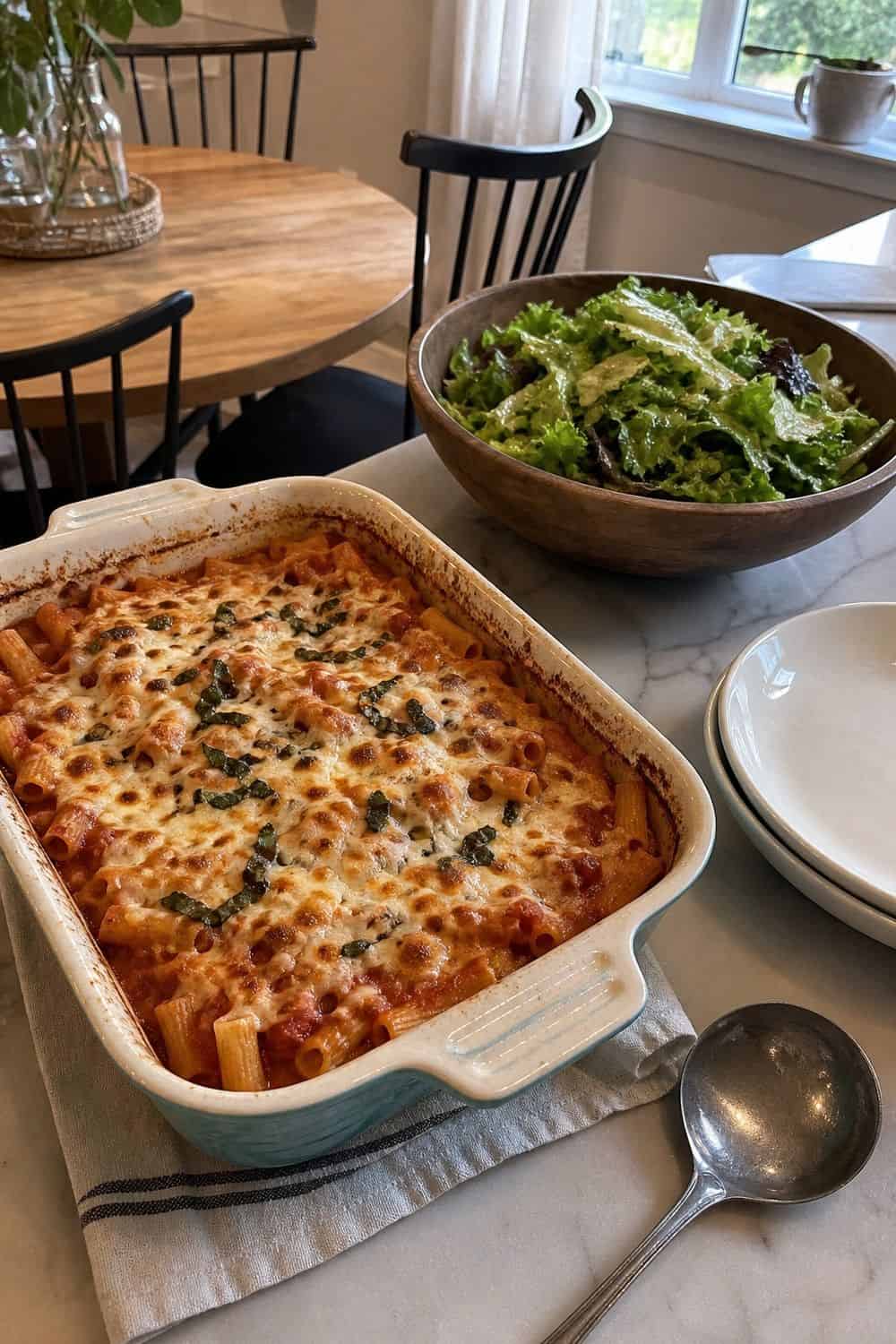
Baked ziti, lasagna, stuffed shells, or a vegetable pasta bake is one of the most reliable casual dinner party menu ideas because it can be assembled early and baked while guests settle in. A 9×13 baking dish gives you enough surface for bubbling edges, melted cheese, and easy family-style serving. Add a crisp salad with lemony vinaigrette and garlic bread or focaccia, then keep dessert very low effort. The pasta should be hearty enough to carry the night, while the salad keeps the plate from feeling heavy.
3. Roast Chicken With Bread and Pan Juices
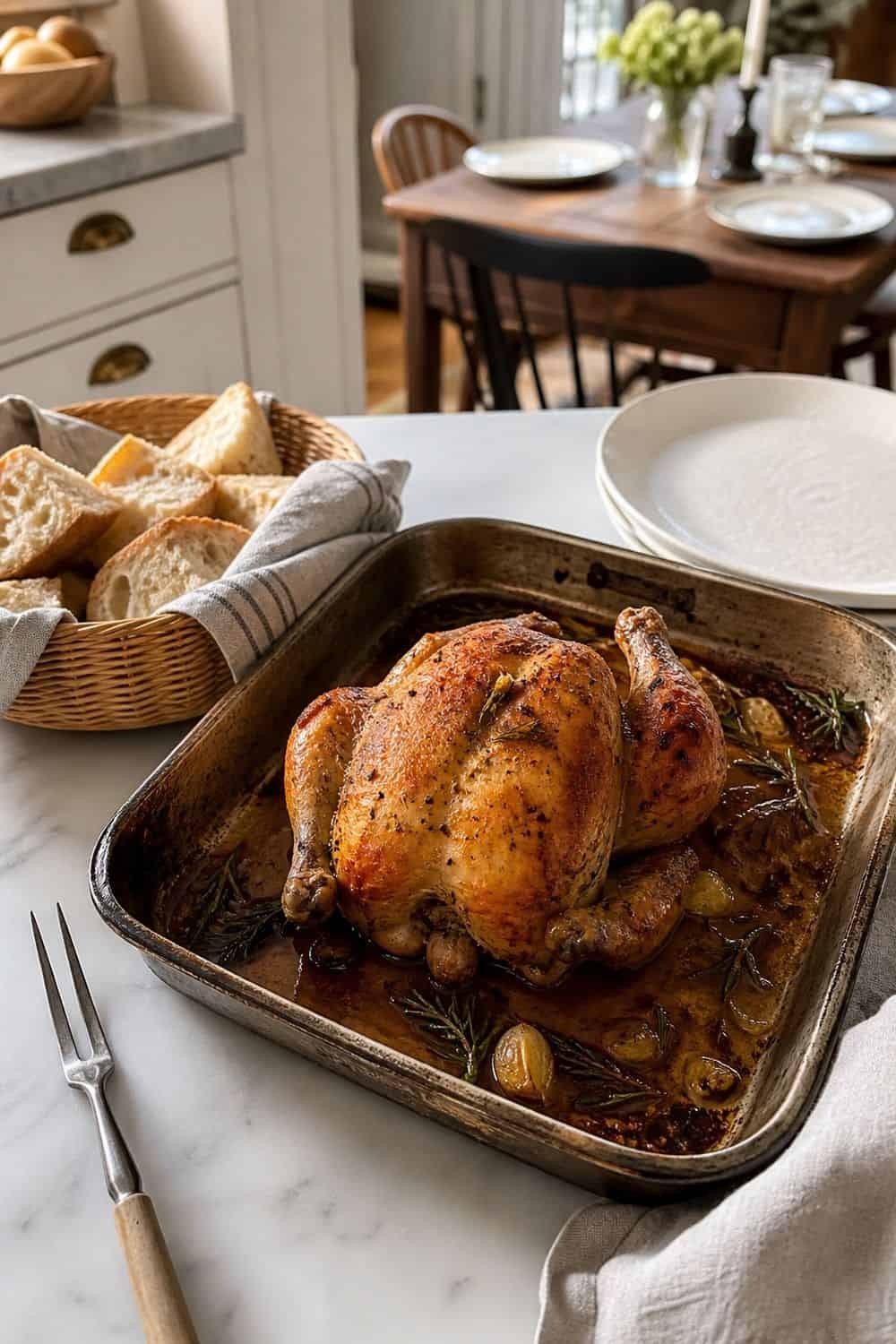
Roast chicken feels special without demanding formal plating. Cook the bird with potatoes, carrots, lemon, garlic, and herbs in an oval roasting pan, then carve it before it reaches the table so guests are not waiting for the host to manage hot bones. Serve the chicken on a platter with bread for the pan juices and a sharp green salad on the side. It gives the table a Sunday-supper feeling even when the guest list is just close friends sharing dinner.
4. Taco Bar With One Protein and One Bean
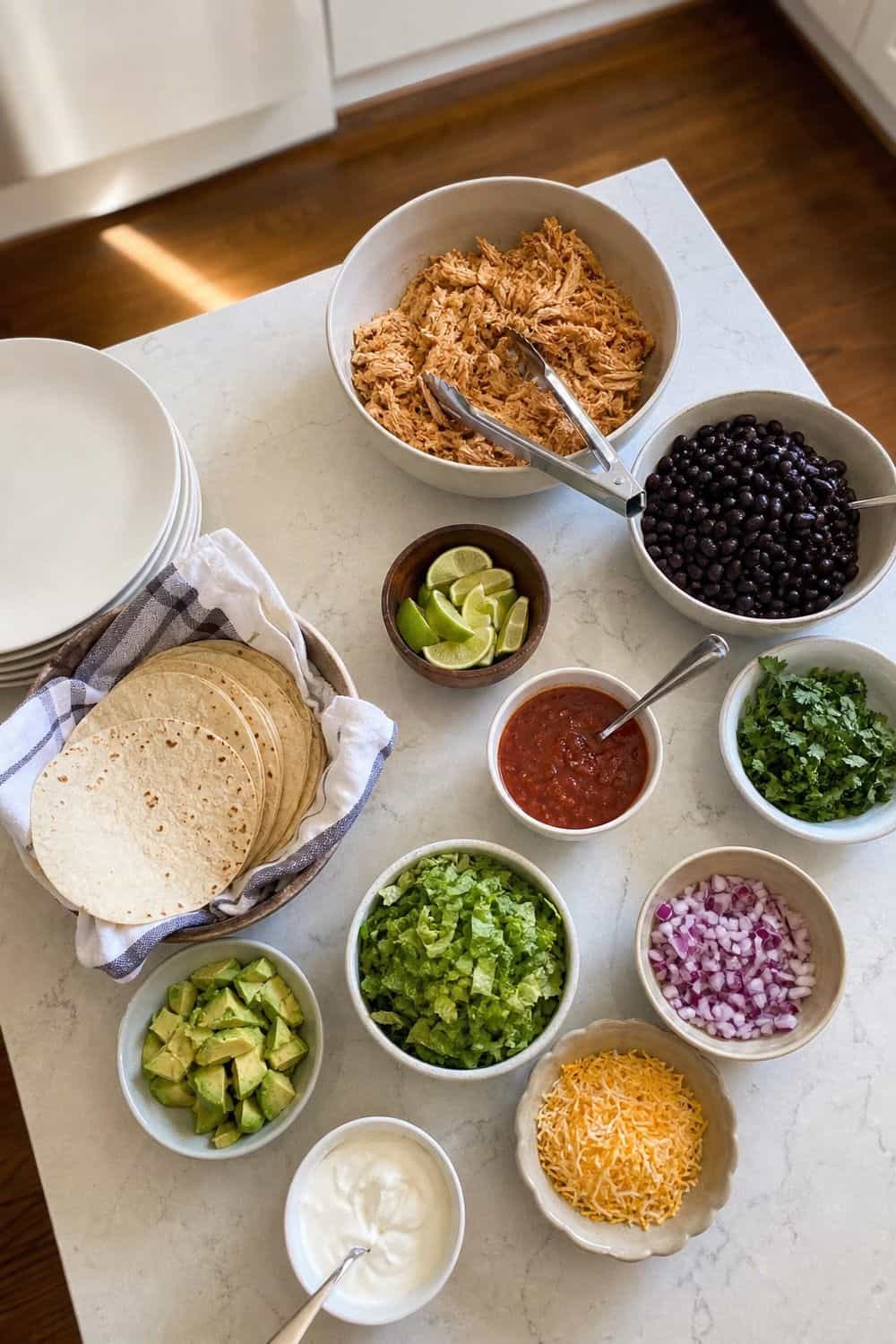
A taco bar feels strongest when it is focused. Choose one protein, such as chicken, beef, fish, mushrooms, or pork, then add one bean option so vegetarian guests still have a real filling. A taco bar serving set keeps tortillas, salsa, slaw, lime, cheese, and avocado from spreading across the counter.
Warm tortillas in batches and keep toppings in a logical order: tortillas first, fillings next, fresh finishes last. That small buffet flow prevents a traffic jam around the hottest dish.
5. Sheet-Pan Salmon Dinner
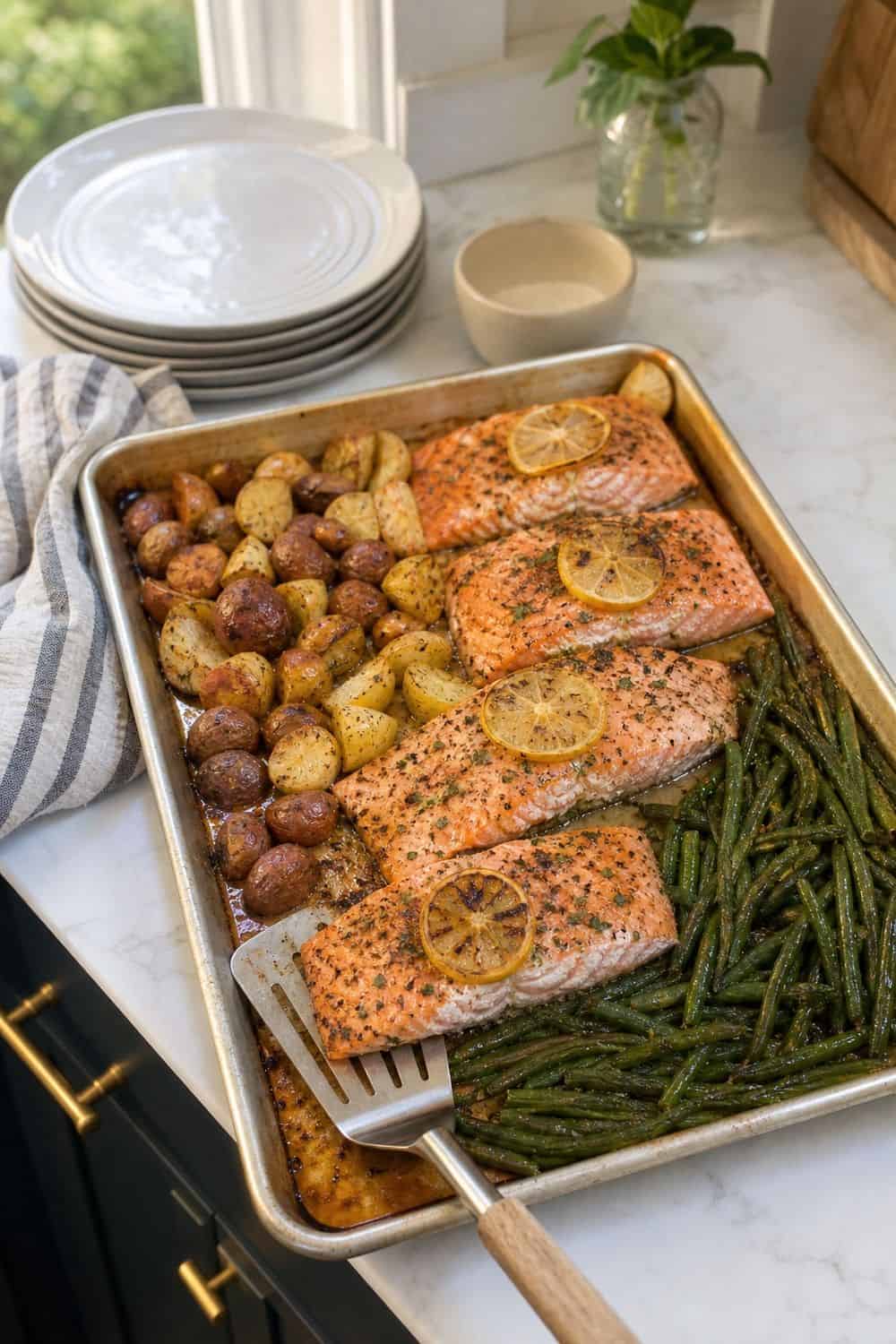
Sheet-pan salmon is quick, pretty, and a little more timing-sensitive than a braise, so the rest of the menu should be ready before the fish goes in. Roast potatoes, asparagus, green beans, fennel, or citrus on a rimmed sheet pan, then slide the salmon in when guests have drinks. Keep a salad dressed, bread sliced, and serving spatula nearby. The point is to avoid cooking all night and use one short cooking window so the fish arrives glossy, fresh, and ready to share.
6. Pizza and Big Salad Night
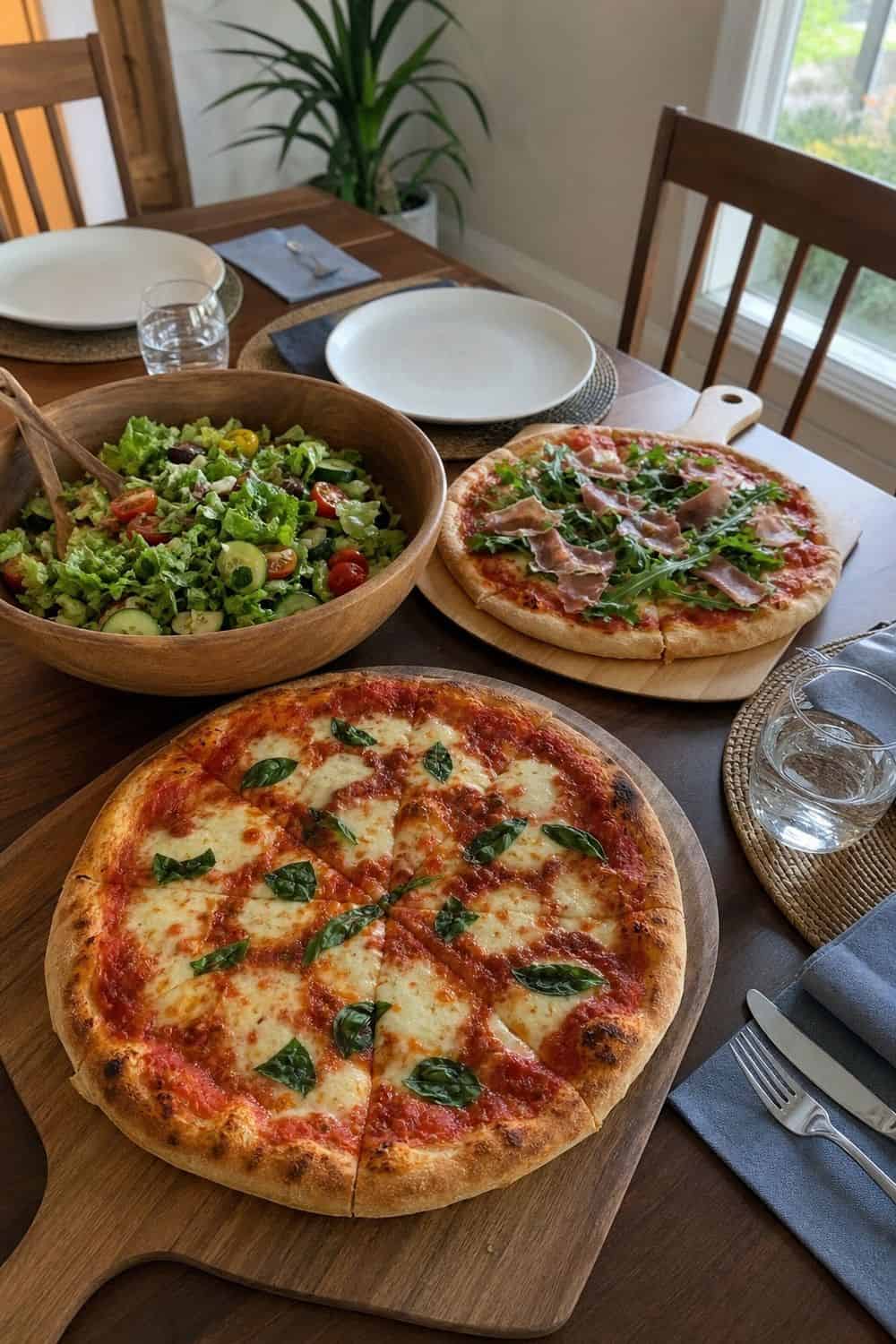
Pizza night can feel hosted when the details are handled with care. Use homemade dough, store-bought dough, frozen pizza, or takeout, then serve slices on boards with chili oil, grated cheese, crushed red pepper, and stacks of napkins. A pizza stone helps if you are baking at home and want a crisp bottom.
The salad should be big, bitter, and crunchy enough to balance the cheese. Think arugula, radicchio, romaine, herbs, shaved fennel, olives, or lemon dressing instead of a tiny side bowl.
7. Grain Bowl Bar
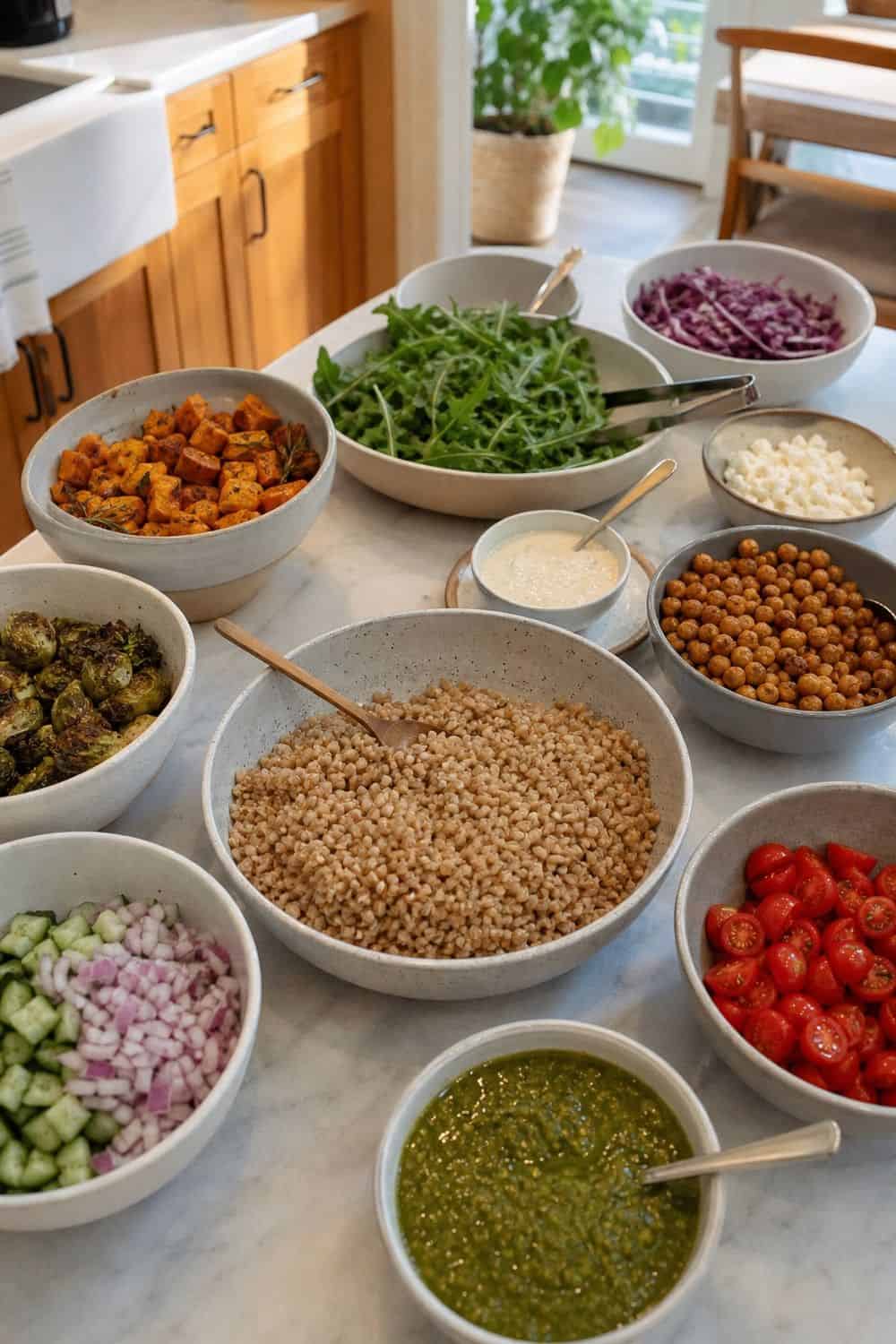
A grain bowl bar lets guests build dinner around their own appetite without making the host track separate plates. Start with rice, farro, quinoa, or couscous, then add roasted vegetables, chicken, chickpeas, feta, herbs, toasted nuts, and two sauces. A divided serving tray is useful for toppings that need clear boundaries. Label sauces if one is spicy, dairy-heavy, or nut-based. This menu is especially helpful when the group includes mixed diets, because the table can feel abundant without making several separate mains.
8. Curry and Rice Dinner
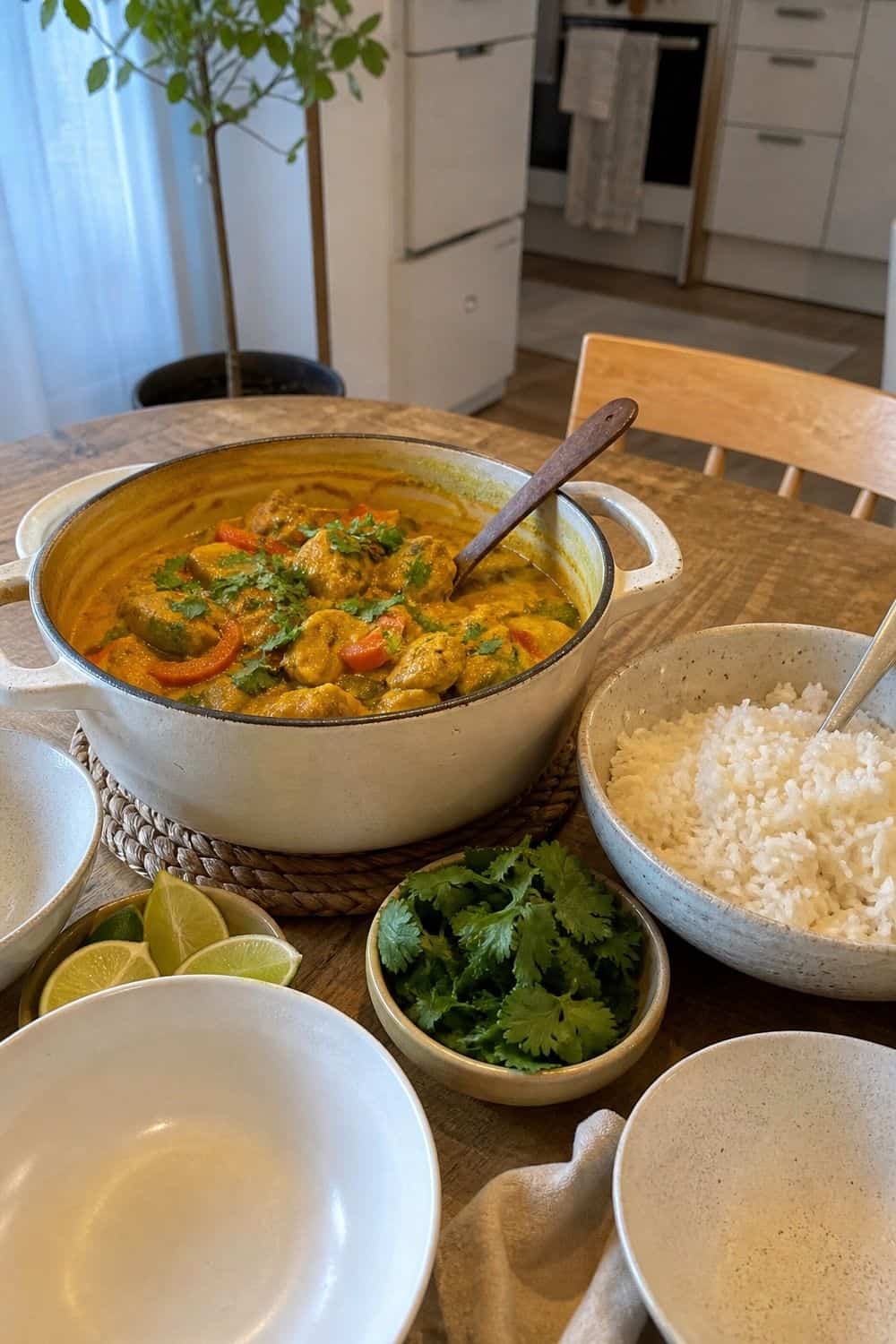
Coconut chicken curry, lentil dal, chickpea curry, or vegetable curry makes a strong casual menu because the sauce can sit happily while guests arrive. Start the curry earlier in the day so spices settle and the kitchen is calmer later.
A rice cooker keeps rice hot without stealing a burner, which matters when the stove is already handling flatbread, greens, or a quick vegetable. It also prevents the rice from becoming the last-minute job.
Add chutney, yogurt, herbs, sliced cucumber, and lime so each bowl gets contrast. If the curry is spicy, keep one cooling side obvious and easy to reach.
9. Chili and Cornbread Menu
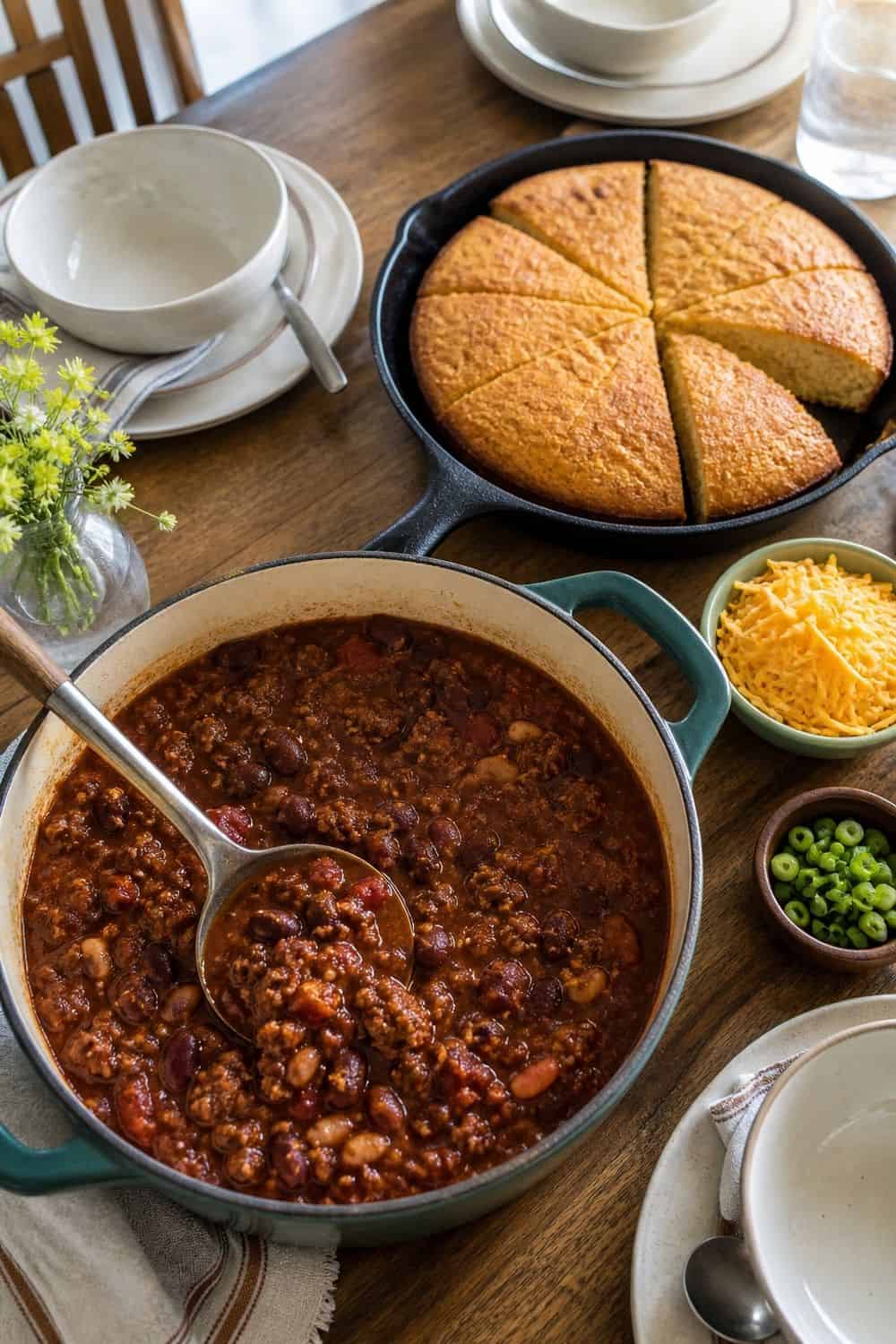
Chili is built for casual hosting because it improves as it sits and can stay warm without constant attention. Use beef chili, turkey chili, black bean chili, or vegetarian chili, then add cornbread, chips, sour cream, cheese, scallions, cilantro, and hot sauce. A slow cooker can hold the chili at serving temperature once the flavor is where you want it. Label the spice level clearly and offer dairy-free toppings if needed, so guests can build bowls confidently without asking about every ingredient.
10. Meatballs and Soft Polenta
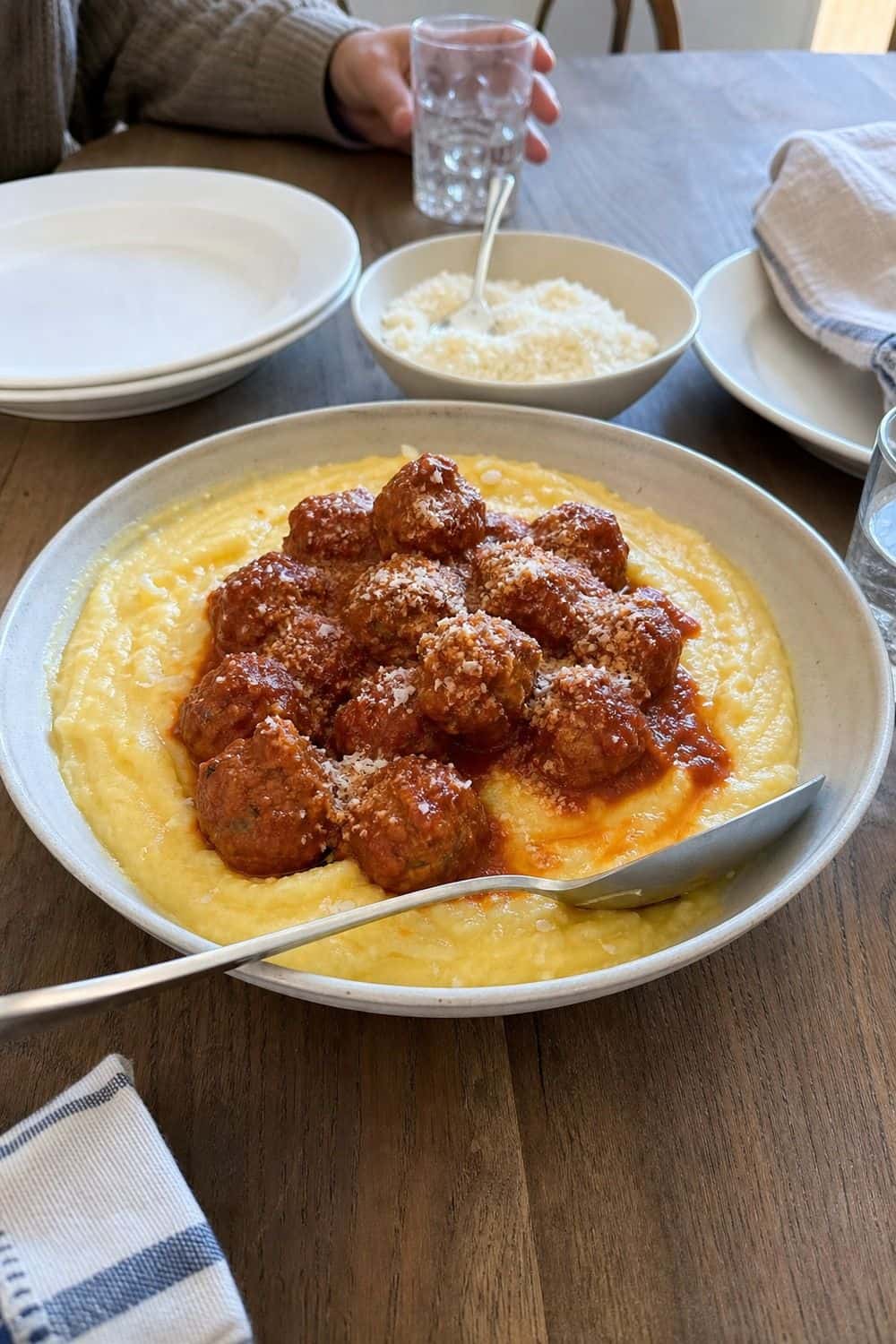
Meatballs over soft polenta give the table a generous, family-style center without requiring individual plating. Make tomato meatballs, turkey meatballs, mushroom meatballs, or lamb meatballs, then spoon them into a wide serving bowl with extra sauce visible around the edges.
Put grated cheese, herbs, and a large spoon close to the bowl so guests can serve themselves cleanly. Add a bitter salad or roasted greens to keep the menu from leaning too rich, especially when the sauce is tomato-heavy and slow-simmered.
11. Mediterranean Mezze Dinner
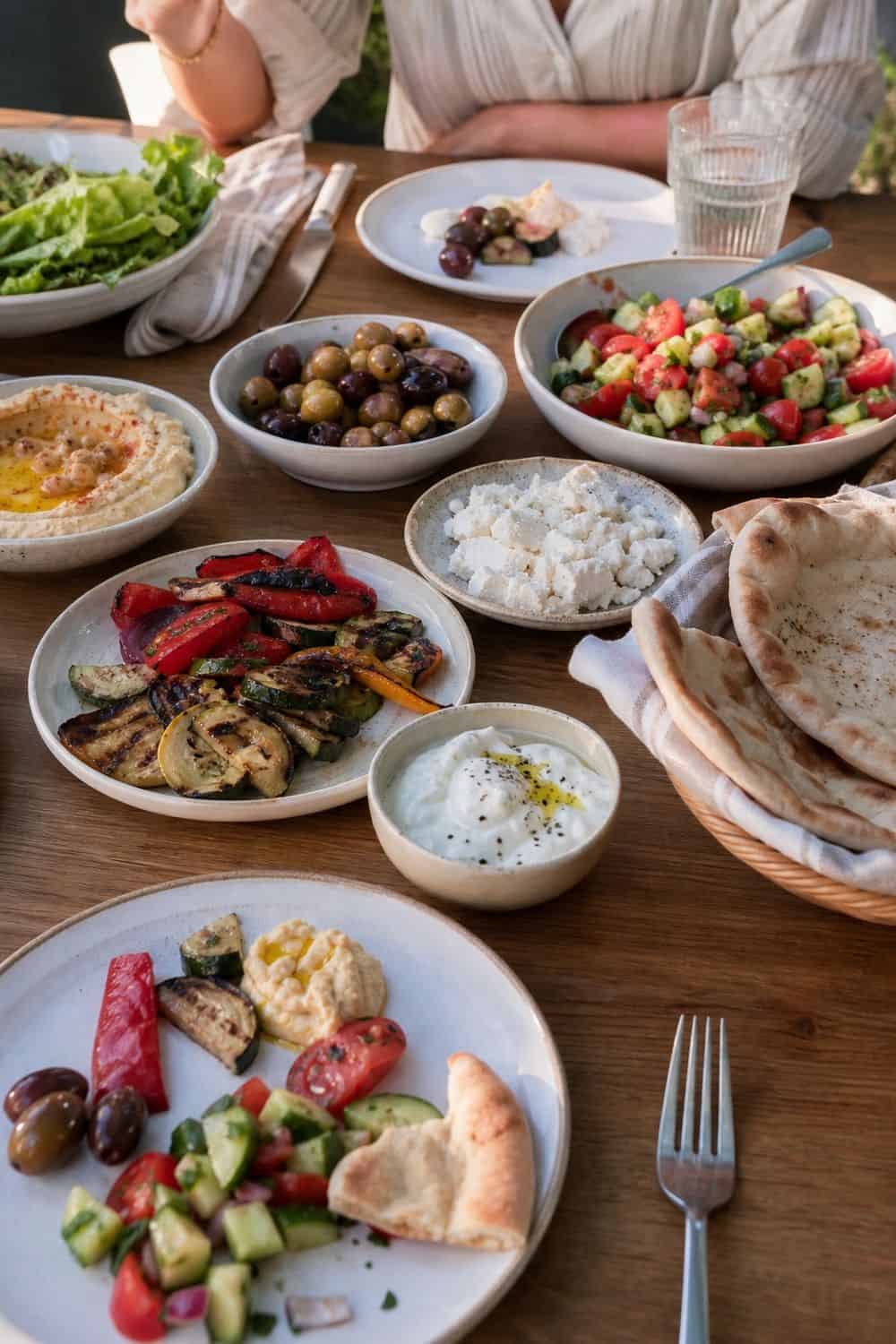
A mezze dinner is ideal when people want to graze but still need enough food to count as dinner. Arrange hummus, tzatziki, olives, pita, feta, cucumbers, roasted vegetables, falafel, grilled chicken, or lamb kofta on a large mezze platter, then refill in small waves instead of crowding everything at once.
This format gives the host breathing room because most pieces can be bought, made ahead, or served room temperature. Add one warm item so the spread feels like a meal.
12. Tinned Fish and Seedy Bread Starter Menu
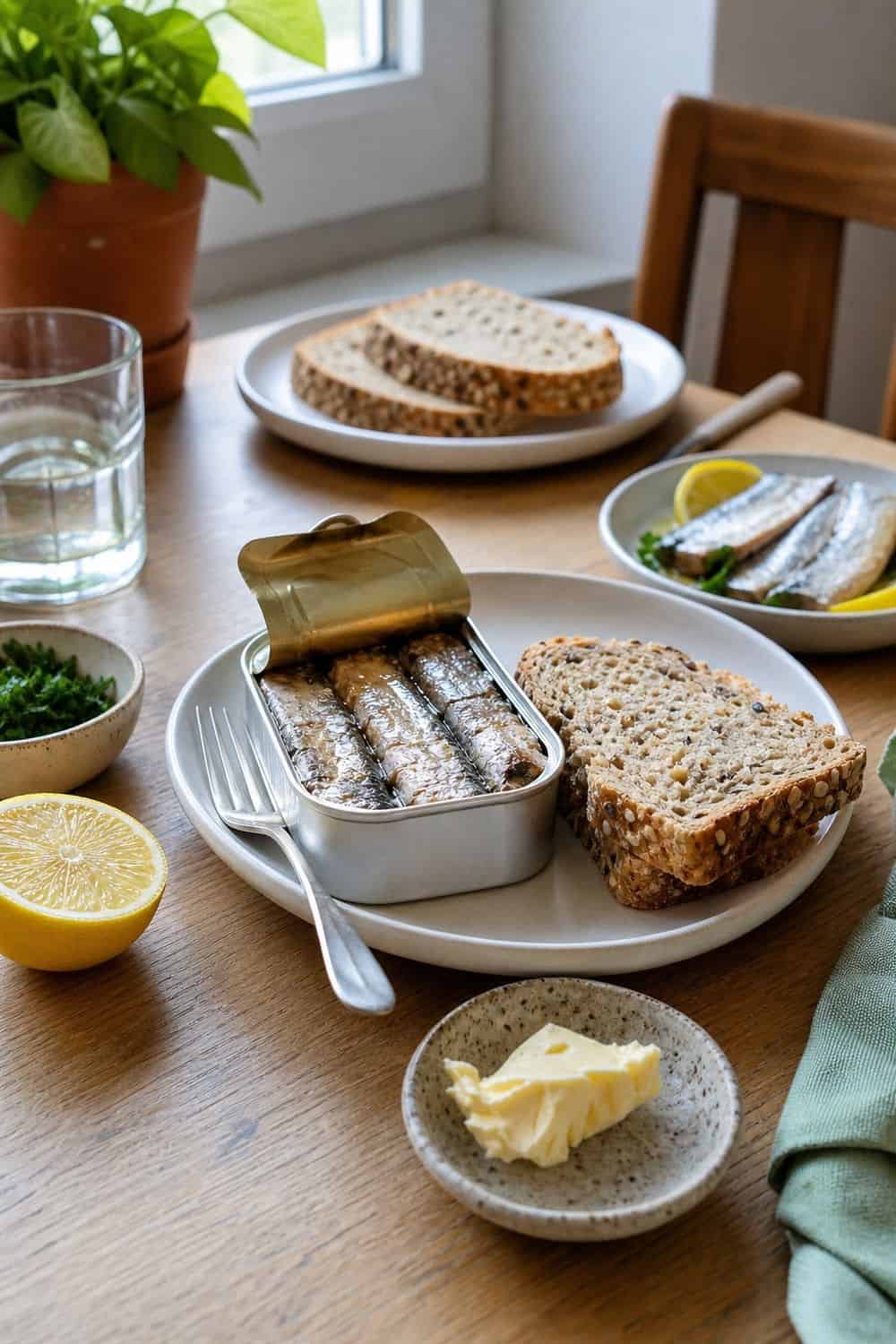
Tinned fish can start a relaxed wine-bar style dinner when it is served with care. Open sardines, mussels, trout, or anchovies, then add seedy bread, butter, pickles, olives, lemon, and a crisp salad. A sardine serving fork makes the tins feel easier to share and keeps oil from running across the board. Follow this with a very simple main, such as pasta or soup, so the starter feels like a clever store-bought helper rather than the whole dinner menu for guests.
13. Big Dinner Salad With Rotisserie Chicken
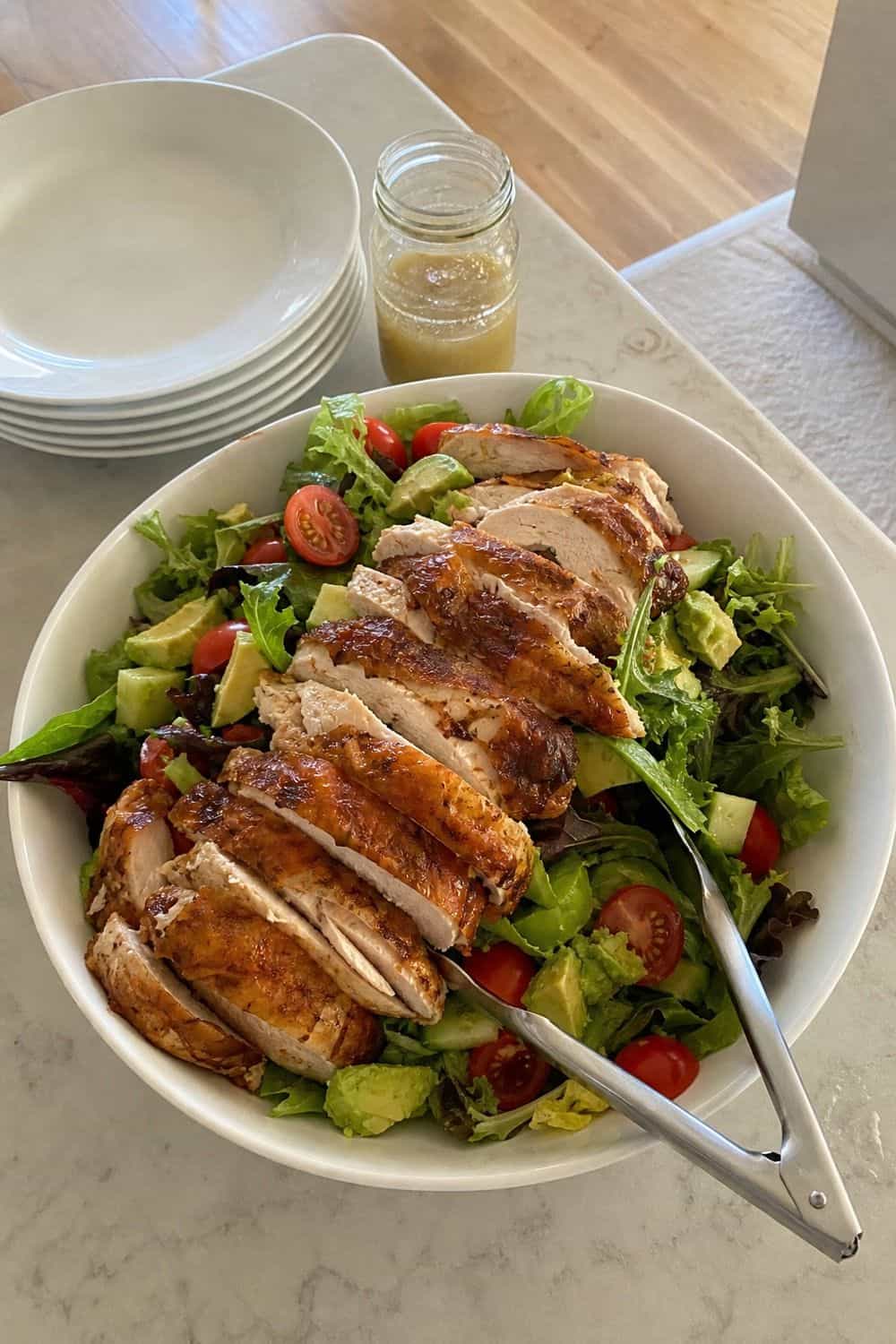
A dinner salad needs enough substance to behave like a main. Use rotisserie chicken, sturdy greens, herbs, grains, nuts, cheese, fruit, and vinaigrette in an extra large salad bowl.
Toss just before serving so the leaves stay crisp, then pile the chicken and grains high enough that guests can see this is dinner, not a garnish.
The difference between dinner and side salad is generosity. Add bread, roasted potatoes, or a small soup if the group includes bigger appetites, and keep extra dressing on the table.
14. Soup, Bread, and Cheese Menu
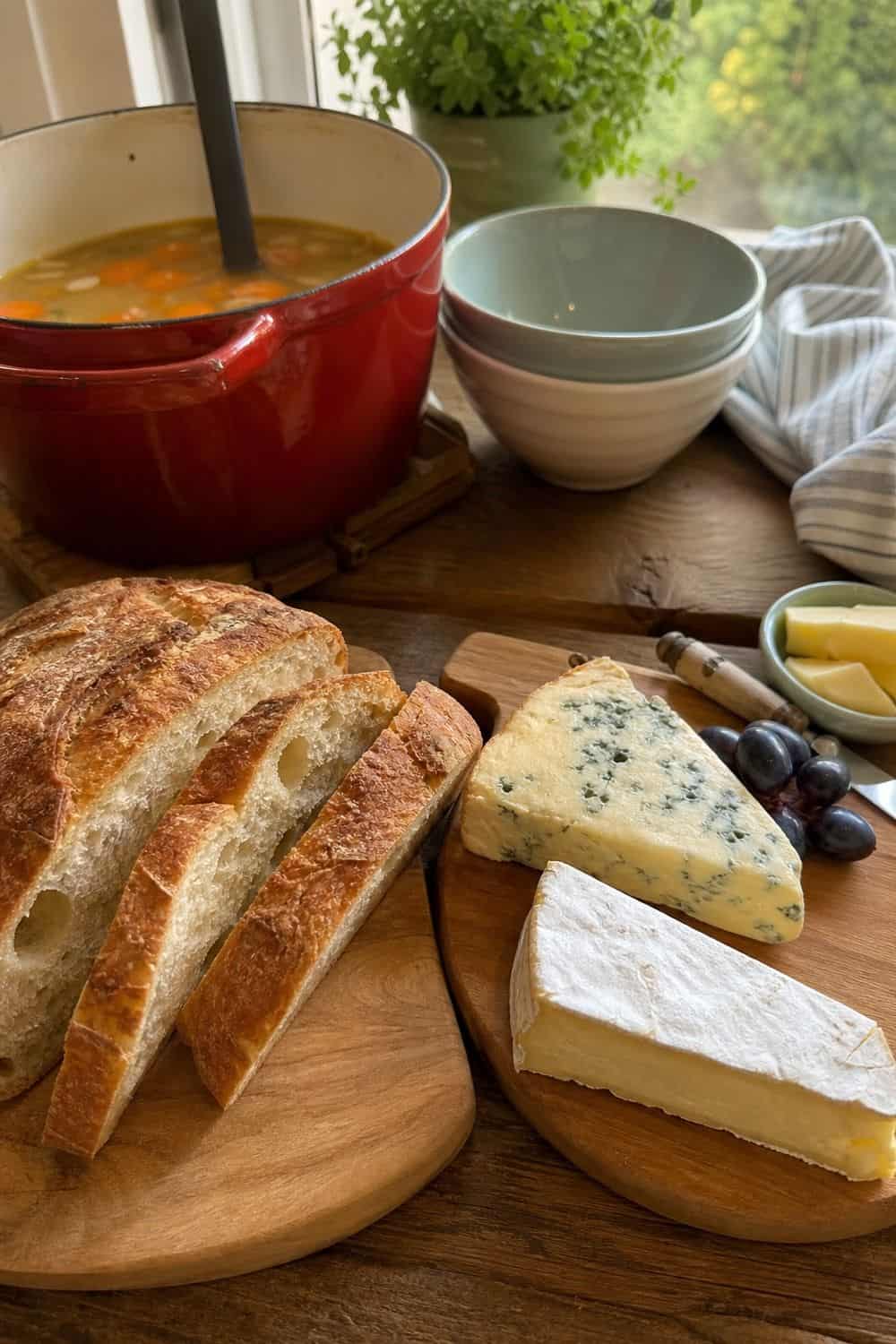
Tomato soup, lentil soup, chicken soup, potato leek, or white bean soup can make a calm dinner when paired with good bread, cheese, and a fresh salad. A soup tureen lets the pot move away from the stove and keeps serving from feeling like cafeteria ladling.
Choose soup with enough body for dinner, then add a cheese board or grilled bread if the soup is lighter. Keep bowls stacked near the tureen so guests can help themselves without waiting at the table.
15. Burger or Slider Board
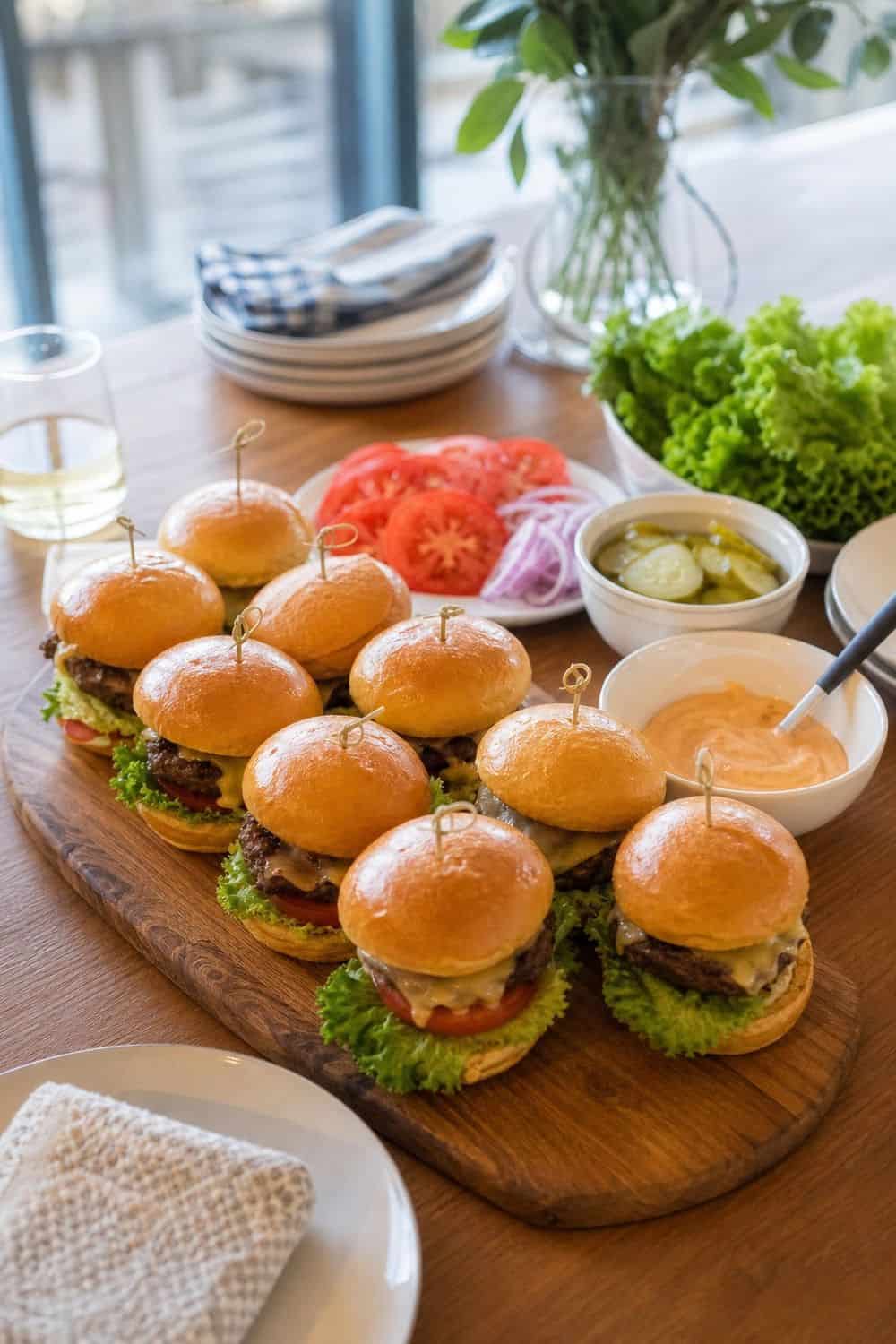
Sliders, veggie burgers, chicken patties, or small beef burgers make sense for game nights, patio dinners, and very relaxed gatherings. A slider serving tray keeps buns, patties, pickles, sauces, onions, lettuce, and chips organized so guests can build plates without dismantling the table. Keep patties warm in a low oven or covered pan, then bring out smaller batches as needed. This menu is casual, but it still needs structure: one sauce area, one topping area, and plenty of napkins nearby.
16. Pasta With One Great Sauce
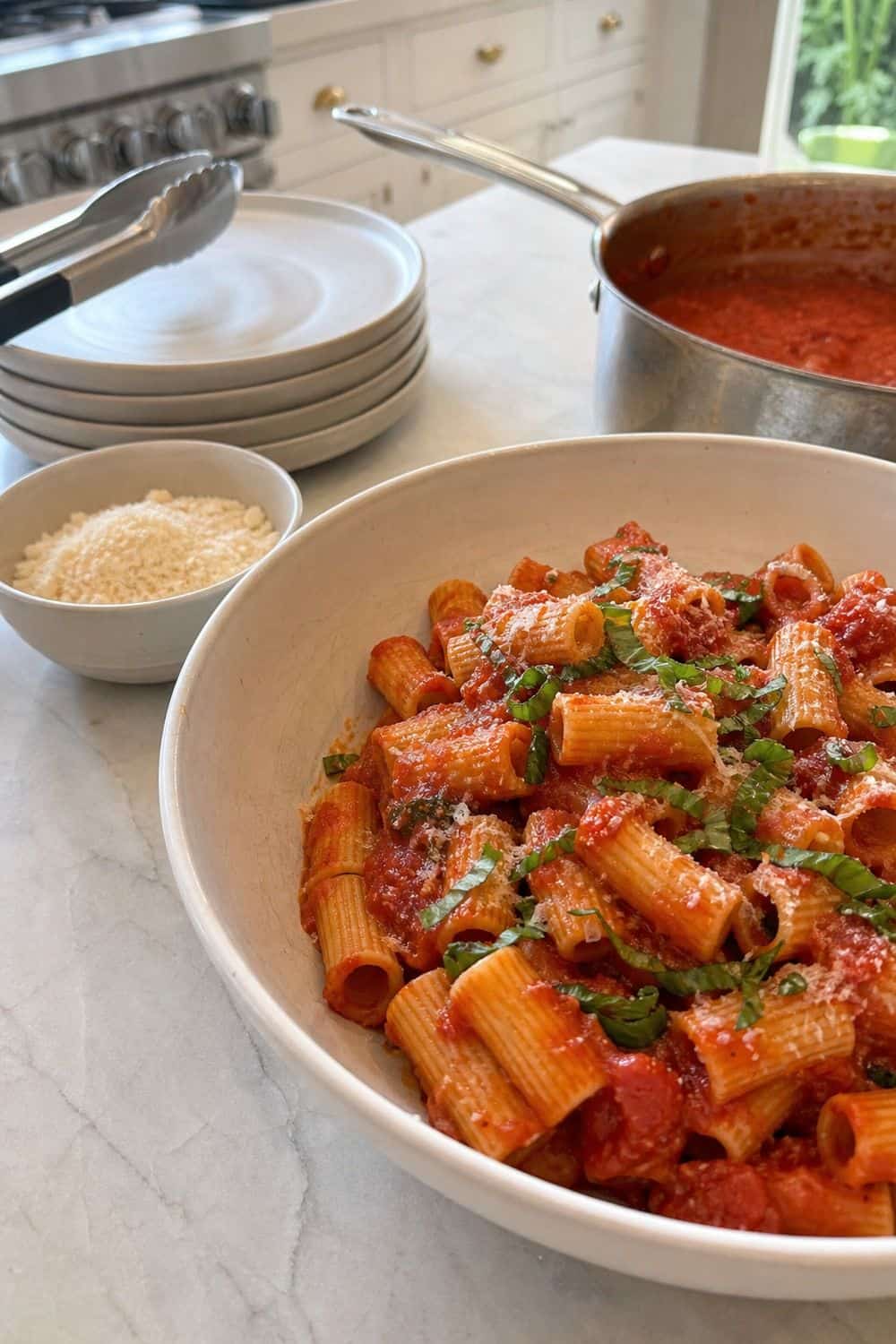
A stovetop pasta menu works when the sauce is the star and everything else stays quiet. Make vodka sauce, pesto, bolognese, mushroom cream, lemon ricotta, or tomato basil ahead, then cook the pasta close to serving.
A pasta serving bowl gives you room to toss noodles with sauce before the bowl reaches the table, which keeps the texture better than plating every portion.
Add salad and bread rather than another complicated side. Pasta gets stressful only when the host tries to finish sauce, boil noodles, dress greens, and plate individually at the same time.
17. Baked Potato Bar
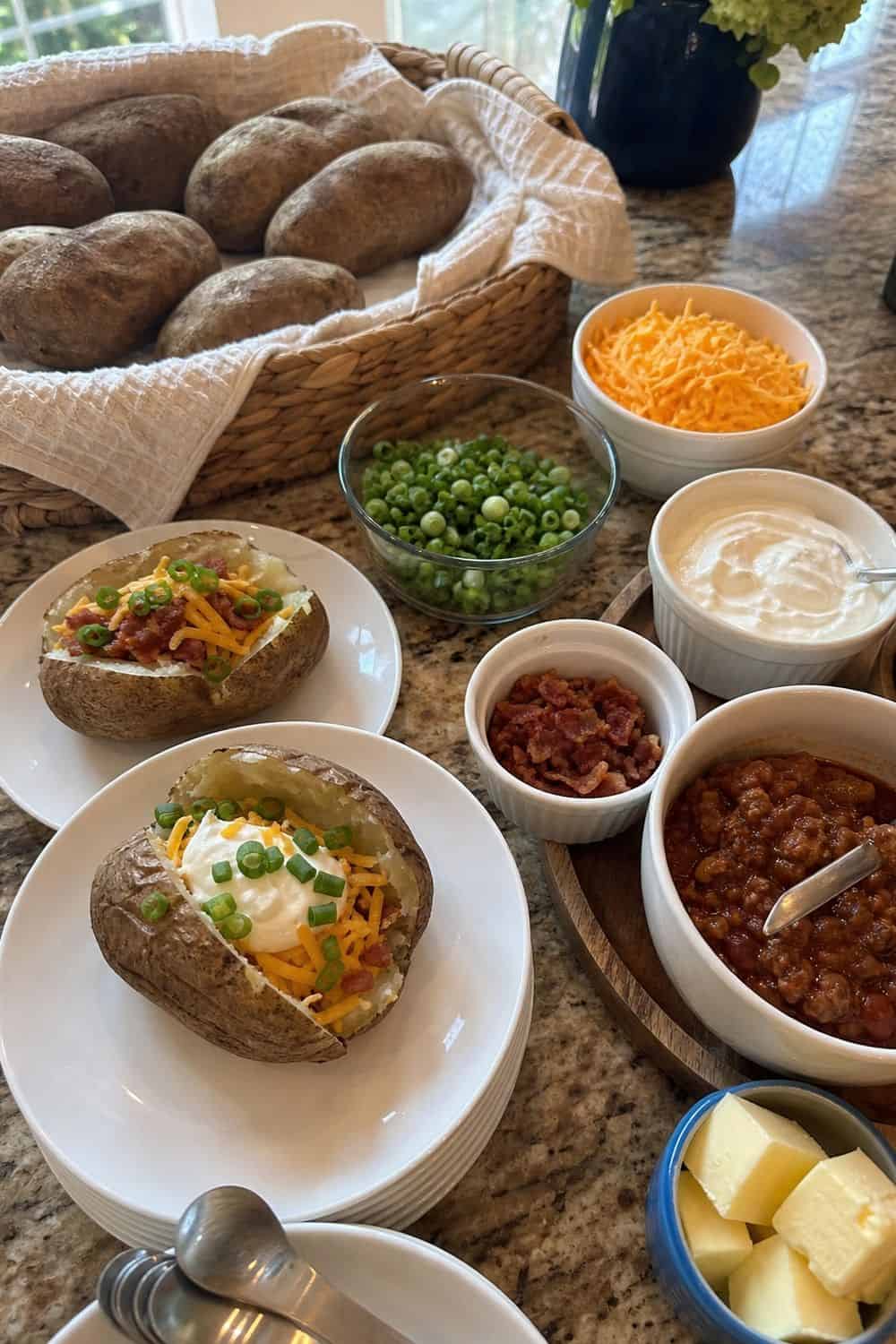
A baked potato bar is budget-friendly, filling, and flexible for mixed diets. Bake russets or sweet potatoes on a potato baking rack, then offer chili, broccoli, cheese, beans, sour cream, herbs, bacon, salsa, butter, and scallions. Keep the potatoes hot until serving and split them only when guests are ready to build plates. The toppings should be separate enough that vegetarian, dairy-free, and meat-heavy plates can all happen from the same table without slowing the line or confusing guests.
18. Appetizers-for-Dinner Spread
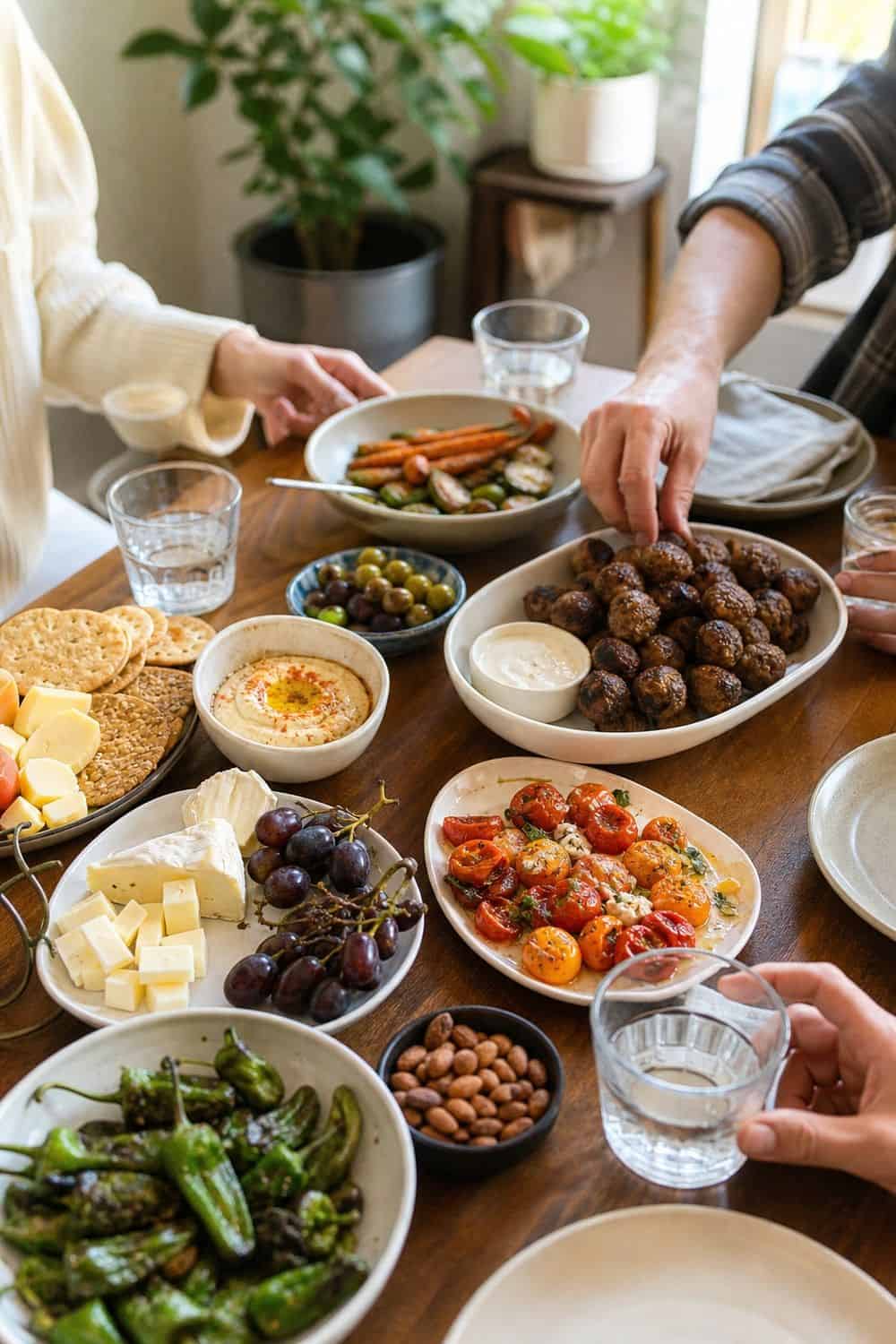
A grazing dinner needs more planning than a snack table because guests still expect enough food. Use dips, crostini, deviled eggs, skewers, stuffed potatoes, olives, cheese, and one warm bite, then place heavier items lower and lighter bites higher on a tiered appetizer stand near the main serving area.
Count portions generously: at least a few substantial bites per person, not just chips and olives. Add bread, salad, or soup if the gathering stretches across normal dinner hours and appetites.
19. Breakfast-for-Dinner Party
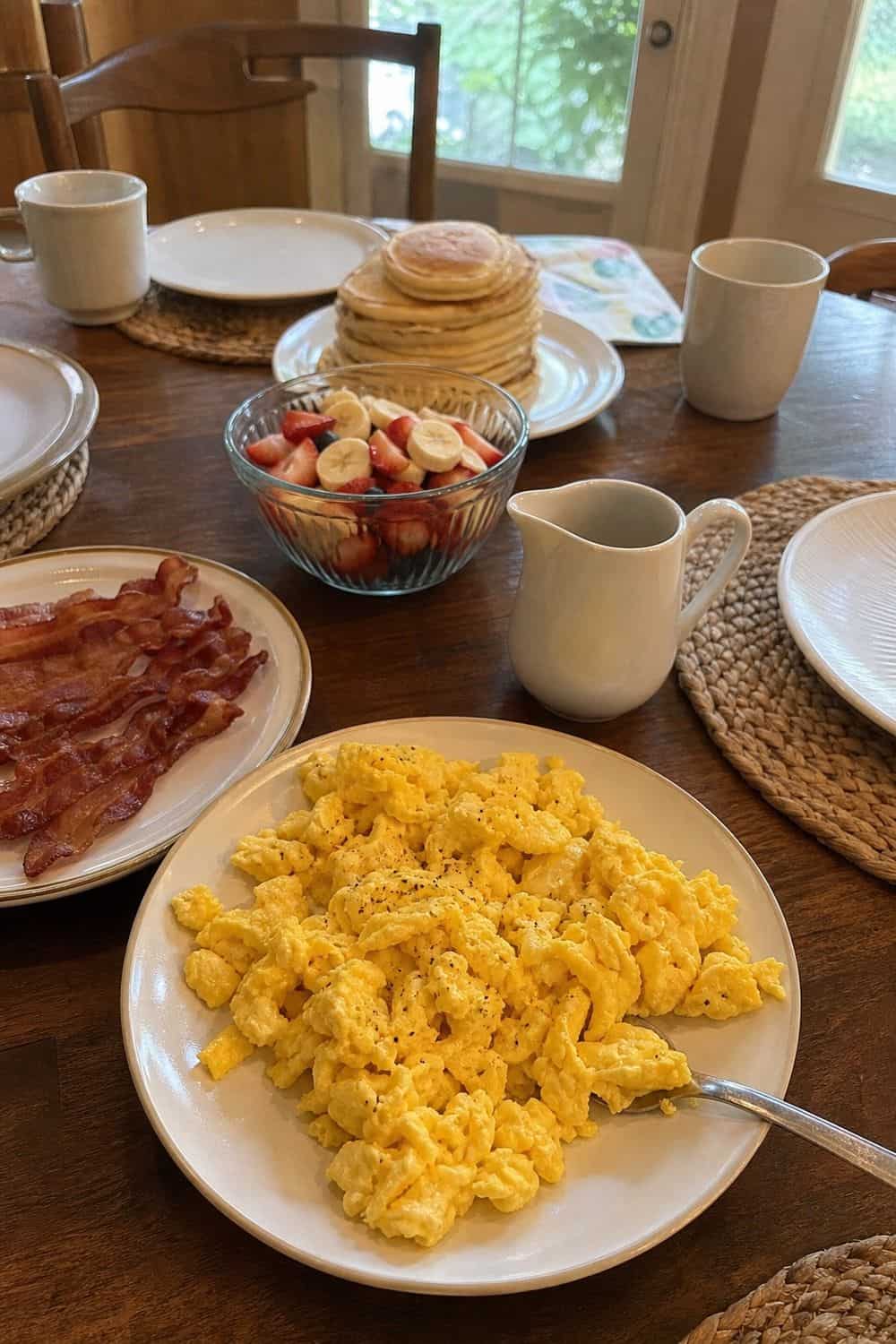
Breakfast-for-dinner feels playful, but it can trap the host at the stove if every waffle or egg is made to order. Use an electric griddle for pancakes, waffles, bacon, or hash browns only if guests are comfortable helping, or cook batches before everyone sits down. Add fruit, eggs, coffee, mimosas, and a savory side so the meal is not all sugar. This works best with a self-serve rhythm and a few friends who will happily refill brunch-style dinner plates together.
20. Store-Bought Dessert With Fruit
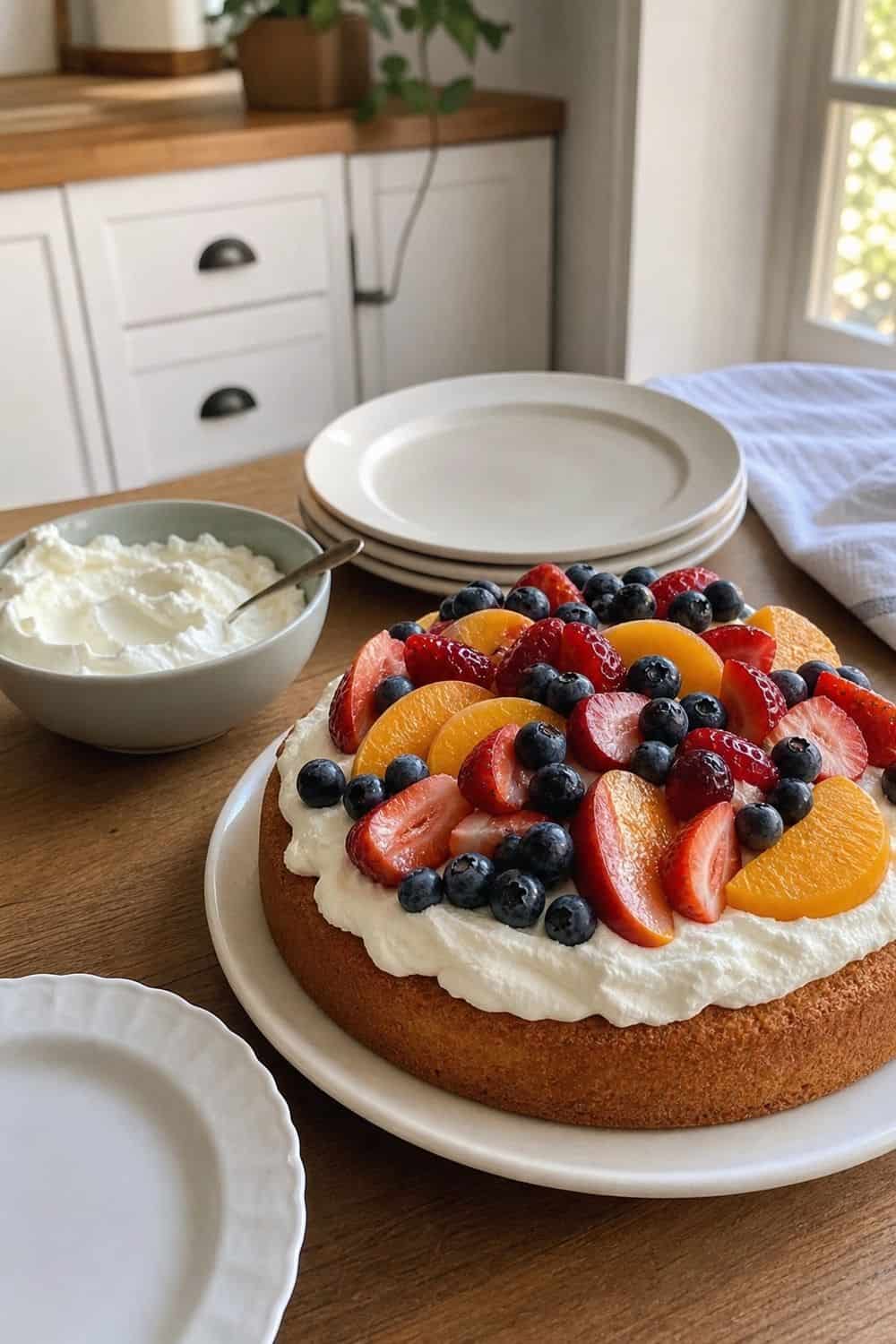
Dessert does not need to be homemade for a casual dinner to feel cared for. Put chocolate bars, cookies, clementines, berries, ice cream, or a bakery cake on a dessert serving tray, then add small plates, napkins, and a knife before the main course begins.
The trick is making the store-bought choice look ready to share. Slice cake, unwrap chocolate, rinse fruit, and move everything out of packaging so dessert feels like part of the evening meal, not an afterthought.
21. Batch Drink and Water Station
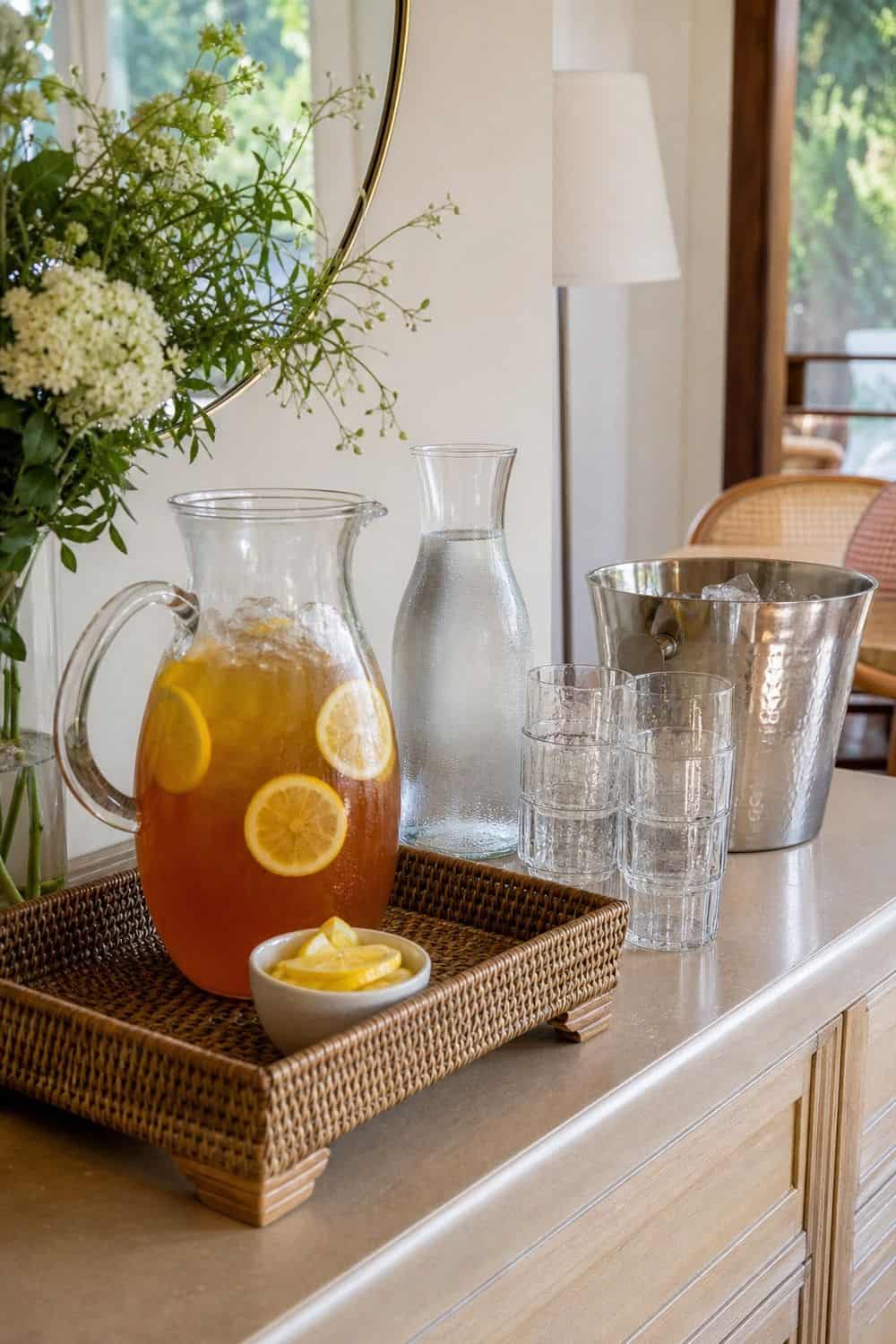
A batch drink keeps the host from bartending all night. Fill a glass drink dispenser with lemonade, iced tea, sangria, flavored water, or a spritz base, then keep cups, ice, citrus, and sparkling water beside it.
If alcohol is involved, make the strength clear and offer a nonalcoholic option with the same amount of care. This keeps the drink setup welcoming for every guest.
Place the drink station away from the stove and main serving area. Guests can refill glasses without interrupting the person handling hot food or clearing plates.
22. One Crisp Statement Salad
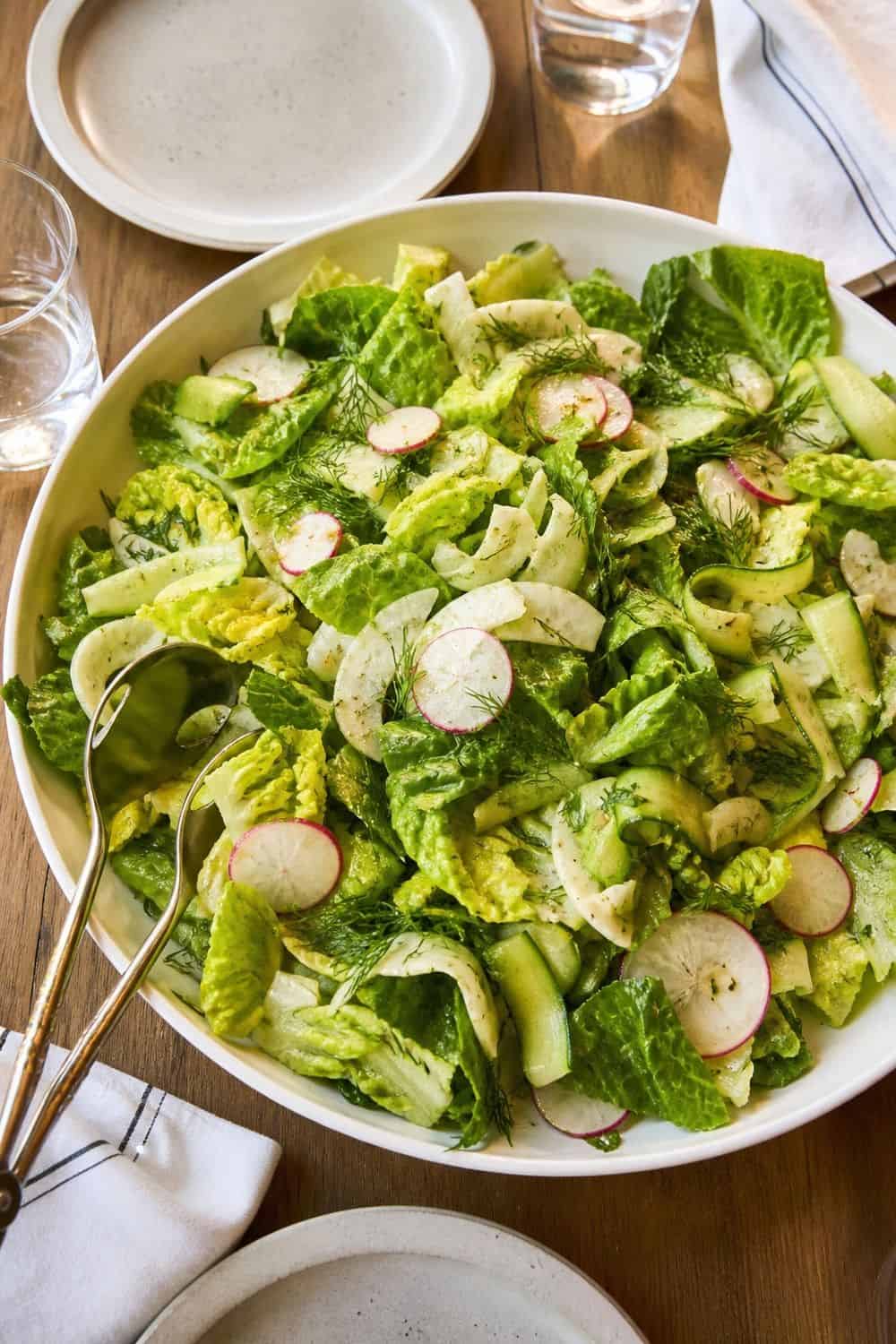
A bold salad is the easiest way to balance braises, pasta, pizza, chili, curry, and roasted meats. Use radicchio, cabbage, kale, little gems, herbs, citrus, nuts, tahini, vinaigrette, feta, or shaved vegetables, then dry greens well in a salad spinner so dressing clings instead of pooling.
Dress late and season assertively. The salad should taste bright enough to wake up the plate, especially when the main dish is creamy, cheesy, slow-cooked, or deeply sauced beside rich mains on the table.
23. Bread, Chips, or Rice to Stretch the Menu
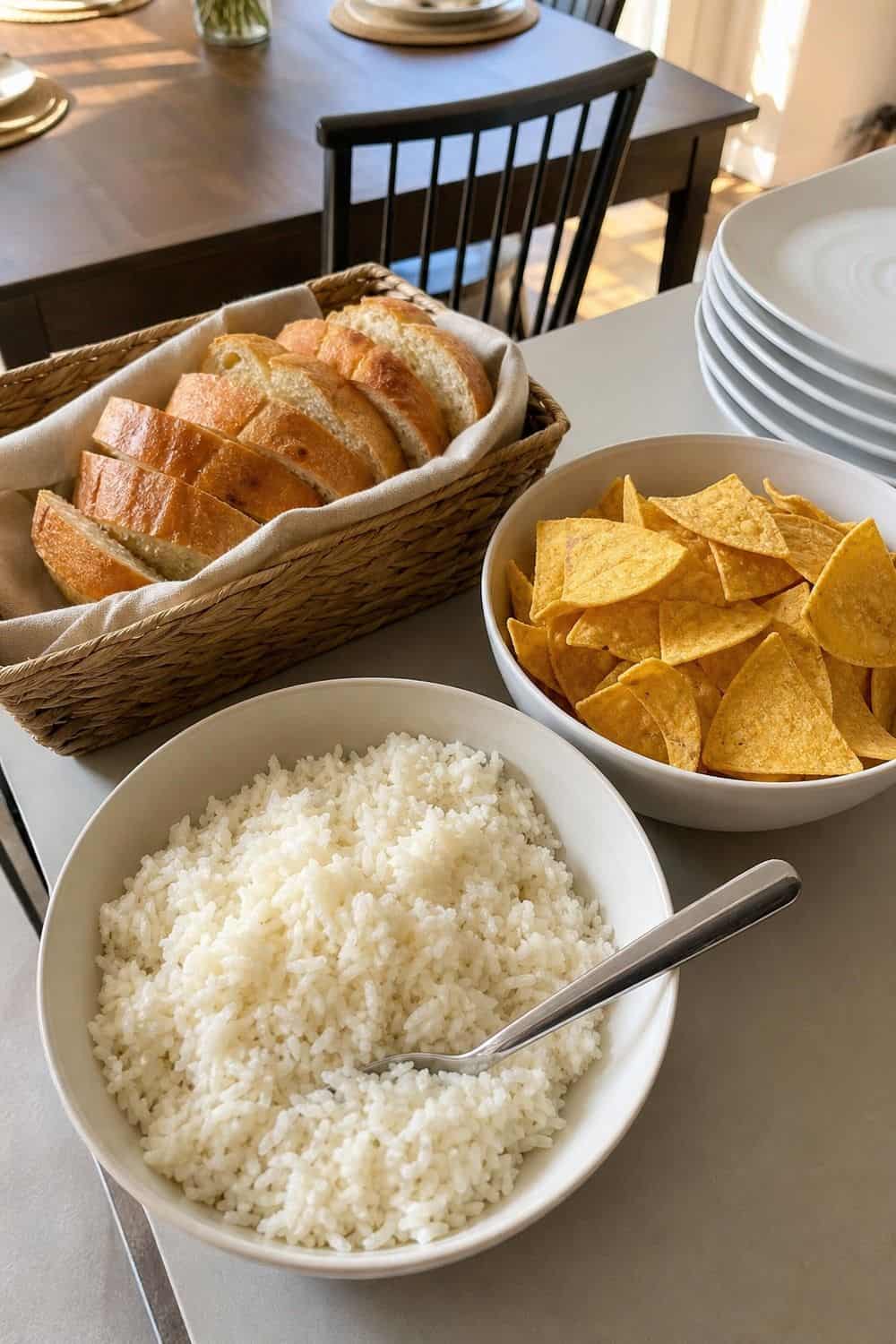
A casual menu feels more abundant when the starch matches the main dish. Use bread with soup, pasta, roast chicken, or meatballs; chips with chili, tacos, or sliders; tortillas with beans; rice with curry; and potatoes with grilled or roasted mains. A bread basket keeps slices visible and easy to pass. This is not filler in the lazy sense. It is the part that helps guests build a full plate without adding another complicated recipe to the plan for the table.
24. Ask Guests for One Specific Thing
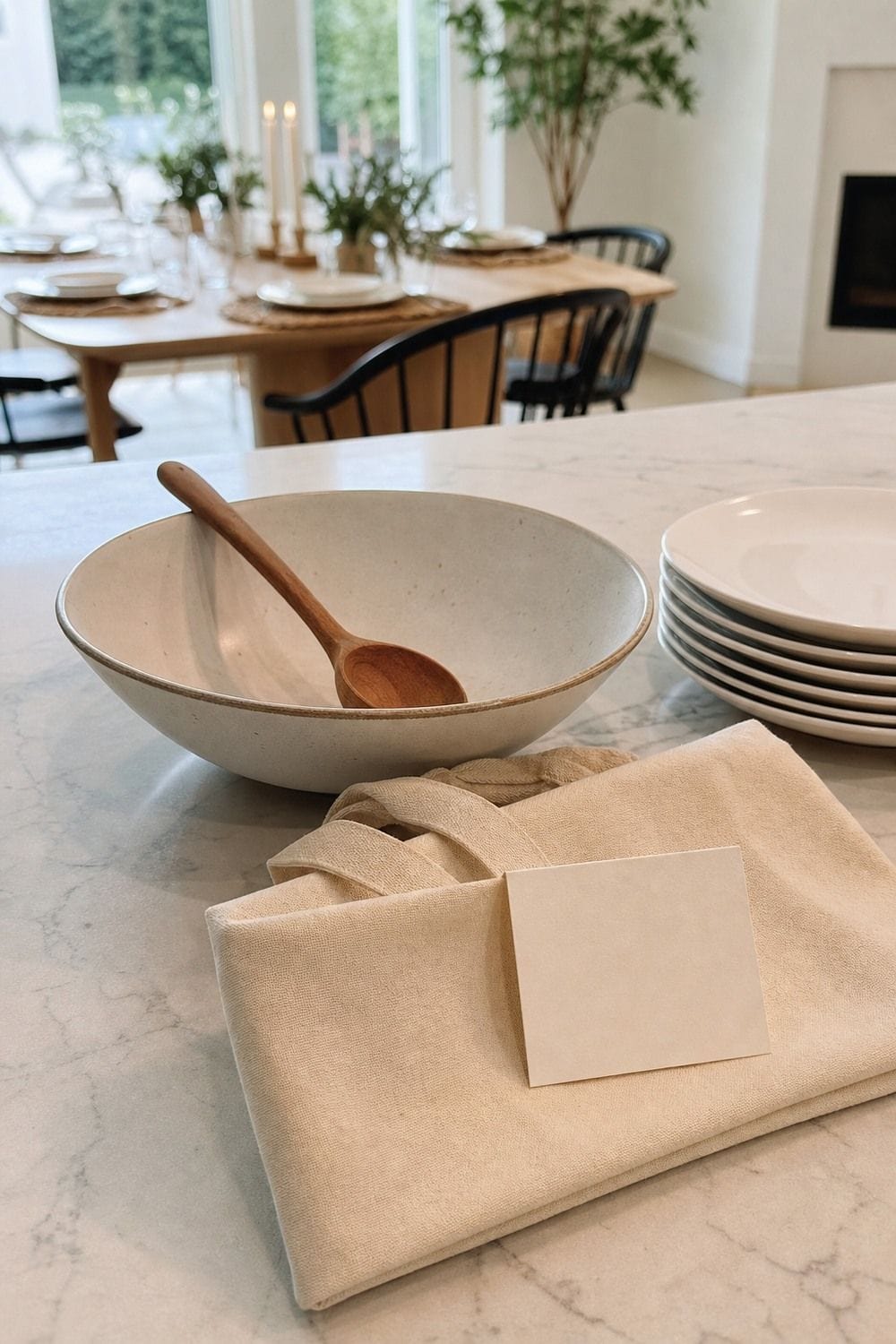
When guests ask what to bring, give one specific assignment that supports the menu. Ask for wine in an insulated wine tote, sparkling water, bread, chips, chocolate, ice cream, salad, citrus, or a bag of ice rather than a vague “anything is fine” before dinner.
Specific requests prevent random extras from crowding the table. If the main is chili, ask for cornbread or beer; if the menu is pasta, ask for salad or dessert that fits the meal and serving plan.
25. Plan Cleanup Into the Menu
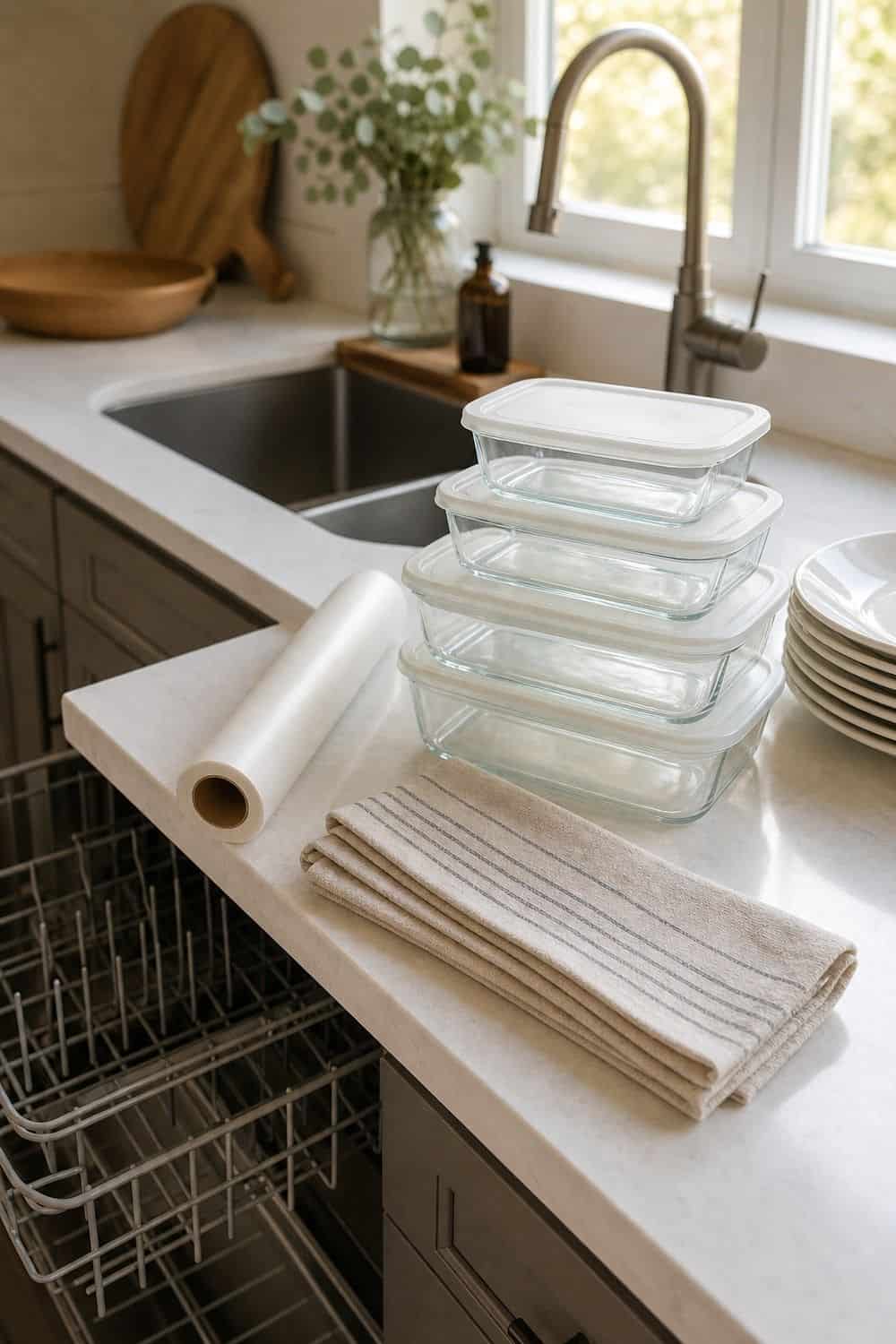
Cleanup starts with the menu, not with the sink after everyone leaves. Choose fewer serving dishes, avoid individual plating, and use a large serving tray to carry empty glasses, plates, and condiment bowls in one pass. Set a dish return spot before guests arrive so plates do not scatter across the living room.
Pack leftovers during dessert if the mood allows it. A relaxed host can still be organized, especially when the menu was designed to leave fewer pans behind.
How to Build a Casual Dinner Party Menu
Start with one menu format, then let every other choice support it. A taco bar needs tortillas, salsa, slaw, and drinks that can sit out; baked pasta needs salad, bread, and a dessert that does not need the oven; curry needs rice, cooling toppings, and enough bowls. Once the main is chosen, the rest of the menu becomes easier to shape.
Store-bought pieces work when they have a job. Bread stretches soup, bakery cake finishes the night, rotisserie chicken turns salad into dinner, and tinned fish can begin a wine-bar style meal. The meal feels relaxed when those shortcuts are served cleanly and connected to the rest of the table.
A reliable formula is one main, one crisp or fresh side, one starch, one batch drink, and one easy dessert. Add a vegetarian path when possible, delegate one specific guest contribution, and choose serving pieces that reduce cleanup instead of creating more work.
Frequently Asked Questions
What are good casual dinner party menu ideas?
Good casual dinner party menu ideas include baked pasta and salad, a taco bar, roast chicken with bread and pan juices, chili and cornbread, curry and rice, grain bowls, pizza with a big salad, mezze, soup with bread and cheese, or appetizers for dinner. The strongest menus have one clear main idea, enough side support, and very little last-minute cooking.
What should I serve at a casual dinner party?
Serve one main dish, one fresh salad or vegetable, one starch or bread, one batch drink, and one easy dessert. That could mean baked pasta, radicchio salad, garlic bread, iced tea, and bakery cake, or curry, rice, cucumber salad, sparkling water, and fruit. A complete but relaxed menu is usually better than several fussy courses.
What can I make ahead for a casual dinner party?
Make-ahead options include braises, chili, soup, curry, pasta sauce, baked pasta, dips, salad dressing, chopped toppings, dessert, and batch drinks. Leave only the jobs that truly need freshness for the last hour, such as cooking pasta, dressing salad, warming bread, or adding herbs. The more you finish early, the more relaxed the table feels.
How do I host a dinner party without cooking all night?
Choose a make-ahead main, serve family-style, set up a batch drink, and use store-bought helpers where they make sense. Avoid menus that need every burner at once or require individual plating. If one dish has to be cooked at the last minute, make sure the salad, dessert, drinks, and serving tools are already handled.
What is an easy dinner party menu for friends?
An easy dinner party menu for friends could be a taco bar with beans and one protein, baked pasta with salad, roast chicken with potatoes, curry and rice, chili with cornbread, or pizza with a large bitter greens salad. Choose something guests can serve themselves so the mood stays casual and the host is not stuck plating dinner.
What should guests bring to a casual dinner party?
Ask guests to bring one specific thing that fits the menu, such as wine, sparkling water, bread, chips, chocolate, ice cream, fruit, salad, or a bag of ice. Specific requests are easier for guests and better for the table. They prevent duplicate extras and help the meal feel planned without making the gathering formal.
How do I make a casual dinner party feel special?
Make a casual dinner party feel special with one generous main, a big fresh side, good serving pieces, low lighting, enough water, and dessert that is ready before anyone asks. Small details matter more than complicated food: sliced bread in a basket, labeled sauces, warm plates, and a drink station can make the meal feel cared for.
What should I avoid on a casual dinner party menu?
Avoid too many last-minute dishes, individual plating, unclear allergens, and menus that require the oven, stovetop, and blender at the same time. Also skip random guest contributions that do not fit the meal. A casual menu should make hosting easier, so every dish should earn its place on the table.
Final Thoughts
The most useful casual dinner party menu ideas make the table feel full while keeping the host part of the night. Build around one main format, add a fresh side, a starch, a drink, and an easy dessert, then let guests serve themselves from a table that feels relaxed and ready.
Last update on 2026-09-18 / Affiliate links / Images from Amazon Product Advertising API