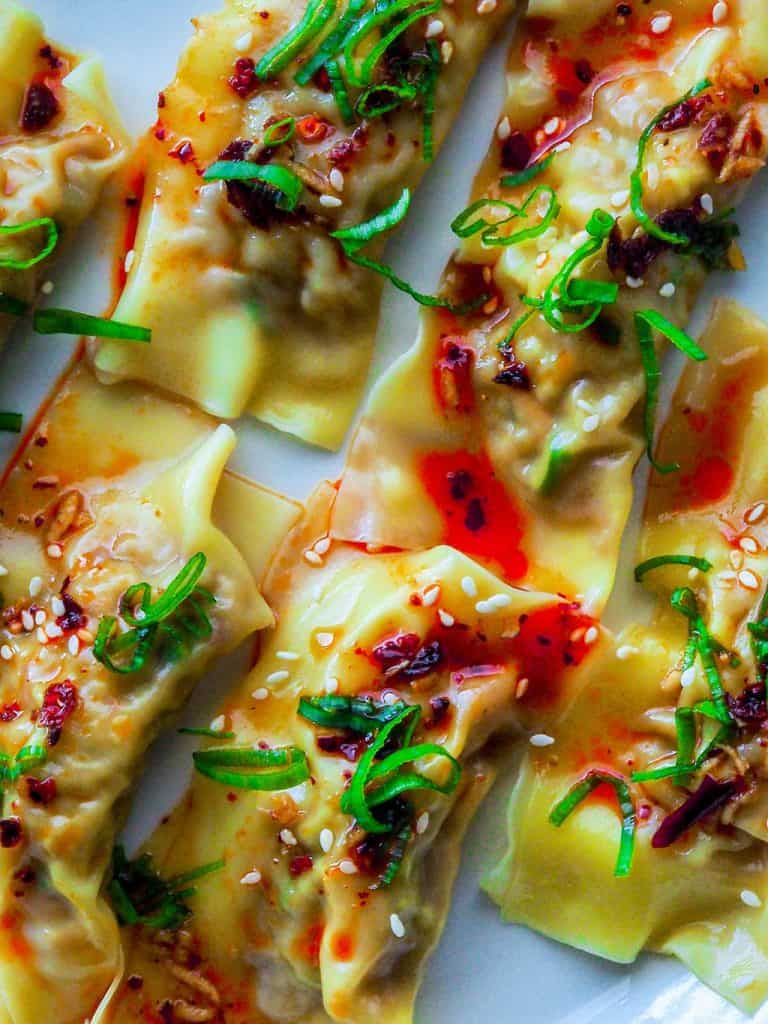
The easiest Korean recipes to start with use one tub of gochujang, Korea’s fermented red chili paste. It goes into kimchi jjigae and gochujang stew, sticky glazes for wings, ribs, beef and tofu, upgraded ramen and fried rice, and a 3-minute spicy mayo. Add a jar of gochugaru chili flakes and you can make almost everything below.
Buy one tub of gochujang for one recipe and it usually sits in the fridge door for months, half used. This list fixes that, because almost every recipe here uses it.
There are 18 Korean and Korean-inspired recipes below, sorted the way you’d build a meal: quick banchan first, then stews, glazed mains, noodles and rice, and two sauces to put on everything. Each one is linked to the full version, and there’s a short shopping list at the end so you know exactly what to buy.
Korean Kitchen Essentials
A tub of gochujang, a bag of coarse gochugaru, a few glass jars for kimchi, a stone pot for bubbling stews and a pair of metal chopsticks get you started.


What Banchan Should You Make First?
Two quick cucumber sides that go with everything else on this list.
1. Cucumber Kimchi
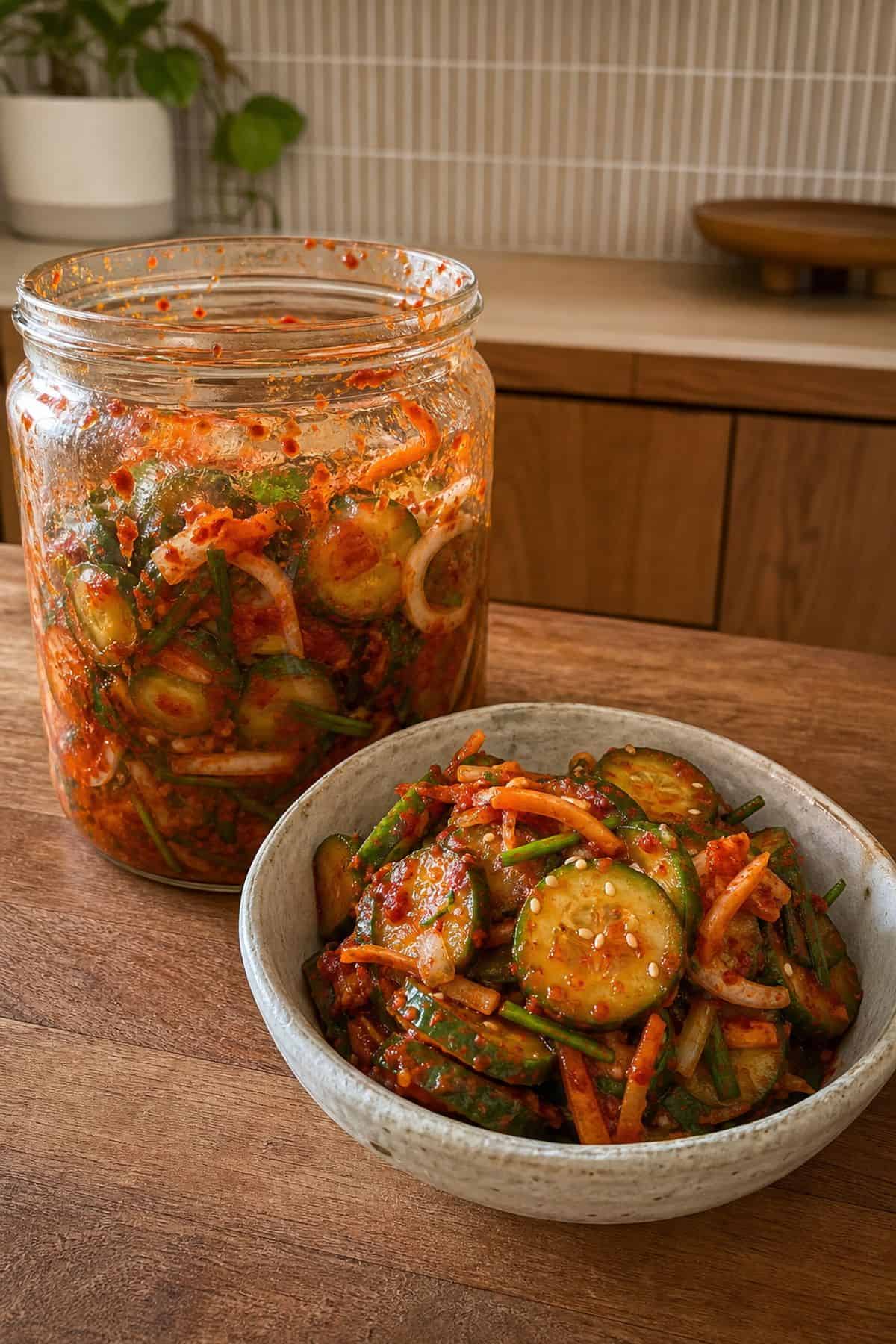
Oi kimchi, and it’s ready to eat the same day, unlike cabbage kimchi. Persian or Kirby cucumbers get sliced into rounds and salted with about 3% of their weight in coarse salt for exactly 15 minutes, until they release water and look a little translucent.
After a good rinse and a gentle squeeze, they get mixed with a paste of coarse gochugaru, fish sauce, garlic, ginger, a little sugar and water, plus carrot matchsticks, sliced onion and Asian chives. Sesame seeds on top. It’s crunchy on day one and gets tangier each day in the fridge. Leave out the fish sauce for a vegan version. Make my cucumber kimchi.
2. Korean-Style Cucumber Salad
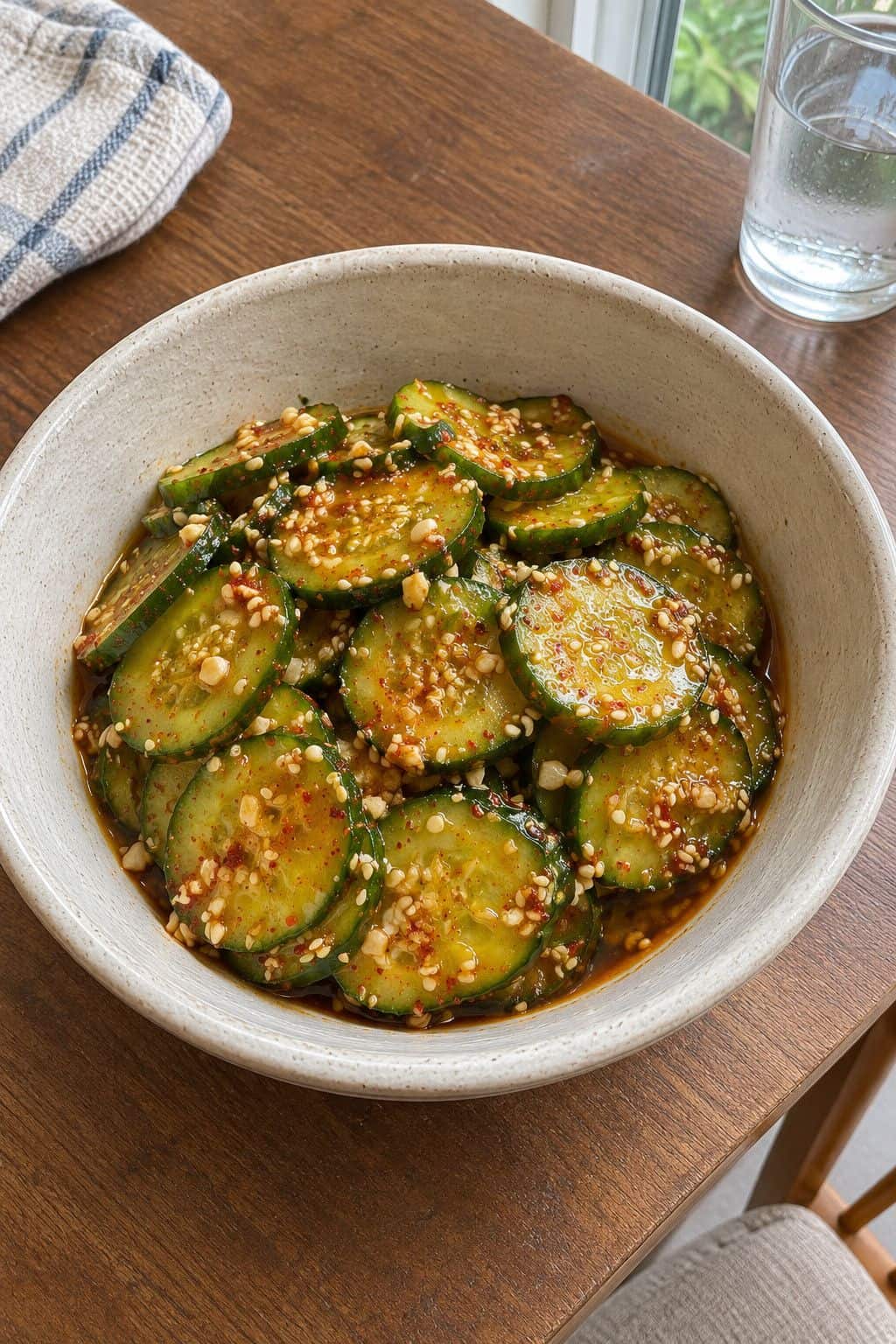
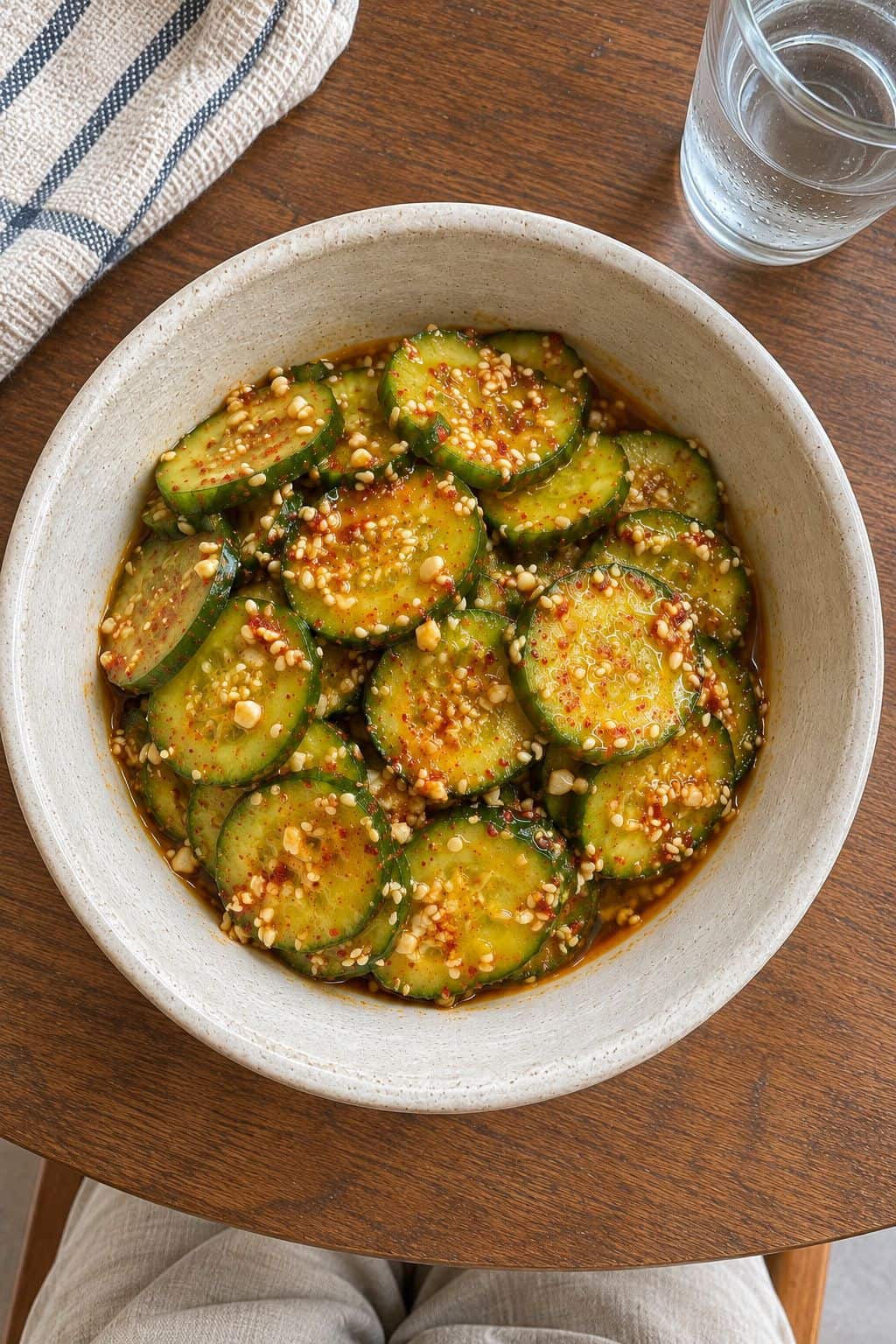
The 10-minute banchan for when you can’t wait for kimchi. Thinly sliced cucumber gets a quick optional salting for 10 minutes and a squeeze, so the bowl doesn’t turn watery. The dressing is minced garlic, soy sauce, Chinese black vinegar, sesame oil and a teaspoon of gochugaru, stirred until the chili turns the whole thing red. Toss the cucumber in it until every slice is glossy, then finish with roasted sesame seeds and black pepper. It’s close to the Korean side dish oi muchim, and it’s great next to anything rich, like the pork belly or the glazed ribs. Use tamari if you need it gluten-free. It tastes even better after a few hours in the fridge. Here’s my Korean-style cucumber salad.
Which Korean Stews and Soups Are Easiest?
Three warming pots for cold nights, all built on gochujang, gochugaru or kimchi.
3. Kimchi Jjigae With Chicken
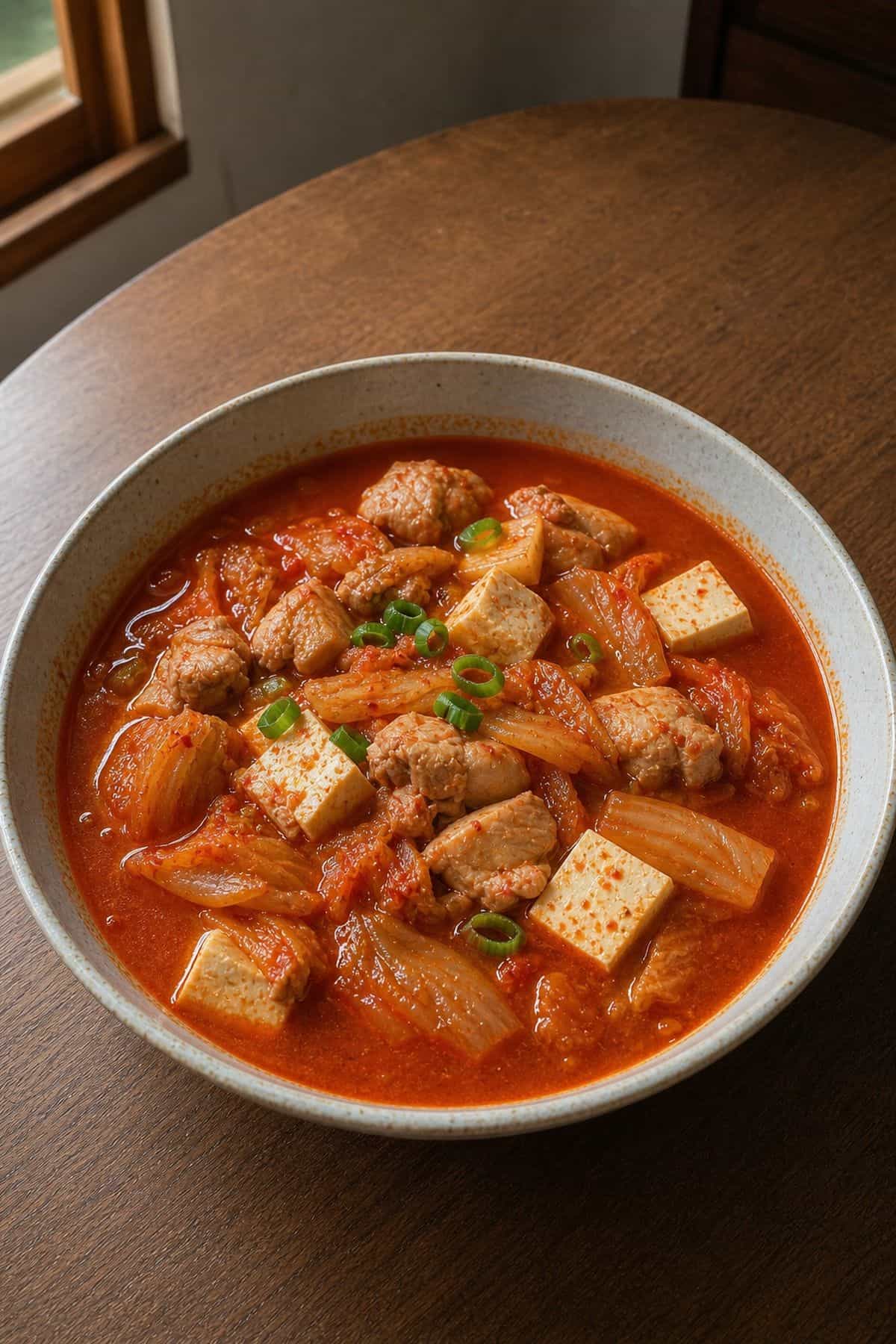
The most comforting Korean stew there is. Here’s how it comes together:
- Cook onion and garlic in sesame oil, then add bite-sized chicken thighs.
- Add well-fermented kimchi and a splash of its brine, and let it caramelize against the pot for a few minutes.
- Stir in gochugaru, gochujang, soy sauce and sugar, then pour in chicken broth and simmer.
Add cubes of firm tofu near the end and top with green onions. The sourer the kimchi, the better the stew, so it’s the perfect use for an older jar. Use less gochugaru for a milder pot. Serve it bubbling with a bowl of rice. Find it in my kimchi jjigae with chicken.
4. Gochujang Stew
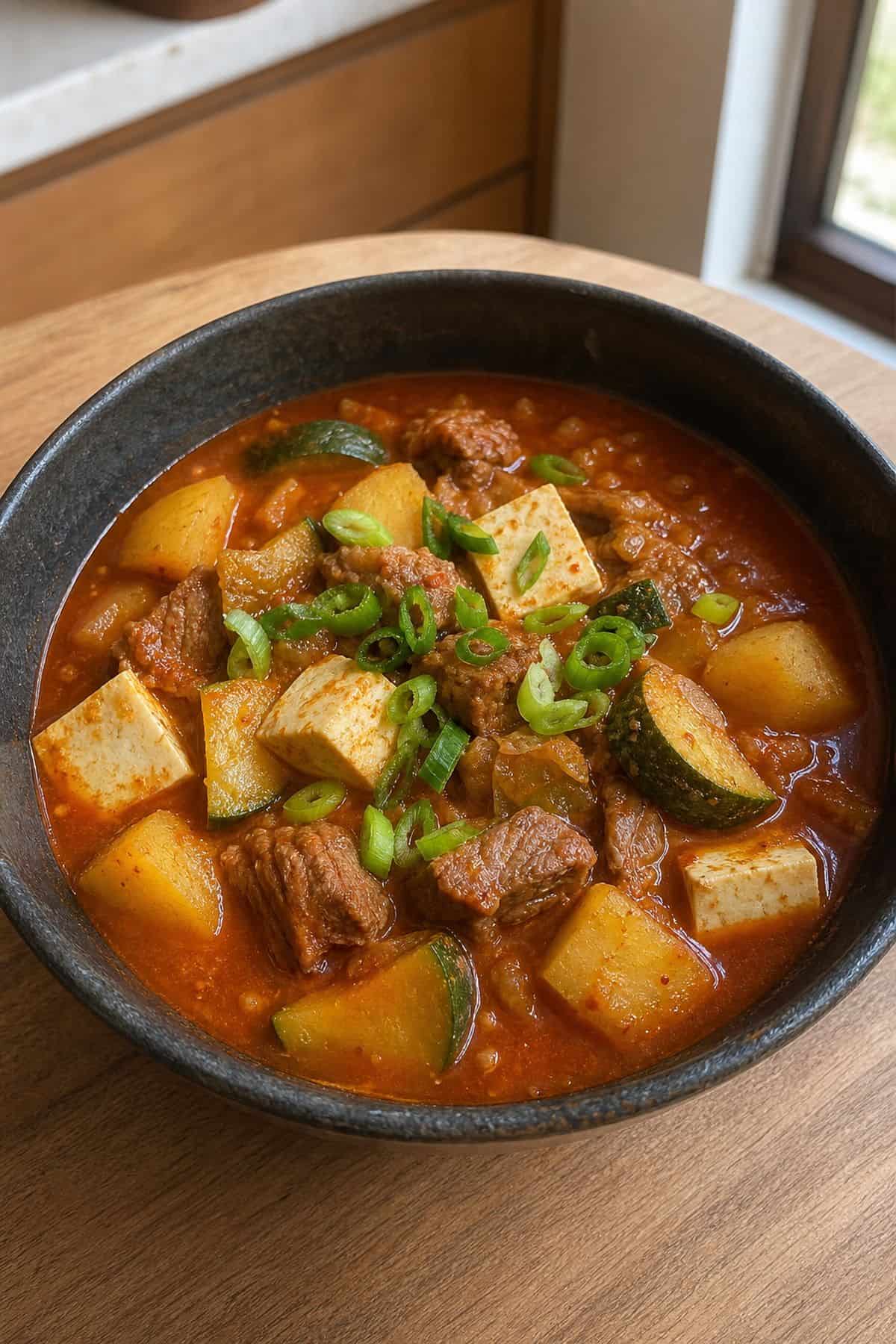
A thick, hearty stew in about 40 minutes. Cubed pork shoulder (or ground beef) browns in oil with onion, garlic and ginger, then gochujang and gochugaru get stirred in to bloom for a minute, which is the step that gives the stew its deep red color and flavor. Diced Yukon gold potatoes go in to pick up the chili coating, then low-sodium stock, soy sauce and a little sugar. It simmers uncovered for 20 minutes until the potatoes are tender, then zucchini and soft cubes of silken tofu go in at the end. Sliced scallions and a drizzle of toasted sesame oil finish it. Serve it with a bowl of rice and the cucumber kimchi. The recipe is my gochujang stew.
5. Gochujang Soup
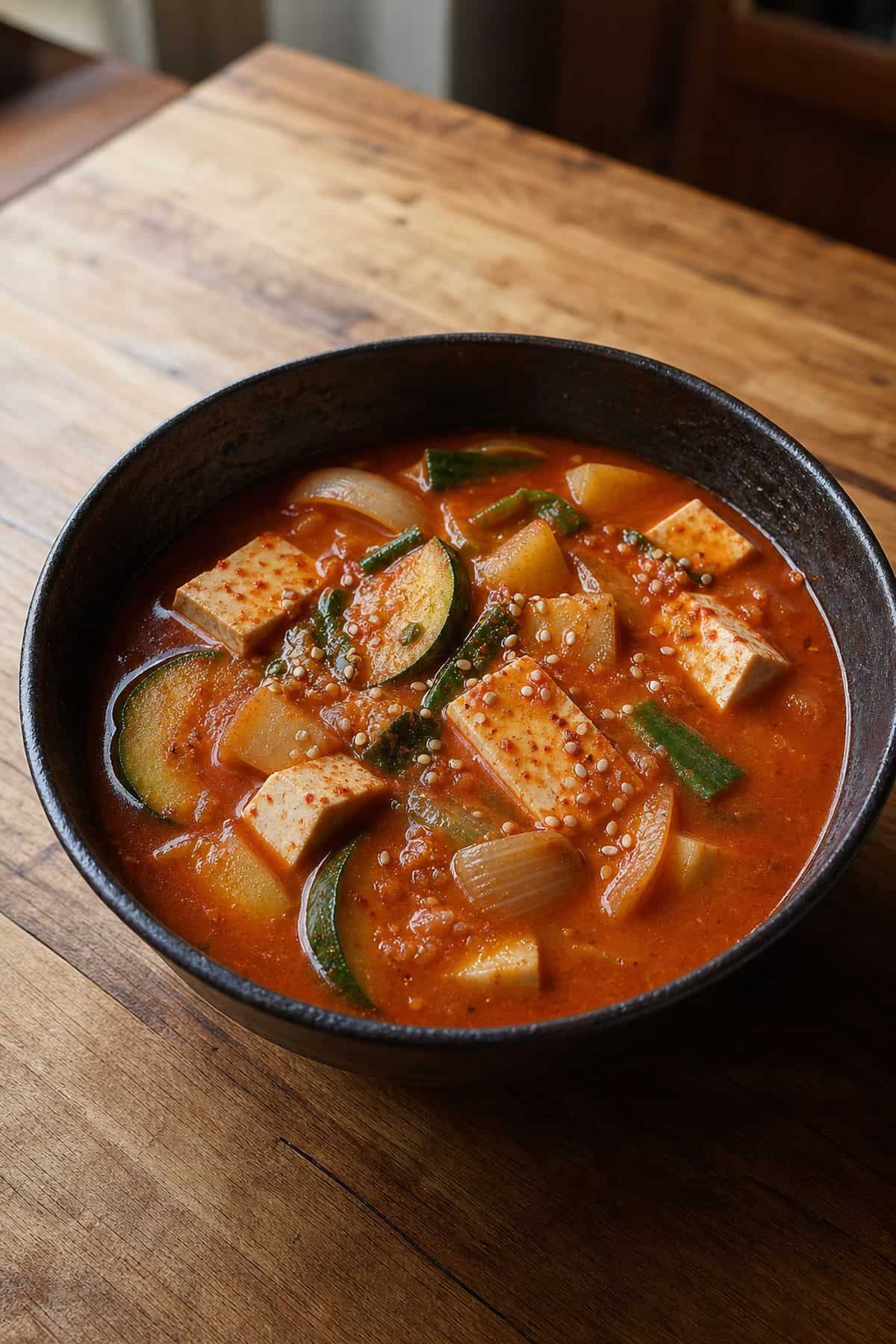
A lighter, brothy soup with a proper Korean base. The stock is made from dried anchovies, with the heads and dark guts pulled out so it doesn’t turn bitter, plus a piece of dried kombu for deep umami.
Gochujang, gochugaru and garlic bloom in the pot, then onion wedges, diced potato, zucchini half-moons and cubes of firm tofu simmer in the broth until tender. Use firm or medium-firm tofu, because silken falls apart. It’s ready in about 30 minutes, and you can make it vegan by skipping the anchovies. Add noodles if you want a bigger meal. Make my gochujang soup.
Which Glazed Mains Use Gochujang Best?
Six sticky, spicy mains: chicken, pork, beef and tofu.
6. Gochujang Wings
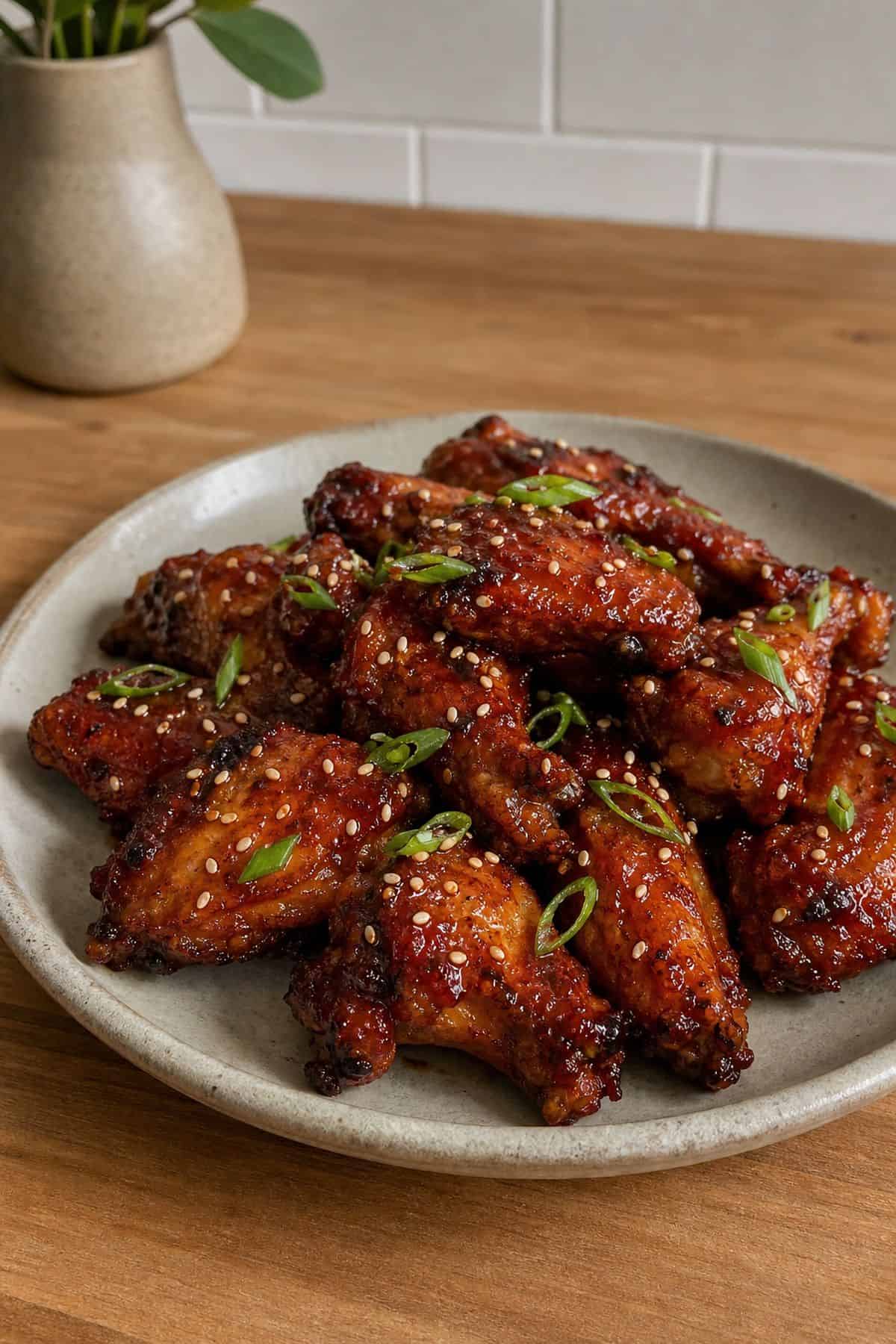
Crispy oven-baked wings with a sticky red glaze. Here’s the method:
- Toss split wings with aluminum-free baking powder, salt and pepper, and rest them on a wire rack.
- Roast at 425°F (220°C) until crispy.
- Warm a glaze of gochujang, honey, soy sauce, brown sugar, rice vinegar, sesame oil, garlic and ginger.
Toss the hot wings in the glaze in a big bowl, then top with sesame seeds and scallions. The baking powder is what makes the skin crisp without frying. Take the wings out of the fridge about an hour before cooking so they roast evenly. Here’s my gochujang wings.
7. Gochujang Pork Ribs
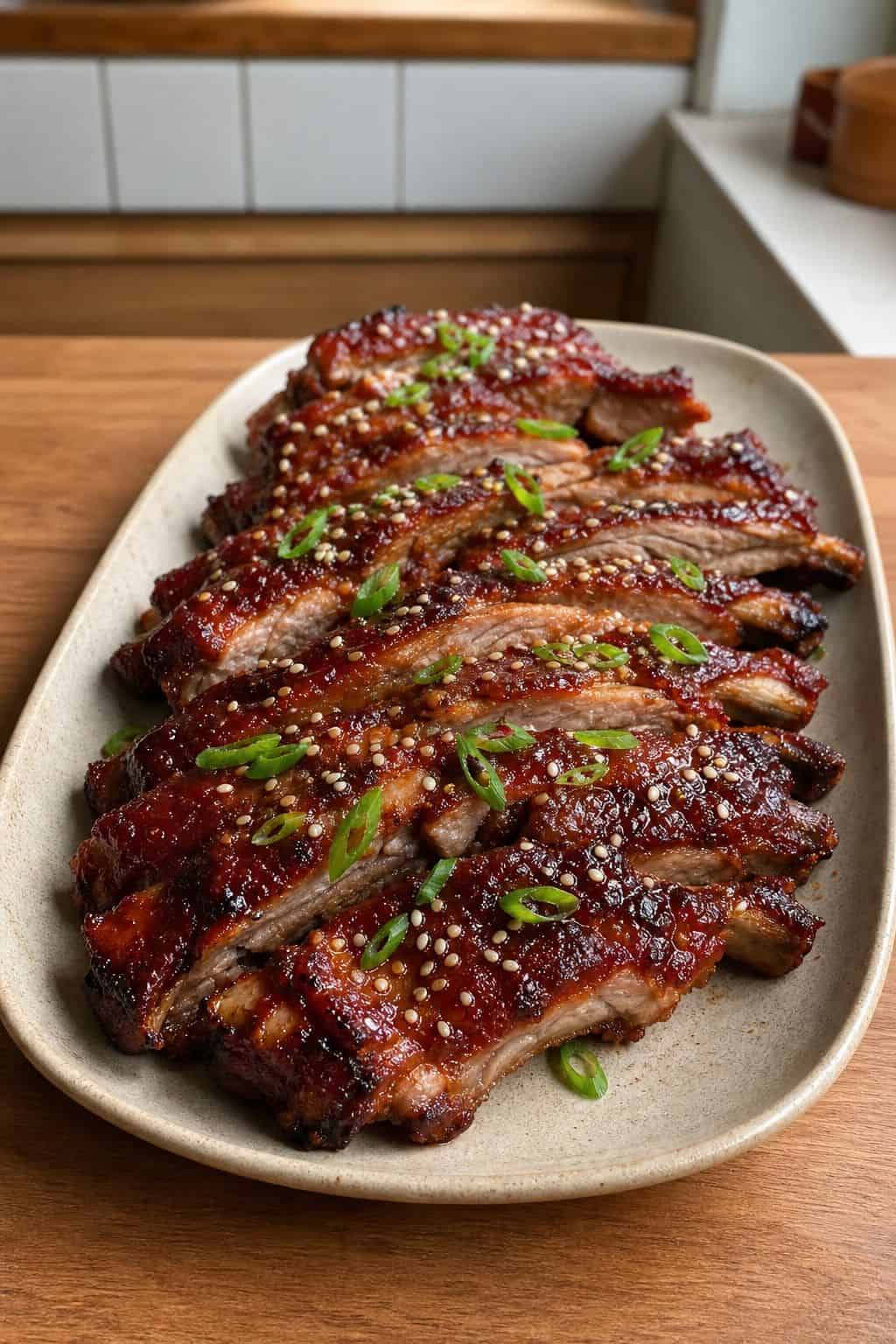
Fall-off-the-bone ribs with a Korean glaze, made in the oven. A rack of St. Louis-cut spare ribs gets a dry rub of brown sugar, salt, smoked paprika, garlic powder, onion powder and black pepper, then gets wrapped in foil and baked low and slow at 275°F (135°C) until tender. The glaze is gochujang, soy sauce, honey, brown sugar, rice vinegar, sesame oil, garlic, ginger and grated Asian pear, which is a classic Korean trick for sweetness and tenderness. The ribs get unwrapped, brushed with glaze and finished at 425°F (220°C) until sticky and caramelized. Scallions and sesame seeds on top. Find it in my gochujang pork ribs.
8. Gochujang Beef
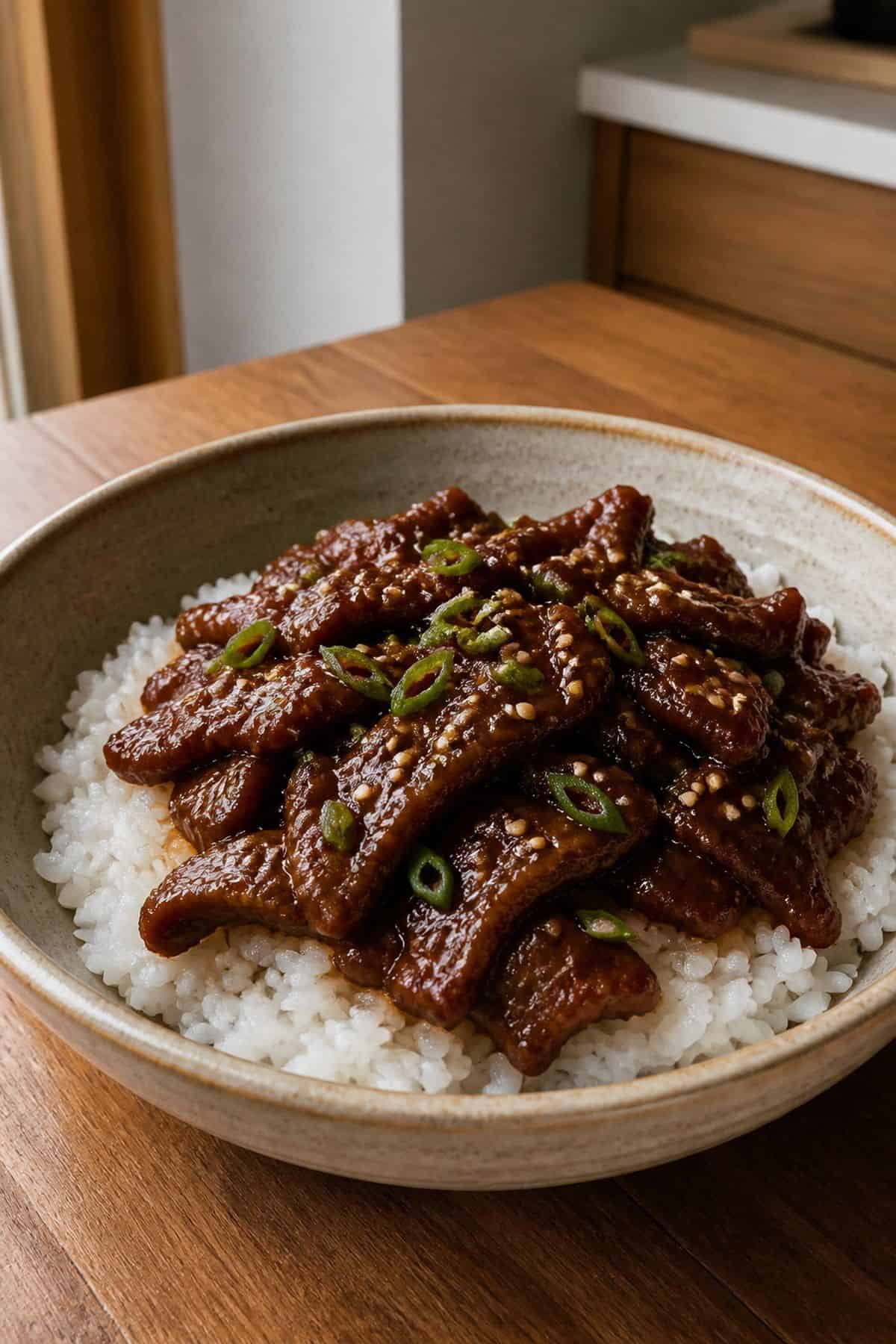
A 30-minute stir-fry with a sticky, spicy glaze. Flank steak or top sirloin gets sliced ¼ inch thick across the grain, and partially freezing it for 30 minutes makes that much easier.
The beef gets dry-seared in a hot wok for 60 seconds first, then the glaze goes in: gochujang, low-sodium soy sauce, light brown sugar, rice vinegar, sesame oil, garlic and ginger, reduced for another minute until it clings. Treat gochujang as a glaze here, not a marinade, because it burns if it sits on the meat in the pan too long. Serve it over jasmine rice with scallions and sesame seeds. The recipe is my gochujang beef.
9. Crispy Gochujang Tofu
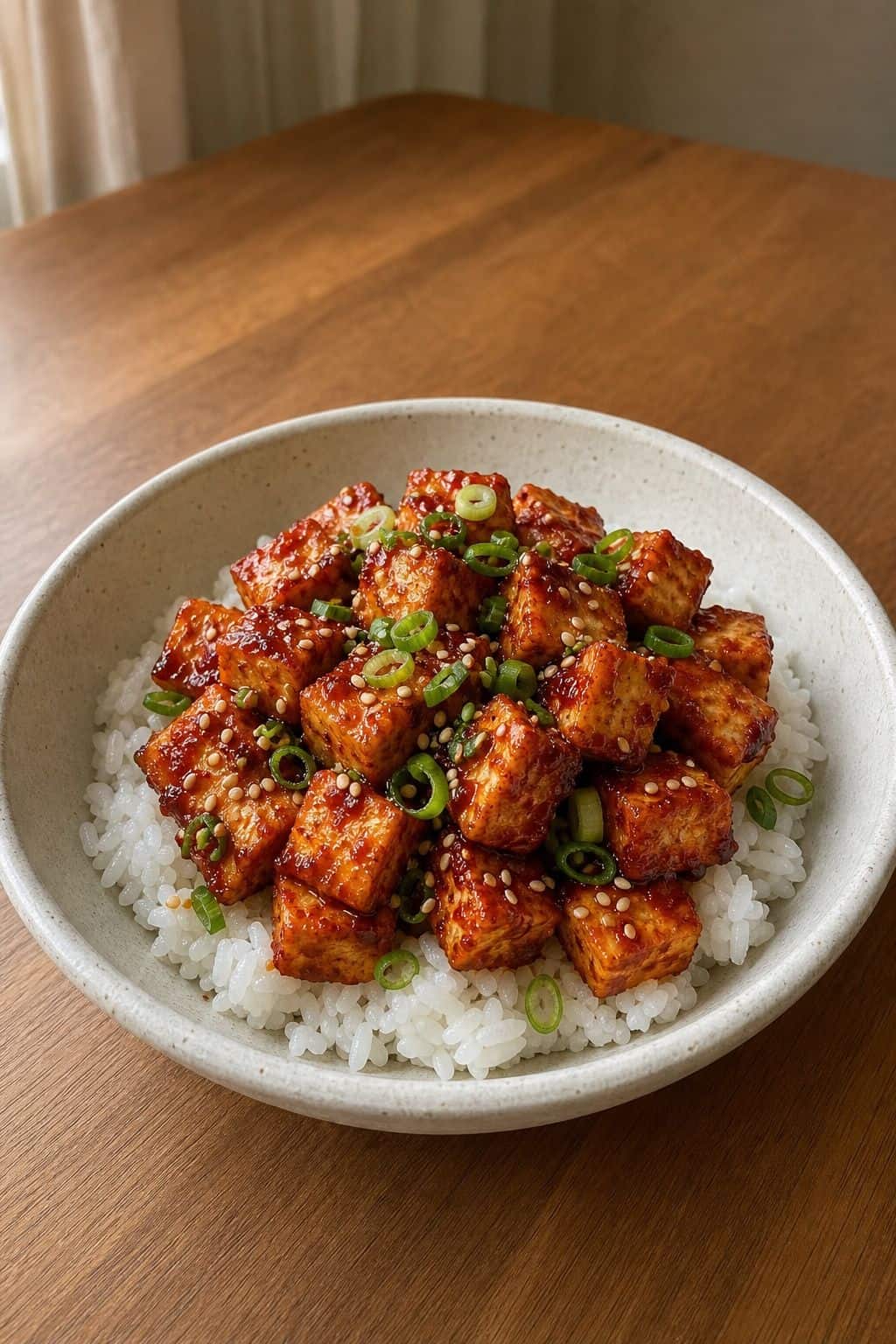
The vegetarian main that converts tofu skeptics. The tofu is extra-firm and frozen, then thawed before using, which changes its texture so it gets chewier and crisps up better. It gets pressed, cubed and tossed with cornstarch, oil and salt, then baked at 425°F (220°C) for 25 minutes, flipped halfway, until deep golden and puffed. The glaze is gochujang, soy sauce, honey, rice vinegar, sesame oil, garlic, ginger and water, whisked smooth, and the hot tofu gets tossed in it in a big bowl. Scallions and sesame seeds go on top. Serve it with rice and the cucumber salad. Make my crispy gochujang tofu.
10. Pork Belly Marinade
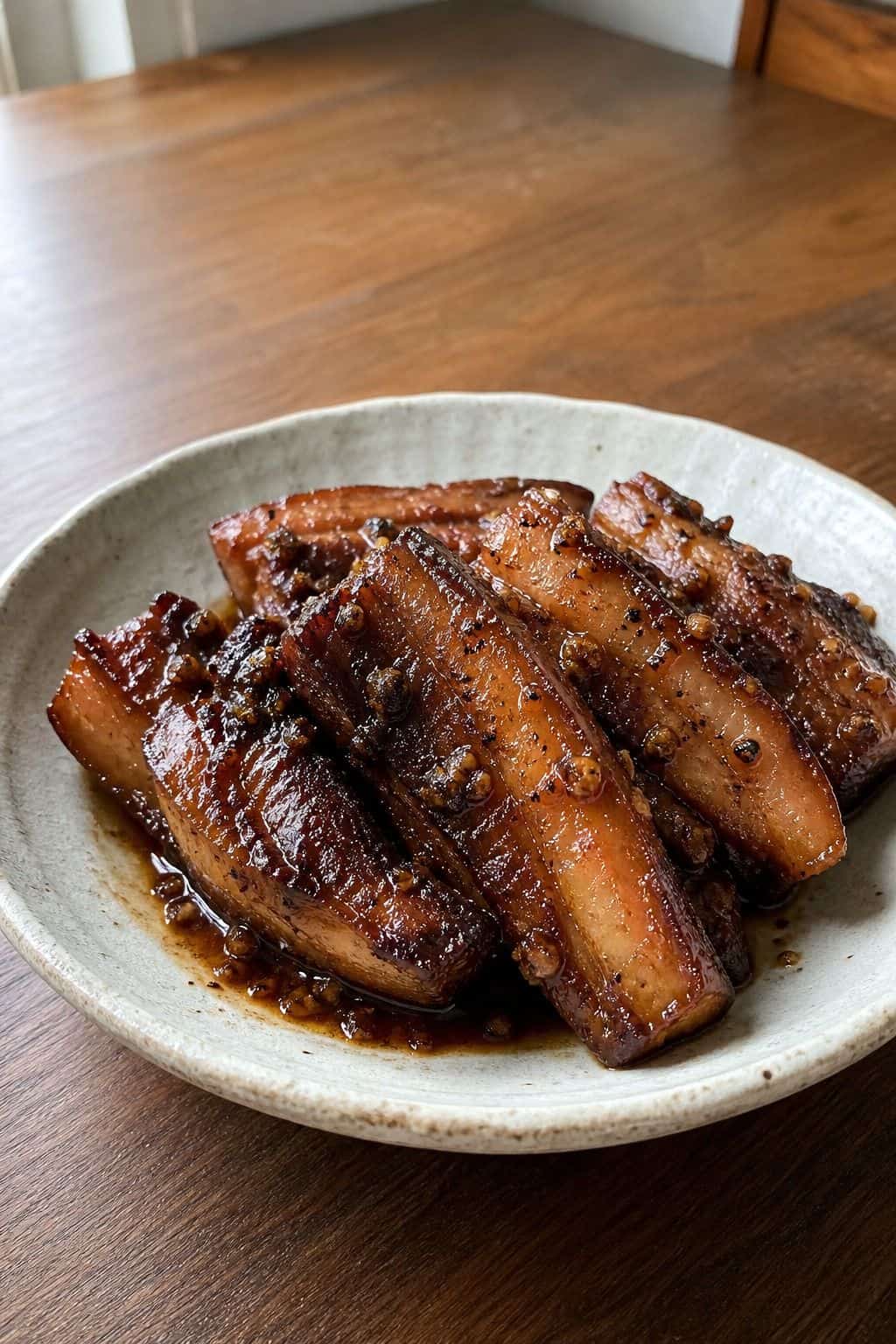
A Korean-inspired marinade for grilling, pan-frying or roasting pork belly. Dark soy gives it color and light soy gives it salt, then oyster sauce, Shaoxing wine, honey or brown sugar, black pepper and garlic round it out.
Score the skin and fat, but not the meat, so the marinade gets in, then marinate for at least 2 hours, or overnight for the best flavor, but never longer than 24 hours. Roast it at 400°F (200°C), or grill it. If you want to brush leftover marinade on at the end, boil it for 3 minutes first so it’s safe. Here’s my pork belly marinade.
11. Pan-Fried Pork Belly
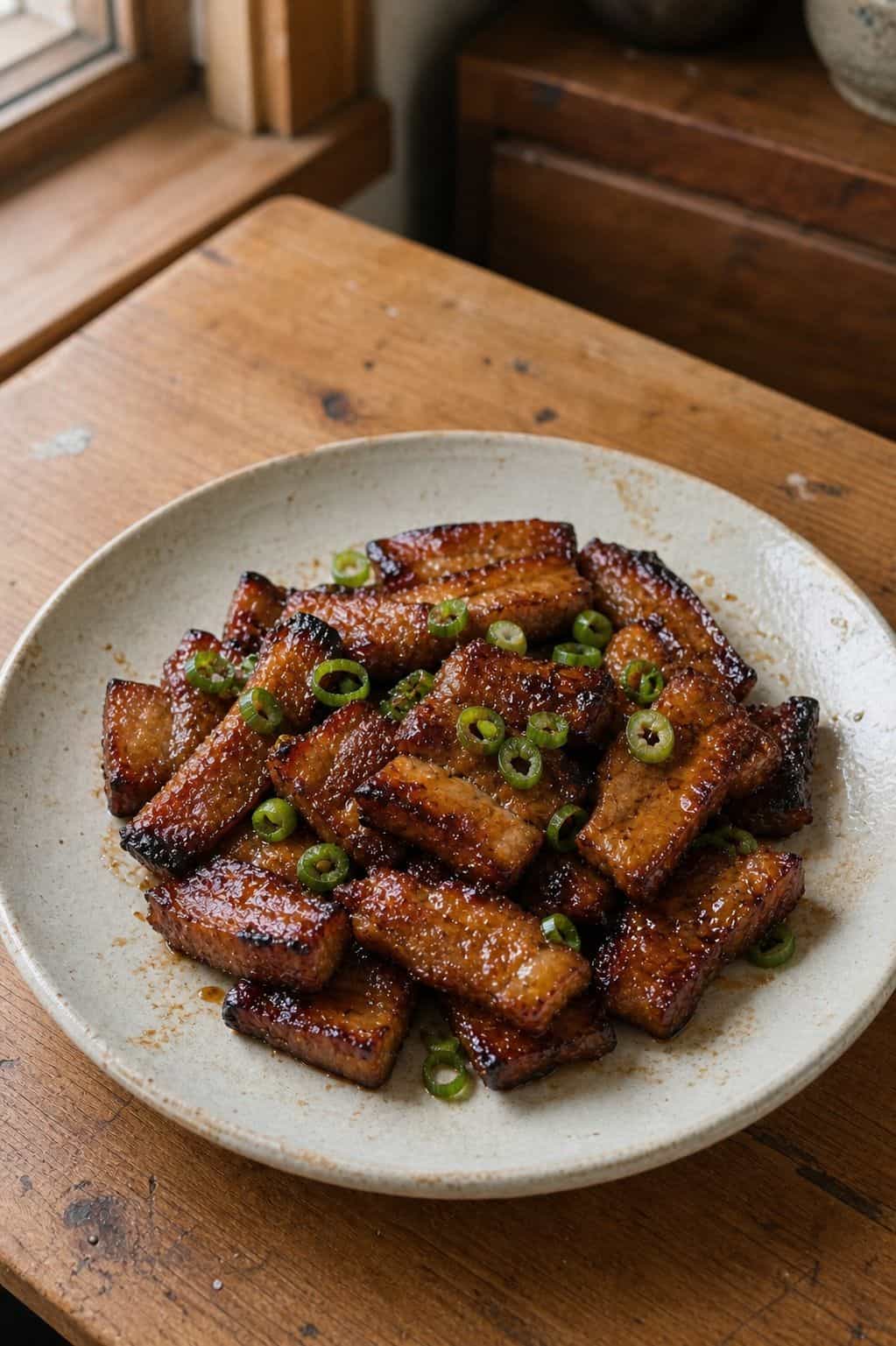
Sticky, caramelized pork belly strips in one pan. It goes like this:
- Marinate 1 cm-thick strips in dark and light soy, oyster sauce, Shaoxing wine, sesame oil, honey, pepper and garlic powder for at least 2 hours.
- Lay them in a dry cast-iron skillet over medium heat, with no oil.
- Cook undisturbed for 4 to 5 minutes, flip, and cook 3 to 4 minutes more.
Turn the heat down if the marinade starts to burn, then rest the pork for 2 minutes. Serve with steamed rice, spring onions and the cucumber kimchi. Find it in my pan-fried pork belly.
What Are the Best Korean Noodles and Rice?
Five bowls, from a cold summer noodle to a 5-minute ramen upgrade.
12. Korean Buckwheat Noodles
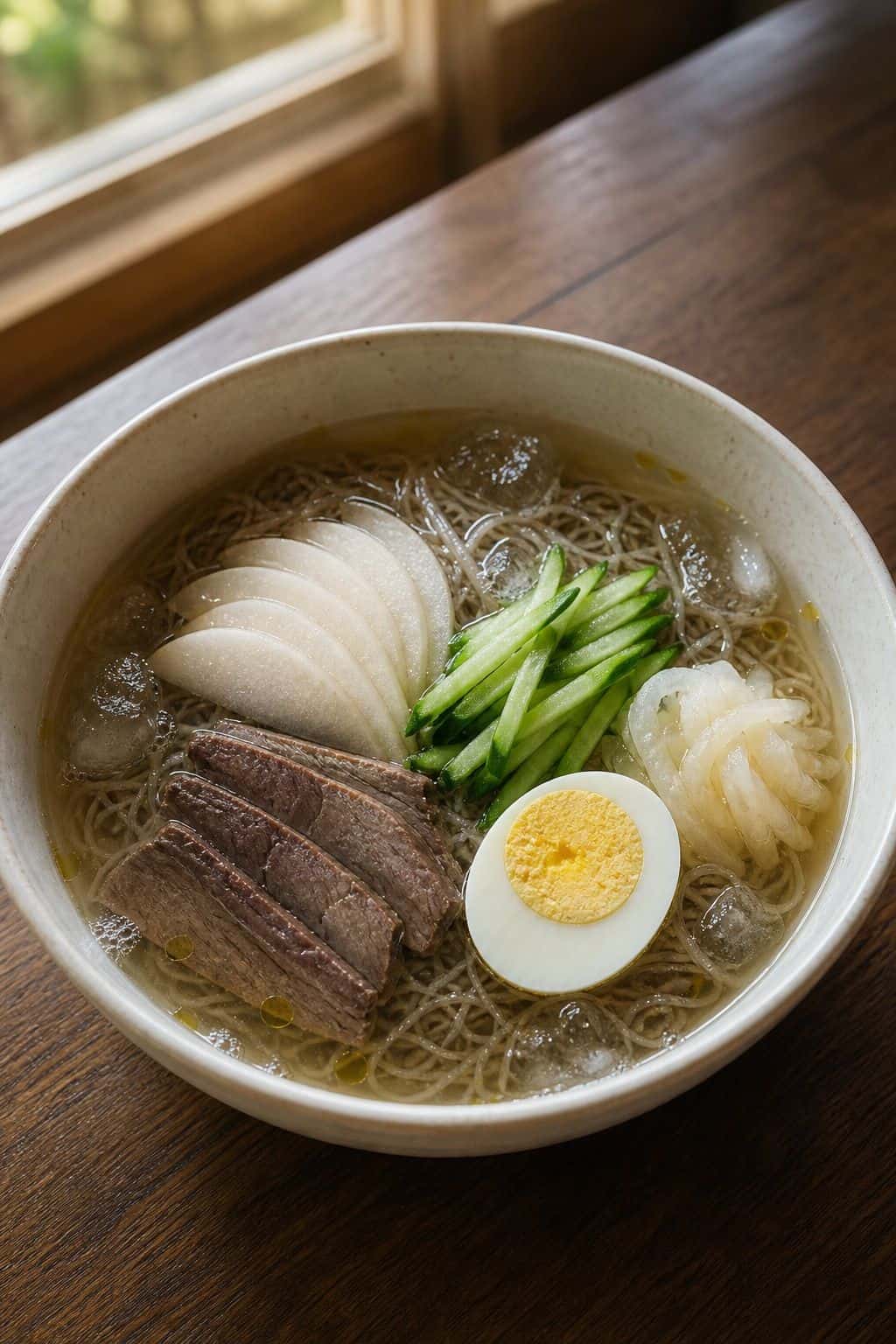
Naengmyeon, the ice-cold noodle dish Koreans eat in summer. Dried naengmyeon noodles from a Korean grocery store get cooked, rinsed in cold water and served over ice with thin slices of cooked beef brisket, julienned cucumber, Korean pear, half a hard-boiled egg and pickled radish. A drizzle of Korean hot mustard oil goes on at the table. The noodles are very long and chewy, so bring kitchen scissors to the table, just like Korean restaurants do. It’s light, refreshing and a nice change from all the spicy, rich dishes on this list. Look for the noodles at H-Mart or any Korean grocer, because they’re hard to make at home. Put ice cubes right in the bowls so everything stays properly cold, and slice the cucumber and pear just before serving so they stay crisp. It’s also great with banchan on the side. The recipe is my Korean buckwheat noodles.
13. Spicy Ramen With Hot Dog and Egg
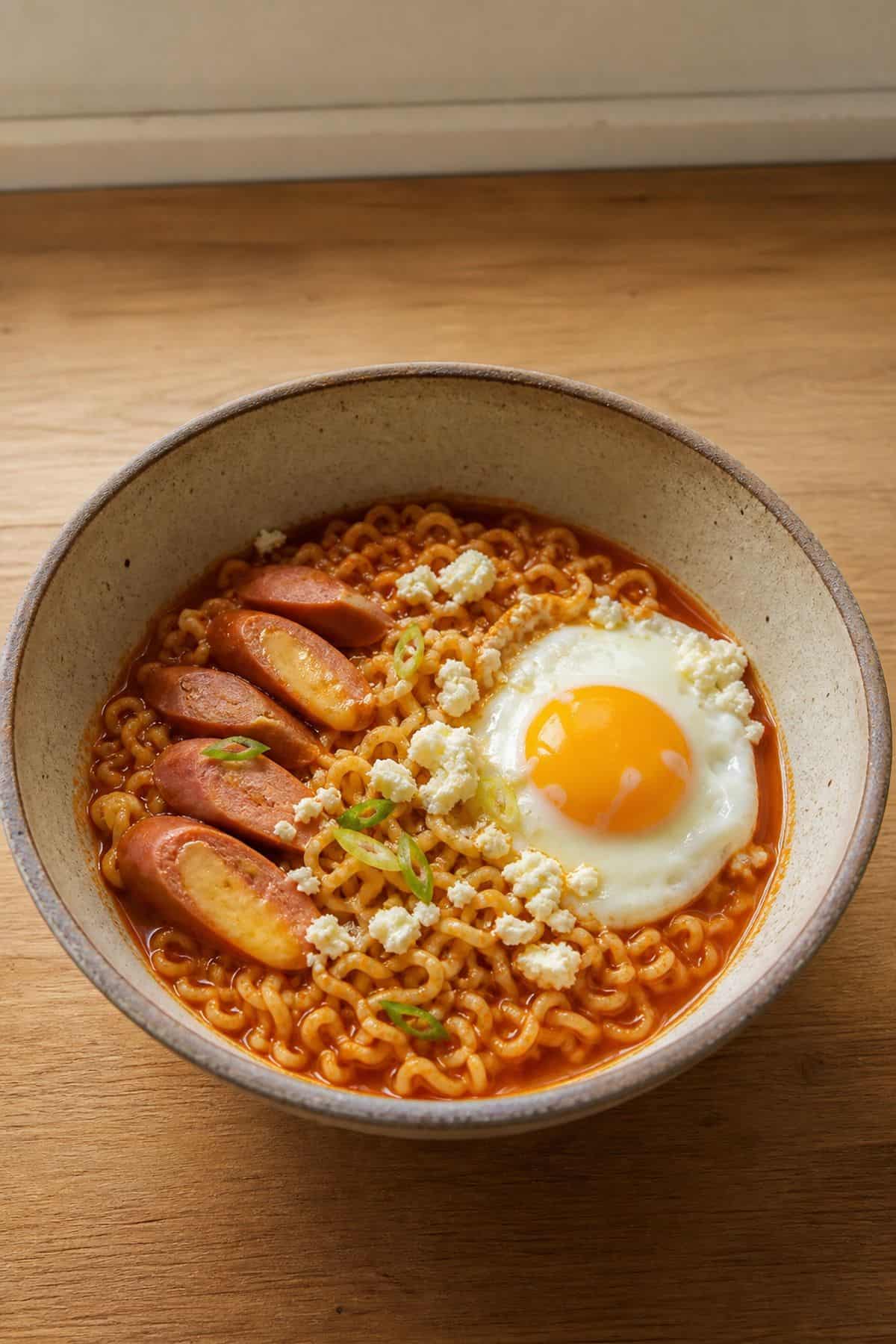
The late-night bowl. A packet of Korean spicy instant ramen, like Shin Ramyun, cooks for 3 minutes, with the seasoning stirred in (all of it, or half if you’re not sure about the heat).
Sliced cheese hot dog goes in for the last minute to warm through, then the noodles get topped with a fried egg with a runny yolk, crumbled feta, sliced green onion and a little butter. The feta sounds strange, but its salty creaminess works really well against the spicy broth. It’s on the table in about 10 minutes. Make my spicy ramen with hot dog and egg.
14. Gochujang Ramen
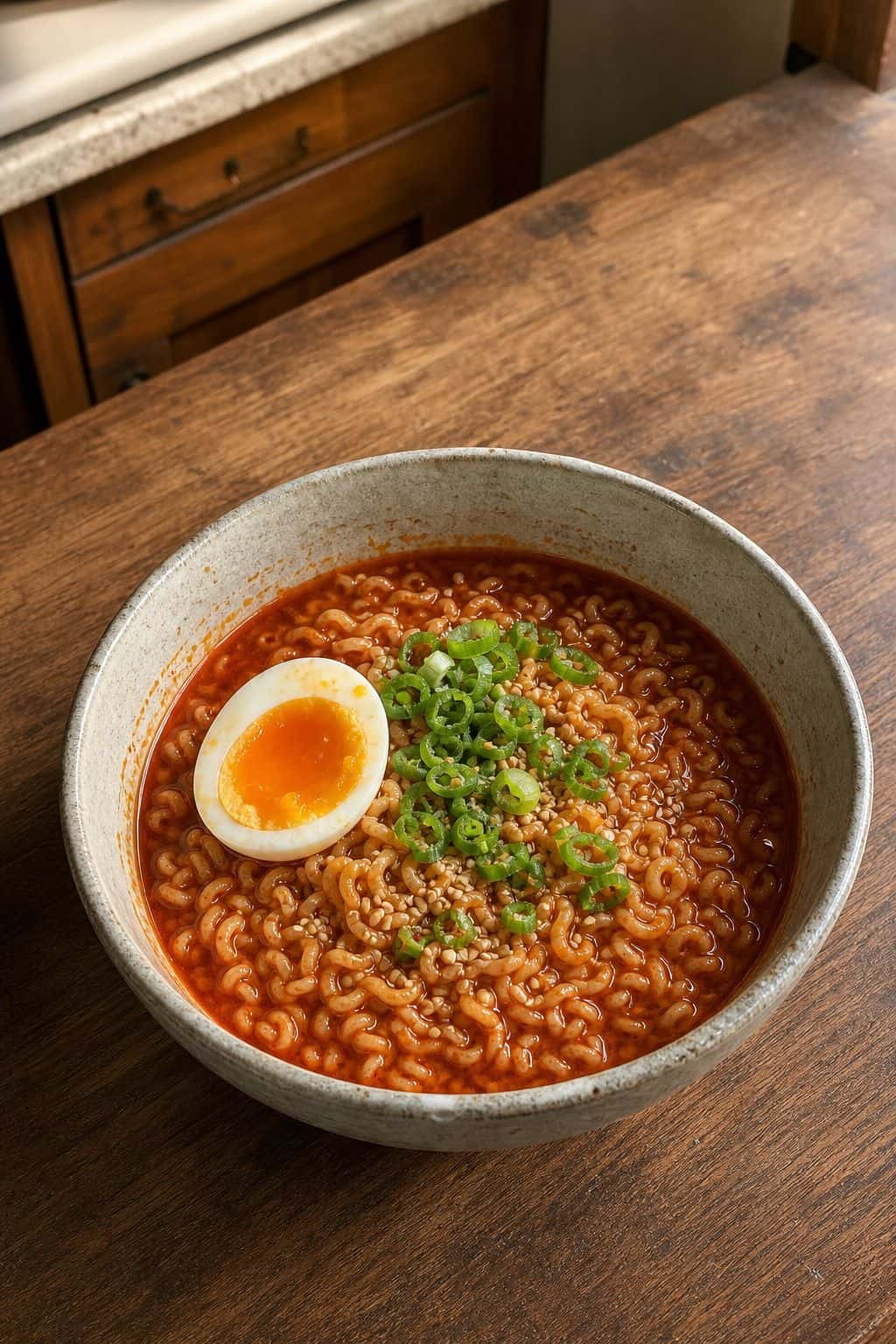
Instant ramen that tastes homemade. Here’s the upgrade:
- Throw away half the seasoning packet, because that’s the biggest difference.
- Build the broth with gochujang, soy sauce, sugar, butter and garlic.
- Cook the noodles in it and add a soft-boiled egg made from a cold egg.
Top it with scallions, sesame seeds and a few drops of toasted sesame oil, plus shredded leftover chicken or beef if you have some. It takes about 25 minutes. A cold egg from the fridge, lowered into boiling water and timed carefully, gives you a jammy yolk every time. Here’s my gochujang ramen.
15. Gochujang Rice
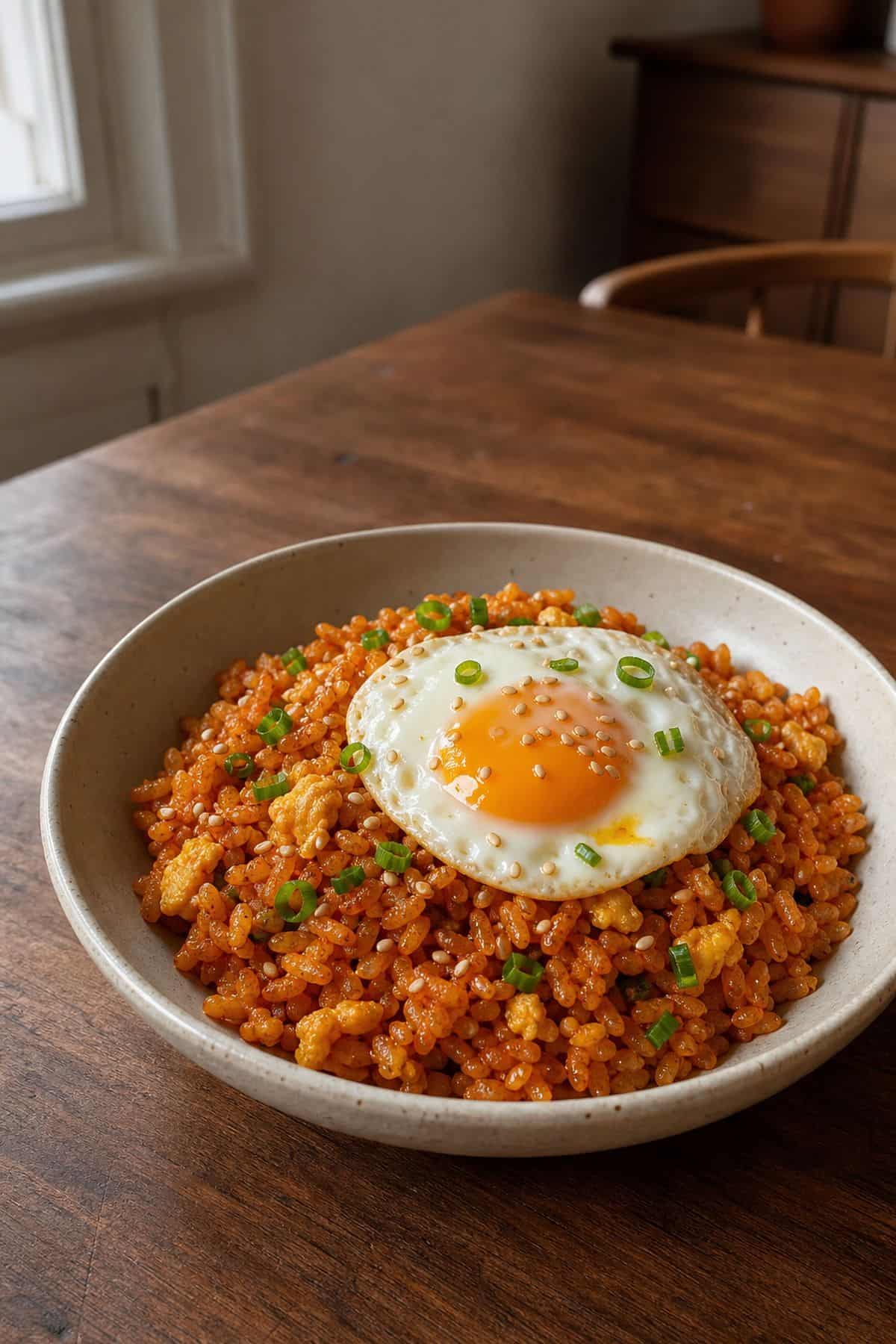
The best way to use leftover rice. Cold, day-old Korean short-grain rice goes into a hot wok with oil, garlic and scallion whites, and day-old rice fries much better than fresh because it’s drier. A sauce of gochujang, low-sodium soy sauce and a teaspoon of sugar or honey gets whisked smooth and tossed through, along with a beaten egg. Toasted sesame oil, sesame seeds and scallion greens finish it. Put a runny fried egg on top to make it a full meal, or add any cooked chicken, beef or vegetables from the fridge. It’s ready in about 15 minutes and costs almost nothing. Find it in my gochujang rice.
16. Gochujang Pasta
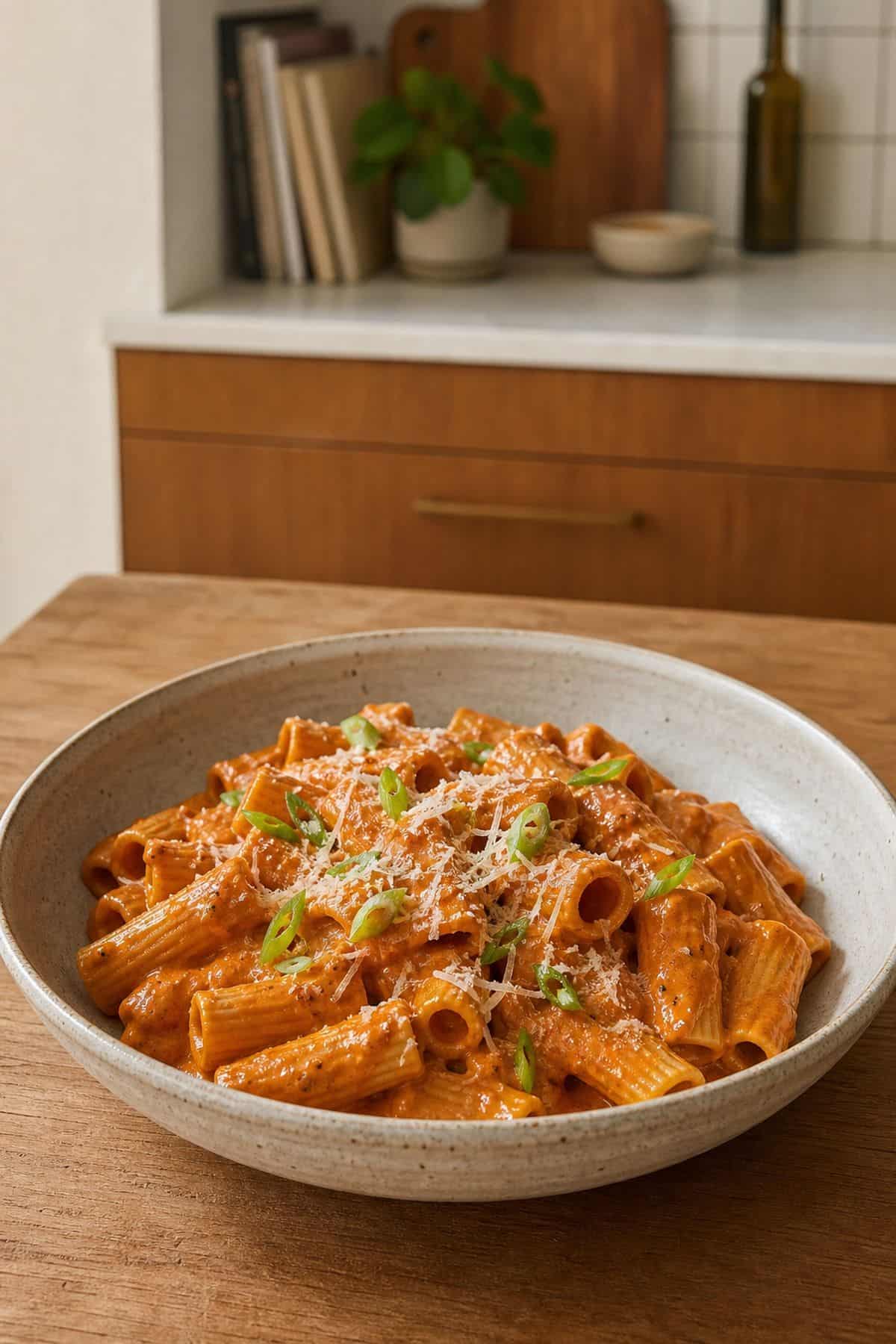
Korean and Italian in one creamy bowl. A shallot and garlic soften in butter, then gochujang and a spoon of tomato paste cook for a minute.
Room-temperature heavy cream goes in, then rigatoni or paccheri with splashes of reserved pasta water, and half the Parmesan off the heat. The rest of the Parmesan, a drizzle of sesame oil and sliced scallions go on top. It’s spicy, creamy and ready in about 20 minutes, and it’s one of the most popular ways to use up a tub of gochujang. The recipe is my gochujang pasta.
Which Gochujang Sauces Should You Keep in the Fridge?
Two creamy sauces that make everything taste better, and both keep for days.
17. Gochujang Mayo
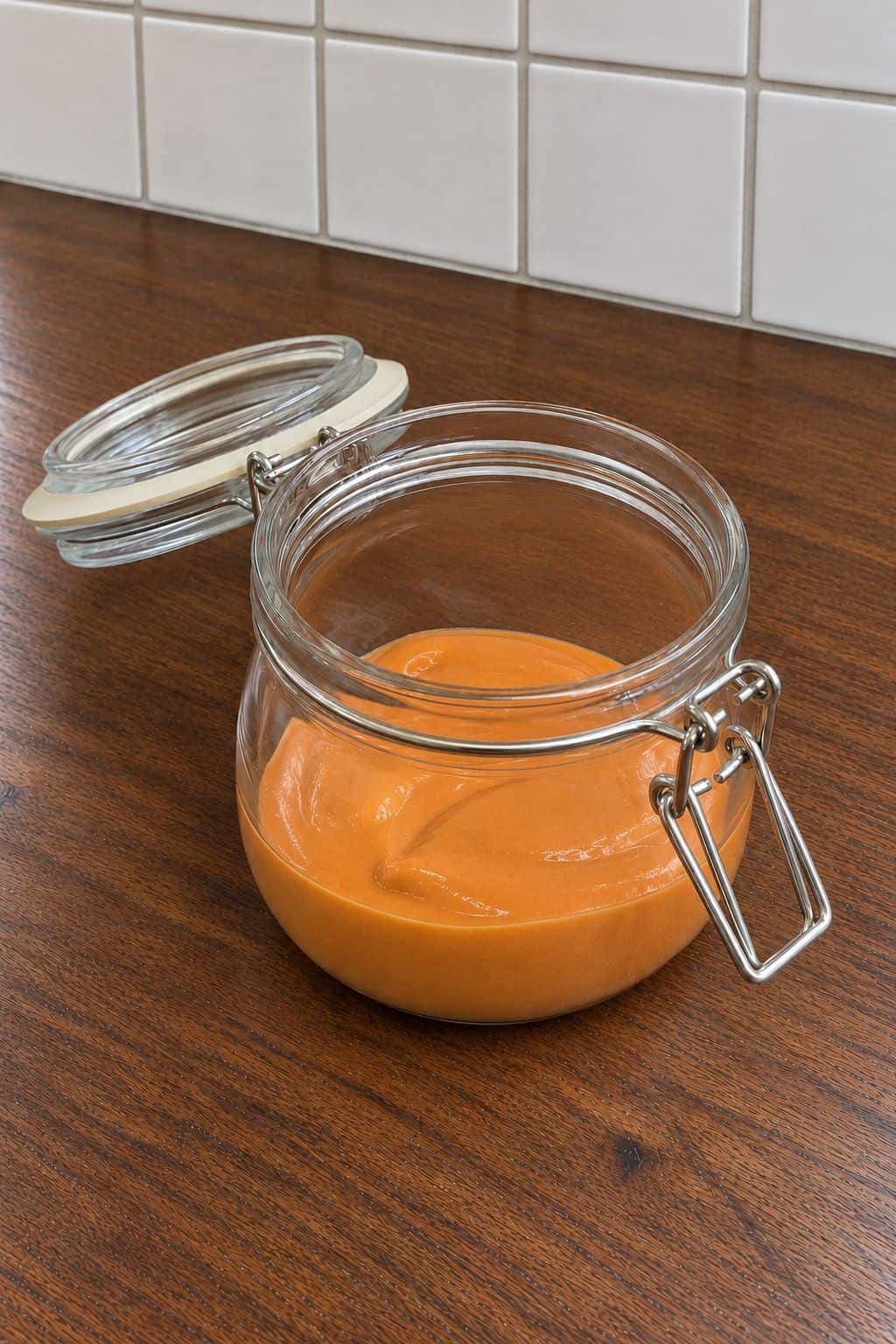
Spicy Korean mayo in 3 minutes. Kewpie mayonnaise gets stirred with gochujang, a little rice vinegar, honey, toasted sesame oil and an optional splash of soy sauce. That’s it. The heat is easy to control with the ratio of gochujang to mayo: about 1 to 6 for mild, 1 to 4 for medium and 1 to 3 for hot. Chill it for at least 5 minutes so the flavors come together. Use it on burgers, fries, rice bowls, sushi bakes, fried chicken or the crispy tofu. Hellmann’s works if you can’t find Kewpie, just add a little extra rice vinegar. It keeps for about a week in the fridge in a jar or squeeze bottle. Make my gochujang mayo.
18. Gochujang Aioli
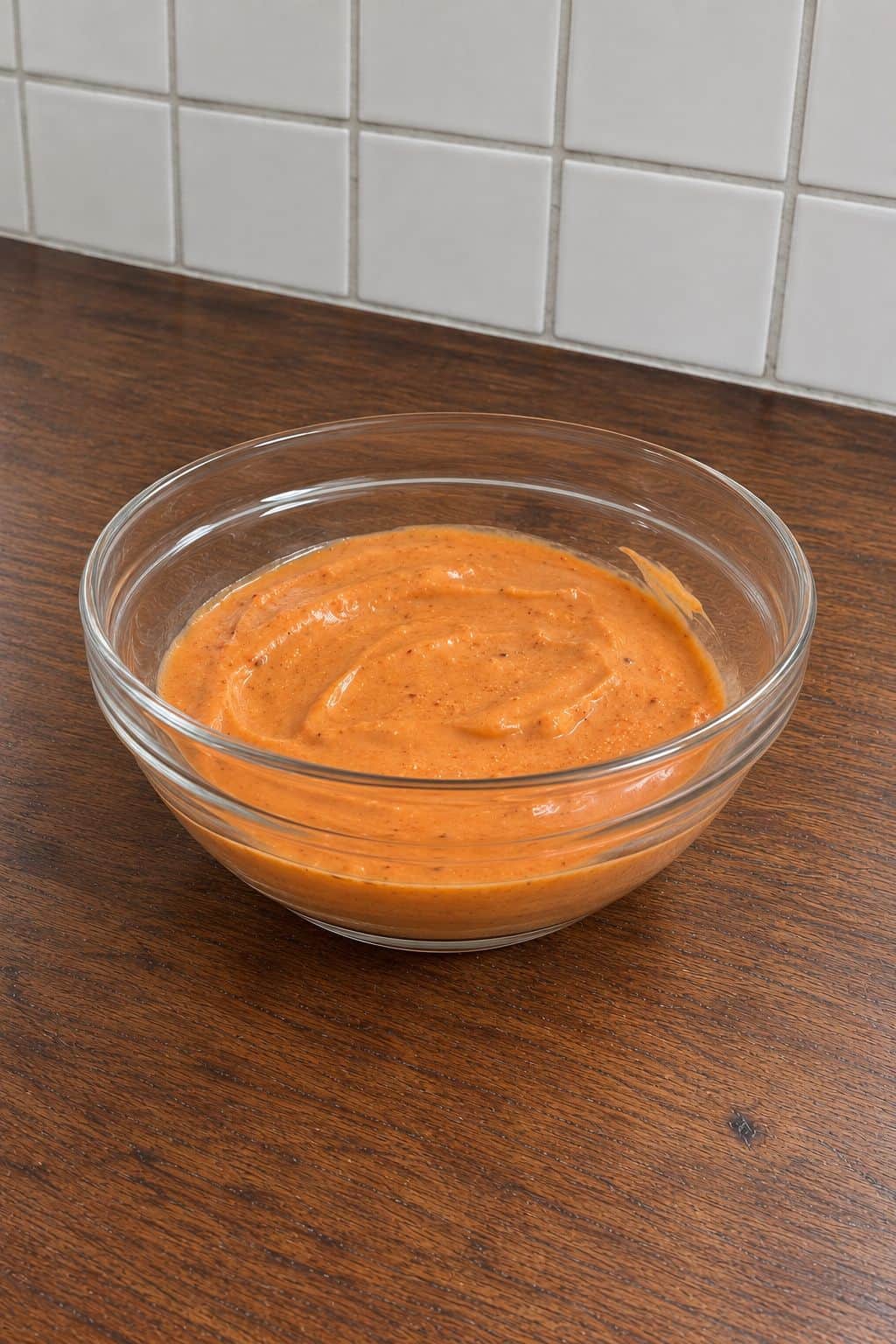
The garlicky version, with roasted garlic for sweetness. Here’s how:
- Roast a whole head of garlic with olive oil and salt until soft.
- Mash 5 or 6 cloves into a paste and grate in one raw clove.
- Whisk in Kewpie mayo, gochujang, rice vinegar, sesame oil, honey, soy sauce and a pinch of salt.
The roasted garlic makes it sweet and mellow, and the raw clove gives it a little bite. Use it as a dip for fries, wings or vegetables, or spread it on a burger bun. Roast the garlic ahead and the aioli itself takes about 5 minutes. Here’s my gochujang aioli.
What’s the Difference Between Gochujang and Gochugaru?
Gochujang is a thick, fermented red chili paste made with chili, glutinous rice and fermented soybeans. It’s sweet, savory and spicy, and it’s the base of most glazes, stews and sauces on this list.
Gochugaru is Korean chili flakes, dried and ground red peppers with a fruity, smoky heat. It’s what gives kimchi its color, and it adds a brighter, sharper heat to stews and soups. They aren’t interchangeable, and many recipes here use both.
How Long Does an Open Tub of Gochujang Last?
An opened tub of gochujang keeps for a long time in the fridge, usually many months, because it’s fermented and salty. Always use a clean, dry spoon, press plastic wrap onto the surface, and keep the lid tight.
It may darken a little over time, which is normal. If you see mold or it smells off, throw it away.
Your Korean Starter Shopping List
Buy these once and you can make almost every recipe on this list:
- Gochujang (medium heat is a good start)
- Gochugaru, coarse ground
- Toasted sesame oil and sesame seeds
- Soy sauce and rice vinegar
- Kimchi from the store, or homemade
Add short-grain rice, garlic, ginger and scallions, and you’re set.
Korean Recipes FAQ
What is the easiest Korean dish to make at home?
Gochujang rice, gochujang ramen and Korean-style cucumber salad are the easiest. Each takes about 15 to 25 minutes and uses pantry ingredients.
What can I make with gochujang?
Gochujang goes into stews like kimchi jjigae, glazes for wings, ribs, beef and tofu, fried rice, ramen, pasta and spicy mayo or aioli.
Is gochujang very spicy?
Gochujang comes in different heat levels, from mild to very hot. Medium heat is a good place to start, and its sweetness balances the spice.
What is a good vegetarian Korean recipe?
Crispy gochujang tofu, cucumber kimchi made without fish sauce, Korean-style cucumber salad and a vegan version of the gochujang soup are all good options.
How long does cucumber kimchi last?
Cucumber kimchi is ready to eat the same day and keeps in the fridge for a few days, getting tangier each day. It’s best eaten within the first week while it’s still crunchy.
Key Takeaways
- One tub of gochujang covers almost every recipe here.
- Gochujang is a paste and gochugaru is chili flakes.
- Cucumber kimchi is ready the same day.
- Use gochujang as a glaze, not a long marinade.
- Day-old rice makes the best gochujang fried rice.
- Store opened gochujang in the fridge with a clean spoon.
Start With the Gochujang Rice
If you only make one recipe from this list, make the gochujang rice. It uses leftover rice, takes 15 minutes and shows you exactly what that tub in your fridge can do.
And if you want more takeout-style dinners, my better-than-takeout Asian recipes cover Thai, Chinese and Indian favorites.
Want more? My Asian recipes and easy soup recipes are a good place to go next.
Last update on 2026-11-18 / Affiliate links / Images from Amazon Product Advertising API