

The reason restaurant mushrooms taste different from yours is one re-ordered step. Plenty of cooks dump sauteed garlic mushrooms into hot butter and end up with a gray, watery pile. The fix is counterintuitive: start with a dry pan, no oil and no salt, and let the mushrooms release their own water before any fat hits. Butter, garlic, and herbs go in at the end. The whole thing takes 15 minutes in one skillet and produces the deep brown, shiny side dish that arrives next to a steakhouse ribeye.
Mushrooms are about 92 percent water by weight, which is the single fact that should govern how you cook them. Add fat to a pan first and you drop the surface temperature the moment the water starts hitting the oil, and what you get is steam instead of sear. The professional move, codified by J. Kenji Lopez-Alt in The Food Lab, is the dry-sear: pan first, mushrooms second, fat third, garlic last, salt at the very end. Every step has a reason, and once you cook them this way you will not go back.
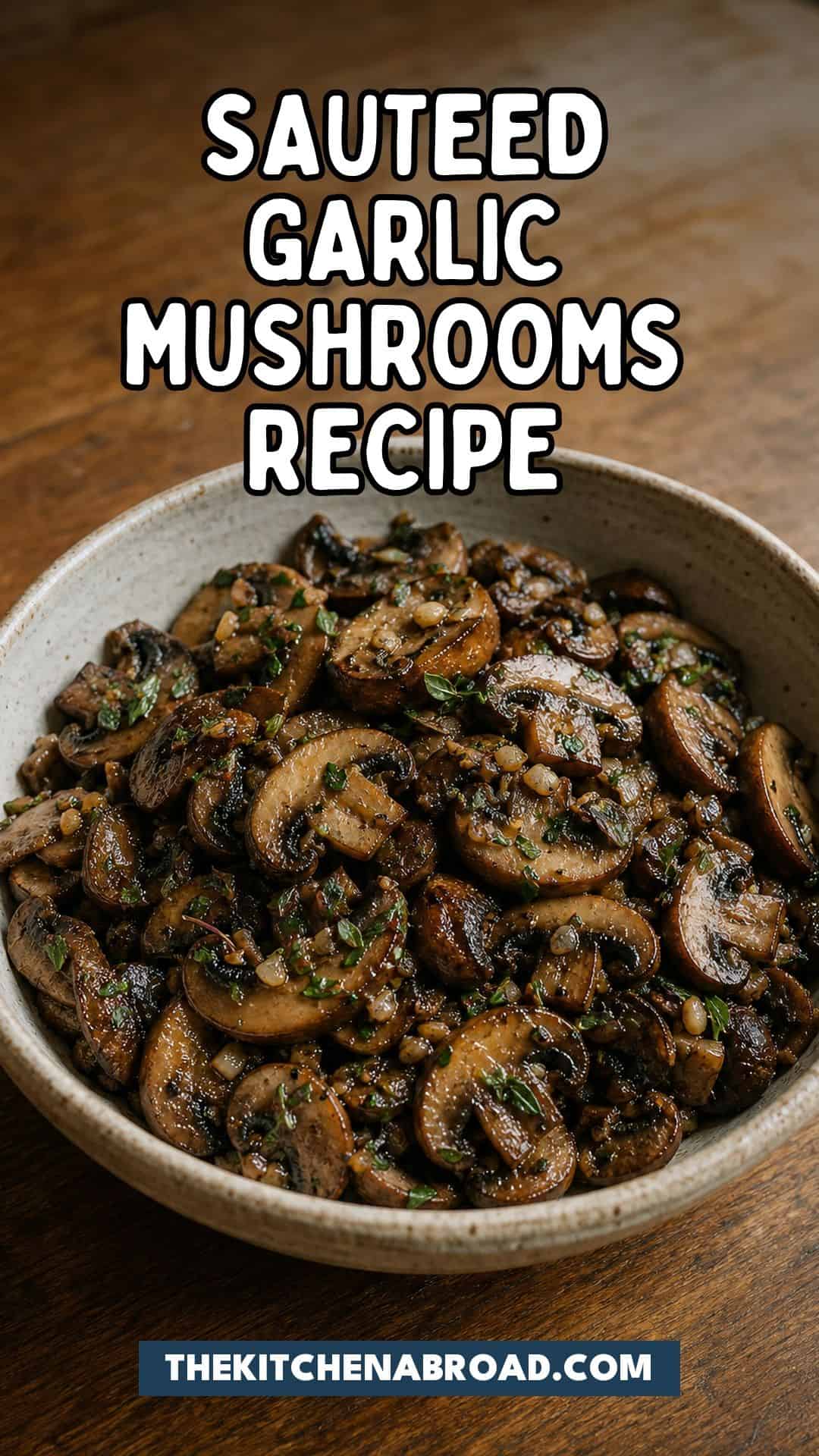
What You’ll Need
A wide, heat-tolerant skillet is doing half the work here. Carbon steel or stainless at 12 inches minimum, a soft brush for dry cleaning, a sharp knife for even slices, a press for the garlic at the end, and a fresh-herb container so the parsley and thyme stay alive between sessions.


Recommended Reads
- Green Beans Almondine
- Honey and Balsamic Roasted Beets
- Best Easter Dinner Ideas
- Best Thanksgiving Side Dishes
- Best Easter Side Dishes
Champignons a la Bordelaise and the Steakhouse Side
The dish has a paper trail. The French version, champignons a la bordelaise, is a Bordeaux preparation of ceps or button mushrooms with shallot, garlic, parsley, and a finishing squeeze of lemon. Escoffier codified it in the early 20th century, and it sat in the classical French canon as a garnish for grilled meats long before any American chain put it on a side menu. The technique was always the same: high heat, fast cook, fat and aromatics added in stages, herbs at the end.
American steakhouses adopted the idea in the mid-20th century. Outback, Ruth’s Chris, and Longhorn all sell a version, usually with more butter, fewer aromatics, and no breadcrumbs. The modern weeknight recipe is the steakhouse plate’s side scaled down to a single 12-inch skillet and 15 minutes of active time. Three lineages, one technique, and the technique is what carries.
A Few Notes on the Ingredients
- Cremini or baby bella: Same mushroom as white buttons (Agaricus bisporus), just a slightly older harvest. The extra time on the substrate gives noticeably deeper umami than the mild, one-note buttons.
- Wild mushroom mix (optional): A handful of maitake, oyster, or shiitake folded into the cremini lifts the dish for a dinner party. Slice everything to roughly a quarter inch so the pieces finish browning together.
- Butter and olive oil: Butter delivers the flavor, olive oil raises the smoke point so the butter does not scorch while the garlic finishes. The combination is the steakhouse default for a reason.
- Garlic: Mince it fine and add it in the last 45 seconds. Garlic scorches above about 320 degrees Fahrenheit, and a sear pan runs well past that.
- Fresh thyme and parsley: Thyme leaves can take a little heat and go in with the garlic. Parsley burns fast, so stir it in off the burner.
- Shallot: Minced and added with the butter, it softens in about 30 seconds and rounds out the aromatics without competing with the garlic.
- Salt: Goes on at the very end, off the heat. Salt is osmotic and pulls water out of the mushrooms the second it touches them, which stalls the Maillard browning.
Recipe: Sauteed Garlic Mushrooms
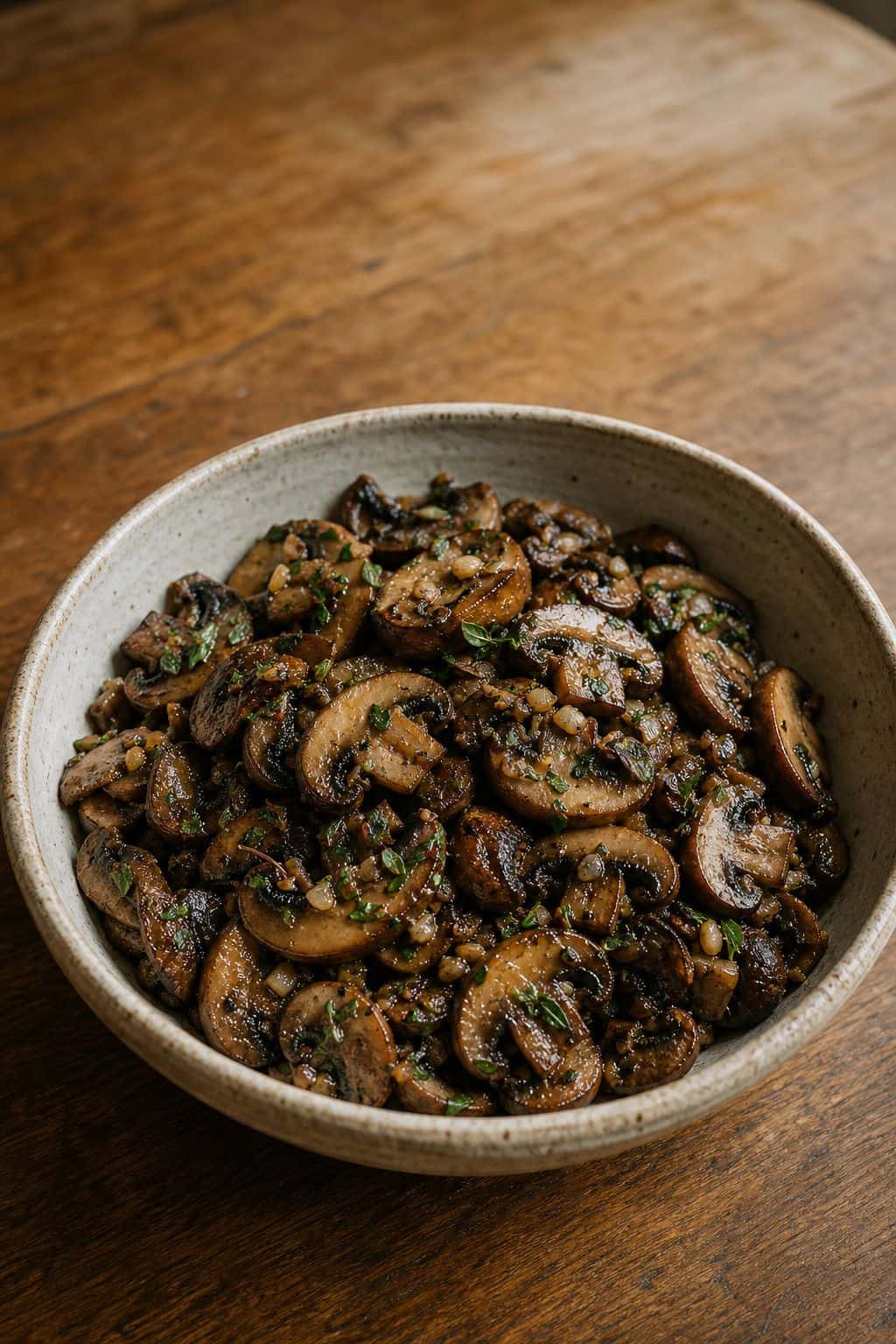
Prep time: 5 minutes | Cook time: 12 minutes | Total time: 17 minutes | Serves: 4
Ingredients
- 1 lb (450 g) cremini or baby bella mushrooms, cleaned and sliced 1/4 inch thick
- 2 tbsp (28 g) unsalted butter
- 1 tbsp (15 ml) olive oil
- 4 cloves garlic, minced
- 1 small shallot, minced
- 1 tsp fresh thyme leaves (or 1 tbsp fresh parsley, chopped)
- Salt and freshly ground black pepper, to taste (added at the end)
- Optional: 1 tbsp (15 ml) dry sherry or white wine, for the deglaze
Instructions
- Heat a 12-inch (30 cm) carbon steel or stainless skillet over medium-high for about 90 seconds, dry. The pan should feel hot when you hold a hand 6 inches above it. Do not add oil yet.
- Add the sliced mushrooms in a single layer, no oil and no salt. They will squeak and then begin releasing water within 60 to 90 seconds. Leave them undisturbed for 4 to 5 minutes while the water releases and cooks off.
- Once the pan looks dry and you hear an active sizzle (not a steam hiss), stir once or twice and cook another 3 to 4 minutes, letting the edges deepen to a real golden-brown.
- Add the butter, olive oil, and minced shallot. Stir to coat. The mushrooms will drink the fat back in. Cook 30 seconds, until the shallot softens.
- Add the minced garlic and thyme leaves. Stir constantly for 30 to 45 seconds, just until fragrant. Do not let the garlic brown; if it starts to color, pull the pan off the heat for 10 seconds and return it.
- Off the heat, season with salt and freshly ground black pepper to taste. Taste and adjust.
- Optional sherry deglaze: in the last 30 seconds, with the pan still on the burner, splash in the sherry or wine and let it sizzle off completely, scraping the pan to lift any browned bits.
- Finish with the fresh parsley off the heat. Serve immediately.
Notes
The single-layer rule is non-negotiable. Crowding the pan traps steam between the mushrooms and you end up with the same gray pile you were trying to avoid. If 1 lb does not fit in a single layer in your skillet, cook it in two batches rather than piling it in; the second batch takes the same 8 to 10 minutes.
Salt timing is the rule home cooks miss most often. Salt at the start pulls water osmotically and stalls the brown; salt at the end seasons the fat that has already coated the mushrooms. If you have only ever salted at the start, the difference on the first batch you cook the right way is obvious.
Scaling up means more pan space, not more cook time. Two pounds of mushrooms in a 12-inch skillet is too much; either use two pans simultaneously or work in batches. The cooking timeline per batch stays at 10 to 12 minutes regardless of whether you are cooking half a pound or one.
Tips and Variations
The Dry-Sear Rule That Restaurant Cooks Use
If you have ever wondered why your mushrooms look gray and the line cook’s look mahogany, this is the answer. A restaurant pan is hotter, wider, and empty when the mushrooms hit it. The mushrooms release their water against a screaming-hot surface, that water evaporates fast (it does not sit and steam), and only then does fat enter the picture. Replicating this at home is a matter of one decision: do not pour the oil in first. Heat the pan, add mushrooms dry, give them 4 minutes undisturbed, and you will have replicated 80 percent of what a professional kitchen is doing.
How to Clean Mushrooms Without Soaking Them
The “never wash mushrooms” rule is a myth. Kenji’s Food Lab testing showed that a quick rinse adds roughly 2 percent water by weight, which the dry-sear will cook off in seconds. The actual rule is do not soak them. A quick rinse under cool water followed by a pat dry with a kitchen towel is fine. If you prefer the dry-clean method, a soft mushroom brush wipes off any soil without bruising the cap. Either way, slice them just before cooking, not hours ahead; cut mushrooms oxidize and release more water than necessary.
The Sherry-Deglaze Upgrade for Dinner Parties
For a dinner-party version, add 2 tablespoons of dry sherry (fino or amontillado) or a dry white wine after the garlic step. The alcohol cooks off in about 30 seconds and leaves a deeper, slightly sweet base note that ties the mushrooms to a steak or roast chicken pan sauce. If you want the full champignons a la bordelaise reference, finish with a teaspoon of fresh lemon juice and a tablespoon of fresh breadcrumbs toasted in a separate dry pan, scattered over the top just before serving.
Working with Wild Mushrooms (Maitake, Oyster, Shiitake)
Wild and specialty mushrooms have less water than cremini, which means they brown faster and need less undisturbed time. Maitake (hen of the woods) pulls apart into bark-like clusters and crisps beautifully in about 6 minutes. Oyster mushrooms tear into strips and cook in 5. Shiitake caps slice the same as cremini but the stems are tough; trim and discard them. For all three, the dry-sear still applies, but reduce the undisturbed time to 3 minutes instead of 4 to avoid overshooting the brown. A 50/50 mix of cremini and any one wild variety is the dinner-party move.
The Cream-and-Tarragon Variation
For a French-leaning version that crosses into entree territory, finish the cooked mushrooms with 1/4 cup of heavy cream, 1 teaspoon of fresh tarragon leaves, and a squeeze of lemon. Bring the cream to a fast simmer in the pan after the garlic step, reduce for about 90 seconds until it coats the back of a spoon, then add the herbs and lemon off the heat. Spoon over toast, polenta, or a poached egg for a brunch dish; it also works as a sauce for pan-seared chicken thighs.
What to Serve It With
The canonical pairing is a ribeye and mashed potatoes, the steakhouse plate this dish was scaled down from. On a weeknight, it lives next to a pan-seared chicken thigh and a green vegetable; the pan the mushrooms came out of is a head start on a quick pan sauce. For a dinner party, spoon them over toast as a passed bite, fold them into a fettuccine with parm for an instant mushroom pasta, or set them next to a roast leg of lamb on a holiday table. They also turn a fried egg or an omelet into an actual breakfast, which is the use case that has nothing to do with steakhouses but is the one I cook most often.
Frequently Asked Questions
How do you saute mushrooms without them getting soggy?
Use a wide pan, do not crowd it, and start dry. Heat a 12-inch skillet empty over medium-high for 90 seconds, add the mushrooms in a single layer with no oil and no salt, and leave them undisturbed for 4 minutes. The water releases against a hot pan and evaporates instead of pooling. Once the pan looks dry again, add the fat and aromatics. Sogginess is the result of crowding, low heat, or fat in the pan too early.
Should you cook mushrooms in oil or butter?
Both, but at the right moment. Start the pan dry with no fat at all. Once the mushrooms have released their water and the pan is sizzling, add a mix of butter and olive oil. The butter delivers flavor, the oil raises the smoke point so the butter does not burn while the garlic finishes. Butter alone scorches; oil alone tastes flat. The combination is the steakhouse default for a reason.
Should you wash mushrooms before sauteing them?
A quick rinse is fine. The old “never wash” rule is overstated; Food Lab testing showed a brief rinse adds only about 2 percent water by weight, which the dry-sear cooks off in seconds. The actual rule is do not soak them, since mushrooms will absorb water if left in the bowl. Rinse, pat dry, slice, and cook within a few minutes for the most reliable result.
When should you add garlic to mushrooms?
Last, in the final 30 to 45 seconds. Garlic burns above roughly 320 degrees Fahrenheit and a properly hot sear pan runs well past that. Adding garlic at the start gives you bitter, blackened bits clinging to brown mushrooms. Adding it after the butter and shallot, just before the salt and herbs, lets it bloom and stay sweet.
Why are my sauteed mushrooms rubbery?
You crowded the pan or stirred too soon. Mushrooms need single-layer contact with the pan and 4 minutes of undisturbed time to release water and start browning. Stirring early breaks the sear and traps steam between the pieces, which gives you the squeaky, rubbery texture. Cook in two batches if 1 lb does not fit in a single layer.
Should you salt mushrooms before or after cooking?
After, off the heat. Salt is osmotic and will pull water out of the mushrooms the moment it touches them, which stalls the Maillard browning and leaves you with a gray, weeping pile. Season at the very end, once the mushrooms are browned, the butter and garlic are in, and the pan is off the burner. That timing seasons the fat that is already coating the mushrooms instead of forcing more water out.
Key Takeaways
- Mushrooms are 92 percent water; start with a dry pan, no oil and no salt, so the water releases and cooks off before any fat hits.
- Use cremini or baby bella (same species, older harvest) for deeper umami than white buttons.
- Add butter and olive oil only after the pan is dry again and the mushrooms are sizzling.
- Garlic goes in the last 45 seconds because it burns above 320 degrees Fahrenheit.
- Salt at the very end, off the heat, to avoid osmotic water release that stalls browning.
- Use a 12-inch skillet minimum; if 1 lb does not fit in a single layer, cook in two batches.
Final Thoughts
Sauteed mushrooms are one of those dishes that home cooks make for decades without ever asking why the restaurant version looks different. The answer is not a secret ingredient or a fancy pan; it is the order of operations. Dry pan first. Mushrooms in dry. Wait. Then fat. Then garlic. Salt last.
The technique scales. Once you have made these once or twice and gotten the timing into your hands, the same sequence works for any mushroom variety, from cremini to maitake to shiitake. It works for a single serving over a fried egg and for a dinner-party platter next to a roast. The 92-percent water rule does not change.
If you have a 12-inch skillet, 15 minutes, and a pound of creminis, you have the steakhouse side at home. Cook them on a Tuesday next to a chicken thigh, on a Saturday next to a ribeye, on a Sunday over toast with a poached egg. The recipe is the same. The order of operations is the entire trick.
Sauteed Garlic Mushrooms
The reason restaurant mushrooms taste different from yours is one re-ordered step. Plenty of cooks dump sauteed garlic mushrooms into hot butter and end up with a gray, watery pile.
Ingredients
- 1 lb (450 g) cremini or baby bella mushrooms, cleaned and sliced 1/4 inch thick
- 2 tbsp (28 g) unsalted butter
- 1 tbsp (15 ml) olive oil
- 4 cloves garlic, minced
- 1 small shallot, minced
- 1 tsp fresh thyme leaves (or 1 tbsp fresh parsley, chopped)
- Salt and freshly ground black pepper, to taste (added at the end)
- Optional: 1 tbsp (15 ml) dry sherry or white wine, for the deglaze
Instructions
- Heat a 12-inch (30 cm) carbon steel or stainless skillet over medium-high for about 90 seconds, dry. The pan should feel hot when you hold a hand 6 inches above it. Do not add oil yet.
- Add the sliced mushrooms in a single layer, no oil and no salt. They will squeak and then begin releasing water within 60 to 90 seconds. Leave them undisturbed for 4 to 5 minutes while the water releases and cooks off.
- Once the pan looks dry and you hear an active sizzle (not a steam hiss), stir once or twice and cook another 3 to 4 minutes, letting the edges deepen to a real golden-brown.
- Add the butter, olive oil, and minced shallot. Stir to coat. The mushrooms will drink the fat back in. Cook 30 seconds, until the shallot softens.
- Add the minced garlic and thyme leaves. Stir constantly for 30 to 45 seconds, just until fragrant. Do not let the garlic brown; if it starts to color, pull the pan off the heat for 10 seconds and return it.
- Off the heat, season with salt and freshly ground black pepper to taste. Taste and adjust.
- Optional sherry deglaze: in the last 30 seconds, with the pan still on the burner, splash in the sherry or wine and let it sizzle off completely, scraping the pan to lift any browned bits.
- Finish with the fresh parsley off the heat. Serve immediately.
Notes
The single-layer rule is non-negotiable. Crowding the pan traps steam between the mushrooms and you end up with the same gray pile you were trying to avoid. If 1 lb does not fit in a single layer in your skillet, cook it in two batches rather than piling it in; the second batch takes the same 8 to 10 minutes.
Salt timing is the rule home cooks miss most often. Salt at the start pulls water osmotically and stalls the brown; salt at the end seasons the fat that has already coated the mushrooms. If you have only ever salted at the start, the difference on the first batch you cook the right way is obvious.
Last update on 2026-10-03 / Affiliate links / Images from Amazon Product Advertising API
