
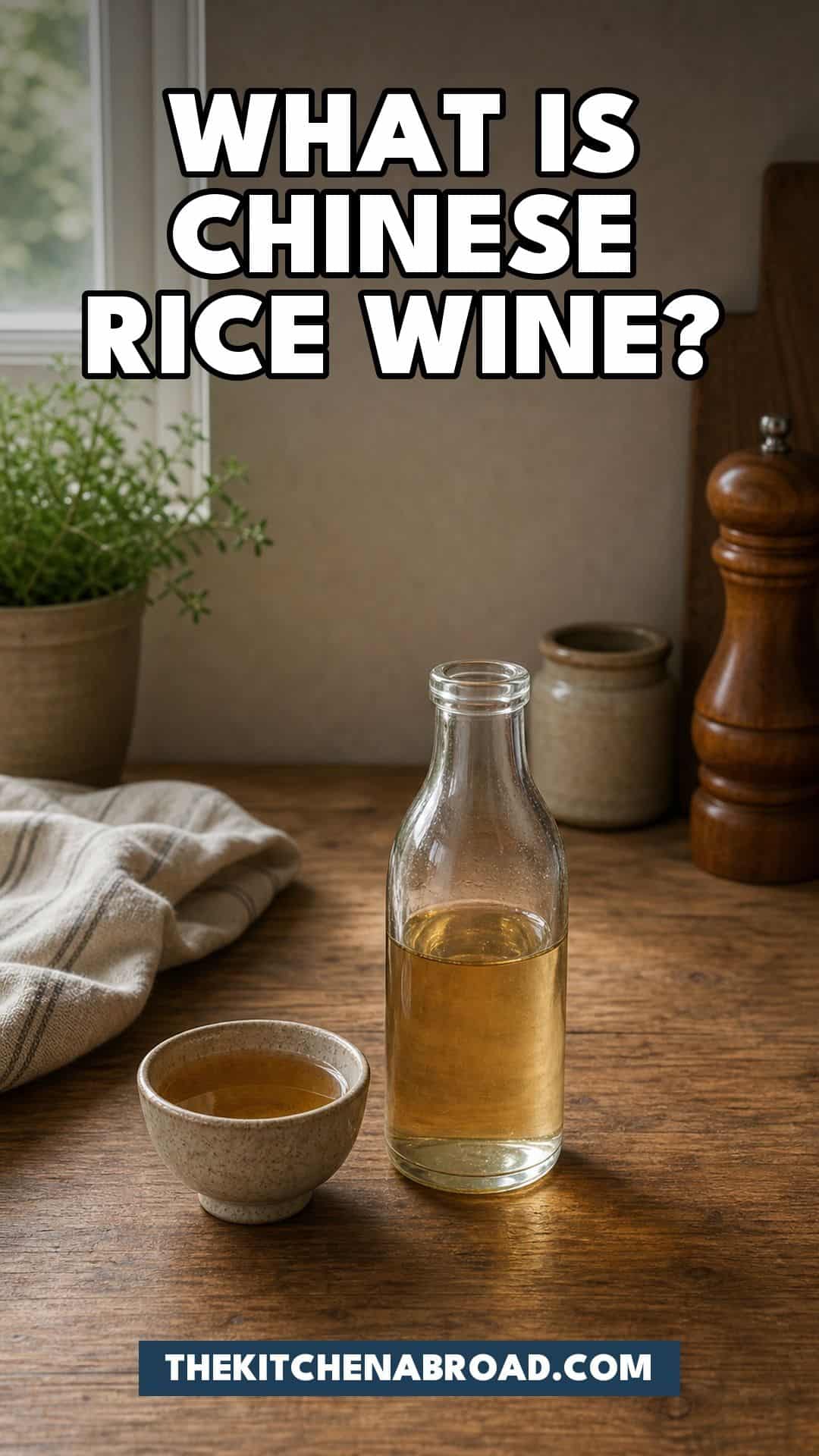
Chinese rice wine is a fermented rice wine used for cooking, marinades, sauces, and braises. Shaoxing wine is the best-known type, prized for its savory, slightly sweet, nutty depth.
A splash of Chinese rice wine makes stir-fries and braises taste like they came from a proper kitchen, not just a pan with soy sauce in it. It adds aroma, depth, and that warm savory background that is hard to fake exactly.
Recommended reads:
- Rice Wine vs Rice Vinegar
- What Is Rice Vinegar?
- What Is Black Vinegar?
- Easy Sweet Soy Glaze
- Vietnamese Fish Sauce
What is Chinese rice wine?
This cooking wine is made by fermenting rice, and it is used for aroma rather than acidity. Shaoxing wine is the classic option for many Chinese recipes, especially marinades, dumpling fillings, noodle sauces, and red-braised dishes.
Culinary uses of Chinese rice wine
A splash can loosen browned bits in a wok, soften the smell of meat or seafood, and add warmth to sauces. It is especially useful in stir-fries, braised pork, drunken chicken, dumpling fillings, soups, and marinades.
Chinese rice wine alternatives and substitutes
- Dry sherry: the closest common substitute because it has a nutty, wine-like depth
- Sake: lighter and cleaner, good in marinades and sauces
- Mirin: sweeter, so reduce sugar elsewhere if the recipe has any
- Chicken broth plus rice vinegar: alcohol-free-ish flavor balance for savory dishes, though it is not exact
- White grape juice plus a little vinegar: useful when you need a non-alcoholic sweet-acid note in small amounts
How to store Chinese rice wine
Store unopened Chinese rice wine in a cool pantry. Once opened, keep it tightly capped; many cooking wines hold well at room temperature, but refrigeration helps preserve cleaner flavor if you use it slowly.
Where to buy Chinese rice wine
Look for Shaoxing wine in Asian grocery stores or the international aisle. If possible, choose a cooking wine with a short ingredient list and avoid heavily salted versions unless the recipe accounts for that salt.
Common mistakes using this product
Do not swap rice vinegar for rice wine straight across. Vinegar is acidic and wine is fermented and aromatic, so a direct swap can make the dish too sour.
Famous dishes this is used
Shaoxing chicken, red-braised pork, drunken chicken, dumpling filling, stir-fried greens, wonton soup, and soy-braised noodles.
Tips on how to use Chinese rice wine
Add it when heat is active. Pour rice wine around the edge of a hot wok or pan so it sizzles, evaporates slightly, and leaves aroma behind.
Recipes that use or pair well with Chinese rice wine
These recipes are helpful next stops because they use this ingredient, use a related ingredient, or give you a real dish to try the flavor with:
- Quick and Easy Chicken Stir-Fry
- Thai Chicken Cashew Nuts
- Asian Cauliflower
- Easy Sweet Soy Glaze
- Easy Chicken Pad Thai
FAQ
Is Chinese rice wine the same as rice vinegar?
No. Rice wine is alcoholic and used for aroma and depth, while rice vinegar is acidic and used for tang. They can appear near each other in recipes, but they do different jobs.
Is Shaoxing wine the same as Chinese rice wine?
Shaoxing wine is a famous type of Chinese rice wine. It is the one most recipes mean when they ask for Chinese cooking wine.
Can I skip Chinese rice wine?
You can skip a small splash in a casual stir-fry, but the dish may taste flatter. For marinades and braises, use dry sherry, sake, or broth with a tiny bit of vinegar instead.
Does Chinese rice wine contain alcohol?
Yes, traditional rice wine contains alcohol. Some cooking versions are salted, but they are still not the same as vinegar or broth.
What is the best Chinese rice wine substitute?
Dry sherry is the most useful substitute for many home cooks. It has a similar nutty warmth and does not push the dish too sweet.
Conclusion
Keep Chinese rice wine for aroma, not acidity, and your stir-fries, fillings, and braises will taste much more complete. It is a small ingredient with a big background role.