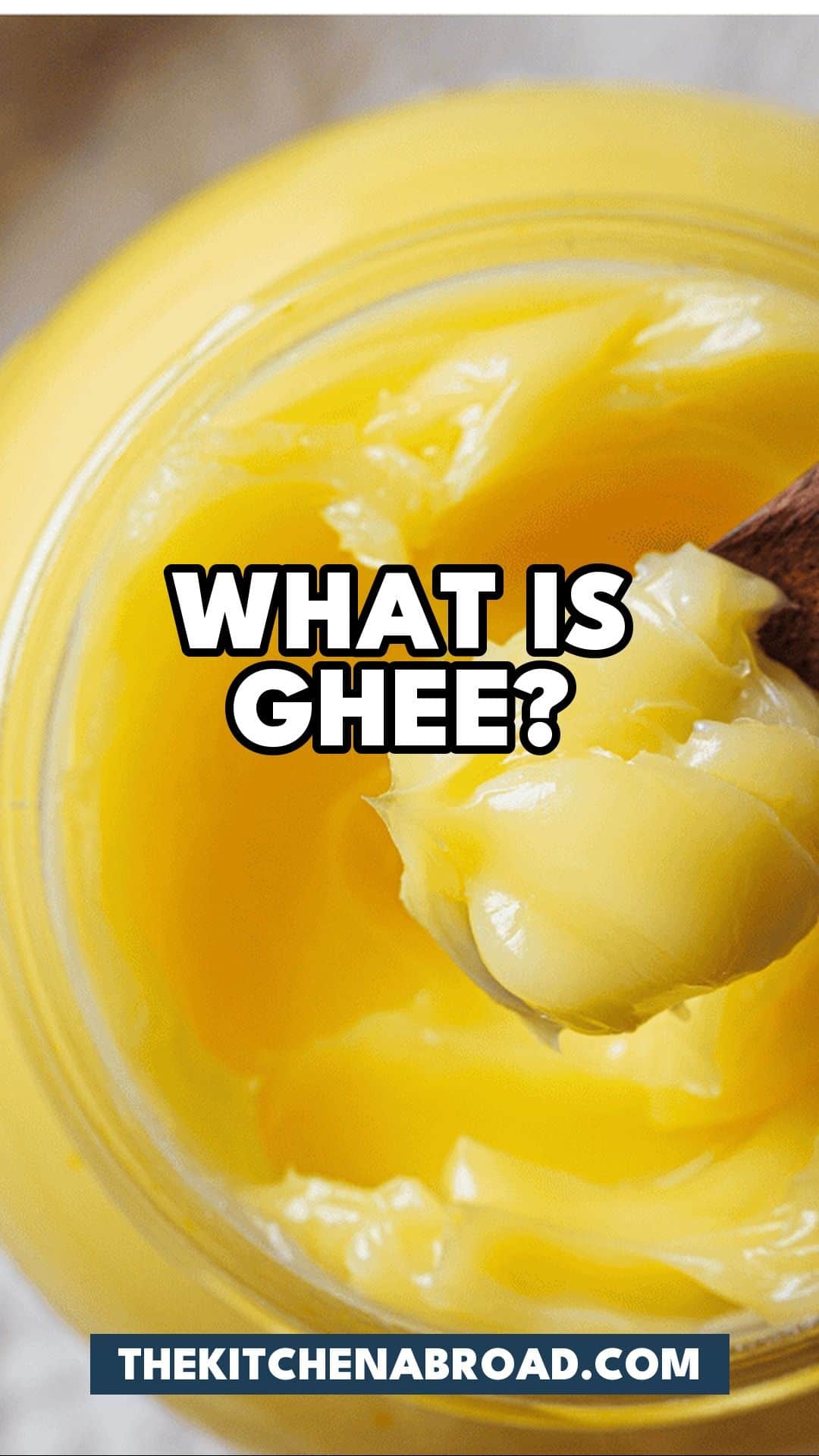
Ghee is clarified butter that has been cooked until the milk solids separate and the butterfat turns golden and nutty. It has a rich toasted flavor, keeps longer than regular butter, and works well for sauteing, frying, roasting, curries, rice, and drizzling.
Ghee tastes like butter that took a deeper breath. It is golden, fragrant, and more heat-friendly than regular butter, which is why it shows up in both everyday cooking and special dishes.
Ghee is especially handy when you want butter flavor in a hotter pan. Regular butter contains water and milk solids, which brown and burn faster.
The nuttiness makes it useful beyond Indian cooking. Try it on popcorn, roasted potatoes, fried eggs, sauteed greens, or warm flatbread.
If a jar smells cheesy, sour, or stale instead of nutty and buttery, it is past its best. Good ghee should smell warm and clean.
For rice, stir a little ghee through after cooking rather than adding a lot at the start. The aroma stays fresher and the grains taste buttery without becoming greasy.
In baking, ghee can replace butter in some recipes, but it is almost pure fat. Since butter contains water, texture may change if the recipe was built for regular butter.
Ghee is also convenient because it is ready to use straight from the jar. There is no waiting for butter to soften if you are cooking eggs, warming spices, or finishing rice.
When blooming spices, ghee carries aroma beautifully. Add cumin, mustard seeds, curry leaves, or chile to warm ghee and the fat quickly becomes seasoned.
If you make ghee at home, strain it carefully so the browned milk solids do not stay in the jar. Those solids taste good on toast, but they shorten storage life.
A spoonful can also rescue plain leftovers. Warm rice, lentils, roasted vegetables, and flatbread all taste more finished with a little ghee and salt.
Recommended reads:
- Easy Vegetable Curry
- Coconut Rice in a Rice Cooker
- Easy Crispy Oven Potatoes
- Finnish Pulla Bread
- Thai Chicken Cashew Nuts
What is ghee?
To make ghee, butter is simmered until water evaporates and milk solids brown and separate. Those solids are strained out, leaving clear butterfat with a nutty aroma.
Because the milk solids are removed, ghee handles higher heat than whole butter. It still has a rich dairy flavor, but it is less likely to scorch quickly in a hot pan.
Culinary uses of ghee
Use ghee for eggs, rice, dal, curries, roasted vegetables, sauteed greens, seared meat, popcorn, flatbread, and finishing bowls.
It is especially good when you want buttery flavor without the water and milk solids of regular butter.
Ghee alternatives and substitutes
- Clarified butter: Closest substitute. It is similar but usually less nutty than ghee.
- Butter: Good for flavor, but it burns faster. Use lower heat.
- Coconut oil: Dairy-free and rich, but adds coconut flavor.
- Avocado oil: High-heat option with a mild flavor, but no buttery taste.
- Olive oil: Good for sauteing and roasting when a fruity flavor is welcome.
How to store ghee
Store ghee tightly covered in a cool cupboard if the label allows it, or refrigerate for longer freshness. Always use a clean, dry spoon.
Where to buy ghee
Look for ghee that smells nutty and clean. If you want traditional flavor, choose plain ghee rather than flavored versions for your first jar.
Common mistakes using this product
Do not let water or wet utensils into the jar. Moisture can shorten ghee’s shelf life.
Famous dishes this is used
Ghee is used in dal, biryani, roti, paratha, Indian sweets, ghee rice, popcorn, roasted vegetables, and butter coffee-style drinks.
Tips on how to use ghee
Use less than you think. Ghee tastes concentrated, so a small spoonful can season rice, vegetables, or eggs beautifully. Add it near the end when you want the aroma to stay obvious.
TKA recipes that use or pair well with ghee
These TKA posts are useful next reads because they use a related ingredient, cooking method, sauce, or flavor pairing:
- Easy Vegetable Curry
- Coconut Rice in a Rice Cooker
- Easy Crispy Oven Potatoes
- Finnish Pulla Bread
- Thai Chicken Cashew Nuts
Ghee is the cooking fat in chicken tikka masala.
FAQ
Is ghee the same as clarified butter?
They are very similar, but ghee is usually cooked longer for a nuttier flavor.
Does ghee need refrigeration?
Some jars can be stored in a cool cupboard, but refrigeration extends freshness. Follow the label.
Can you fry with ghee?
Yes. Ghee handles higher heat better than regular butter.
Does ghee taste like butter?
Yes, but more toasted, nutty, and concentrated.
Can I use butter instead of ghee?
Yes, but use gentler heat because butter burns faster.
Conclusion
Ghee is toasted, clarified butterfat with a big buttery aroma and a practical high-heat side. Keep it dry, use it thoughtfully, and swap with clarified butter, butter, coconut oil, avocado oil, or olive oil depending on the dish.