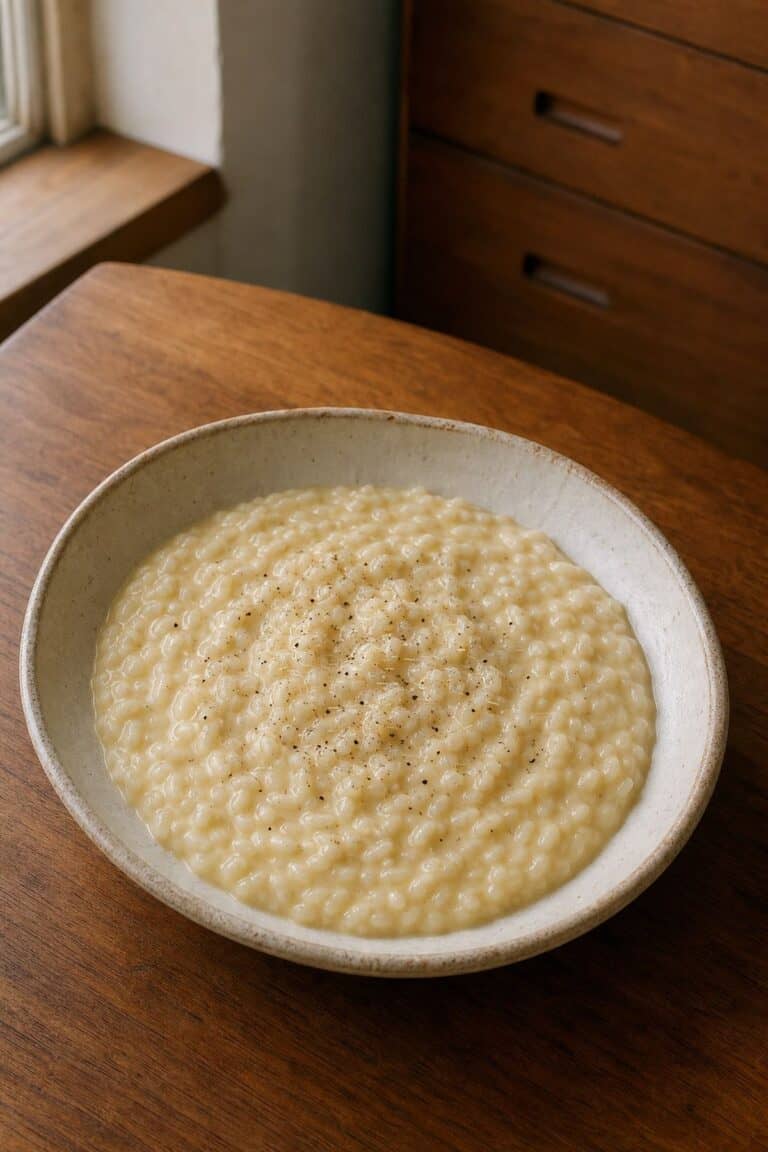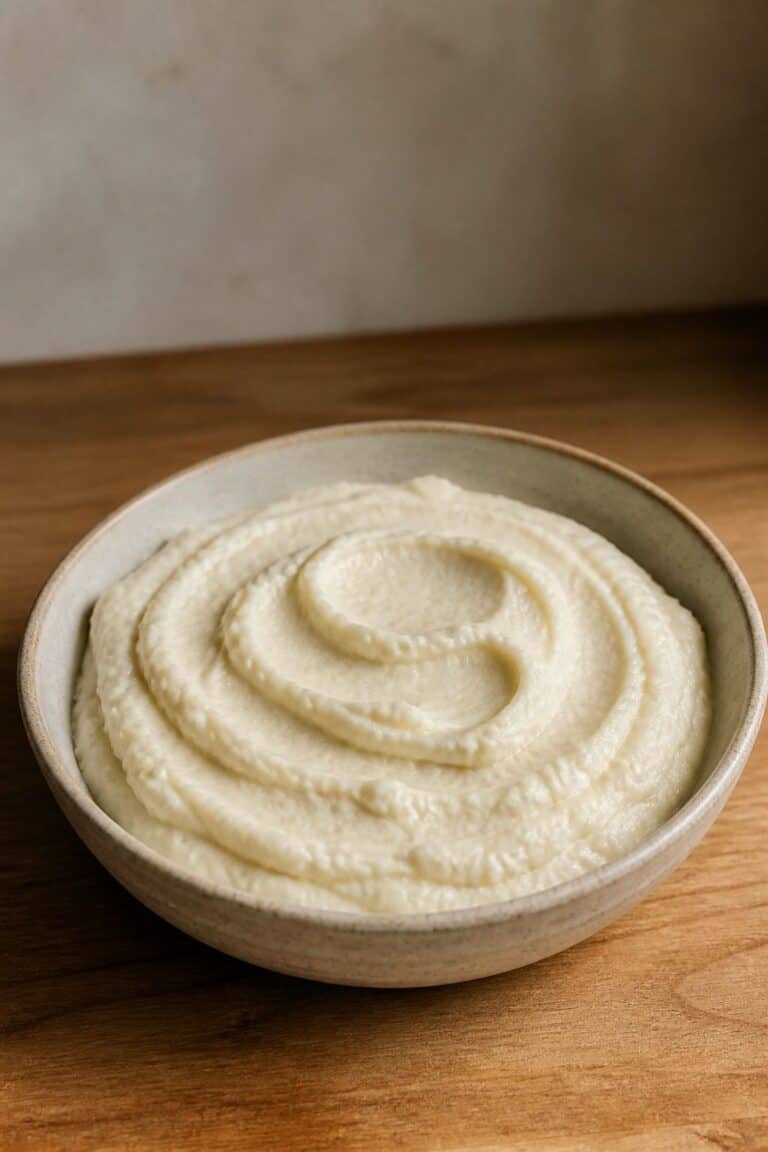
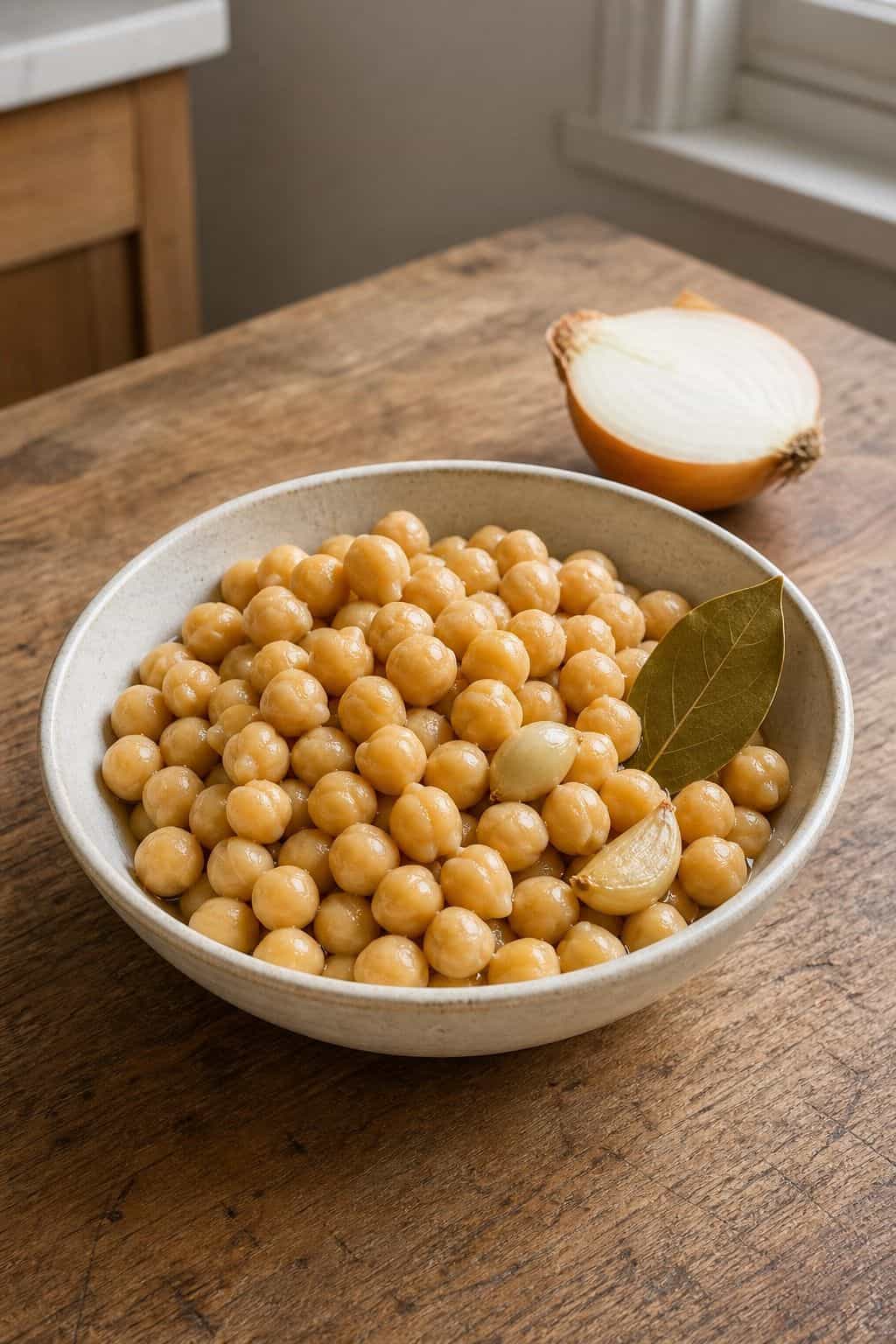
Soak 400 g of dried chickpeas overnight in 2 liters of water with 1 teaspoon of baking soda, then drain, rinse and simmer them in 3 liters of fresh water with a bay leaf, garlic and half an onion. Stop at about 60 minutes for salads, 75 for stews and 90 for hummus, and add the salt only in the last 10 minutes. You’ll get roughly 1 kg of cooked chickpeas.
Canned chickpeas are fine. Dried are better, and it isn’t close. Boil chickpeas from dried and they come out creamier and slightly sweet, seasoned all the way through by the pot they cooked in, and you get a jar of aquafaba as a bonus.
The work is tiny. Five minutes the night before, ten minutes of attention the next day, and the rest is the stove doing its job. One Sunday pot turns into Monday’s hummus, a midweek salad and a bag in the freezer for whatever comes next.
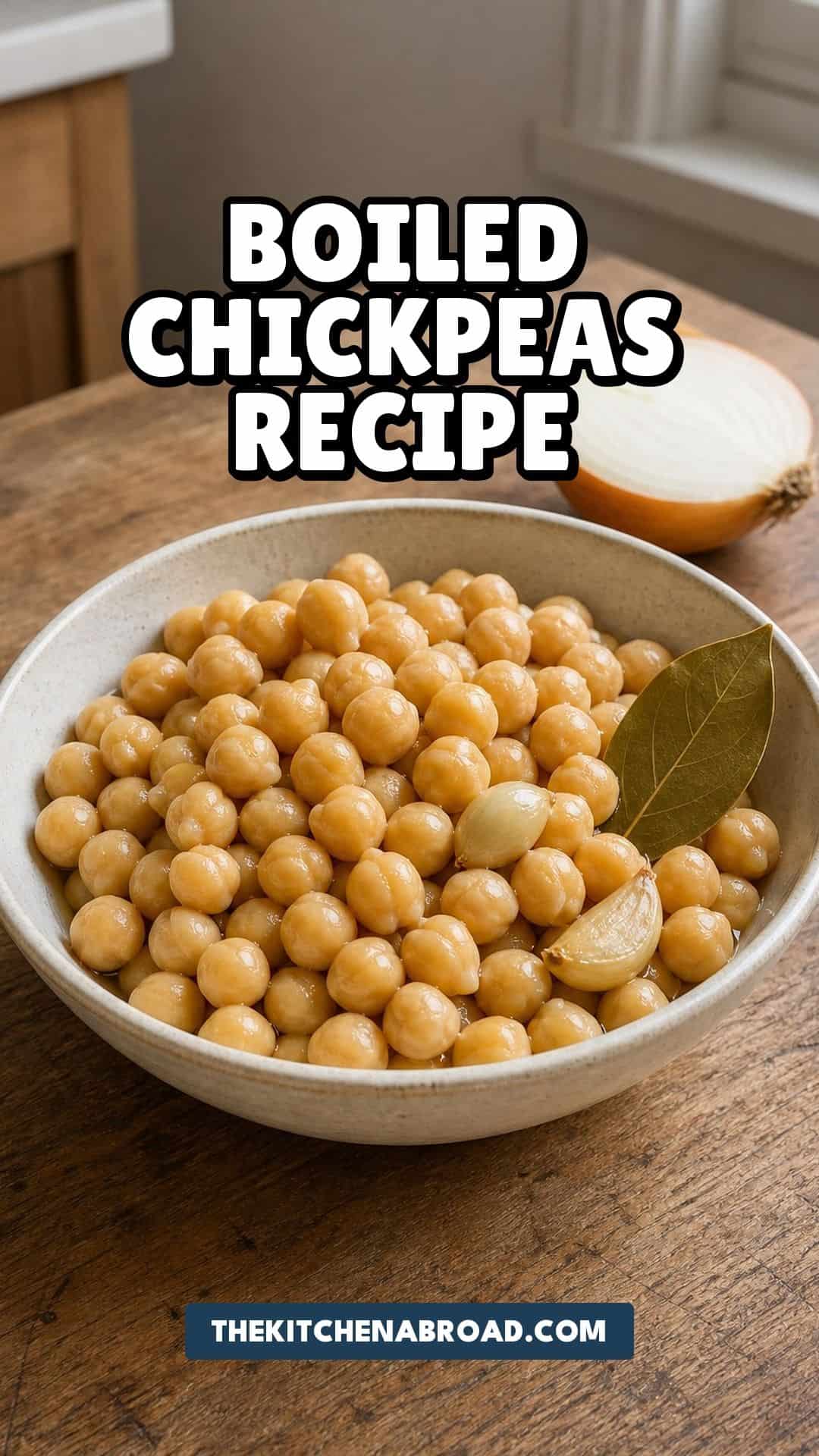
You don’t need much gear, but the right pot helps. Chickpeas swell to roughly two and a half times their dried size, so 400 g needs a heavy 6-quart pot with room for 3 liters of water above the beans. Add a big bowl for soaking, a fine mesh strainer and a few glass containers for storage.


What does baking soda do to chickpeas?
It loosens the skins. A teaspoon of baking soda makes the soak water slightly alkaline, and that softens the pectin that holds the skin tight around each bean. Water gets in faster, the chickpea cooks more evenly, and plenty of the skins slip off and float up to be skimmed away.
That’s how restaurant hummus gets its silky, almost whipped texture. In professional kitchens nobody peels chickpeas one by one; the soda does most of the peeling for you.
Two cautions. Use baking soda, never baking powder, because the acid in baking powder cancels the effect. And rinse the soaked beans well, for a full 30 seconds under the tap, or you’ll taste a faint soapy note in the finished batch.
If you’re cooking specifically for hummus, add another ½ teaspoon of soda to the cooking water. Those beans will cook down softer than you’d want in a salad, which is exactly the point.
Overnight soak or quick soak?
Overnight, if you can plan a day ahead. Eight to twelve hours in cold water hydrates every bean to the center, so they all finish cooking at roughly the same moment.
Forgot? Put the dried chickpeas and 1 teaspoon of baking soda in a pot with plenty of water, bring it to a boil for 2 minutes, then turn off the heat, cover it and leave it for 1 hour. Drain, rinse and carry on with the recipe. The texture is a touch less even, though nobody will notice once it’s blended into hummus.
Skipping the soak entirely works too, if you have the time. Expect 2.5 to 3 hours of simmering and a slightly grittier bean.
How long to boil chickpeas for each dish
Cooking time is how you choose the texture. Same pot, same method, three stopping points:
- Firm, for salads and grain bowls: about 60 minutes in total. The bean holds its shape under light pressure.
- Tender, for stews, curries and soups: about 75 minutes. It squashes with moderate pressure but stays a defined bean.
- Very soft, for hummus: about 90 minutes. Press one lightly and it nearly turns to paste.
Start checking after 50 minutes by fishing out a chickpea and pressing it between your thumb and finger. Taste one too. A properly cooked chickpea has no chalky core, whatever texture you’re aiming for.
Firm chickpeas are the ones to cook for packed lunches. They survive a few days in dressing, which is why they turn up in so many of these salad jar prep ideas without going mushy at the bottom of the jar.
Why do some dried chickpeas never soften?
Usually because they’re old. Dried chickpeas lose moisture slowly on the shelf, and beans more than a year old can stay hard however long you cook them. Buy from a store that sells a lot of them, and look for plump, evenly colored beans with no cracked or shriveled ones in the bag.
Hard tap water can slow things down as well, since the calcium firms up the pectin in the skins. If your kettle is always furred with limescale, cook the chickpeas in filtered water.
Store the dried beans in an airtight jar away from heat and light, and write the purchase date on the lid. A clearly labeled shelf, like the setups in this guide to pantry organization ideas, makes it obvious when a bag has been sitting too long.
Recipe: how to boil dried chickpeas
- Prep time: 5 minutes
- Soak time: 8 to 12 hours
- Cook time: 60 to 90 minutes
- Total time: about 12 hours
- Yield: about 1 kg (2.2 lb) cooked chickpeas from 400 g dried
Ingredients
For the soak:
- 400 g (about 2 cups) dried chickpeas
- 1 tsp baking soda
- 2 liters (about 8 cups) cold water
For the cook:
- 3 liters (about 12 cups) fresh cold water
- 1 bay leaf
- 3 garlic cloves, smashed but whole
- ½ onion, peeled, root end left on
- 1 tsp fine sea salt, added in the last 10 minutes
- Optional, for extra-creamy hummus chickpeas: ½ tsp additional baking soda
Instructions
- Put the dried chickpeas in a large bowl with 2 liters of cold water and 1 teaspoon of baking soda. Stir until the soda dissolves, cover and leave at room temperature for 8 to 12 hours.
- Drain the chickpeas in a fine mesh strainer and rinse them under cold running water for 30 seconds to wash off the baking soda.
- Tip them into a heavy 6-quart pot with 3 liters of fresh cold water, the bay leaf, garlic and onion. Add the extra ½ teaspoon of baking soda now if you’re cooking for hummus.
- Bring to a boil over high heat. Skim off the foam and loose skins that rise to the top, then turn the heat down to a gentle simmer.
- Simmer uncovered for 50 minutes for firm salad chickpeas, 65 minutes for stew-ready or 80 minutes for hummus-ready. Start checking 10 minutes before your target.
- Test a chickpea by pressing it between your thumb and finger. Firm ones hold their shape, stew-ready ones squash with moderate pressure and hummus-ready ones collapse almost into paste.
- Stir in the salt and simmer for a final 10 minutes.
- Take the pot off the heat and remove the bay leaf, garlic and onion. Use the chickpeas right away, or let them cool in their cooking liquid before storing.
Notes
Total simmering time works out to 60 minutes for firm, 75 for stew-ready and 90 for hummus-ready, counting the final 10 minutes with salt. For the smoothest hummus, rub the warm, drained chickpeas between your palms in a bowl of cold water and pour off the skins that float up. It takes five minutes and you’ll taste the difference.
Storing cooked chickpeas and saving the aquafaba
Let the chickpeas cool in their cooking liquid, then refrigerate them in that liquid in a covered container. The USDA guidance on leftovers is to get cooked food into the fridge within 2 hours and use it within 3 to 4 days.
To freeze, drain the chickpeas, spread them out to cool and pack them into freezer bags in portions about the size of a can. They keep well for around 3 months. Thaw a bag in the fridge overnight, or drop the frozen chickpeas straight into a simmering soup or stew.
Before you pour the cooking liquid away, strain some into a jar. That’s aquafaba. It whips into stiff peaks like egg white for meringues and vegan mayonnaise, with about 2 tablespoons standing in for 1 egg white. It keeps 5 days in the fridge, or freeze it in an ice cube tray for up to 3 months.
Reheating is easy: simmer the chickpeas in a little of their liquid for 5 minutes, or microwave them with a splash of water for about 90 seconds.
What to cook with a pot of chickpeas
Hummus is the obvious first job for the soft batch. Toss the firm ones warm with olive oil and lemon juice, because they soak up the dressing as they cool. After that, think falafel, chana masala, soups and grain bowls, or roast them at 220°C (425°F) for about 20 minutes with oil and spices for a crunchy snack.
Chickpeas also stretch a crowd menu. A big bowl of hummus, a chickpea salad with feta and herbs and a stack of warm flatbread will anchor most of the table in these Mediterranean dinner party ideas.
A note if you’re watching carbs: cooked chickpeas are a starchy legume, and this look at whether chickpeas are keto breaks down the numbers per cup and per spoonful of hummus.
For more on the legume, see what chickpeas are. Boiled chickpeas also go into air fryer chickpeas and roasted red pepper hummus.
Frequently asked questions
Do I have to soak dried chickpeas overnight?
No, but the texture is better if you do. Unsoaked chickpeas need around 2.5 to 3 hours of simmering and cook less evenly, so if you forgot, use the quick soak: boil them for 2 minutes with the baking soda, then let them stand covered for 1 hour.
Why add baking soda to the soak water?
Baking soda makes the water slightly alkaline, which softens the pectin in the chickpea skins so they loosen and cook faster. The beans come out creamier, which is why it is standard practice for smooth hummus.
Why do you salt chickpeas at the end?
Salting in the last 10 minutes seasons the chickpeas without slowing the cook. This recipe holds the salt back so the skins soften evenly first, then the final simmer carries the seasoning into the beans.
How long do cooked chickpeas last in the fridge?
Cooked chickpeas keep for 3 to 4 days in the fridge in a covered container, ideally in their cooking liquid. Drained and frozen, they keep well for about 3 months.
What is aquafaba and is it worth saving?
Aquafaba is the starchy liquid left after cooking chickpeas, and it is worth saving if you bake. It whips like egg white for meringues and vegan mayonnaise, with about 2 tablespoons replacing 1 egg white.
Are dried chickpeas better than canned?
For hummus and salads, yes. Home-cooked dried chickpeas are creamier and taste of the bay, garlic and onion they simmered with, while canned chickpeas are the right call for a fast weeknight stew.
Key takeaways
- A teaspoon of baking soda in the soak water loosens the skins and gives creamier chickpeas.
- Rinse the soaked beans for 30 seconds so no soapy taste carries into the pot.
- Total simmer time sets the texture: about 60 minutes for salads, 75 for stews, 90 for hummus.
- Salt goes in for the last 10 minutes only.
- Refrigerate cooked chickpeas within 2 hours and use them in 3 to 4 days, or freeze them for about 3 months.
- Strain and keep the aquafaba; 2 tablespoons replace 1 egg white.
Plan a Sunday chickpea pot
Put the beans to soak on Saturday night and simmer them while Sunday breakfast happens, stopping at whichever texture you need most that week. Blend a third into hummus, keep a third in the fridge and freeze the rest in can-sized bags. If weekday lunches are the goal, these cold lunch meal prep ideas will use up the firm batch by Thursday.
Last update on 2026-10-15 / Affiliate links / Images from Amazon Product Advertising API