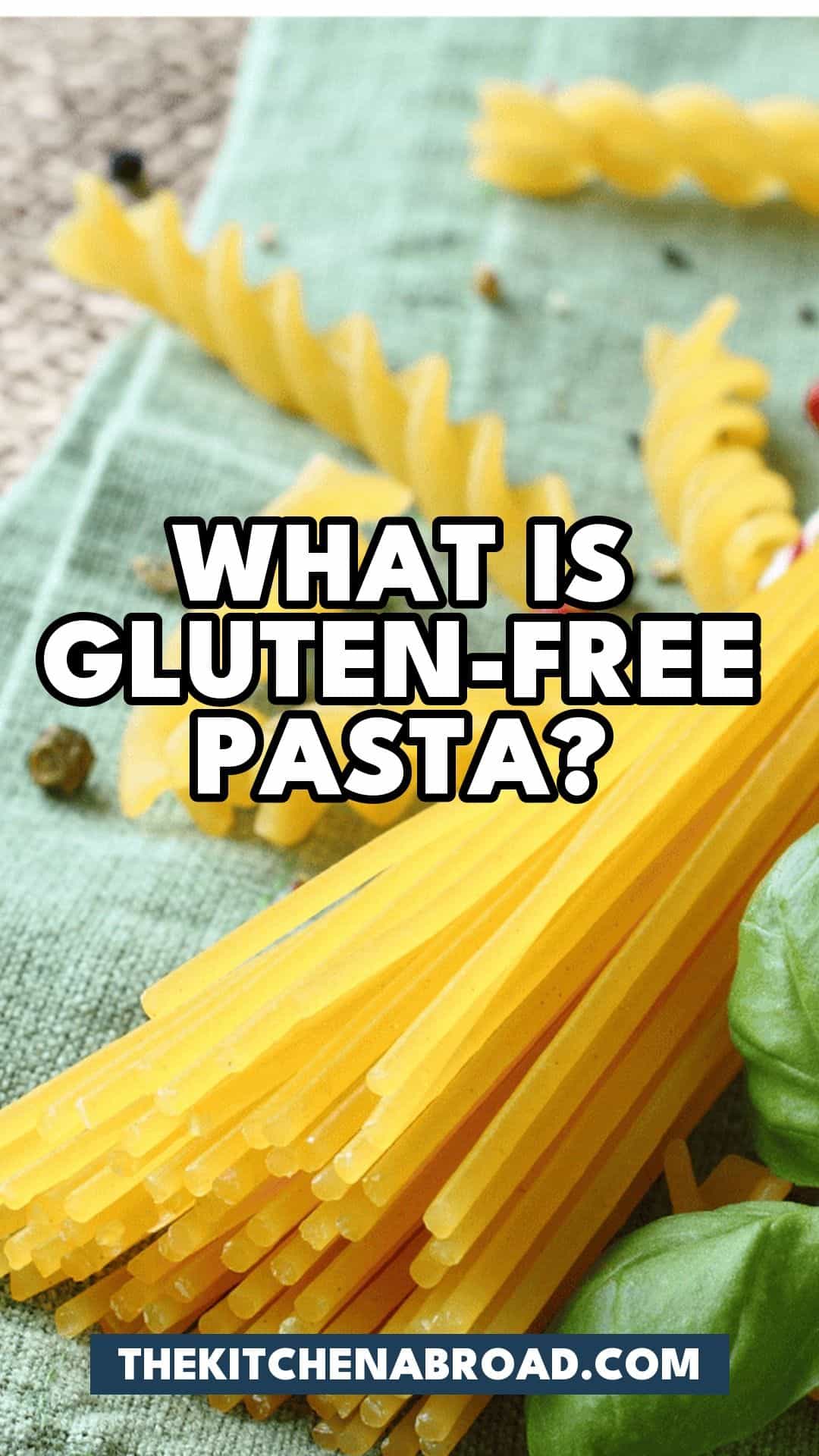
Pasta made without wheat, barley, or rye is considered gluten-free pasta. It can be made from rice, corn, quinoa, chickpeas, lentils, buckwheat, or other gluten-free ingredients, and it needs careful cooking because texture varies by brand and base.
Gluten-free pasta has improved a lot, but it still asks you to pay attention. Some shapes cook like regular pasta, some go from firm to mushy in a blink, and some taste better with bold sauce.
The biggest difference from wheat pasta is structure. Regular pasta gets chew from gluten, so gluten-free versions rely on starch blends, legume flours, or careful shaping to hold together.
Brand loyalty is not silly here. Two boxes labeled gluten-free spaghetti can cook very differently depending on whether they are rice-based, corn-based, or legume-based.
Cold pasta salad is a good test. Some gluten-free pasta firms up beautifully after cooling, while others turn brittle or gummy.
For baked pasta, stop boiling while the noodles are still firm. They will keep absorbing sauce in the oven, and fully cooked gluten-free pasta can turn fragile after baking.
For soups, consider cooking the pasta separately. That keeps leftovers from turning into a thick starch cloud overnight.
Because texture varies so much, follow the package the first time and write down what worked. If a brand says nine minutes but tastes best at seven, that note is worth keeping.
Salt the water generously. Gluten-free pasta still needs seasoning from the inside, and bland noodles are harder to rescue after draining.
If cooking for someone with celiac disease, use a clean pot, colander, and utensils. Cross-contact with wheat pasta can matter as much as the pasta ingredients themselves.
Recommended reads:
- Gluten-Free Soba Noodles
- Korean Buckwheat Noodles
- Greek Pasta Salad
- Classic Vegetarian Lasagna
- Easy Cacio e Pepe
What is gluten-free pasta?
Rice and corn pastas are usually the most neutral. Legume pastas bring more protein and a stronger flavor. Buckwheat noodles can be excellent, but labels matter because many soba noodles still contain wheat.
The best gluten-free pasta for you depends on the dish. A delicate butter sauce may want rice-corn pasta, while a tomato sauce or baked pasta can handle chickpea or lentil pasta.
Culinary uses of gluten-free pasta
Use gluten-free pasta in spaghetti, baked pasta, cold pasta salads, mac and cheese, noodle bowls, soups, and quick weeknight dinners.
Rinse only when making cold pasta salad or when the package recommends it. For hot sauce, draining and saucing quickly usually gives a better texture.
Gluten-free pasta alternatives and substitutes
- Rice pasta: Mild and common. Good for simple tomato, pesto, and cream sauces.
- Corn pasta: Holds shape well and tastes slightly sweet. Nice for baked pasta.
- Chickpea pasta: Firmer and more filling. Best with bold sauces.
- Lentil pasta: Earthier and protein-rich. Use with tomato, vegetables, or spicy sauces.
- Zucchini noodles: Vegetable option, not pasta-like, but useful for lighter meals.
How to store gluten-free pasta
Store dry gluten-free pasta in a cool pantry. Cooked gluten-free pasta is best eaten soon because it can firm up, break, or turn sticky after chilling.
Where to buy gluten-free pasta
Choose certified gluten-free pasta if cooking for someone with celiac disease. Also check the base ingredient so you know whether the flavor will be neutral, beany, earthy, or sweet.
Common mistakes using this product
Do not walk away from the pot. Gluten-free pasta can overcook fast, so start tasting before the package time is up.
Famous dishes this is used
Familiar dishes include gluten-free spaghetti, lasagna, mac and cheese, pasta salad, baked ziti, noodle bowls, soups, and gluten-free soba-style dishes.
Tips on how to use gluten-free pasta
Sauce it quickly. Gluten-free pasta often gets sticky as it cools. Have the sauce ready, reserve a little pasta water if the pasta allows it, and combine everything while hot.
TKA recipes that use or pair well with gluten-free pasta
These TKA posts are useful next reads because they use a related ingredient, cooking method, sauce, or flavor pairing:
- Gluten-Free Soba Noodles
- Korean Buckwheat Noodles
- Greek Pasta Salad
- Classic Vegetarian Lasagna
- Easy Cacio e Pepe
For a gluten-free pasta dish, try gluten-free meatballs in tomato sauce.
FAQ
Does gluten-free pasta taste different?
Sometimes. Rice and corn versions are mild, while chickpea and lentil pasta taste more distinct.
Why does gluten-free pasta get mushy?
Many gluten-free starches soften quickly. Taste early and avoid overcooking.
Is soba gluten-free?
Only if it is made with 100 percent buckwheat or labeled gluten-free. Many soba noodles contain wheat.
Can gluten-free pasta be reheated?
Yes, but it is best reheated gently with sauce or a splash of water.
What sauce works best?
Bold tomato sauces, pesto, cream sauces, and baked sauces often work well because they help cover texture differences.
Conclusion
There is no single style of gluten-free pasta. Read the base ingredient, taste early, sauce fast, and choose rice, corn, chickpea, lentil, or vegetable noodles based on the dish.