
The easiest soup recipes need one pot and very little attention: a brothy Finnish salmon soup, a blended carrot and ginger soup, a spicy kimchi jjigae or a thick chorizo and lentil stew. Pick by the texture you’re craving tonight, and make a big batch, since most of them freeze well.
Soup season in Finland is basically October to April, which is a long time to eat soup, so I’ve had plenty of practice. Finns take soup seriously too: there’s a pea soup day every Thursday, salmon soup at every lunch buffet and a sausage soup that every kid knows by heart.
So this list is sorted by texture instead of by ingredient, because “I want something brothy” or “I want something I can eat with a fork” is usually how the craving starts. There are 18 easy soup recipes and stews below, from light broths to the spicy bowls I grew up with in the Philippines, each linked to its full recipe.

Soup Pot Gear Worth Having
An immersion blender, a big stock pot, a good ladle, freezer containers and a fine mesh strainer cover every soup and stew below.


Which Brothy Soups Are the Lightest?
These four are the Finnish everyday soups: clear or lightly creamy broths, simple seasoning and nothing heavy.
1. Lohikeitto (Finnish Salmon Soup)
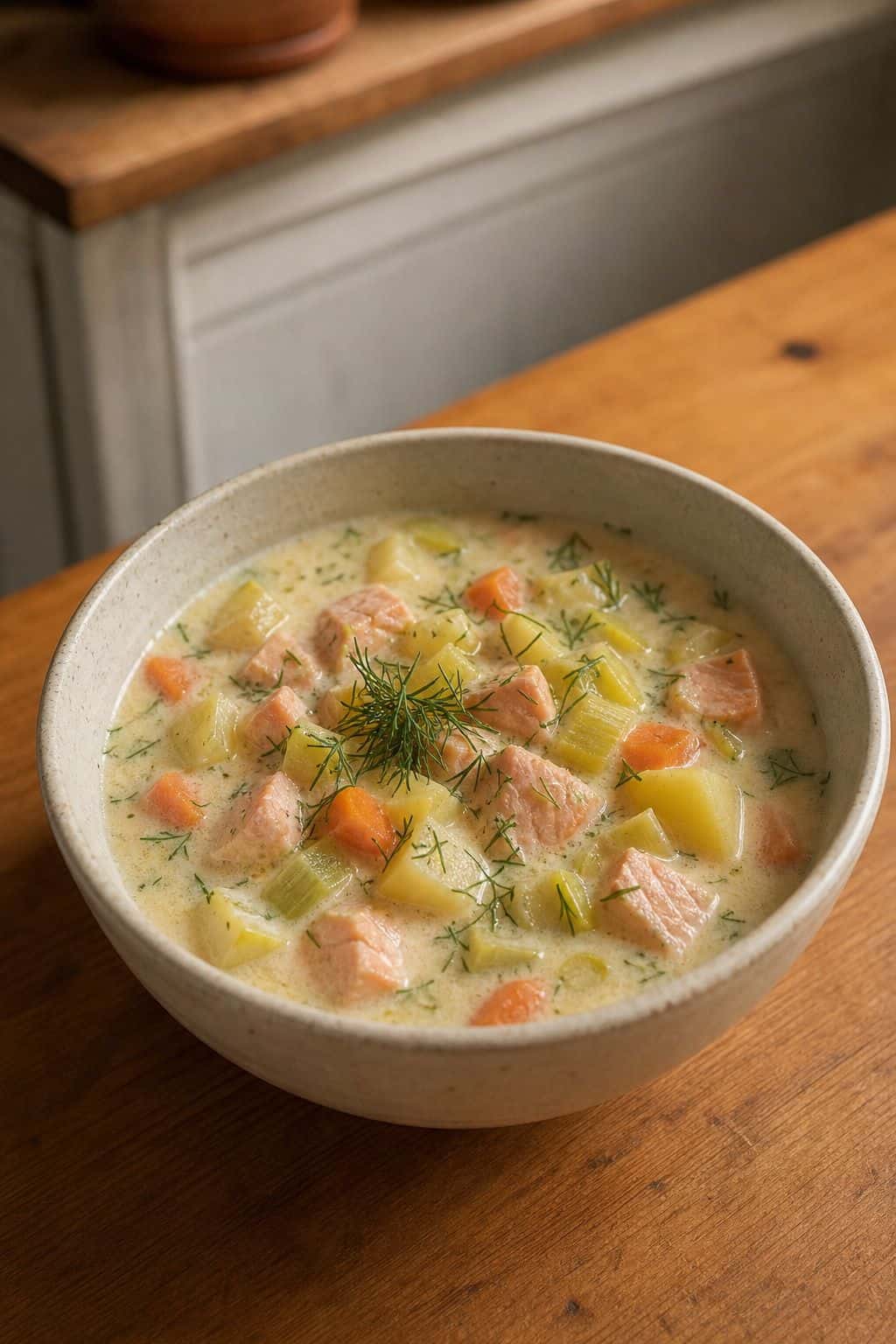
If I could only keep one Finnish soup, it would be lohikeitto. Leeks and carrots soften in butter, then waxy potatoes simmer in water or fish stock with a bay leaf, a few allspice berries and a bundle of dill stems for 12 to 15 minutes.
Only when the potatoes are tender do the cubes of salmon go in, with cream that’s at room temperature and plenty of chopped dill. Keep the heat gentle at this point and the salmon stays silky instead of going dry and chalky. A little white pepper finishes it. Serve it with dark rye bread and butter. The recipe is my lohikeitto.
2. Hernekeitto (Finnish Pea Soup)
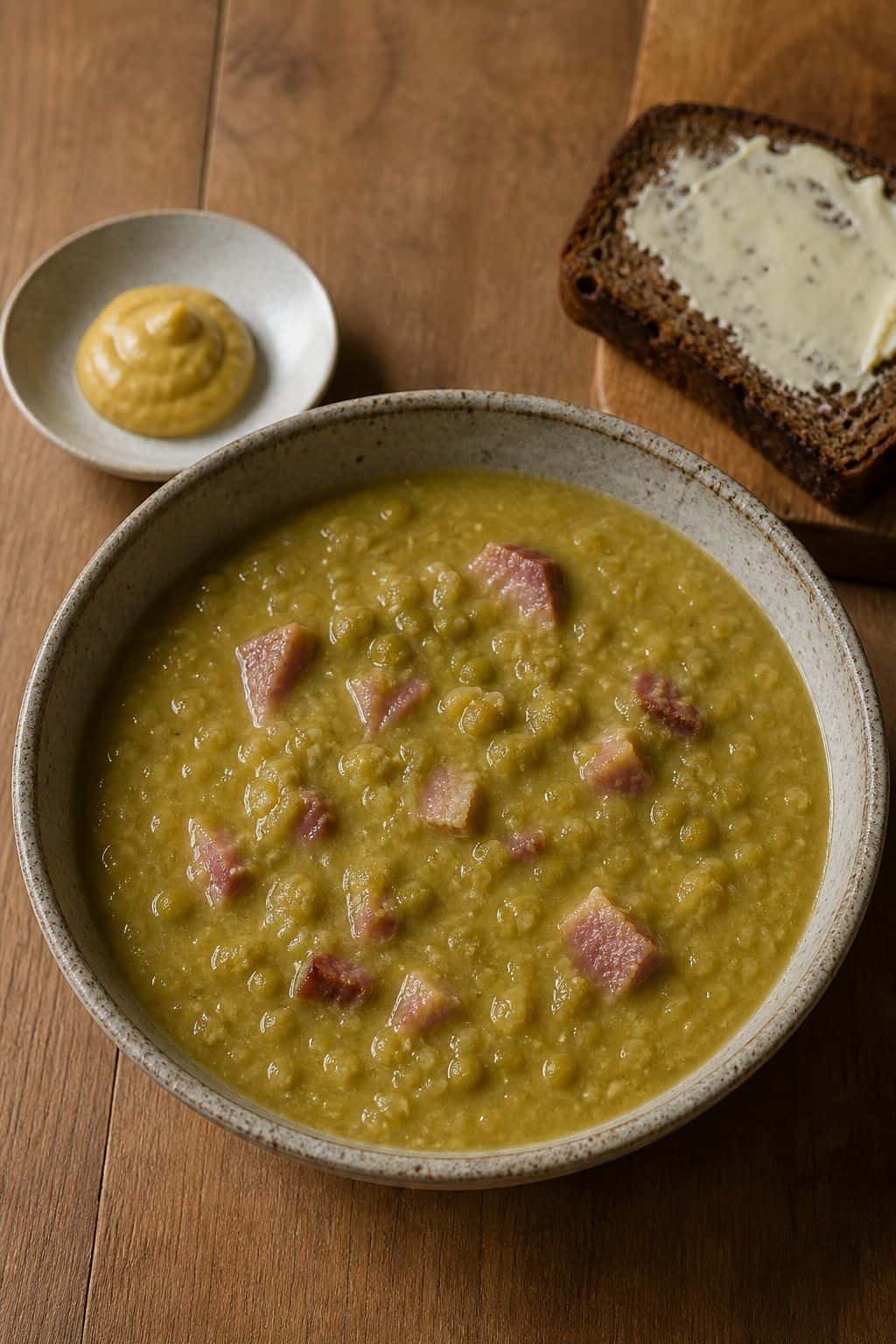
Ever heard of pea soup Thursday? In Finland, hernekeitto is the traditional Thursday lunch, usually followed by oven pancakes with jam, and it’s still on school and workplace menus every week. Dried peas soak overnight, then simmer for a long time with a smoked ham hock, a whole onion and a pinch of marjoram until they break down into a thick, creamy soup on their own. Skim the foam in the first ten minutes and the soup stays clean-tasting. The ham comes off the bone and goes back in at the end, and every bowl gets a spoon of strong mustard. Make my hernekeitto on a Thursday, obviously.
3. Nakkikeitto (Finnish Sausage Soup)

The simplest soup on this list, and every Finnish kid knows it. Here’s the whole thing:
- Simmer waxy potatoes, carrots and onion in water or light broth with bay leaves and white pepper for 20 to 25 minutes.
- Add sliced nakki sausages (hot dogs or Vienna sausages work) for the last 5 to 7 minutes.
- Finish with parsley and a spoon of sour cream if you want it creamier.
The broth is meant to be plain, so don’t fancy it up. Waxy potatoes keep it clear instead of cloudy. It’s cheap, it’s fast and it’s exactly what you want on a gray Tuesday. Get my nakkikeitto.
4. Kasviskaalikeitto (Finnish Cabbage Soup)
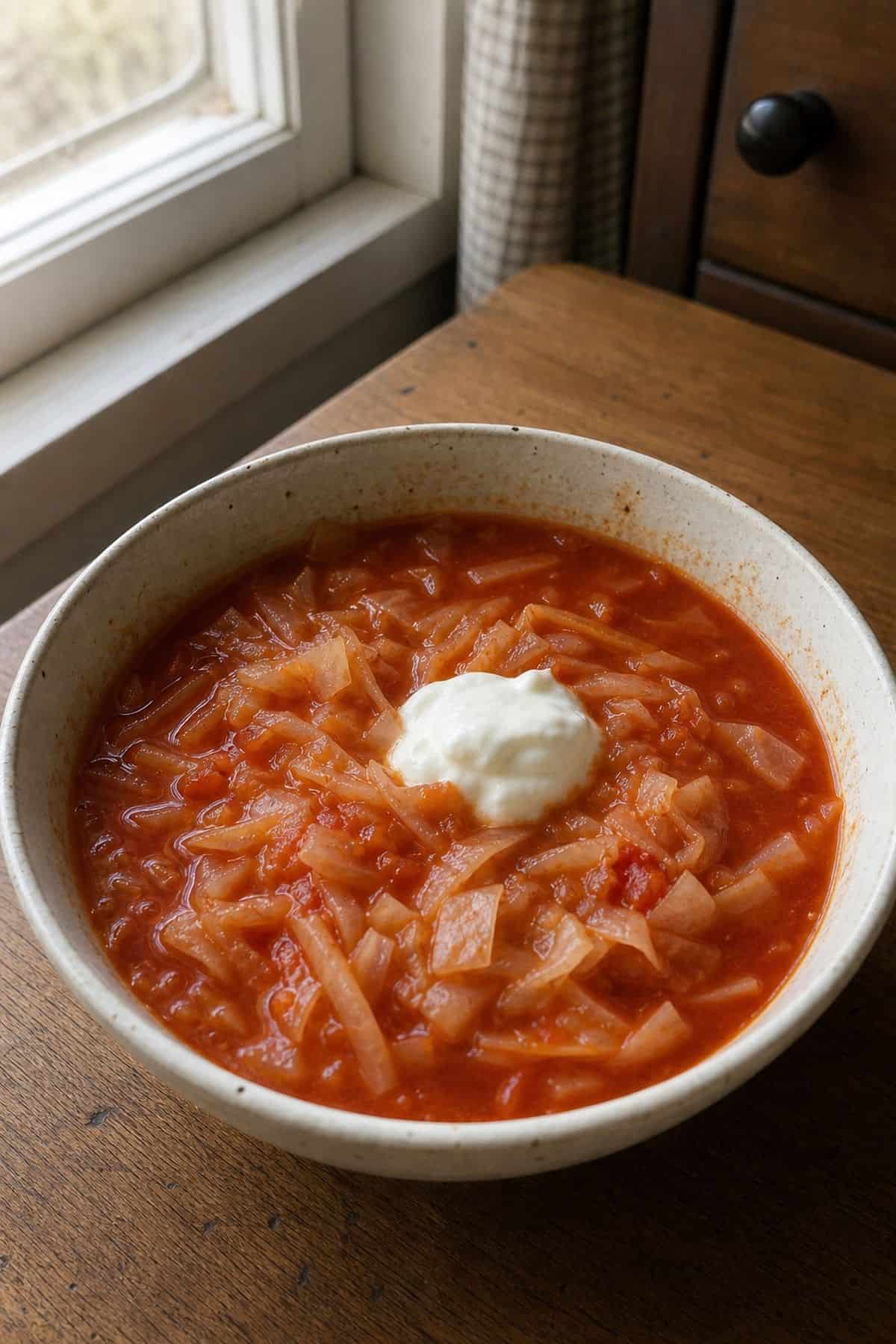
A cheap head of white cabbage turns into a whole pot of dinner here. The onion cooks slowly until it’s soft and lightly golden, which is where the sweetness comes from, then garlic, finely shredded cabbage and a bay leaf go in until the cabbage wilts. Tomato sauce, water and a vegetable bouillon cube simmer with it for 20 minutes. The Finnish touch is a few finely diced pickled cucumbers stirred in at the end, which gives it a little sour kick, and a spoon of sour cream on top. It’s meat-free and costs almost nothing. My Finnish cabbage soup has the method.
Which Soups Are Smooth and Creamy?
Blended soups that feel rich without being heavy. An immersion blender makes all three so much easier.
5. Leek and Potato Soup (No Cream)

How do you get it creamy without cream? Starchy Yukon Gold potatoes and a blender. Leeks and onion soften in olive oil, then the potatoes simmer in vegetable broth with a bay leaf and white pepper for 25 to 30 minutes until a cube collapses under a fork.
After blending, a spoonful of Greek yogurt goes in off the heat for a soft tang. Clean the leeks really well, because grit hides between the layers. And if there’s any left, serve it cold the next day, because that’s basically vichyssoise. Make my leek and potato soup.
6. Carrot and Ginger Soup

Roast the carrots first. That’s the one step that takes this from baby food to a proper soup. Carrots, onion and garlic go on a sheet pan at 425°F (220°C) for about 25 minutes without stirring, so the bottoms caramelize and brown, and then they go into a pot with stock, lots of fresh grated ginger, a little cumin and coriander. After blending, a splash of coconut milk makes it silky, and a squeeze of orange and lemon juice wakes everything up. It’s bright, warm and very good for a cold day when you’ve had enough of heavy food. The recipe is my carrot and ginger soup.
7. Butternut Squash Bisque
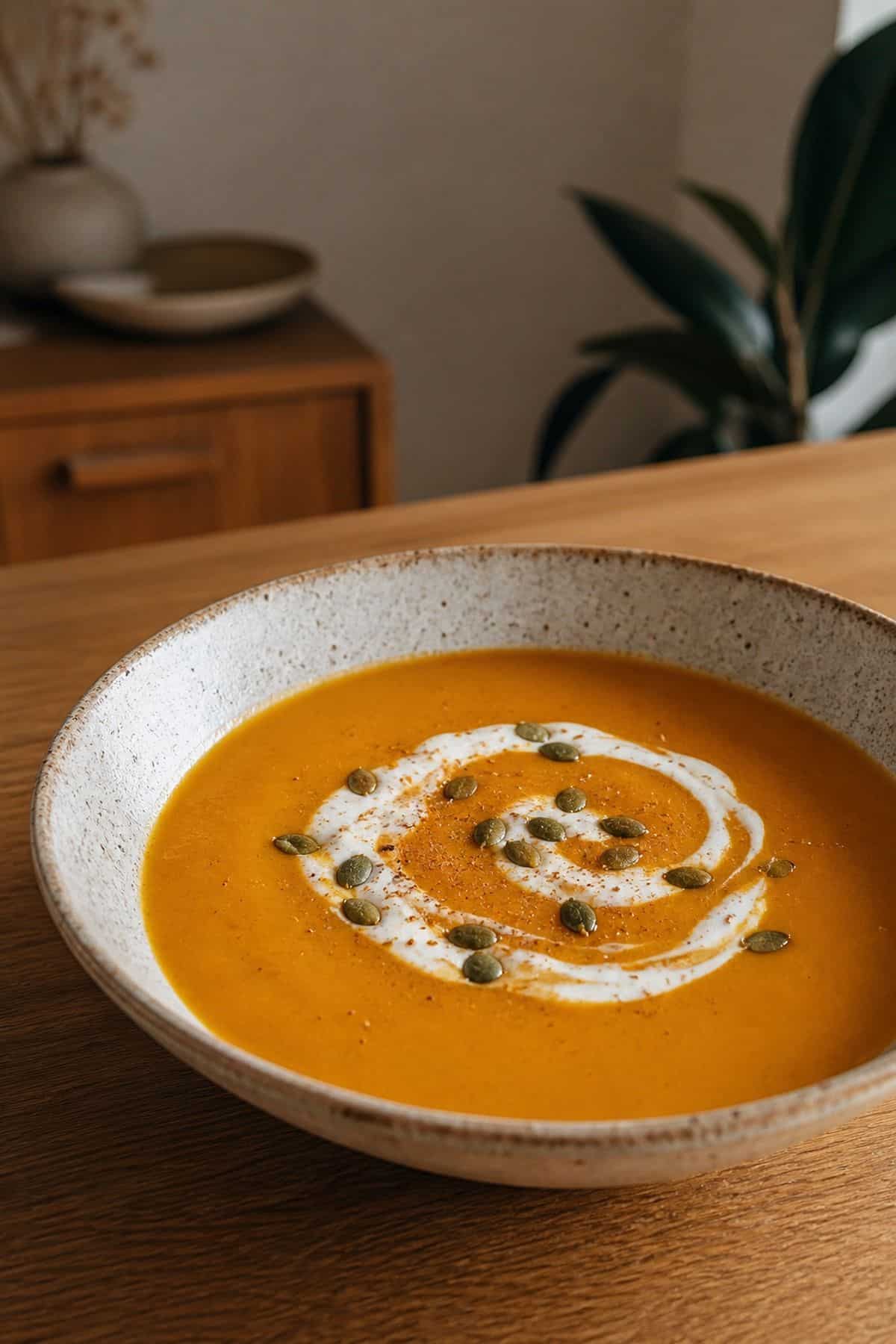
The richest of the three, and the one for when you have guests.
- Halve the squash and roast it cut-side down at 425°F (220°C), so the flesh steams and sweetens.
- Soften onion, smashed garlic and fresh ginger, then add the scooped squash and stock and simmer.
- Blend smooth, then finish with cream, a few cubes of cold butter and a little nutmeg.
That cold butter at the end is a chef trick that gives the bisque its glossy, velvety finish. Top it with toasted pumpkin seeds and a spoon of crème fraîche. Find it in my butternut squash bisque.
Which Classic Soups Warm You Up Fastest?
The ones you make when someone has a cold, or when you’re the one with the cold.
8. Homemade Chicken Noodle Soup
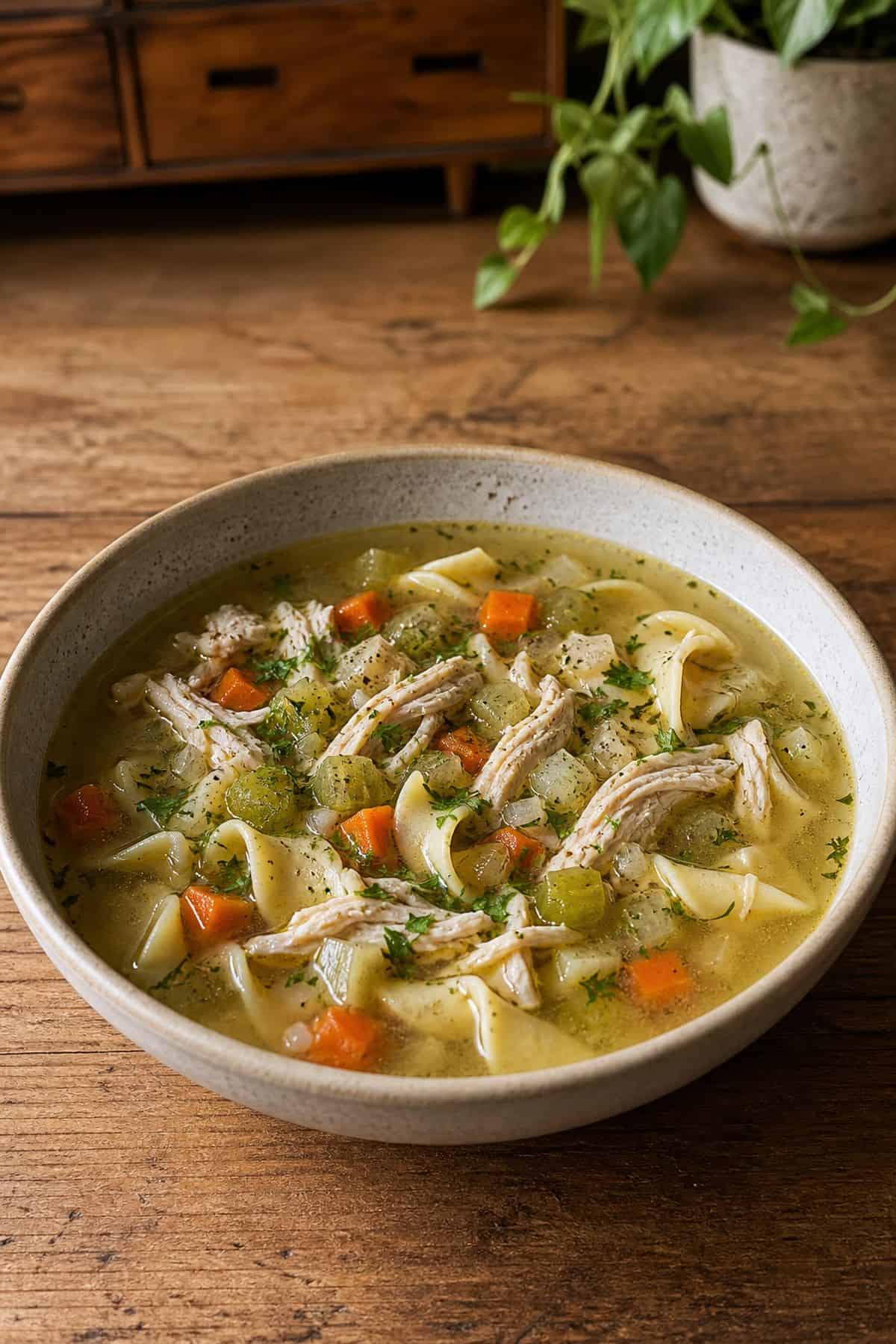
This one starts with real stock, and that’s what makes it worth making. A whole chicken simmers in cold water with onion (skin on, for color), carrots, celery, garlic, parsley stems, bay leaves and peppercorns, and you get both the stock and the meat out of it.
Then the soup is quick: butter, diced onion, carrots and celery, the strained stock, wide egg noodles and the shredded chicken. Fresh dill, parsley and a squeeze of lemon at the end make it taste bright instead of flat. Make the stock a day ahead and the soup takes 20 minutes. Here’s my homemade chicken noodle soup.
9. Tomato Chicken and Dumpling Soup

This isn’t the creamy Southern chicken and dumplings. It’s a tomato and smoked paprika broth with fluffy dumplings on top, a bit like something you’d get in Central Europe. Bone-in chicken thighs simmer with onion, carrot, celery, crushed tomatoes and broth, and the paprika gets a quick 30-second bloom in the fat first so it tastes deep instead of dusty. The dumpling batter is flour, baking powder, melted butter and buttermilk, mixed only until it comes together, like muffins. Drop it on a soup that’s actually simmering, put the lid on and don’t peek. My tomato chicken and dumpling soup has the details.
Which Soups Bring the Heat From Asia?
Spicy, sour and full of flavor. Two Korean, two Filipino classics and one Thai-style lentil soup.
10. Vegan Thai Curried Lentil Soup
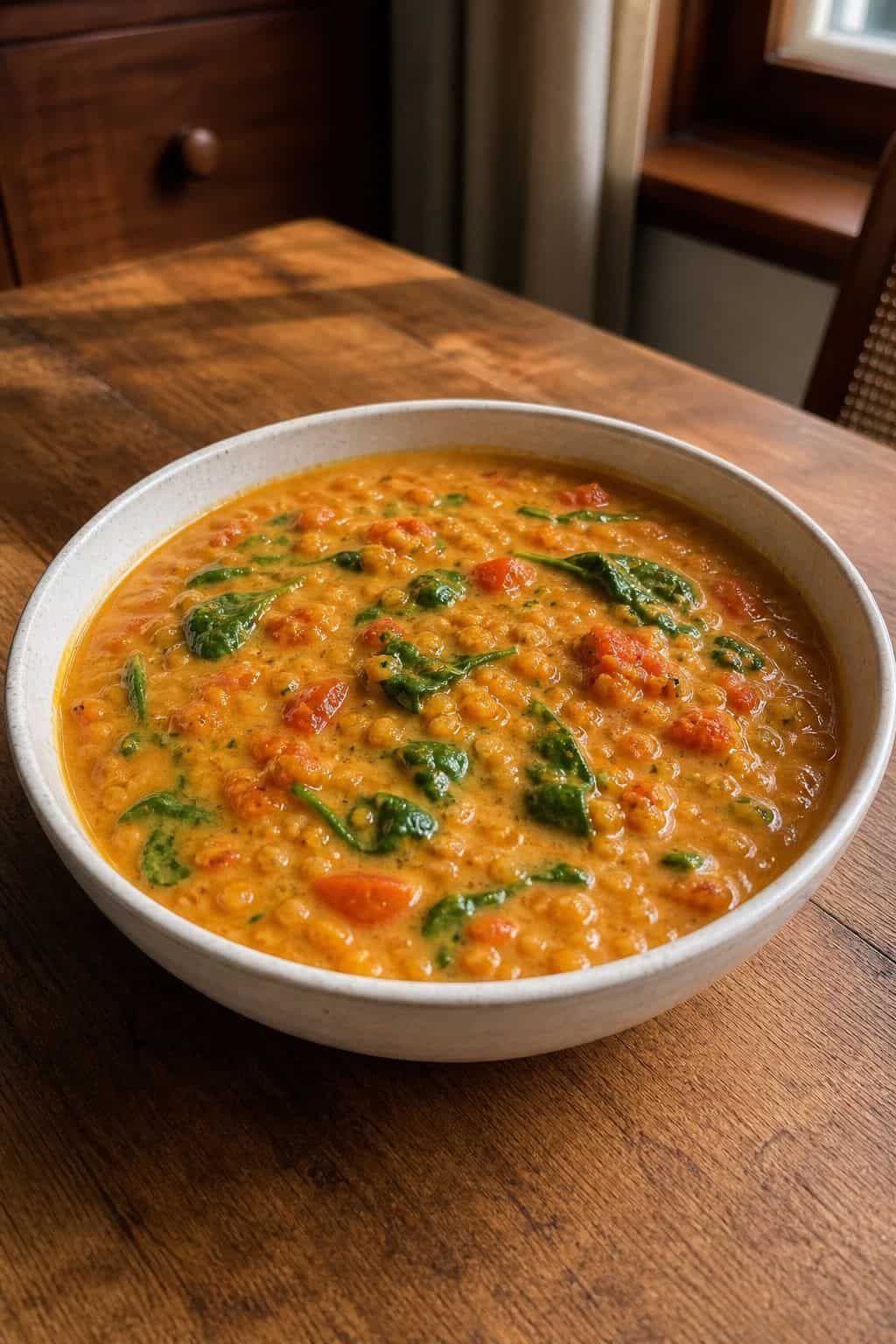
Red lentils cook down fast, so this is on the table quickly. Shallot, garlic and ginger soften first, then Thai red curry paste, fresh tomatoes and tomato paste go in, followed by the lentils, water and coconut milk.
A splash of soy sauce adds savory depth, lime juice at the end keeps it fresh, and spinach wilts in right before serving. If you’re cooking it fully vegan, read the curry paste label, because some brands contain fish sauce or shrimp paste. It’s filling, cheap and one of the best healthy soup recipes for a weeknight. The recipe is my Thai curried lentil soup.
11. Gochujang Soup
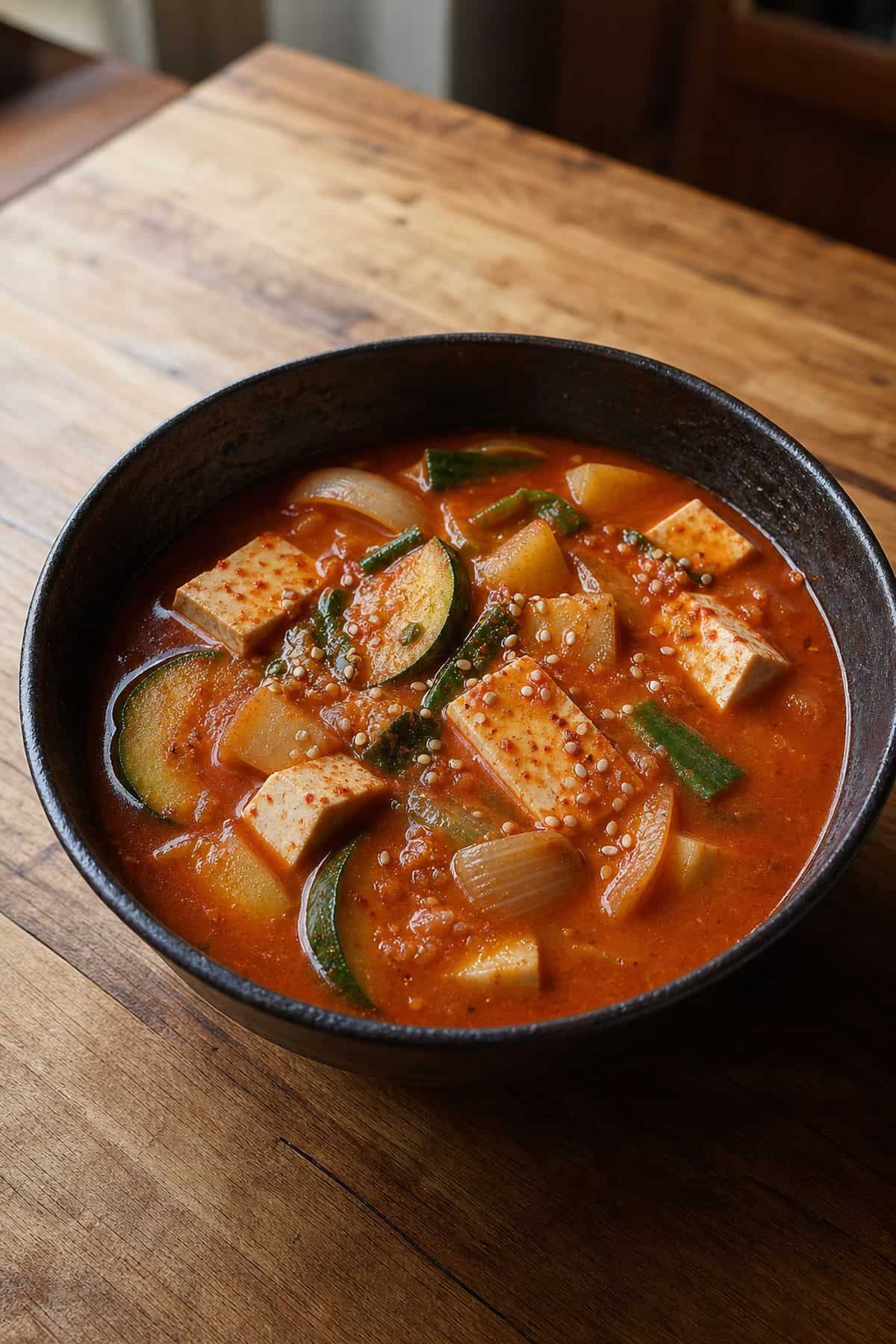
A spicy Korean soup that’s ready in about 30 minutes. The broth starts with dried anchovies and a piece of kombu, which sounds intense but gives a deep, savory flavor that isn’t fishy at all (pull the heads and guts off the anchovies, or it turns bitter). Gochujang and gochugaru bloom with garlic for the heat, then potato, onion, zucchini and firm tofu simmer in the red broth until the potato is tender. Silken tofu falls apart here, so buy firm. For a vegan version, skip the anchovies and use kombu and mushrooms. Make my gochujang soup when you need warming up.
12. Kimchi Jjigae
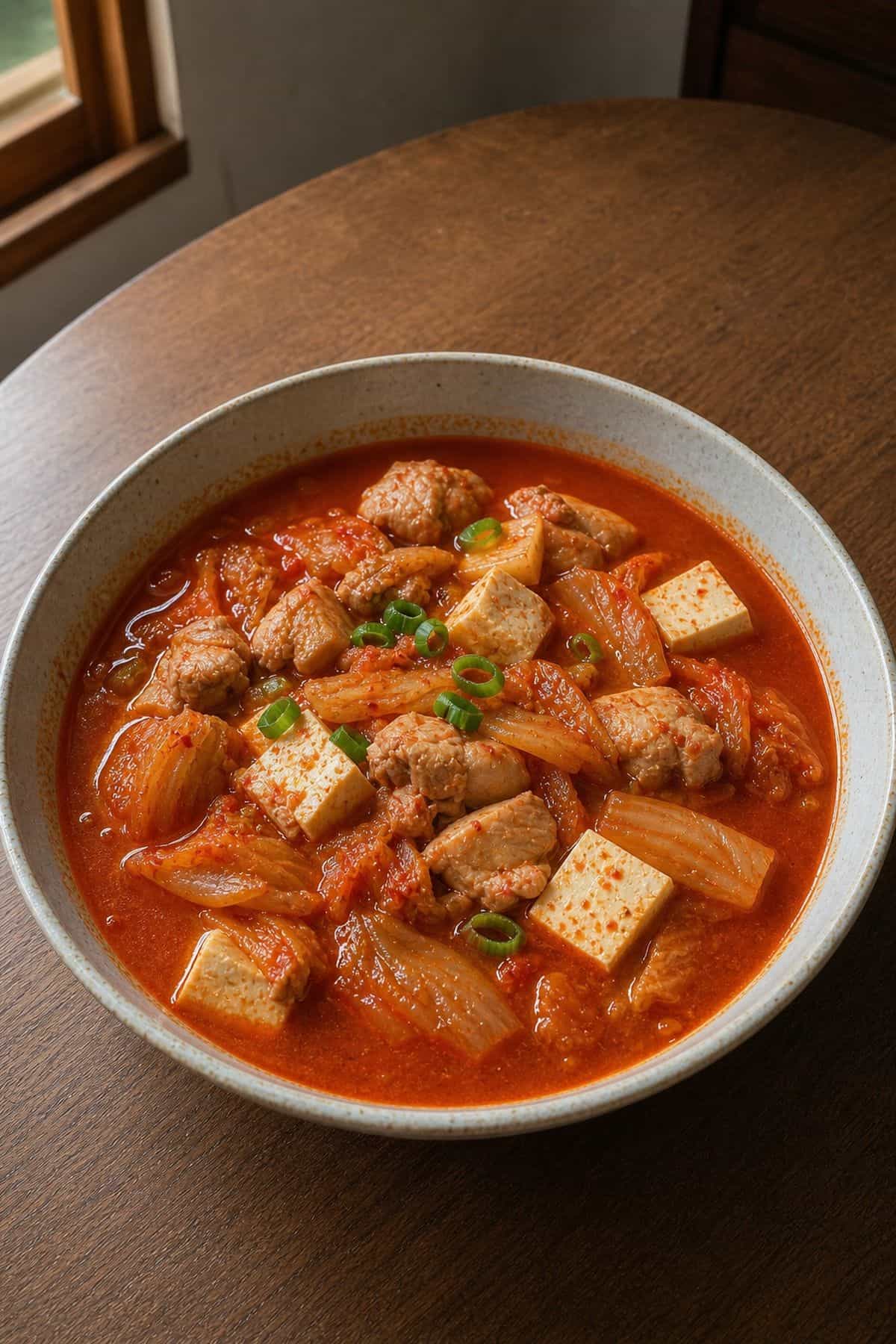
Old, sour kimchi is the secret, so this is the best way to use up a jar that’s been in the fridge too long. What matters:
- Use well-fermented kimchi plus a couple of spoons of its brine.
- Let the kimchi fry and catch on the pan for 2 to 3 minutes before the broth goes in, which makes it taste slow-cooked.
- Add the tofu near the end so it stays in neat cubes.
This version uses chicken thighs instead of pork belly, with gochugaru, gochujang, sesame oil, a little soy and sugar to balance the sour. Serve it bubbling with rice. Here’s my kimchi jjigae.
13. Pork Sinigang
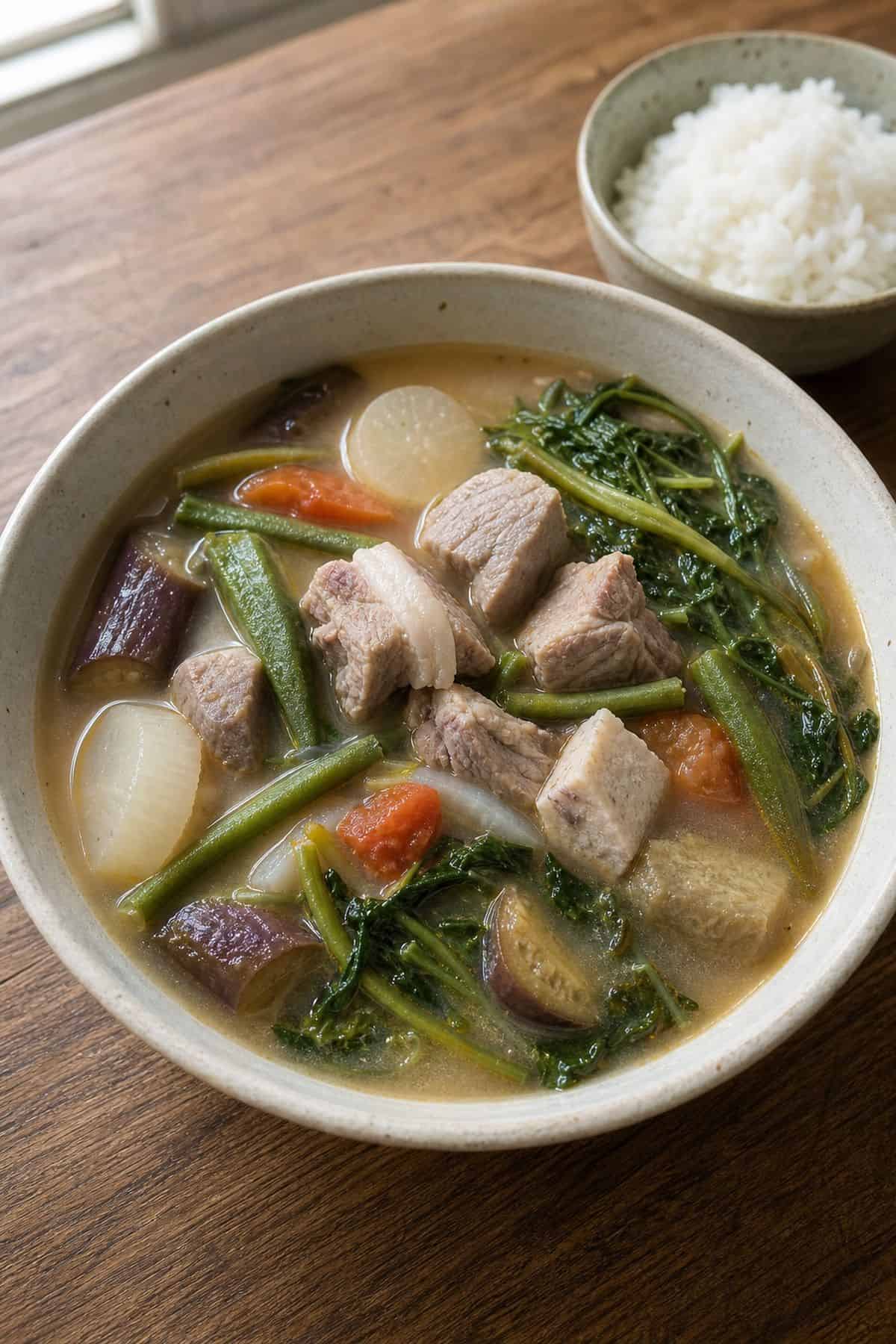
Sinigang is the sour soup every Filipino family argues about, and the one Filipinos abroad seem to crave most when it’s cold outside. Pork shoulder or belly gets boiled first and that water is poured away, so the broth stays clean, then it simmers with onion, tomatoes and taro, which melts and thickens the broth.
Tamarind (or a packet of sinigang mix) brings the sourness and fish sauce the salt. The vegetables go in by how long they take: daikon, then eggplant and string beans, then okra for two minutes, and kangkong or spinach right at the end. Rice on the side, always, and a little dish of fish sauce with chili for anyone who wants it saltier. The sourness should make your mouth pucker a bit on the first spoon; if it doesn’t, add more tamarind. Sinigang mix is completely normal in Filipino kitchens, so don’t feel bad using it. My pork sinigang has the full order.
14. Monggo Guisado

Monggo is the cheap, cozy mung bean stew Filipinos eat on Fridays, and my version is vegetarian. The mung beans simmer until soft while you make the guisa, the sautéed base where all the flavor comes from: lots of garlic, onion, then tomatoes cooked down until they collapse into a chunky sauce. Soy sauce seasons it (use fish sauce if you don’t need it vegetarian), the beans and their liquid go in, and spinach or other greens wilt in for the last two minutes. Loosen it with water if it gets too thick, because it thickens as it sits. The recipe is my monggo guisado.
Which Stews Are Thick Enough to Eat With a Fork?
Barely soup at all. These are proper stews, the kind you eat out of a bowl with bread or rice on the side.
15. Gochujang Stew
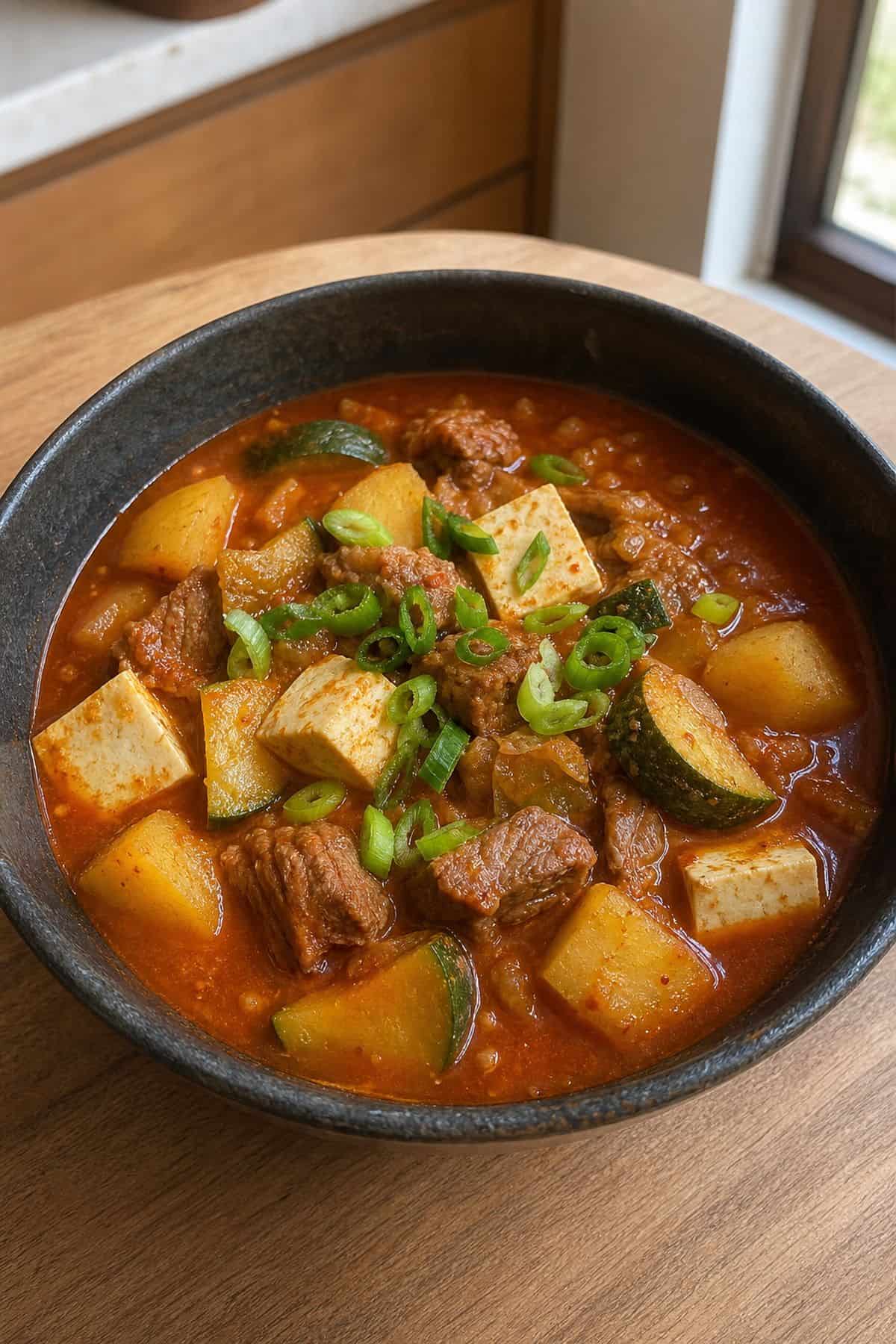
Thicker and heartier than the gochujang soup above, and ready in about 40 minutes. Cubed pork shoulder (or ground beef) browns in a little oil, then onion, garlic and ginger, and then the gochujang and gochugaru get a short bloom in the fat, which is the step that gives the stew its deep color and flavor.
Potatoes go in next and get coated in the chili paste before the stock, soy sauce and a little sugar. It simmers uncovered for 20 minutes so it reduces and thickens, then zucchini and silken tofu go in at the end. Scallions and a few drops of sesame oil finish it. Find it in my gochujang stew.
16. Chorizo and Lentil Stew
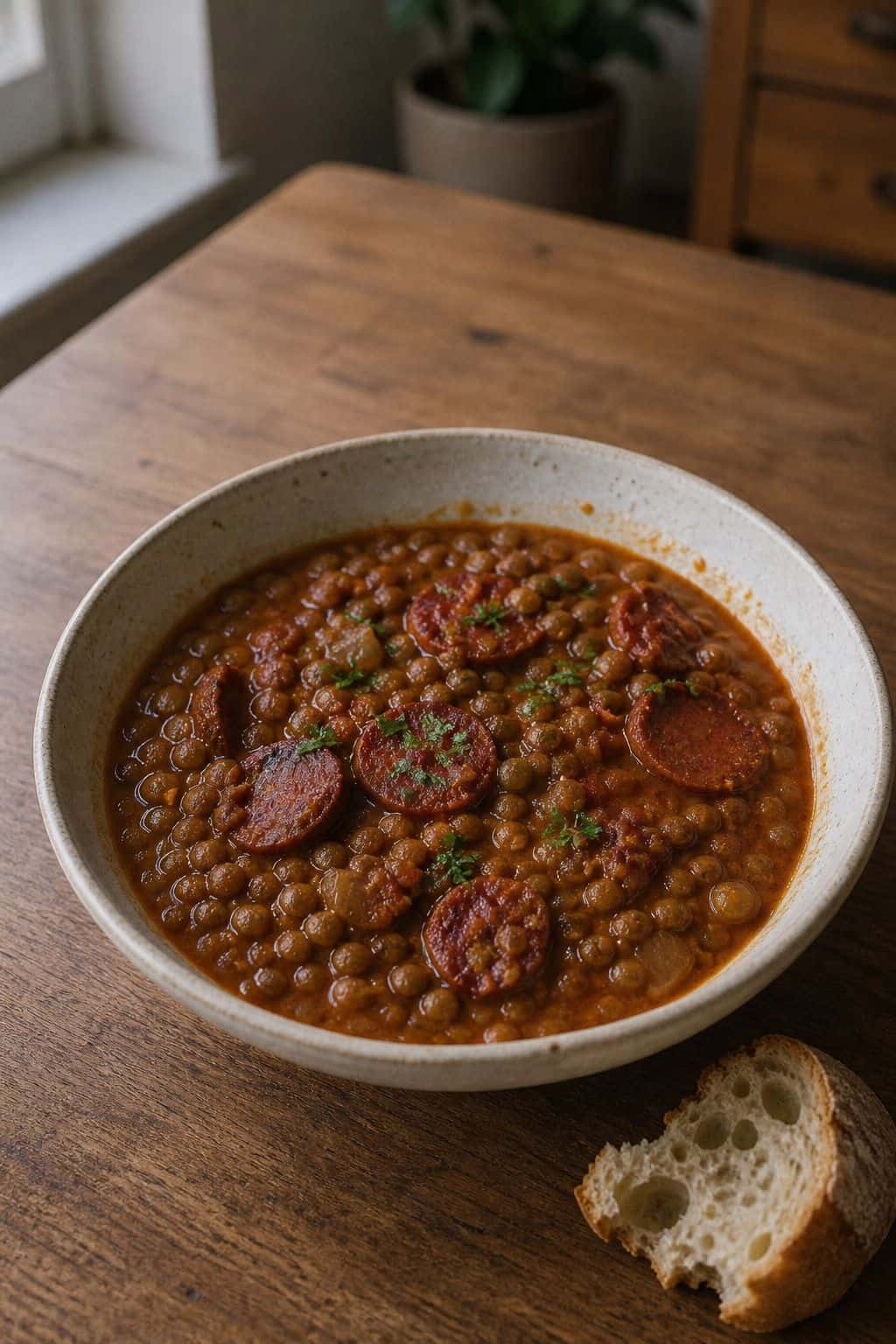
The stew in the big photo up top, and maybe the easiest one here. Fresh chorizo rounds fry until their red, paprika-spiked fat runs out, and then the onion cooks right in that fat, so the whole pot tastes like chorizo. Garlic, tomato paste, smoked paprika and cumin go in for two minutes, followed by chopped tomatoes, broth, a bay leaf and green or brown lentils, which simmer until tender and thick. Use fresh chorizo or cured, not both, because cured makes it greasy. Serve it with parsley and crusty bread. Here’s my chorizo and lentil stew.
17. Old-Fashioned Beef Stew
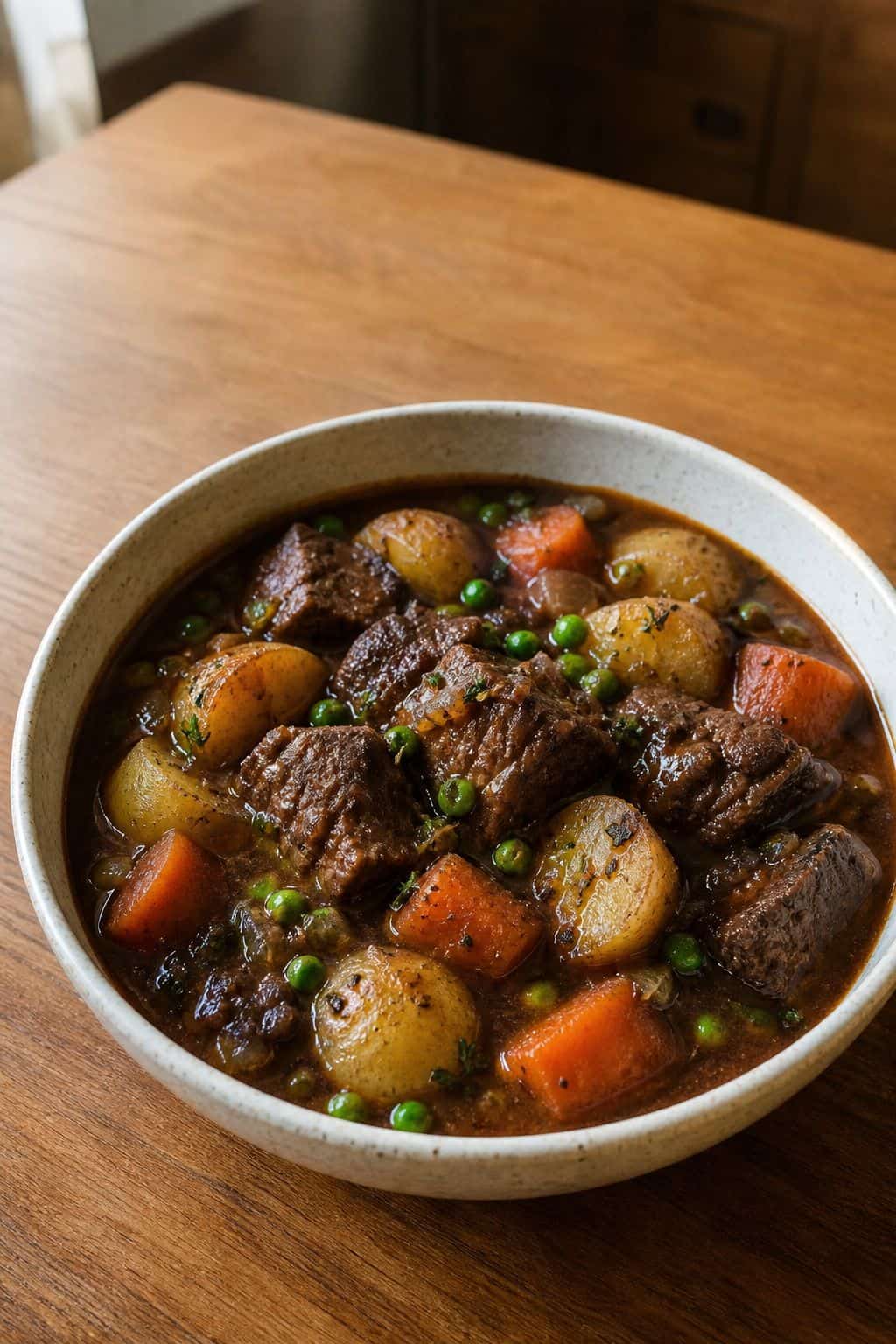
Which wine goes in beef stew? A dry red you’d actually drink, like a Cabernet, Merlot or Côtes-du-Rhône, because it reduces and everything about it gets stronger, including the bad parts.
The other little detail that makes a big difference: cook the tomato paste with the garlic for two to three minutes, stirring the whole time, until it turns brick red and smells nutty. Then the wine and beef stock go in with chuck roast, herbs and Worcestershire, and it braises slowly in the oven. Make it a day ahead if you can, since the flavor gets deeper overnight. The recipe is my old-fashioned beef stew.
18. Vegetarian Chili
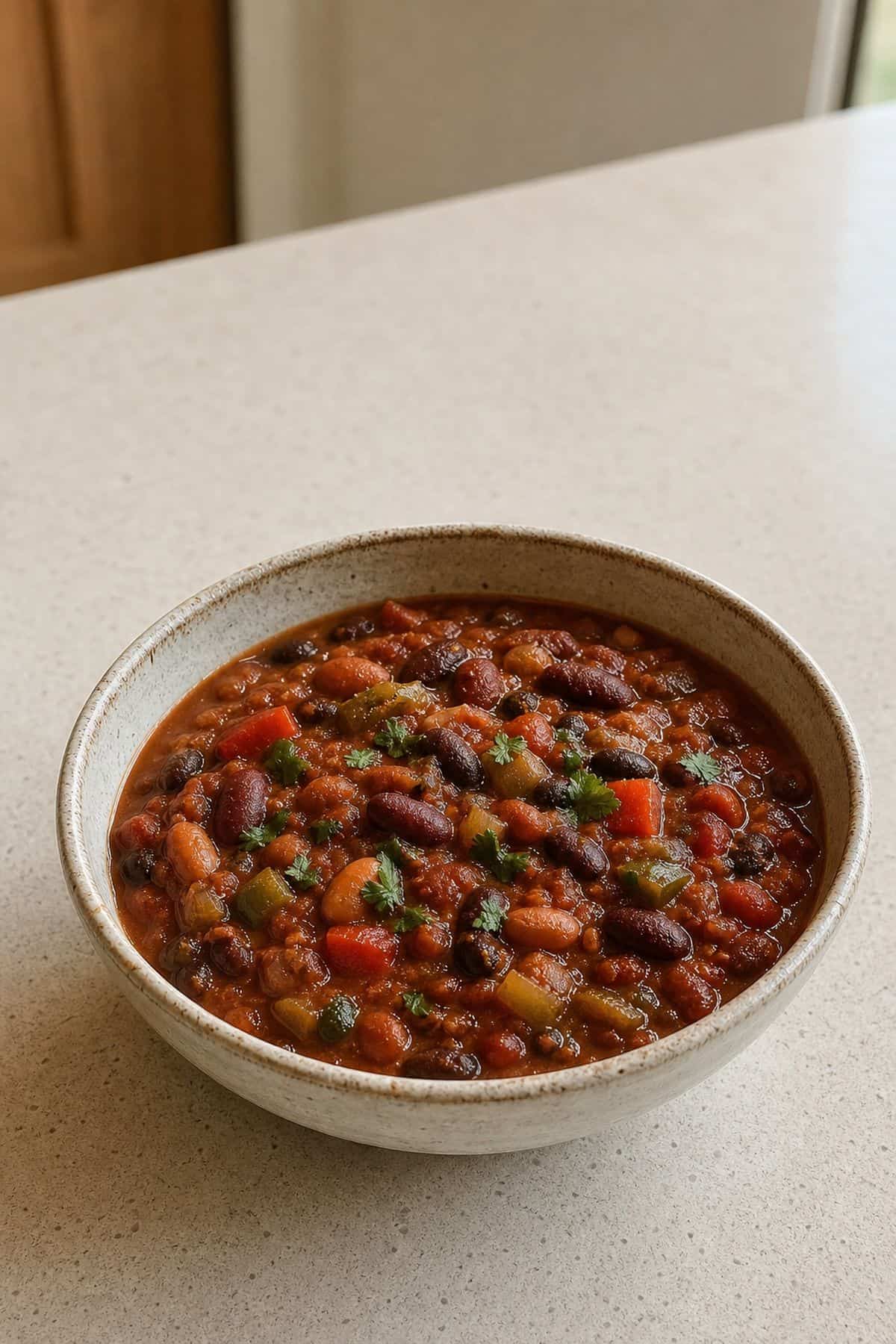
Three kinds of beans (kidney, black and pinto) make this chili thick and filling, and nobody misses the meat. Onion, both red and green bell peppers and a jalapeño soften in olive oil, then tomato paste, chili powder, cumin, smoked paprika and oregano cook for a minute before crushed tomatoes and broth go in. The secret is the umami stack: a spoon of soy sauce and a teaspoon of cocoa powder, which make it taste deep and almost meaty. Lime juice and cilantro go in at the end. It freezes perfectly. Make my vegetarian chili in a big batch.
Which Soups Freeze Well and Which Don’t?
Brothy and bean-based soups freeze best. Chili, chorizo and lentil stew, monggo, Thai lentil soup, chicken noodle broth and beef stew all freeze for a few months in airtight containers.
Cream and potatoes are the problem. Cream can split when it thaws, and potatoes go grainy and spongy, so for lohikeitto, leek and potato soup or the bisque, freeze the base without the cream and add it when you reheat. Freeze noodles and dumplings separately too, or cook them fresh, because they turn mushy in the freezer.
What Are the Best Healthy Soup Recipes?
The lightest ones on this list are the broth- and vegetable-heavy ones. These are my picks when I want something warm and light:
- Kasviskaalikeitto, for a cheap, meat-free cabbage and tomato soup.
- Leek and potato soup made with yogurt instead of cream.
- Thai curried lentil soup, with plenty of protein from the lentils.
- Carrot and ginger soup, finished with just a splash of coconut milk.
Easy Soup Recipes FAQ
What is the easiest soup to make?
Nakkikeitto and Finnish cabbage soup are two of the easiest. Both use cheap ingredients, one pot and about 30 minutes, with no blending or browning needed.
Which soups freeze well?
Bean and lentil soups, chili, beef stew and brothy soups freeze very well. Soups with cream or potatoes are better frozen without the cream, which you add when reheating.
How do you thicken a soup without flour?
Blend part of the soup, simmer it uncovered so it reduces, or add starchy ingredients like potatoes, lentils or taro, which break down and thicken the broth naturally.
What is a good vegetarian soup for winter?
Vegetarian chili, monggo guisado, Thai curried lentil soup and Finnish cabbage soup are all filling meat-free choices. Use vegetable broth and check curry paste labels for fish sauce.
How long does homemade soup keep in the fridge?
Most homemade soups keep for 3 to 4 days in a covered container in the fridge. Cool them quickly and reheat until steaming hot all the way through.
Key Takeaways
- Pick a soup by the texture you’re craving.
- Finnish soups are light, simple and cheap.
- Roasting vegetables first gives blended soups more depth.
- Sour kimchi and tamarind bring big flavor to spicy soups.
- Freeze cream and potato soups without the cream.
- Make a big pot, since most soups taste better the next day.
Start With the Lohikeitto
If you only make one soup from this list this winter, make the lohikeitto. It takes about 40 minutes, it feels fancy, and it’s the soup that every visitor to Finland asks about after trying it at a lunch buffet.
And if you want something more filling to go with all this soup, my comfort food dinners are sorted by how much time you have.
For more cold-weather cooking, my easy winter recipes and Korean recipes are a good next stop.
Last update on 2026-11-18 / Affiliate links / Images from Amazon Product Advertising API