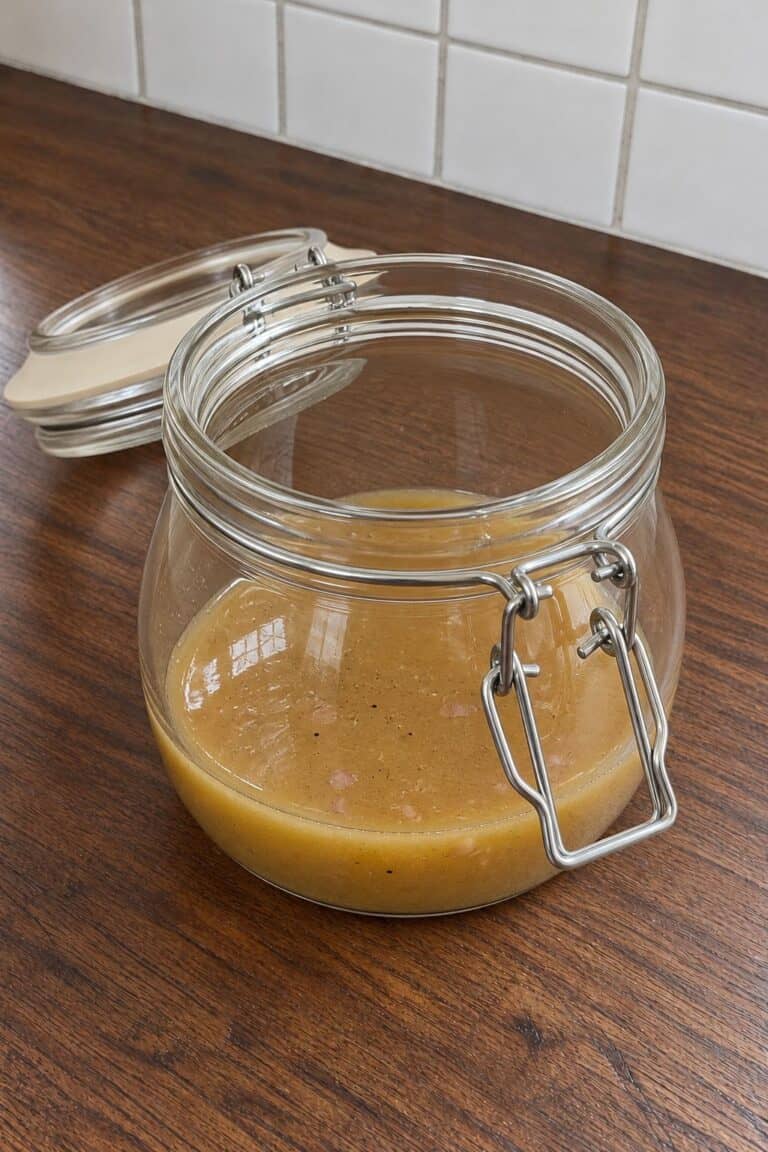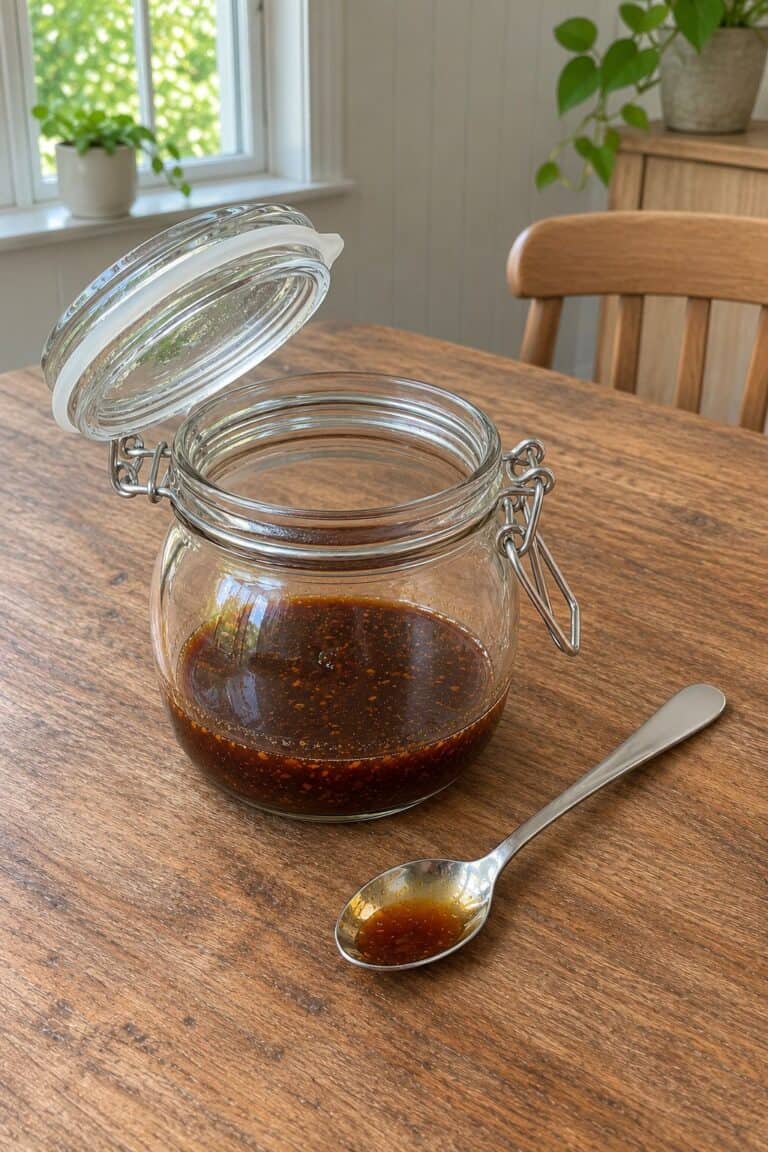
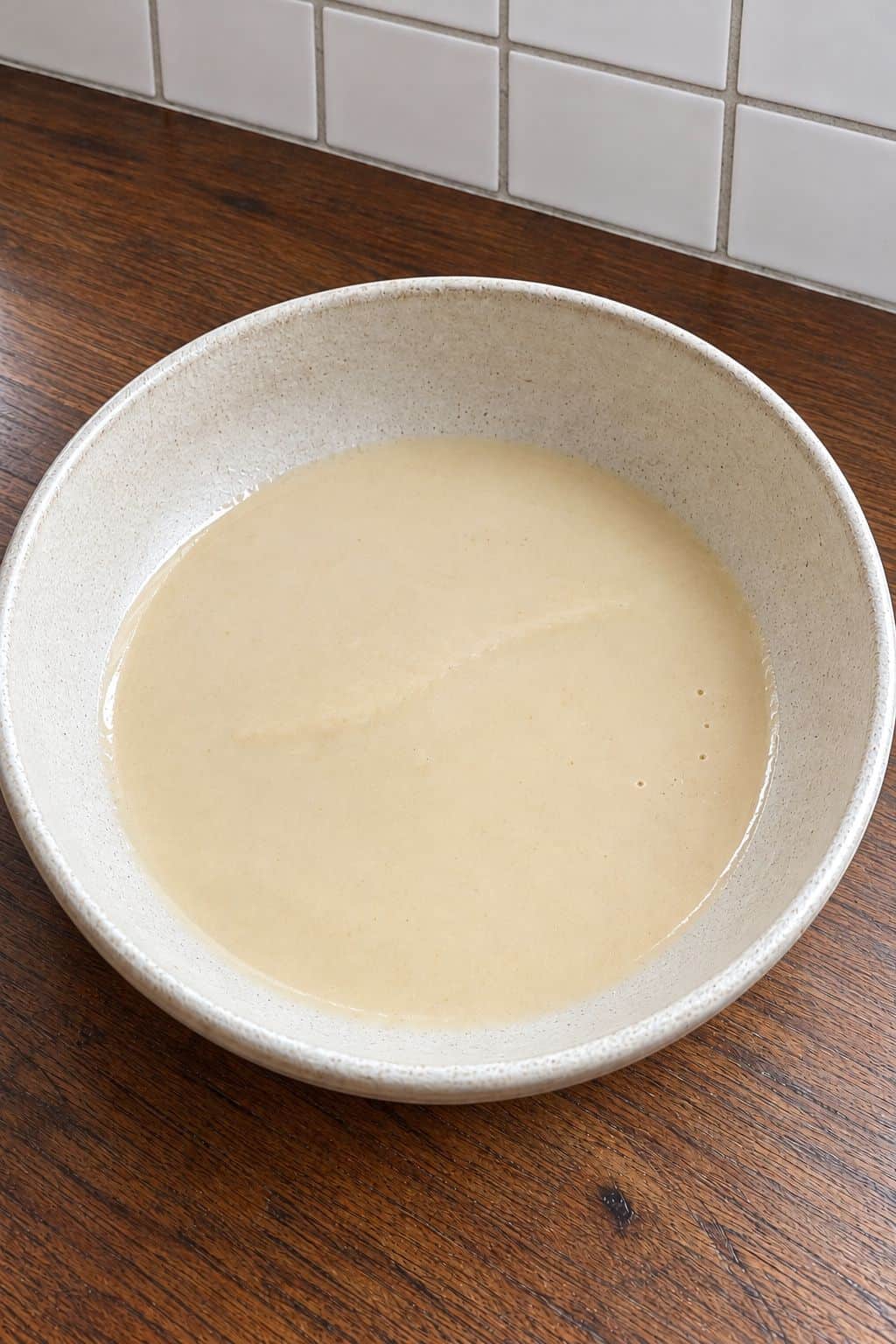
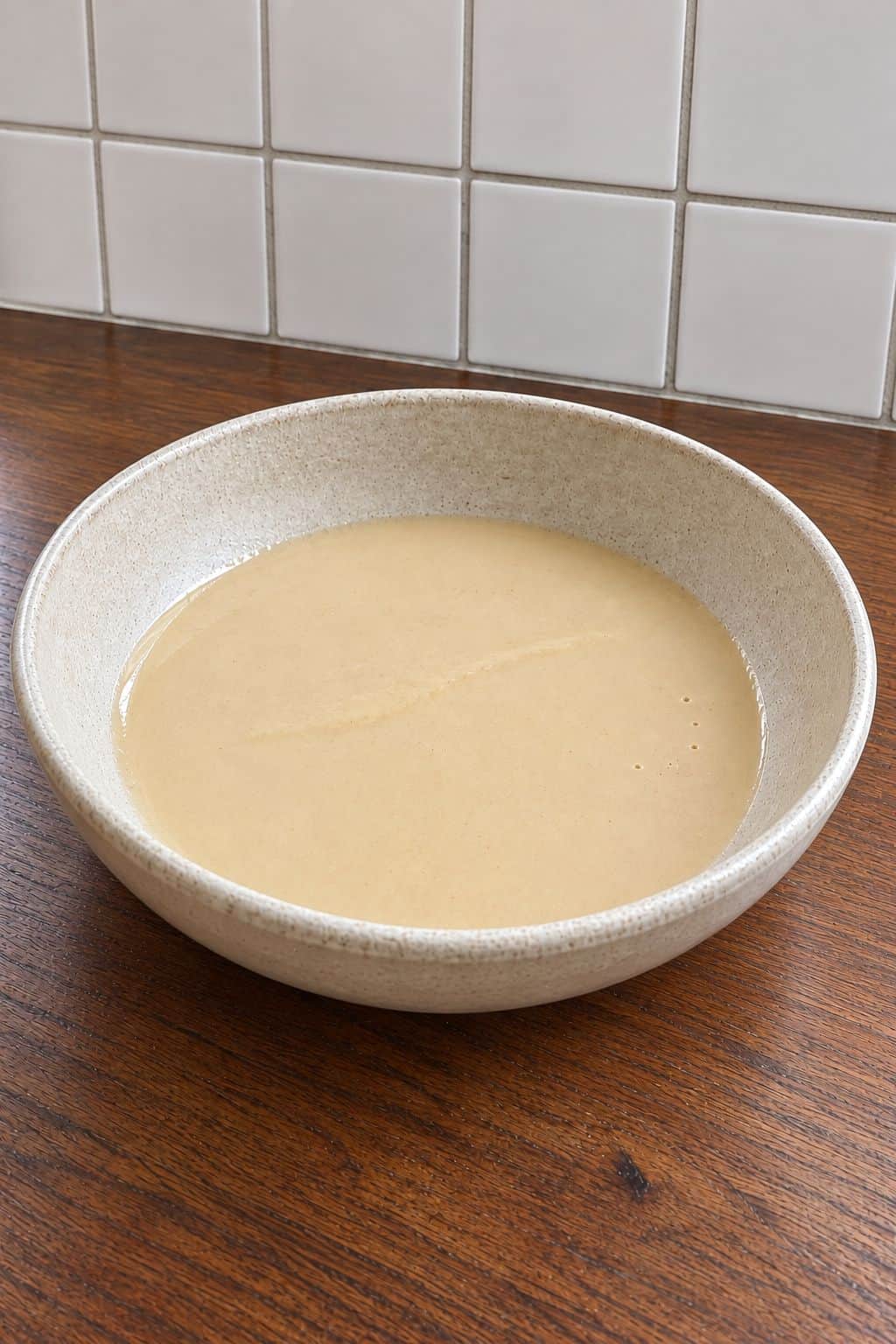
Grate 2 garlic cloves into 3 tbsp lemon juice with 1 tsp salt and let it sit for 10 minutes. Whisk in 3/4 cup tahini, which will seize into a stiff paste, then beat in ice water 1 tablespoon at a time until the sauce turns smooth and pourable. You end up with about 1 cup.
Every tahini sauce goes through an ugly phase. The lemon hits the sesame paste and the whole bowl tightens into something that looks like wet cement, and that is the moment most people decide they have ruined it.
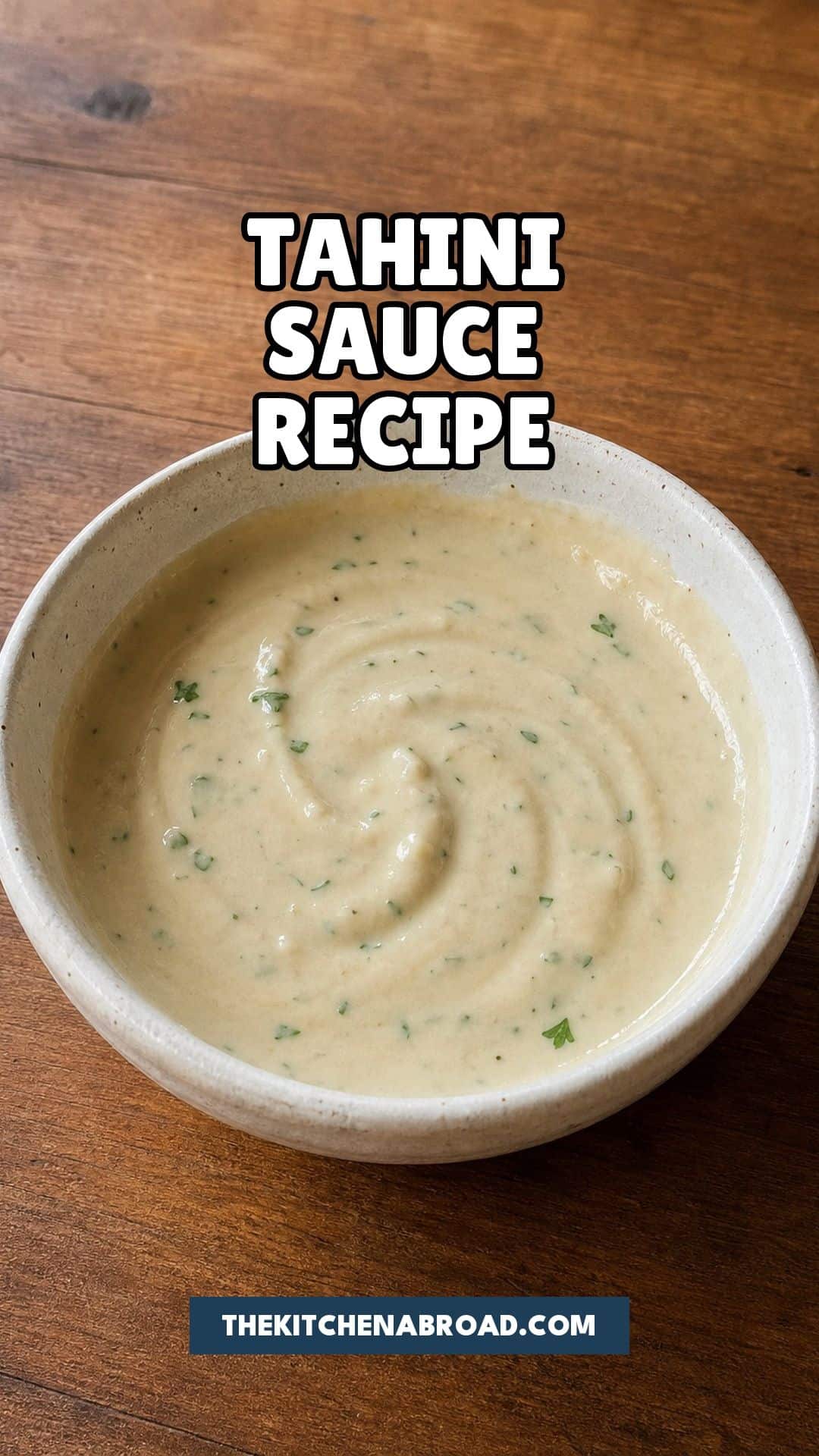
They have not. Learning how to make tahini sauce comes down to one move: keep whisking and add cold water a spoonful at a time until the paste lets go. Five minutes of actual work and you have a lemon-garlic sauce for falafel, grain bowls, roast vegetables and pretty much anything off a grill.



Why tahini seizes, and why water fixes it
Tahini is sesame seeds ground so finely that the solids sit suspended in their own oil. Add a small amount of watery liquid, like lemon juice, and the sesame solids grab it immediately. With so little liquid to go around, they clump together and the mix stiffens.
Add more water and the solids have enough to spread through. The oil breaks into tiny droplets inside that water, and you get a creamy emulsion, a bit like mayonnaise. That is the turn you are waiting for. In my experience it usually happens after the fourth or fifth tablespoon, and it happens suddenly: one second it is paste, the next it is cream.
So two rules. Never dump all the water in at once, or you get a lumpy, uneven sauce. And never try to rescue the seized paste with more lemon juice, because extra acid only makes it sour while it stays thick.
The 10-minute garlic soak
Raw garlic in a cold sauce can taste harsh, and tahini is mild enough that it gets bullied. The fix is simple. Grate the garlic on a microplane straight into the lemon juice with the salt, then leave it alone for 10 minutes while you get everything else out.
The lemon takes the sharp edge off the garlic and the salt fully dissolves, so you are not chasing gritty pockets of salt later. Grating matters too. A microplane turns the clove into a fine purée that disappears into the sauce, while chopped or pressed garlic leaves bits you bite into. If you want to know more about how garlic behaves raw versus cooked, this guide on what garlic is and how to swap it covers it.
Skip the soak and the sauce still works. It will just have more of a garlic punch.
How to choose a good tahini
The jar decides most of the result. Look for a label that lists only sesame seeds. Good tahini is runny at room temperature, pours almost like honey and tastes nutty with only a slight bitterness.
Tahini made from hulled seeds is smoother and milder, which is what you want here. Unhulled tahini is darker and more bitter and works better in baking or dressings where other strong flavors are in play.
Avoid a jar where the oil has separated into a thick layer with a hard brick of sesame underneath. That one is old, it will taste stale, and you will never get it fully mixed again. With a fresh jar, stir well before measuring, because the oil always rises a little.
Sesame is now one of the nine major allergens on US food labels, according to the FDA food allergy page, so it is worth a mention if you are putting this out for guests.
How thick should tahini sauce be?
That depends on what it is for, and you control it entirely with the water.
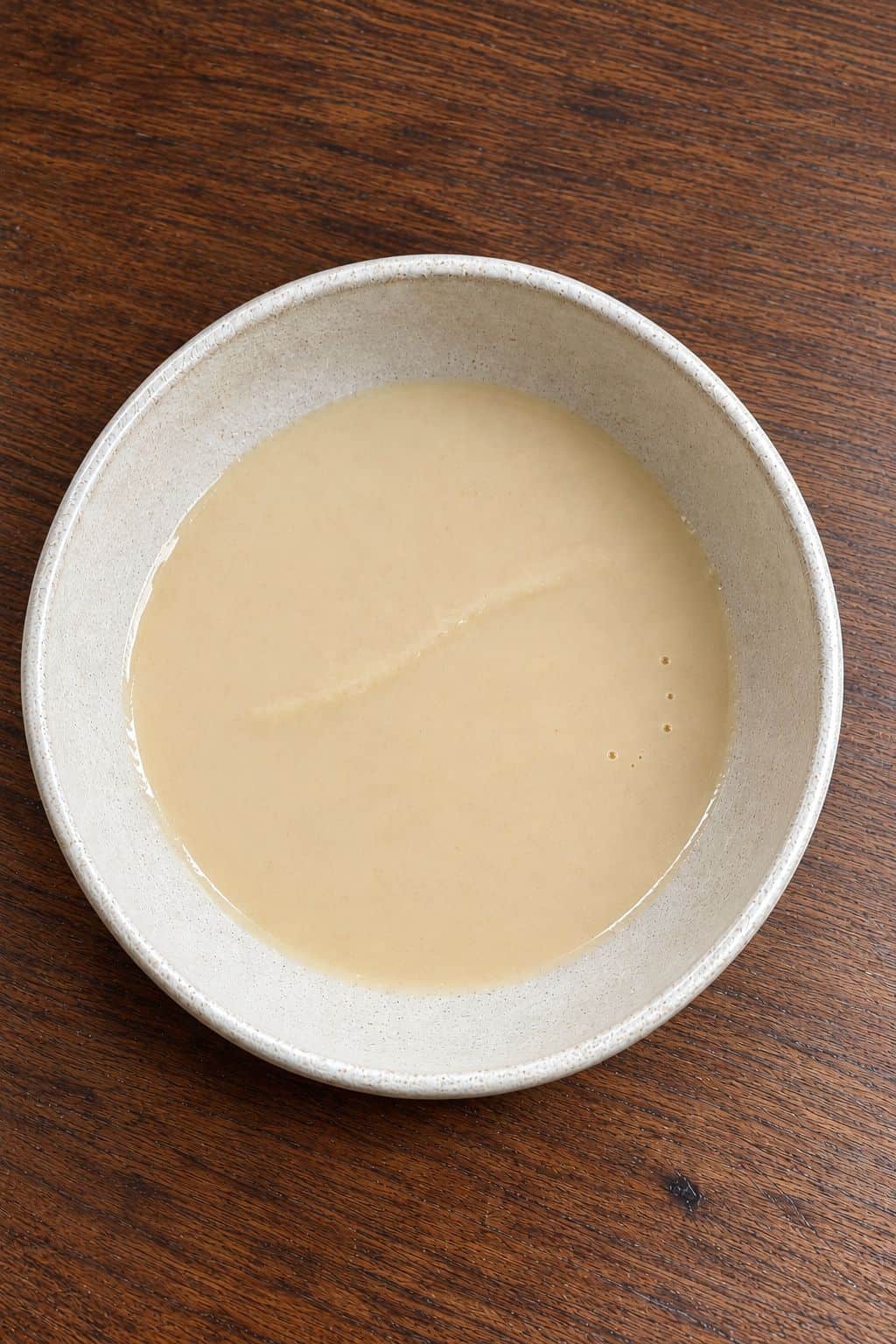
For a thick sauce to scoop up with pita, stop at 3 to 4 tablespoons of water. For a drizzle over roasted carrots, cauliflower or grilled chicken, go to 5 or 6. For a thin salad dressing, keep going to 7 or 8 tablespoons.
One catch: the sauce thickens as it chills. If you are making it ahead, stop slightly thinner than you want it on the plate.
Variations worth making
Harissa tahini: whisk in 1 teaspoon of harissa, or 1/4 teaspoon of cayenne if that is what you have. Great on roasted sweet potatoes.
Green tahini: blend the finished sauce with a small handful of parsley and cilantro plus an extra squeeze of lemon. It turns bright green and tastes grassy and fresh.
Roasted garlic: use 2 roasted cloves instead of raw and skip the soak. The sauce goes sweeter and rounder.
Date-sweetened: soak 2 dates in hot water for 15 minutes, then blend them in. This one leans toward dessert, so try it on fruit or yogurt. If you like tahini on the sweet side, this tahini hot chocolate is another way to use up the jar.
Recipe: lemon garlic tahini sauce
Prep time: 5 minutes active, plus a 10-minute garlic soak. Cook time: none. Total time: 15 minutes. Yield: about 1 cup (235 ml).
Ingredients
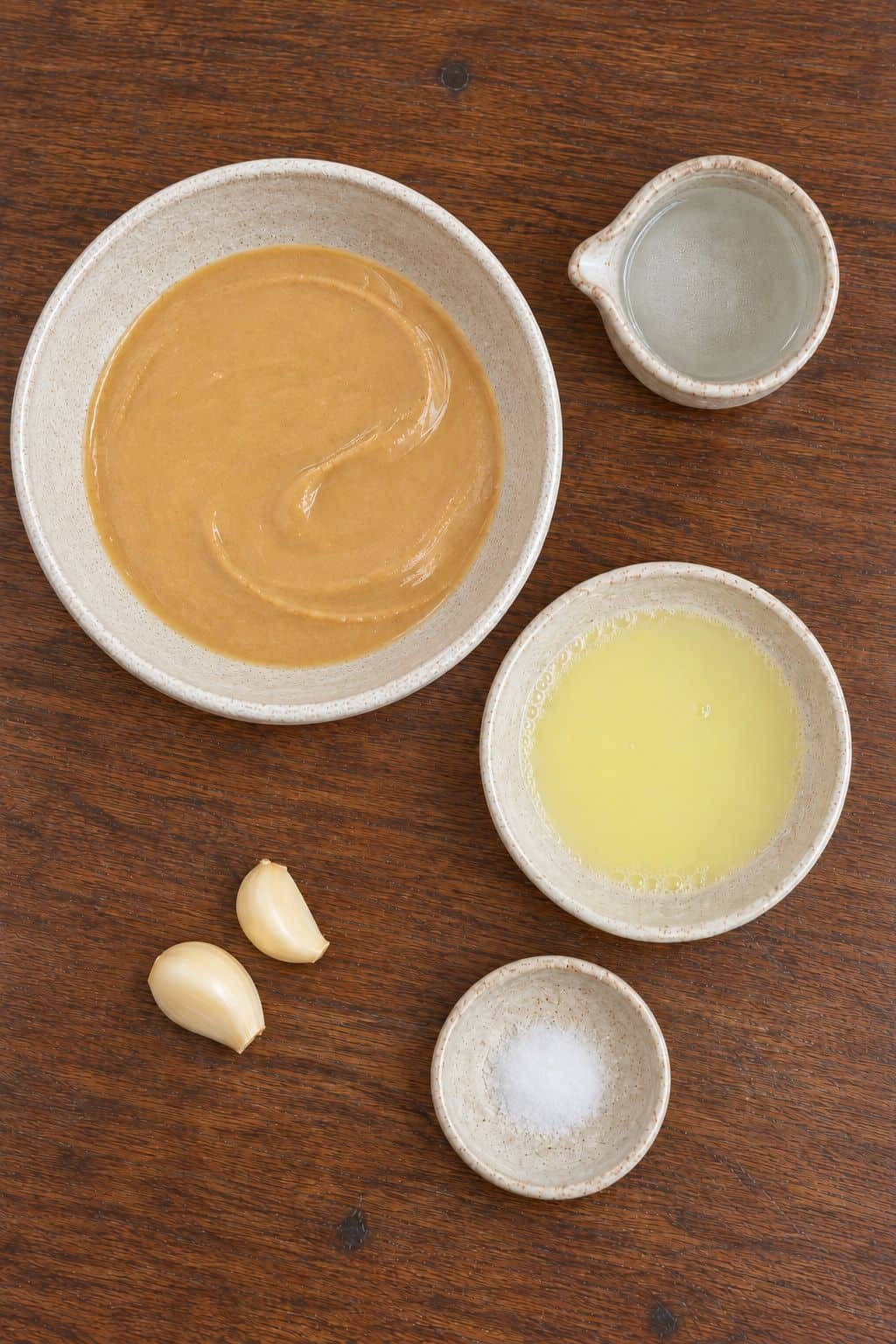
- 2 garlic cloves, finely grated on a microplane
- 45 ml (3 tbsp) fresh lemon juice, from about 2 medium lemons
- 1 tsp fine sea salt
- 180 ml (3/4 cup) tahini, well stirred
- 60 to 120 ml (1/4 to 1/2 cup) ice water, plus more as needed
- 1/4 tsp ground cumin (optional)
- 1 tbsp chopped parsley (optional)
Instructions
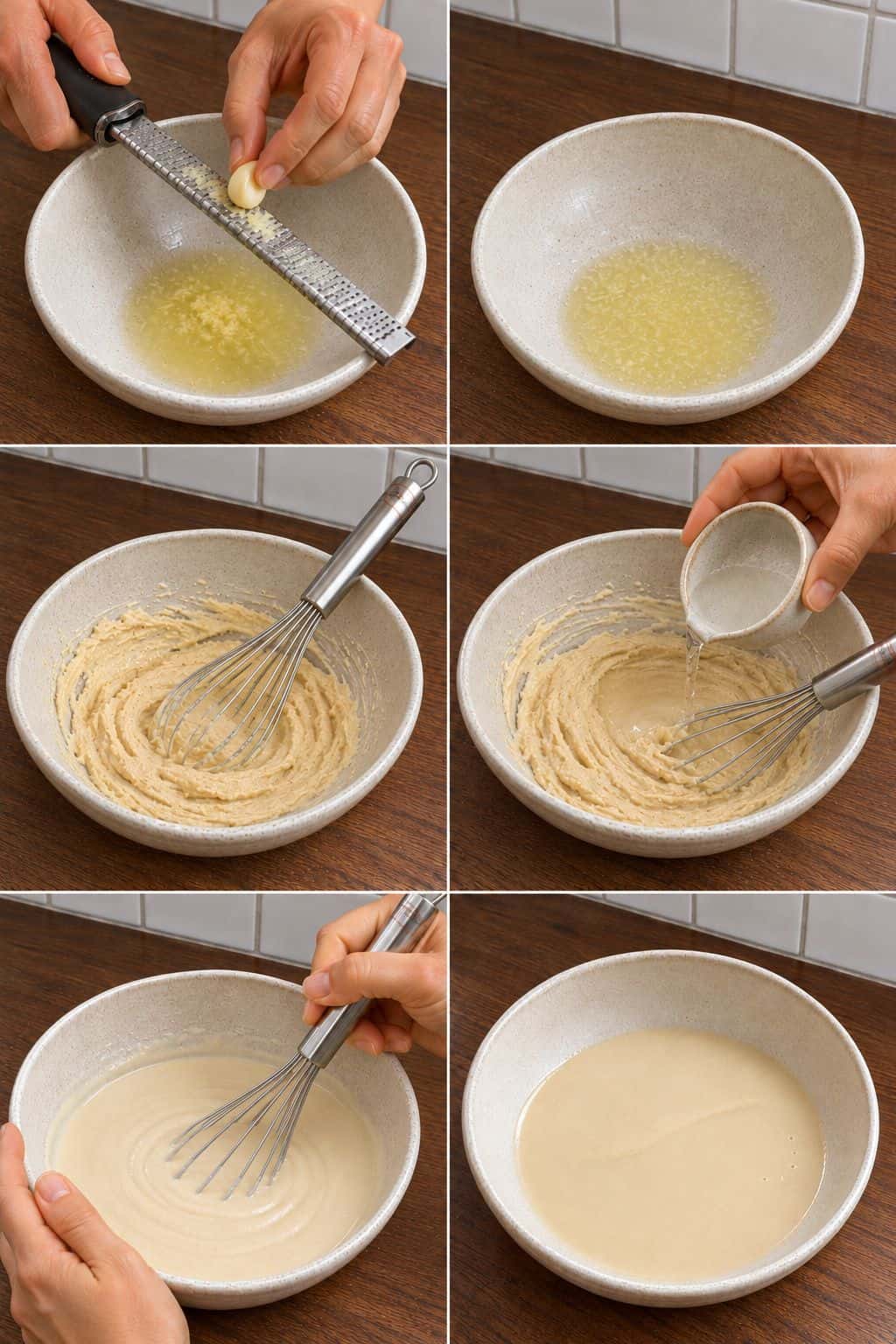
- Put the grated garlic, lemon juice and salt in a medium bowl and stir. Leave for 10 minutes.
- Add the tahini and whisk hard. The mixture will tighten into a stiff, pale paste.
- Add 1 tablespoon of ice water and whisk for about 15 seconds, until it is fully absorbed.
- Keep adding ice water 1 tablespoon at a time, whisking after each. After 4 to 6 tablespoons the paste will suddenly loosen into a smooth, creamy sauce.
- Stop when it reaches the thickness you want: thick for dipping, medium for drizzling, thin for dressing.
- Whisk in the cumin if using. Taste and add more salt, or a squeeze of lemon if it tastes flat.
- Stir in the parsley if using, then serve or transfer to a sealed jar.
Notes
Bottled lemon juice tastes flat and slightly bitter here, so squeeze fresh. Store in a sealed glass jar in the fridge for up to 5 days. Loosen with 1 to 2 teaspoons of warm water or let it come to room temperature for 20 minutes before serving.
Where to use it this week
A jar in the fridge does a lot of work. Spoon it over falafel or shawarma, drizzle it over a tray of roasted vegetables, or thin it down for a grain bowl dressing. It is excellent on these roasted baby cauliflower, where the charred edges soak it up.
It also earns its place on a shared table. Put out a bowl next to warm pita, hummus and raw vegetables and people help themselves.
For the paste itself, see what tahini is, or the best tahini alternatives if you can’t find it.
Tahini sauce FAQ
Why did my tahini sauce turn thick and clumpy?
Because tahini always seizes when it first meets lemon juice, and the fix is more water, not more lemon. Whisk in ice water 1 tablespoon at a time. Somewhere between 4 and 6 tablespoons the paste gives way and turns smooth.
How long does homemade tahini sauce last?
Tahini sauce keeps for 5 days in a sealed jar in the fridge. It thickens as it chills, so let it sit out for 20 minutes or stir in 1 to 2 teaspoons of warm water before serving.
Can I freeze tahini sauce?
Freezing is not recommended, because the emulsion breaks as it thaws. Since the sauce takes only a few minutes to make, a fresh batch is the better option.
Can I make tahini sauce without garlic?
Yes, leave the garlic out and you get a cleaner, nuttier sauce that suits sweeter dishes. Keep the lemon soak step anyway, with just the salt, so the salt dissolves before the tahini goes in.
Is tahini sauce vegan and gluten-free?
Yes, this tahini sauce is naturally vegan, dairy-free and gluten-free. It is made only from sesame, lemon, garlic, water, salt and optional cumin and parsley. It does contain sesame, which is a major allergen.
Should I use hot or cold water in tahini sauce?
Use ice-cold water. Cold water brings the sauce together faster and gives a smoother, paler result than warm water, which can leave it slightly greasy.
Key takeaways
- Tahini always seizes when it meets lemon juice; more water fixes it, more lemon does not
- Add ice water 1 tablespoon at a time; the sauce loosens after 4 to 6 tablespoons
- Soak grated garlic in the lemon juice and salt for 10 minutes to soften its bite
- Choose runny tahini whose label lists only sesame seeds
- Keeps 5 days in the fridge; loosen with warm water before serving
Plan a Mediterranean table around it
Once the sauce is in the fridge, the rest of a meal falls into place quickly. For a full spread with dips, grilled food and salads, these Mediterranean dinner party ideas give you a menu to build around it. Make the tahini first, since it is the one thing that gets better after an hour in the fridge.
Last update on 2026-11-19 / Affiliate links / Images from Amazon Product Advertising API