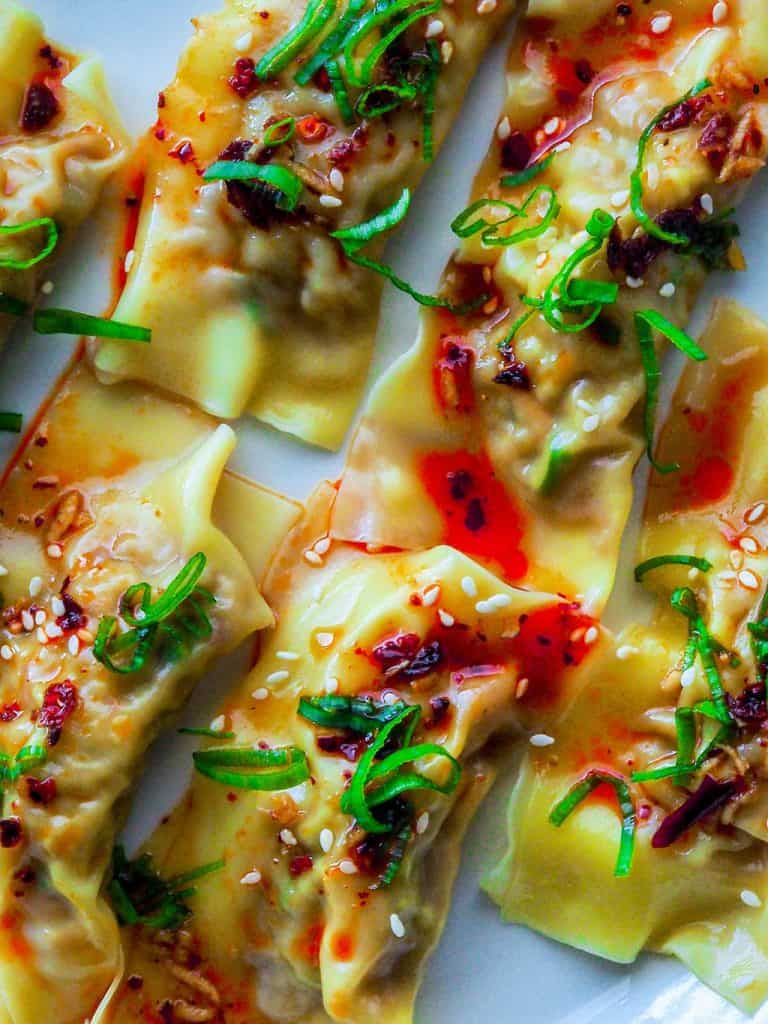
Homemade sweet soy sauce takes about 20 minutes: dissolve 150 g palm sugar in 235 ml dark soy sauce and 120 ml water, add star anise, cinnamon, cloves, garlic and ginger, then simmer for 12 to 15 minutes until it coats a spoon in thick ribbons. Strain, cool and refrigerate. It makes about 1 cup and keeps for 3 months.
Bottled kecap manis is fine. This sweet soy sauce recipe is better, and it costs you one small saucepan and twenty minutes on a quiet afternoon.
Kecap manis is the thick, dark, sweet soy sauce of Indonesia, the thing that makes nasi goreng taste like nasi goreng. Making it yourself means you choose the spice level, the sweetness and the soy, and you skip the thickeners some commercial bottles lean on. The method is a simple reduction, the kind every restaurant kitchen runs a dozen times a week for glazes.



What makes kecap manis different from regular soy sauce?
Texture first. Regular soy sauce is thin and salty, a seasoning you splash in. Kecap manis is closer to warm maple syrup, sweet up front with soy saltiness and warm spice behind it. You drizzle it, glaze with it, and finish dishes with it. And if it’s plain soy sauce you’ve run out of, not the sweet kind, this soy sauce substitute guide has 10 swaps with ratios.
The two do not swap one for one. Use kecap manis where you want sweetness, gloss and color; use plain soy where you only want salt. For a longer look at the bottled kind and how it is used across Indonesia, read this explainer on what dark sweet soy sauce is.
Palm sugar is where the flavor comes from
Palm sugar is sap from coconut or palmyra palm flowers, boiled slowly until it sets into dense brown cakes sold as gula merah, gula jawa or gula Melaka. That long boil browns the sugar and gives it a smoky, butterscotch depth. It is the flavor you are actually tasting in good kecap manis.
Brown sugar is white sugar with molasses added back. It sweetens fine, but it tastes thinner and lacks the smoke. If you are deciding what to buy, this comparison of palm sugar vs brown sugar covers where each one belongs.
The blocks are hard. Chop or grate them before measuring, or buy the pre-grated tubs from an Asian grocer. Coconut palm sugar from a health food shop is a close second, and dark brown sugar with a tablespoon of molasses works in an emergency.
Which soy sauce should you use?
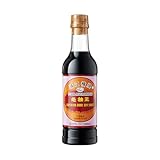
Dark soy. It is aged longer than light soy, often with a little caramel or molasses, so it is thicker, darker and less salty. That matters here because you are reducing it by about a third. Start with a bottle of everyday light soy and the finished sauce turns harsh and over-salted.
Check the label for the words dark soy sauce. Pearl River Bridge is easy to find, and Indonesian-style brands sit on the same shelf at most Asian grocers. If you avoid gluten, look for a wheat-free tamari-style dark soy, because the Celiac Disease Foundation lists traditional soy sauce as a gluten source.
The spices, and the leaf you can skip
Star anise brings licorice. Cinnamon adds warmth, and cloves give a sharp, almost floral edge. Smashed garlic and coins of fresh ginger keep the whole thing savory so it does not drift into dessert syrup.
The kaffir lime leaf is optional. Tied in a knot, it adds a citrus-floral note common in Javanese versions. Leave it out if you want an all-purpose bottle you can use on anything from fried rice to roast vegetables.
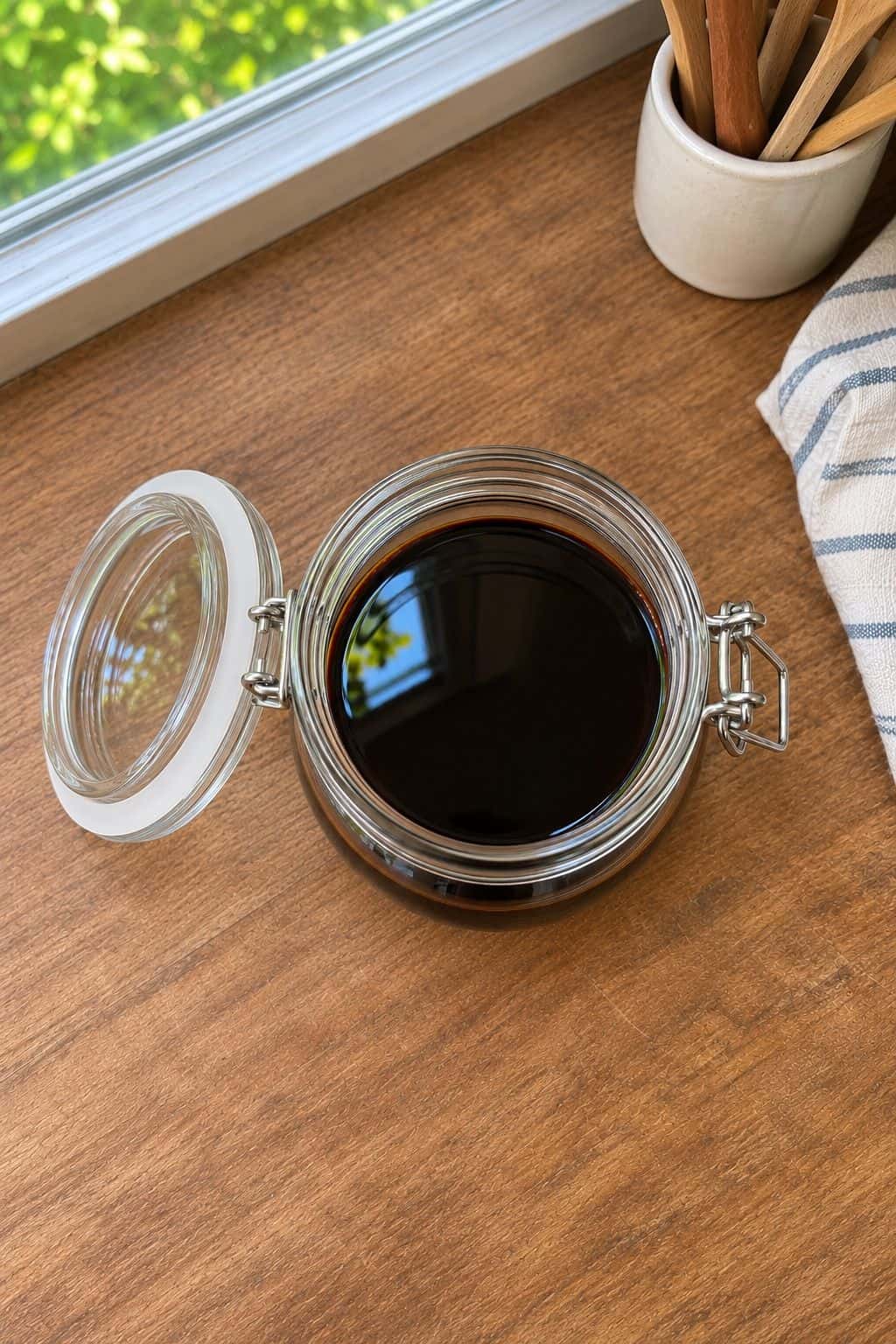
Sweet soy sauce recipe (kecap manis)
Prep time: 5 minutes. Cook time: 15 minutes. Total time: 20 minutes. Yield: about 1 cup (235 ml).
Ingredients
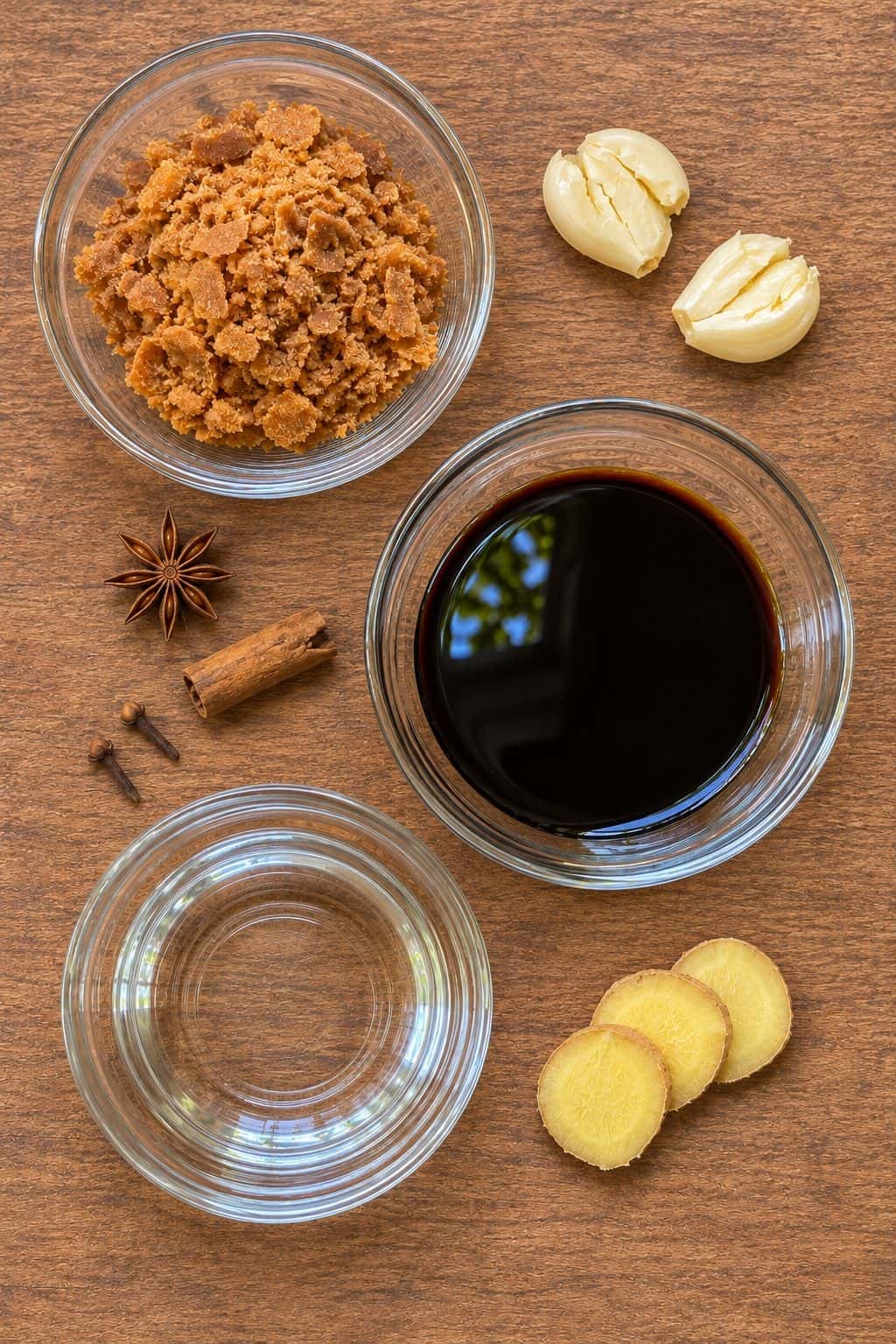
- 150 g (¾ cup, packed) palm sugar (gula merah), chopped or grated
- 235 ml (1 cup) dark soy sauce
- 120 ml (½ cup) water
- 1 whole star anise
- 1 (5 cm / 2 inch) cinnamon stick
- 2 whole cloves
- 2 garlic cloves, smashed
- 1 (2.5 cm / 1 inch) piece fresh ginger, sliced into coins
- Optional: 1 kaffir lime leaf, knotted
Instructions
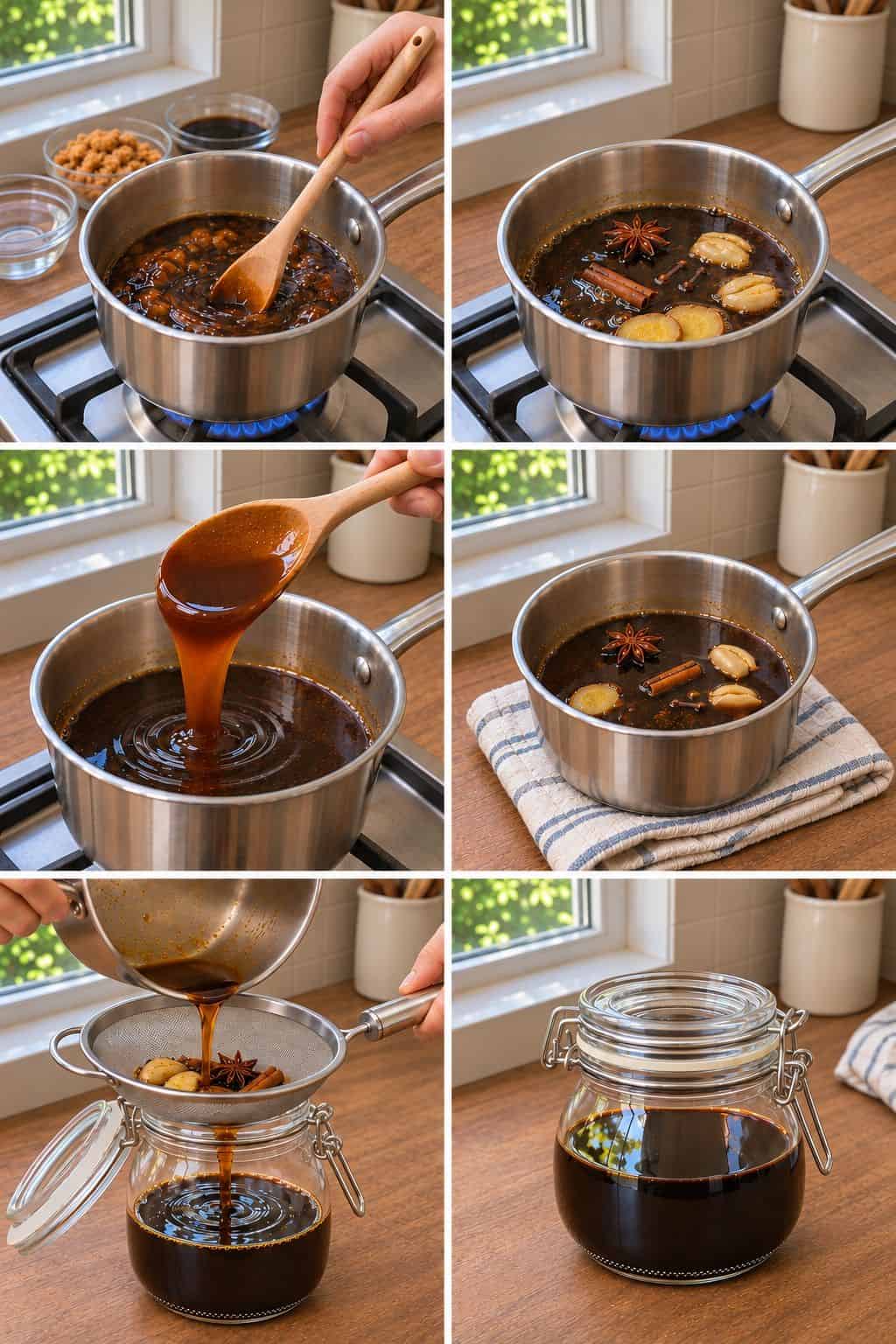
- Put the palm sugar, dark soy sauce and water in a small heavy saucepan over medium heat. Stir often for 4 to 5 minutes, until no grains of sugar are left on the bottom.
- Add the star anise, cinnamon stick, cloves, garlic, ginger and the lime leaf if using. Turn the heat down to a low simmer.
- Simmer uncovered for 12 to 15 minutes, stirring now and then. The sauce reduces by about a third and darkens. It is ready when it falls off a wooden spoon in thick ribbons.
- Take the pan off the heat and let it stand for 5 minutes so the spices keep infusing.
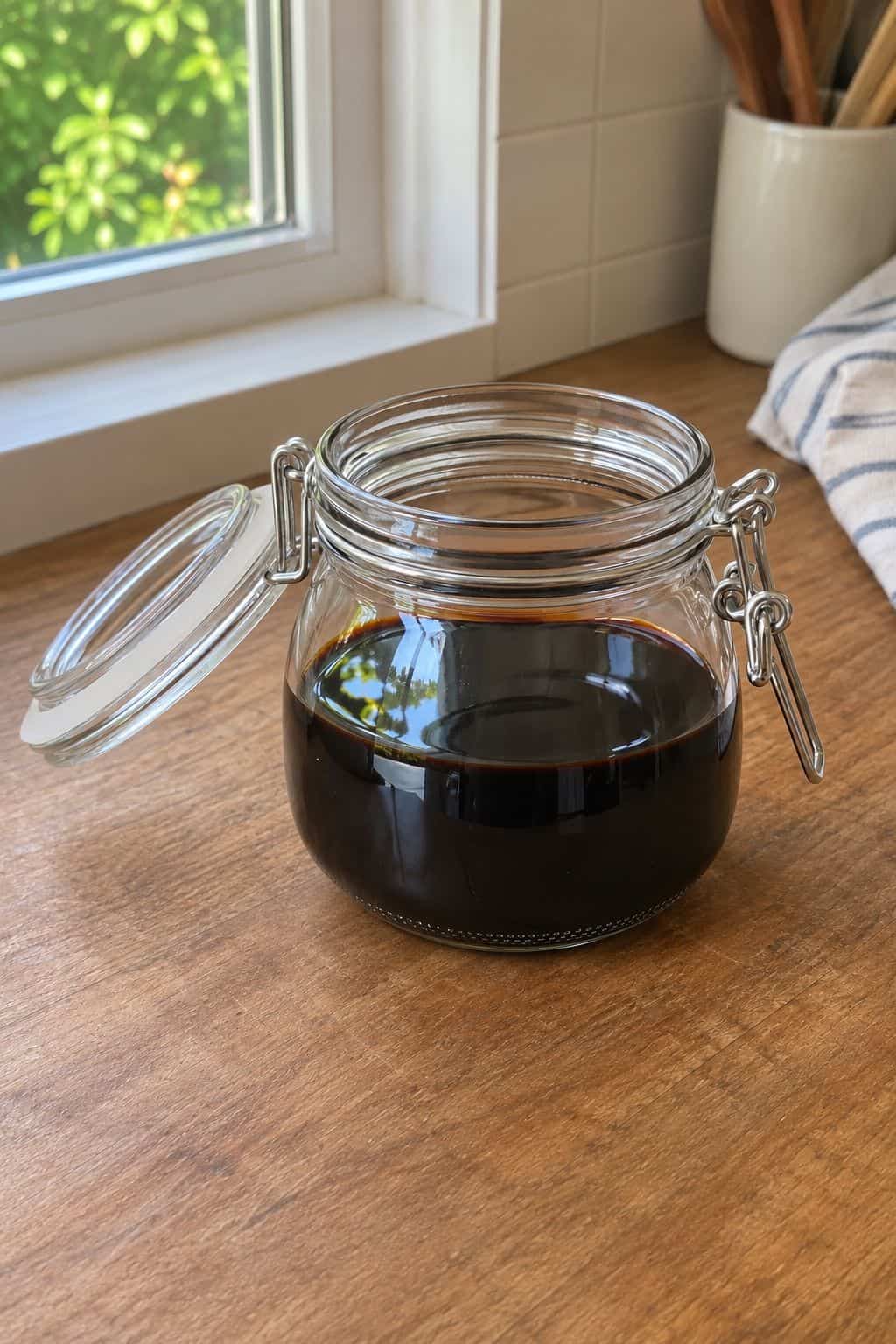
- Pour through a fine-mesh strainer into a clean glass bottle or jar and discard the spices. It should look like warm maple syrup.
- Cool to room temperature, seal and refrigerate. It thickens more as it chills.
Notes
Keeps 3 months in the fridge in a sealed glass bottle. If it has stiffened or crystallized, warm the bottle in hot water before using.
How do you know when it is thick enough?
Use the spoon test, not the clock. Dip a wooden spoon, lift it, and watch. A thin stream means keep going. Slow, heavy ribbons mean stop.
Stop a little before you think you should. Sugar syrups always set thicker once cold, and an over-reduced kecap manis turns into something closer to toffee in the fridge. In a restaurant we pull glazes when they still look slightly loose in the pan, for exactly this reason.
Two more habits help. Dissolve the sugar fully before the spices go in, because undissolved palm sugar sticks to the base and scorches. And bottle it while it is warm, not hot. Warm sauce pours cleanly through a strainer; fridge-cold sauce barely moves.
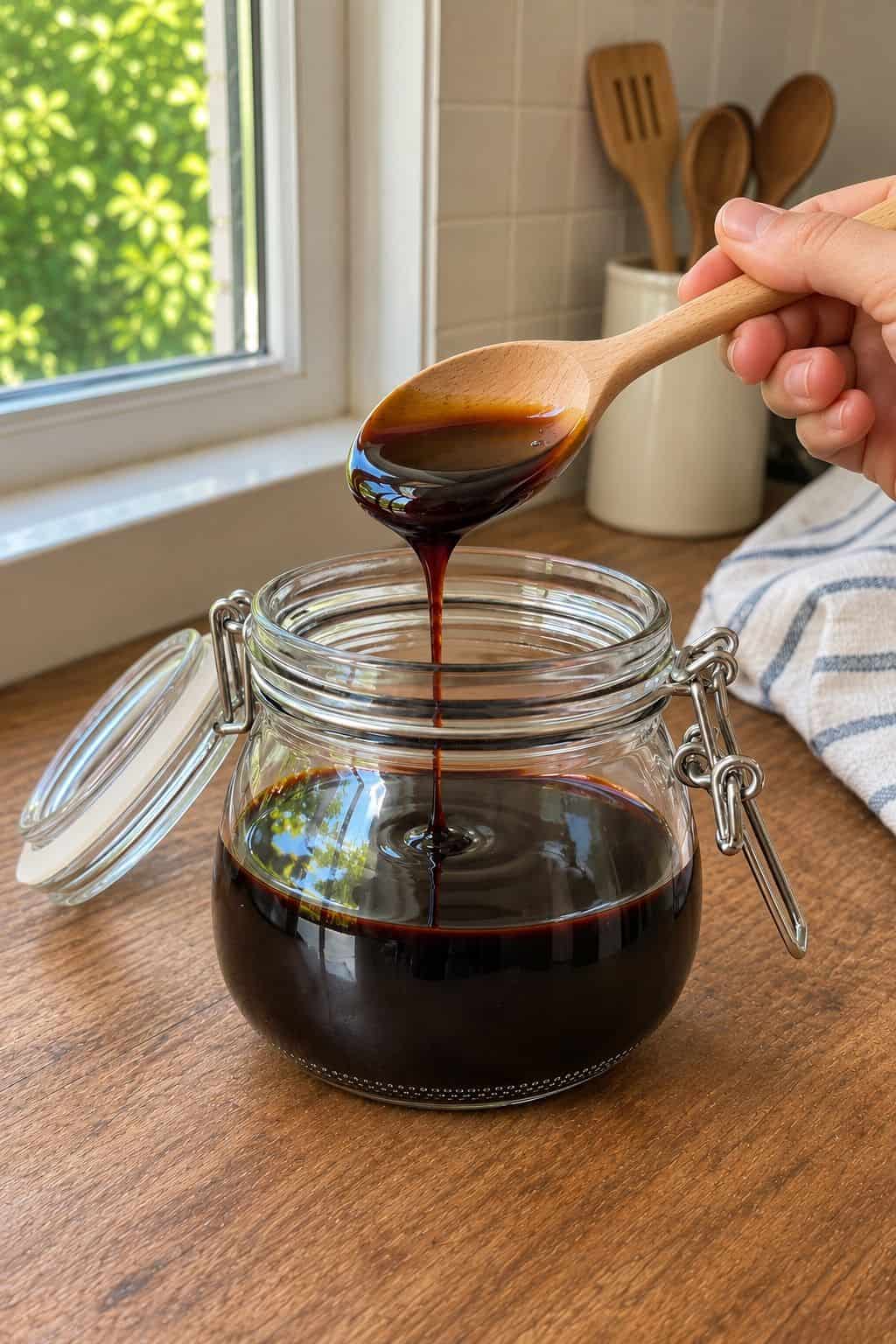
Where to use a bottle of kecap manis
Nasi goreng and mie goreng are the obvious ones: a few tablespoons in the wok at the end gives the rice its color and sticky edges. Brush it on chicken or pork satay in the last minutes on the grill, or stir a spoonful into peanut sauce for gado gado.
It also works far outside Indonesian food. Drizzle it over grilled fish, roast squash or a cold cucumber salad with chili and shallots. For a quick glaze built on the same idea, try this 10-minute sweet soy glaze for salmon or chicken thighs.
For Southeast Asian dishes to cook with the same pantry, try pad kra pao shrimp or a Thai curried lentil coconut soup.
Kecap manis questions
Can I use brown sugar instead of palm sugar?
Yes, as a stand-in, but the sauce will taste flatter. Brown sugar has none of the smoky caramel that slow-boiled palm sap gives you. Add 1 tablespoon of molasses per cup of brown sugar to get closer, or use coconut palm sugar from a health food shop, which is the better swap.
How long does homemade kecap manis last?
Homemade kecap manis keeps for about 3 months in a sealed glass bottle in the fridge. The sugar and salt stop it from spoiling, but the spice aroma fades after that, so make a fresh batch rather than stretching an old one.
Is kecap manis gluten-free?
Only if the dark soy sauce you use is gluten-free. Standard dark soy is brewed with wheat, so swap in a wheat-free tamari-style dark soy. The palm sugar, water and spices are all naturally gluten-free, and the sauce is vegan either way.
Why did my kecap manis crystallize in the fridge?
Cold makes the dissolved sugar seize up, which is normal for a sauce this sweet. Stand the bottle in a bowl of hot water for a few minutes, or leave it out for 30 minutes before you need it, and it will pour again.
Can I make a half or double batch?
Yes, scale everything in proportion. A half batch is 75 g palm sugar to 120 ml dark soy; a double batch is 300 g to 470 ml. Keep the spices roughly the same, and expect a double batch to need about 25 minutes of simmering instead of 15.
Key takeaways
- The base is 150 g palm sugar, 235 ml dark soy and 120 ml water, reduced by about a third.
- Palm sugar gives the smoky caramel flavor; brown sugar with molasses is only a fallback.
- Use dark soy, not light, or the reduced sauce turns too salty.
- Pull it off the heat when it ribbons off a spoon, since it thickens as it cools.
- Strain and bottle while warm, then refrigerate for up to 3 months.
No palm sugar in the cupboard yet?
Buy a block next time you pass an Asian grocer and make this the same week, because once it is in the fridge you will reach for it constantly. Until then, this guide to a substitute for kecap manis shows what to mix from pantry staples tonight.
Last update on 2026-11-19 / Affiliate links / Images from Amazon Product Advertising API